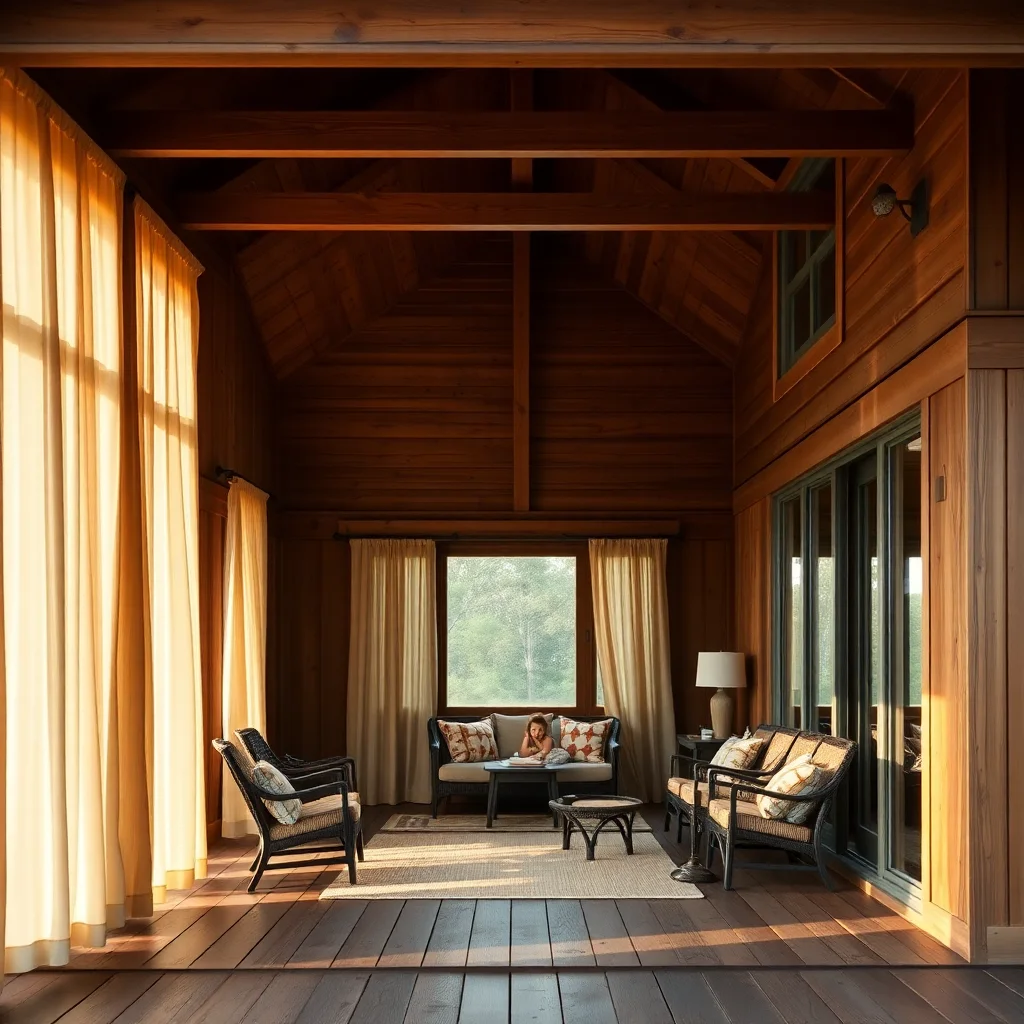
The dogtrot house shows how vernacular spatial logic could power climate-smart housing—if architects avoid nostalgia.


The dogtrot house shows how vernacular spatial logic could power climate-smart housing—if architects avoid nostalgia.

The Bowie exhibition shows why immersive displays work best when they build atmosphere, narrative and memory—not just digital spectacle.
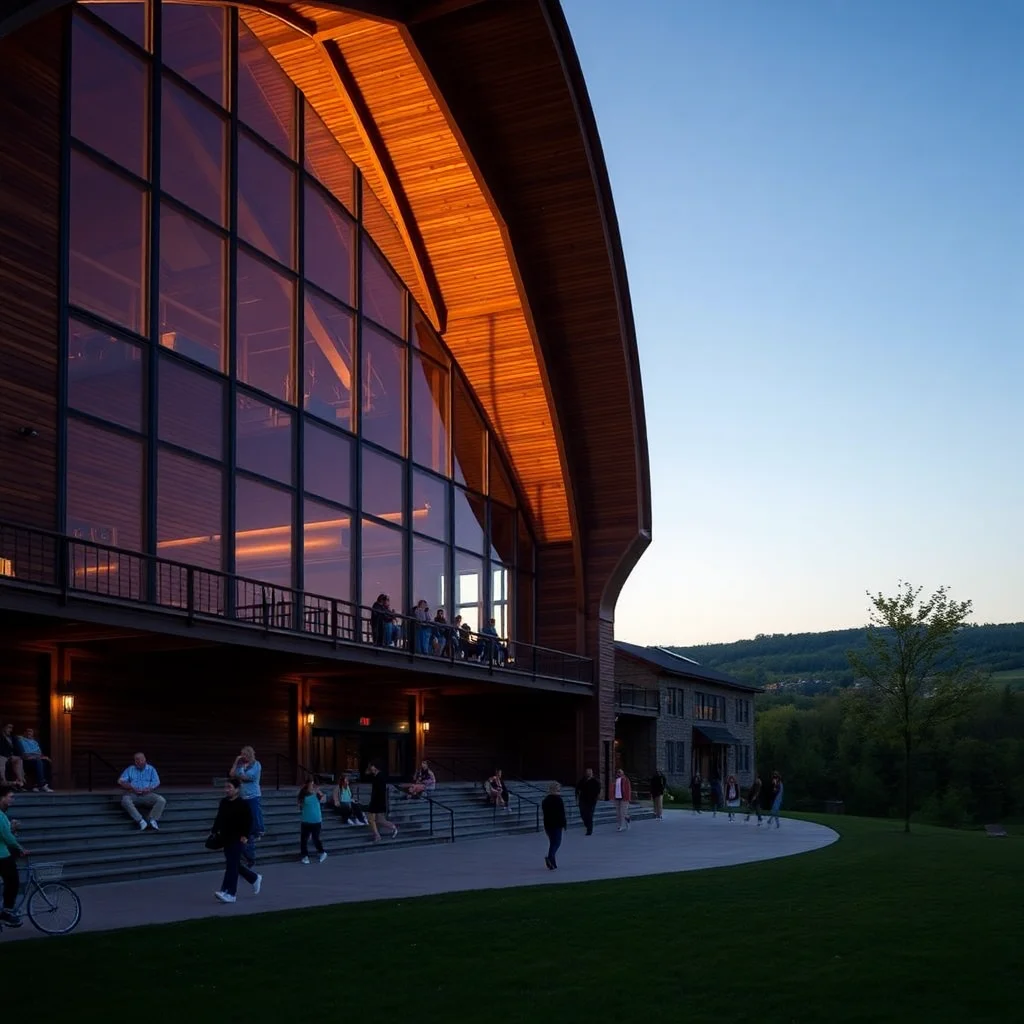
Studio Gang’s Hudson Valley Shakespeare theater raises the question: is mass timber a climate strategy or just sustainable theatre?

On’s spray-on shoe robot points to a future of material deposition, customization, and a harder question: is it sustainability or spectacle?
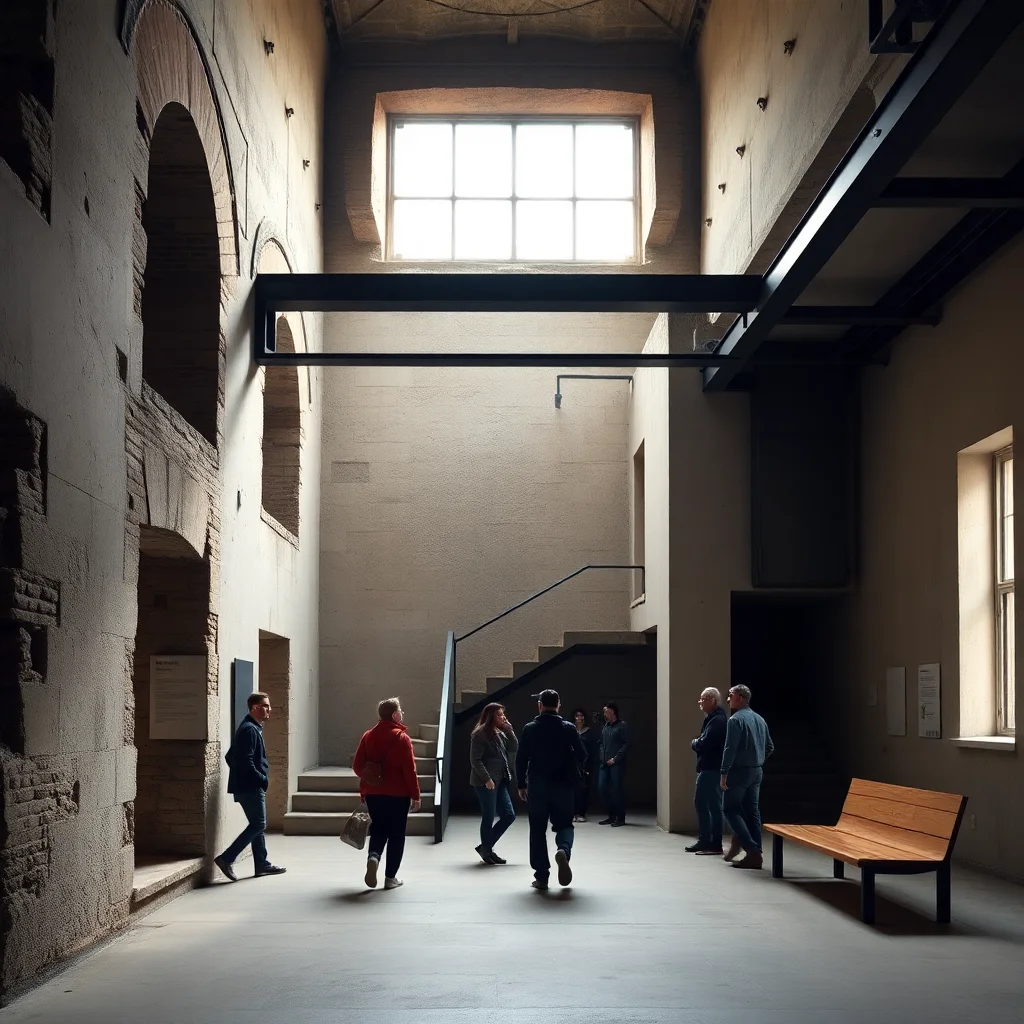
Heritage interiors now preserve memory and absorb new uses—where authenticity means lived continuity, not frozen perfection.

AI is moving from image generation to decision support in architecture, raising hard questions about authorship, judgment and accountability.

Airelles’ Venice debut raises a harder question: how much luxury can a fragile city absorb before it becomes a private club?

AI turns architectural rendering into a decision engine—changing design, sales, and authorship in one move.

Parametric design is mainstream. Is computational precision expanding architecture—or turning it into a global style?

Toronto’s car-free island district asks whether walkable neighborhoods create community—or just shift the design burden elsewhere.
