

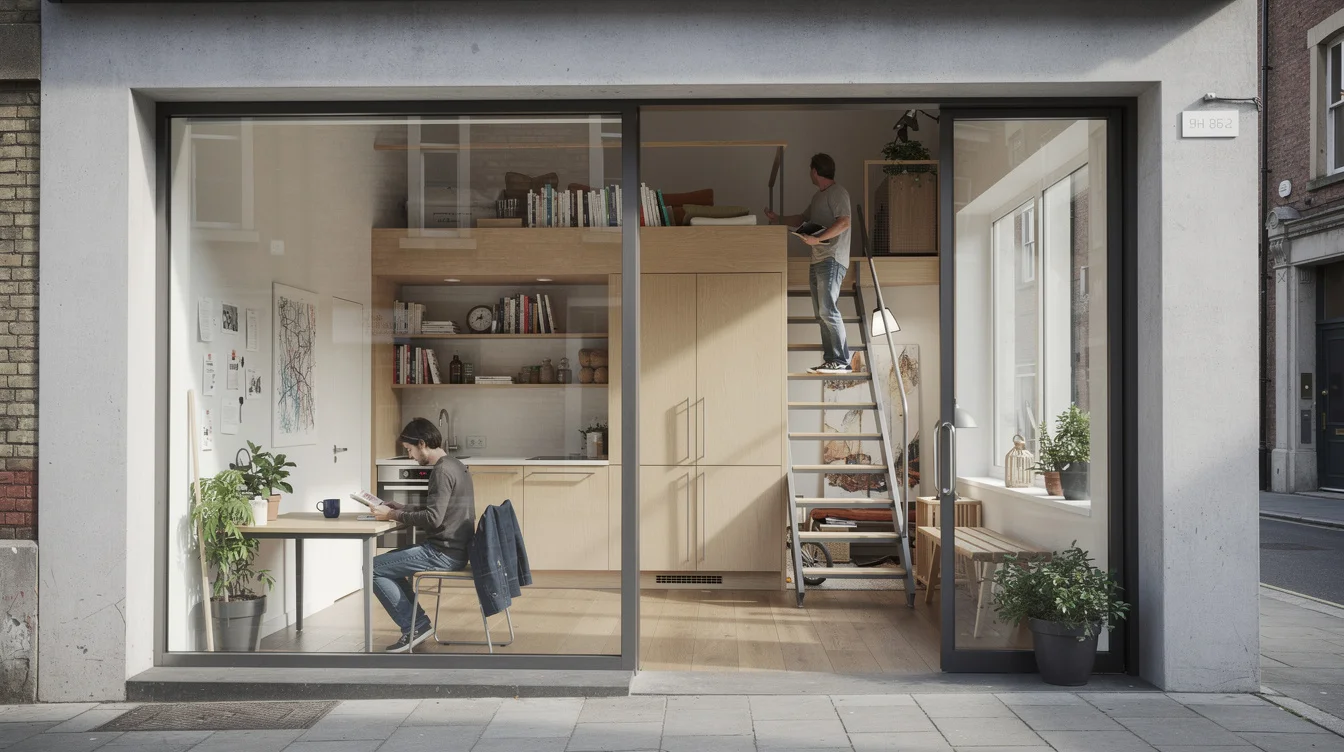
Crearctive turns a shop into four apartments. But spatial efficiency
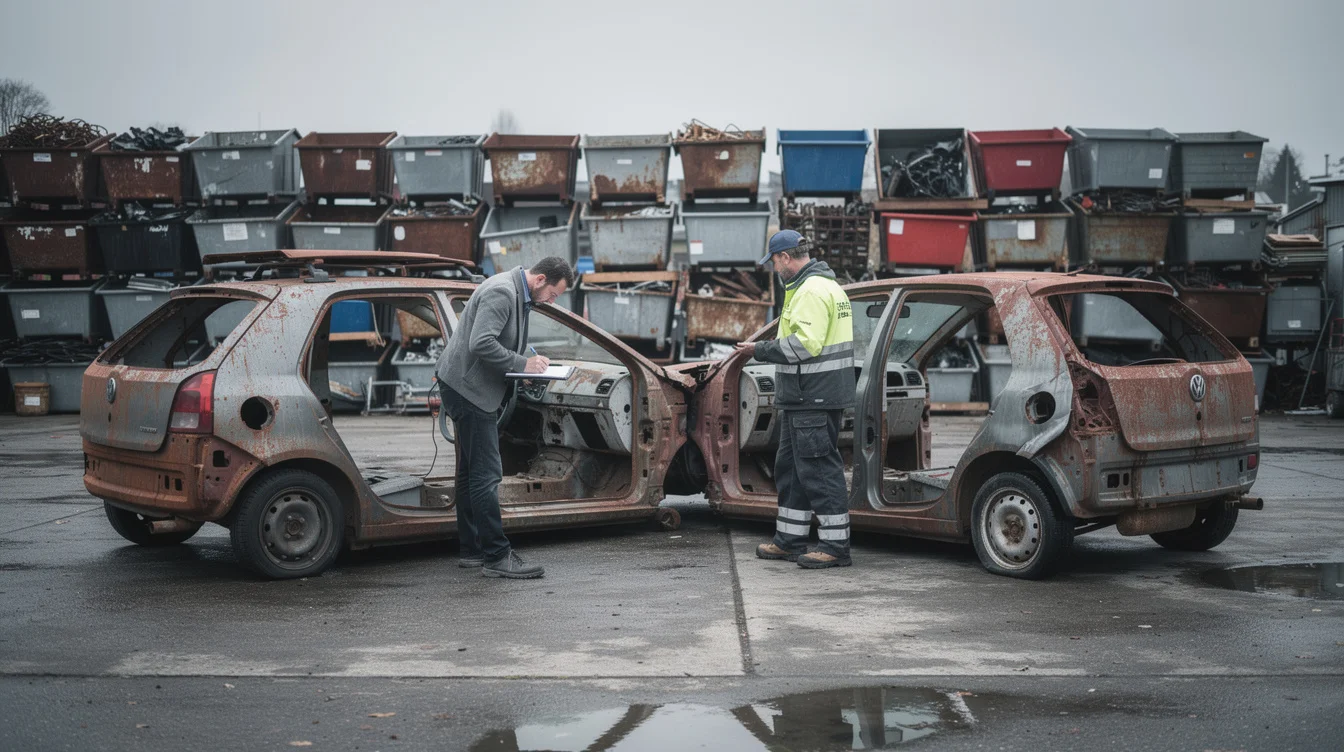
Giona Bierens de Haan’s It All Remains pits car reuse

Can a Factory Floor Plan Redistribute Power?
Bangladesh’s RIBA-winning Green Field Factory challenges workplace hierarchy. But can equal space give workers power without changing management?

When Mycelium Meets Electronics, What Happens at the End?
Hypha-lume pairs mycelium with interactive hardware. Its circularity test is not what grows, but what can be separated, repaired and recovered.

Can a Rainforest Retreat Put the Forest First?
Schemata Architects’ Linden House raises a harder question for rainforest hospitality: who benefits when wellbeing becomes a reason to build?

Lion Green Road: Does Mixed-Tenure Housing Deliver Equality?
Lion Green Road’s Stirling Prize win raises a harder question: do mixed-tenure homes share architectural quality, amenities and maintenance fairly?

When the Park Must Disappear Under Water
Latin America’s floodable parks make inundation a public service. But who guarantees safe evacuation, reliable reopening and somewhere else to play?
Shade Should Be Cheap—but Must Citizens Build It?
Pearce+’s Camden pavilion champions DIY shade. But when does community empowerment become an excuse to offload climate adaptation onto residents?

District Six: A Right to Return, Not Recreate the Past
District Six’s 108 restitution homes pose a hard question: how can architecture honour collective memory without prescribing how returning residents live?

The Guggenheim’s White Walls Were Never a Neutral Choice
Frank Lloyd Wright opposed white paint. Should Guggenheim conservation honour his intentions—or the building generations have learned to recognise?
