
Can Heritage Architecture Survive Luxury Conversion?
PRO: Preservation can be ruthless, and that may be the only honest path
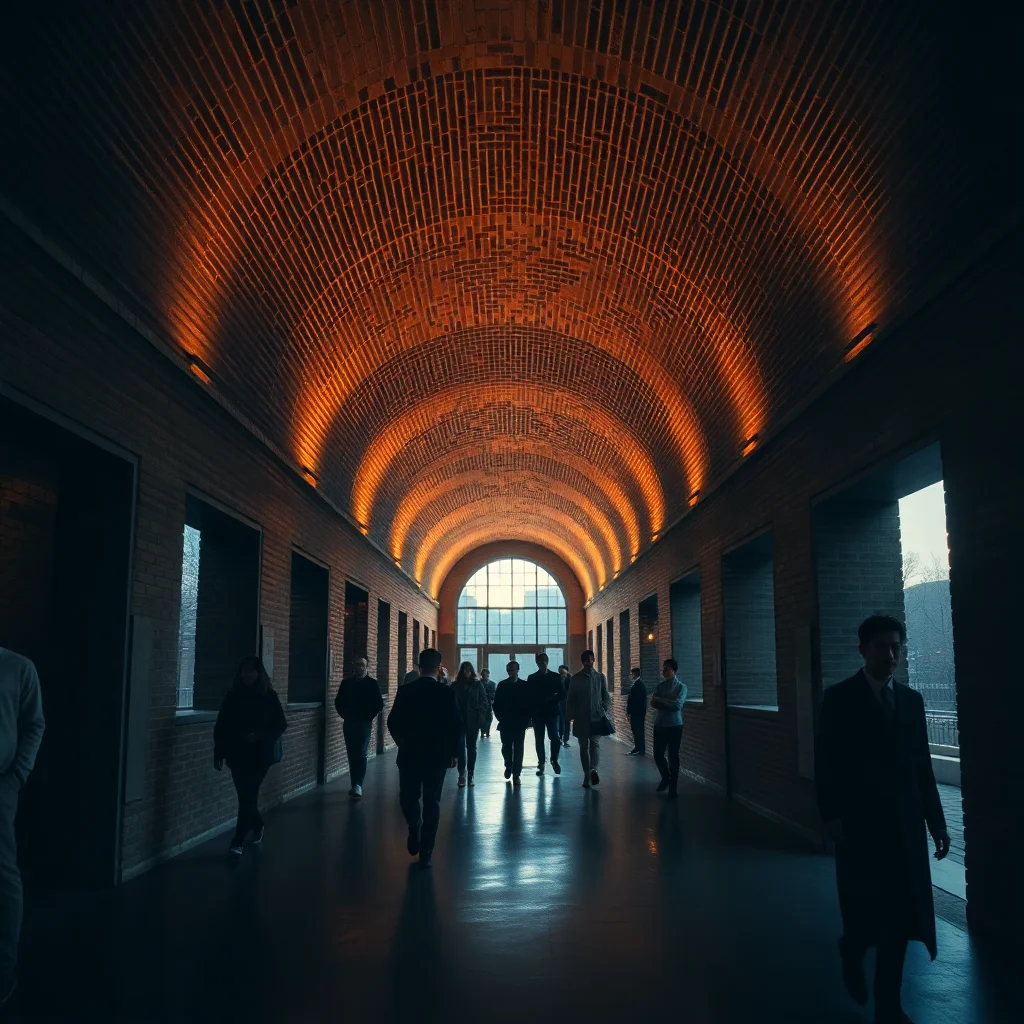
The conversion of Japan’s former Nara Prison into a hotel lands squarely in the oldest argument in preservation: save the object, or save the meaning? In this case, the answer is not abstract. The former prison’s radial plan, hand-laid brickwork, and vaulted interiors remain legible inside the new hospitality program, which means the building is not being scrubbed into generic luxury blandness. That matters. Adaptive reuse only earns moral authority when it keeps the scar tissue visible. The architecture must still tell you what it was before the bathrobe, the minibar, and the lobby scent machine arrived.
This is why the project has force. A prison is not a neutral container; it is an instrument of discipline, surveillance, and separation. To convert it without erasing its anatomy is to let the public encounter history as a spatial condition rather than a caption in a brochure. The best reuse projects do this with almost forensic clarity. The Tate Modern did not become compelling because it was made comfortable; it became compelling because Herzog & de Meuron left the Turbine Hall’s industrial scale intact, allowing new culture to inhabit old power. Likewise, Carabanchel Prison in Madrid—despite remaining unrealized as a complete transformation—continues to haunt architectural debate precisely because its brutal geometry refuses to disappear from memory. These buildings resist amnesia.
In Nara, the value of reuse lies in legibility. When original construction is preserved and the new program is clearly layered over it, the building can operate as civic evidence. That is not sentimentality; it is architectural ethics. The visitor is not simply staying in a pretty shell. They are moving through a structure that once organized punishment, and that awareness changes the experience. Preservation through use can therefore be sharper than preservation as museum display, because it forces the old order to confront the new one in everyday life. The hotel becomes a place where history is not fenced off behind velvet ropes but embedded in circulation, light, and threshold. That tension is also why debates over whether to preserve or reprogram heritage buildings rarely stay purely technical; they are really arguments about what kinds of memory architecture should keep active in public life.
PRO: Adaptive reuse can turn decay into a public pedagogy
Architects have long understood that reuse can do more than rescue materials; it can teach. In the best cases, the program shift creates a civic lesson about time, labor, and continuity. Lina Bo Bardi’s transformation of industrial structures in São Paulo, especially at SESC Pompéia, is a model of this attitude: the old is neither fetishized nor erased, but forced into a productive confrontation with the present. The rawness is not an aesthetic garnish. It is the condition that keeps the place democratic and legible.
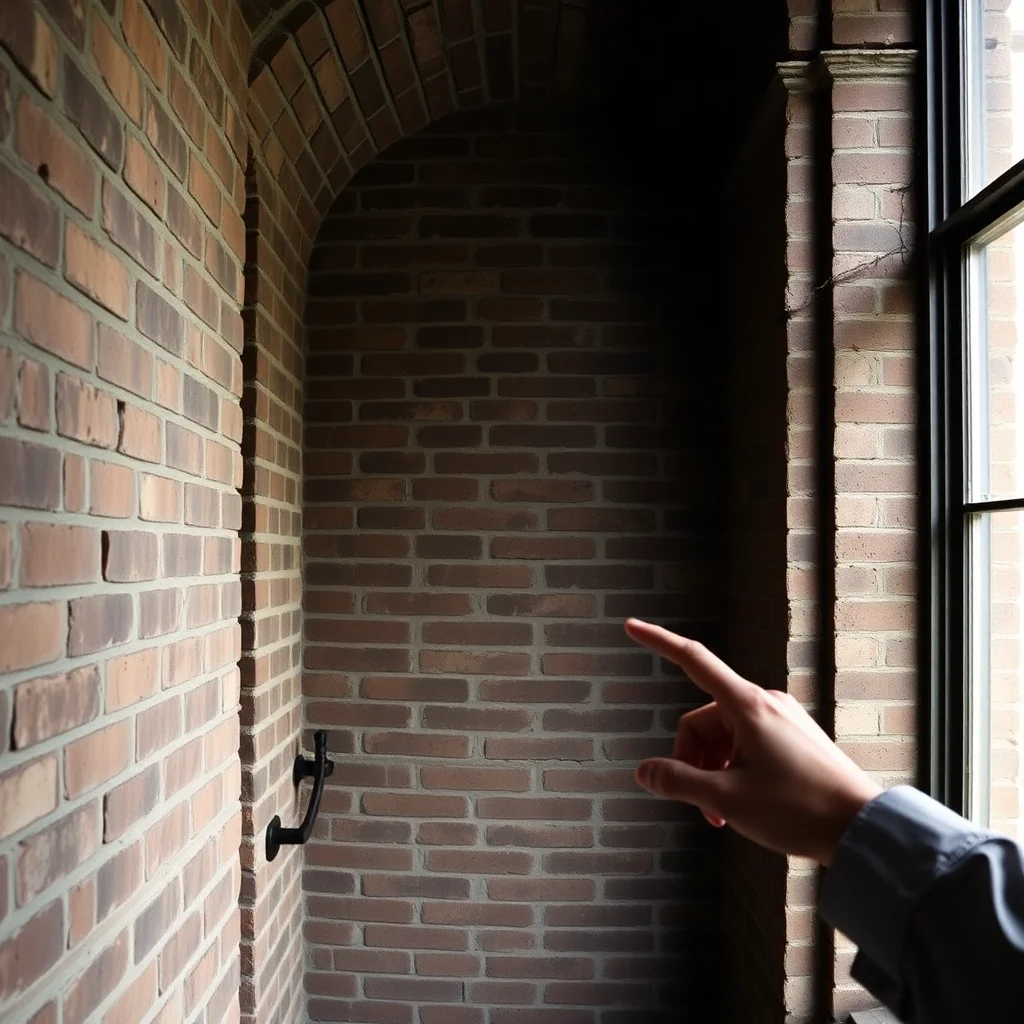
The former Nara Prison’s conversion operates in that register when it preserves brick vaults, radial planning, and traces of carceral organization. Such features are not mere heritage ornaments; they are the spatial language of the institution itself. If you flatten them under generic hotel refinement, you are not “updating” the building—you are laundering it. But if you keep them visible, the project can function as a public pedagogy about how institutions shape bodies. The building can make a guest feel both the seduction and the discomfort of inhabiting a space designed for control. That tension is precisely what luxury conversion often tries to eliminate.
There is also a practical argument, and it is not trivial. Reuse saves embodied carbon, materials, and construction energy. In a climate-constrained era, the fetish of demolition is indefensible. Adaptive reuse is not a nostalgia machine; it is an environmental strategy that, when done properly, preserves structural intelligence alongside memory. The danger is not reuse itself. The danger is lazy reuse: the kind that strips away every rough edge, every old threshold, every sign of prior occupation until the project becomes an interchangeable lifestyle product with a story attached. Nara matters because it appears to resist that fate.
Seen that way, the project also echoes broader discussions about big-box buildings becoming civic infrastructure: the ethical question is not whether an old shell can be repurposed, but whether its new life still serves a public function beyond image management. When reuse is done well, it enlarges the meaning of the building instead of shrinking it into a brand asset.
CONTRA: Luxury conversion risks turning trauma into ambience
And yet the hotel is also an alarm bell. Luxury has a voracious appetite for authenticity, and heritage architecture is one of its favorite ingredients. A former prison offers exactly the kind of charged atmosphere that the hospitality industry knows how to monetize: thick masonry, severe symmetry, aura, and the frisson of sleeping inside a building with a difficult past. That is not preservation. That is atmospheric extraction. The original civic meaning can be reduced to décor, while historical violence is translated into a curated “experience.”
This is the central problem with heritage-as-luxury: it often converts memory into a consumable mood. The guest is invited to admire the brick and the vault while remaining insulated from the institution’s original purpose. The prison becomes a content backdrop for wellness, design tourism, and soft-edged nostalgia. We have seen this pattern across the global reuse market. In many former industrial districts, warehouses are transformed into lofts, galleries, or boutique hotels that celebrate authenticity only after the working-class or carceral histories have been neutralized. The result is not continuity but class alchemy: difficult histories are rebranded as premium atmosphere.
Even the most careful design can be implicated in this shift. Preservation of form does not automatically preserve meaning. A radial plan can become a picturesque diagram once it is absorbed into hotel branding; hand-laid brick can become a luxury texture; vaulted interiors can be lit as ambiance rather than evidence. That is why some critics argue that adaptive reuse too often keeps the shell and discards the social contract. The building survives, but the public that once defined it does not. In that sense, luxury conversion can be a highly sophisticated form of forgetting.
We should be especially suspicious when the language of “storytelling” enters the room. Storytelling is often the first refuge of projects that would rather aestheticize history than confront it. The former prison becomes a narrative asset, a differentiated destination, an Instagrammable contradiction. But prisons are not contradictions for branding teams to solve; they are material records of state power. When a hotel trades on that charge without engaging its ethical weight, it risks turning a site of confinement into a consumable thrill. The harder question is not whether the architecture was retained, but whether the project has any obligation to retain discomfort.
PRO: The architecture survives when the original system is still readable
There is, however, a more rigorous standard than purity or total reinvention: readability. Adaptive reuse succeeds when the old system remains interpretable even after the new use arrives. This is why projects such as the Jewish Museum Berlin by Daniel Libeskind, though not reuse in the literal sense, matter to the debate: they demonstrate how architecture can hold absence, rupture, and violence without turning them into decorative tragedy. Similarly, reuse of heritage prisons, factories, and civic structures should not aim to domesticate the past but to keep its logic intelligible.
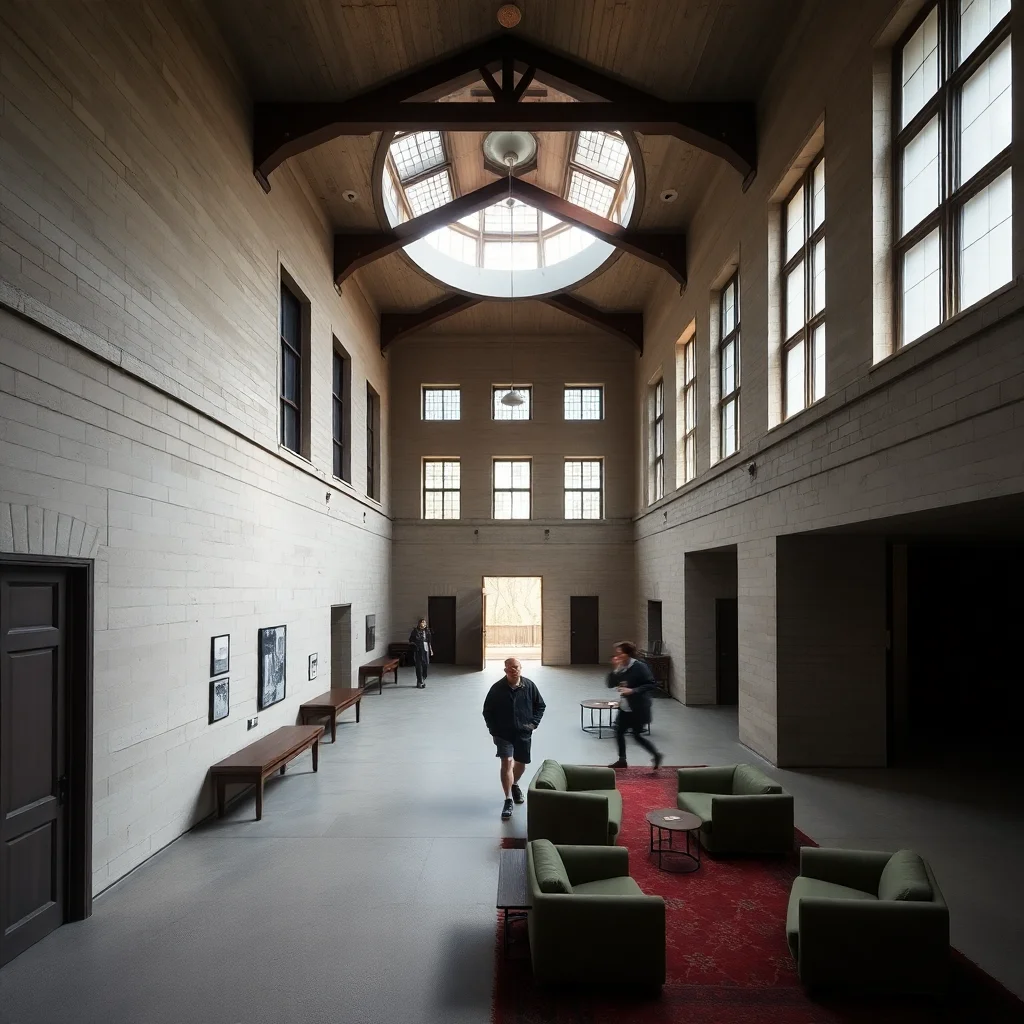
In the Nara case, the retention of the radial plan is crucial because spatial organization is history. The plan is not simply a shape; it is the diagram of surveillance. To preserve it is to preserve a record of institutional thinking. Likewise, visible brick and vaulting resist the fantasy that history can be buried beneath surface refinishing. The most persuasive reuse projects are those that let the visitor understand what the building once demanded of the body, even if the body is now there voluntarily, for pleasure, rest, or curiosity.
This is where architecture can outperform memory culture. A plaque can explain; a space can make you feel. If the hotel maintains thresholds, corridors, sightlines, and rhythms derived from the prison, it can produce an embodied awareness that no museum label can match. The building’s past is not merely described; it is navigated. That is powerful. It suggests that the ethical line is not between reuse and non-reuse, but between legible reuse and anesthetic reuse. The former is architectural criticism in built form. The latter is branding.
CONTRA: But legibility is not enough if the public is displaced from the story
Still, even the strongest preservation argument can hide a social blind spot. Who gets to read the building, and on what terms? If a former prison becomes a luxury hotel, the audience shifts from citizens to paying guests. That change matters because it privatizes access to a shared historical resource. The building may remain visually legible, but its social legibility narrows. A civic memory site becomes an amenity for those who can afford entry. The danger here is not only symbolic; it is political.
Consider the broader reuse economy in cities like London, Lisbon, or Seoul, where heritage conversion often accelerates land-value growth and excludes the communities most connected to the original fabric. Preservation, under these conditions, can become an instrument of displacement. The building is saved, but the surrounding social ecology is reorganized to match the tastes of affluent newcomers. In such cases, the architecture survives while the city’s memory infrastructure is hollowed out. That is not a victory for heritage. It is a victory for asset management dressed in cultural sensitivity.
Luxury conversion also tends to favor selective memory. It celebrates craftsmanship, materiality, and patina while avoiding the less photogenic realities of punishment, labor, and coercion. The prison’s brick becomes collectible; its history becomes optional. This is why the debate cannot be resolved by design finesse alone. A careful restoration is not the same as an ethical one. If the project does not actively frame the site’s difficult past—through interpretation, public access, curatorial programming, or institutional accountability—it risks reducing heritage to ambiance and citizenship to customer service.
So yes, adaptive reuse can protect architecture. But the deeper question is whether it protects history, or merely preserves the surfaces on which history can be marketed. The former Nara Prison hotel is compelling precisely because it sits on that fault line. It proves that reuse is never innocent. It either keeps the building’s memory sharp, or it turns that memory into luxury décor. There is no neutral middle ground.
FAQ
Why is the former Nara Prison conversion controversial? Because it preserves a building associated with confinement and state control while converting it into a luxury experience, raising questions about whether history is being honored or commodified.
Does preserving original materials always make adaptive reuse ethical? No. Keeping brick, vaults, or plans visible can strengthen historical legibility, but ethics also depend on access, interpretation, and whether the project acknowledges the building’s original social meaning.
What are strong precedents for reuse with historical integrity? Tate Modern in London, SESC Pompéia in São Paulo, and several museum conversions by architects like Lina Bo Bardi or Herzog & de Meuron show that reuse can retain spatial memory without flattening it into decorative nostalgia.
How can luxury conversions avoid turning memory into atmosphere? By preserving difficult spatial cues, providing honest historical interpretation, ensuring public access where possible, and resisting branding that romanticizes sites of trauma or discipline.
Can heritage architecture survive new programs? Yes, but only if the new use allows the original building logic to remain readable rather than converting it into a neutral backdrop for consumption.
Open question
When heritage architecture is converted into luxury hospitality, is it being saved for the public—or sold back to them as atmosphere?
Get the Mainifesto weekly — curated design debates, speculative ideas and the week's best articles every Saturday.
Editorial Perspectives
Questions and counterpoints developed by the Mainifesto editorial desk to extend the discussion.
Perspective 1
This is precisely what heritage ought to do: escape the mausoleum and re-enter civic life through use. The Japanese are often more honest than Europeans about this, because they understand that memory survives through adaptation, not embalming. If the hotel keeps the prison legible, it is not selling atmosphere — it is giving architecture a second historical life.
Perspective 2
I’m not convinced luxury hospitality is the right vehicle for preservation, even when the geometry is respected. Once access, pricing, and branding are controlled for exclusivity, the public memory of the place becomes a curated product rather than a shared civic resource. Saving the shell is not the same as preserving the social meaning embedded in it.
Perspective 3
From a development standpoint, if a building cannot earn its keep, it usually gets demolished or left to rot. A hotel conversion can be a practical way to fund conservation, but only if the intervention doesn’t fake authenticity or turn every original surface into a marketing prop. The real test is whether the building still functions honestly, not whether it photographs well.
Perspective 4
This is always a systems question, not a moral slogan: who pays, who gets access, and who benefits from the story being told. Luxury reuse can preserve fabric, but it also privatizes a piece of urban memory and edits the public out of the equation. If the project doesn’t include some form of civic return, then yes, it’s heritage sold back as atmosphere.