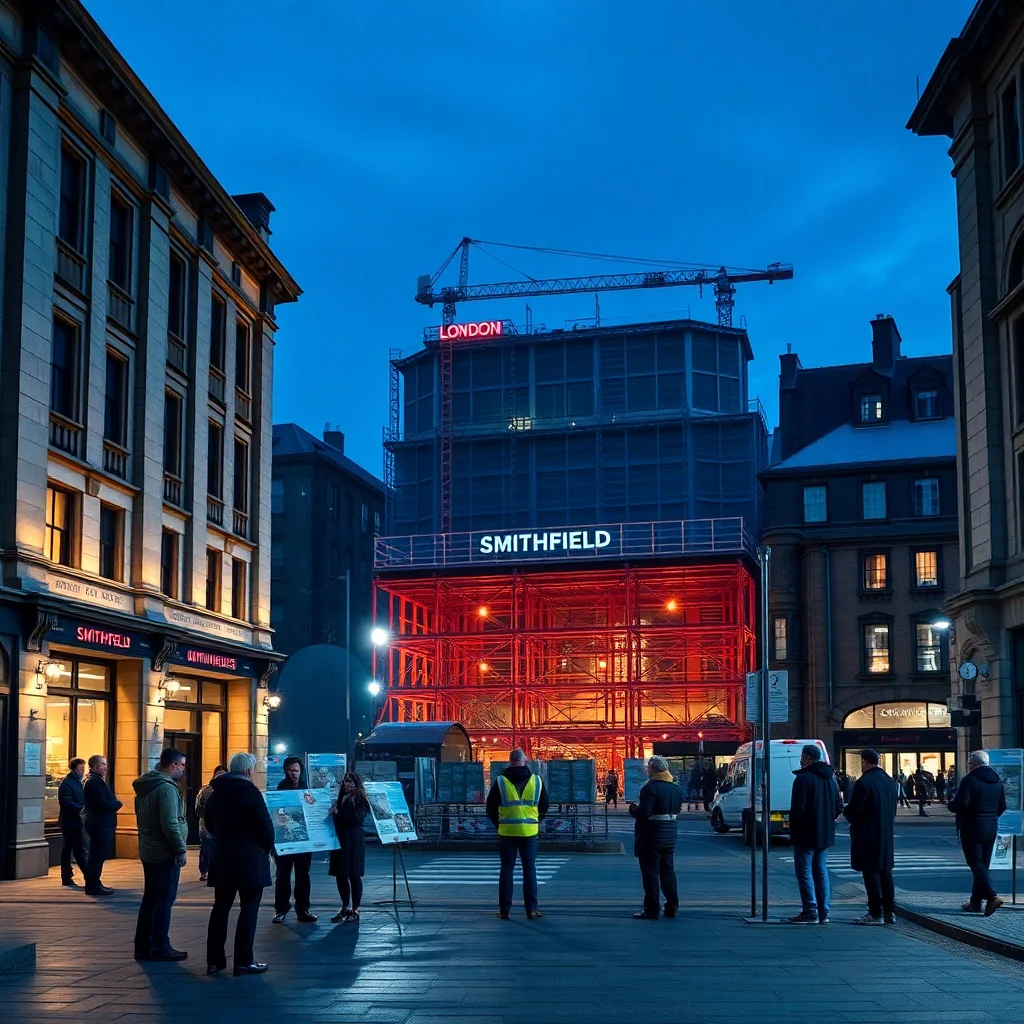
London Museum’s relaunch asks whether civic memory can survive spectacle, branding, and a highly managed architectural identity.


London Museum’s relaunch asks whether civic memory can survive spectacle, branding, and a highly managed architectural identity.
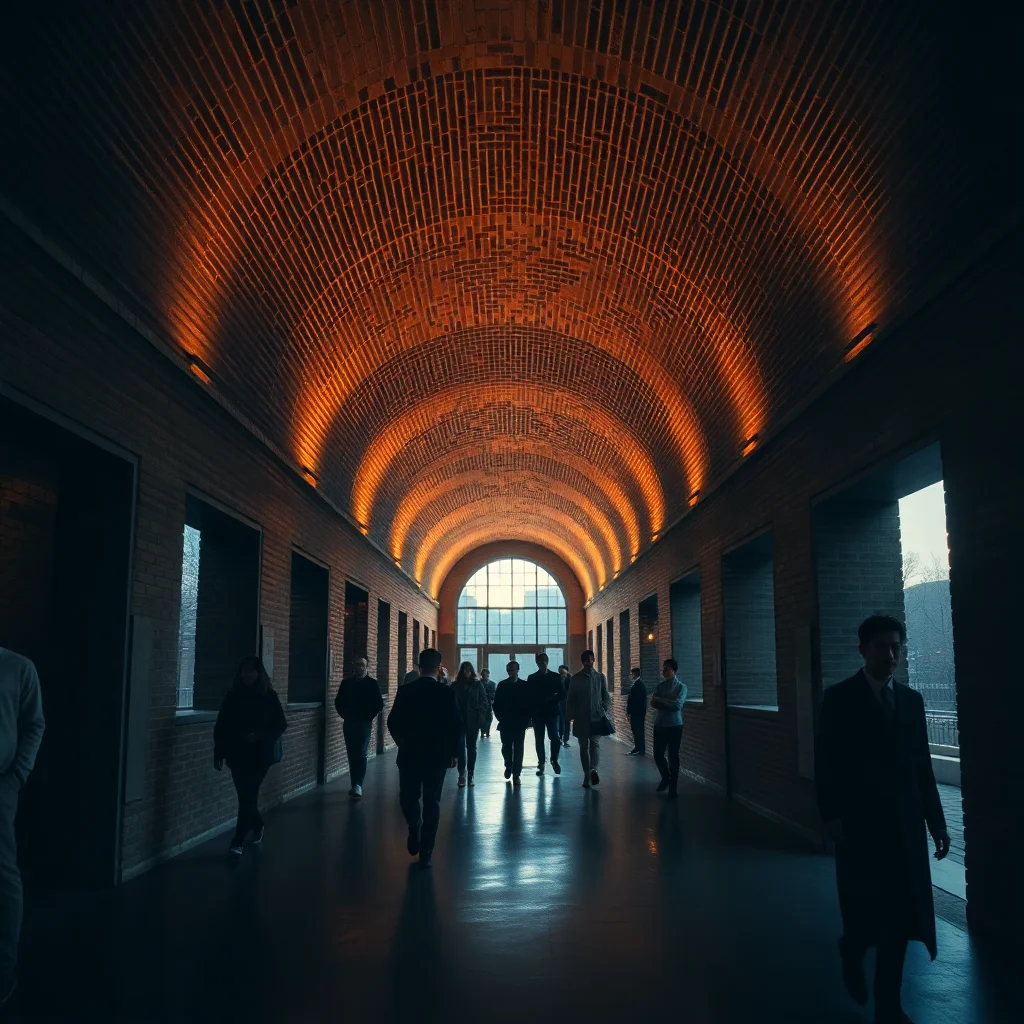
Japan’s former Nara Prison becomes a hotel—does adaptive reuse preserve memory, or market it as atmosphere?
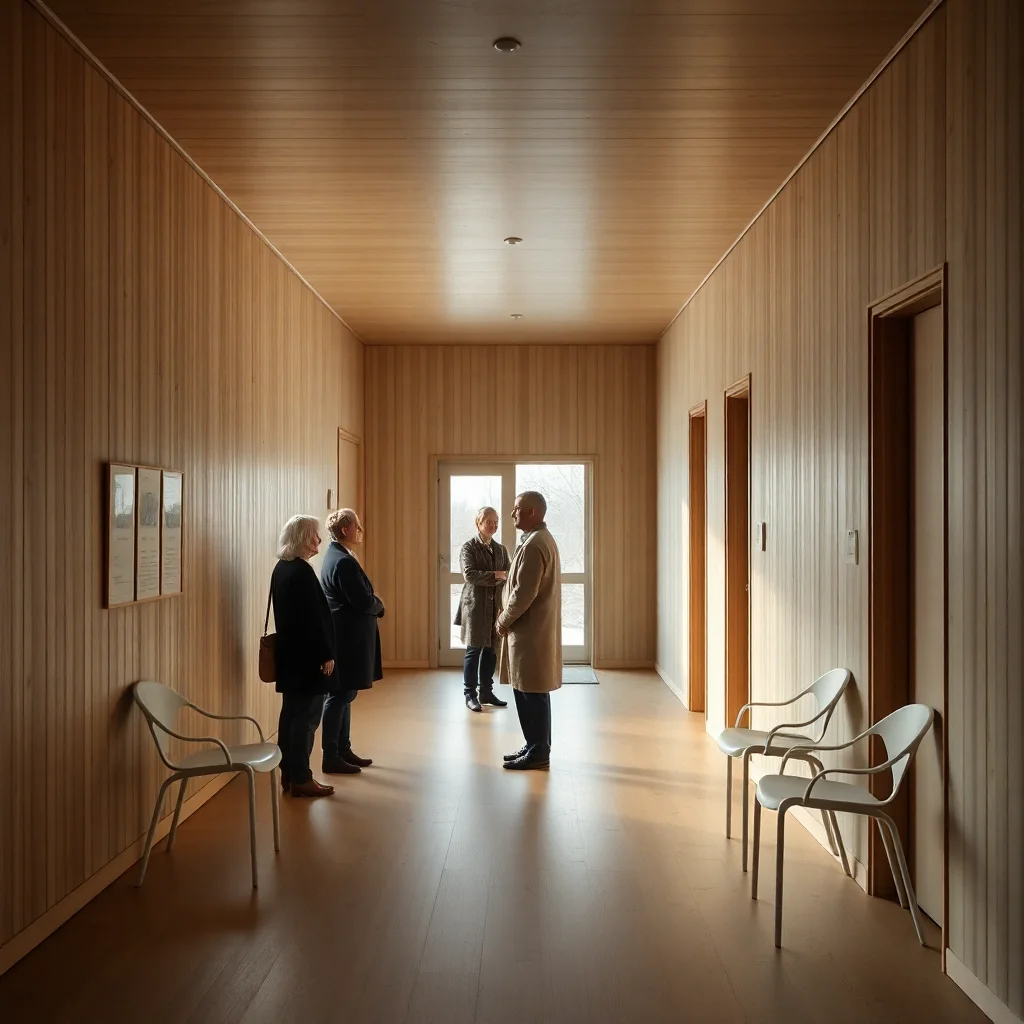
Paimio Sanatorium and the New York Historical extension expose the fight between preservation and adaptive reuse.
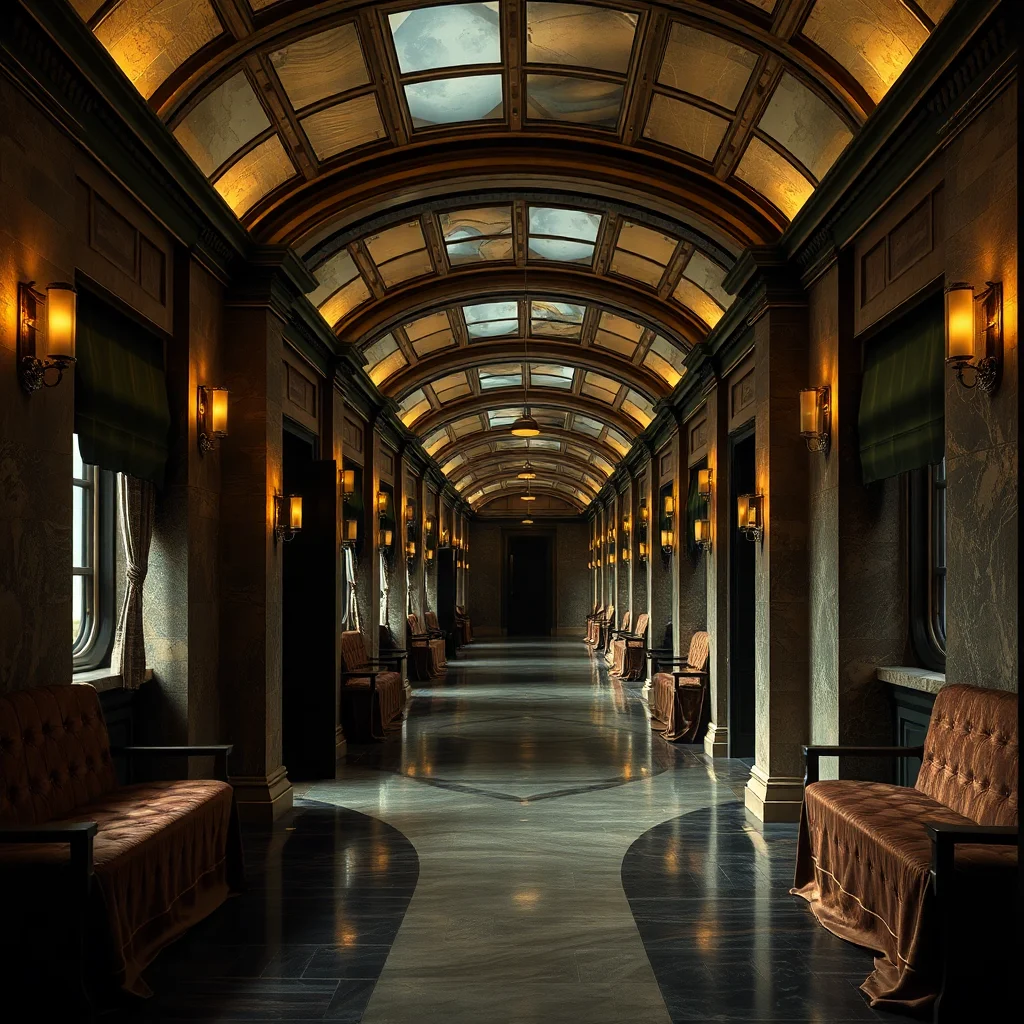
Palaces turned luxury transit: can hospitality rescue endangered heritage, or does it privatize history for the few?
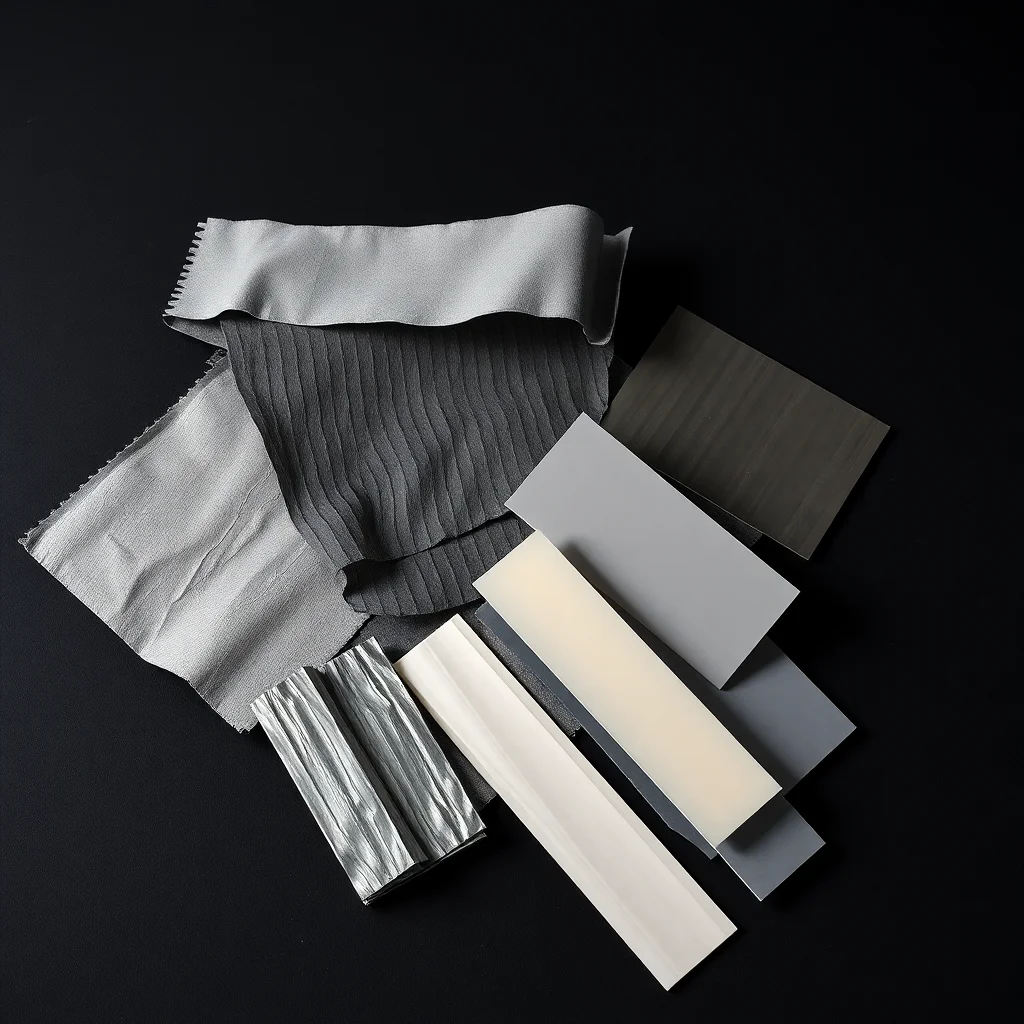
Can demolition debris become luxury? Montreal’s stadium roof sparks a fierce debate on reuse, authorship, and material memory.
