The Smart #2 challenges automotive upsizing. Should cities reward smaller cars with cheaper parking—or reclaim the kerb for people?


The Smart #2 challenges automotive upsizing. Should cities reward smaller cars with cheaper parking—or reclaim the kerb for people?
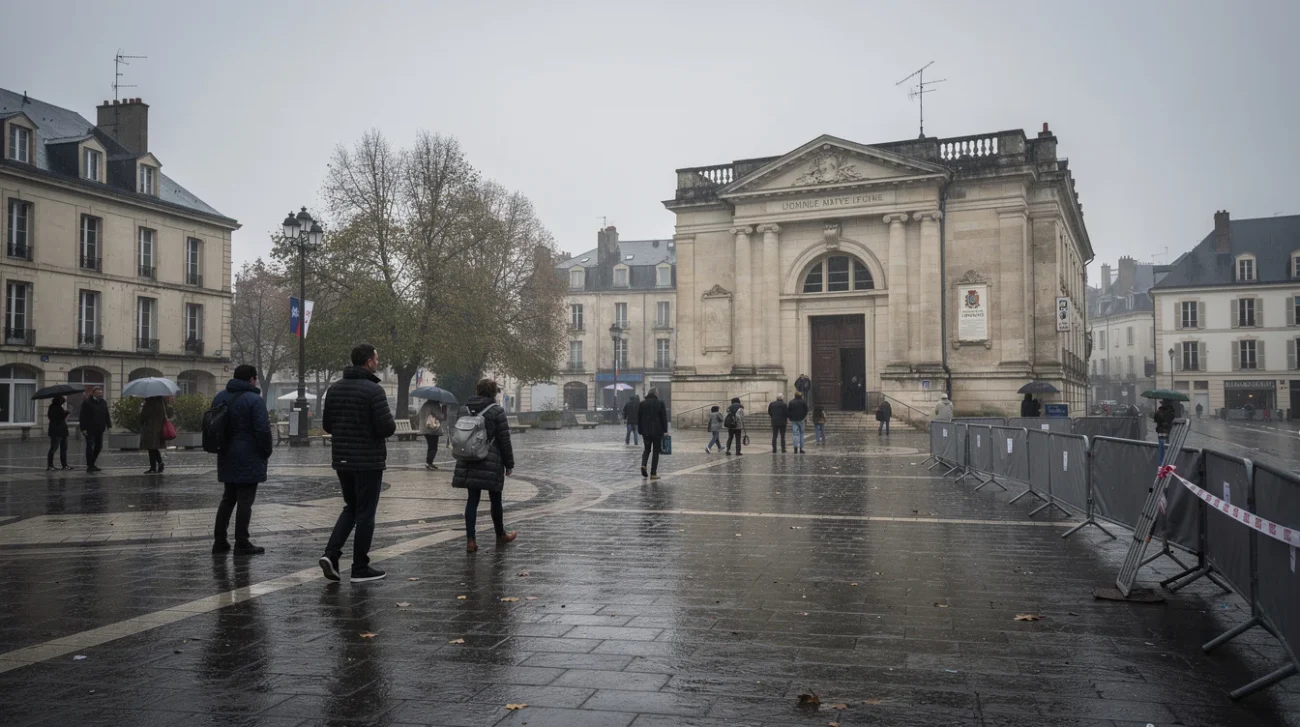
After the Limoges Town Hall fire, reconstruction must protect more than heritage. Can civic architecture resist attacks without shutting citizens out?
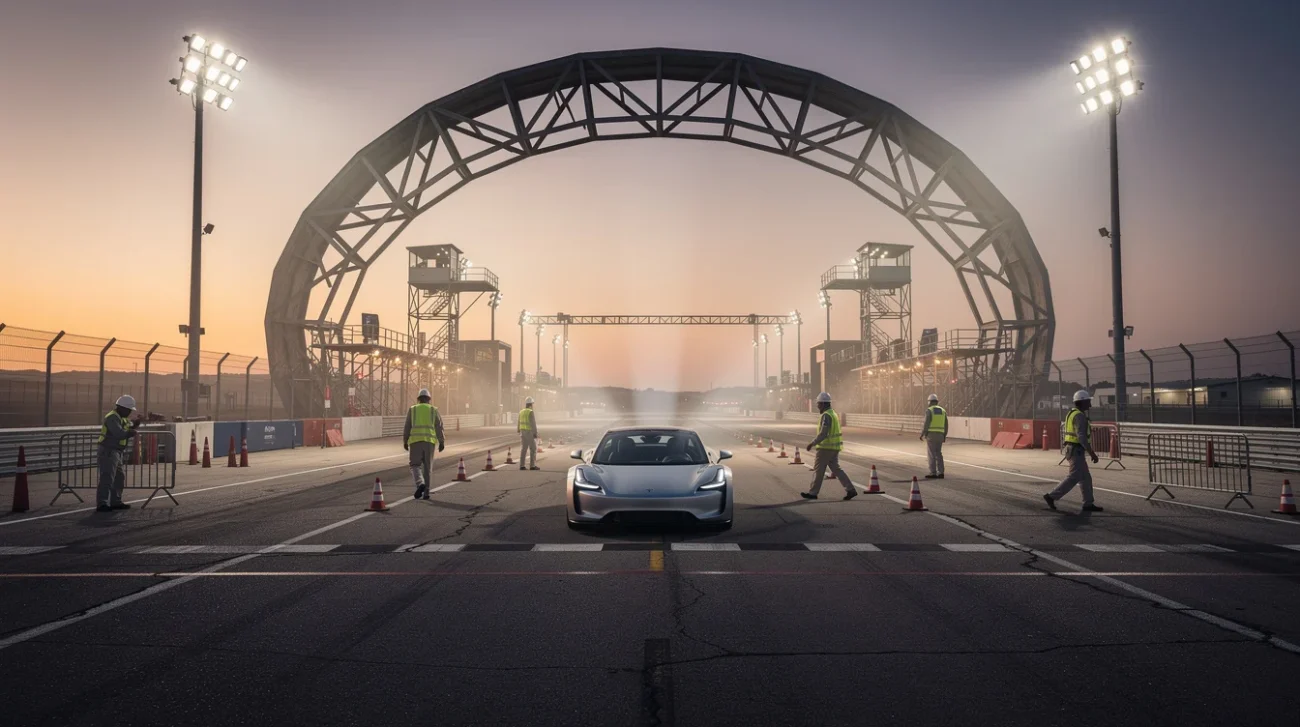
Tesla’s flying Roadster concept challenges the street itself. What safeguards could turn a spectacular stunt into predictable, accountable mobility?
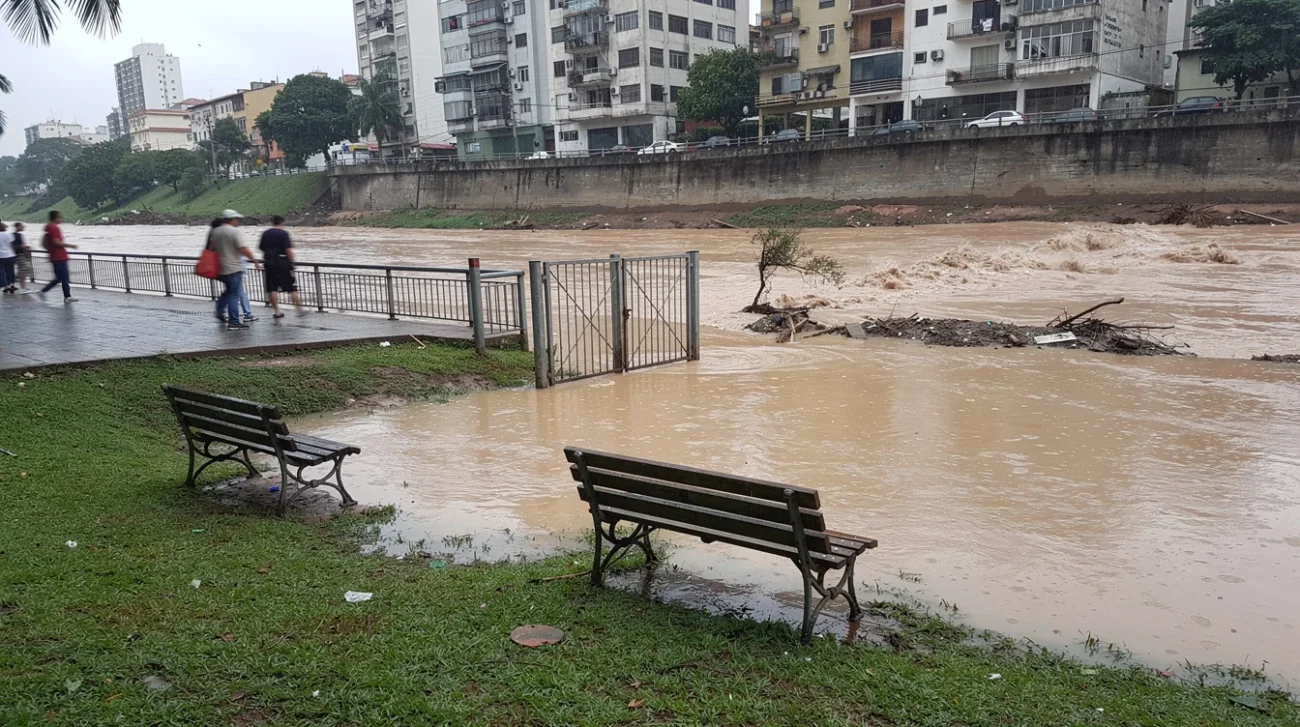
Latin America’s floodable parks make inundation a public service. But who guarantees safe evacuation, reliable reopening and somewhere else to play?
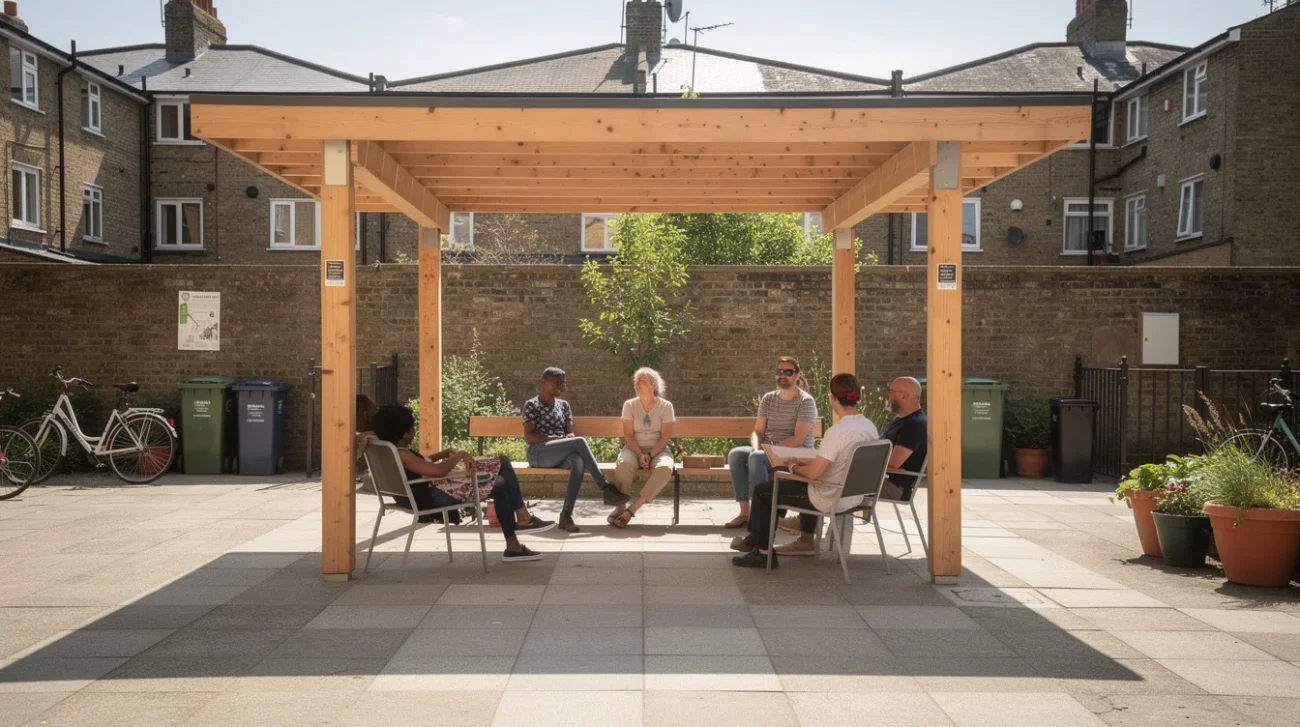
Pearce+’s Camden pavilion champions DIY shade. But when does community empowerment become an excuse to offload climate adaptation onto residents?
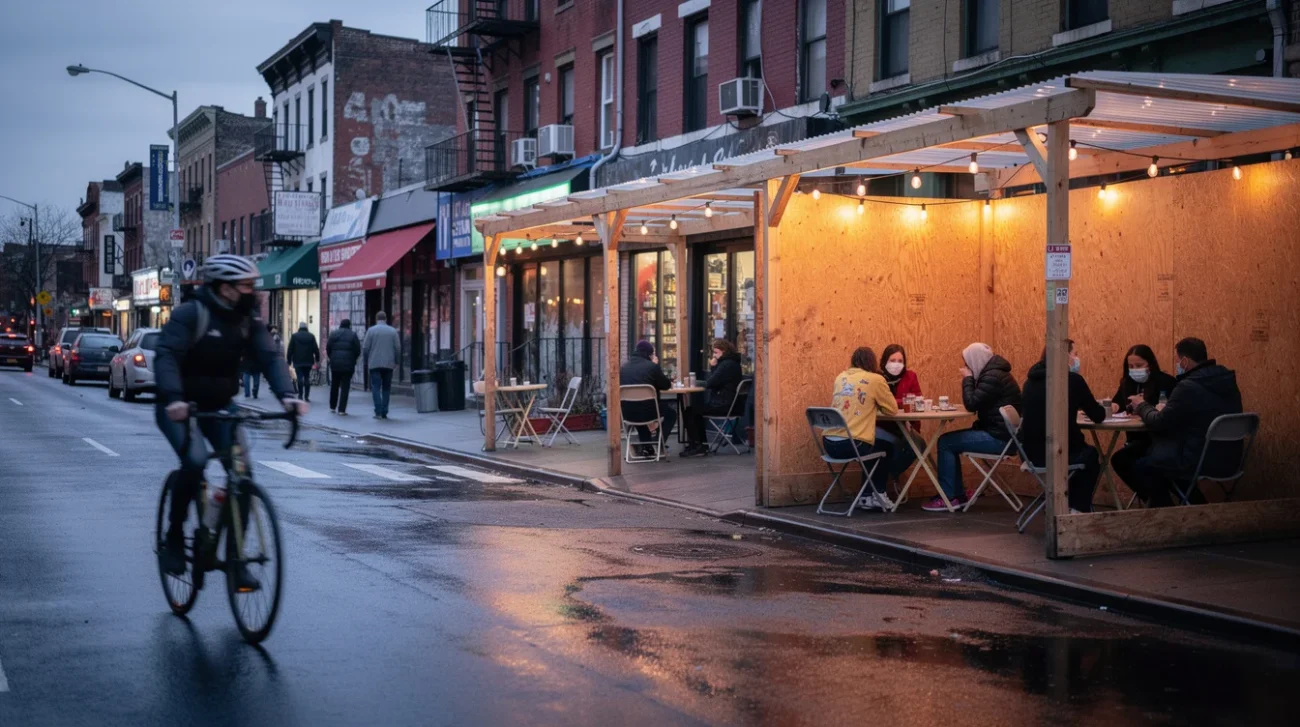
Penny Hardy’s NYC dining shed archive exposes a public-space dilemma: how much freedom should restaurants have to redesign the street?
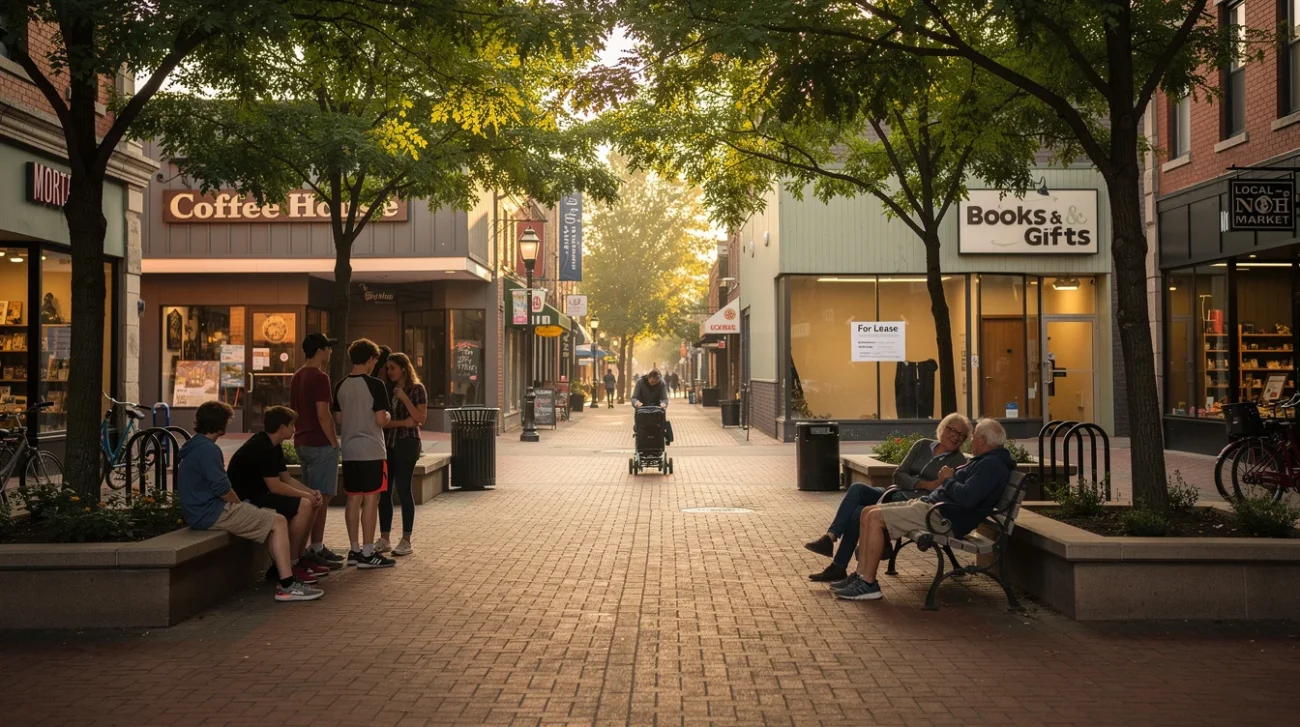
North America’s pedestrian-mall revival challenges retail-first urbanism. Can a street succeed as public space even when its shops struggle?
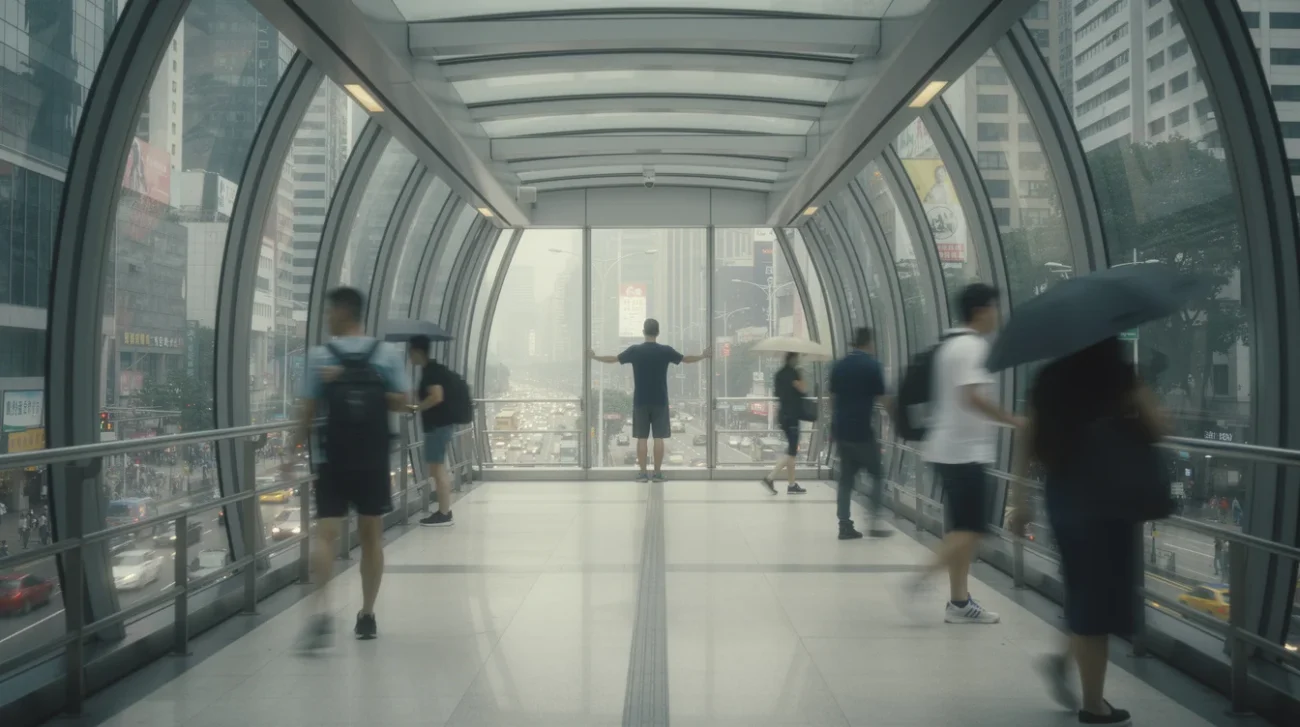
Air-conditioned malls and walkways offer refuge from urban heat. But who controls public life when the coolest route runs through private property?
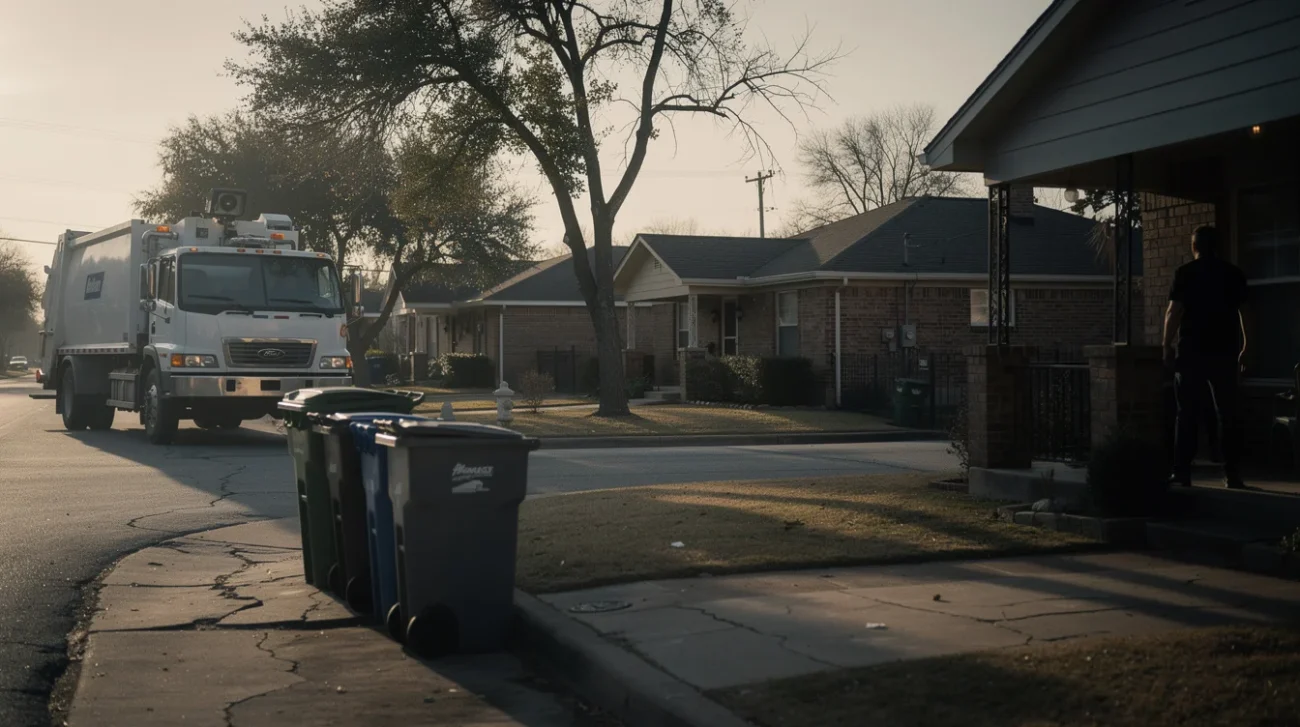
Dallas’s reported AI garbage truck cameras promise efficient enforcement. But who controls the footage, defines a violation, and hears your appeal?
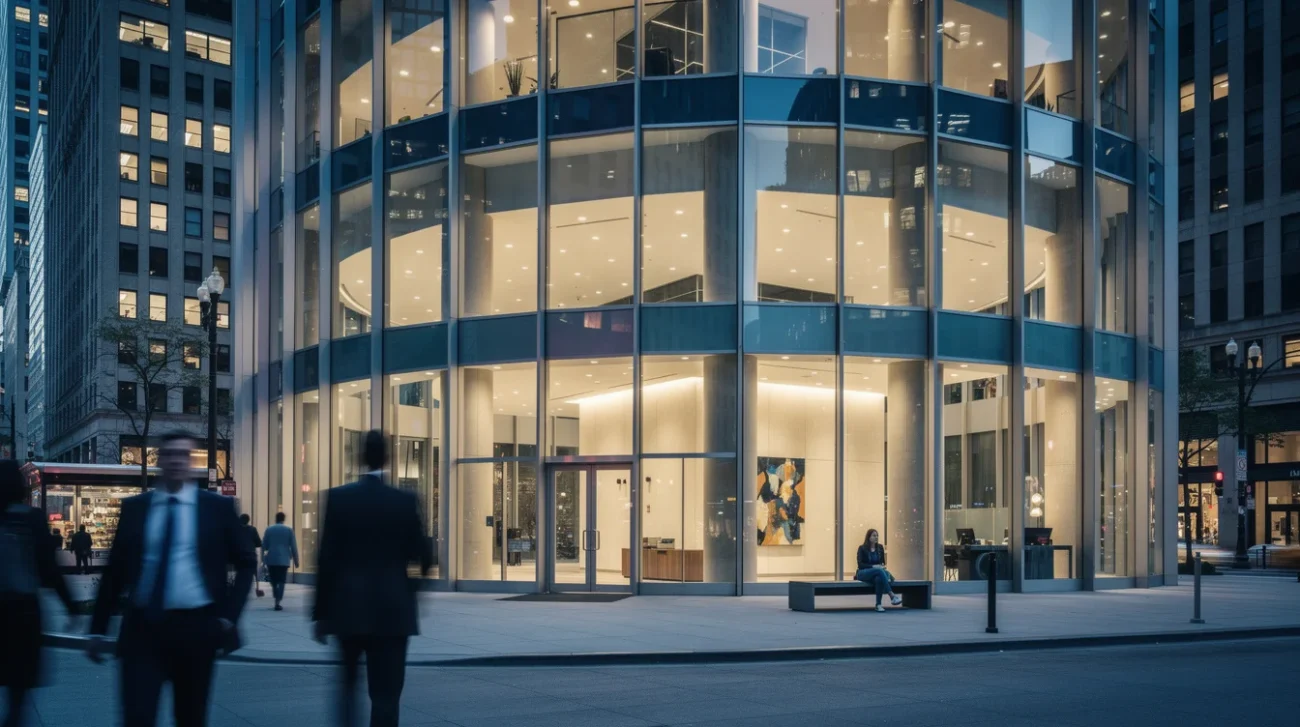
Google’s Thompson Center rescue saves a Chicago landmark. But access, usable public space and architectural clarity will determine its civic future.