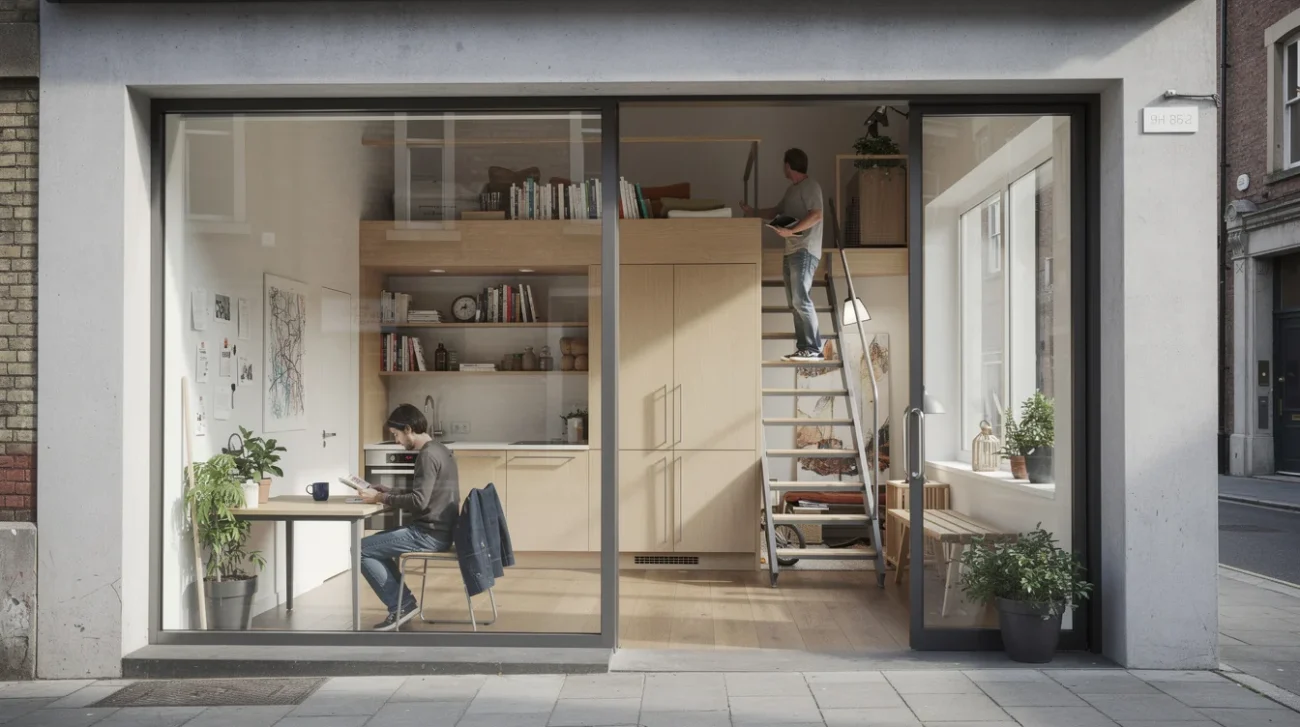
Crearctive turns a shop into four apartments. But spatial efficiency only succeeds when daylight, privacy, ventilation and usable space survive the conversion.


Crearctive turns a shop into four apartments. But spatial efficiency only succeeds when daylight, privacy, ventilation and usable space survive the conversion.
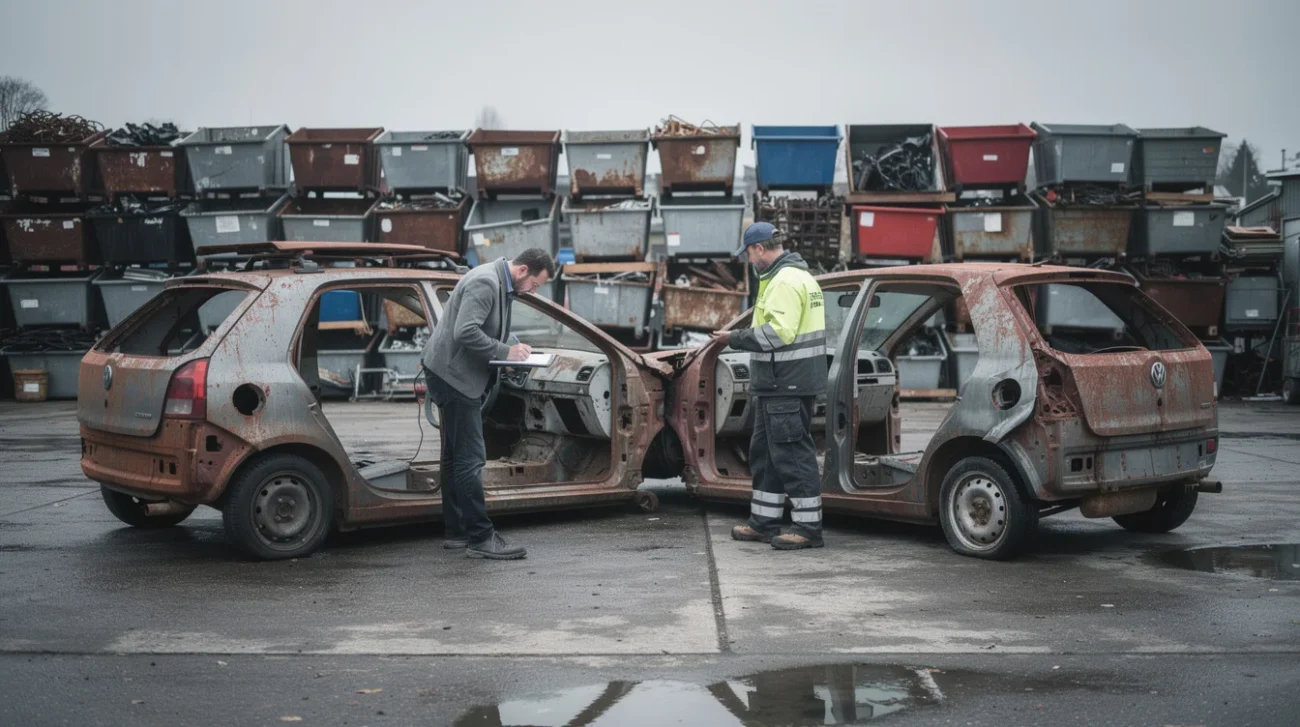
Giona Bierens de Haan’s It All Remains pits car reuse against material recovery. When does saving an object save resources—and when does it trap them?
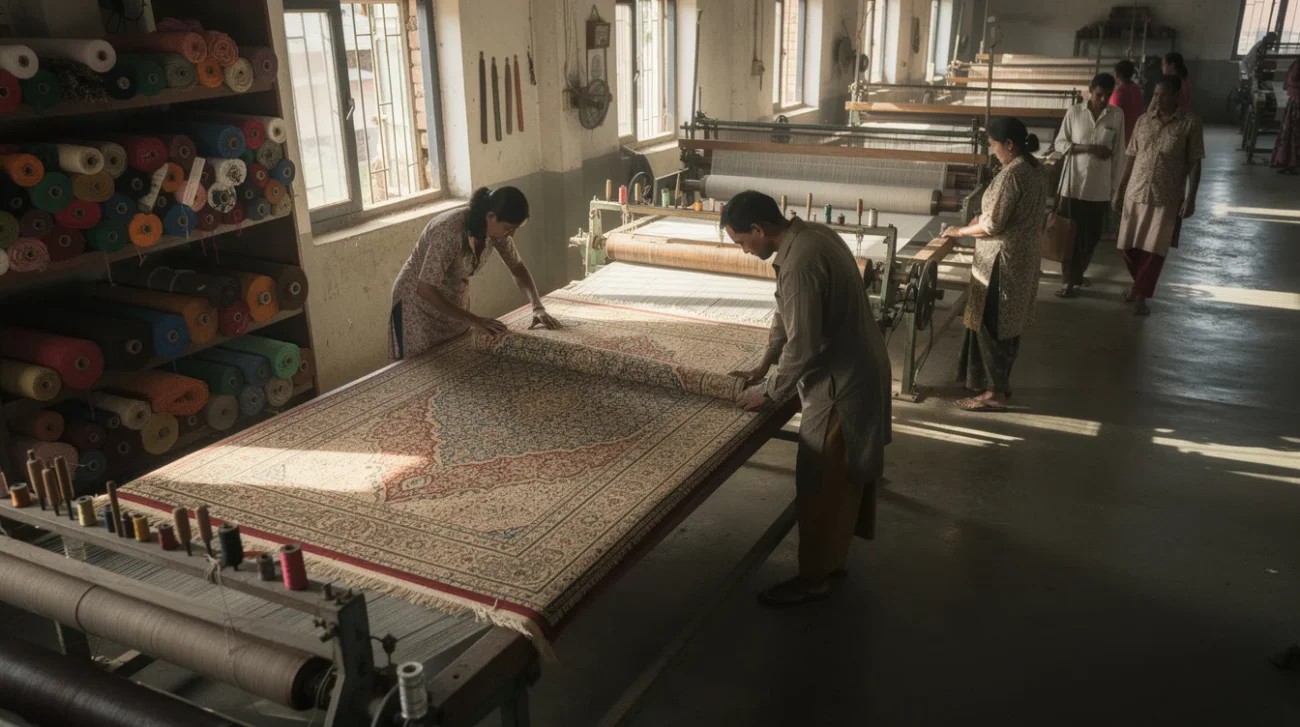
Bangladesh’s RIBA-winning Green Field Factory challenges workplace hierarchy. But can equal space give workers power without changing management?
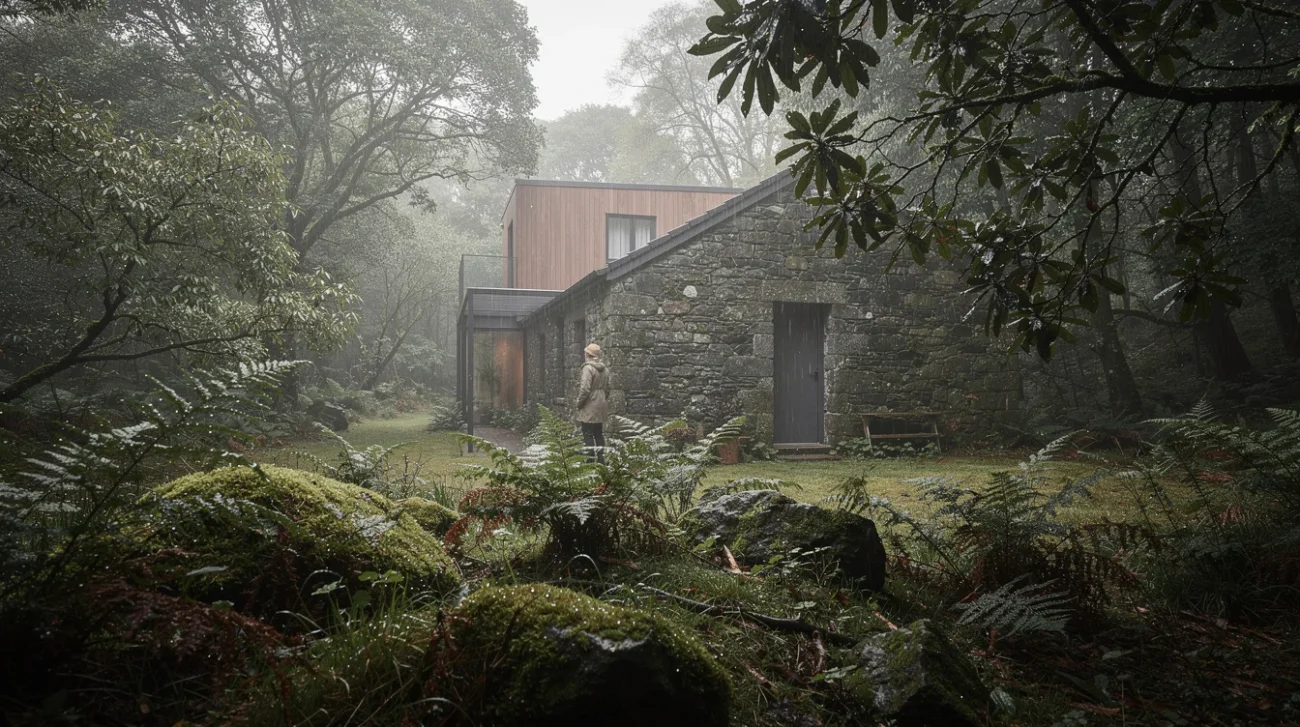
Schemata Architects’ Linden House raises a harder question for rainforest hospitality: who benefits when wellbeing becomes a reason to build?
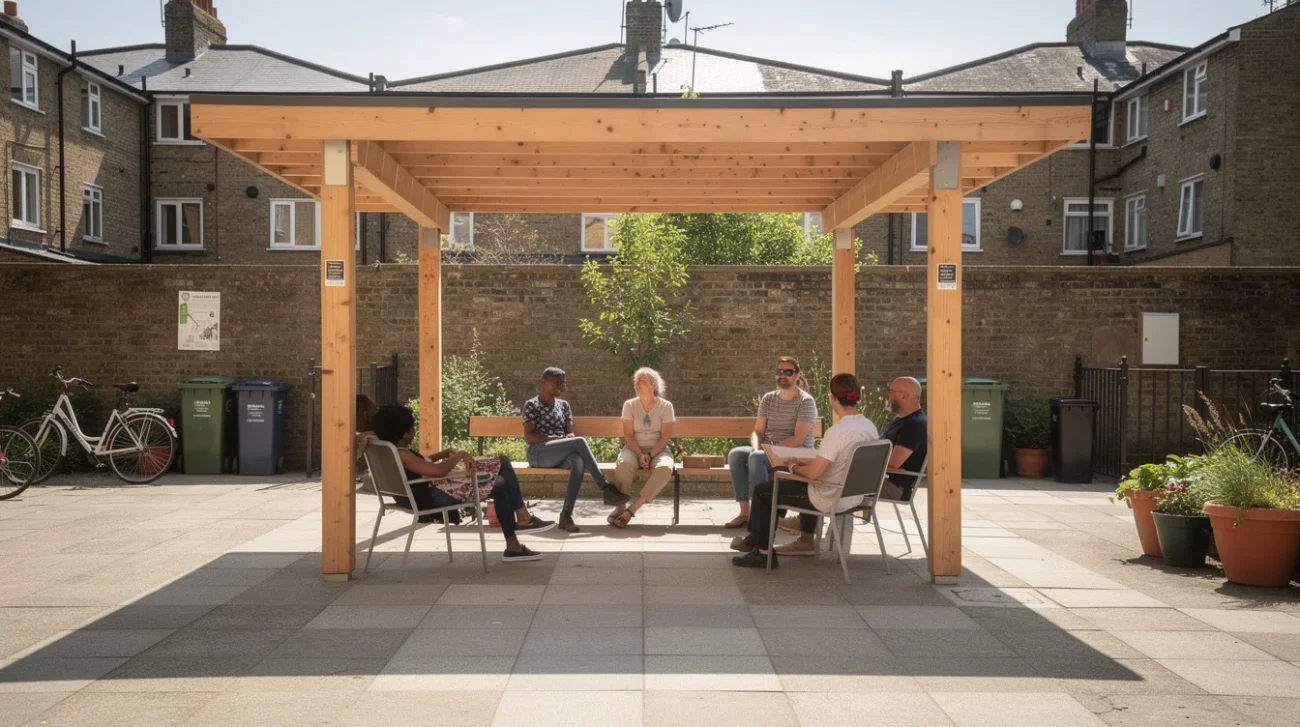
Pearce+’s Camden pavilion champions DIY shade. But when does community empowerment become an excuse to offload climate adaptation onto residents?
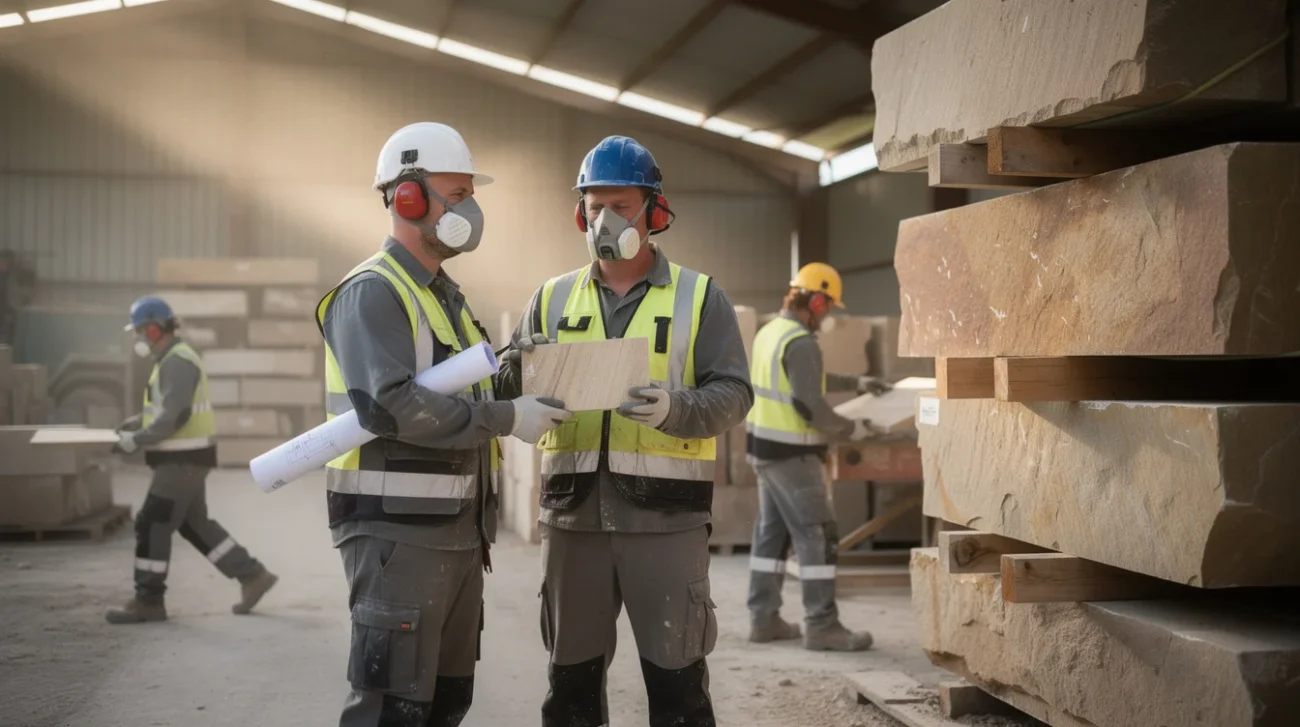
Forced labour hides inside construction supply chains. What must architects verify—and who should pay when ethical sourcing threatens budgets and deadlines?
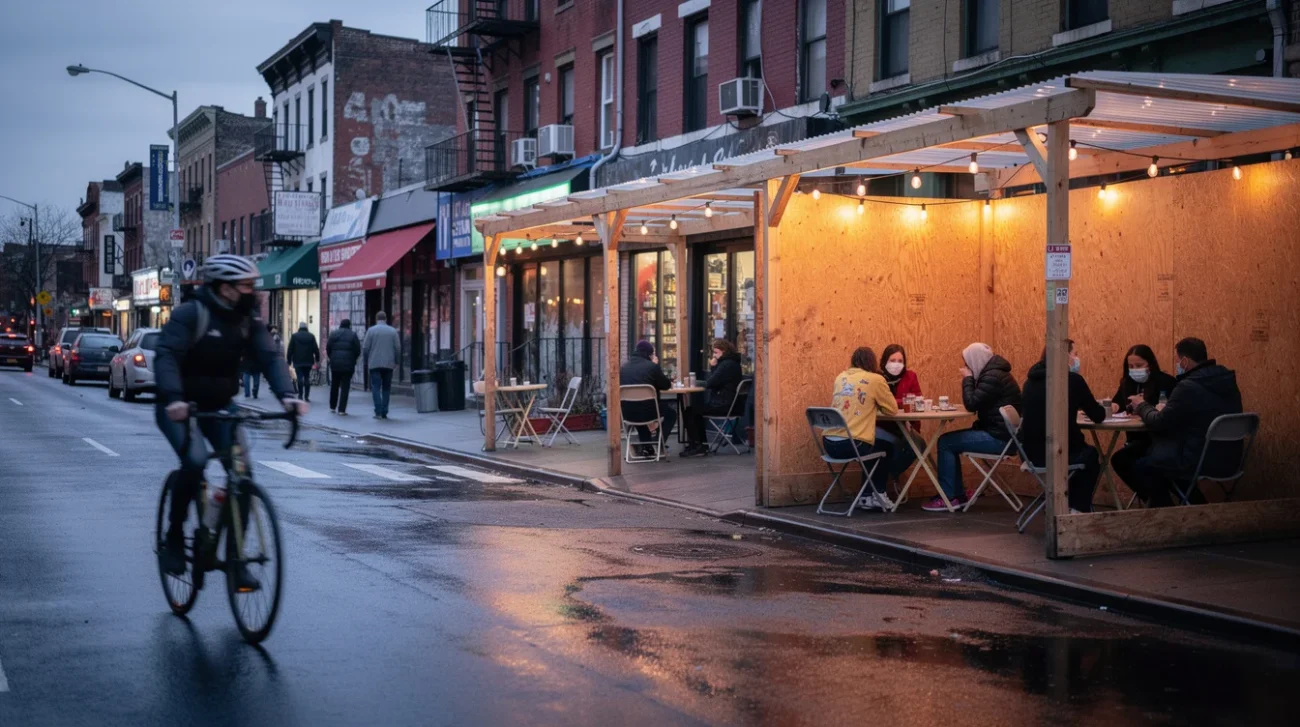
Penny Hardy’s NYC dining shed archive exposes a public-space dilemma: how much freedom should restaurants have to redesign the street?
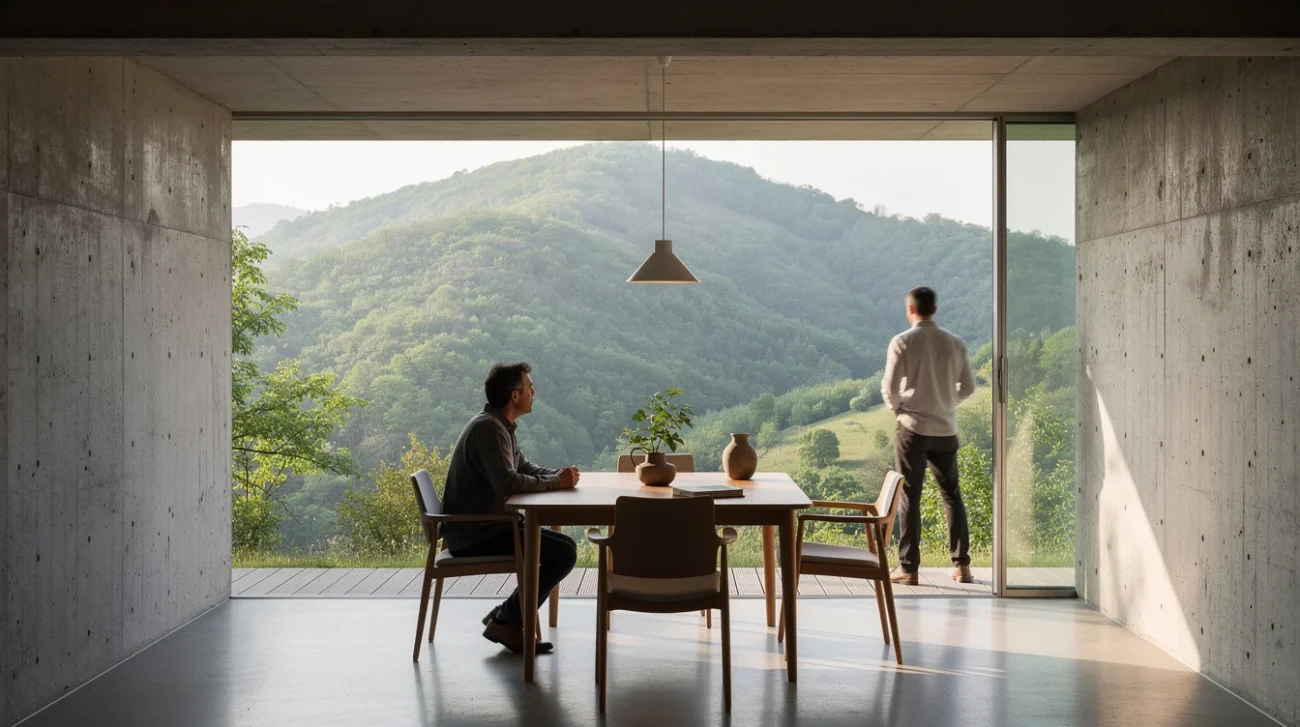
EX.’s unfinished house in Turin tests a seductive promise: adaptable living. But who supplies the effort, expertise and money to make openness work?
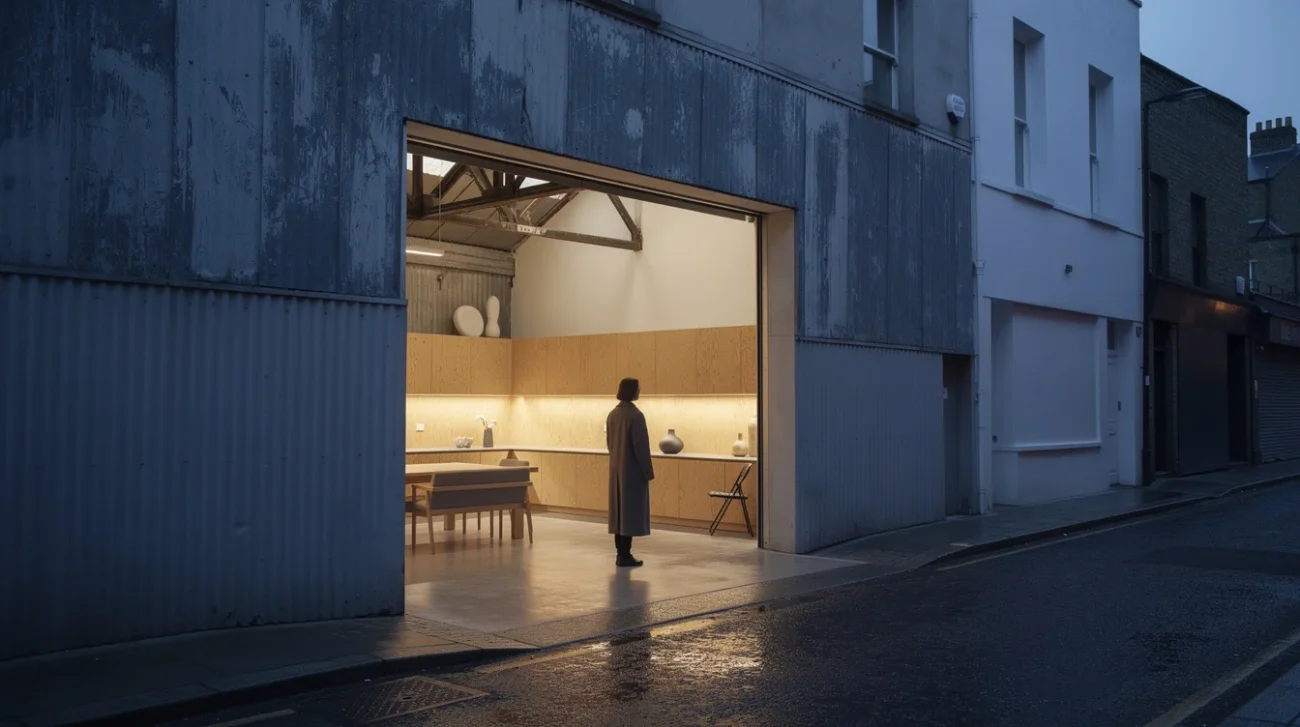
A £4.9 million London workshop conversion exposes the tension between saving industrial architecture and preserving space for urban production.

London’s floating Soak sauna tests the green promise of off-grid wellness. Wood fuel, air pollution and water management demand a harder assessment.