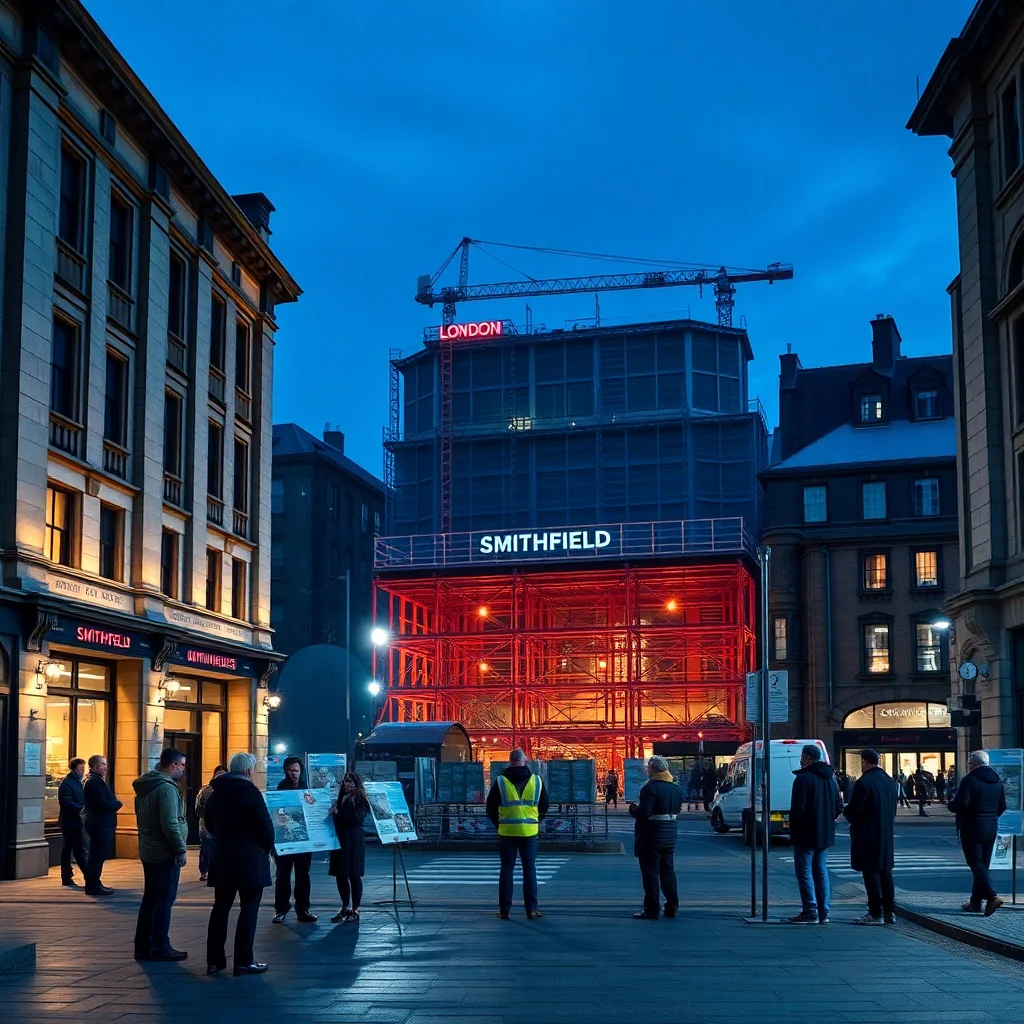
London Museum’s relaunch asks whether civic memory can survive spectacle, branding, and a highly managed architectural identity.


London Museum’s relaunch asks whether civic memory can survive spectacle, branding, and a highly managed architectural identity.
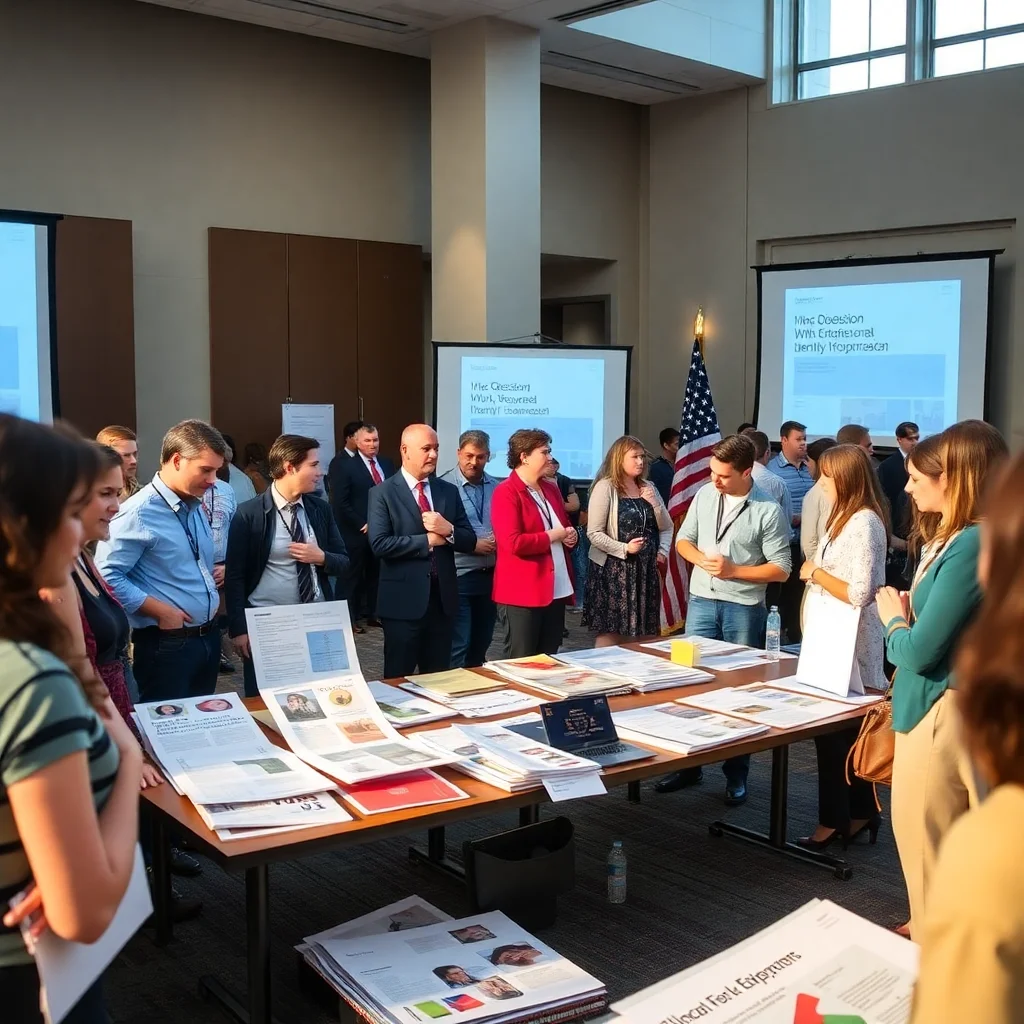
As America turns 250, design becomes a battleground over who belongs, who speaks, and whether a shared symbol still exists.
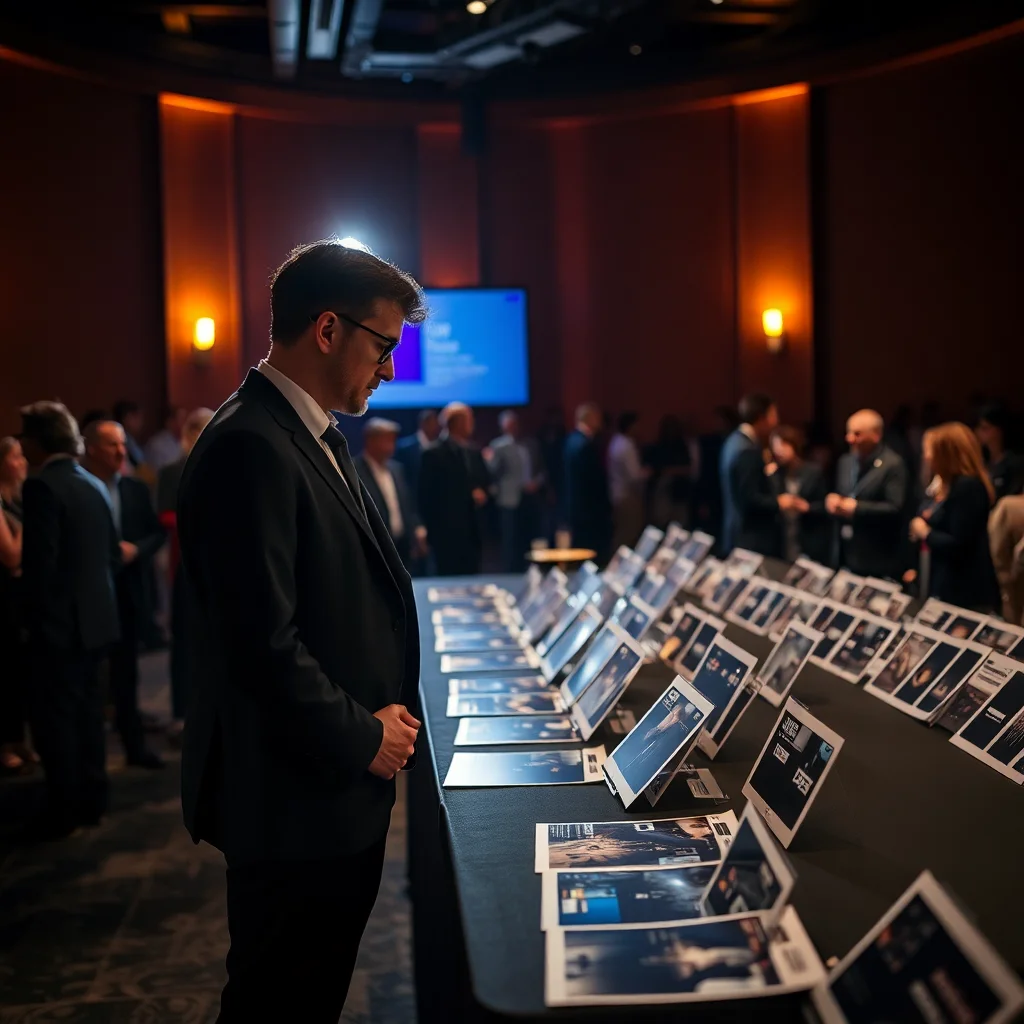
AI is shifting design from image-making to editing, judgment, and taste. What remains human may be the real creative edge.
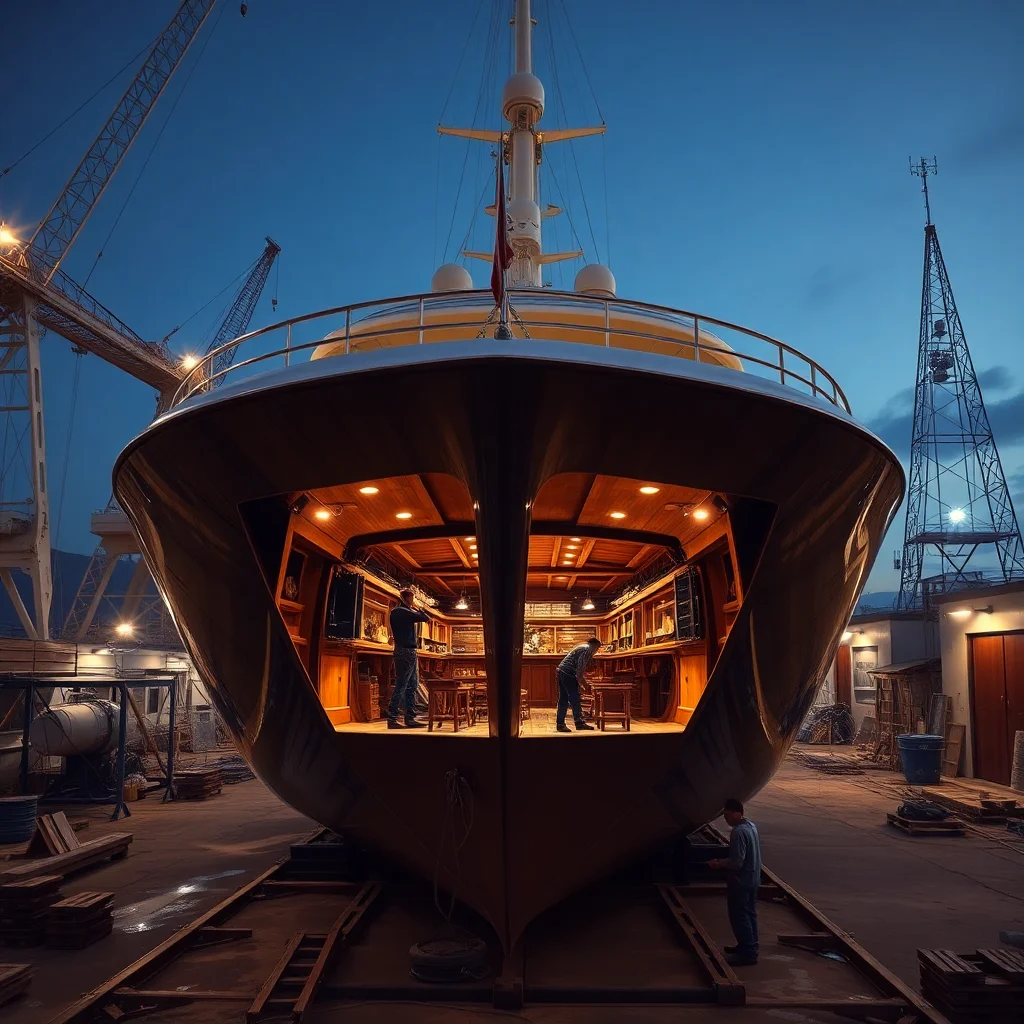
When restoring vintage superyachts costs more than new build, is it preservation—or luxury performance?

Inflatable air-conditioning fashion and reactive objects signal a future where comfort becomes portable, intimate, and unequal.
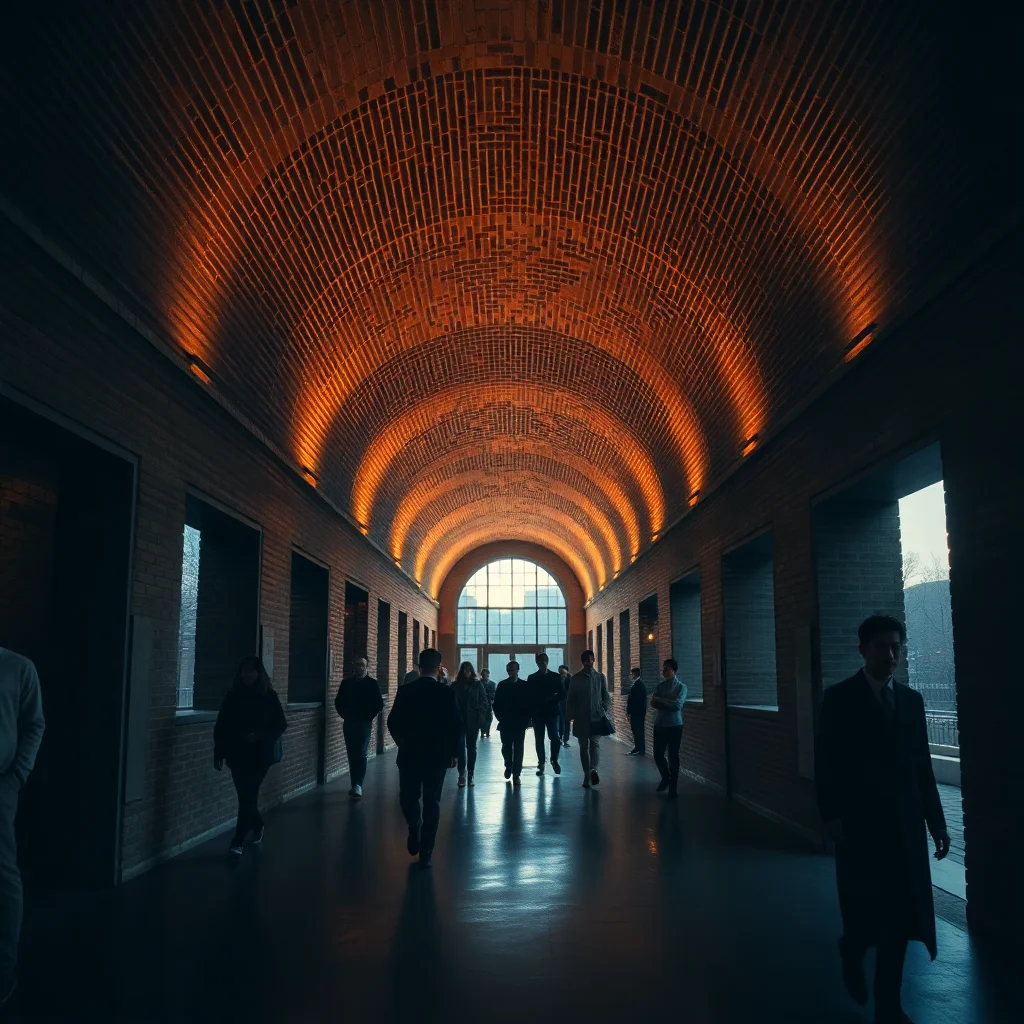
Japan’s former Nara Prison becomes a hotel—does adaptive reuse preserve memory, or market it as atmosphere?
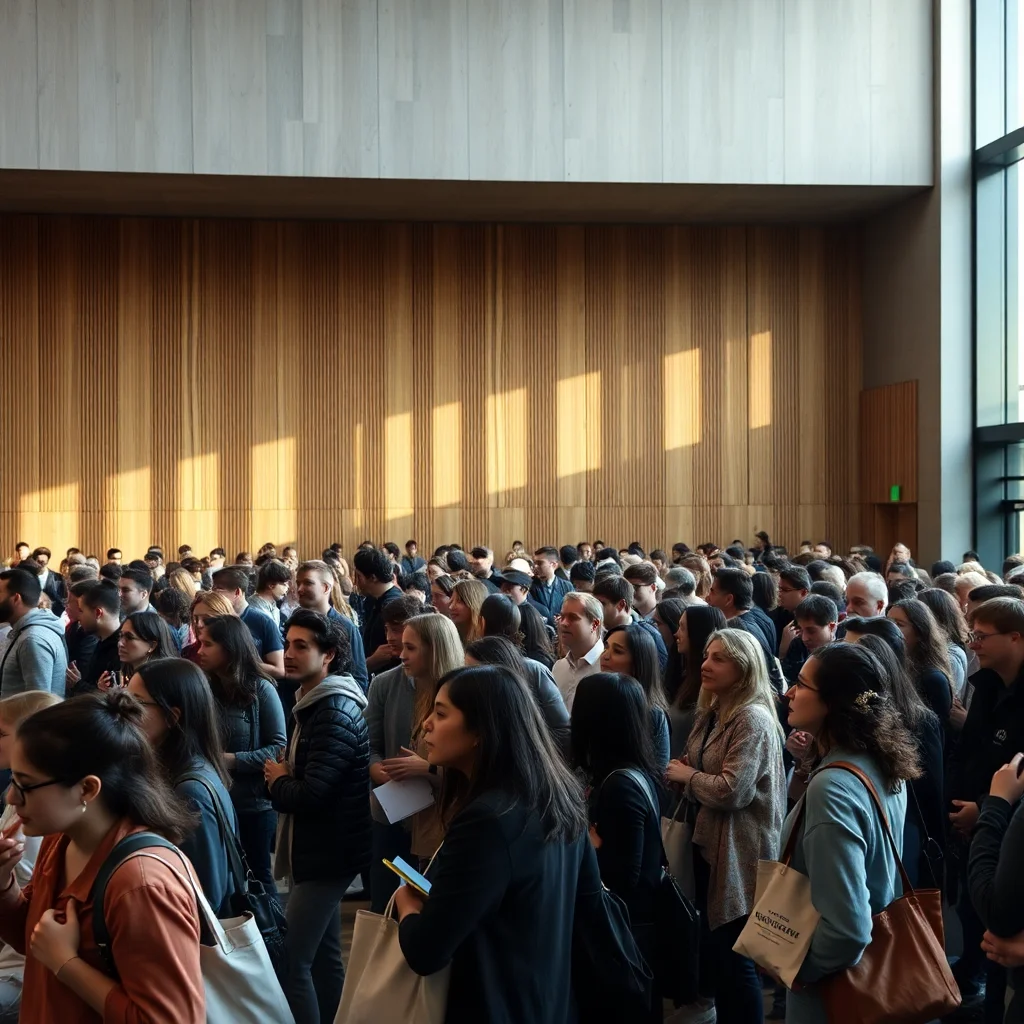
Jayden Ali’s LFA theme asks whether architecture can turn belonging into a shared, measurable spatial outcome.
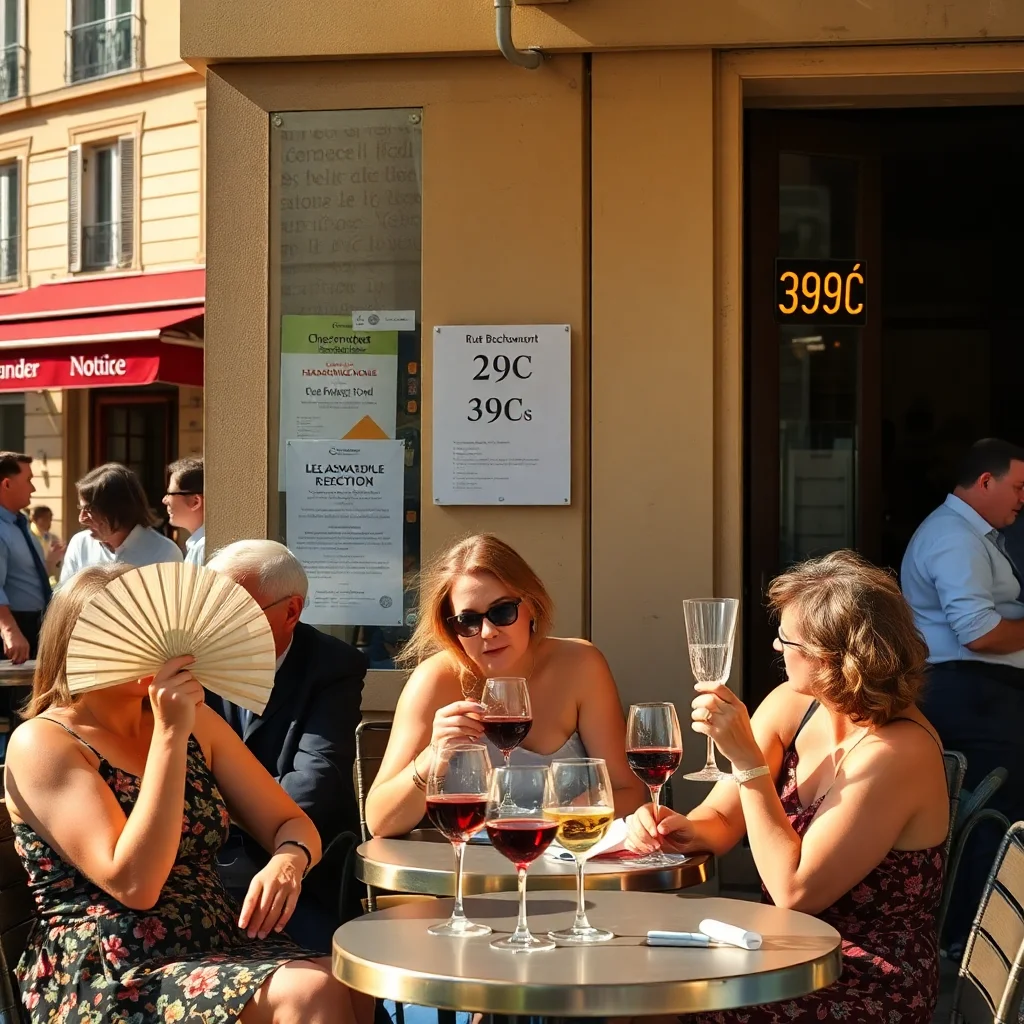
Air-conditioning is now a climate, health and justice battleground as cities overheat and comfort becomes infrastructure.
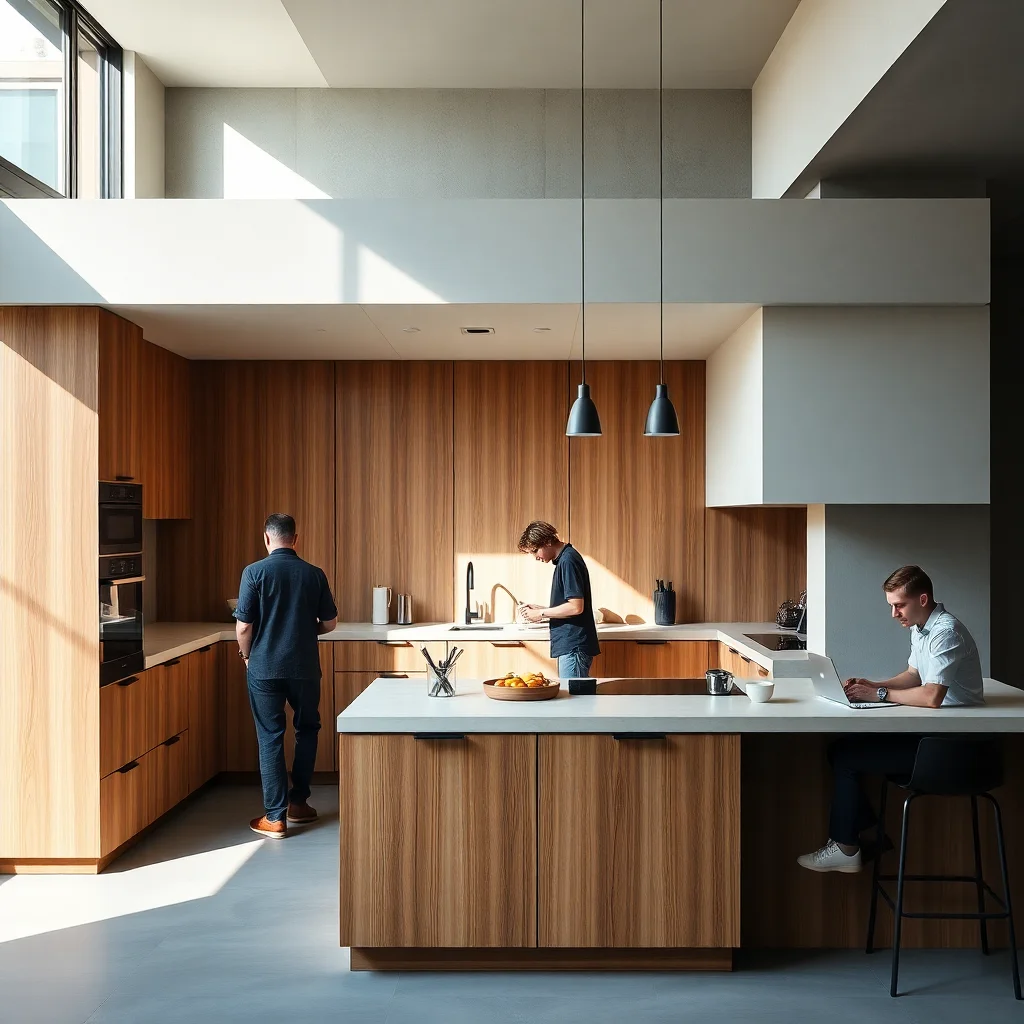
The kitchen is becoming architectural infrastructure: programmable, social, and designed as a domestic system rather than a single room.

Parametric insurance, climate risk, and AI are turning homes into continuously priced assets—and reshaping who can afford resilience.
