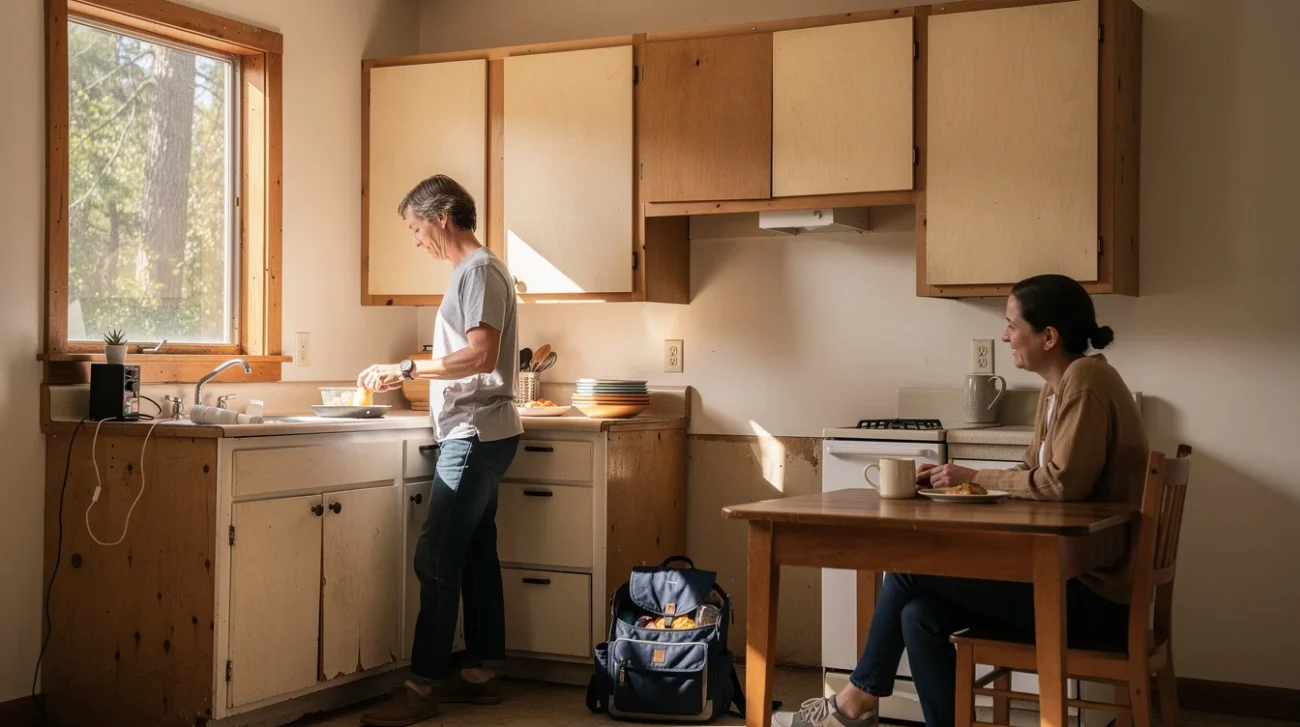
A $1,200 Topanga kitchen makeover asks who benefits when renters improve a home—and why permission alone may not protect their investment.


A $1,200 Topanga kitchen makeover asks who benefits when renters improve a home—and why permission alone may not protect their investment.
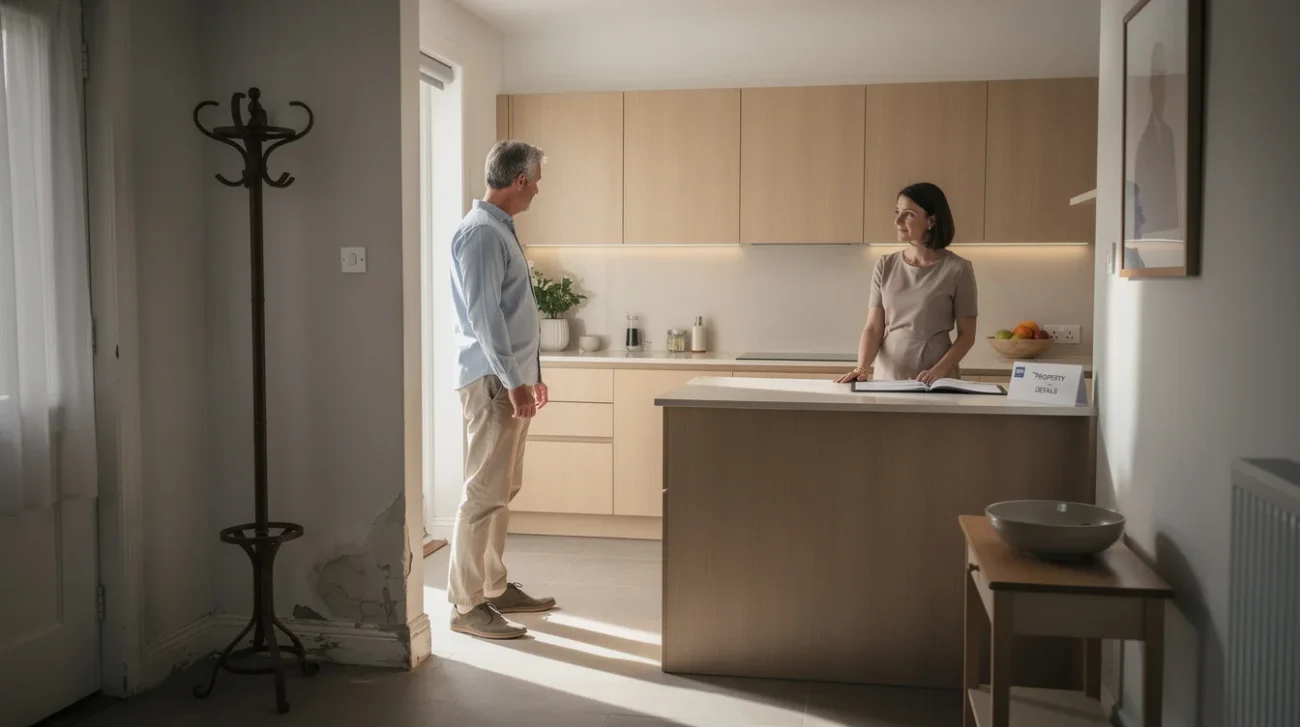
When does renovation become concealment? The ethics of redesigning stigmatized homes—and what buyers deserve to know before moving in.
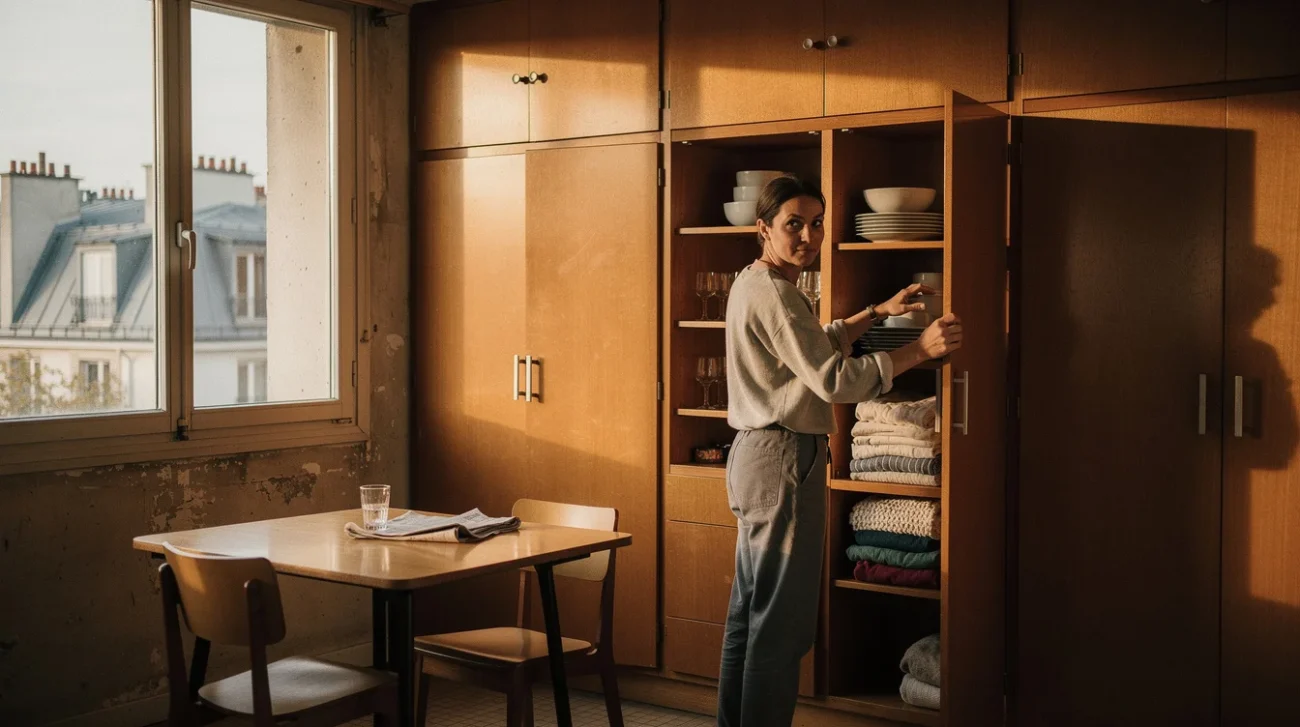
Charlotte Perriand’s surviving Paris interiors expose a domestic dilemma: how much freedom should residents surrender to preserve an integrated design?
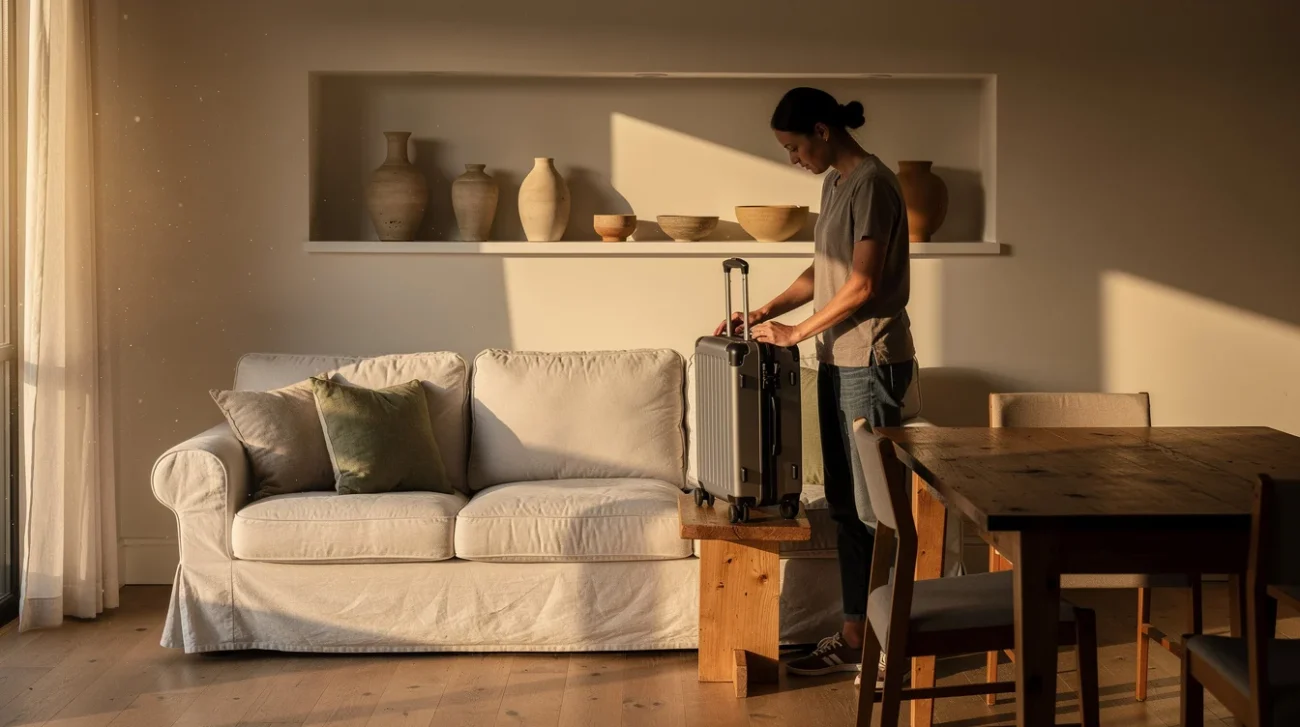
Beautiful vacation rentals need more than durable furniture. Two opposing cases for repair, cleaning and replacement—without making guests caretakers.
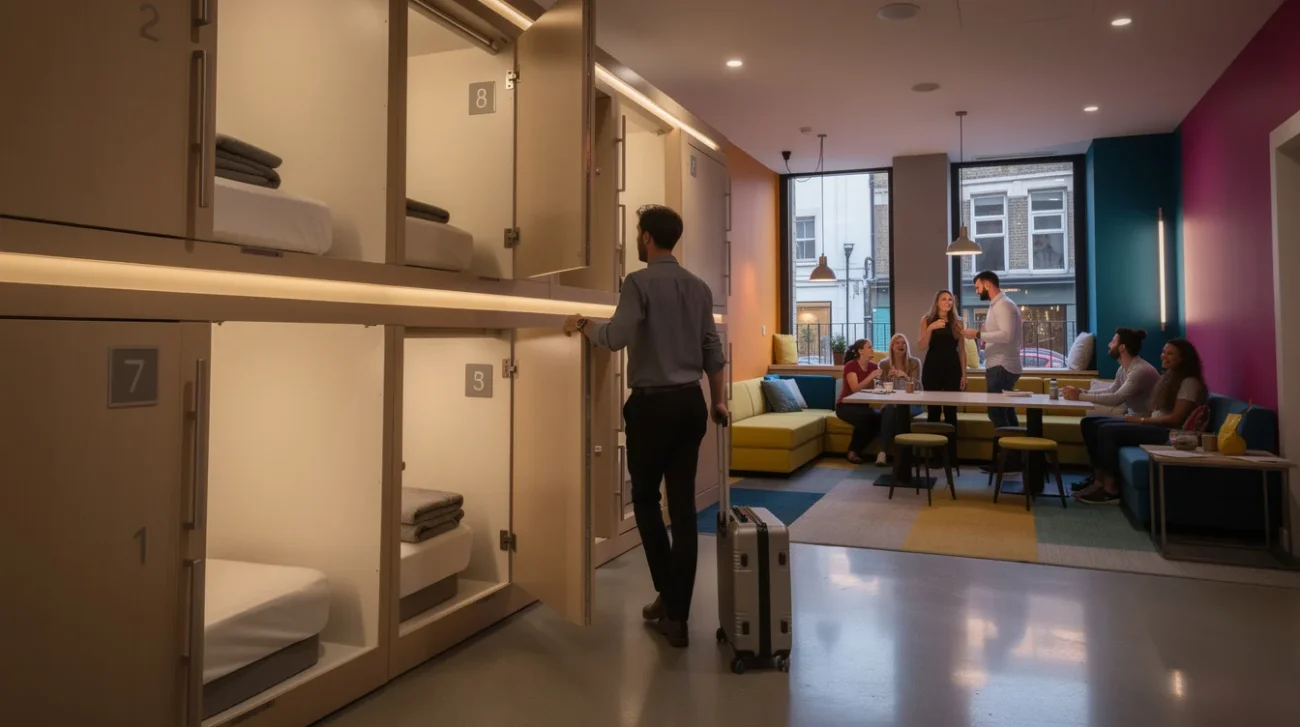
Otherwander Soho’s 566 sleeping pods test whether colourful shared interiors can make budget hospitality generous—or simply make compression look good.
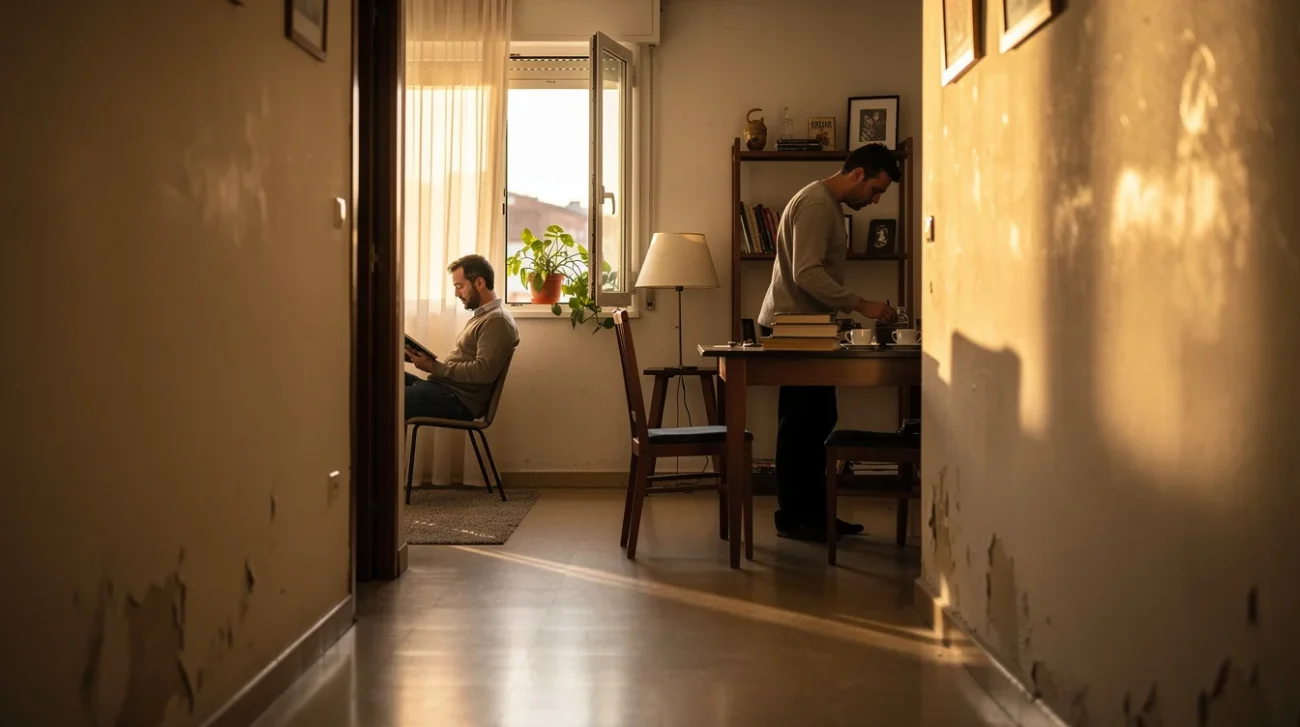
Casa POP’s Madrid renovation challenges the nuclear-family floor plan—and asks how homes can fit today’s occupants without trapping tomorrow’s.
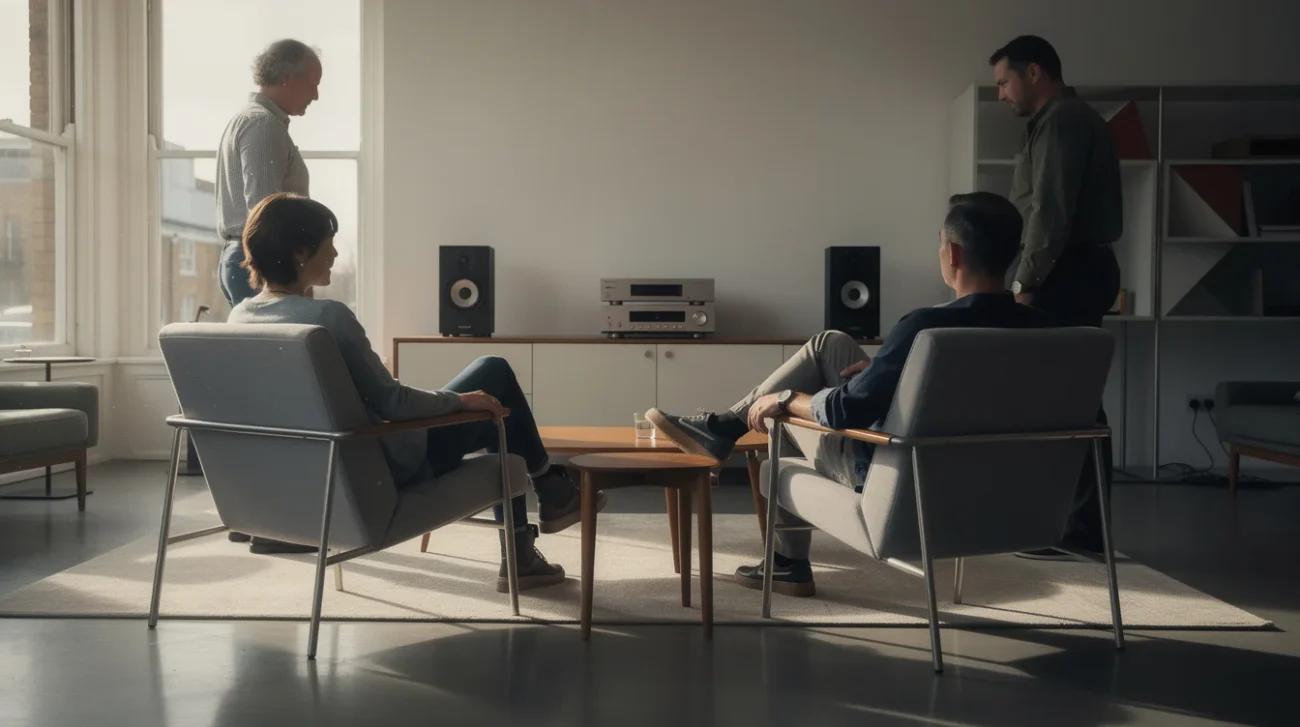
Fritz Hansen and Technics turn a showroom into a listening room. Can branded hospitality create collective space without making products the protagonists?

Neuroinclusive interiors need more than calming colours. Demand paid user participation, adjustable spaces and evidence from everyday occupation.

HCCH Studio’s Bothaus for Sudo Technology asks whether low-tech interiors make robotics approachable—or offer reassurance without explanation.

Annie Meyers-Shyer’s renovation sourcing challenges design gatekeeping. But does a fully shoppable home teach us to design—or simply to buy?