
Luxury Retail Now Sells Belonging
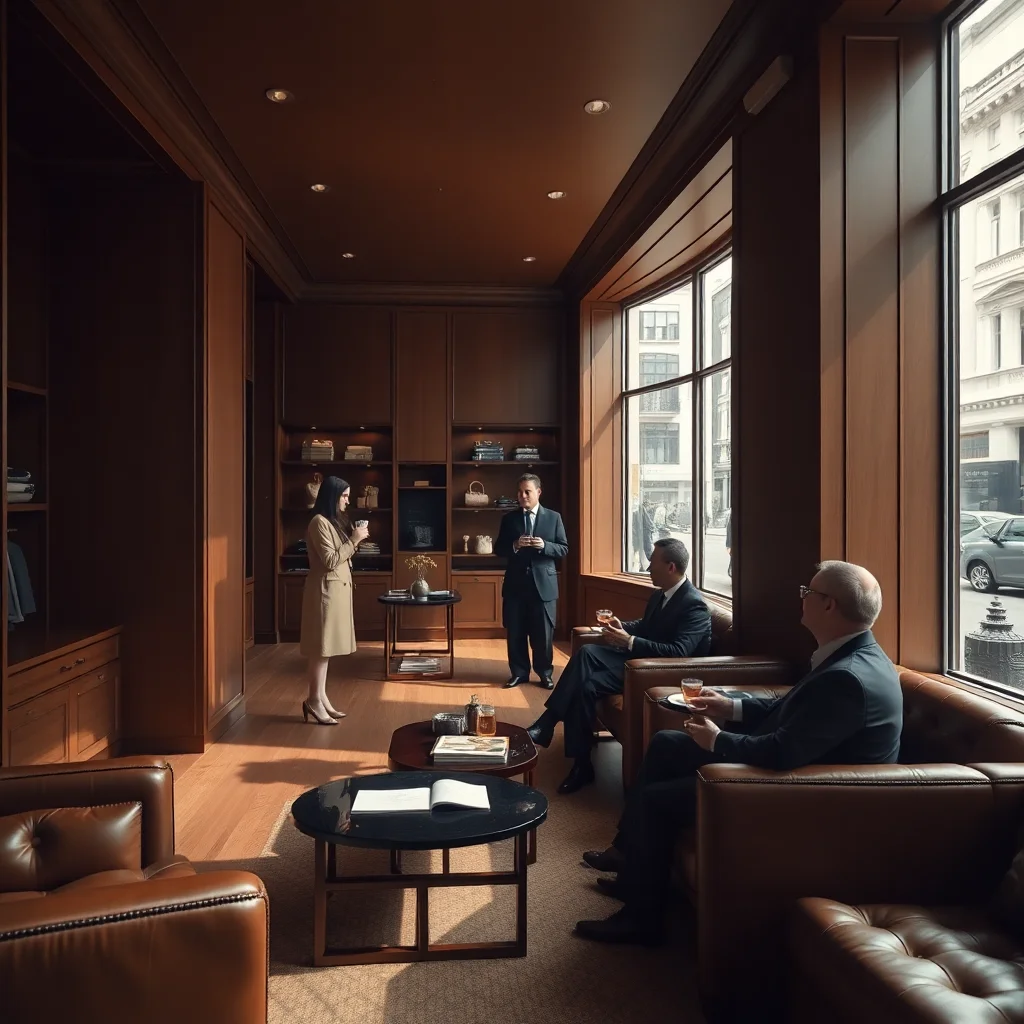
Luxury retail has discovered a new product category: not handbags, not watches, not perfume, but belonging. The most ambitious flagships no longer behave like stores at all. They perform like private clubs, inherited apartments, cultural salons and stage sets for a fantasy of intimacy. Hermès’ New Bond Street expansion in London makes that shift impossible to ignore. The house is not merely enlarging its selling floor; it is enlarging its emotional territory. Customers are invited to feel as though they are entering a family home, even though the transaction underneath remains brutally commercial.
That contradiction is the point. In an era when anyone can buy a logo, luxury must sell a social feeling that cannot be added to cart. The brand’s sixth-generation heirs, Axel and Pierre-Alexis Dumas, understand that power comes from mythology, continuity and the illusion of proximity. The flagship becomes the machine that manufactures those effects. It is less a shop than an interior argument: if the right materials, light and spatial rituals can convince you that this is a place you belong, then the price tag begins to look like access rather than consumption.
PRO: The flagship as a home you are allowed to borrow
Hermès has always been adept at making commerce look like culture. Saddlery, leather, silk, watches and homeware are not displayed as isolated commodities but as evidence of a coherent world, one in which craft, patience and domestic life are folded into the same visual grammar. The New Bond Street expansion extends that logic. Instead of a hard retail logic of racks, thresholds and throughput, the store is being framed as a “family home” — a phrase that sounds soft, but in luxury it is strategic. A home implies inheritance, memory, and rooms that have been lived in rather than merchandised.
This is not a trivial design gesture. Across the luxury sector, the flagship has become the last place where brands can stage a total narrative. Louis Vuitton’s sprawling retail environments, Aesop’s calibrated interiors, and Prada’s Fondazione-driven cultural halo all point to the same truth: people do not only buy products, they buy access to a world. Hermès, however, is more explicit about the domestic fantasy. A townhouse setting, layered materials, and a sense of collected, not curated, interiors all reinforce the idea that the customer is not a shopper but a guest. That logic also helps explain why museum-like retail spectacle has become such a powerful model for luxury: the store is asked to feel authoritative, immersive and culturally legitimised at once.
The most sophisticated version of this strategy is emotional hospitality. You are not rushed, surveilled or obviously sold to. You are offered a chair, a quiet room, a tactility lesson in oak, brass, plaster, leather and fabric. The store’s design whispers that luxury is not scarcity but attentiveness. In the best-case reading, that is a correction to the brutality of contemporary retail: an environment where touch, calm and spatial generosity restore a kind of human scale. It is also a reminder that in luxury, atmosphere is not decorative. It is conversion.
Theatrical intimacy is now the core retail script
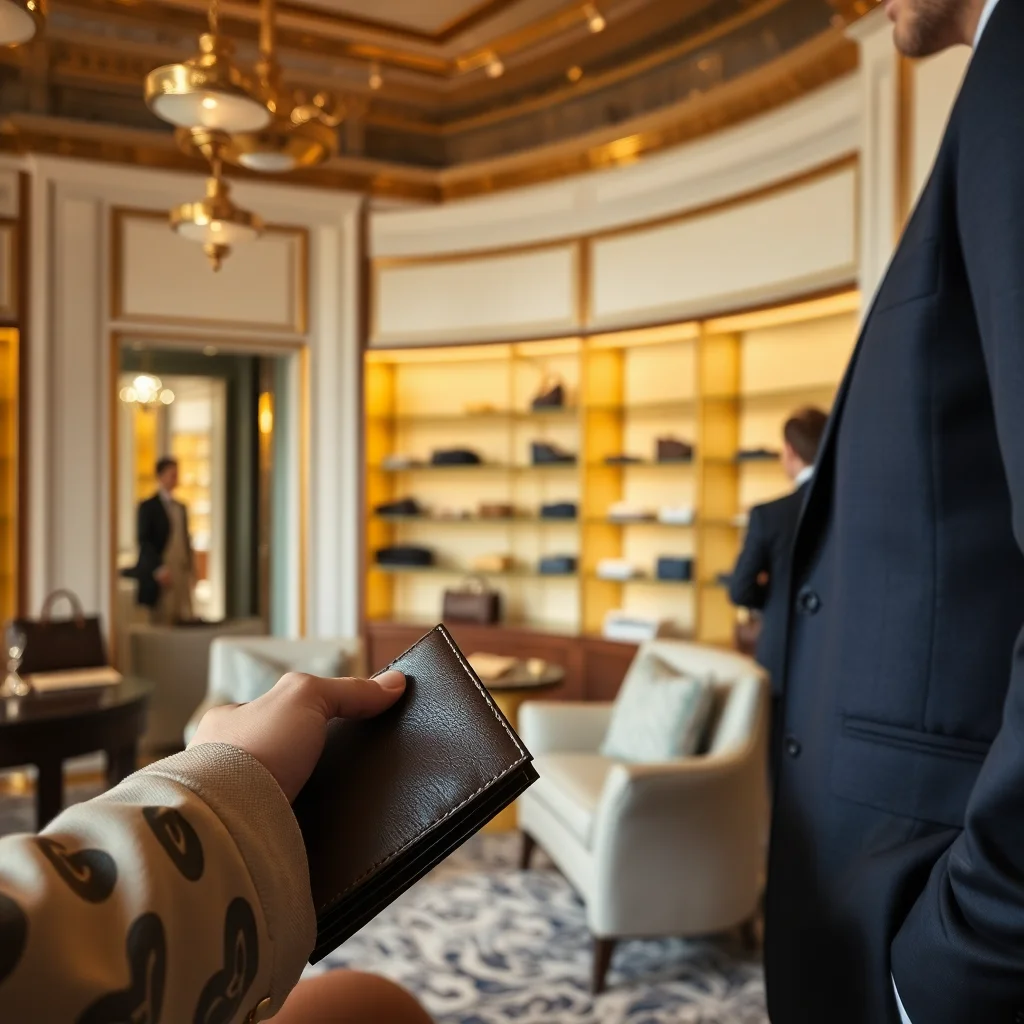
The success of this formula depends on a carefully managed paradox. The more a flagship resembles a domestic interior, the more it seems to offer sincerity; the more choreographed it is, the more it risks feeling manipulative. Yet luxury brands keep pushing the domestic cue because it works. A family home suggests authenticity, legacy and continuity without the embarrassment of calling itself “authentic.” It also permits a dramatic expansion of the brand universe. If the store is a house, then every room can justify a different category, a different mood, a different price level.
Designers and architects know the seduction here. Think of Peter Marino’s maximalist boutiques, where art, furniture and material density turn shopping into theatre, or of store environments that borrow from hospitality and museums to blur the line between public and private. The trick is not new, but its intensity has increased. In the post-pandemic economy, consumers are hungry for places that feel emotionally legible. Luxury retail responds by offering an aesthetic of care: bespoke lighting, acoustic softness, generous circulation, hand-finished surfaces and displays that resemble domestic tableaux rather than commercial shelving.
Hermès is particularly potent because its brand mythology already contains the ingredients of intimacy. It is a family-run house in spirit if not in the simplistic sense; it speaks the language of craftsmanship rather than hype; it trades on patience rather than speed. That gives the flagship an unusual advantage. The store can claim to be a home without sounding absurd, because the brand has spent decades cultivating an identity that feels inherited, not invented. But inheritance is also a performance. The more carefully it is staged, the more the warmth looks designed.
And that is the first fault line: is the store deepening a lived mythology, or is it laundering retail ambition through the rhetoric of domestic comfort? The answer is not easy because the best luxury environments genuinely do both. They create pleasure, and they conceal how much work goes into producing that pleasure. The emotional polish is so effective that it can make expansion seem tasteful, even inevitable.
CONTRA: Belonging is just a more elegant form of extraction
For every argument that the luxury flagship has become a cultural interior, there is a harsher one: it is simply the newest mask worn by overconsumption. The language of belonging can disguise the fact that these spaces exist to intensify spend, lengthen dwell time and convert aspiration into revenue. A “family home” is a powerful image precisely because it disarms critique. Who wants to question warmth, hospitality or craft? Yet the store is not an altruistic commons. It is a controlled environment engineered to produce emotional dependence.
This matters in an industry that increasingly relies on theatrical immersion to justify extreme pricing. When brands invest in architecture, objects and spatial storytelling, they often frame the cost as an act of cultural stewardship. But a flagship expansion is still a commercial bet, and one that assumes the public will reward spectacle with loyalty. The danger is that luxury starts to resemble theme park logic: the more immersive the scene, the more it asks us to suspend disbelief. What is sold is not just a product but the fantasy that premium spending grants entry into a private social order.
There is also a political edge to the domestic turn. In cities where housing is scarce and interiors are increasingly unaffordable, luxury retail’s language of home can feel like provocation. The high street becomes a place where emotional comfort is available on command, but only to those who can afford the associated goods. The store dresses itself in the moral vocabulary of care while remaining a site of elite exclusion. It borrows the architecture of domesticity without sharing the vulnerabilities of actual domestic life.
The contradiction becomes sharper when the interiors are so refined that they risk becoming untouchable. A room that appears lived-in but is never truly lived in is a kind of fiction, and luxury depends on the maintenance of that fiction. The more a store resembles a salon, the more it needs staff choreography, security, stock control and brand discipline to keep the illusion intact. Beneath the softness is infrastructure. Beneath the intimacy is an extraction model. This is why conversations about home as a designed stage set feel increasingly relevant: once domesticity becomes a branded effect, the boundary between comfort and performance gets harder to see.
The second fault line is therefore ideological: if luxury is now selling belonging, who is being invited in, and who is being asked to pay for the privilege of feeling at home in someone else’s mythology?
Why this matters beyond Hermès and Bond Street
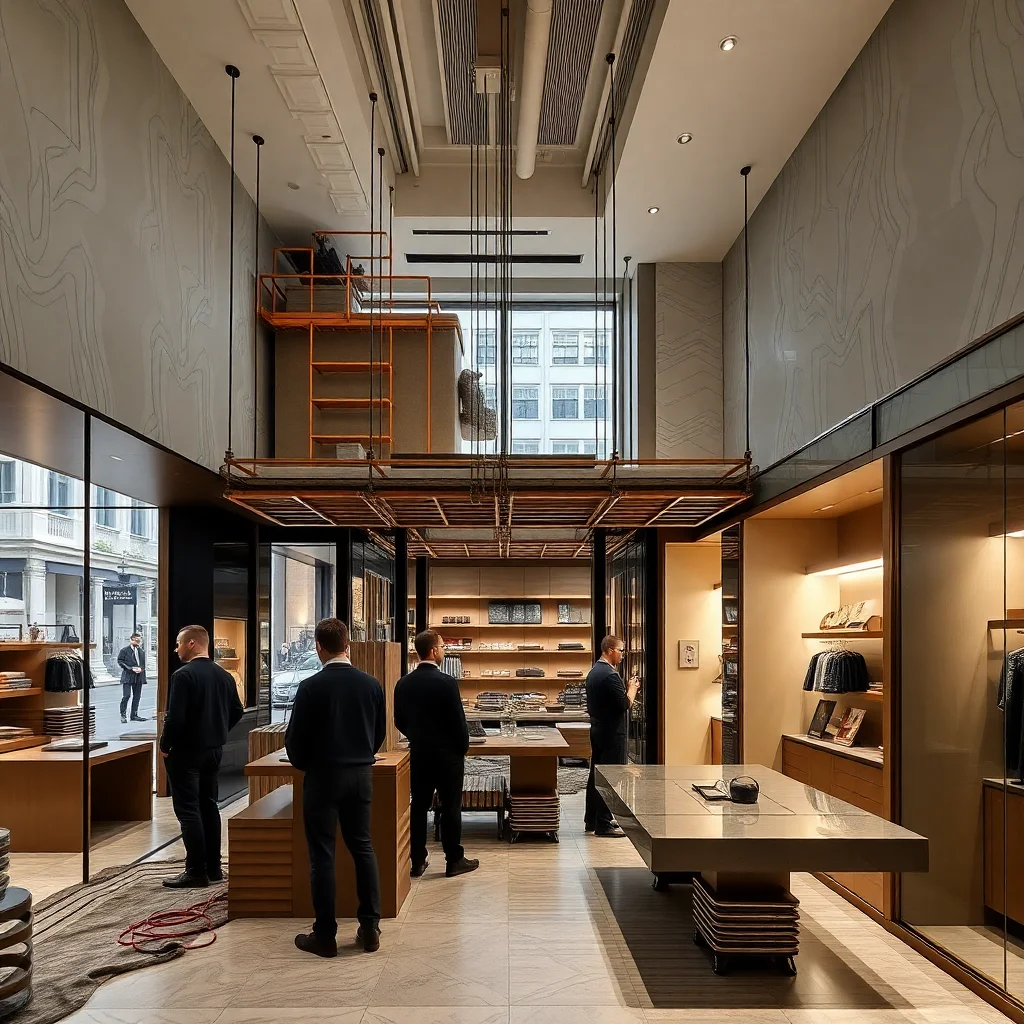
Hermès’ Bond Street expansion is not an isolated case study; it is a signal. Luxury retail is migrating from product display to emotional architecture. The flagship no longer needs to prove it has inventory. It needs to prove it has atmosphere, authorship and a believable social script. The store becomes a place where brand identity is made inhabitable. That is why interior design is now central to luxury strategy: it supplies the sensory evidence that a house is not just selling things, but a way of life.
For designers, this raises a difficult question. Is the job to humanise commerce, or to expose the mechanisms by which commerce borrows humanity? The answer depends on your politics. Some will argue that the best retail spaces elevate the everyday through material intelligence, allowing architecture to create pleasure, dignity and even education around craft. Others will say that these spaces have become too skilled at disguising hierarchy as hospitality. Both positions are true, which is exactly why the debate is urgent. As more brands chase immersion, it is worth asking whether the same logic that shapes luxury storefronts also helps explain why interiors are increasingly framed as repair mechanisms—places meant to soothe the pressures of modern life while quietly shaping how we consume, work and belong.
In the end, Hermès’ expansion captures a broader cultural shift: the flagship store has become a domestic fiction with a commercial purpose. It offers the reassurance of belonging in a world where real belonging is fragile, transactional and increasingly out of reach. That is why it is so seductive — and why it should make us uneasy. The store is no longer simply where luxury is sold. It is where luxury rehearses its right to occupy our emotional lives.
List of the key tactics behind the new flagship model:
- Domestic staging: Rooms are composed to feel inhabited rather than merchandised, using residential cues to soften commercial intent.
- Material theatre: Wood, stone, leather, textiles and bespoke joinery signal craft and permanence, making the space feel inherited rather than installed.
- Hospitality choreography: Seating, pacing and staff interaction turn shopping into a ritual of being hosted.
- Mythological continuity: Family ownership, artisanal narratives and brand history create the sense that the store is a chapter in a long lineage.
- Spatial exclusivity: Controlled circulation and quiet interiors make access feel privileged, even before a purchase is made.
- Emotional conversion: The ultimate aim is not merely to display goods, but to make the customer feel socially and aesthetically at home inside the brand world.
FAQ
What does it mean when luxury retail sells belonging?
It means the store is designed to offer emotional inclusion, not just product access. The architecture, materials and service are staged so that customers feel they are entering a private world with its own values and status codes.
Why is Hermès’ New Bond Street expansion important?
Because it shows how a flagship can function like a domestic interior and a brand theatre at the same time. It demonstrates that luxury retail is now as much about atmosphere and mythology as it is about merchandise.
Is this approach unique to Hermès?
No. Many luxury brands use hospitality, museum logic and residential design cues. But Hermès is especially effective because its long-standing emphasis on craft, family continuity and restraint makes the “home” narrative feel more believable.
What is the criticism of this trend?
The criticism is that emotional warmth can mask aggressive commercial intent. By presenting retail as belonging, brands may disguise excess, exclusivity and social hierarchy as comfort and care.
Conclusion
Luxury retail has learned that the most valuable thing it can sell is not the object in the bag, but the feeling that you have been admitted somewhere that matters. Hermès’ Bond Street expansion proves the point with unnerving clarity. The question is whether we should admire that intelligence as cultural refinement, or read it as the final sophistication of consumer manipulation.
Get the Mainifesto weekly — curated design debates, speculative ideas and the week's best articles every Saturday.
Editorial Perspectives
Questions and counterpoints developed by the Mainifesto editorial desk to extend the discussion.
Perspective 1
I’d argue this is a deeper form of hospitality, but only if the store actually behaves like a public-facing civic room and not a filtered waiting room for spenders. The test is simple: who gets to enter, linger, and feel at ease without being actively monetized?
Perspective 2
This reads less like hospitality than a highly polished version of social sorting. Luxury has always known how to borrow the language of welcome while keeping the threshold meaningful, and that threshold is the whole point.
Perspective 3
From a commercial standpoint, belonging is just the newer way of describing customer retention. The real question is whether these stores are giving people a reason to return beyond the transaction, because if the operating model can’t support that, the atmosphere is just expensive theater.
Perspective 4
What interests me is how much of this belonging is built through touch, material honesty, and spatial pacing rather than overt branding. If the craftsmanship is real, people feel it immediately; if it’s all surface polish, the room still reads as exclusion dressed up as comfort.
Perspective 5
I’m skeptical of calling this hospitality when the environmental and social costs of luxury retail are usually hidden behind the experience. Belonging that depends on scarcity and spectacle isn’t very convincing to me, especially in a world where low-impact, inclusive design is the harder and more necessary work.