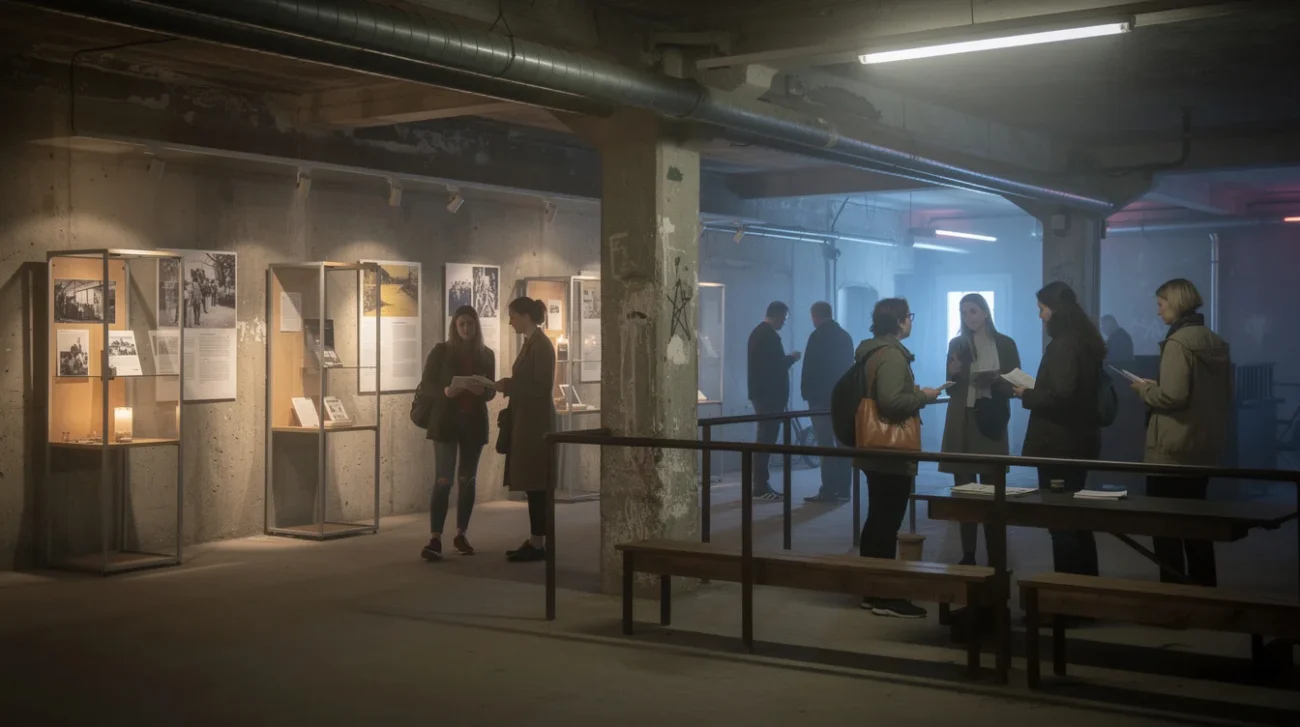
Berlin’s Living Archive tests whether exhibition design can preserve techno’s collective possibilities—or turn a living scene into industrial nostalgia.


Berlin’s Living Archive tests whether exhibition design can preserve techno’s collective possibilities—or turn a living scene into industrial nostalgia.
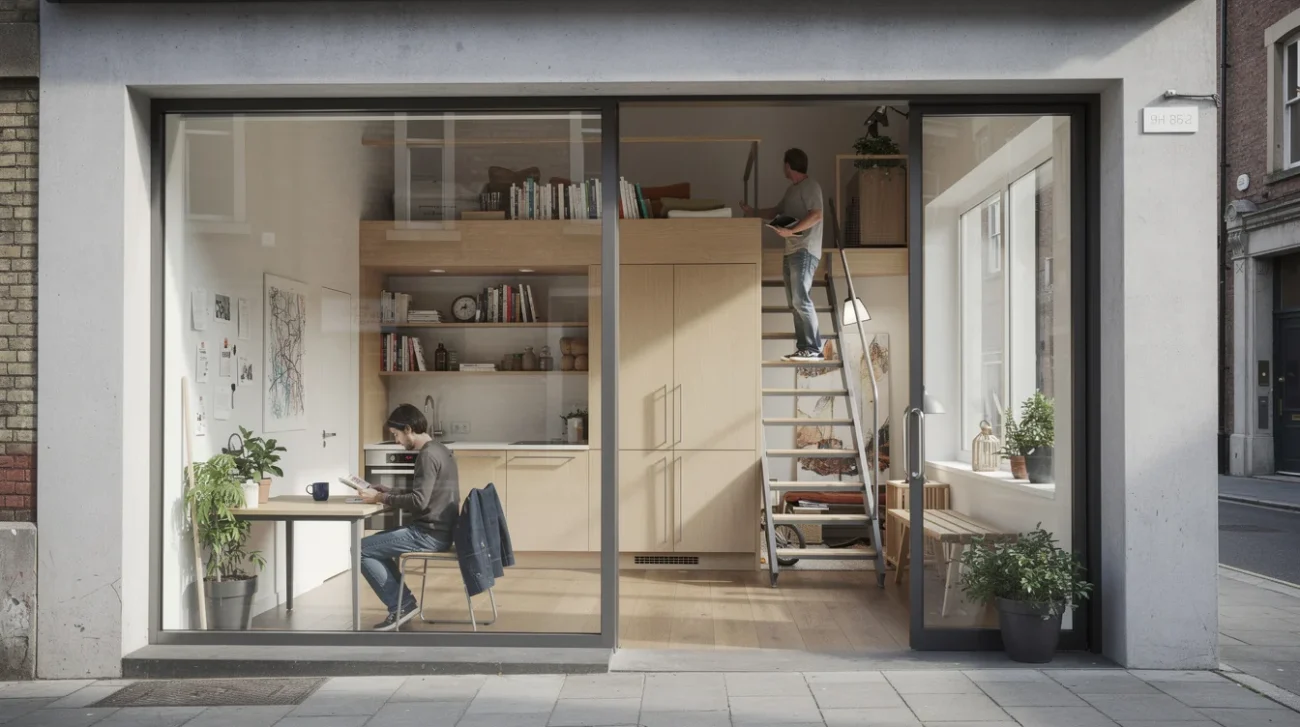
Crearctive turns a shop into four apartments. But spatial efficiency only succeeds when daylight, privacy, ventilation and usable space survive the conversion.
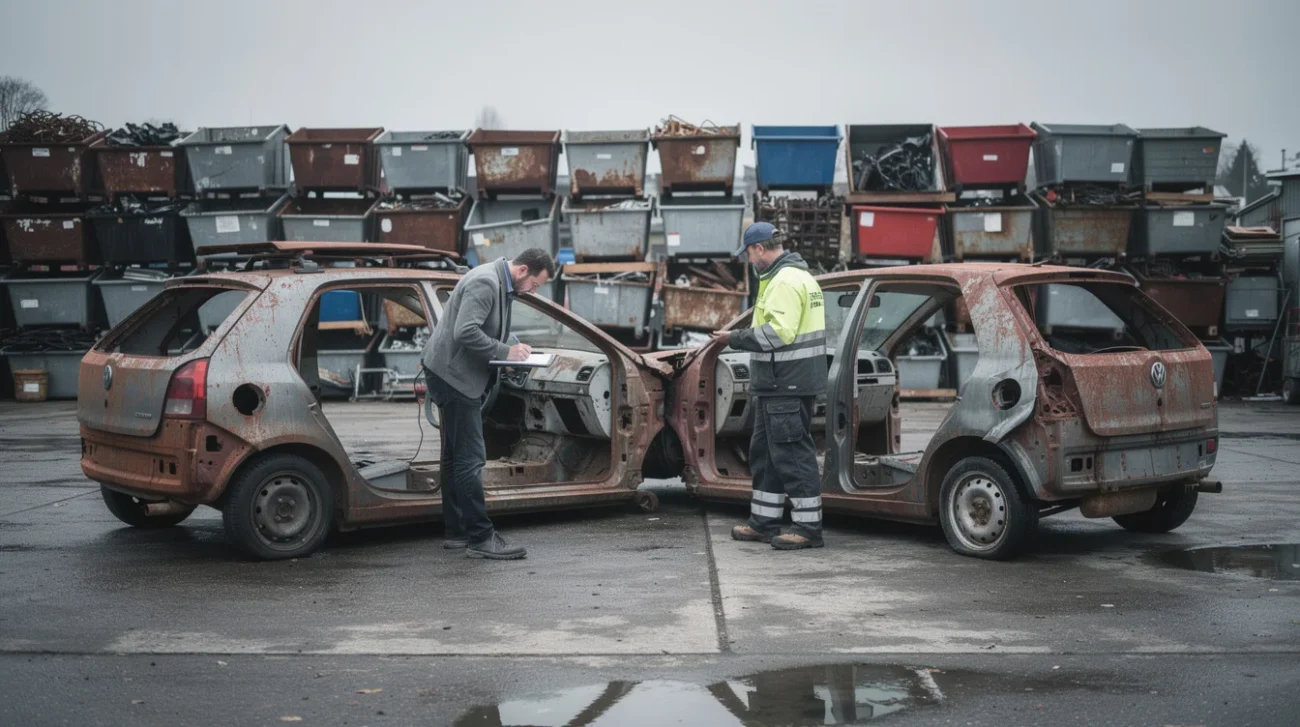
Giona Bierens de Haan’s It All Remains pits car reuse against material recovery. When does saving an object save resources—and when does it trap them?
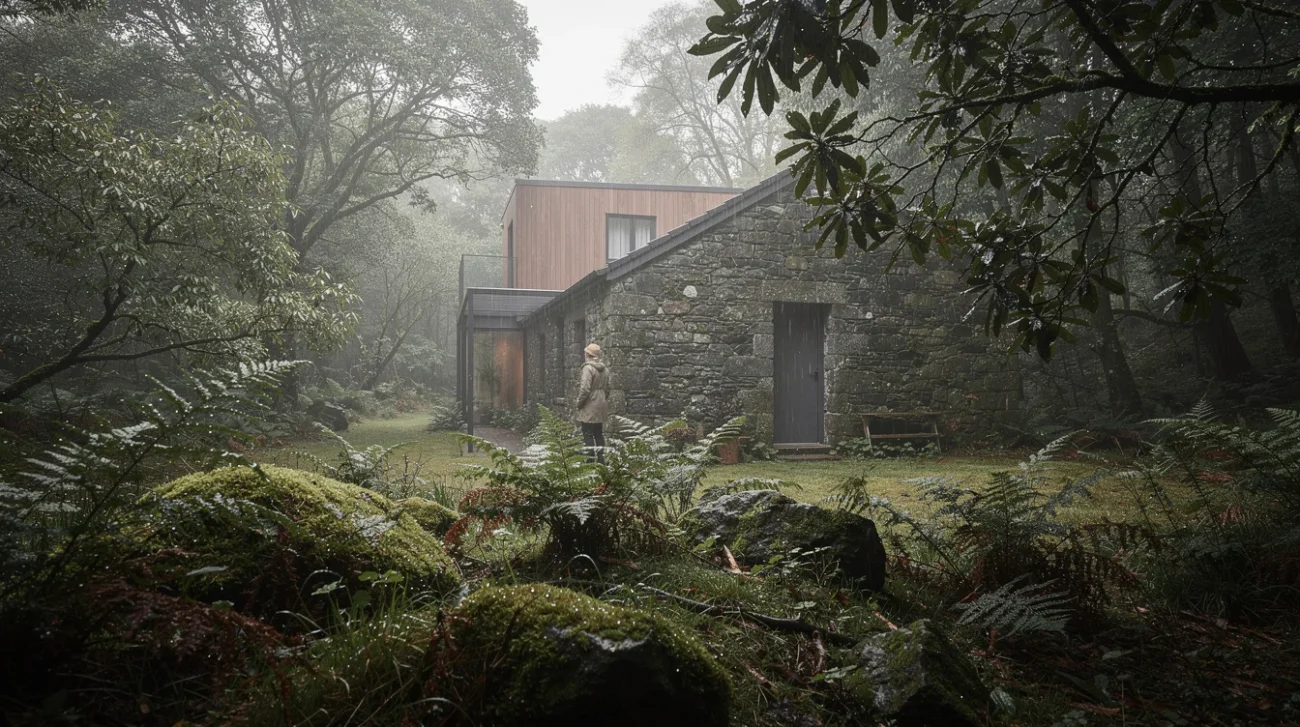
Schemata Architects’ Linden House raises a harder question for rainforest hospitality: who benefits when wellbeing becomes a reason to build?
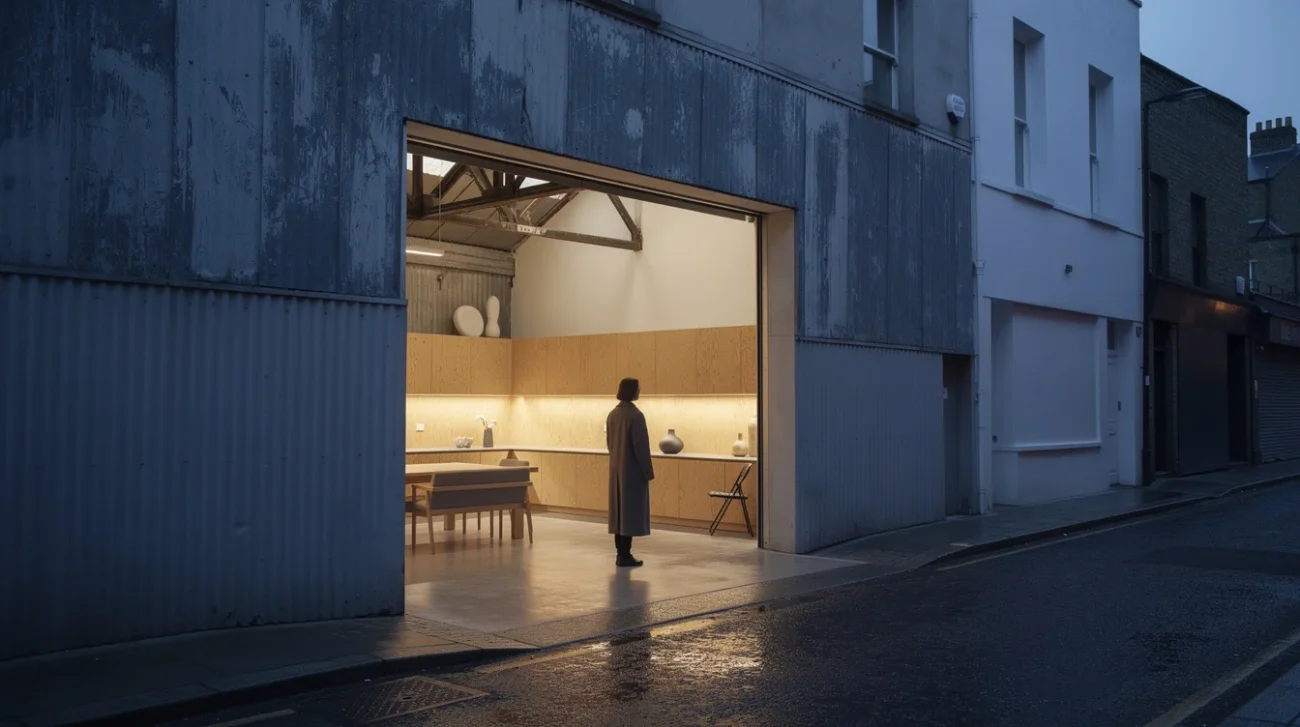
A £4.9 million London workshop conversion exposes the tension between saving industrial architecture and preserving space for urban production.
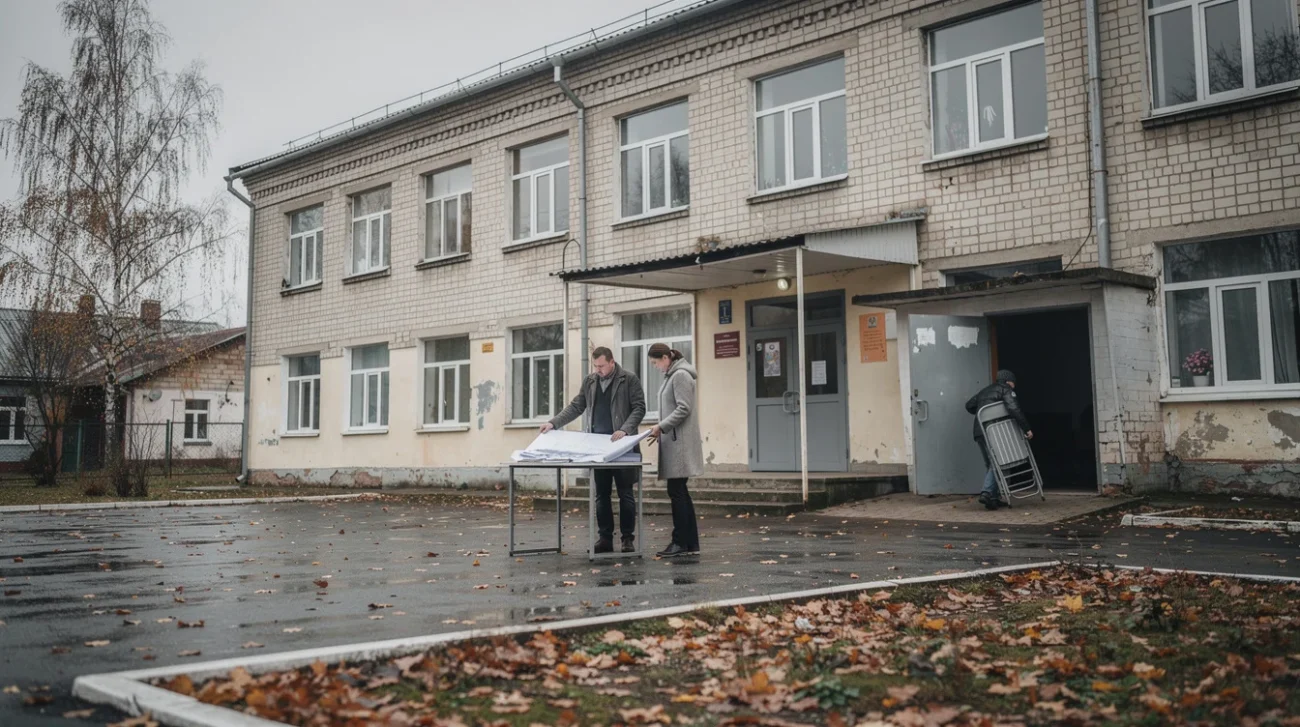
Office for Future’s Ukrainian school conversion tests whether emergency shelter for 42 displaced families can become a dignified home if return takes years.
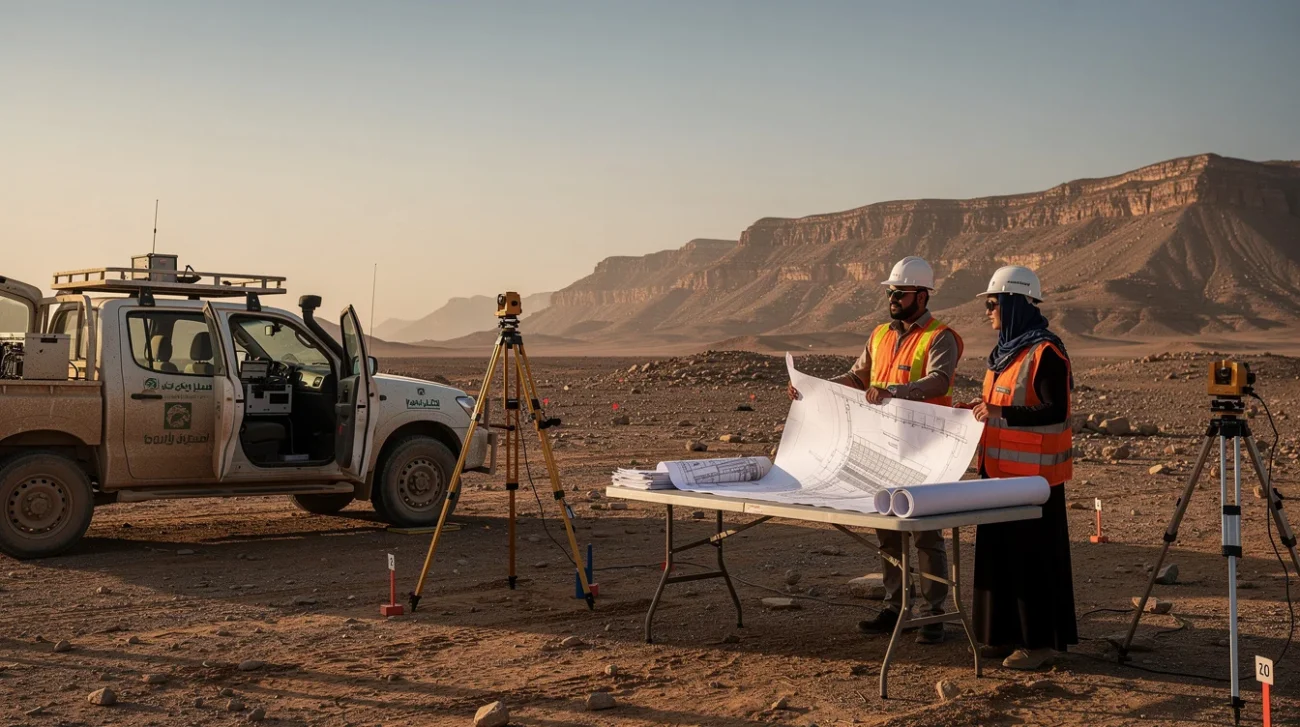
Neom Stadium’s reported shelving exposes a World Cup planning gap. Should megaprojects require fallback venues, phased investment and exit plans?
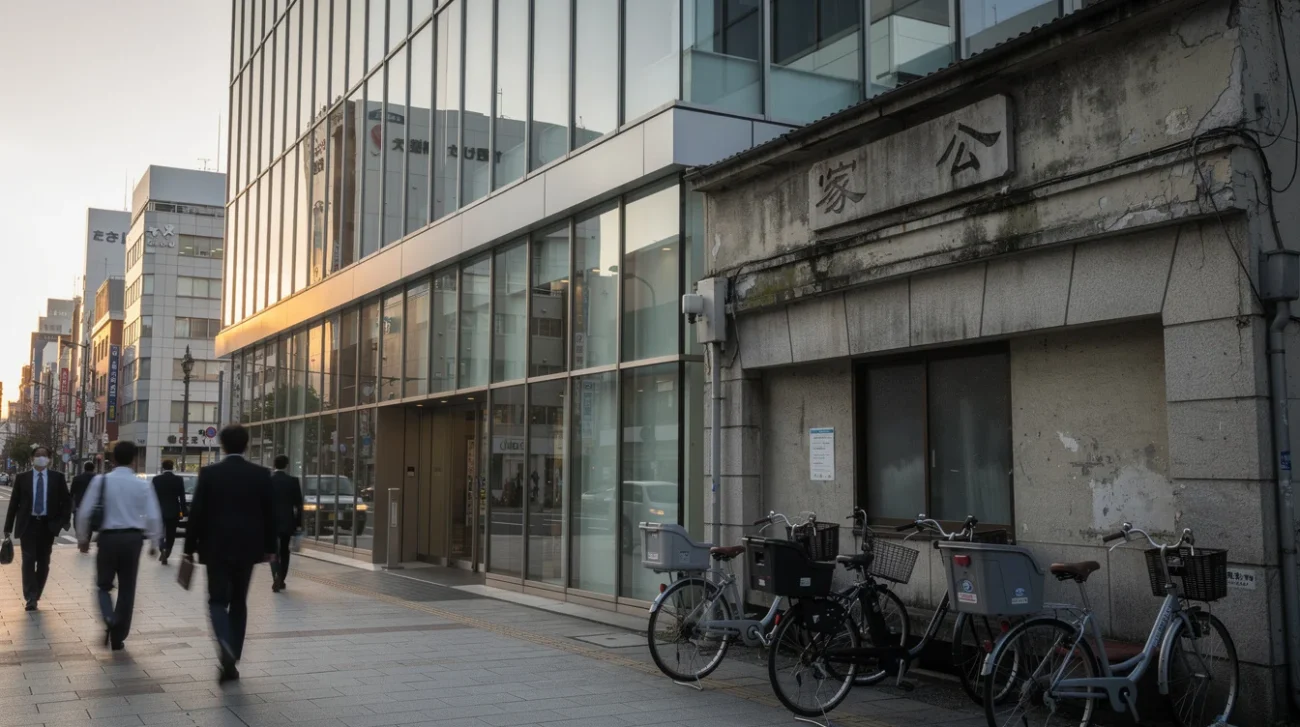
Tokyo’s Yaesu Daibiru redevelopment asks whether Togo Murano’s ideas can survive replacement—and what architectural inheritance leaves behind.
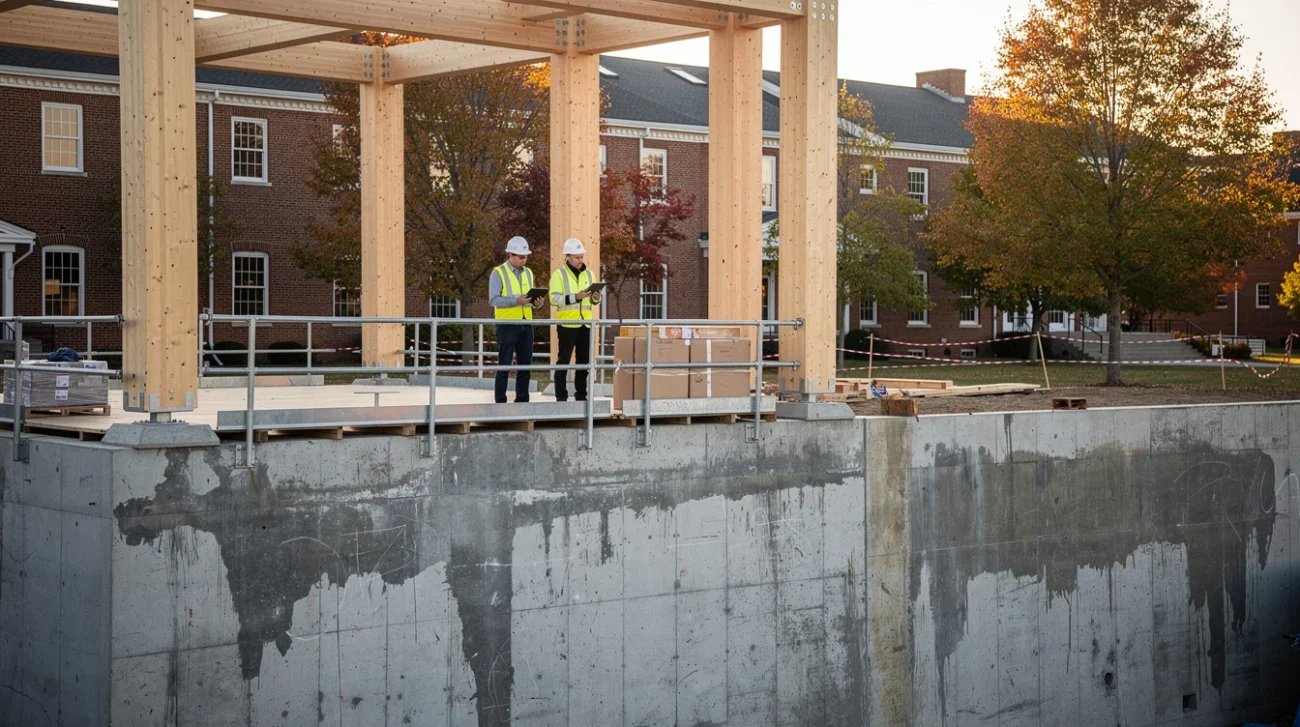
Herzog & de Meuron’s Amherst project tests selective reuse. When do carbon, spatial performance and architectural heritage justify replacing a building?
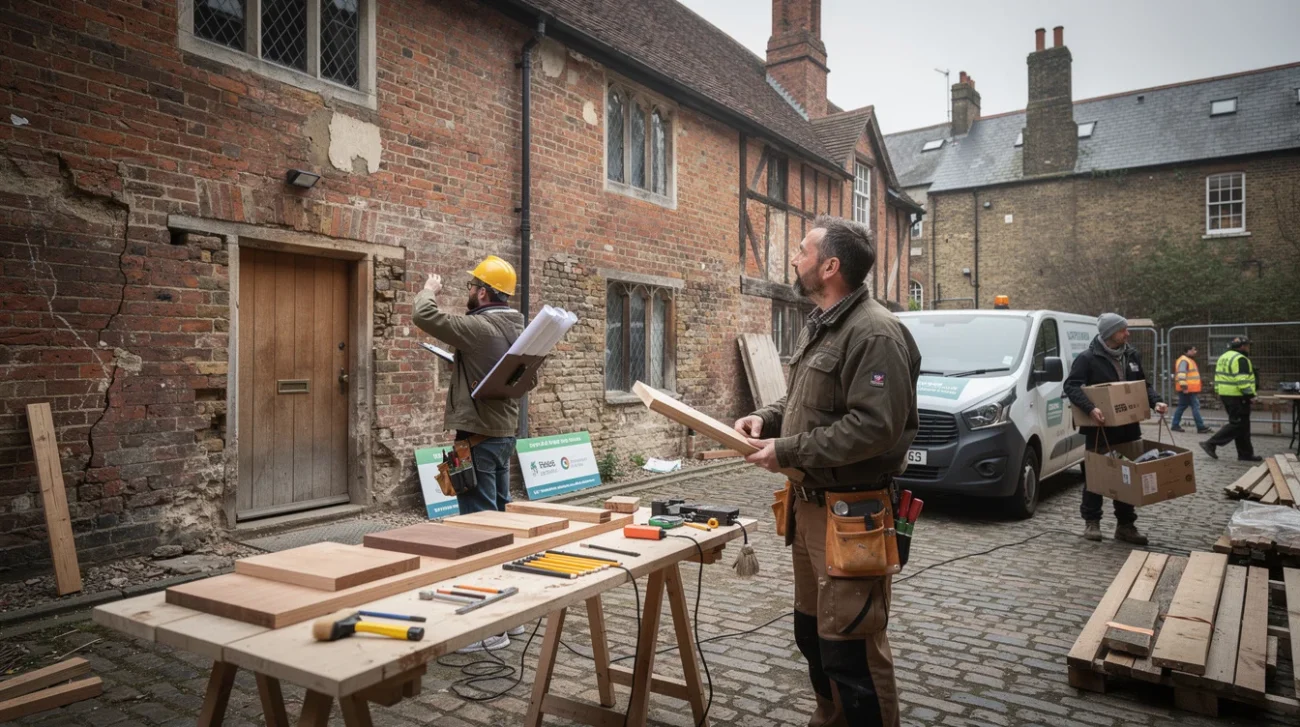
Assemble plans to turn Tudor Bromley Hall into workspace. Can a 25-year lease defend makers against rising rents while protecting fragile heritage?