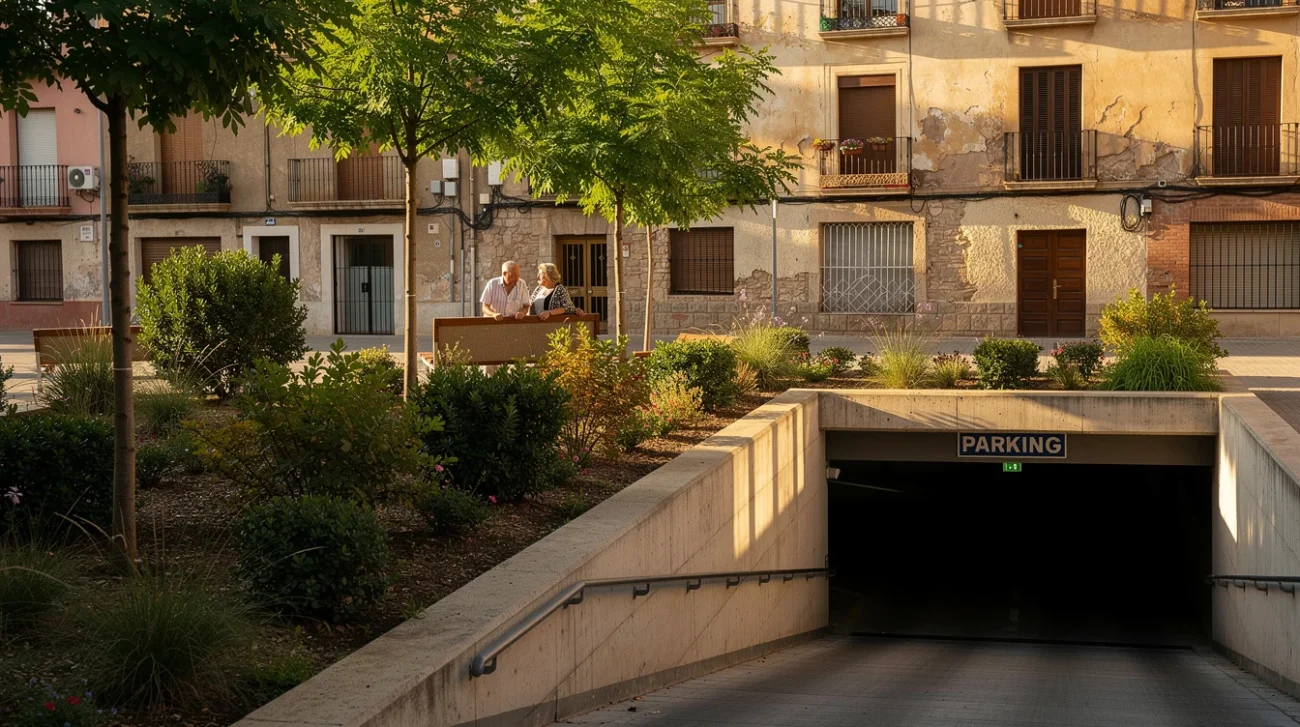

Cultural Venues Must Earn Their Keep
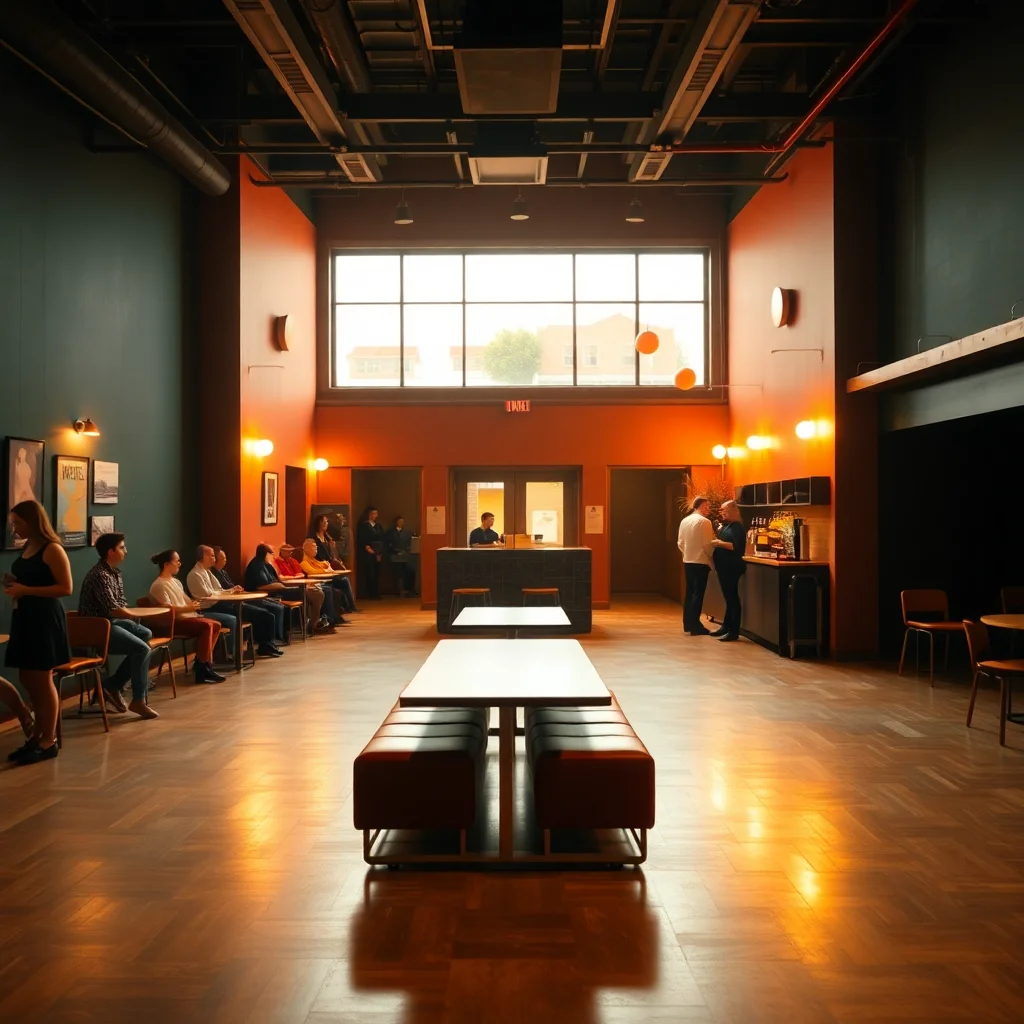
The End of the Singular Temple
For much of the 20th century, the performing arts venue was treated like a civic altar: a purpose-built container for one sacred activity, protected from the messiness of the market. Opera houses, concert halls, black boxes, and civic theaters were designed around a stable hierarchy of performances, a predictable audience, and a public subsidy model that assumed cultural value justified architectural excess. That logic is collapsing. The new reality is brutally simple: if a venue cannot host more than a single kind of performance, cannot fill dead hours, and cannot generate income beyond ticket sales and grants, it becomes a liability disguised as a landmark.
This is the pressure point that has changed the brief. Over the last decade, projects discussed by TheatreDNA and seen across the sector have made one thing clear: cultural buildings are no longer judged only by acoustics and aesthetics. They are judged by occupancy, adaptability, outreach, bar revenue, rentals, daytime activation, and their ability to behave like ecosystems rather than monuments. The architecture is being forced to follow operations, not the other way around. That may sound pragmatic. It is also profoundly ideological. A venue that must earn its keep is no longer just a place for art; it is a business case with a stage attached.
The provocation is unavoidable: when institutions need to act like businesses, architecture stops being a protected cultural form and becomes a performance of survival.
Flexible Ecosystems, Not Fixed Machines
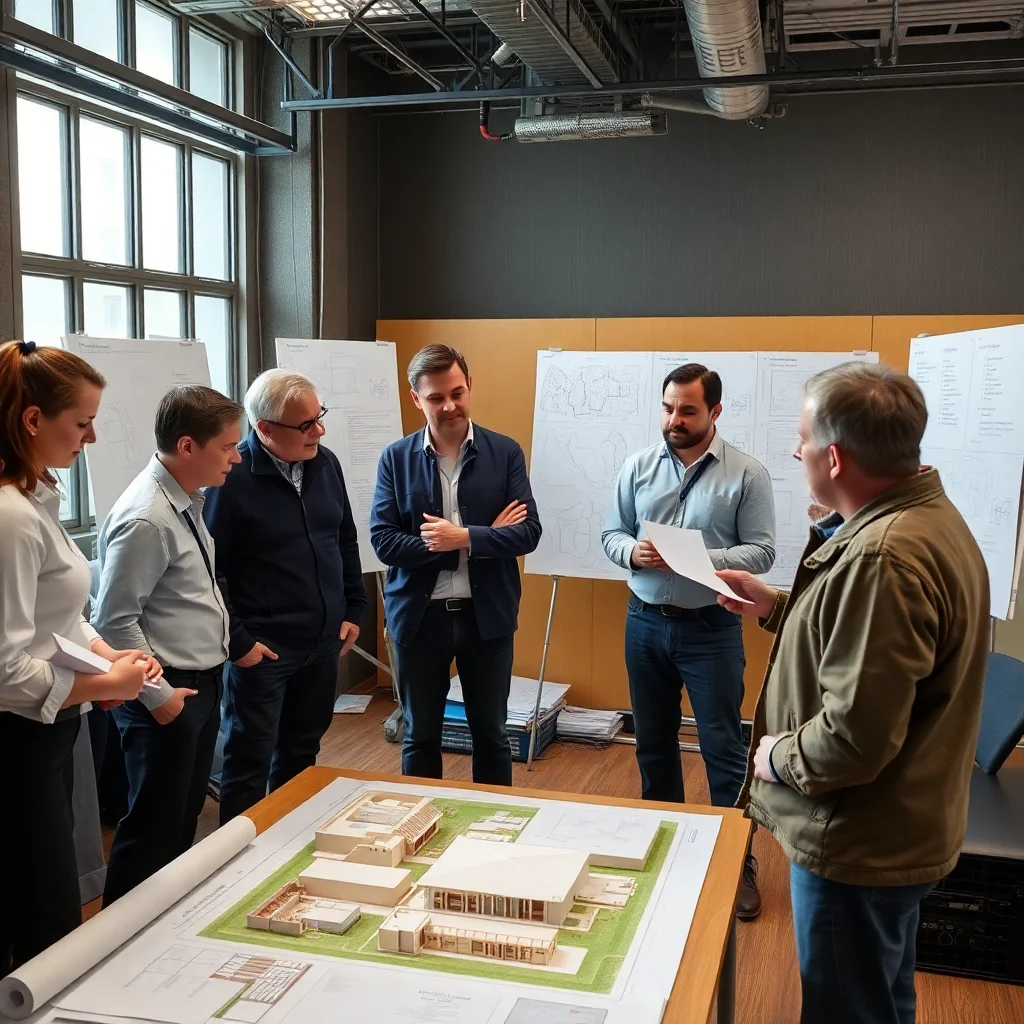
The old model of venue design assumed specialization. The auditorium did one thing, the lobby another, the back-of-house was hidden, and any flexibility was secondary to the purity of the experience. Today, the most competitive cultural buildings are designed as layered systems: rehearsal spaces that can become event rooms, foyers that function as coworking lounges in the morning and pre-show social condensers at night, cafés that are revenue generators, and circulation spaces that double as exhibition territory. This is not simply a matter of adding partitions. It is an architectural and managerial reorganization of value.
TheatreDNA’s decade-long influence is part of a broader turn in which architects and operators collaborate earlier and more aggressively. The venue is no longer frozen at completion. It is anticipated as a changing organism with programming, staffing, storage, and booking models embedded in the design. Projects such as the transformation of historic theaters in London, the flexible cultural rooms within mixed-use precincts in Copenhagen, and new-generation performance spaces in Sydney and Singapore all signal the same shift: the building must accommodate multiple economies at once. It must sell tickets, host community workshops, rent rooms, attract sponsors, and remain culturally legitimate in between.
That is why flexibility has become the new aesthetic. Moveable seating, retractable walls, exposed service grids, and larger-than-necessary foyers are not neutral technical features; they are the visible language of financial resilience. The venue looks less like a sealed instrument and more like a chassis for activity. In architectural terms, the building becomes less a finished composition than a platform.
What the Balance Sheet Has Done to Architecture
The pressure on cultural institutions did not come from design discourse alone. It came from rising construction costs, labor costs, energy costs, and the widening gap between elite cultural ambition and public funding. A single-purpose venue with a large footprint can be difficult to justify when an owner must answer to municipal budgets, philanthropists, board members, and community stakeholders who all want different outcomes. The result is a quieter but more consequential shift: architecture is now being asked to prove return on investment.
That demand changes everything. Site selection becomes a question of transit access and multipurpose catchment. Front-of-house areas are sized not only for interval crowds but for rentals, donor receptions, and corporate events. Acoustic integrity must coexist with mechanical efficiency. Stage volume, loading, and storage are negotiated against the need to keep the building operating throughout the day. Even the beloved concept of the civic lobby has been rebranded into a commercial asset, a public room that can be activated across the entire week rather than only during a performance window.
Examples are everywhere if one knows how to look. The most successful contemporary venues often resemble urban hybrids: part theater, part social club, part learning center, part hospitality machine. The architecture is not just making room for art; it is making room for the institution’s solvency. This is a dramatic shift from the heroic age of standalone cultural icons, where prestige alone could justify cost. Today, prestige has to pay rent. Renovation as the New Urban Default has become part of that logic, because adapting existing buildings often offers a faster, cheaper path to resilience than starting from scratch.
The Case for Operational Intelligence
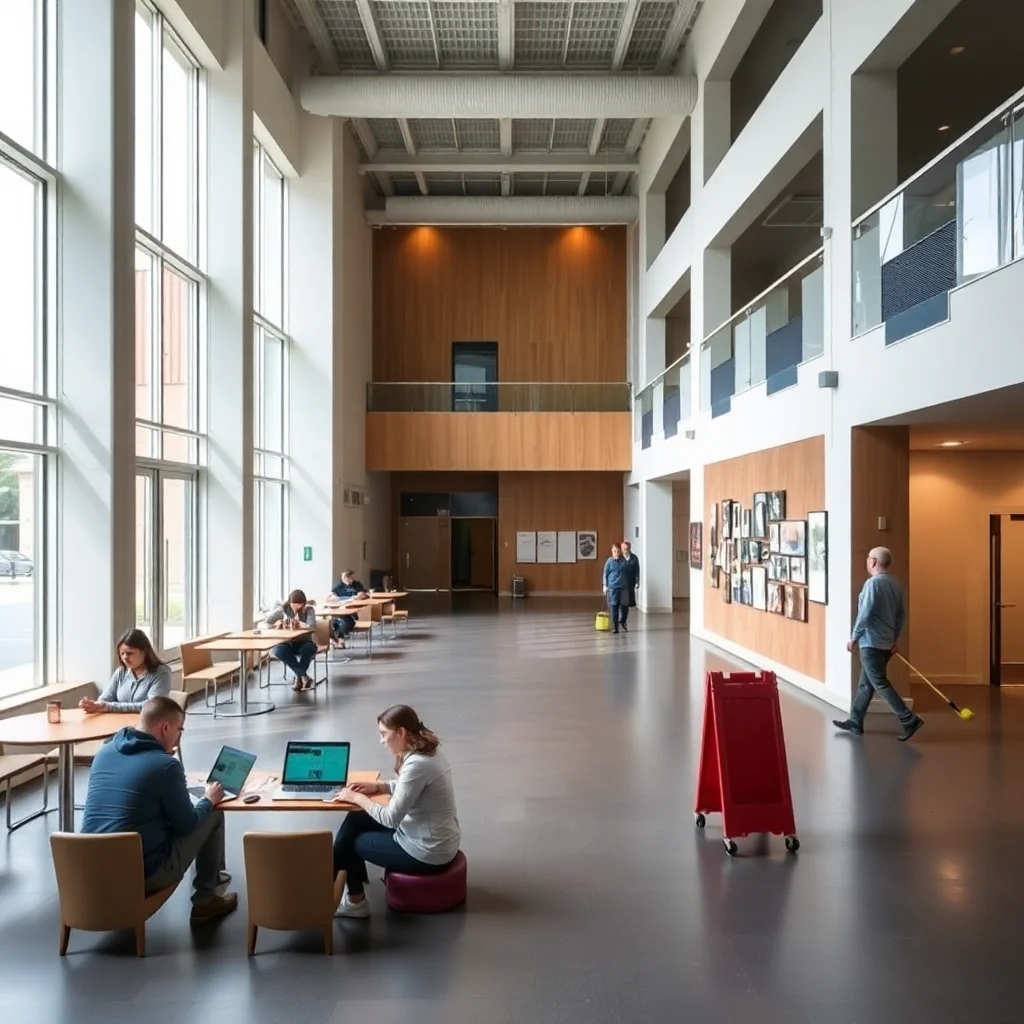
To dismiss this evolution as cynical would be lazy. In some cases, flexible design has genuinely expanded access. Venues that can host community programming, education, screenings, festivals, and informal gatherings are better able to belong to their cities rather than hover above them as exclusive machines. A theater that opens all day is often more democratic than one that activates only at curtain-up. In that sense, operational intelligence can produce a richer civic life.
This is the strongest argument in favor of the new blueprint. A building that earns income across multiple streams may be more resilient, less dependent on precarious public subsidy, and more capable of surviving political shifts. It can cross-subsidize riskier artistic work with commercial events. It can support artists through residencies, workshops, and production facilities. It can make itself useful without being reduced to a mall. Good operators understand this distinction. They are not selling out culture; they are trying to keep it solvent.
Some designers have embraced this challenge with sophistication. The best projects do not simply maximize rentable square footage. They choreograph a relationship between public and backstage, between intimacy and scale, between the daily city and the night-time performance. They understand that flexibility is only meaningful when it does not flatten the experience of art. A venue can be adaptable without becoming generic. Indeed, the real skill is to create multiple operational modes while preserving a memorable spatial identity.
The Risk: Culture as Hospitality
And yet the danger is obvious. Once a venue is optimized to perform like a business, architecture can begin to obey the wrong metrics. The building starts to privilege turnover, branding opportunities, and event versatility over artistic specificity. The result is often a seductive but shallow neutrality: large glazed foyers, over-programmed circulation, and spaces that photograph beautifully but do not necessarily support daring performance. In the worst cases, the venue becomes a hospitality product with a stage added as a feature.
This is where the architectural argument becomes sharpest. Performance art is not the same as flexible content. An experimental dance company, an opera rehearsal, a public forum, and a touring commercial event all impose different technical and emotional demands. If the building tries to be equally good at everything, it risks becoming excellent at nothing. Acoustic precision can be diluted by excessive openness. Backstage complexity can be minimized for the sake of leaseable front-of-house space. Artistic risk can be displaced by programming that is easier to monetize.
The ideology of flexibility can also mask austerity. A venue may be sold as adaptable when, in fact, it is underbuilt, underfunded, and expected to compensate for reduced public investment through entrepreneurial hustle. In that scenario, architecture is not solving the problem; it is absorbing it. The burden falls on the building to reconcile incompatible demands that should perhaps be addressed politically rather than spatially.
PRO: Why the New Model Matters
The strongest defense of the new cultural venue is that it acknowledges reality instead of pretending public subsidy will return to some idealized postwar level. Cities need buildings that can survive volatile funding environments, shifting audiences, and unpredictable use patterns. Flexible venues can be more inclusive, more durable, and more socially active than the old model of the locked temple.
They also create opportunities for architectural invention. Designers are no longer drawing static boxes around fixed programs; they are scripting sequences, thresholds, and operational overlaps. This has encouraged more sophisticated thinking about acoustics, logistics, visibility, and the choreography of people before and after performance. The venue becomes a machine for social exchange, not just artistic display. When done well, that is not compromise. It is evolution.
In this reading, earning its keep is not a capitulation to the market but a survival strategy for culture itself.
CONTRA: Why It May Be a Slow Hollowing Out
The counterargument is harsher and harder to ignore. As venues chase financial resilience, they may abandon the very conditions that make bold art possible. The more a building is designed for parallel revenue streams, the more it risks diluting the singularity of live performance. Culture becomes one tenant among many. The auditorium loses primacy. The foyer becomes a branded plaza. The institution begins to think like an operator before it thinks like a patron of the arts.
That shift changes power. Architects are no longer merely shaping cultural form; they are helping institutions rationalize scarcity. The language of adaptability can become a polite way of saying reduced ambition. A venue that has to earn its keep may survive longer, but it may also become less able to take risks, commission difficult work, or protect the inefficiencies that art often requires. Some of the most important cultural buildings in history were not efficient. They were excessive, stubborn, and unapologetically specialized.
The question is not whether flexibility is good. It is whether flexibility is being used to deepen culture or to domesticate it. That is the line architecture must now defend.
What Architects Must Design Next
The next generation of cultural venues will need more than modular furniture and multipurpose foyers. They will need operational honesty. That means designing for the actual economics of the institution, not the fantasy version. It means creating buildings that can absorb change without becoming bland, and that can support financial survival without surrendering their artistic edge.
Architects should be asking harder questions: Which parts of the building must remain stubbornly specific? Which spaces can be flexible without damage to the core mission? How much commercial activity can a venue sustain before it stops feeling like a cultural place? And who gets to decide whether a building’s success is measured by attendance, revenue, artistic quality, or civic value?
The future of the performing arts venue lies in that conflict. The most interesting buildings will not resolve it neatly. They will hold the tension in plain sight. They will make the economics visible without letting economics become the only design logic. They will be civic, commercial, and artistic at once, but never innocently so. That is the new blueprint: a venue must now justify its footprint, its operating costs, and its public claim to matter.
And that raises the hardest question of all: if architecture must keep proving its usefulness, what happens to the spaces that were once valuable precisely because they were not useful?
- FAQ
FAQ
Why are performing arts venues being redesigned now? Because the old model of a single-purpose cultural building is too expensive to sustain. Institutions need venues that can generate income, support community use, and remain operational across more hours of the day.
Does flexibility always improve cultural architecture? No. Flexibility can expand access and resilience, but it can also flatten the character of a venue if it is used as a shortcut for underfunding or weak programming.
What do architects gain from this shift? They gain a more complex brief that encourages innovation in circulation, acoustics, programming, and social space. The challenge is to create adaptability without producing generic buildings.
What is the biggest risk of the new model? The biggest risk is that cultural venues become too commercialized, prioritizing rentable space and revenue generation over artistic specificity and experimental work.
Get the Mainifesto weekly — curated design debates, speculative ideas and the week's best articles every Saturday.
Editorial Perspectives
Questions and counterpoints developed by the Mainifesto editorial desk to extend the discussion.
Perspective 1
A venue that ignores its balance sheet is just waiting for trouble, so I’m not romantic about this. But once every room has to prove revenue, the programming starts bending toward whatever fills seats easiest, and that’s where the cultural risk kicks in.
Perspective 2
Adaptive reuse has always been about negotiation, but the current pressure goes beyond practical survival. If a cultural venue is treated only as an asset class, then yes, the art inside it will eventually be shaped by market logic, and not for the better.
Perspective 3
The article is right to frame this as a collision, though we have been here before in other guises: patronage, state support, self-financing, each with its own discipline. The danger is not that a venue becomes efficient, but that it confuses cultural seriousness with perpetual audience optimization, which is a very poor substitute for an institution.