
Renovation as the New Urban Default
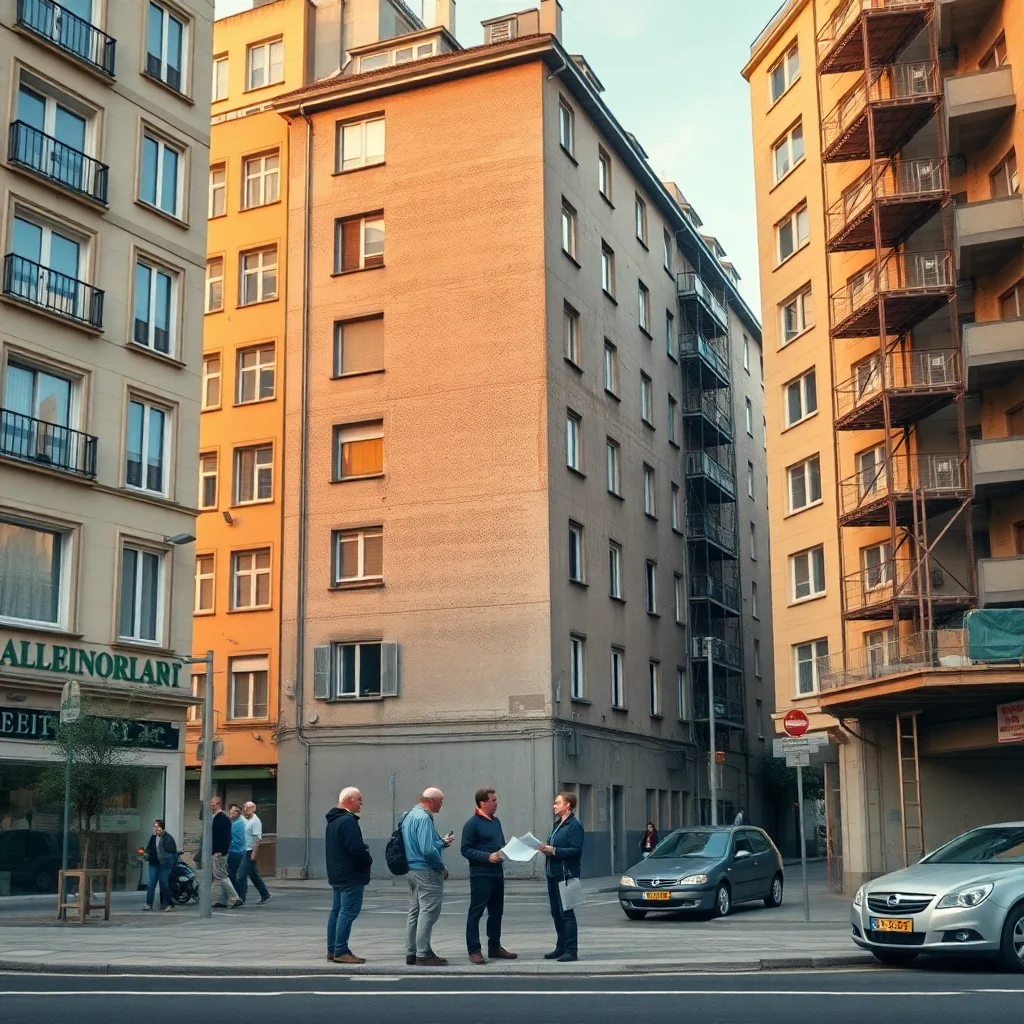
The city is no longer asking for icons. It is asking for repairs.
The prestige era of architecture was built on novelty: the ground-breaking render, the virgin plot, the heroic object delivered from nothing. But in dense cities, that fantasy is collapsing under the weight of carbon accounting, land scarcity, and regulatory friction. The question is no longer whether adaptation is aesthetically interesting. It is whether building anew still makes any sense at all when the city already contains an enormous inventory of structures, shells, infrastructures, and half-forgotten interiors waiting to be reactivated.
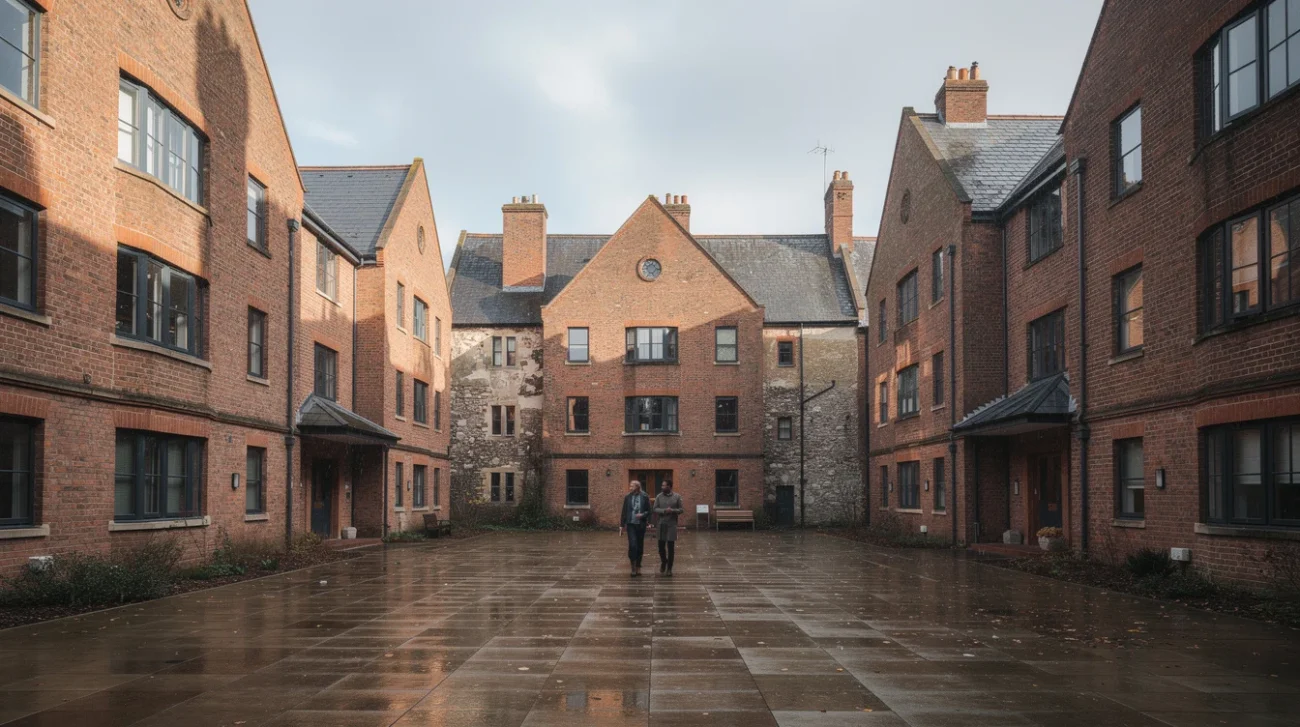
This is where projects like the house of the Maywas, presented in La Cabina de la Curiosidad and discussed through the lens of inhabiting what already exists, become more than a niche story about renovation. They point to a broader urban truth: reuse is not a stylistic trend but a structural response to the city’s own exhaustion. When suburbs sprawl outward, commuting distances lengthen, and construction consumes vast amounts of energy, the most coherent design move is often the least dramatic one: stay, repair, adapt, and intensify.
That does not mean reuse is morally pure. It can be timid, compromised, even banal. Yet its rise is not a matter of taste. It is a confrontation with reality.
PRO: Reuse is the only urban strategy that can scale without pretending the world is infinite.
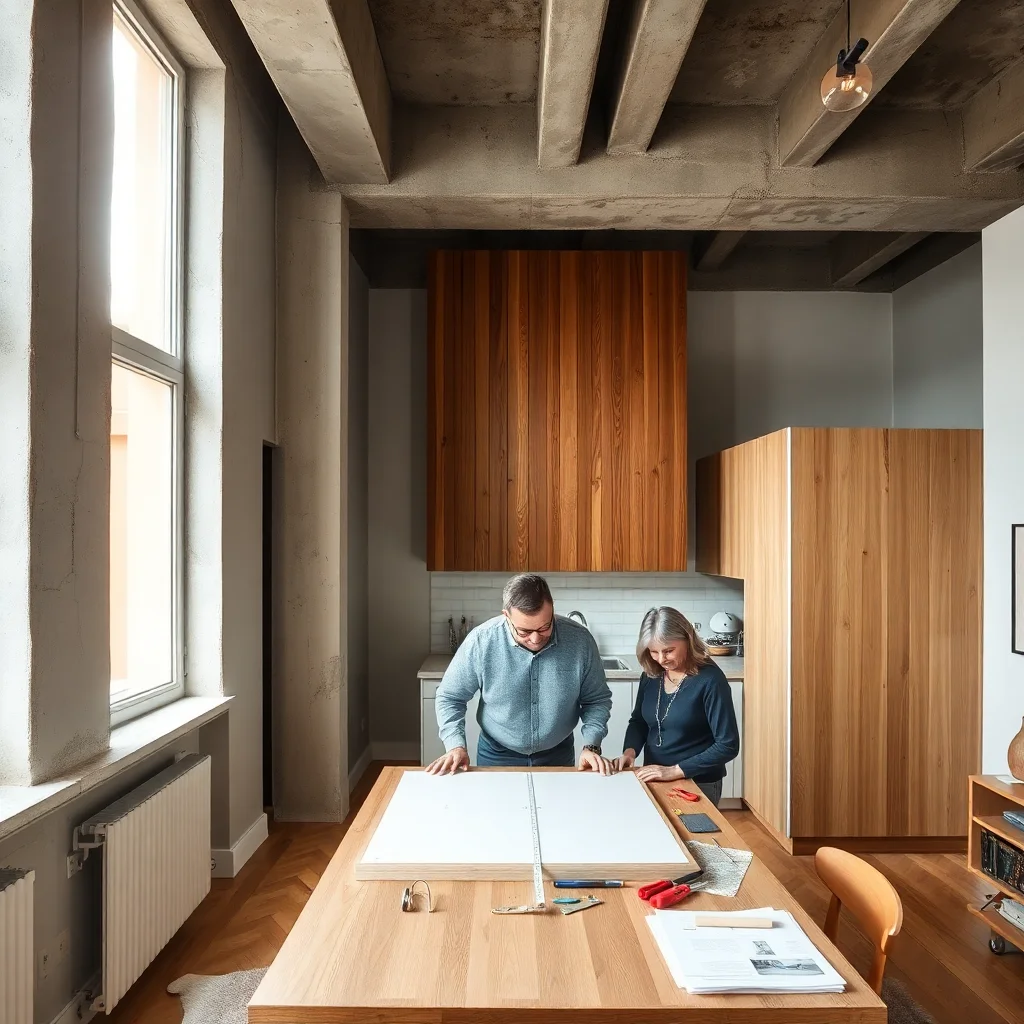
The strongest argument for renovation is brutally simple: every square meter already standing has a carbon history, a location, and a social context that should not be casually erased. Demolition wastes embodied carbon and usually triggers a second wave of emissions through new materials, transport, and fit-out. In an era when cities are under pressure to decarbonize quickly, adaptive reuse becomes less a poetic choice than an operational necessity.
Architects and planners have been saying this for years, but the argument has moved from the margins into mainstream practice. Think of Carlo Ratti Associati‘s work on the future city as an adaptive system, or David Chipperfield‘s disciplined interventions in historic fabric, where restraint becomes a form of intelligence rather than a lack of ambition. Consider Lacaton & Vassal, whose transformation of social housing in Bordeaux demonstrated that adding winter gardens and balconies can be more generous than replacement. Their logic was radical precisely because it refused the empty theater of demolition.
In this sense, reuse is not anti-design. It is design under constraint, which is when architecture becomes most revealing. The skill lies in reading what is already there: structure, light, circulation, memory, code. A good renovation does not merely conserve; it produces a new urban logic from old matter. That is why conversion projects, from warehouses to cultural centers to offices turned housing, now represent the sharpest edge of architectural practice. For a deeper look at how regulations are shaping what can actually be preserved, see Adaptive Reuse Is Now a Code Reform Fight.
PRO: The best reuse projects do more than save materials—they rewrite the social contract of the city.
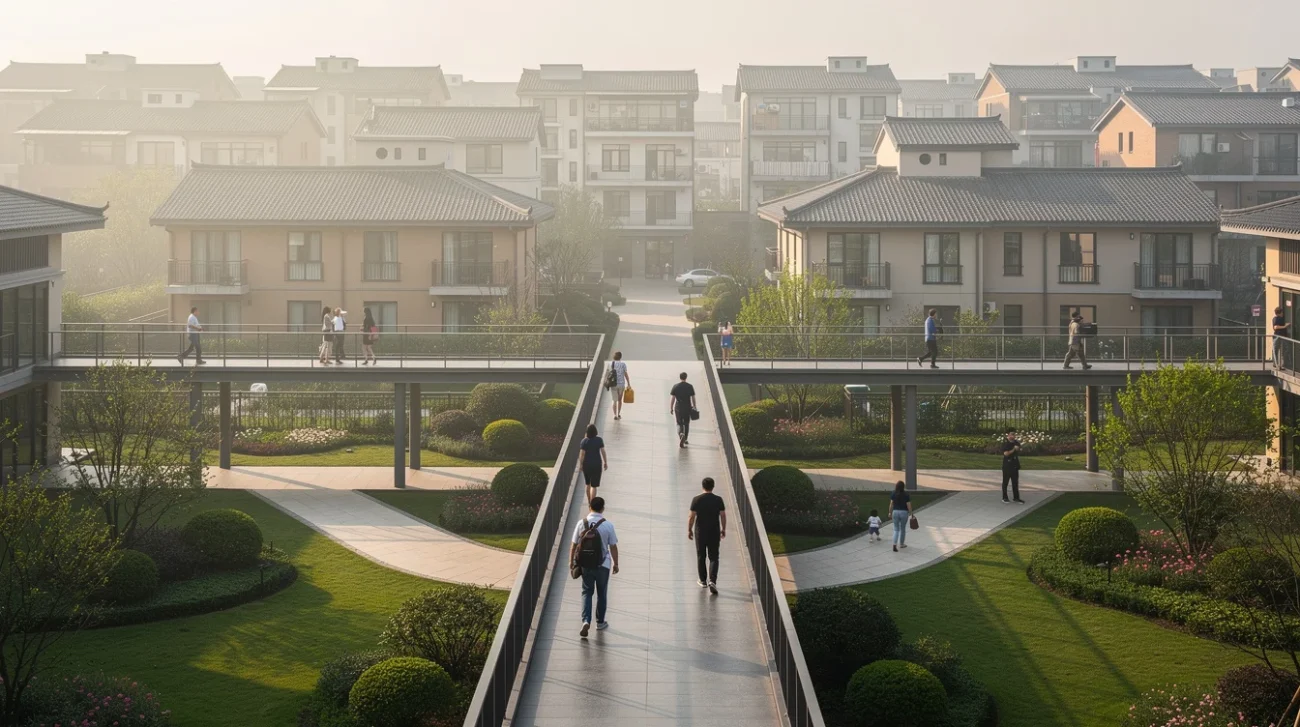
Adaptive reuse has become politically potent because it can densify without flattening neighborhoods into tabula rasa. It allows cities to absorb new programs inside existing envelopes rather than extending endlessly outward. That matters in places where infrastructure is already strained and land costs make new development a luxury game. Renovation can unlock housing, workspaces, schools, and public amenities inside dormant buildings faster than ground-up construction, and often with less opposition.
Look at the broader field: in Amsterdam, industrial buildings have repeatedly been converted into housing and mixed-use spaces; in Copenhagen, former warehouses and docklands have become a laboratory for programmatic layering; in New York, the conversion of obsolete office towers into residential stock is now being treated not as an anomaly but as policy. The logic is equally visible in smaller-scale domestic work, where architects like Archea Associati, John Pawson, or Studio Mumbai have shown how existing walls can support new domestic rituals without losing spatial intensity.
Here the article published by ArchDaily on the house of the Maywas is instructive: the point is not just the lower cost of inhabiting what already exists, but the coherence of doing so. In a city where citizens travel ever farther to reach work and services, adaptation becomes a spatial ethics. It is a refusal of the absurdity of expansion for its own sake. And because reuse tends to occur inside the lived city rather than on its fringe, it often preserves the everyday urban density that makes streets feel usable, not just measurable.
That is the real promise: not nostalgia, but urban intelligence. In many cases, that intelligence depends on small spatial moves rather than grand gestures, as explored in When the Courtyard Returns: Housing for Density.
CONTRA: Reuse is not automatically progressive; it can just as easily be a disguised austerity measure.
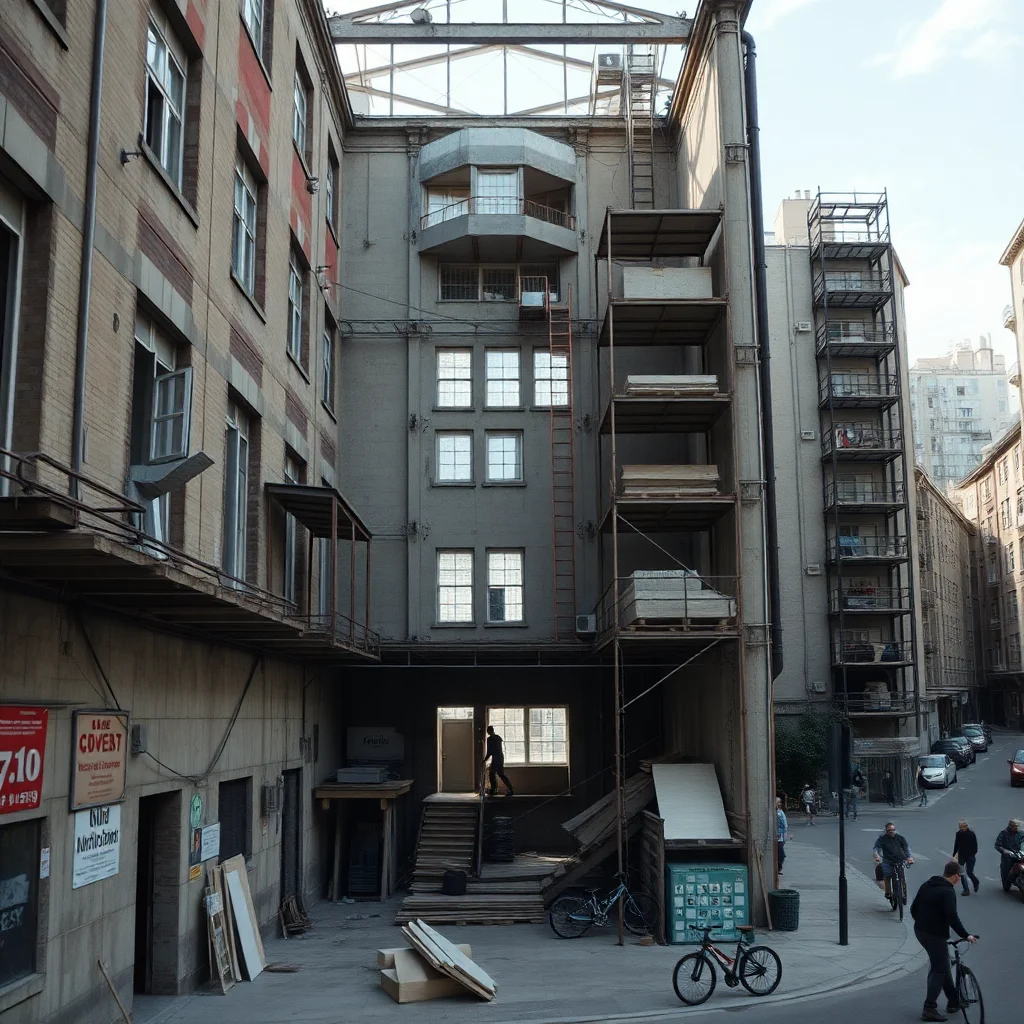
The rhetoric around renovation often slides into self-congratulation. Because adaptive reuse sounds responsible, it risks becoming a moral alibi for underinvestment, deferred maintenance, and creative improvisation forced by budget cuts. A city can praise reuse while refusing to build the schools, transit, and housing it actually needs. In that case, preservation of the existing stock is not a design agenda but a policy failure dressed in ecological language.
There is also a class problem. Not every existing building deserves to survive unchanged, and not every neighborhood can absorb endless partial fixes. Some structures are inefficient, unhealthy, or socially exclusionary by design. Renovation can become a way of romanticizing obsolescence rather than confronting it. The cult of the adaptive interior often flatters developers and architects by making compromise look like sophistication.
Even celebrated reuse projects have limitations. Many rely on exceptional budgets, ambitious clients, or favorable regulations that are unavailable at scale. The fantasy that every warehouse can become a cultural venue, or every office tower can smoothly convert into housing, collides with code, structure, daylight, plumbing, and economics. The city is full of buildings that can be adapted only at great expense. In those cases, insisting on reuse may produce worse architecture, not better urbanism.
So yes, adaptive reuse is compelling. But it can also become a convenient story for a system that no longer wants to pay for genuinely public architecture. That tension is especially visible when repair begins to look like style, a theme examined in When Salvage Becomes Architecture Prestige.
CONTRA: The new prestige may still belong to demolition—because cities sometimes need rupture, not just repair.
There are moments when preservation fetishizes the wrong thing. A city is not a museum of its own leftover matter. It is a dynamic field of power, and some structures should be replaced because they cannot meet contemporary expectations of safety, accessibility, energy performance, or civic openness. New architecture still has a role when it creates conditions that the old city cannot.
Consider the postwar reconstruction debates that shaped much of European urbanism, or the recent wave of schools, transit hubs, and mixed-use districts that would have been impossible to retrofit from prior fragments. Architecture gains momentum when it is allowed to propose new spatial orders, not only to optimize old ones. The greatest risk of making reuse the default strategy is that it can narrow ambition, producing a city of efficient compromises rather than public visions.
This is why the debate is not new versus old. It is whether the city can distinguish between necessary continuity and productive rupture. Good architects know that some sites demand subtraction, not just addition. The point is not to fetishize the existing building at all costs, but to decide with brutal clarity when adaptation serves the city and when it merely delays harder choices.
In that sense, the prestige of new construction may not be dead. It may simply have to earn its right to exist. The era of automatic demolition is over, but so is the fantasy that every old shell deserves salvation. The city needs judgment, not ideology.
Reuse is becoming default because it is the only position strong enough to survive contradiction.
What makes adaptive reuse so persuasive is precisely its ambiguity. It can be ecological and conservative, cost-saving and ambitious, civic-minded and opportunistic. That instability is not a weakness; it is the condition of contemporary urbanism. Cities are now asked to densify, decarbonize, remain affordable, and preserve identity all at once. No single strategy can solve that equation, but reuse comes closest because it works with time instead of against it.
For architects, this shifts the terms of authorship. The task is no longer to impose form on empty land, but to read, edit, and intensify what already exists. For clients and municipalities, it means accepting that the most intelligent building may be the one that does not look new at all. And for the public, it means recognizing that the future city may arrive not as a skyline of fresh signatures, but as a disciplined layering of old and new.
The provocative question is whether this marks the maturation of architecture or its forced humility. Perhaps both. Reuse is the new default because the old alternatives are becoming unaffordable, ecologically reckless, and politically naïve. But once that default becomes universal, architecture will face a harder test: can it still produce desire, surprise, and civic imagination without the spectacle of starting from zero?
FAQ
What is adaptive reuse in architecture?
Adaptive reuse is the transformation of an existing building for a new function, such as turning a warehouse into housing, a factory into offices, or a church into a library. It preserves structural value while reducing demolition waste and embodied carbon.
Why is renovation gaining importance in cities?
Because cities are densifying, land is scarce, and construction has major environmental costs. Renovation makes it possible to add new program within existing urban fabric instead of expanding outward endlessly.
Is reuse always better than building new?
No. Some buildings are too inefficient, unsafe, or inflexible to justify preservation. Reuse is strongest when it delivers genuine environmental and social benefits rather than merely delaying necessary change.
Which architects are associated with adaptive reuse?
Notable references include Lacaton & Vassal, David Chipperfield, and many practices working on conversions of industrial or residential stock. Their work shows that reuse can be generous, contemporary, and politically consequential.
Get the Mainifesto weekly — curated design debates, speculative ideas and the week's best articles every Saturday.
Editorial Perspectives
Questions and counterpoints developed by the Mainifesto editorial desk to extend the discussion.
Perspective 1
The fetish for the tabula rasa was always a rather provincial modernist fantasy. Reuse is not caution; it is a more intelligent form of authorship, one that accepts the city as a palimpsest instead of an Instagram backdrop.
Perspective 2
Reuse sounds noble until it starts wrecking the guest experience and the schedule. If the building can’t deliver comfort, clarity, and a decent return, then all the political poetry in the world is just expensive friction.
Perspective 3
Reuse becomes responsible only if cities treat buildings as infrastructure, not disposable assets. In places where capital moves faster than planning and labor is treated as cheap, renovation can just as easily become a way to delay hard decisions.
Perspective 4
The evidence is pretty clear: keeping the structure usually saves carbon, money, and time, but only when the existing fabric is actually workable. The danger isn’t reuse itself, it’s pretending every old building deserves a second life without asking what the city needs.
Perspective 5
From a development point of view, reuse is only the default if it pencils out and doesn’t create endless technical surprises. Done well, it can be the responsible choice; done badly, it just means everyone pays more for a compromised result.