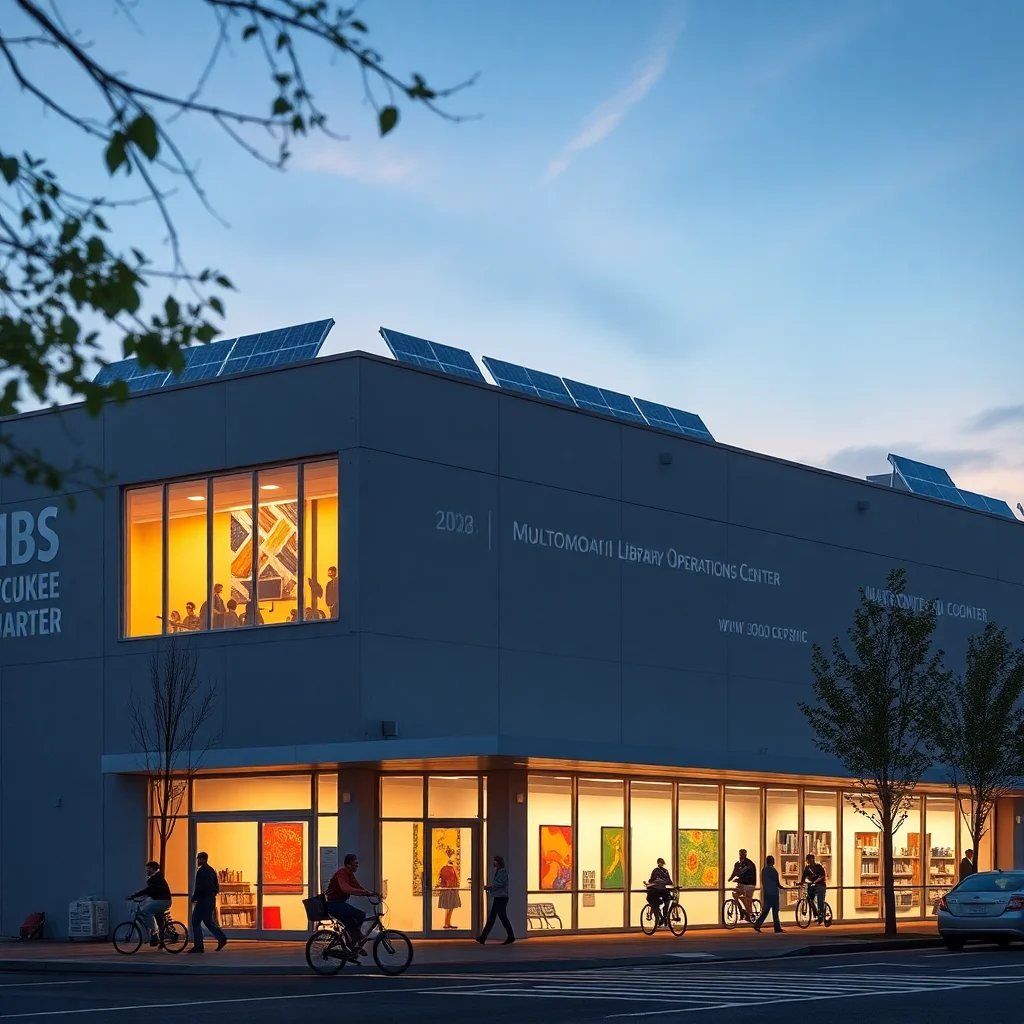
Daylight is moving from aesthetic preference to measurable standard tied to health, ecology, and resilience in architecture.
Timber burial markets sell carbon virtue, but the image of forests under bulldozers turns climate accounting into an architectural scandal.
Casa Pinhal points to a future where architecture choreographs ecological immersion, shaping behavior through atmosphere as much as performance.
Luxury hospitality is abandoning spectacle for silence, ecology, and emotional texture. What happens when restraint becomes the status symbol?
Brick, earth, cork, timber and wood-based structures are reshaping low-carbon design—and reigniting the fight over vernacular authenticity.
Mexico City's Colima 162 uses recycled copper to question whether luxury can feel less extractive—or just better branded.
On’s spray-on shoe robot points to a future of material deposition, customization, and a harder question: is it sustainability or spectacle?
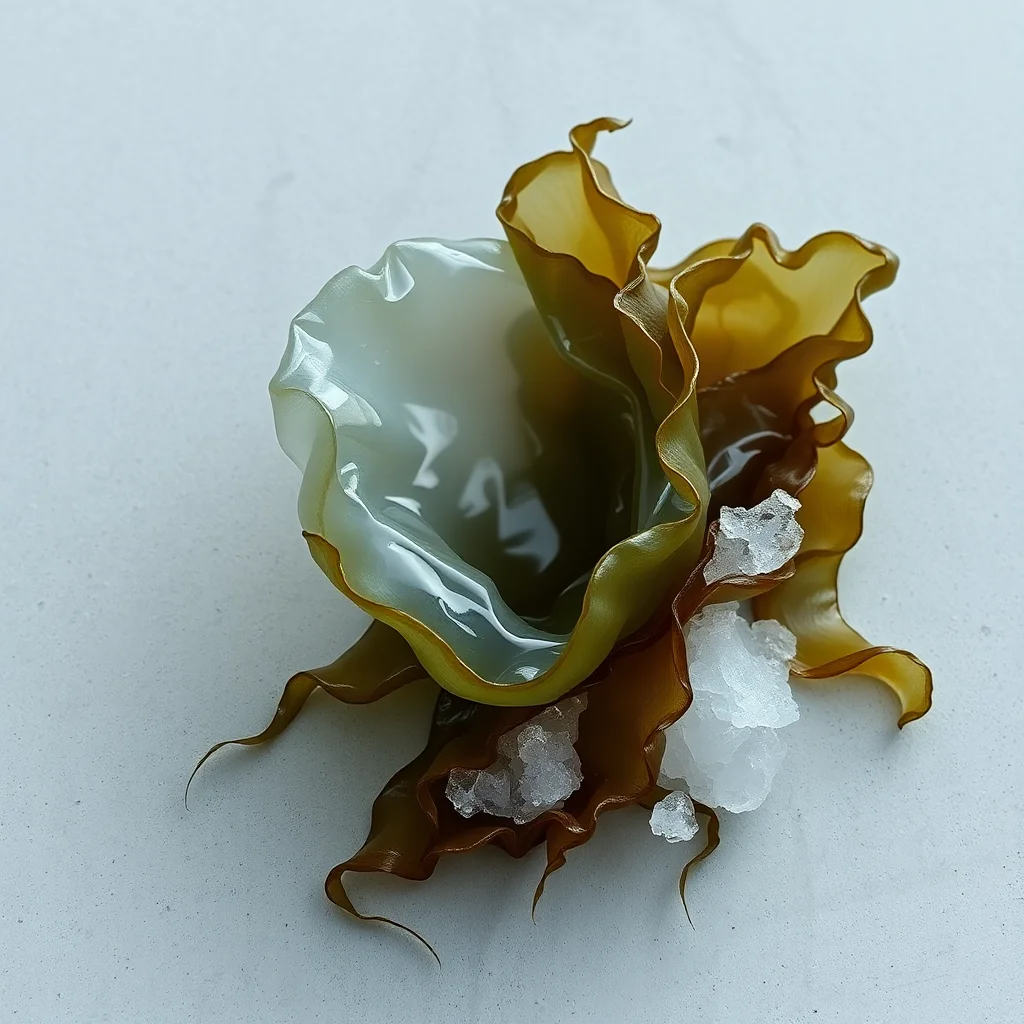
Seaweed lights signal a future where decay is a design feature, not a flaw. Can short-lived materials still hold cultural and commercial value?
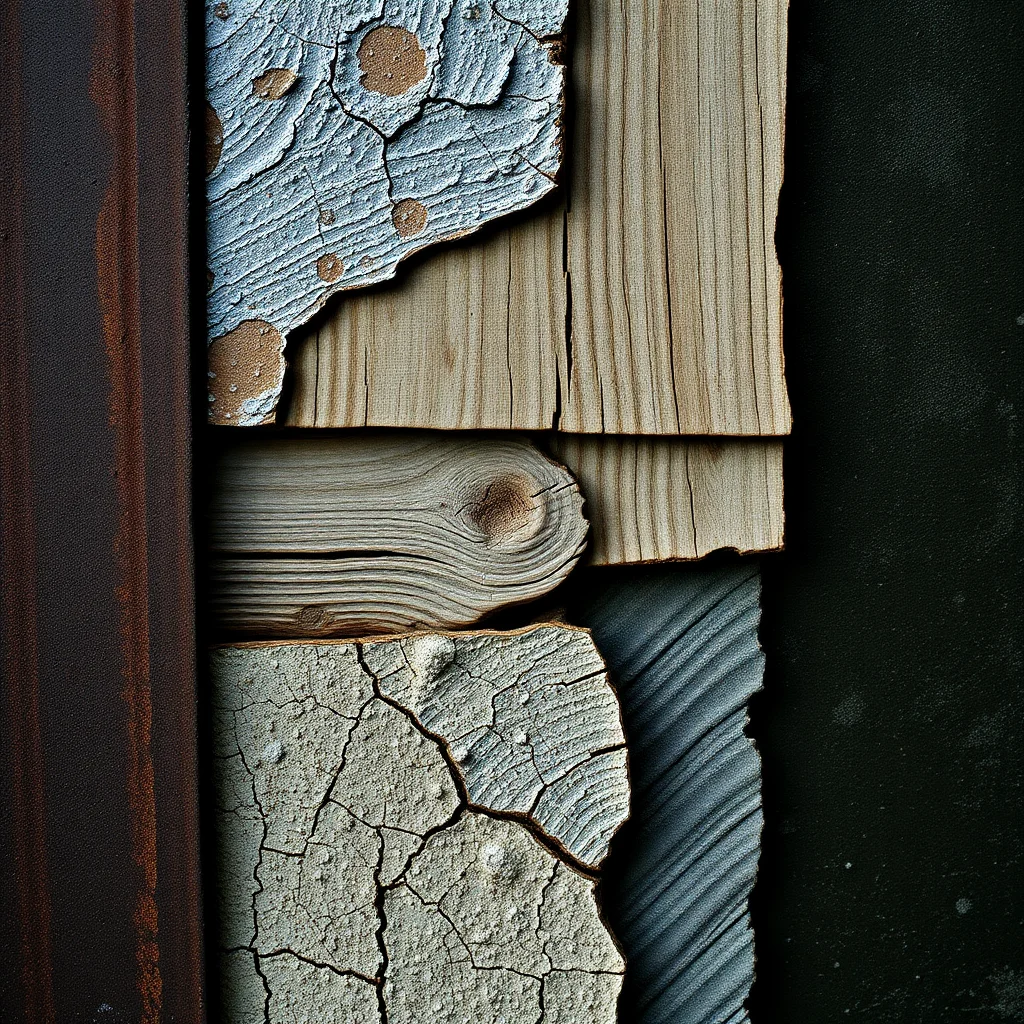
Can deterioration make architecture better? Explore buildings designed to weather, reveal use, and become more humane over time.
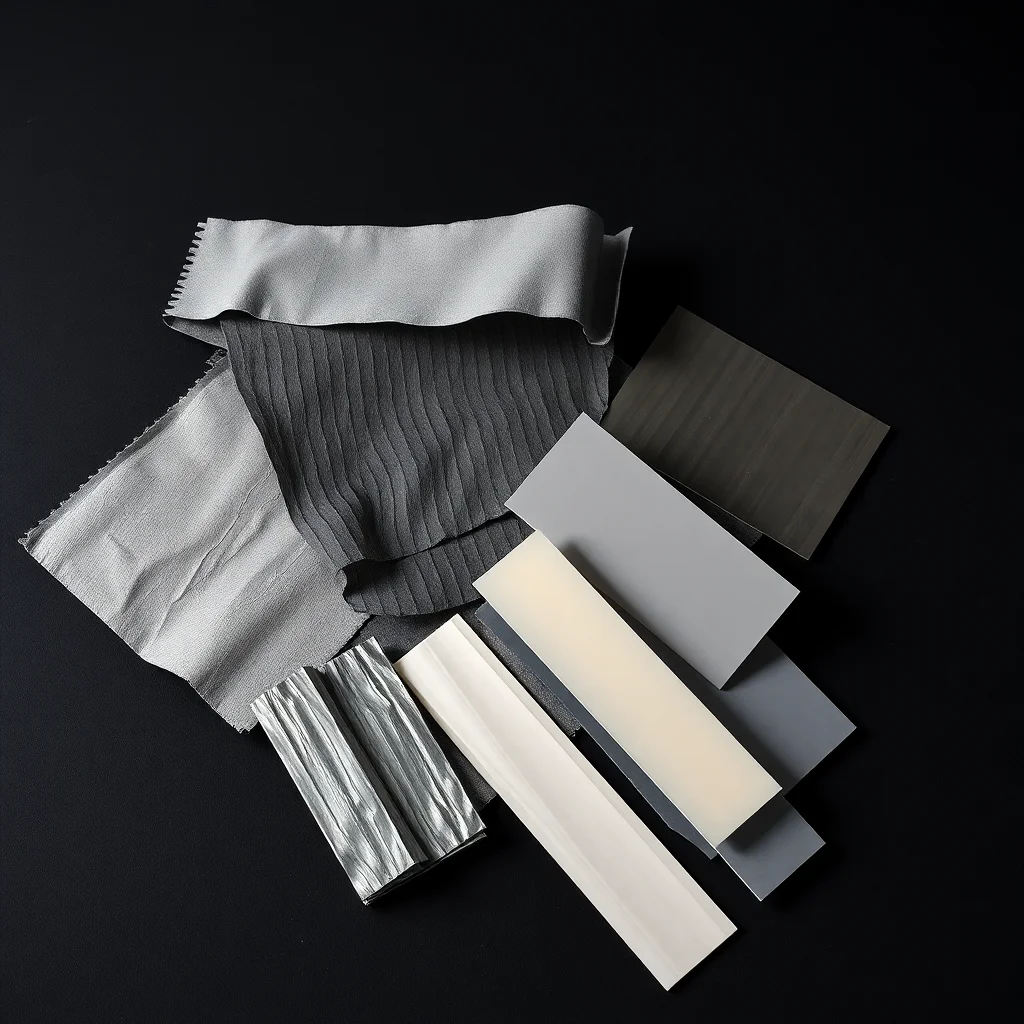
Can demolition debris become luxury? Montreal’s stadium roof sparks a fierce debate on reuse, authorship, and material memory.