
Can Architecture Accept Decay as Design?
Architecture’s Favorite Living Things Are Not the Problem
Architecture has recently become very comfortable with life, but only when life behaves. Mycelium panels arrive as insulation and promise circularity. Algae systems are invited in as filters, facades, and carbon stories. Living walls are installed like proof that the building has finally learned to breathe. The discipline has found a way to celebrate biology when biology can be formatted, branded, and maintained.
And yet mold still triggers the old reflex: seal it, bleach it, remove it, deny it ever existed. That contradiction is not a technical detail. It is the central political line in contemporary architecture. Both mold and mycelium are fungal. Both respond to moisture, temperature, and material conditions. Both are symptoms of an environment. The difference is not scientific; it is aesthetic, managerial, and deeply cultural. One organism is called innovation because it arrives as a proposition. The other is called failure because it arrives as an accident.
The real question is not whether architecture can host life. It already does. The question is whether it can accept forms of life that exceed its fantasies of control.
The Discipline Still Believes in Sterility as Virtue
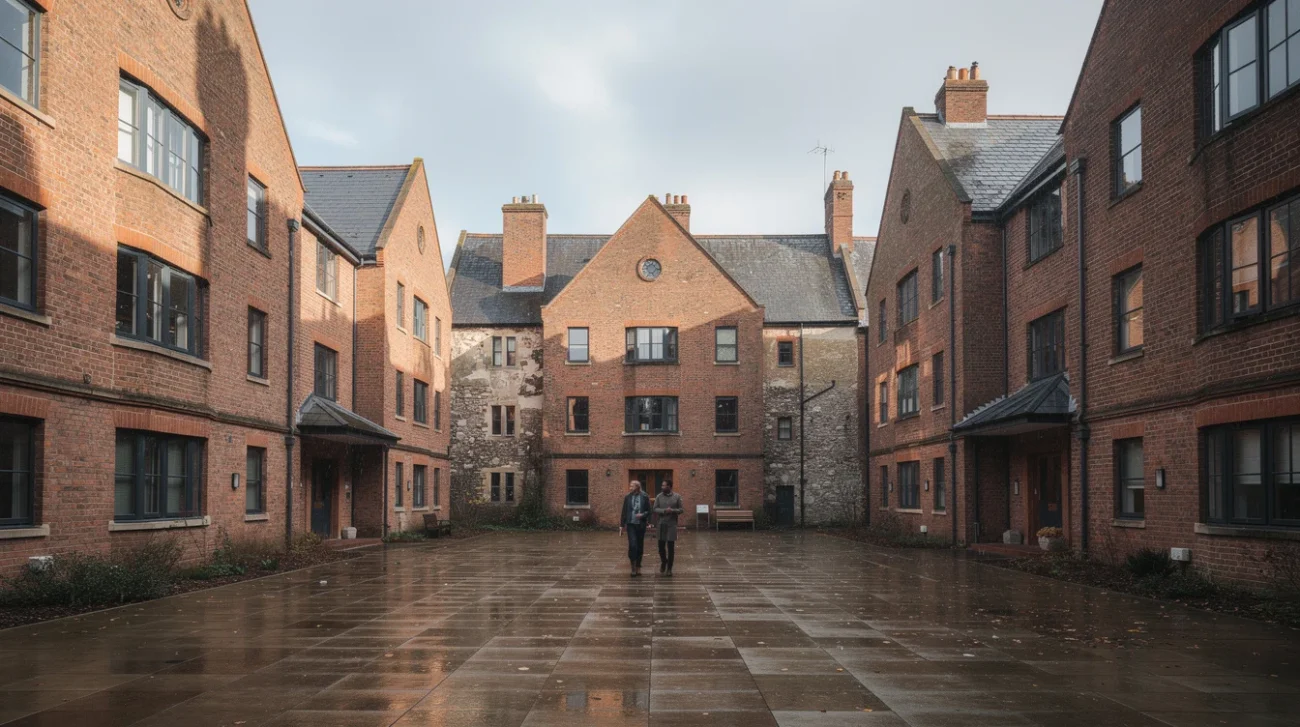
For more than a century, modern architecture has treated cleanliness as moral and technical progress. The white wall, the airtight envelope, the hygienic surface: these are not neutral design choices but a worldview. From the antiseptic ambitions of modernism to today’s performance-driven building codes, architecture has been trained to treat moisture as an enemy and stains as evidence of negligence. Mold is therefore not just biological growth; it is a breach in the building’s self-image.
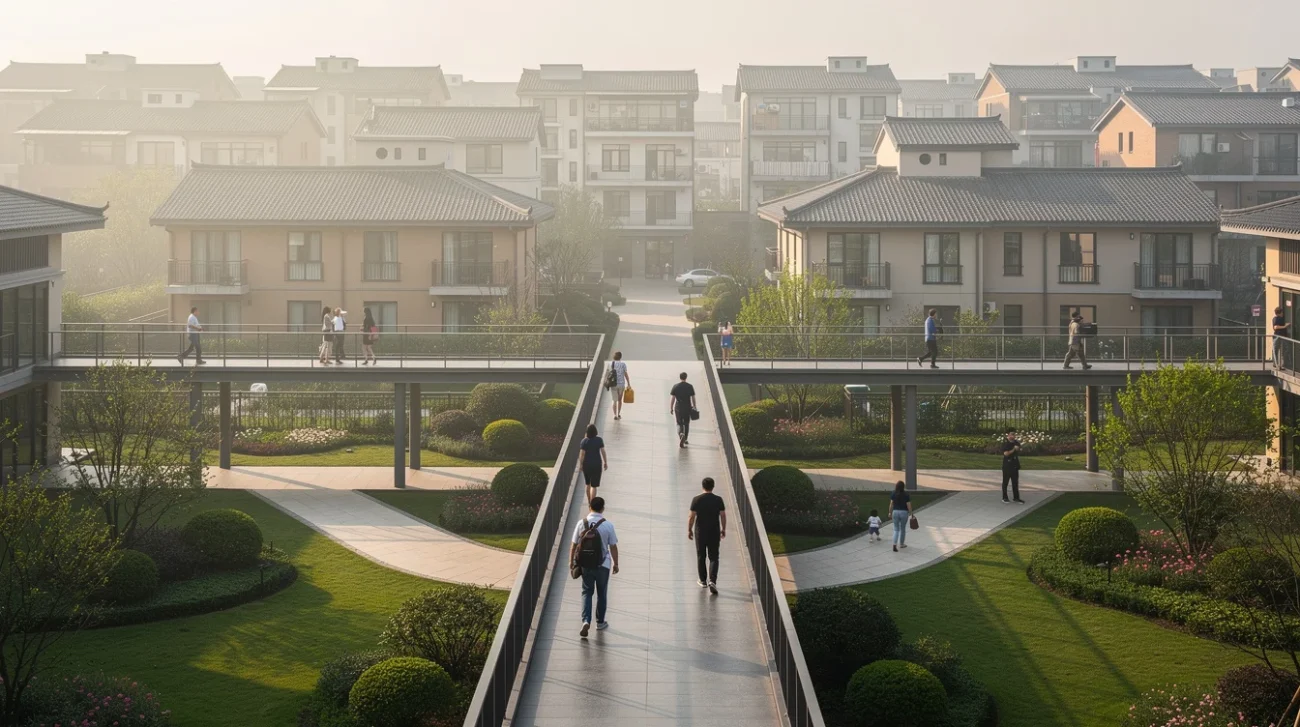
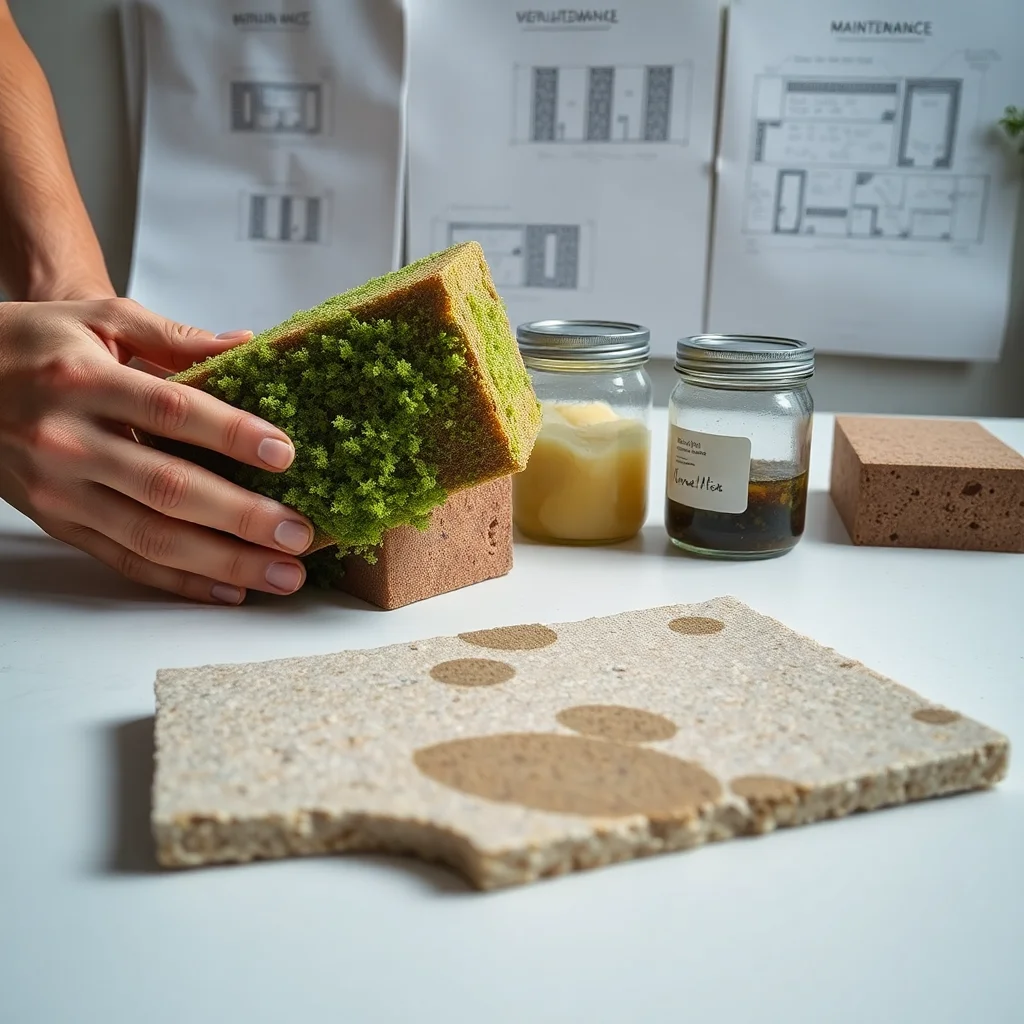
This is why so many celebrated “green” materials are acceptable only when they are staged as controllable experiments. Mycelium blocks produced by firms like Mogu or Ecovative can be displayed in fair booths and research labs because they are framed as future material supply chains. Algae-based systems such as BIQ House in Hamburg or the experimental façade work of Space10 and other research groups are tolerated because they are legible as systems. They are biological, yes, but they are also instrumented, monitored, and narrativized. Mold, by contrast, is the wrong kind of growth because it does not ask permission.
Architecture’s allergy to mold reveals an unresolved fantasy: the building as a sealed object, fully knowable, fully governable. But buildings are not objects in that sense. They are climate devices, leakage machines, repositories of dust, heat, skin flakes, spores, and time. To pretend otherwise is to deny the actual ecology of construction. A related tension appears in debates over cladding and architectural control, where the desire for precision often collides with the messy realities of fabrication, weathering, and upkeep.
PRO: Decay Can Become a Design Material
There is a strong argument for treating decay not as an enemy but as a material condition to design with. First, it makes architecture honest. If a building will inevitably age, dampen, crack, and host microbial life, then pretending it can remain pristine is not prudence but denial. Accepting decay would push architects to design for exposure, repair, and reversible assemblies instead of permanent cosmetic perfection.
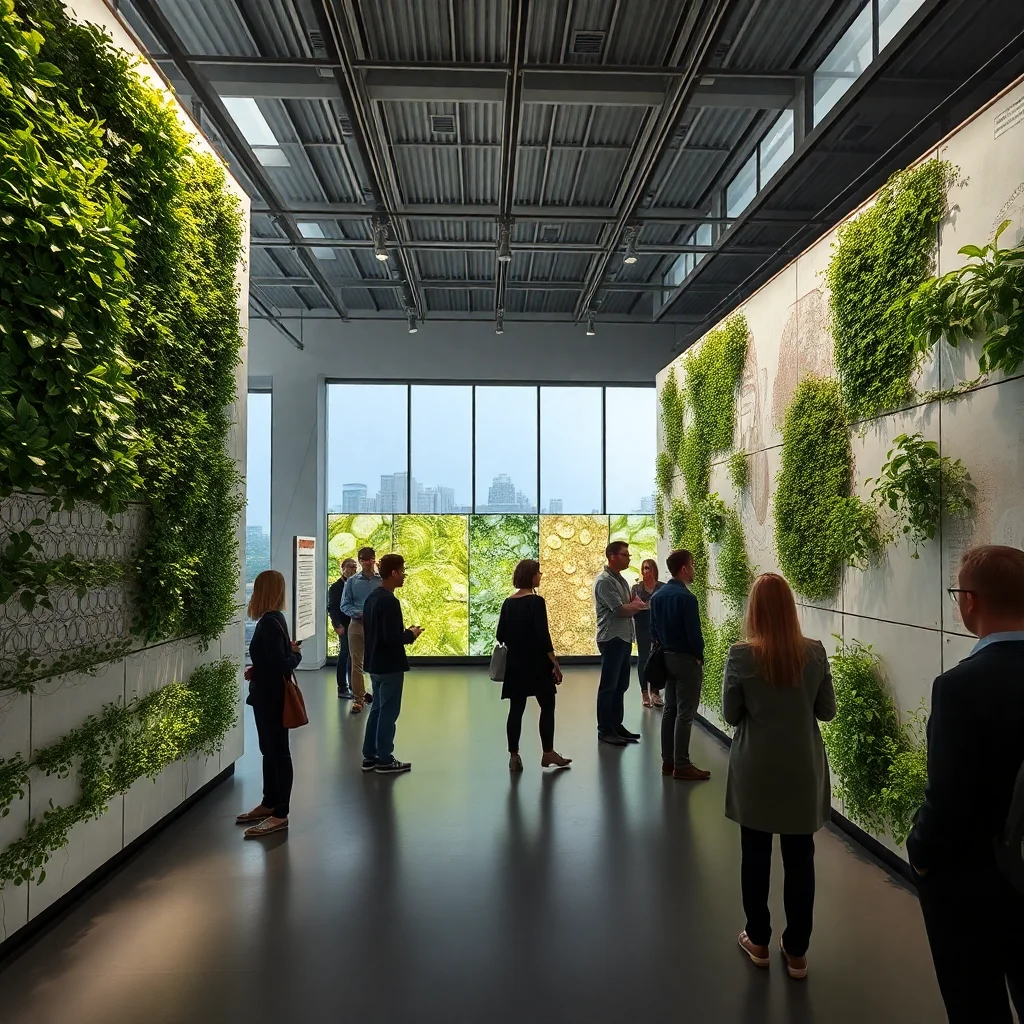
Second, it would expand the aesthetic and ethical vocabulary of architecture. Artists and designers have already shown what this could look like. The fungi-inspired work of Anicka Yi, though not architecture in the conventional sense, demonstrates how smell, growth, and microbial uncertainty can become spatially active rather than merely threatening. In construction research, bio-receptive materials and mineral substrates are being developed to support mosses, lichens, and algae as active surface ecologies instead of unwanted infestations. The idea is not to “decorate” buildings with life, but to let buildings participate in succession, colonization, and change.
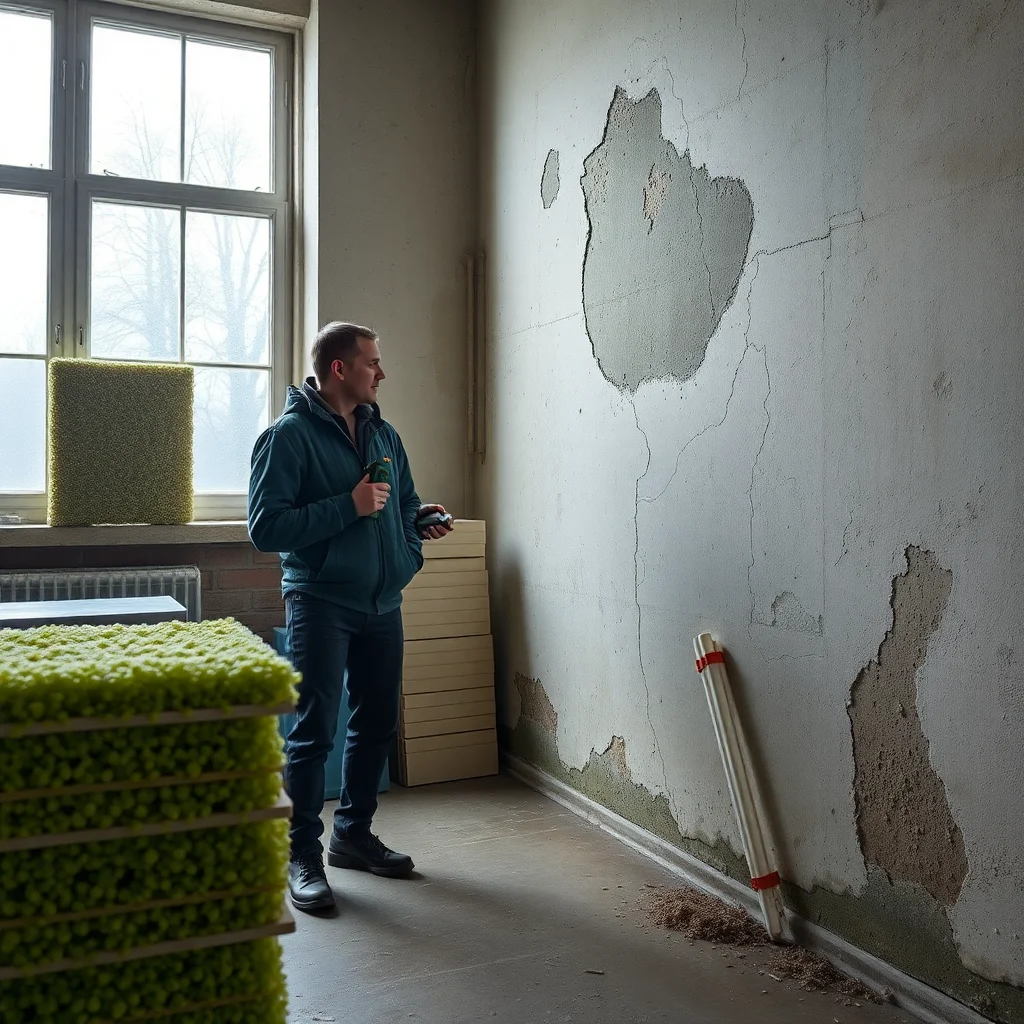
Third, decayed material can function as a diagnostic tool. Mold is information. It points to thermal bridges, failed ventilation, hidden leaks, poor detailing, and bad maintenance regimes. Instead of treating it only as contamination, architects could read it as a signal of design intelligence or design failure. In that sense, decay is not the opposite of performance; it is performance made visible.
The strongest precedent here may be the architectural willingness to work with weathering in materials like Corten steel, untreated timber, or rammed earth. These materials are not “kept alive” in the biological sense, but they accept patina as part of their identity. Why should architecture accept rust and silvered wood as noble aging while condemning fungal growth as ignoble? The answer is less about science than about control of the narrative. That same impulse to turn environmental response into a planned aesthetic also shapes projects discussed in house design as a landscape event, where architecture is less an isolated object than part of a shifting site.
CONTRA: There Is a Difference Between Weathering and Infestation
Still, the romantic defense of decay has limits. Mold is not a poetic metaphor when it invades a school, hospital, or apartment block. It can worsen respiratory conditions, damage structure, and make buildings uninhabitable. To celebrate it indiscriminately is to ignore the unequal politics of maintenance. Wealthy clients can admire “living” facades; low-income occupants often live with the consequences of moisture failures as a health burden they did not choose.
This is where architecture must be ruthless in distinguishing between intentional ecological design and negligent decay. The embrace of mycelium or algae only becomes credible when the systems are designed, tested, and maintainable. Living materials are not a license for sloppiness. A bio-based wall assembly that cannot manage humidity is not radical; it is irresponsible. The discipline should not confuse biological ambition with a retreat from precision.
There is also the question of time. Some forms of decay enrich a building by making age visible. Other forms spread silently behind walls until the building is a medical problem. The lesson of mold is not that everything should rot, but that architecture cannot avoid responsibility for what its material decisions produce. Accepting decay as a design material does not mean aestheticizing collapse. It means acknowledging that every material system sets the terms for its own eventual failure, and that failure has occupants.
The Real Divide Is Not Clean Versus Dirty
The more useful distinction is between systems architecture can control and systems it must learn to live with. The discipline is increasingly comfortable with closed-loop narratives, where biology is turned into a managed asset. But actual buildings leak into the world. They exchange moisture with air, absorb heat, trap dust, and host organisms that are not on the rendering. The fantasy of total control is collapsing under climate volatility, rising humidity, and the pressure to make buildings less carbon-intensive.
This is why the debate around mold matters beyond hygiene. It reveals how architecture deals with uncertainty. The conventional answer is exclusion: barrier layers, sealants, coatings, warranties, and maintenance manuals that assume the building can be protected from entanglement. The alternative is not chaos; it is design that anticipates interaction. That means robust ventilation, vapor-aware assemblies, material honesty, accessible repairs, and an acceptance that a building is never finished.
Projects across experimental practice already point in this direction. Bio-based pavilions, temporary research structures, and environmental prototypes often acknowledge their own instability more frankly than permanent buildings do. They are designed to be monitored, adjusted, and sometimes allowed to fail in controlled ways. That is a more mature stance than the fantasy of permanence. It accepts that architecture is not exempt from ecology; it is embedded in it. In that sense, the argument resonates with questions of whether homes can absorb climate chaos, where resilience depends on learning from volatility rather than pretending it can be sealed out.
What Architecture Should Learn From Mold
Mold is not a design style, and it should not become one. But it is a reminder that buildings are ecosystems whether architects admit it or not. If the profession wants to embrace living matter, it must stop choosing only the organisms that flatter its innovation narrative. Mycelium is acceptable because it can be packaged as a product. Mold is unacceptable because it exposes what happens when the product story breaks down. That double standard is no longer defensible.
What architecture should learn from mold is not how to celebrate filth, but how to stop confusing control with intelligence. A truly advanced building would not be one that excludes life at all costs. It would be one that understands which kinds of life are inevitable, which are helpful, which are dangerous, and which are only dangerous because the building was poorly conceived. That requires a new design ethic: less purity, more literacy.
The future of architecture may not be a perfectly sterile envelope, nor a naïve fantasy of all-encompassing biophilia. It may be a discipline capable of negotiating with decay, not worshipping it, and not waging a losing war against it either. In that sense, mold is not architecture’s shame. It is architecture’s test.
FAQ
Is mold always a sign of bad architecture? Not always, but it is always a sign that moisture, ventilation, or detailing is mismanaged somewhere in the building. Mold can reveal hidden failures in design, construction, or maintenance, which makes it diagnostic even when it is unwelcome.
How is mold different from mycelium in design discourse? Scientifically, they are related fungal forms, but architecture treats them differently because mycelium is framed as controlled innovation while mold is framed as contamination. The difference is cultural and managerial, not biological.
Can buildings be designed to coexist with microbial life? Yes, if they are built with moisture-aware assemblies, ventilation, repairability, and surfaces or substrates intended for specific ecologies. The key is not to let biology happen accidentally, but to design for particular relationships with it.
Does accepting decay mean accepting unsafe buildings? No. Accepting decay as a material reality means designing for aging, patina, and ecological change without abandoning performance or health standards. It is about realism, not negligence.
- Key takeaway: Architecture’s real conflict is not between nature and culture, but between what it can control and what it must learn to live with.
Get the Mainifesto weekly — curated design debates, speculative ideas and the week's best articles every Saturday.
Editorial Perspectives
Questions and counterpoints developed by the Mainifesto editorial desk to extend the discussion.
Perspective 1
Architecture isn’t afraid of decay because it’s aesthetic; it’s afraid because decay exposes who gets to maintain control. In places where humidity, heat, and patchy infrastructure are the norm, pretending buildings can stay sterile forever is just bad planning dressed up as design virtue.
Perspective 2
Most clients don’t mind “living materials” until they show up in the maintenance schedule. If the sector wants to normalize decay, it has to prove that controlled mess doesn’t become an expensive liability six months in.
Perspective 3
I’m less interested in whether mold is poetic than whether guests read it as neglect. If a material or system is going to live and change, it has to improve the experience on purpose, not just give the brand a more interesting story.