
Can Homes Absorb Climate Chaos?
Resilience Is No Longer a Virtue Signaling Exercise
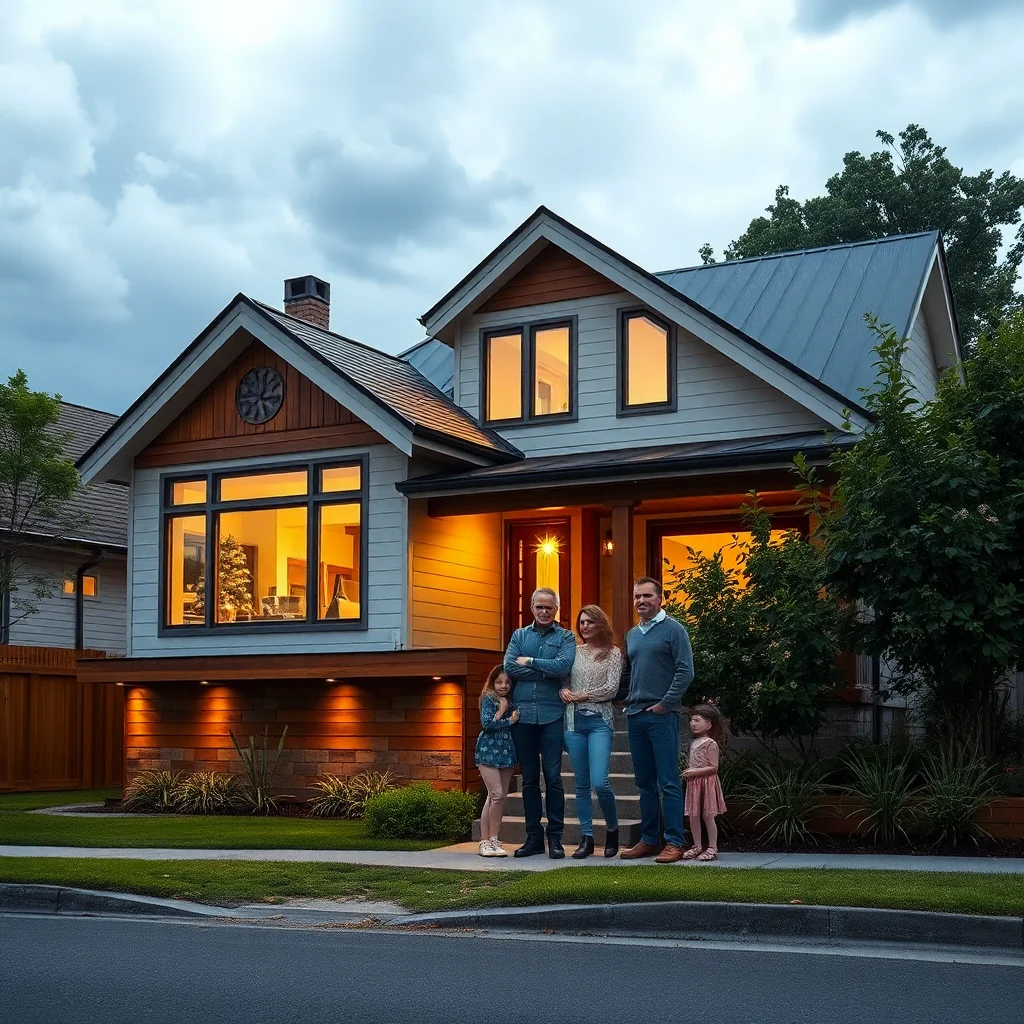
The old story of sustainable housing was tidy: reduce energy, cut emissions, add insulation, maybe put a solar panel on the roof. But climate reality has shredded that script. Homes are now asked to do something far more brutal and far more political: remain habitable through wildfire smoke, grid failures, flash floods, hurricane winds, heat domes, and water rationing. Resilient housing is no longer a boutique subcategory of green design. It is becoming the new standard by which domestic architecture will be judged.
This shift matters because the word “resilience” can be dangerously soothing. It suggests endurance without conflict, as if buildings can simply absorb disaster and carry on. In practice, resilience means a redesign of everything: structure, envelope, landscape, energy systems, drainage, and even the social contract around who gets to stay safe when conditions collapse. The question is not whether homes should be designed to survive climate chaos. They already must be. The real question is whether we are willing to let resilience become a luxury product, sold first to those who can already afford to protect themselves.
Architecture has a history of aestheticizing survival after the fact. After every disaster, the industry rediscovers hard surfaces, elevated plinths, fire-resistant cladding, shaded courtyards, and backup power. Yet the best recent work refuses to treat resilience as a patch or an insurance rider. It treats the house as a living system. That means designing for the day the grid fails, the street floods, the smoke drifts in, or the drought reshapes the ground beneath the foundation. It is not about making a home invincible. It is about making it recoverable.
What Climate-Ready Housing Actually Looks Like
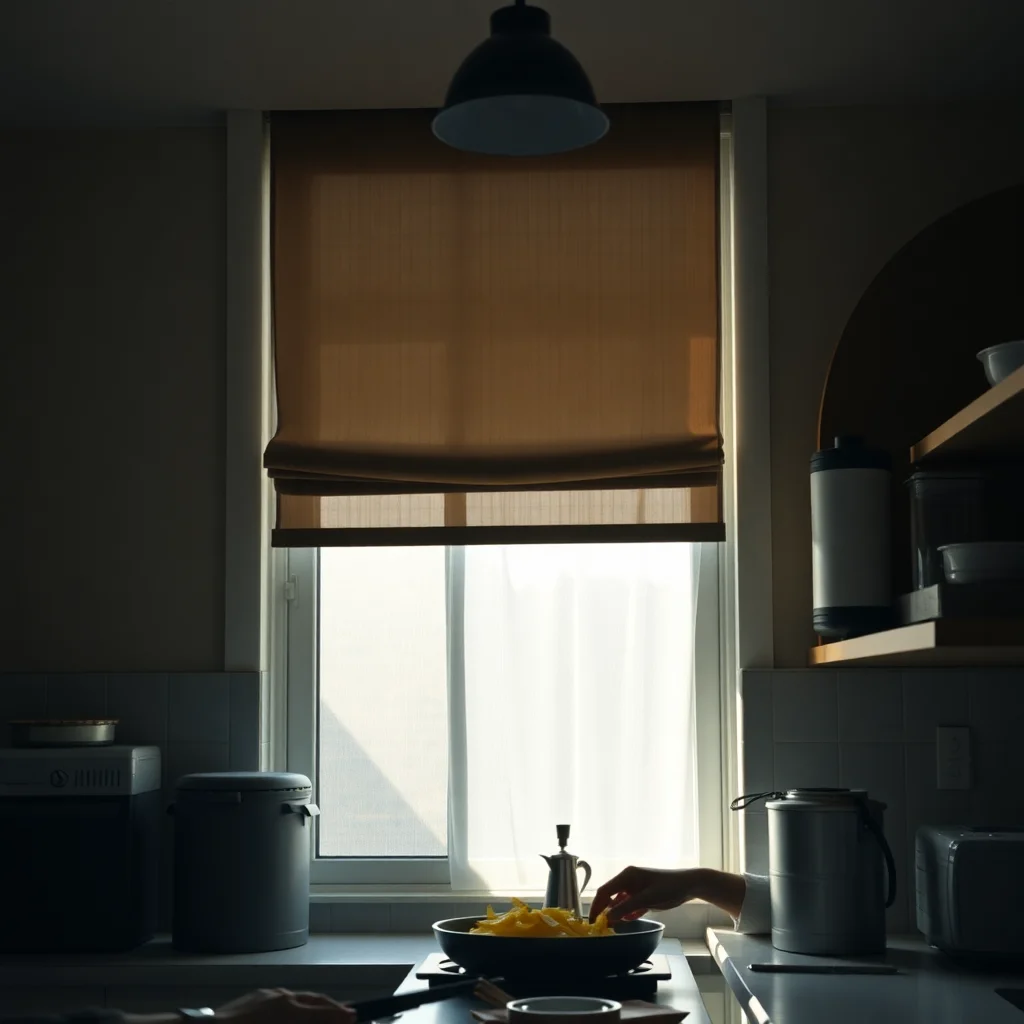
Look at the contemporary conversation around fire and flood, and a pattern emerges. The most credible resilient homes are not sealed bunkers; they are calibrated machines. In wildfire regions, architects are specifying ember-resistant vents, noncombustible siding, tempered glazing, and defensible landscapes that do not act like fuel. In flood zones, homes are being lifted, circulation is rearranged, and sacrificial ground floors give way to floodable zones that can be washed and reset. In hot climates, deep overhangs, cross ventilation, thermal mass, and passive cooling are returning not as nostalgia but as high-performance necessities.
What makes this shift interesting is that it is not purely technological. It is also cultural. Tropical modernism in places like India, Singapore, and Brazil understood long ago that comfort is not synonymous with sealed, mechanically conditioned interiors. Designers such as Geoffrey Bawa and the modernist lineage around him showed that climate can be shaped with verandas, screens, breezeways, courtyards, and shadow. Today, those lessons feel newly urgent. The difference is that now the house must handle not only heat but interruption: a blackout, a water cut, a supply-chain delay, or a week of hazardous air. That is why Can Design Save Us from the Air Conditioner? feels so relevant: it asks whether architecture can reduce dependence on mechanical cooling by making comfort more passive, local, and adaptable.
Projects discussed in the current resilience conversation often combine old intelligence with new systems. Battery storage, microgrids, rainwater harvesting, on-site filtration, and modular assemblies are no longer fringe technologies. They are becoming part of the domestic baseline. But there is a risk in over-romanticizing the high-tech home. A house that can outlast a disaster is not automatically a just house. If resilience depends on expensive systems, then the architecture of survival simply reproduces inequality in a more elegant package.
When Permanence Becomes a Privilege
Here is the uncomfortable truth: the people most exposed to climate disaster are often the least likely to receive resilient design. Low-income households, renters, and communities located on floodplains, burn edges, or heat islands rarely get the chance to choose from a menu of hardened envelopes and redundant power systems. They get the cheapest possible construction, then absorb the highest possible risk. In that sense, climate resilience can become an aestheticized form of privatized safety, where the wealthy buy future-proof comfort while everyone else is told to adapt.
This is why the topic cannot be separated from affordability. A resilient home that costs significantly more than a conventional home may perform beautifully for one family, but it does little to solve the broader crisis. The real challenge is making resilience repeatable, code-ready, and publicly financed. That means standardizing details, reforming building codes, subsidizing retrofits, and treating climate hardening as infrastructure rather than discretionary design enhancement.
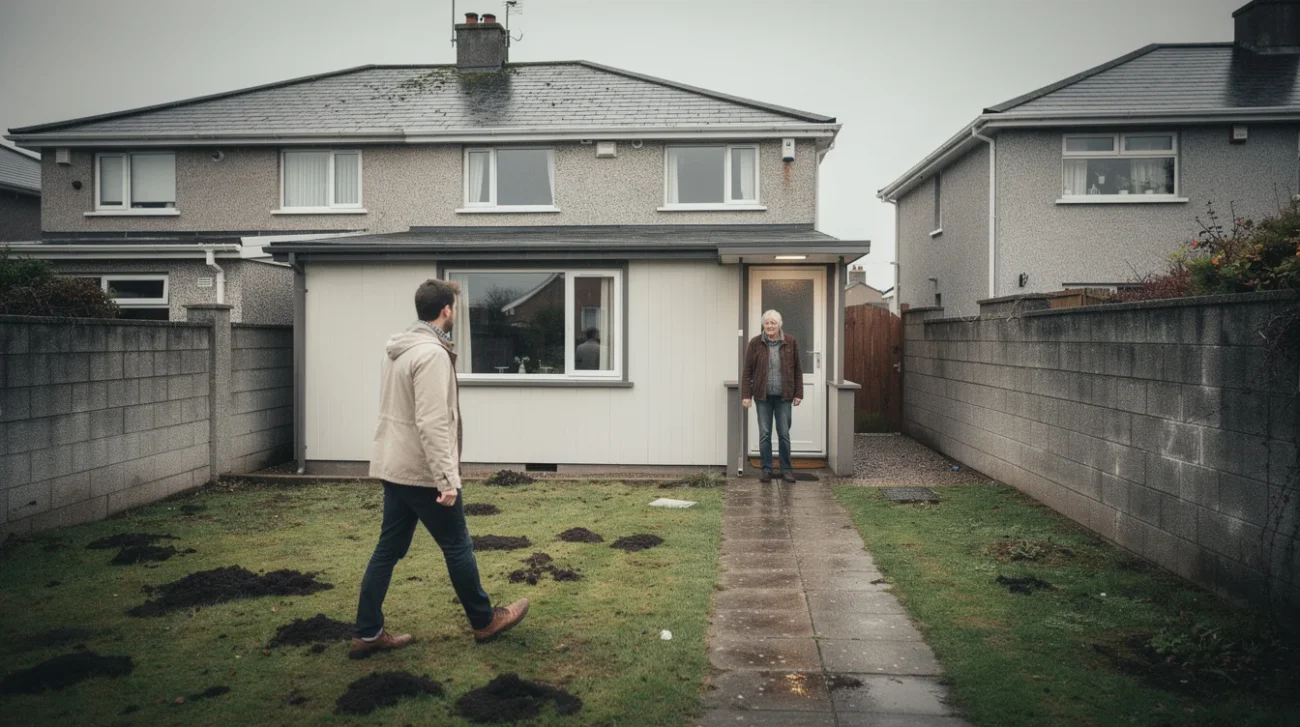
There are signs of this broader shift. Post-disaster rebuilding efforts increasingly recognize that repair must do more than restore old vulnerability. In places repeatedly hit by floods and storms, architects and planners are pushing elevated housing typologies, communal stormwater landscapes, and simpler, more maintainable envelopes. These are not glamorous gestures. They are policy made physical. And that is exactly why they matter. If resilience remains an object of taste, it will remain a marker of class. If it becomes a building norm, it can become a civic right.
The editorial tension is obvious: future-proof performance is ethically necessary, yet the market is eager to turn it into a premium lifestyle. You can already see the commercial temptation in the language of “fortified,” “secure,” and “self-sufficient” homes. That vocabulary flatters the owner as a sovereign consumer. But climate chaos is not a private problem with private solutions. It is a collective condition that demands shared standards, shared investment, and architectural humility.
Designing for Recovery, Not Fantasy
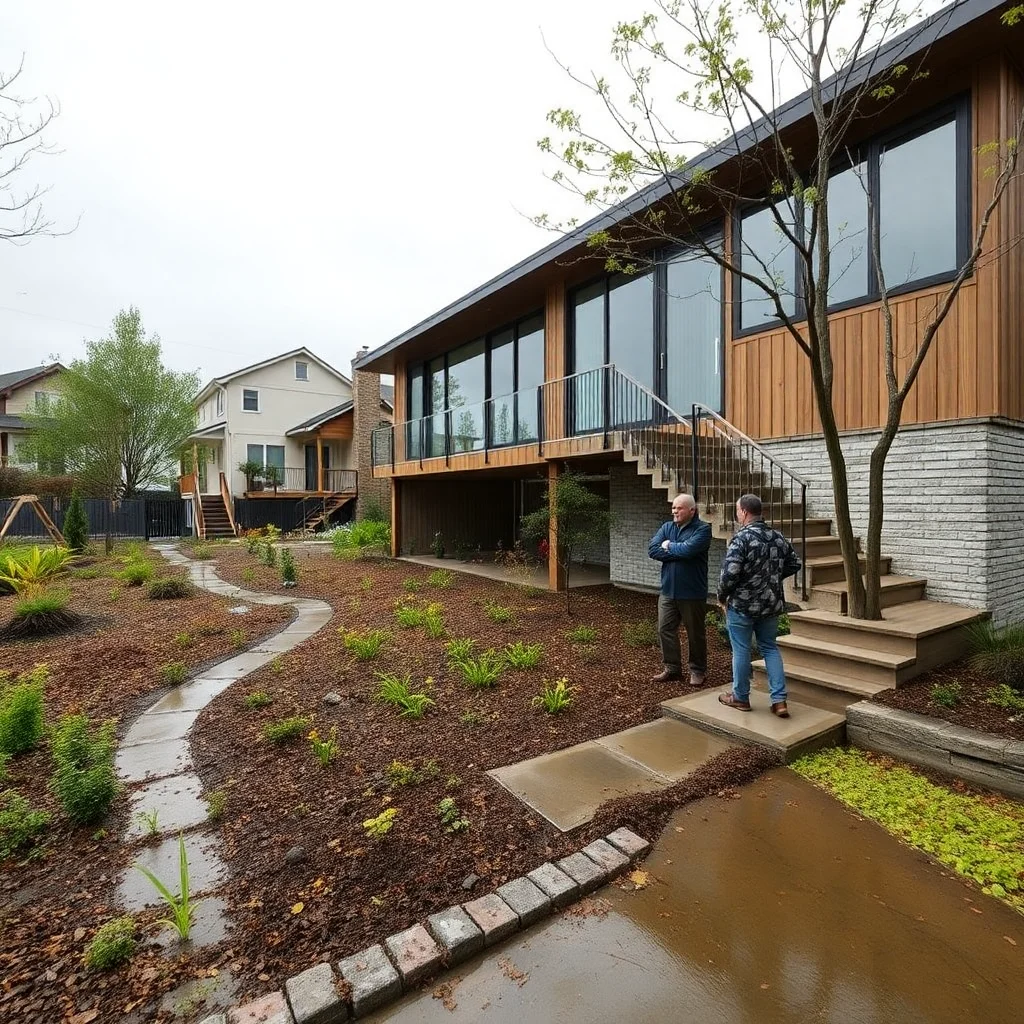
The most radical resilient houses are often the least theatrical. They do not pretend disaster can be erased. They assume disruption will happen, then build in the capacity to recover quickly. That distinction is crucial. Survival implies a threshold event and a heroic escape. Recovery implies maintenance, redundancy, and adaptability over time. A home that can be cleaned, reopened, re-powered, and reoccupied within days is more valuable than a home that merely boasts extreme-event credentials on paper.
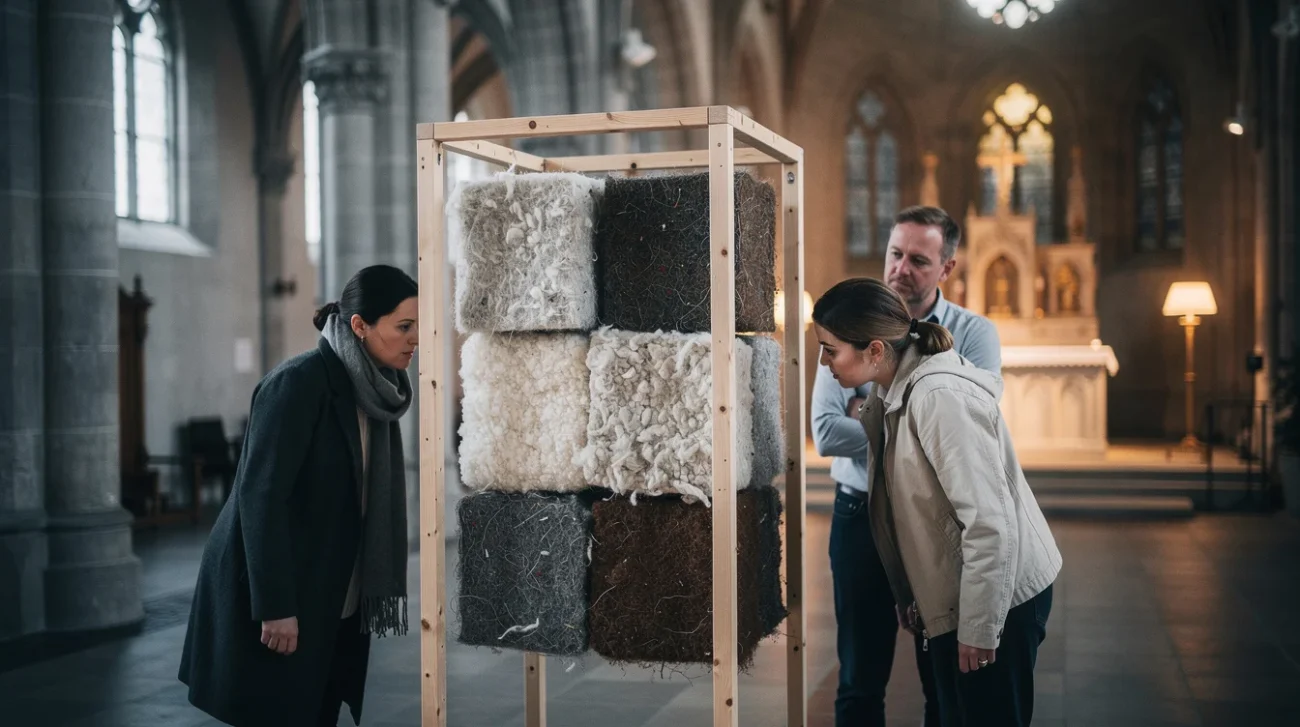
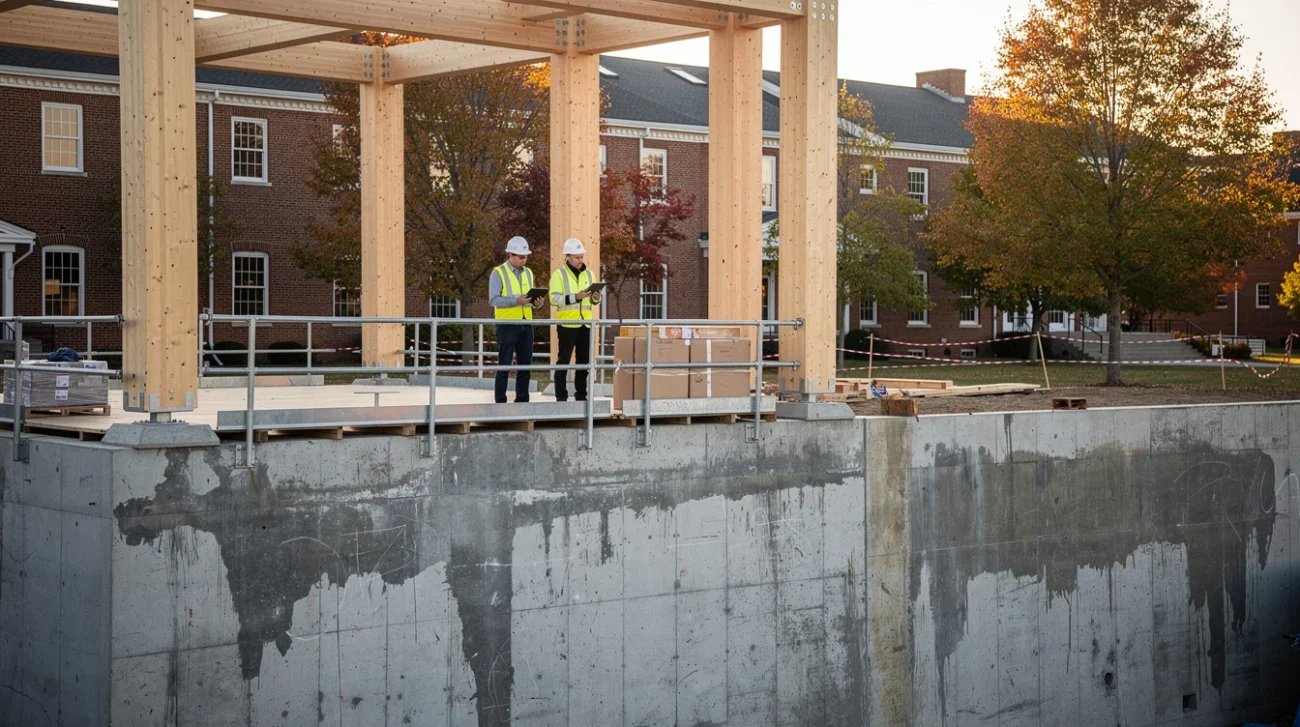
This is where architecture becomes inseparable from material intelligence. Concrete may be useful in some contexts, but not everywhere; timber can be beautiful and low-carbon, but its detailing in fire zones matters intensely; metal roofs, raised services, washable finishes, resilient landscape grading, and protected mechanical equipment all change how a home behaves when the weather turns hostile. Even the garden is part of the building. Native planting, permeable ground, and controlled runoff can keep a site from becoming either a fire trap or a flooded basin.
Designers are also rethinking the interior itself. Resilience means more than an emergency kit hidden in a cabinet. It means flexible rooms that can accommodate displacement, sleeping zones that do not become ovens during outages, and storage for water, batteries, and supplies without turning the home into a bunker. In other words, the resilient house is not a single heroic object. It is a choreography of decisions that let ordinary life continue under abnormal conditions.
That idea should unsettle the profession in a productive way. Architecture loves the photograph of permanence: the crisp façade, the pristine interior, the immaculate object. Climate resilience demands a different image, one of preparedness, maintenance, and visible intelligence. It asks us to stop fetishizing the unchanging home and start valuing the adaptive one. It also places domestic architecture within a wider conversation about reuse and repair, a theme explored in Repair or Replace? Europe’s Architecture Culture War, where the stakes of preserving, updating, and extending existing buildings are treated as a cultural question, not just a technical one.
The Future of Comfort Will Be Less Fragile
If comfort once meant insulation from the world, that definition is finished. In an era of repeated disaster, comfort must mean a home that can tolerate instability without becoming unlivable. That is a much harsher standard, but also a more honest one. The resilient house will not be the house that shuts out climate. It will be the house that negotiates with it.
This is where architecture can still lead rather than merely react. Designers can reframe resilience as a shared aesthetic of preparedness: shaded thresholds, breathable façades, raised thresholds, durable materials, repairable assemblies, passive cooling, backup energy, and landscapes that store rather than shed water. Done well, these strategies can produce homes that are not only safer but also more dignified. There is nothing inherently heroic about suffering through a heatwave in a sealed box or losing a home to a storm because the cheapest option was permitted. Good design should make such failures less acceptable, not more normal.
But the profession should resist the temptation to market resilience as prestige. The best future is not a market of climate-proof villas for the insulated few. It is a housing culture in which durable, adaptable, low-energy, low-disruption homes are the default. Until that happens, resilience will remain split between two realities: a life-saving architectural agenda and a premium upgrade for the already protected. That split is the real story.
So, can homes be designed to absorb climate chaos instead of just survive it? Yes—but only if resilience is treated as a public obligation, not a luxury label. Otherwise, we are not designing for the future. We are designing elegant refuges for inequality.
And in practice, that obligation extends beyond individual dwellings to the neighborhoods around them: shared services, mutual aid, and the kind of quiet civic support described in The New Public Utility Aesthetic can make resilience feel less like a private purchase and more like a common condition of urban life.
FAQ
What does climate-resilient housing mean? Climate-resilient housing is designed to remain safe, functional, and recoverable during and after climate-related disruptions such as floods, fires, heatwaves, storms, and power outages. It usually combines durable materials, passive design, backup systems, and site planning.
Is resilience design always expensive? Not always. Some strategies, like passive shading, smarter orientation, better ventilation, and simplified maintenance, can be cost-effective. But many high-performance systems still add upfront cost, which is why policy and subsidies matter.
Can older homes be made resilient? Yes. Retrofitting can improve resistance to fire, flood, heat, and outages through measures such as roof upgrades, elevated utilities, better insulation, ember protection, flood barriers, and battery or solar systems.
Why is resilience considered a justice issue? Because the households most exposed to climate hazards are often the least able to pay for upgrades. If resilient design remains a premium product, it deepens inequality instead of reducing risk.
Can low-carbon design and resilience coexist? Absolutely. In fact, the best long-term housing strategies combine both. A home should be low-emission in operation and robust enough to withstand the climate conditions those emissions have helped intensify.
Get the Mainifesto weekly — curated design debates, speculative ideas and the week's best articles every Saturday.
Editorial Perspectives
Questions and counterpoints developed by the Mainifesto editorial desk to extend the discussion.
Perspective 1
For hospitality, resilience has to feel invisible or it fails the guest test. If it reads as bunker thinking, you’ve already lost the comfort argument, and the people who can afford it first are usually the ones who want to notice it least.
Perspective 2
The hard truth is that resilience gets priced in from day one, and that means it will favor the top end unless policy forces the issue. You can’t keep pretending flood-proofing, heat management, and backup systems are cheap add-ons when they’re becoming basic infrastructure.
Perspective 3
The article gets at the real problem: resilience is not a lifestyle upgrade, it’s a public-health and planning issue. If safety is left to the market, the first people to afford it will be the least exposed to begin with, which is exactly backwards.
Perspective 4
We have seen this pattern before: comfort becomes moralized, then financialized, and finally marketed as inevitability. The idea that resilience will arrive as a universal standard is charming, but without regulation it will remain another distinction for those already protected.