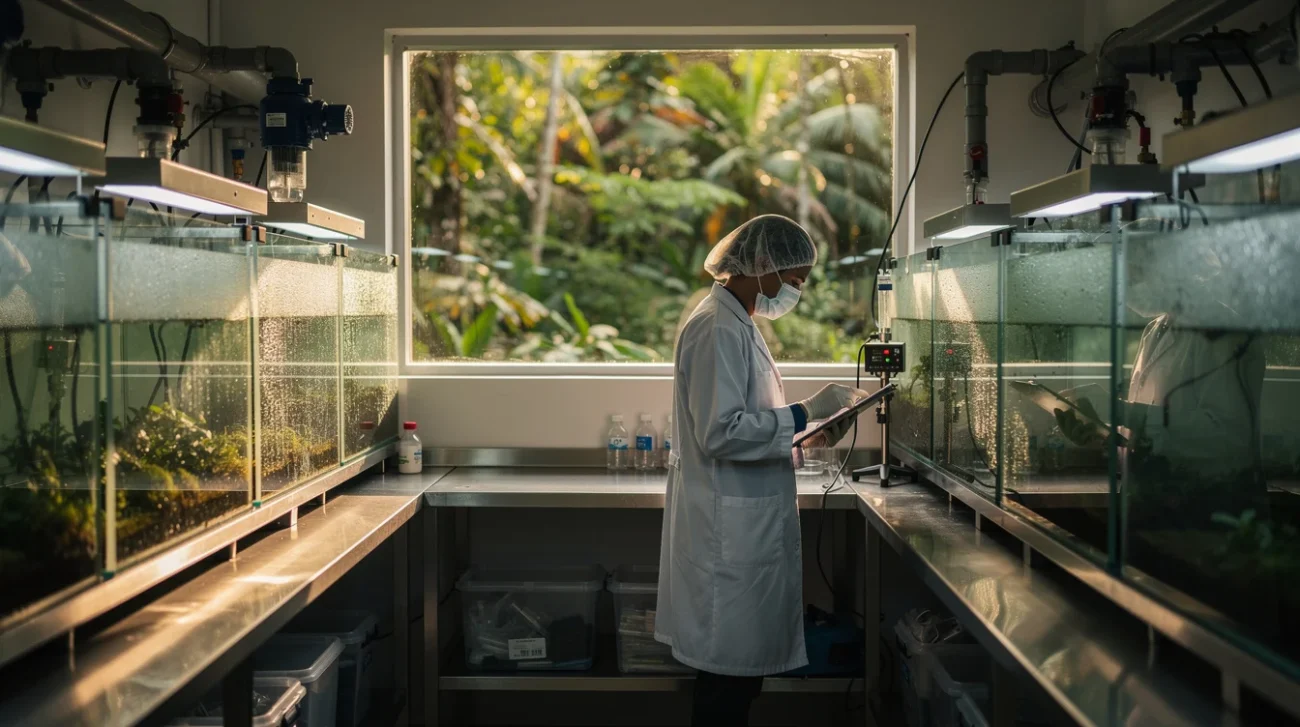
Wildlife refuge architecture can prevent extinction. But survival indoors is no substitute for ecological relationships and a credible route back to the wild.

Wildlife refuge architecture can prevent extinction. But survival indoors is no substitute for ecological relationships and a credible route back to the wild.
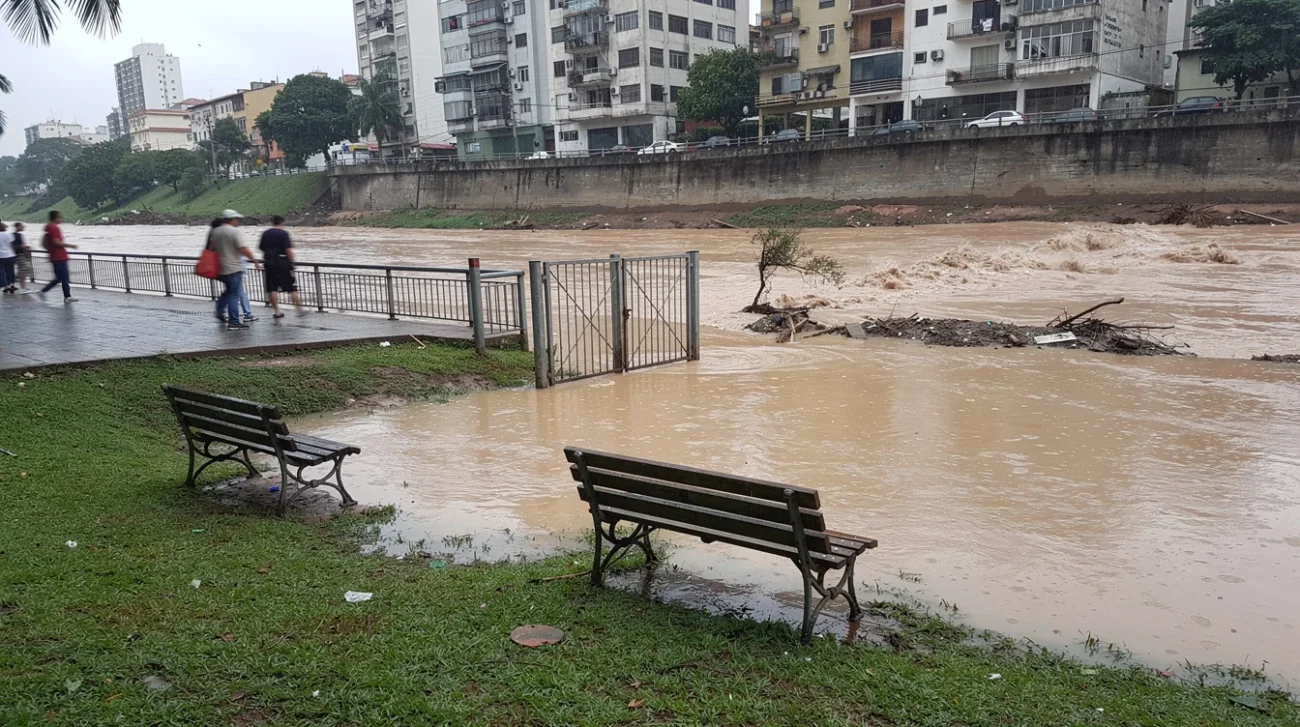
Latin America’s floodable parks make inundation a public service. But who guarantees safe evacuation, reliable reopening and somewhere else to play?
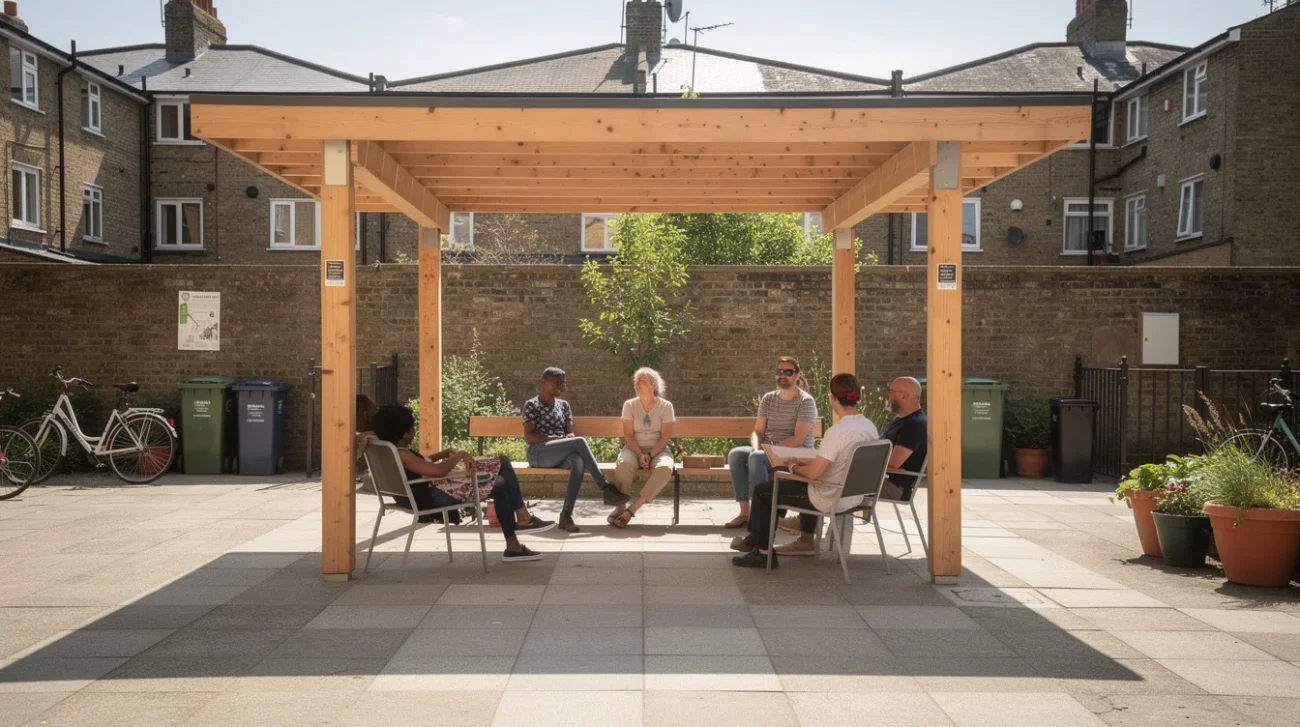
Pearce+’s Camden pavilion champions DIY shade. But when does community empowerment become an excuse to offload climate adaptation onto residents?
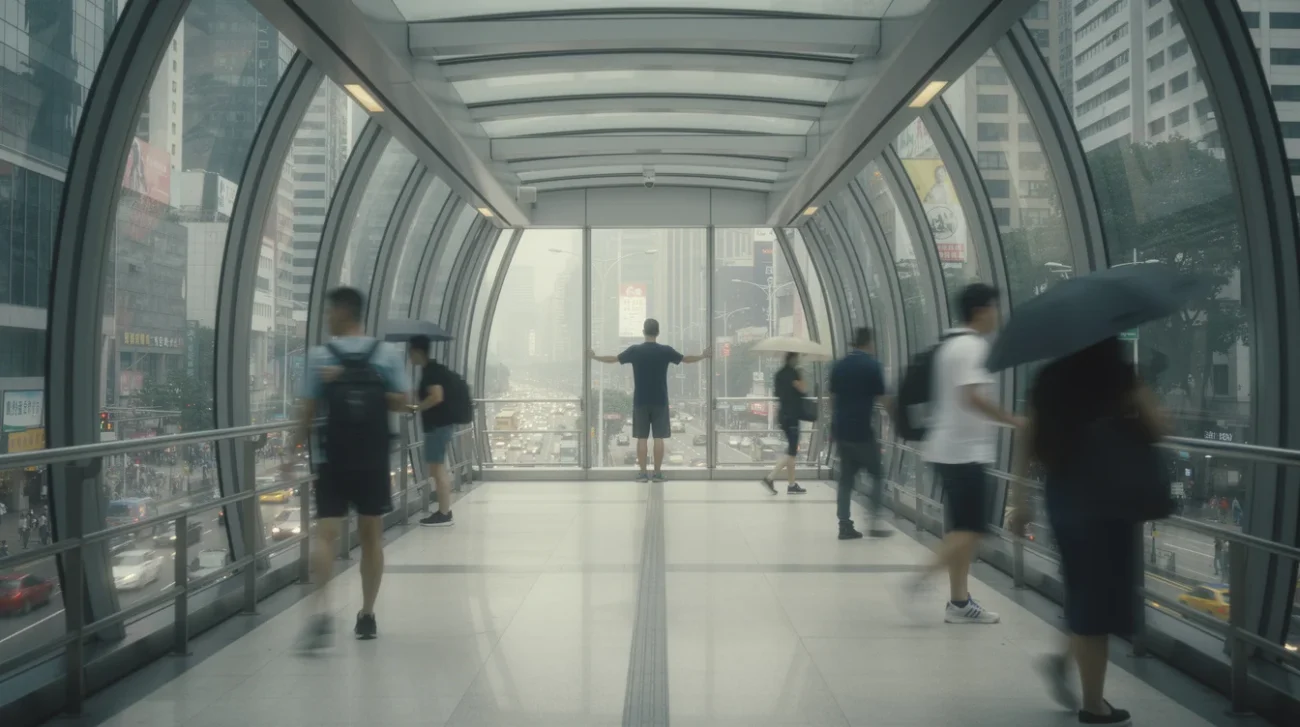
Air-conditioned malls and walkways offer refuge from urban heat. But who controls public life when the coolest route runs through private property?
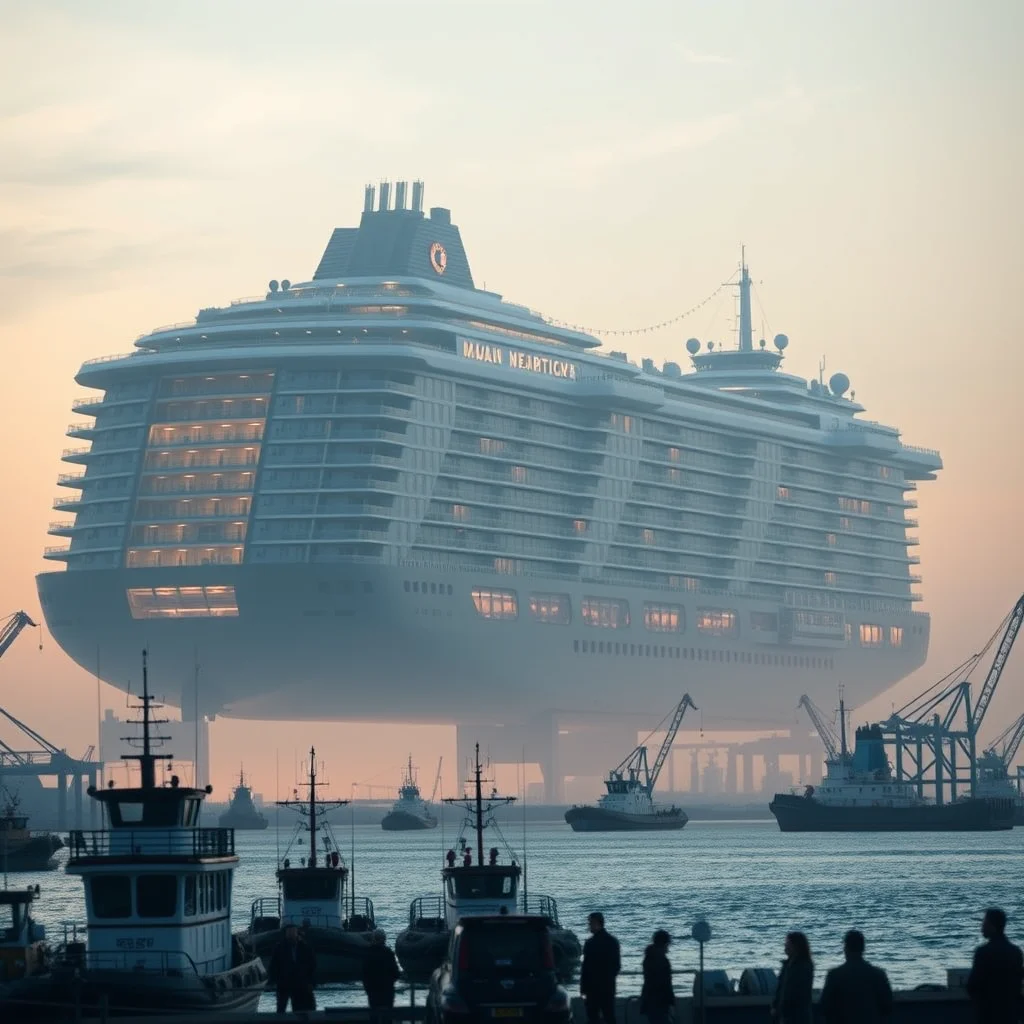
Freedom Ship revives the floating-city fantasy—and exposes the political, climate, and social stakes of architecture untethered from land.
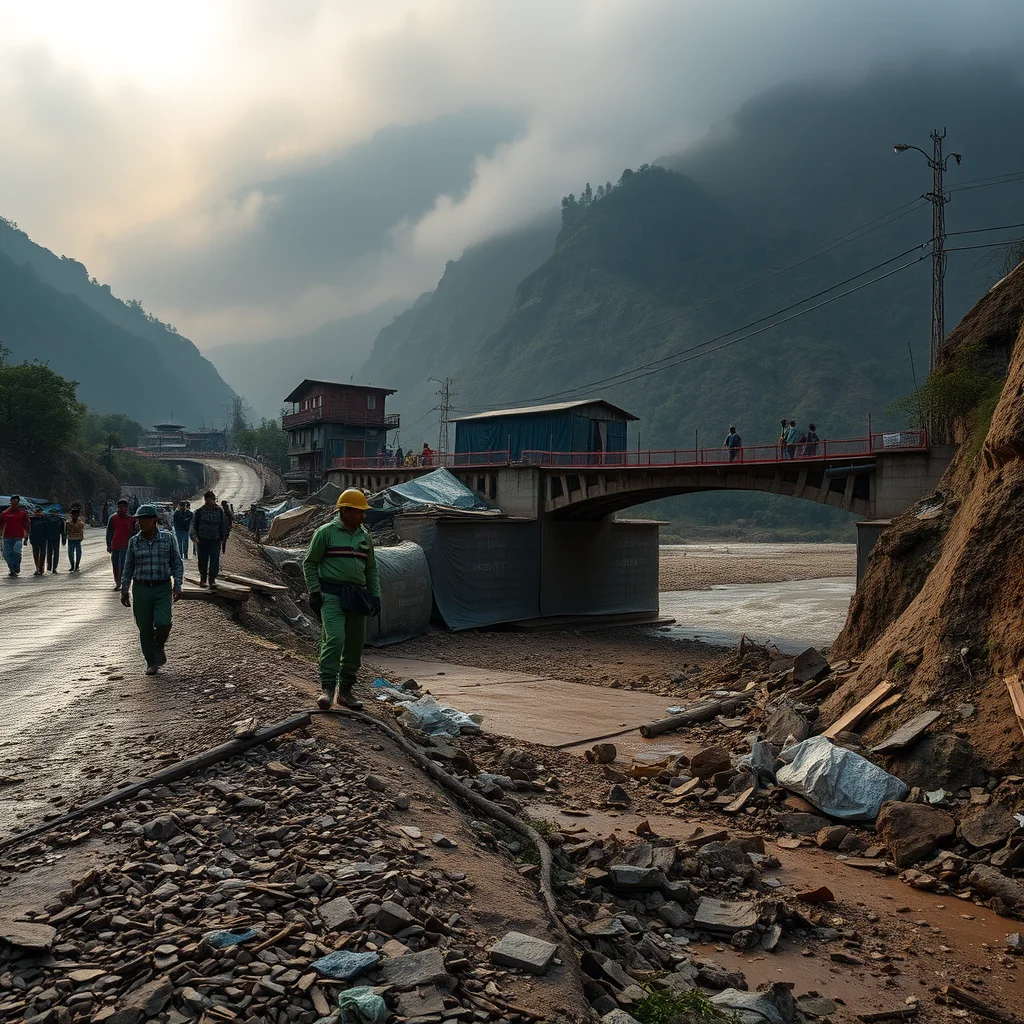
A Himalayan glacier collapse exposes the limits of static resilience. Architecture must design for cascading floods, landslides and mass evacuation.
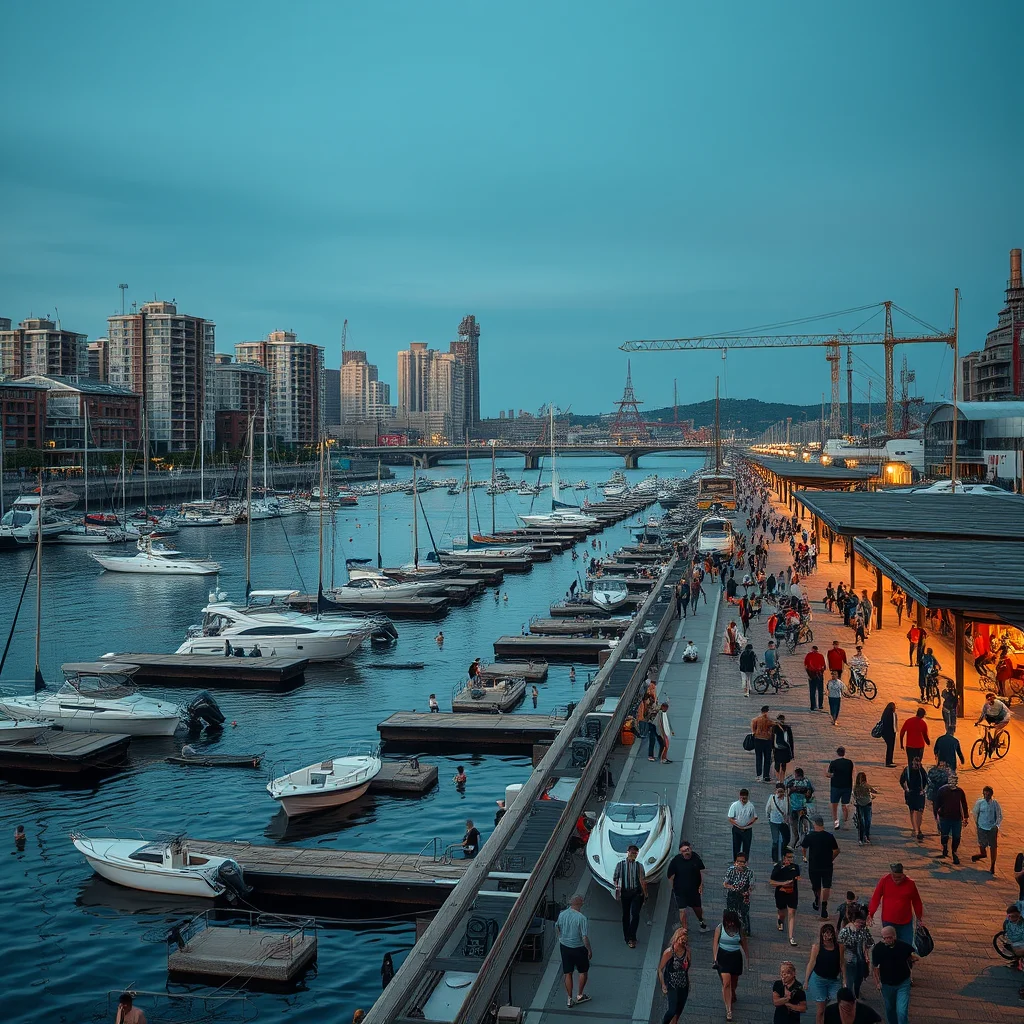
Marinas promise public waterfronts, but can civic access survive luxury development, branding, and privatized urban renewal?
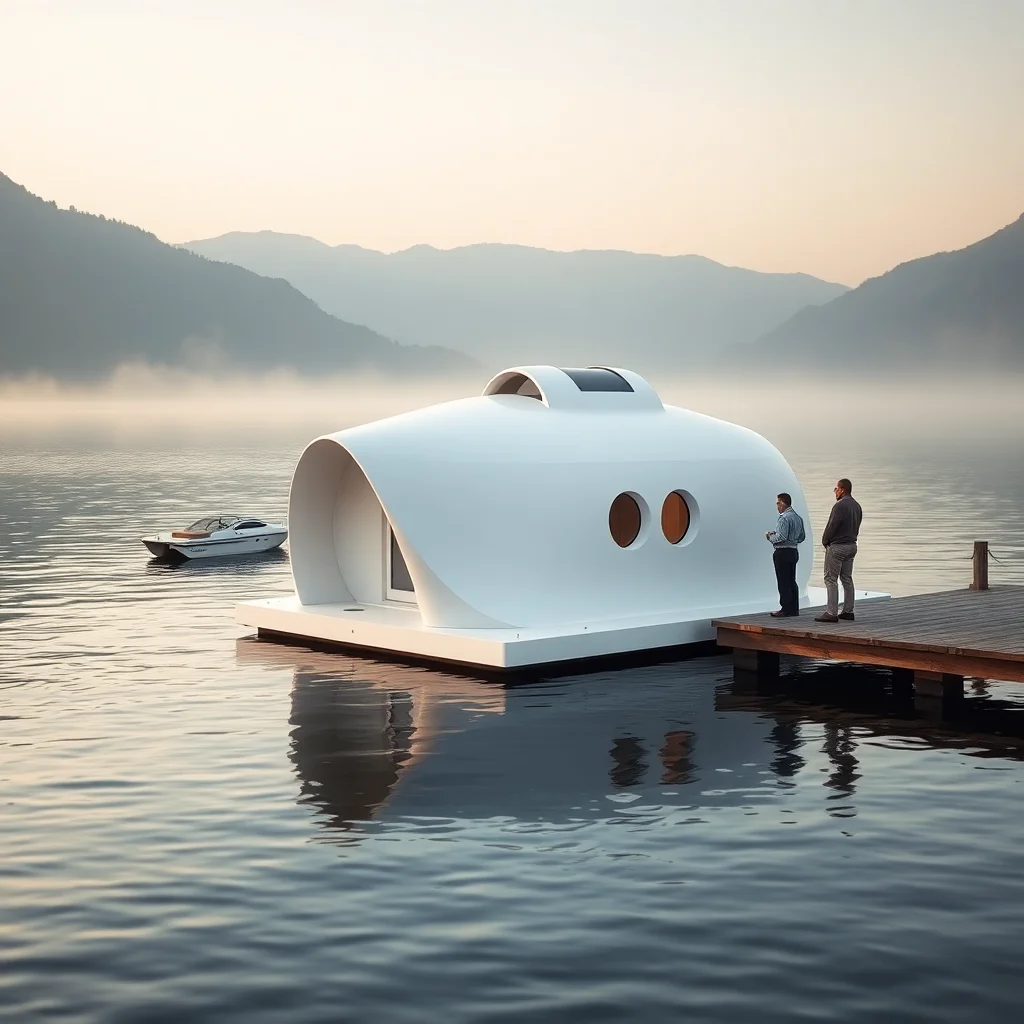
Floating micro-homes are evolving into climate-adaptive infrastructure, not novelty — modular, mobile, and built for water, scarcity, and leisure.