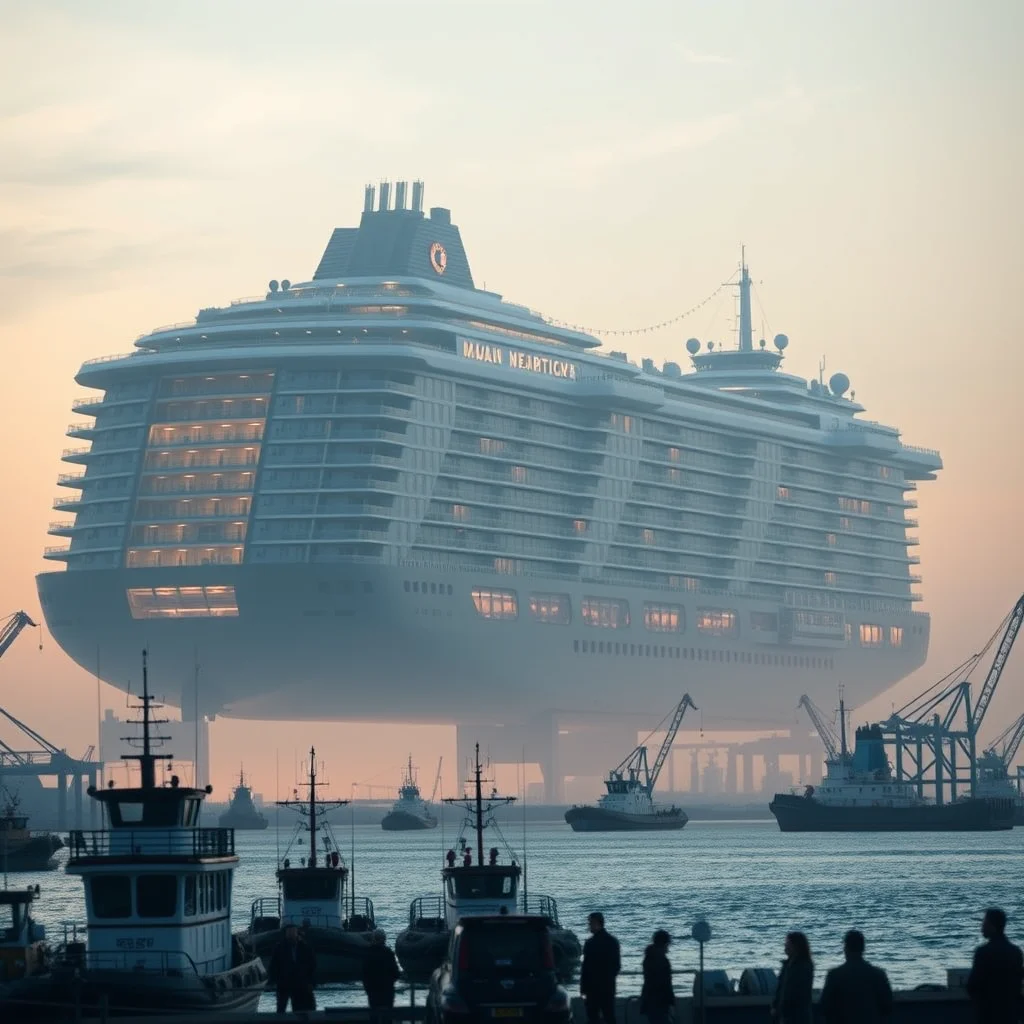
Freedom Ship revives the floating-city fantasy—and exposes the political, climate, and social stakes of architecture untethered from land.


Freedom Ship revives the floating-city fantasy—and exposes the political, climate, and social stakes of architecture untethered from land.
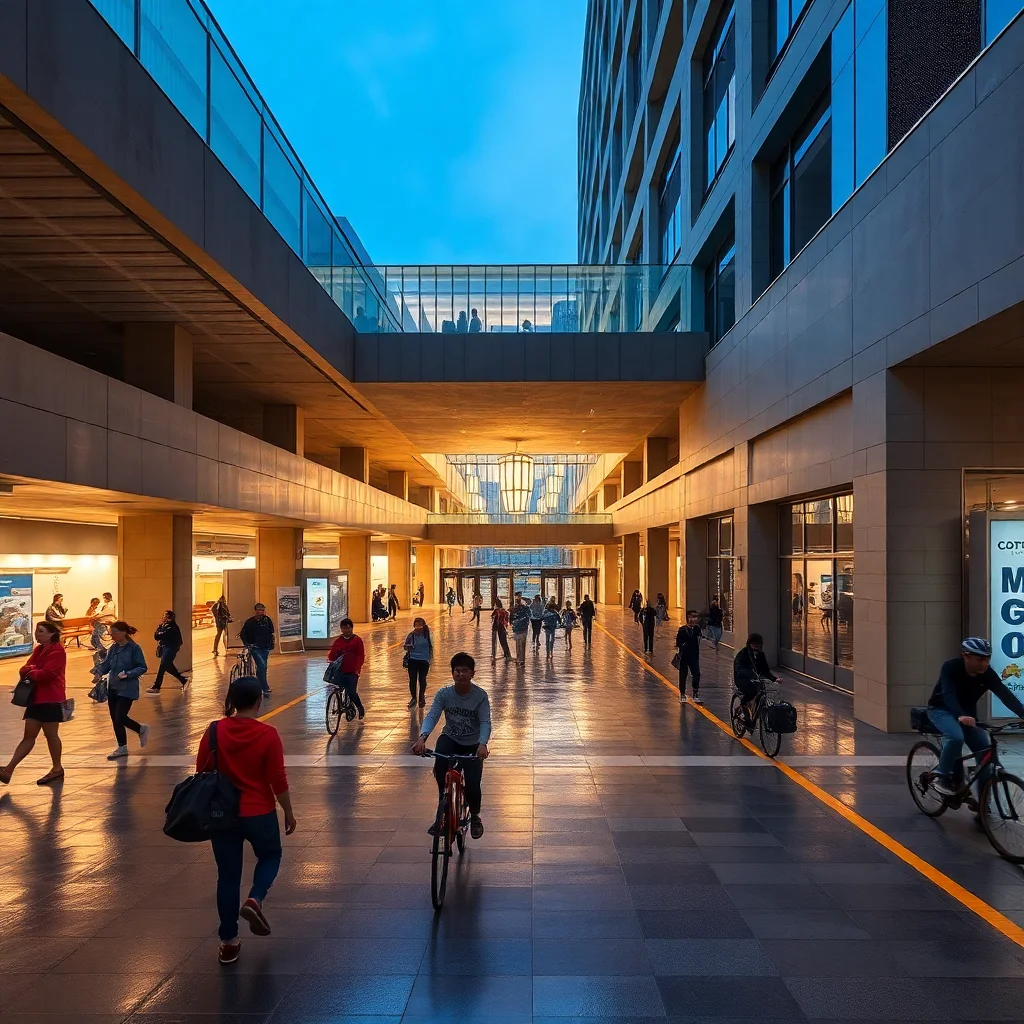
Shenzhen Mingwan School points to a new campus model: education, transit, sport, and community life fused into one urban operating system.
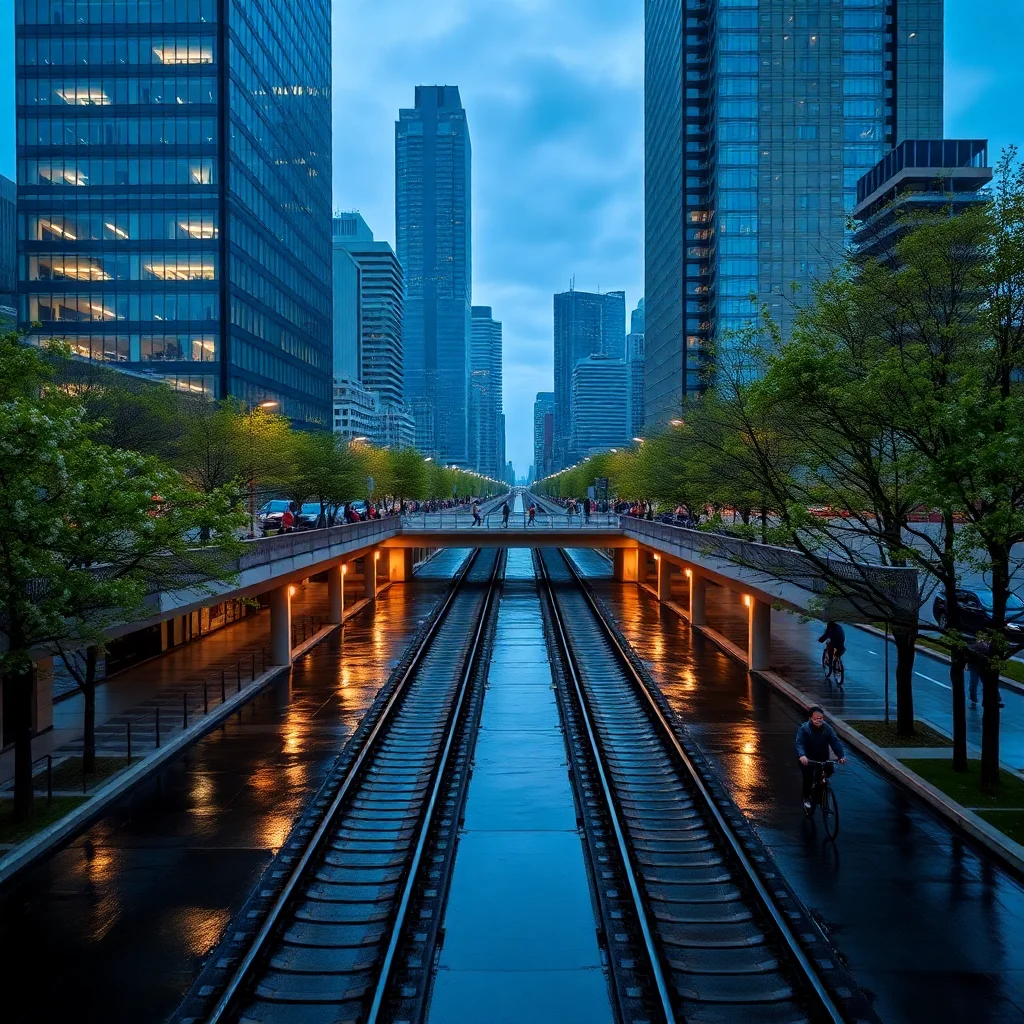
Toronto’s CIBC Square turns office architecture into public landscape—praised as civic generosity, critiqued as corporate alibi.
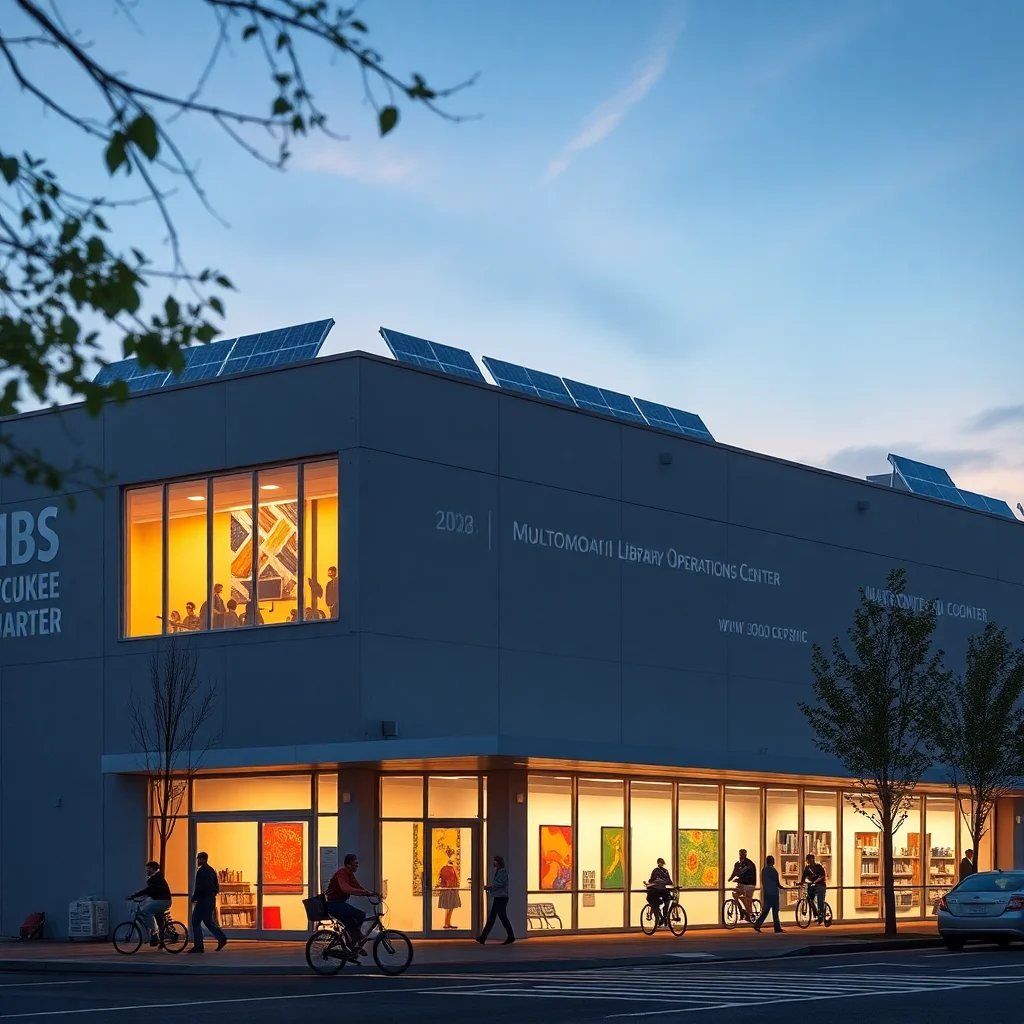
A Portland supermarket reborn as a library hub shows why big-box shells are becoming civic infrastructure, not demolition fodder.