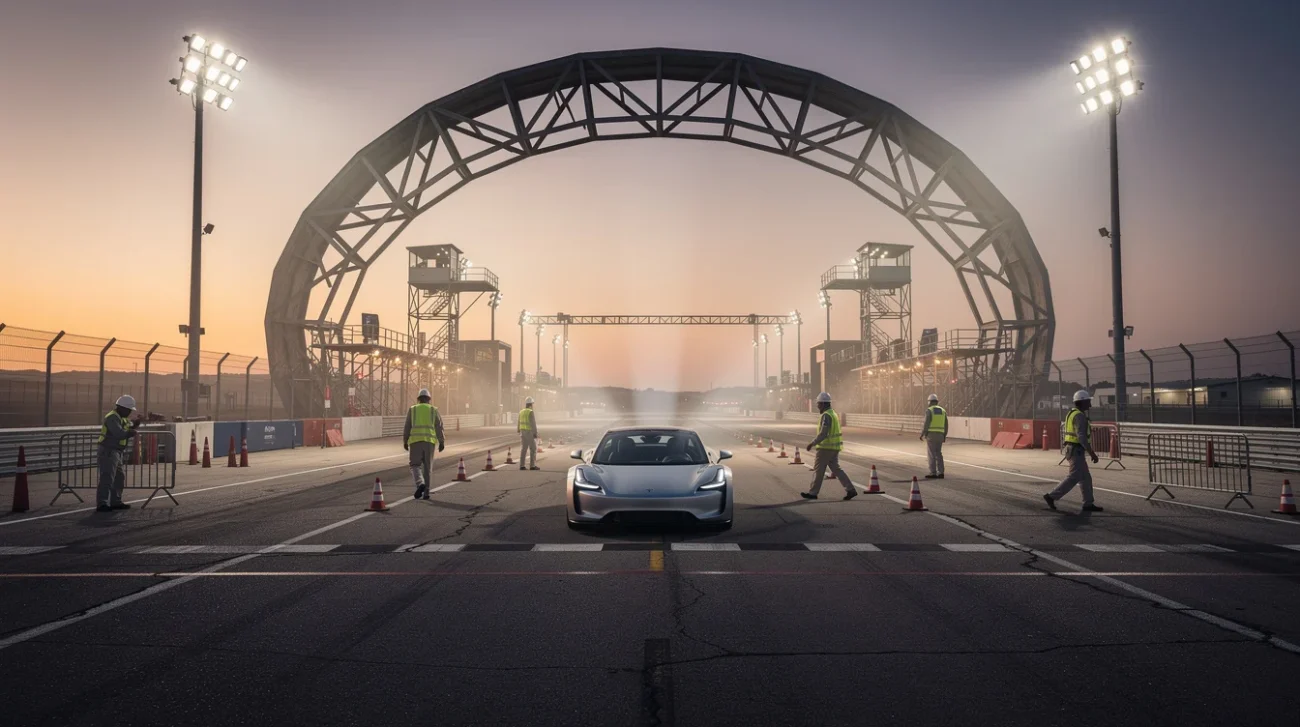
Tesla’s flying Roadster concept challenges the street itself. What safeguards could turn a spectacular stunt into predictable, accountable mobility?


Tesla’s flying Roadster concept challenges the street itself. What safeguards could turn a spectacular stunt into predictable, accountable mobility?
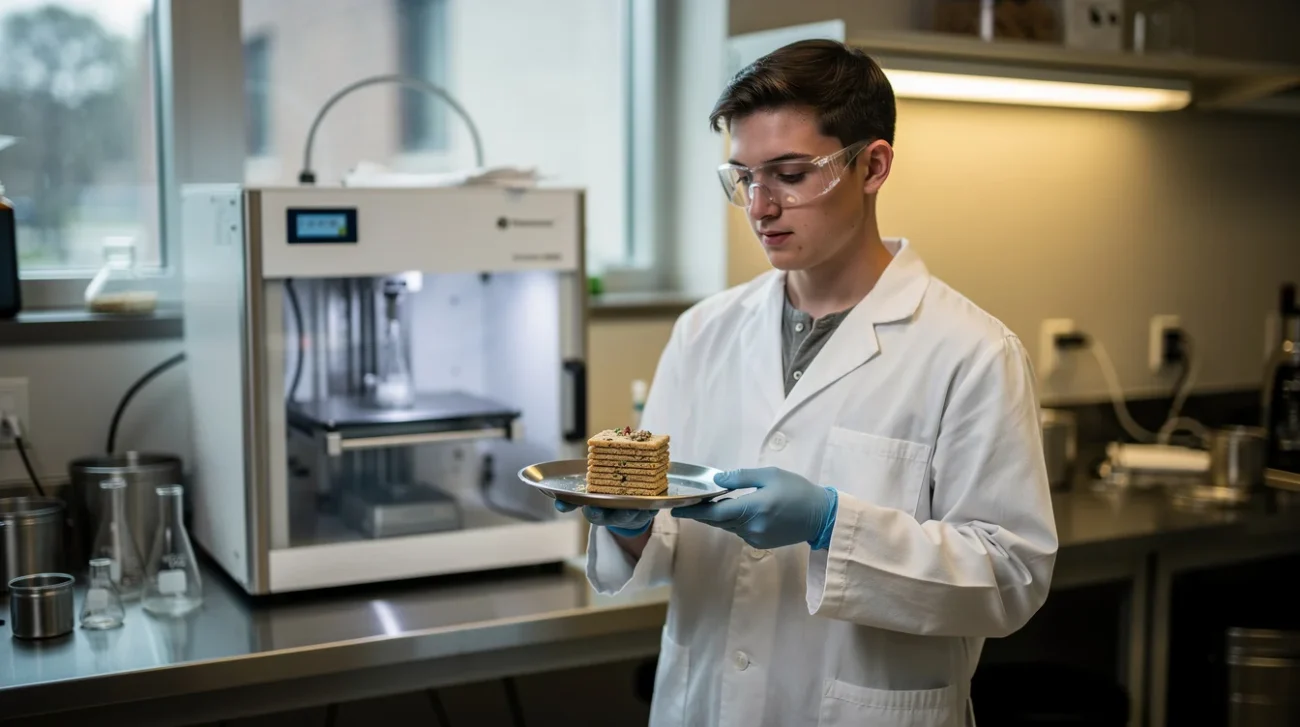
NASA-backed µBites turns waste into food. Can a 3D-printed cookie earn trust through design, transparent processing and credible safety evidence?
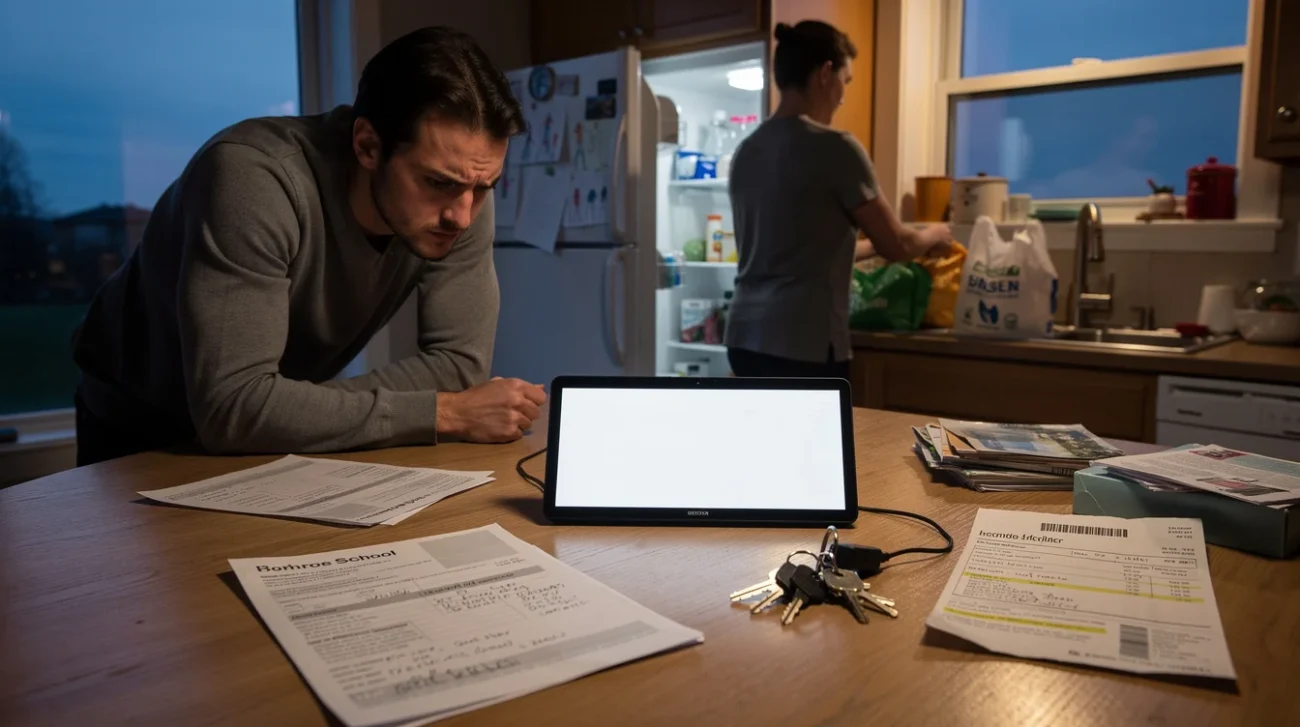
Apple’s HomeView promises less household chaos. But can a smart-home display share domestic responsibility—or just give its manager another dashboard?
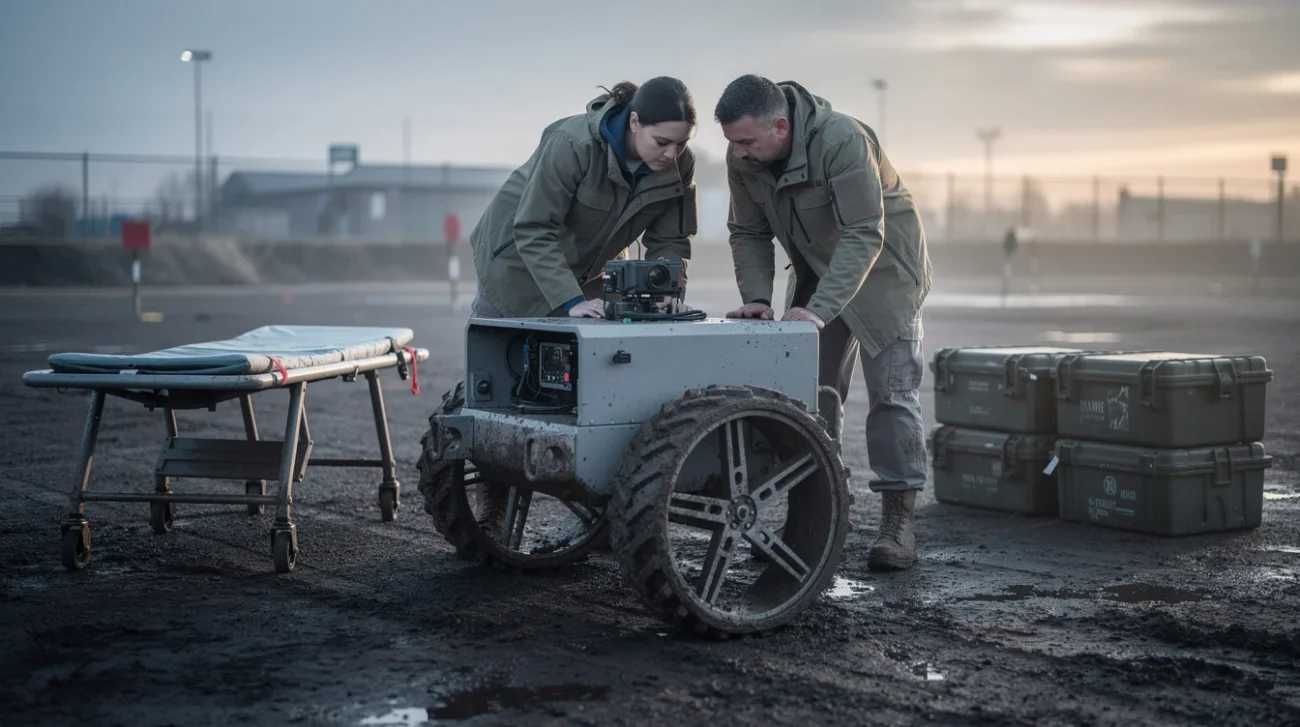
Arkan’s airless wheels can evacuate casualties or move ammunition. Can designers claim humanitarian value without owning their role in sustaining combat?
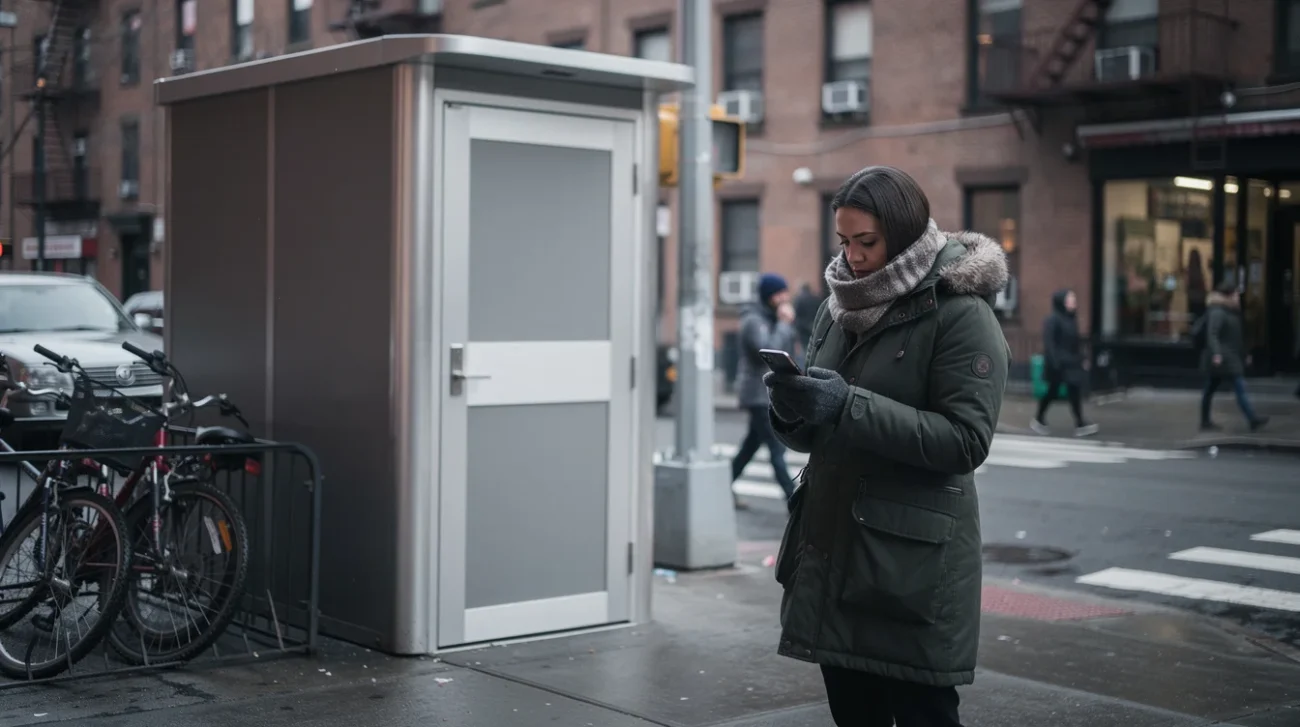
New York’s app-based public toilets test a basic civic promise: immediate, dignified access. What must work when a phone, account, or network fails?

Freckle’s AI children’s phone promises outdoor discovery. Can digital prompts open up the world without crowding out boredom and self-directed play?
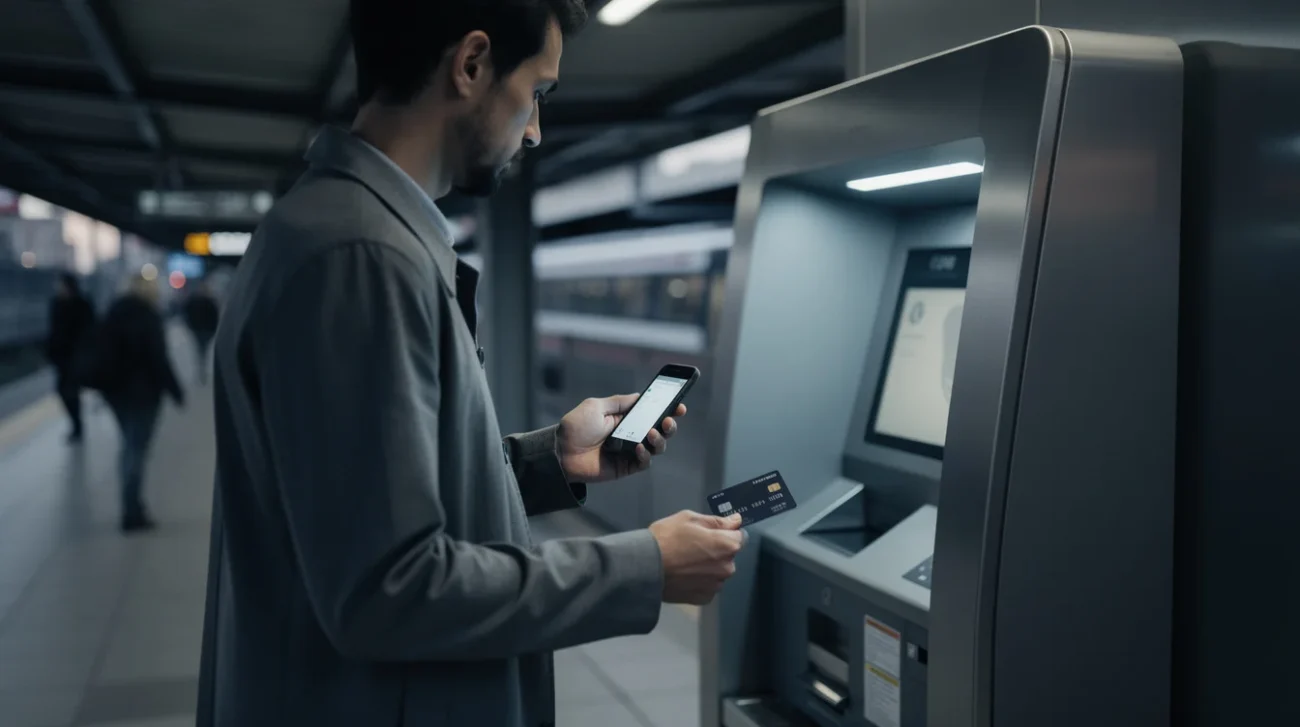
Meadow’s minimalist phone challenges endless scrolling. But banking, tickets and authentication expose who really gets to decide which apps are essential.
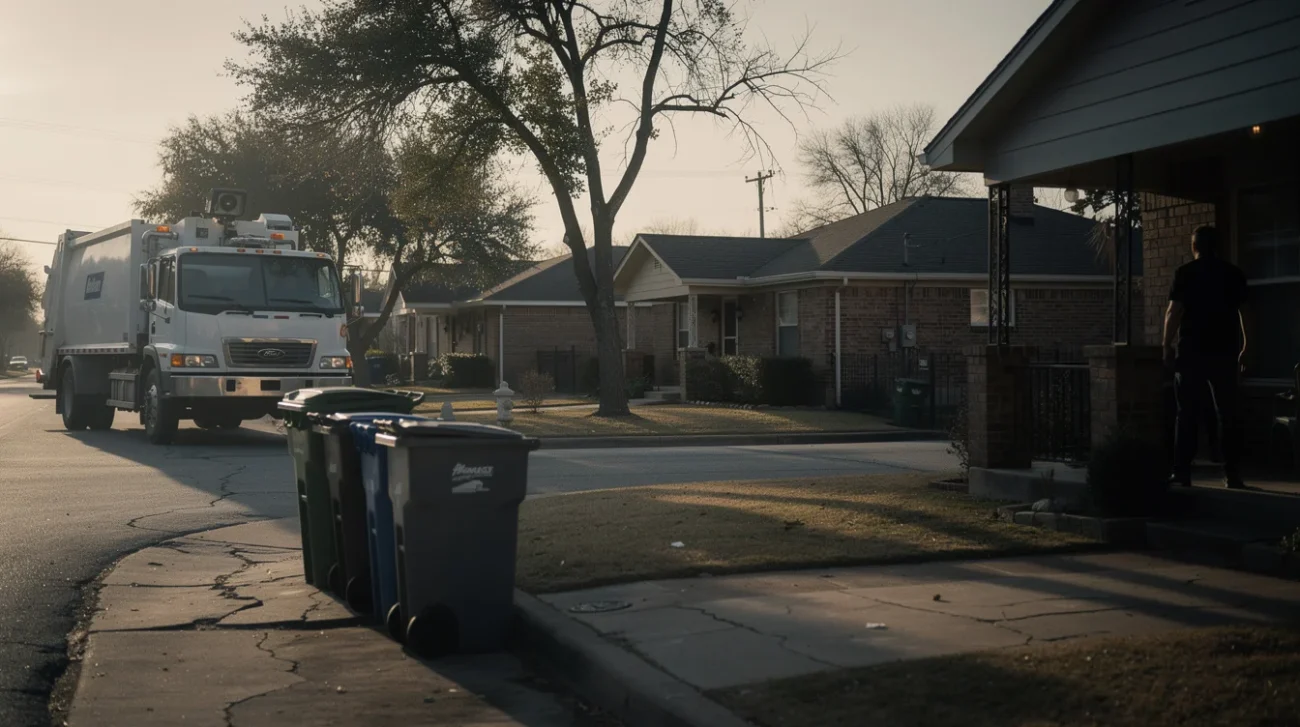
Dallas’s reported AI garbage truck cameras promise efficient enforcement. But who controls the footage, defines a violation, and hears your appeal?
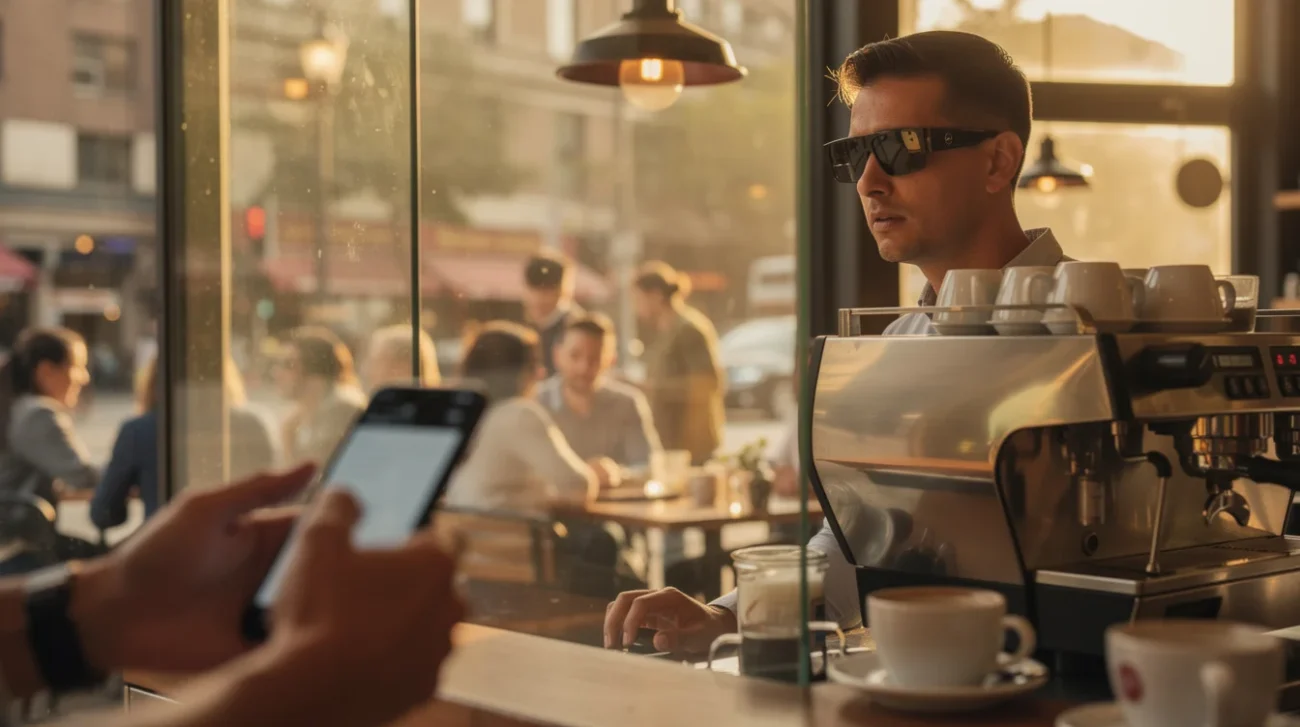
Zuckoff detects nearby smart glasses. Should visible recording signals and bystander consent be built into wearables, rather than outsourced to defensive apps?

Anti-AI design promises privacy and human agency. But does rejecting automation redistribute power—or turn resistance into another premium aesthetic?