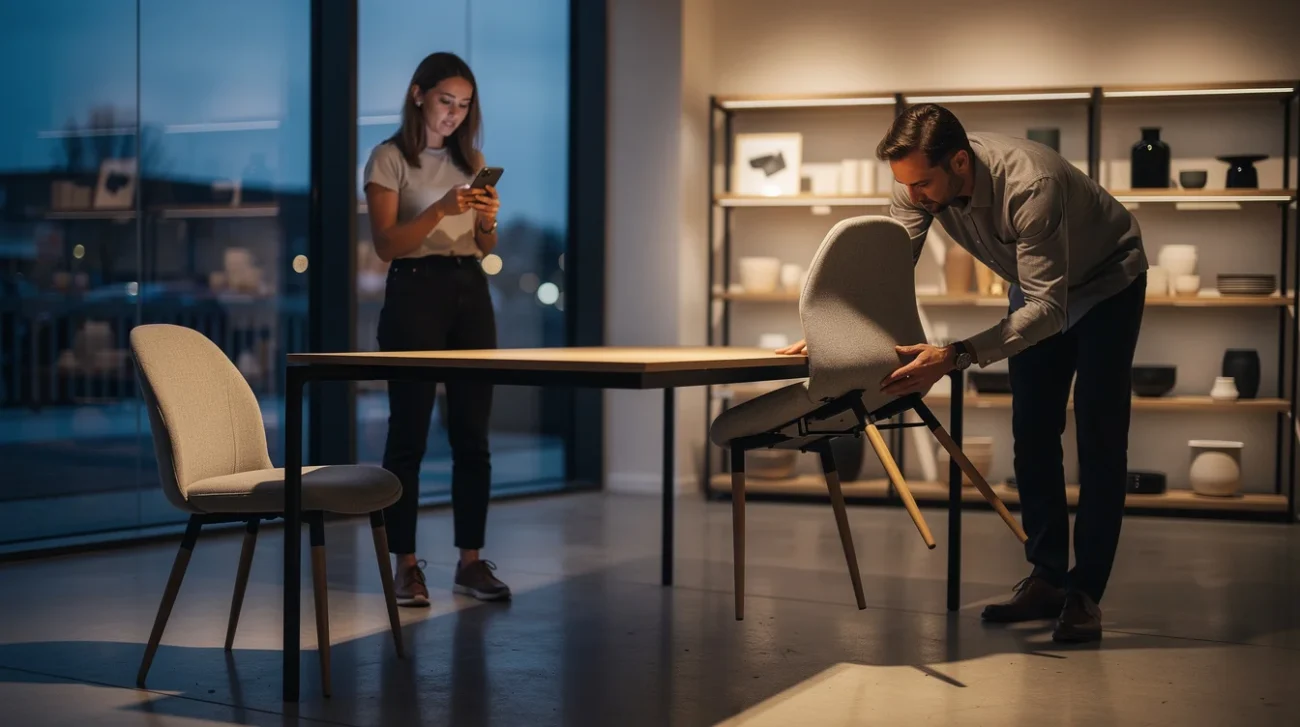
When design brands launch cheaper alternatives to viral dupes, do they democratise good design—or expose how little their originals were worth?


When design brands launch cheaper alternatives to viral dupes, do they democratise good design—or expose how little their originals were worth?
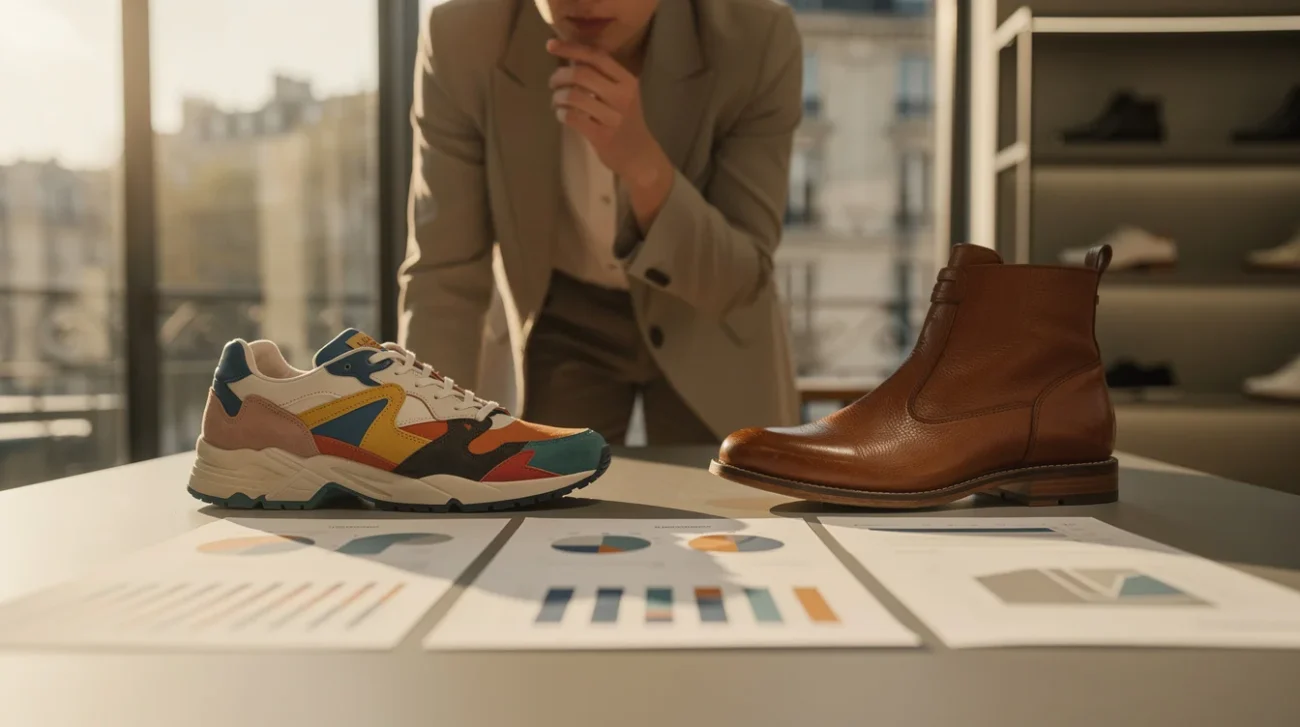
Stefan Sagmeister’s ekn footwear turns global data into graphics. Can wearable design make evidence accessible without making it impossible to question?
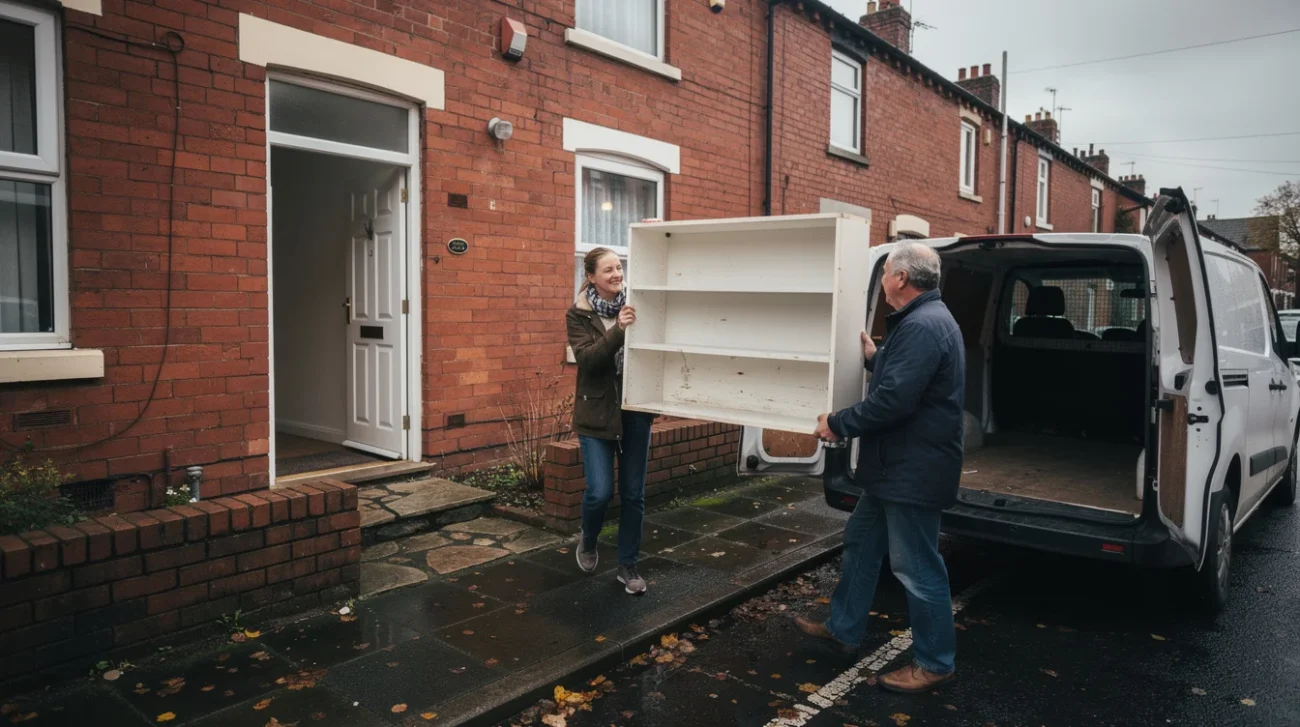
IKEA’s UK and Ireland resale marketplace makes used furniture cheaper. But does brand-run resale extend furniture life—or accelerate replacement?
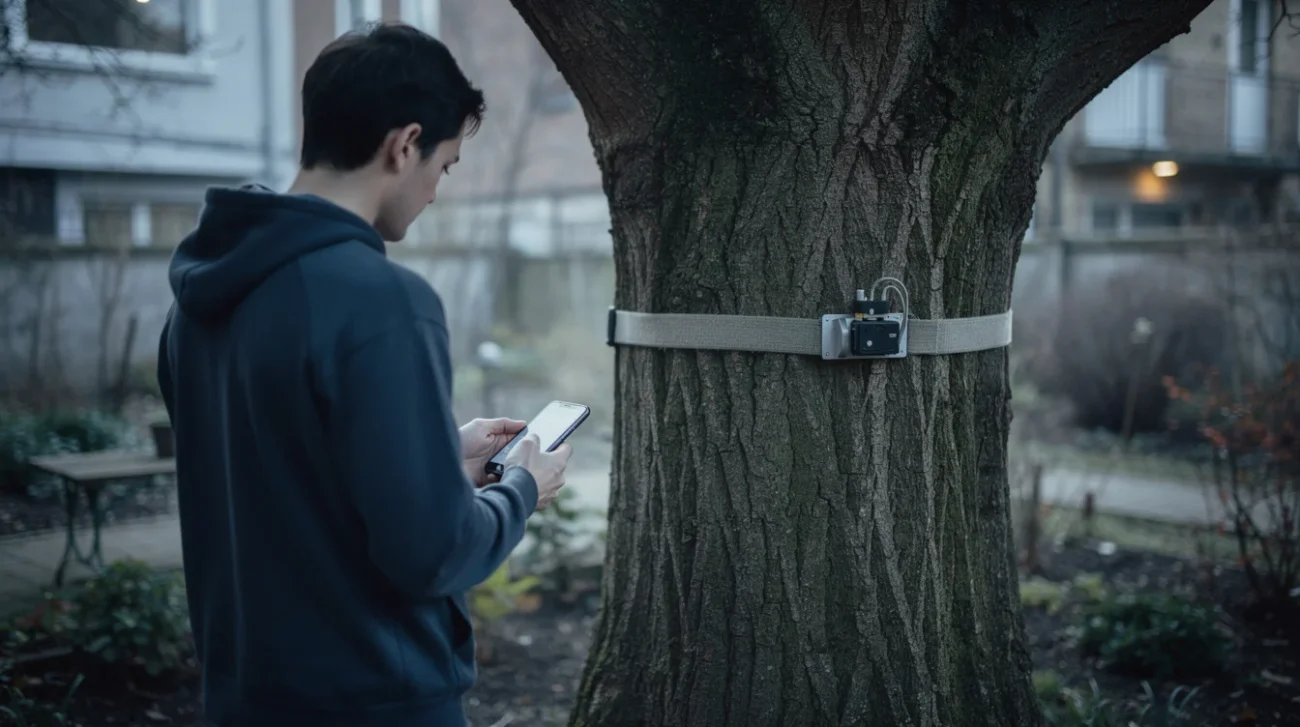
An app-controlled wood-knocking device exposes product design’s blind spot: removing effort can also remove the meaning of a ritual.

TU/ecomotive’s VENTRA captures tyre dust. But can turning pollution into cabin materials beat preventing it? Efficiency and containment decide.
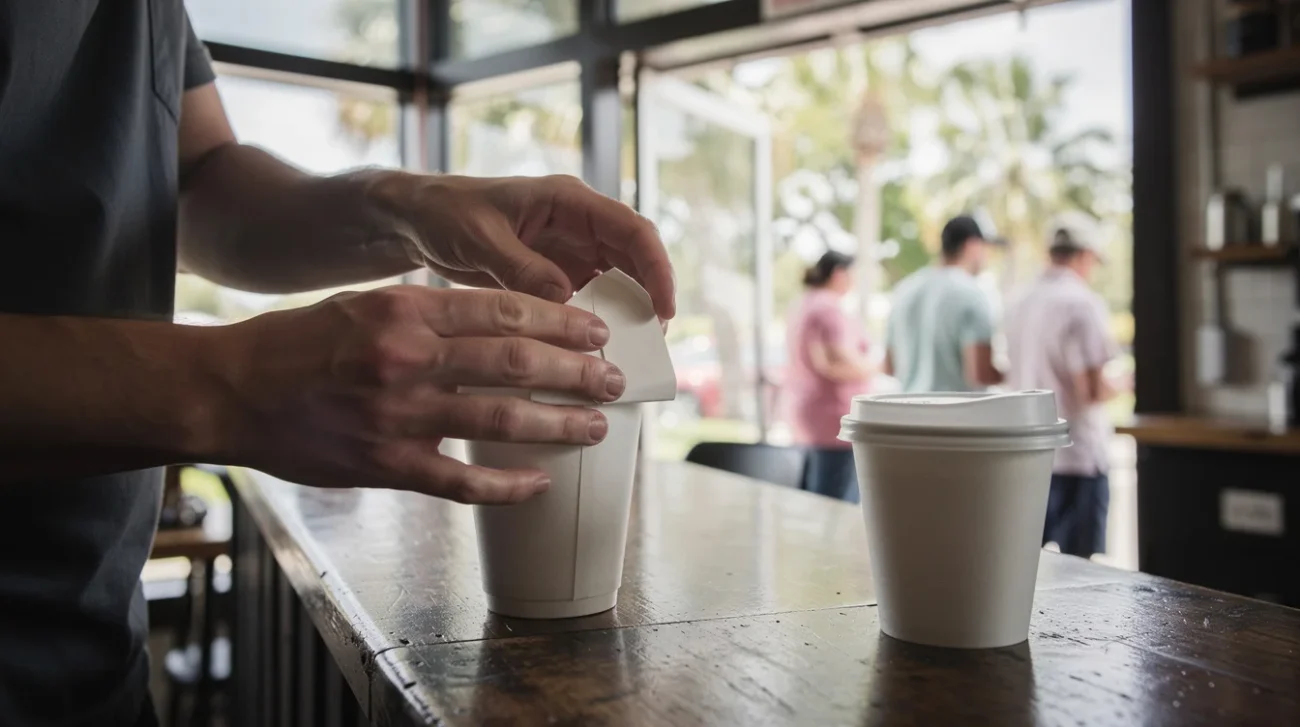
Nothing’s folding-lid cups could cut packaging waste. But home composting is a promise that depends on more than clever paper engineering.
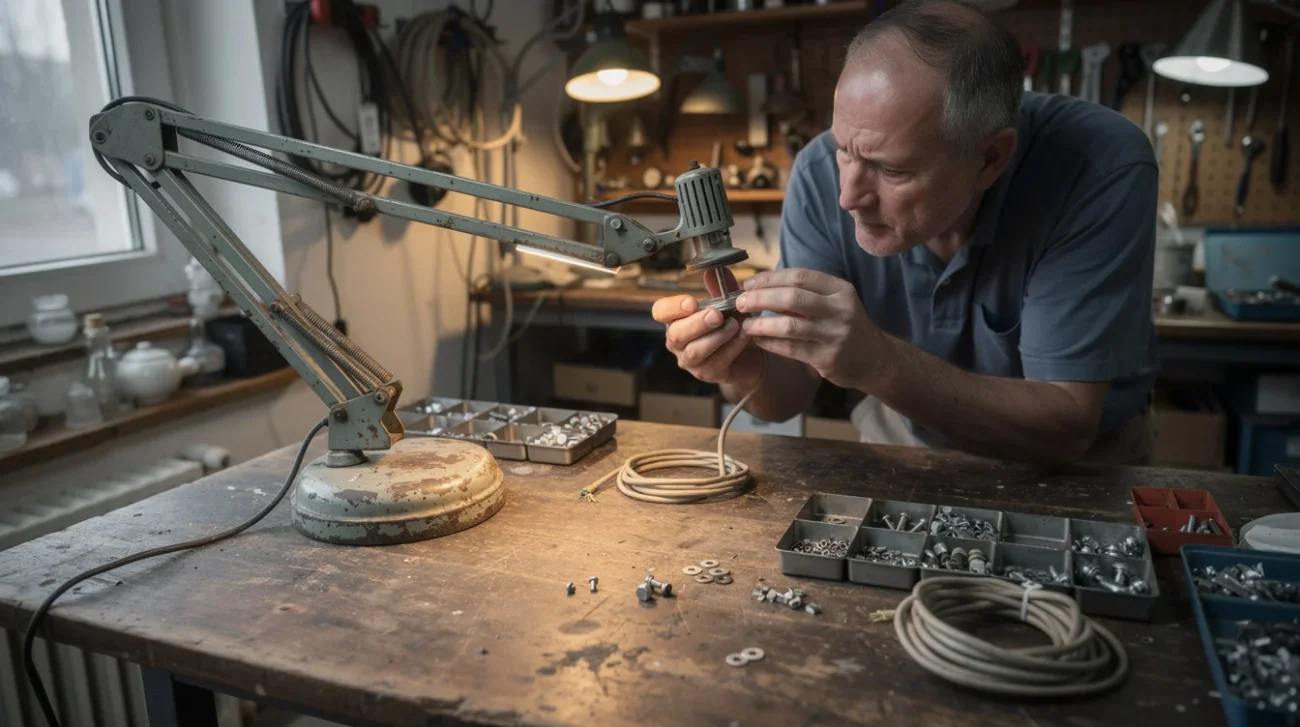
Midgard’s repairable lighting exposes the real longevity challenge: keeping spare parts, skilled labour and technical knowledge available across generations.

Formafantasma joins Santa Maria Novella. Can critical design research change luxury products, or will hidden histories become premium marketing?
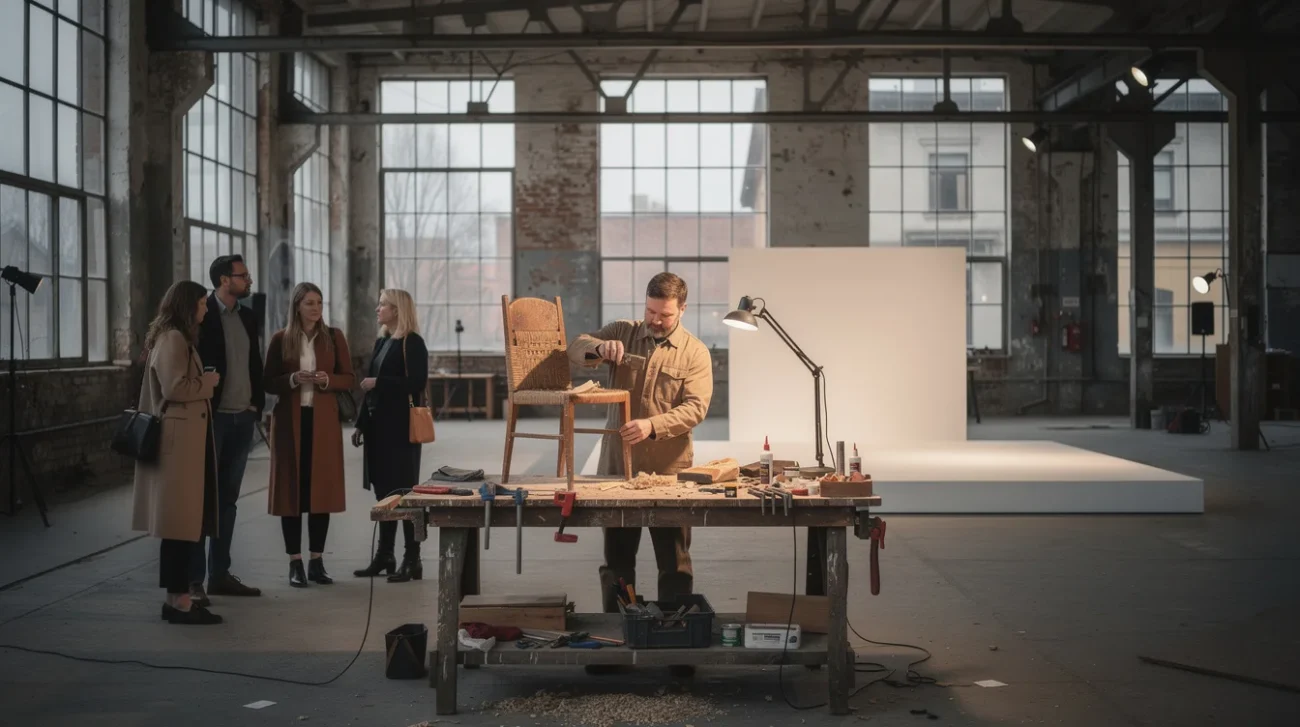
Tallinn Design Festival asks what product design should become. Could repair, maintenance and retirement displace the launch—and who would pay?
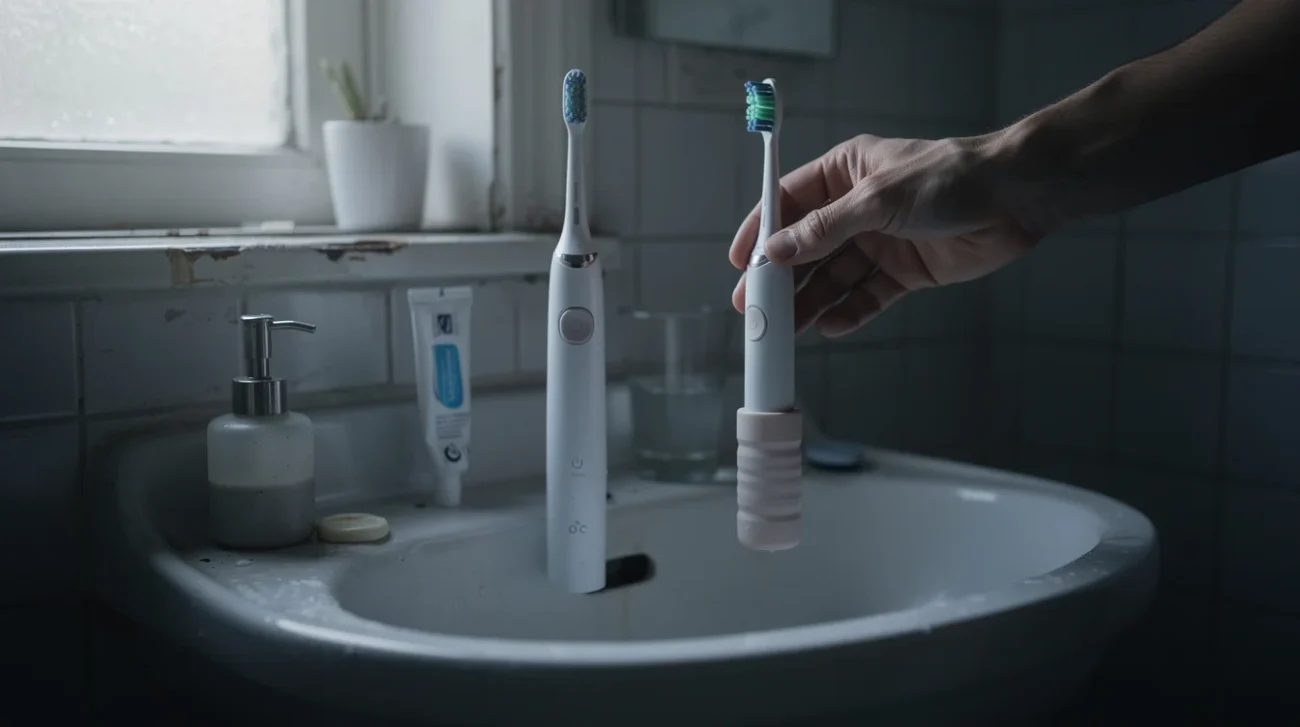
Smart toothbrushes win attention. Accessible grips expand independence. Which kind of product innovation deserves design’s highest acclaim?