
Audi Nuvolari and the Myth of the Electric Supercar
When the badge becomes a test, not a promise
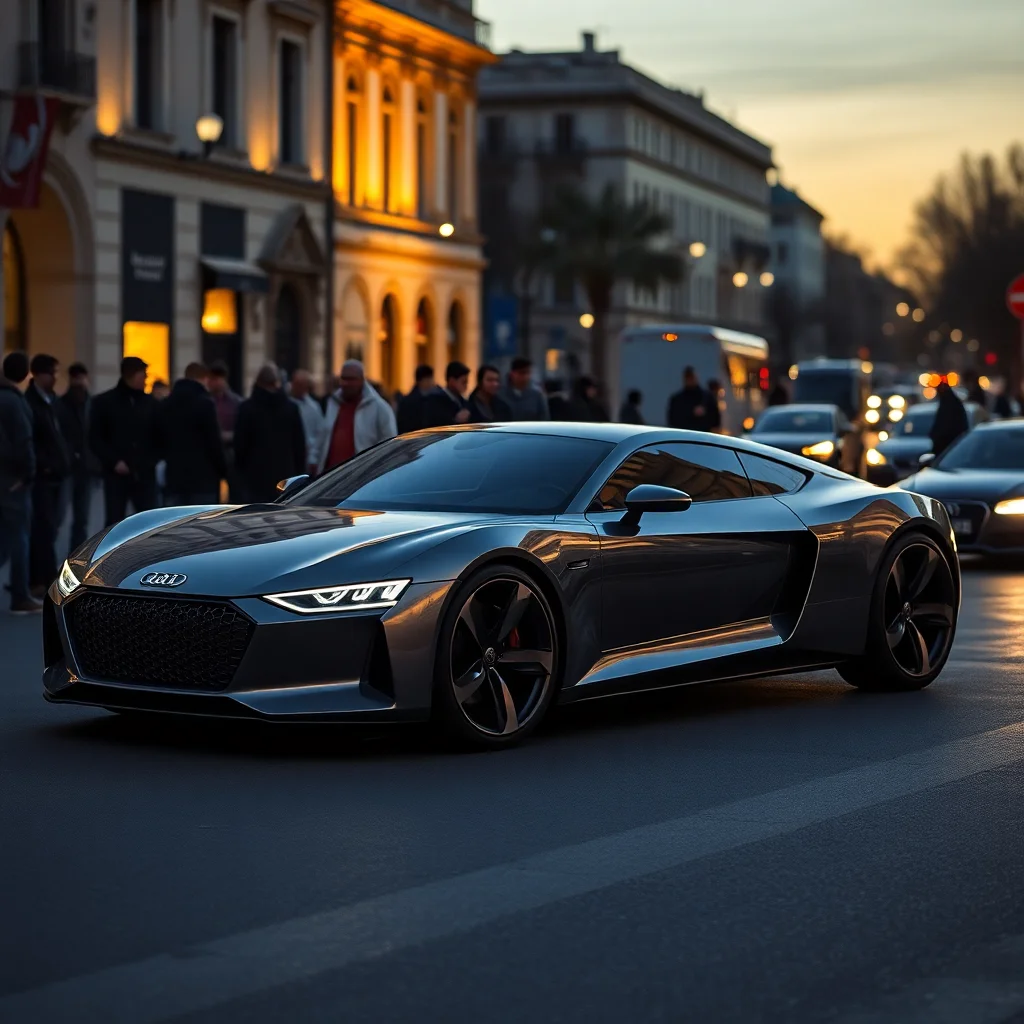
The Audi Nuvolari is not simply a new hybrid performance machine; it is a branding stress test disguised as a halo car. In the old logic of supercars, myth was built from combustion: noise, heat, danger, and the sense that engineering was always flirting with collapse. Electrification threatens that script because it replaces drama with efficiency, and often replaces appetite with compliance. The question is whether a legacy automaker can use new technology to sharpen desirability without turning the car into a moral accessory.
Audi understands the stakes better than most. Its brand has long been associated with precision, design discipline, and technological seriousness rather than pure emotional chaos. That makes the Nuvolari especially interesting: it is not trying to mimic Ferrari’s operatic excess or Lamborghini’s theatre of outrage. It is trying to invent a different emotional language for speed, one rooted in restraint, intelligence, and futuristic credibility. In that sense, the car is less a product launch than an argument about what luxury performance means after the age of emissions targets.
The danger, of course, is obvious. If a limited-edition hybrid merely wraps sustainability in carbon fiber and charging jargon, it becomes another badge for the already convinced: expensive, exclusive, and conveniently virtuous. But if electrification can genuinely change how speed is felt — how it is seen, heard, and socially interpreted — then the supercar myth does not die. It mutates.
The old supercar myth was built on anti-ecology

For decades, the elite performance car sold a fantasy of excess as authenticity. The Lamborghini Miura was sensual because it looked like a wild object that had escaped the studio. The Ferrari F40 became iconic because it seemed raw, barely civilized, and almost too fast to contain. Even the McLaren F1, the cult reference for purity and engineering obsession, relied on the idea that a car could be an uncompromising machine built for a small priesthood of believers.
That mythology was never neutral. It depended on fuel consumption, on acoustic violence, on the visible waste of power. In architecture terms, it is the opposite of the low-energy building and the circular-material manifesto: it celebrates expenditure as status. Which is precisely why the shift to electrification feels so charged. A silent drivetrain can look like the end of romance unless designers find a new form of seduction.
Some brands have already tried. Porsche’s Taycan translated performance into a vocabulary of voltage and precision, proving that acceleration can still feel decadent even without a dramatic exhaust note. Rimac pushed the conversation further, making EV performance feel like a laboratory for extreme torque rather than a compromise. And Lotus, with its reinvention through the Evija and the Emira-era balancing act, has shown how difficult it is to modernize myth without confusing old fans and new buyers. Audi’s Nuvolari enters this territory with a different mission: not to out-shout the market, but to out-design it.
That challenge echoes a broader design question explored in why iconic objects still rule design culture: what gives an object lasting cultural force when its underlying technology keeps changing? In the supercar world, the answer is rarely brute specification alone. It is the combination of image, proportion, and emotional legibility that makes one machine feel like a reference point and another feel disposable.
Nuvolari’s real job is to create a new emotional syntax
The most interesting possibility is not that electrification will make supercars cleaner. It is that it might produce a different kind of emotional intensity altogether. Electric performance is immediate, smooth, and often eerily relentless. It does not build toward a crescendo in the same way a naturally aspirated V10 or V12 does. Instead, it compresses the experience of speed into a near-total response: no lag, no hesitation, no mechanical preamble.
That immediacy could become a new luxury language if designers stop pretending that the old one can be preserved intact. Audi is well positioned here because its best work has always been about translating technological complexity into visual clarity. Think of the original TT, whose Bauhaus-like simplicity made it feel like a design manifesto, or the R8, which turned engineering discipline into a low-slung, cinematic object of desire. The Nuvolari can extend that lineage by making electrification feel like an aesthetic upgrade rather than a regulatory concession.
But the emotional language has to be more than digital theatrics. The cabin, interface, and sound strategy matter as much as the powertrain. Mercedes has already explored this with its Hyperscreen era, where the cockpit becomes an immersive digital field. BMW’s i design program, especially in concepts like the i Vision Dee, treats software as identity architecture. Audi’s challenge is different: it must avoid the sterile futurism trap and build tactile confidence. Speed should still feel dangerous, even if the danger is computational rather than mechanical.
That is why material strategy matters so much in the electric transition. A future-facing performance object cannot rely only on screens and software; it needs surfaces and finishes that make new values feel tangible. The same tension appears in Can Recycled Materials Become Luxury Again?, where the question is not whether reused inputs can be noble, but whether they can carry the emotional authority that premium objects require.
Limited edition sustainability risks becoming the new luxury alibi
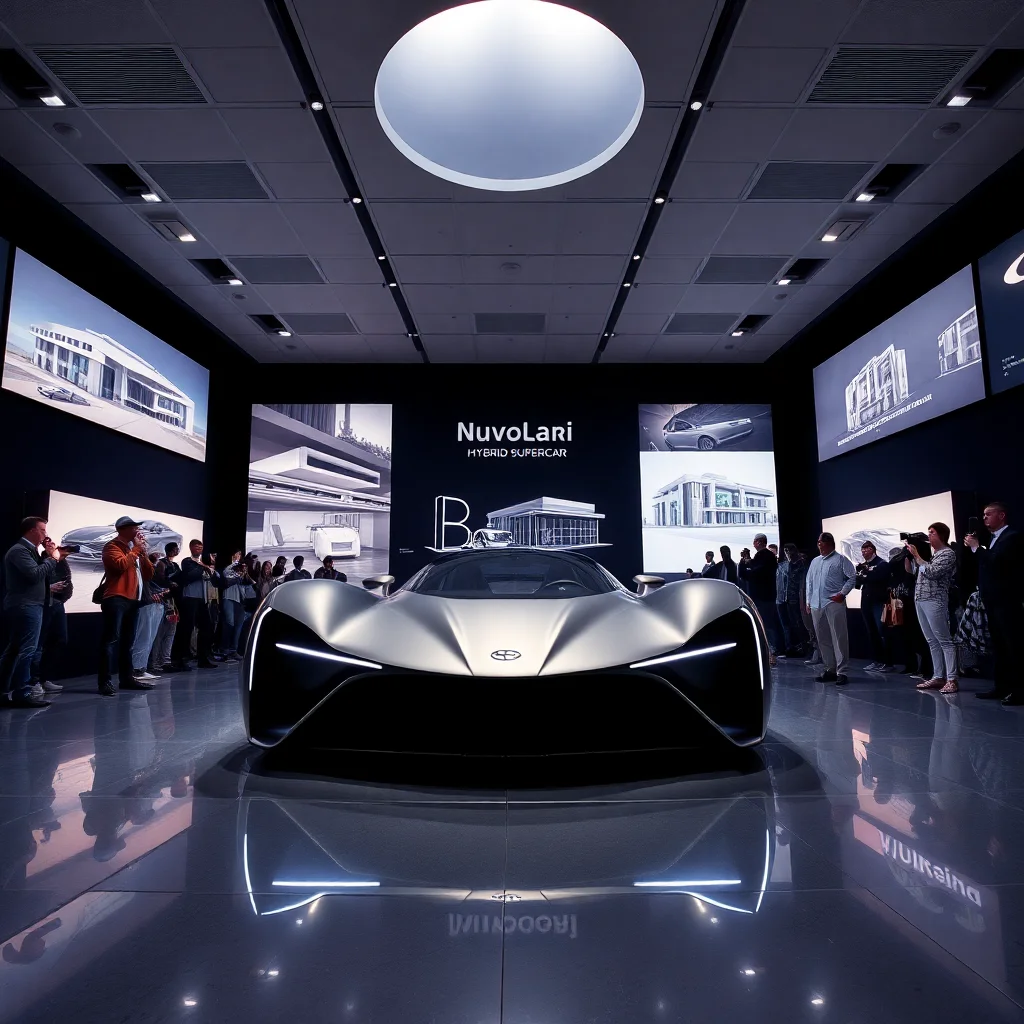
Here is the uncomfortable truth: a limited-edition hybrid supercar can easily become the perfect alibi for a brand under pressure. The message is seductive: we are innovative, responsible, and exclusive all at once. But scarcity itself has become a problematic luxury instrument. When sustainability is packaged as rarity, the moral dimension can collapse into marketing theatre.
We have seen this pattern elsewhere in product design. Fashion labels release capsule collections made from recycled materials and present them as proof of transformation, when they are often just a premium variant of business as usual. In architecture, the same logic appears when a “net-zero” statement building wins attention while the broader portfolio remains carbon-heavy. The hero object becomes a distraction from systemic change.
That is why the Nuvolari matters beyond Audi. If it is merely a collectible hybrid with a progressive narrative, it will reinforce the cynical view that electrification is just another way to sell the same privilege in a different wrapper. But if it influences mainstream platforms — design language, interface logic, material choices, software behavior — then the halo car has earned its halo. The question is not whether the rich can buy green performance. The question is whether a prestige object can push the rest of the industry toward a more credible future.
This is the same tension that animates When Waste Becomes Luxury Material: once discarded resources enter high-end design, do they transform the system or simply decorate it? The answer depends on whether the innovation stays at the level of branding or reaches the level of method.
Design, not power alone, will decide whether the myth survives
The myth of the supercar was never only about horsepower. It was about proportion, stance, surface tension, and the sense that the object had been sculpted to dominate its environment. Electrification changes those rules because battery packaging, cooling demands, and new safety structures alter the architecture of the car. Designers cannot simply put a plug on a familiar silhouette and call it progress.
This is where the Nuvolari can become genuinely radical. If it introduces a new design language — one that acknowledges the shift from engine-centric packaging to platform-centric form — then it may reset expectations for the luxury sports market. The best historical precedents did exactly that. The Audi Quattro transformed rally identity into road-going authority. The BMW i8 made futuristic lightweighting visible, almost teachable. The Tesla Roadster, for all its uneven legacy, proved that electric performance could be culturally disruptive before it was fully mature.
The most promising path for Audi is to avoid nostalgia and instead frame electrification as a formal opportunity. Surfaces can be cleaner without becoming dull. Lighting can become signature rather than decorative. Interior layouts can make the absence of mechanical bulk feel liberating rather than empty. In other words, the car must behave like a design object first and a powertrain announcement second.
That idea also helps explain why other prestige categories are being rethought. As The Bicycle Is the New Prestige Object suggests, desirability now comes from how intelligently an object fits contemporary life, not only from how much power it can display. In that sense, the Nuvolari’s challenge is to make performance feel culturally current rather than historically loud.
The answer depends on whether Audi is selling a future or a costume
The Nuvolari is compelling precisely because it sits at the fault line between genuine reinvention and elite performance cosplay. On one side is a credible future in which electrification gives speed a new form, one less dependent on fossil nostalgia and more aligned with contemporary design intelligence. On the other is the risk that sustainability becomes a premium aesthetic, a polished veneer over the old supercar economy of spectacle and exclusion.
For Mainifesto, the more provocative reading is this: the supercar myth will survive only if it is willing to lose some of its old mythology. It cannot remain the same beast and simply swap fuel sources. It has to become a different kind of object — more precise, more architectural, more conceptual. That may disappoint purists. Good. Design should provoke loss before it earns belief.
If Audi can make the Nuvolari feel not like a concession to the future but like an advance in emotional intelligence, then electrification will have done more than reduce emissions. It will have rewritten desire. And if it cannot, the car will join a growing category of expensive objects that call themselves progress while merely rebranding indulgence.
FAQ
Is the Audi Nuvolari mainly a technology showcase or a design statement?
It is both, but the design statement is the more important test. A halo car only matters if its new technology changes how the brand looks, feels, and communicates, not just how fast it accelerates.
Why is electrification such a challenge for supercars?
Because traditional supercar myth is built on sensory excess: engine sound, heat, vibration, and mechanical drama. Electric performance can be faster, but it must invent new forms of emotion to replace the old cues.
Can sustainability really be luxurious?
Yes, but only if it changes the object’s behavior and material logic, not just its marketing language. If sustainability is reduced to limited-edition scarcity, it becomes a luxury alibi rather than a meaningful shift.
What role do legacy brands like Audi play in this transition?
They are crucial because they have the scale to normalize new design languages. If they succeed, electrification can move from niche virtue signal to mainstream desirability.
- Design can outlive combustion. The myth of speed does not depend on exhaust fumes; it depends on proportion, precision, and emotional clarity.
- Electrification must be felt, not just measured. Torque figures impress, but the future of desirability will hinge on interface, sound, tactility, and visual identity.
- Scarcity is not transformation. A limited-edition hybrid can be a cultural catalyst or just a polished badge of guilt, depending on whether it changes the brand beyond the collector circuit.
- Audi’s advantage is restraint. Unlike brands that trade in noise and excess, Audi can build a new myth around intelligence, control, and aerodynamic confidence.
Open question: If a supercar becomes cleaner, quieter, and more technologically sophisticated, does it become more desirable — or does it lose the very instability that made it mythic?
Get the Mainifesto weekly — curated design debates, speculative ideas and the week's best articles every Saturday.
Editorial Perspectives
Questions and counterpoints developed by the Mainifesto editorial desk to extend the discussion.
Perspective 1
The electric supercar risks becoming a very expensive refrigerator: immaculate, silent, and spiritually thin. Myth lives on danger, on noise, on a little bad behavior — once you smooth all that out, you may still have speed, but not legend.
Perspective 2
This is the old problem of modernity dressed in carbon fiber: every technical advance promises purity, then drains away the spectacle that gave the object its aura. A supercar without instability is like a monument without shadow — efficient, perhaps, but hardly memorable in the sense one would call mythic.
Perspective 3
Cleaner and quieter do not automatically make a supercar more desirable; they make it more acceptable, which is not the same thing. The real test is whether the platform, battery packaging, thermal management, and software can create a new kind of urgency — otherwise you just have a very polished spec sheet.
Perspective 4
I don’t think silence kills desire if the materials still carry tension: the stitch, the metal edge, the temperature of the cabin, the way a surface ages. What dies is the fantasy when everything becomes digital and sealed; craftsmanship can keep the car sensual even when the drivetrain goes quiet.