
Urselmann Interior’s Düsseldorf renovation exposes circular design’s weak link: will manufacturer take-back agreements outlast the companies signing them?


Urselmann Interior’s Düsseldorf renovation exposes circular design’s weak link: will manufacturer take-back agreements outlast the companies signing them?
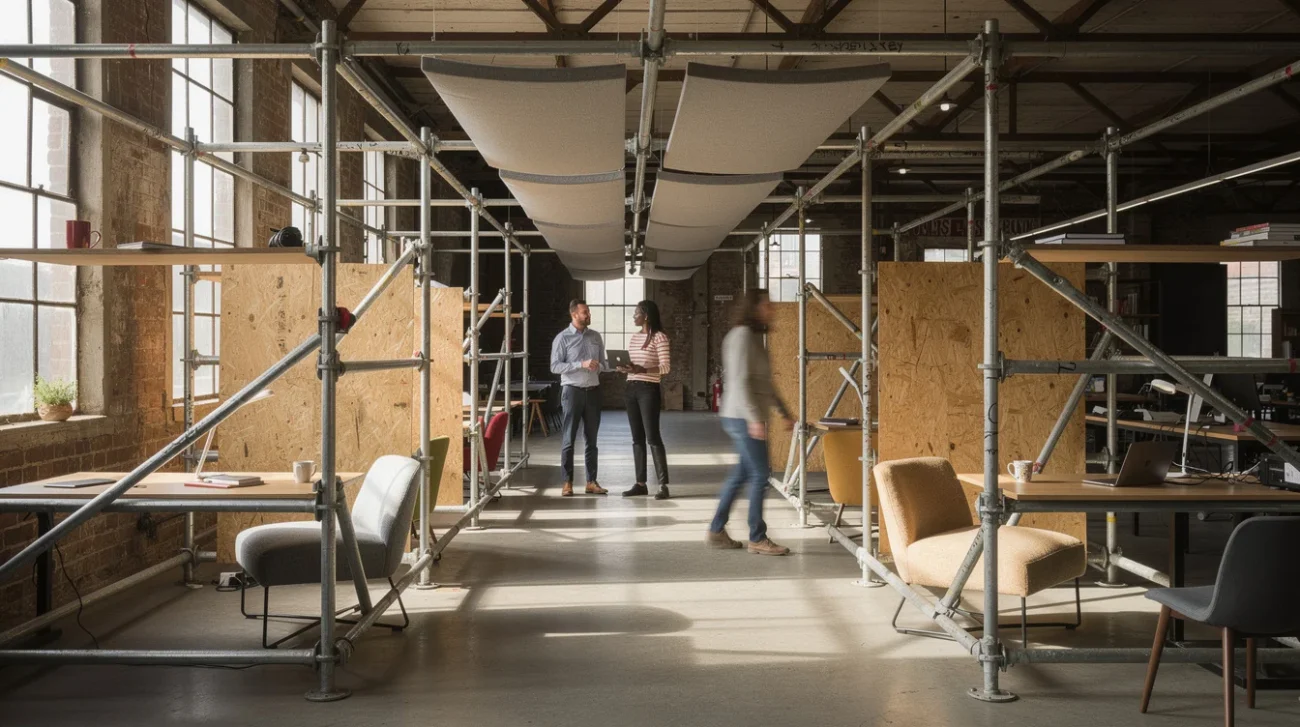
Scaffolding can survive repeated assembly. But can it support comfortable interiors without sacrificing the reuse that makes it circular?
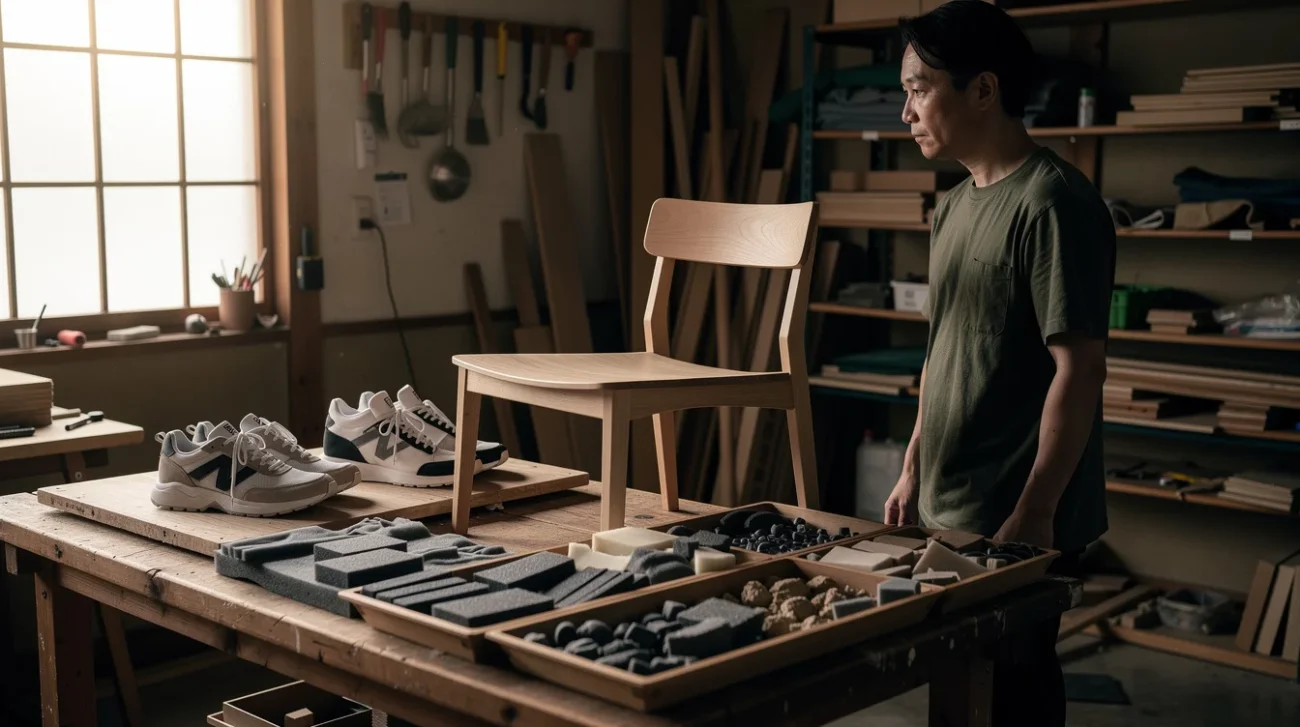
Karimoku New Standard and ASICS turn unused trainer foam into seating. But does rescuing manufacturing surplus do anything to prevent its production?
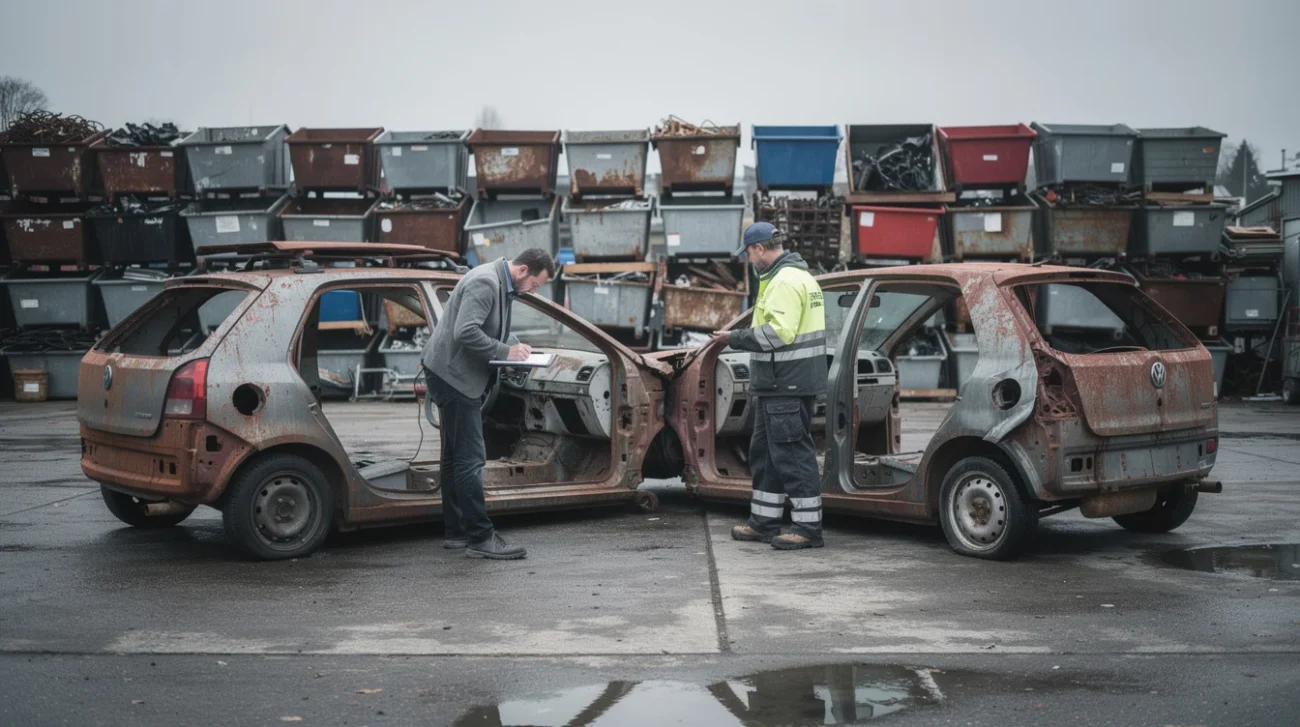
Giona Bierens de Haan’s It All Remains pits car reuse against material recovery. When does saving an object save resources—and when does it trap them?
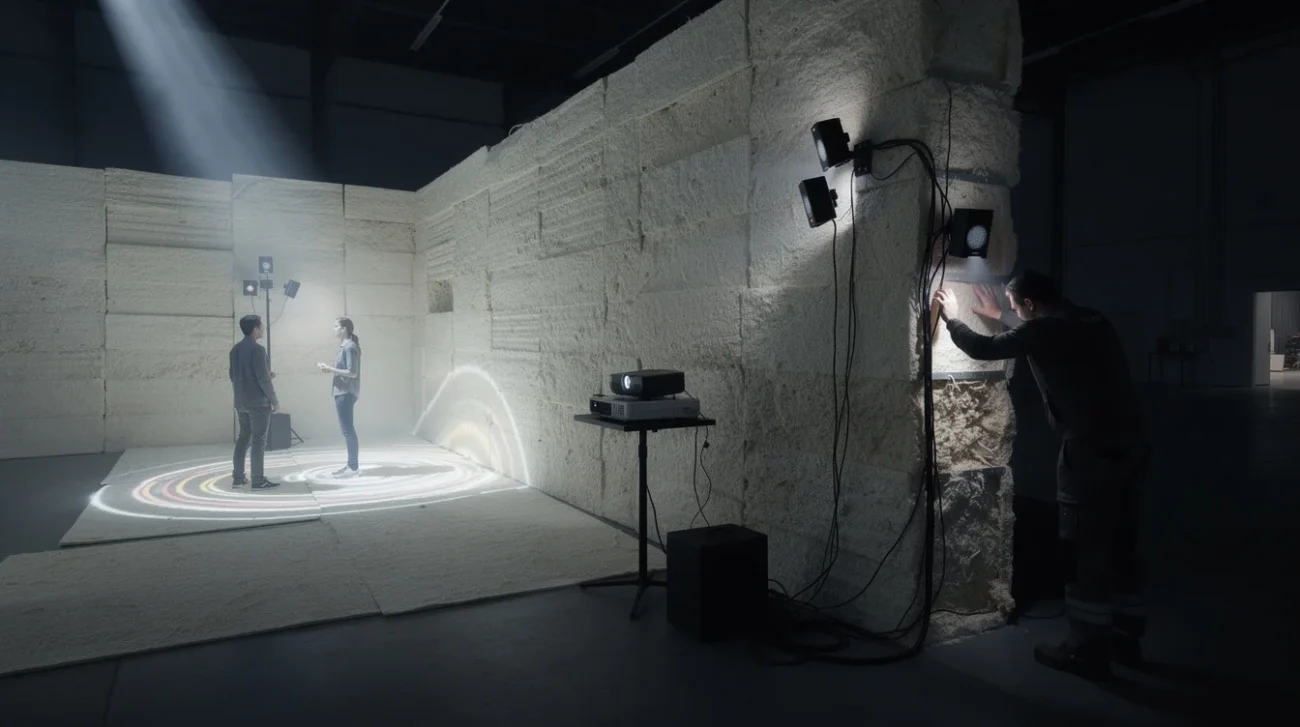
Hypha-lume pairs mycelium with interactive hardware. Its circularity test is not what grows, but what can be separated, repaired and recovered.
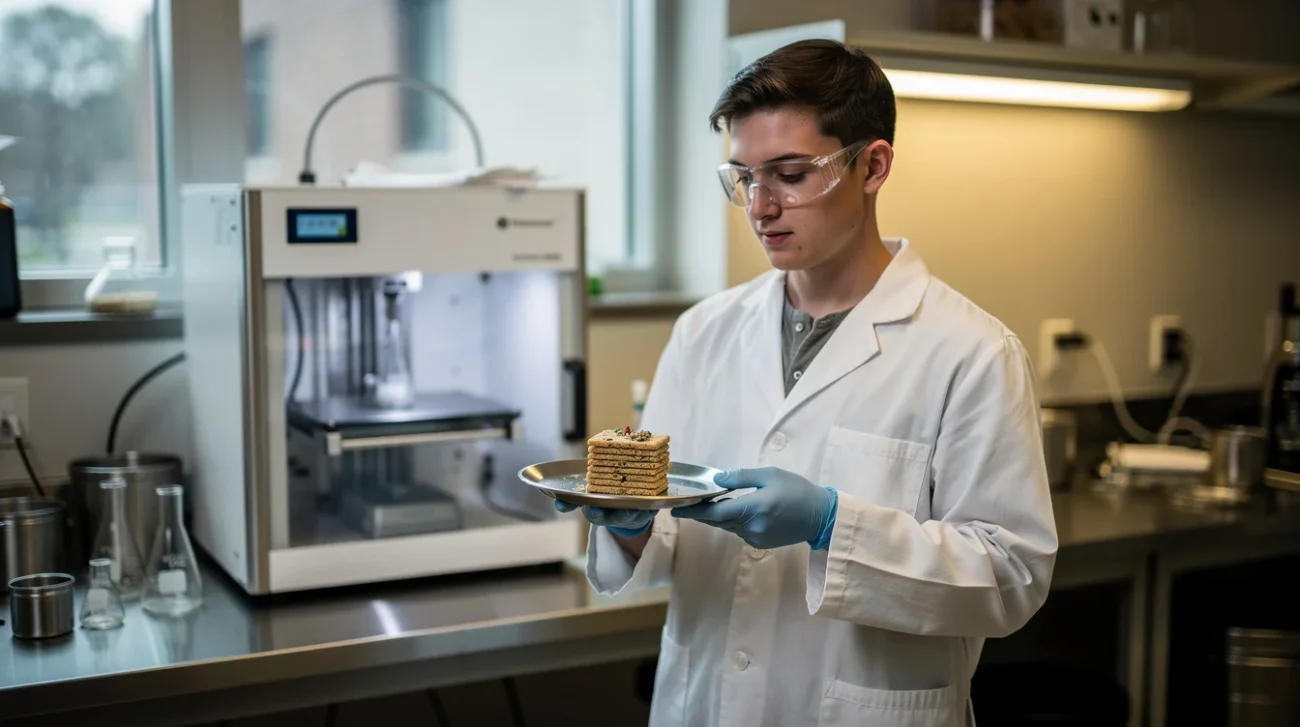
NASA-backed µBites turns waste into food. Can a 3D-printed cookie earn trust through design, transparent processing and credible safety evidence?
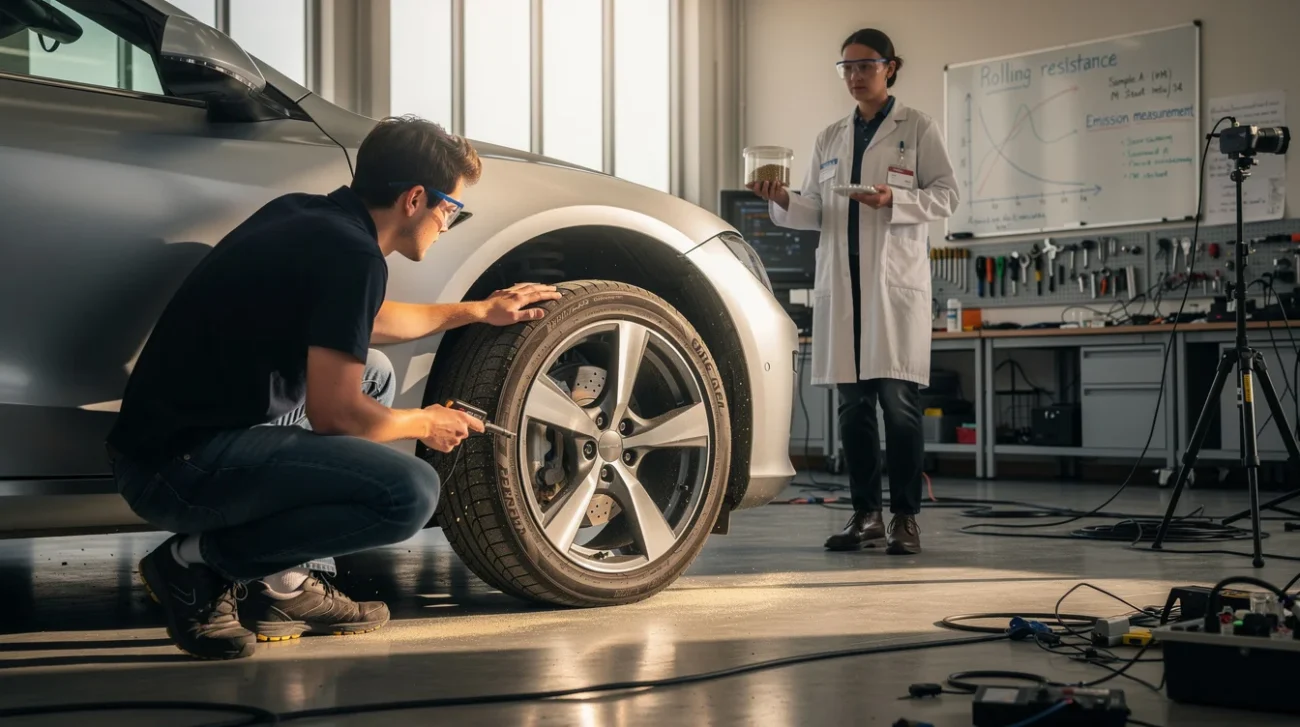
TU/ecomotive’s VENTRA captures tyre dust. But can turning pollution into cabin materials beat preventing it? Efficiency and containment decide.
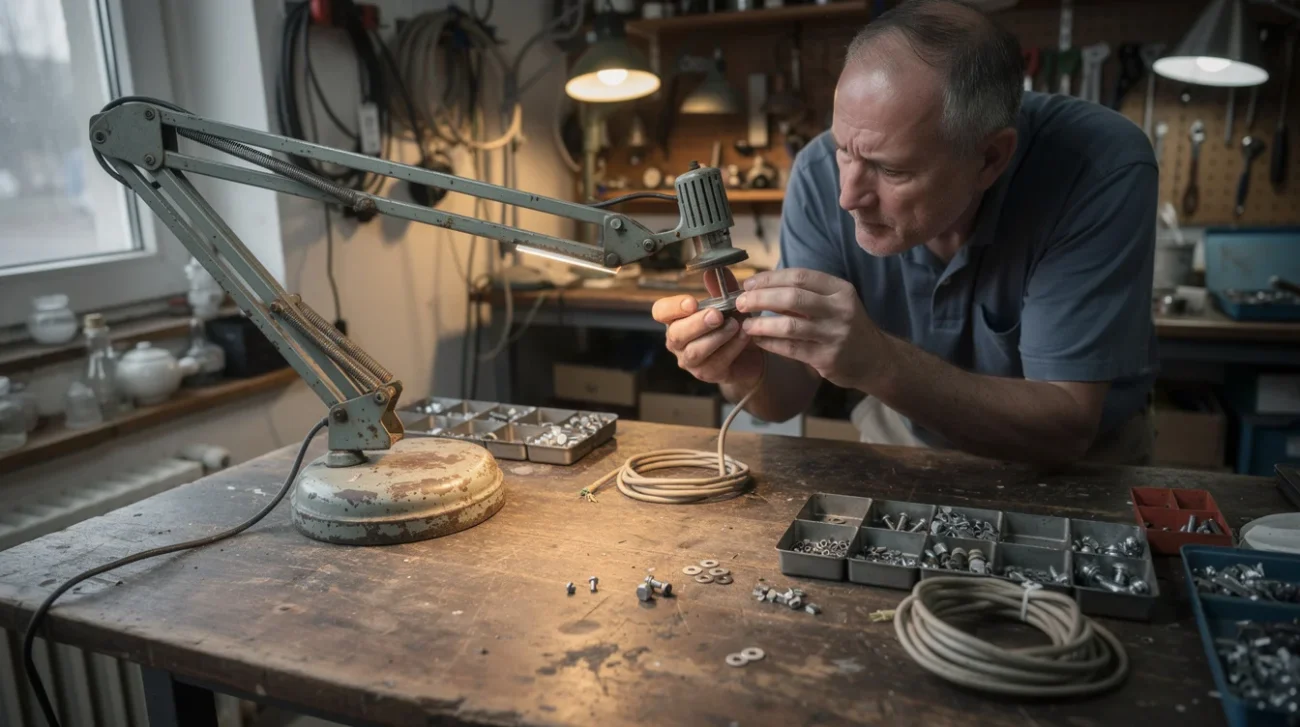
Midgard’s repairable lighting exposes the real longevity challenge: keeping spare parts, skilled labour and technical knowledge available across generations.
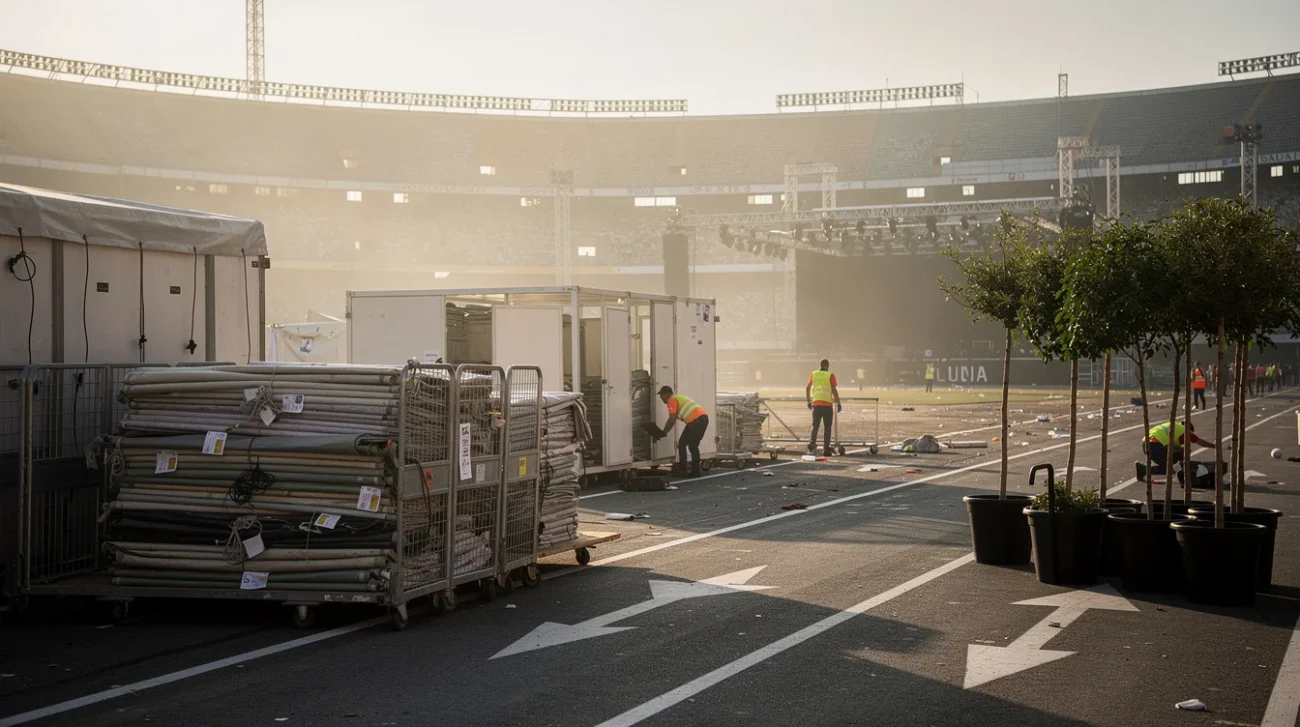
BIG’s temporary city for Shakira in Madrid promises reuse. Its green credentials depend on what happens next: transport, storage and actual redeployment.
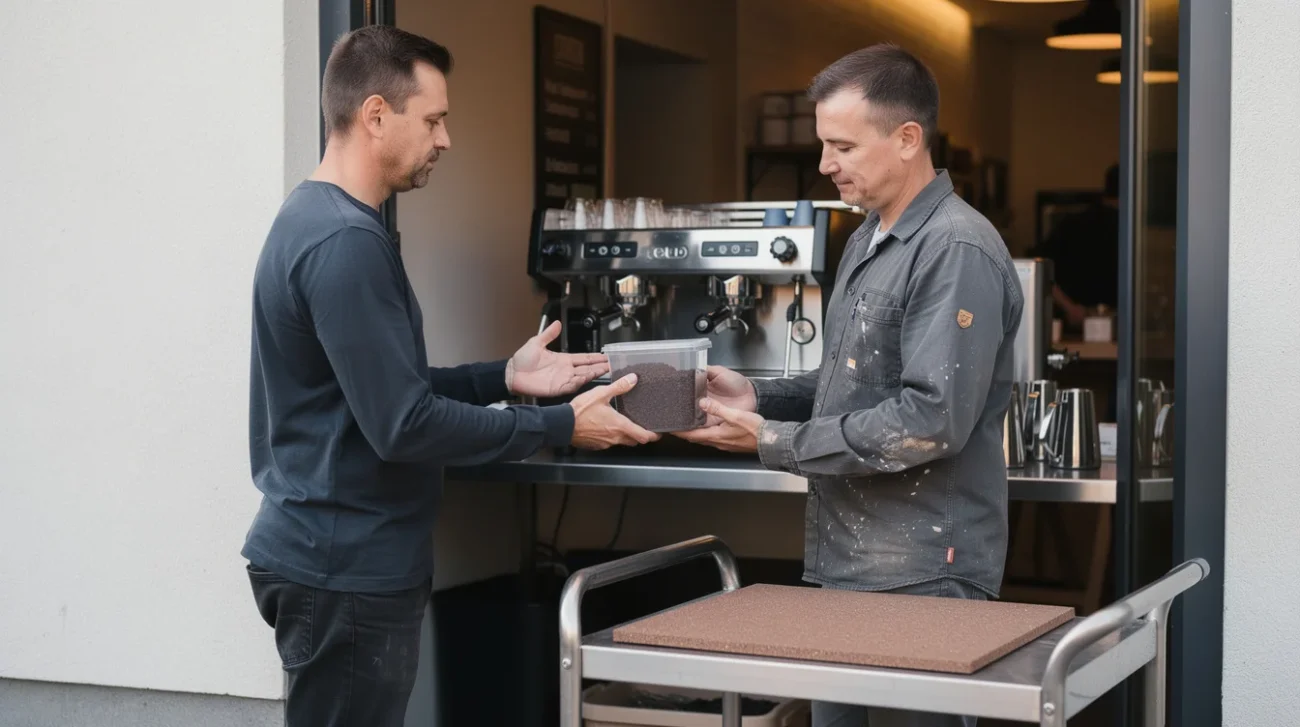
Could cafés turn coffee grounds and other waste into local interiors? A speculative materials network puts hygiene, energy and labour before circular hype.