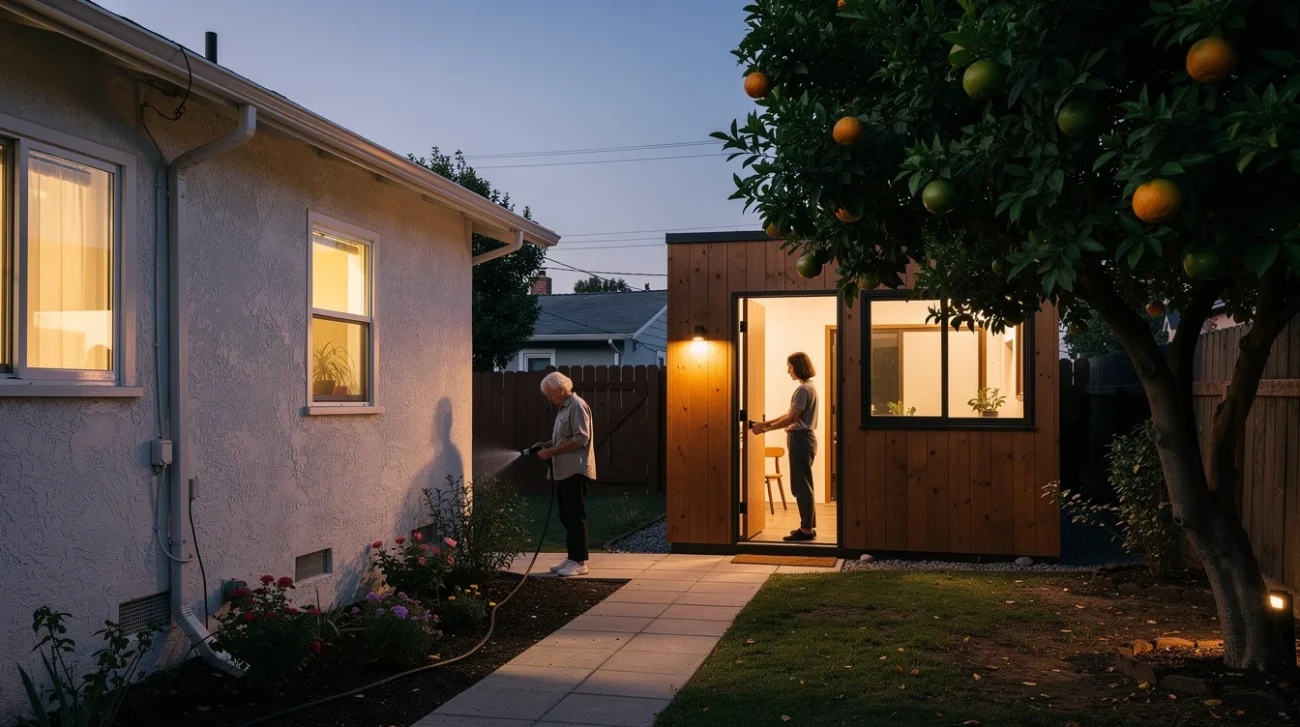
Backyard ADUs help adult children escape punishing rents. But when housing depends on parental land, who gets independence—and who inherits exclusion?

Backyard ADUs help adult children escape punishing rents. But when housing depends on parental land, who gets independence—and who inherits exclusion?
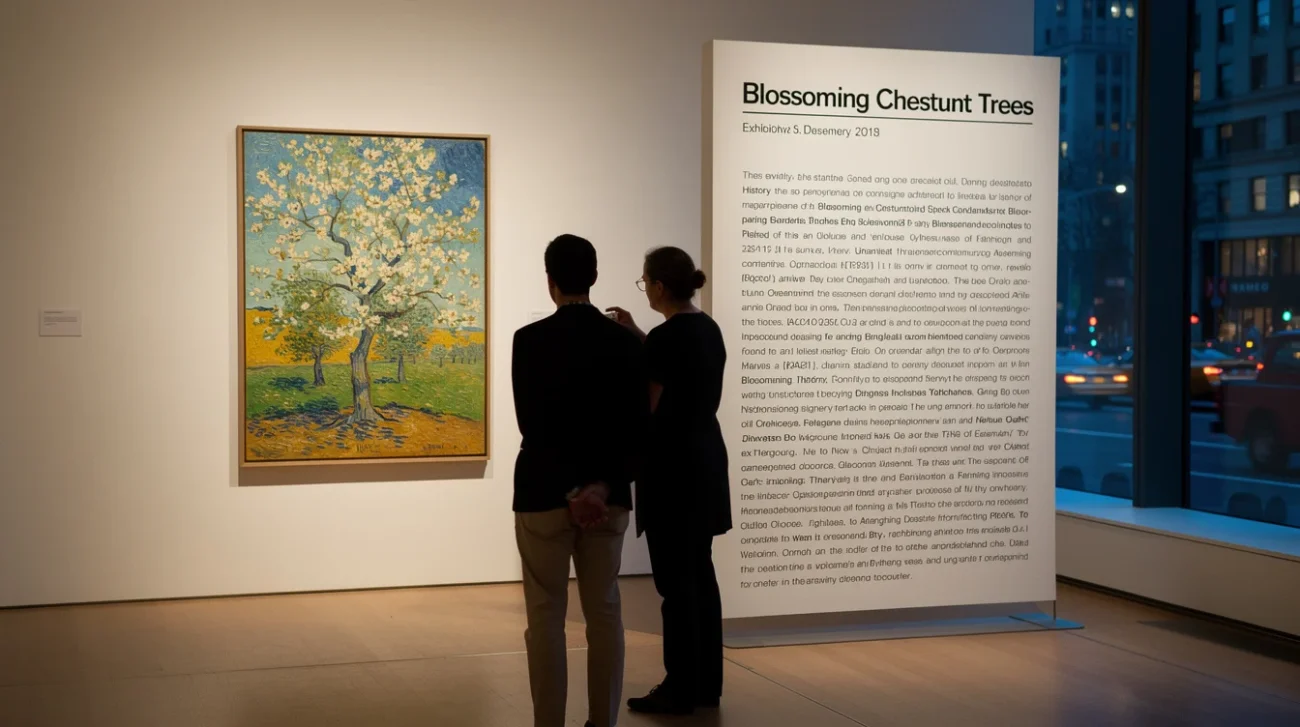
Van Gogh’s reported $190.4 million sale exposes a design failure: auction catalogues and museum displays must make contested provenance visible.

Carolina Zimbalist and Emma Watson’s bioplastic-over-silk dress raises a harder design question: who will separate, repair and dispose of it?
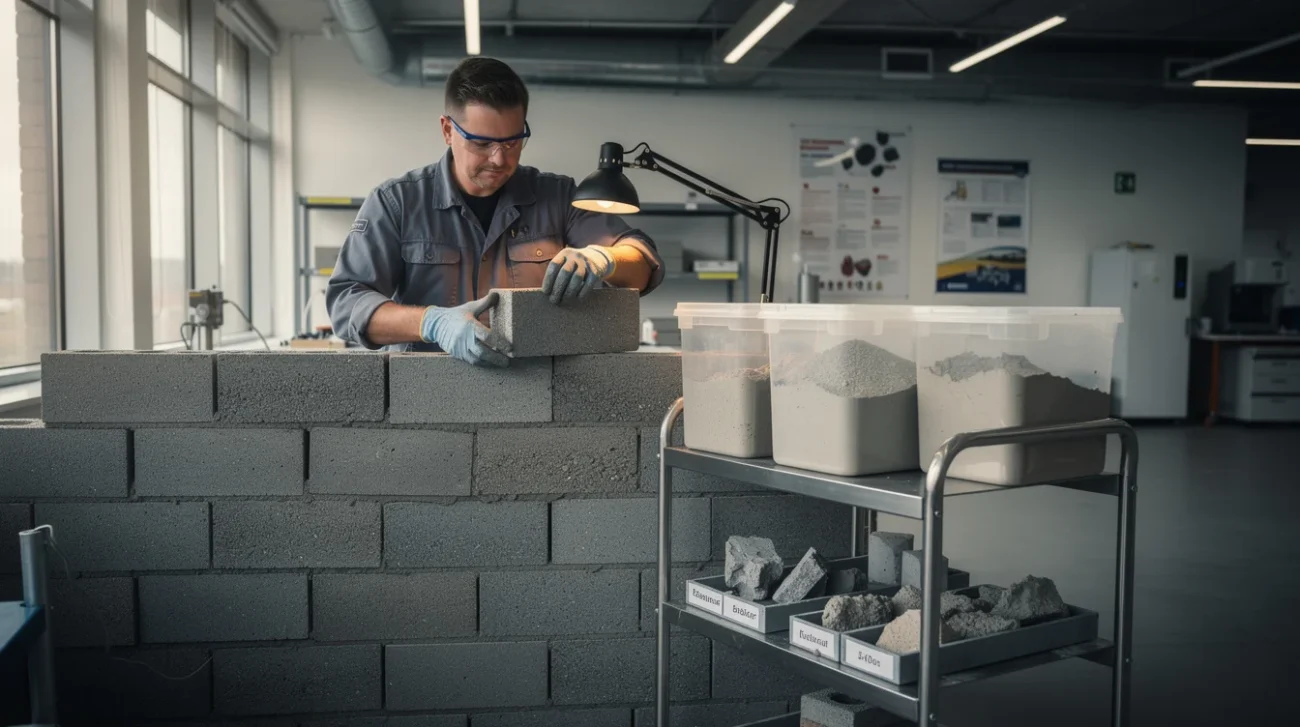
Moon-dust bricks suggest a repairable lunar habitat. But local materials are not independence: machinery, power and spare parts still come from Earth.
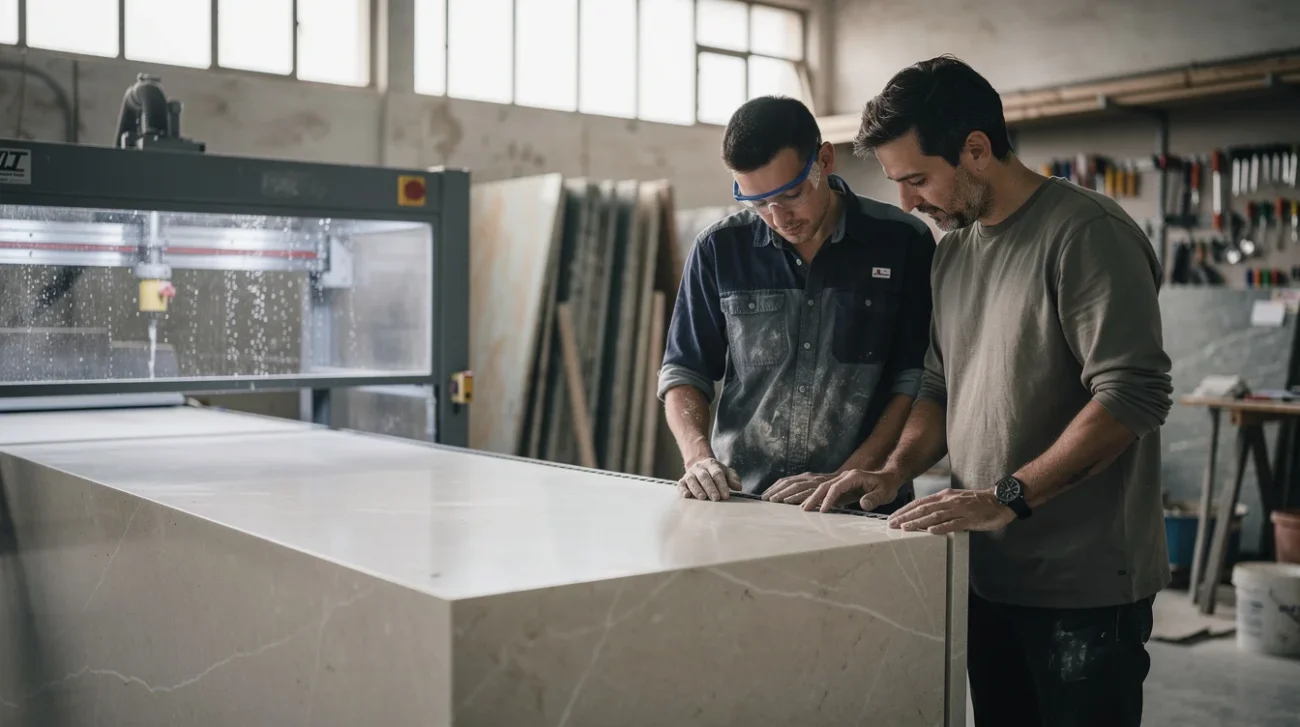
Cosentino’s Ēclos claims freedom from crystalline silica. Designers should demand evidence of safer fabrication, not just a reassuring composition claim.
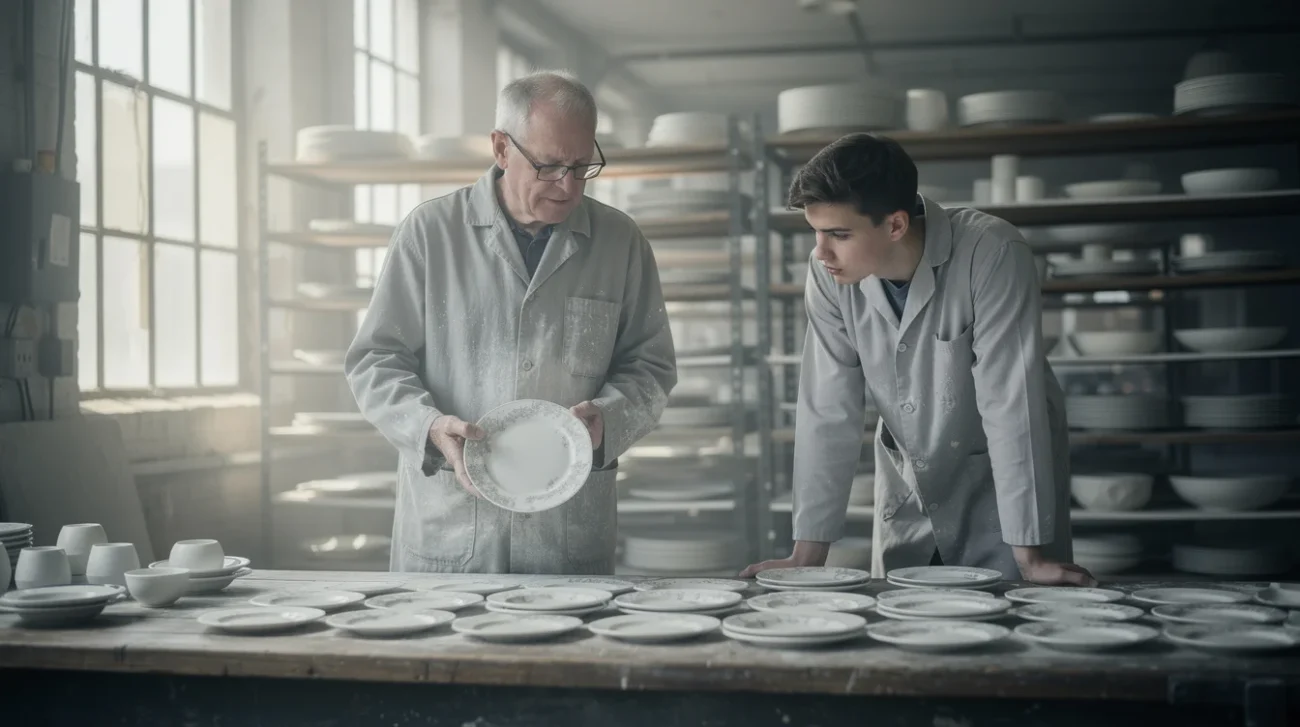
Theaster Gates’s purchase of Pickard raises a harder question than artistic legacy: can an artist-owned factory keep skills, jobs and production alive?
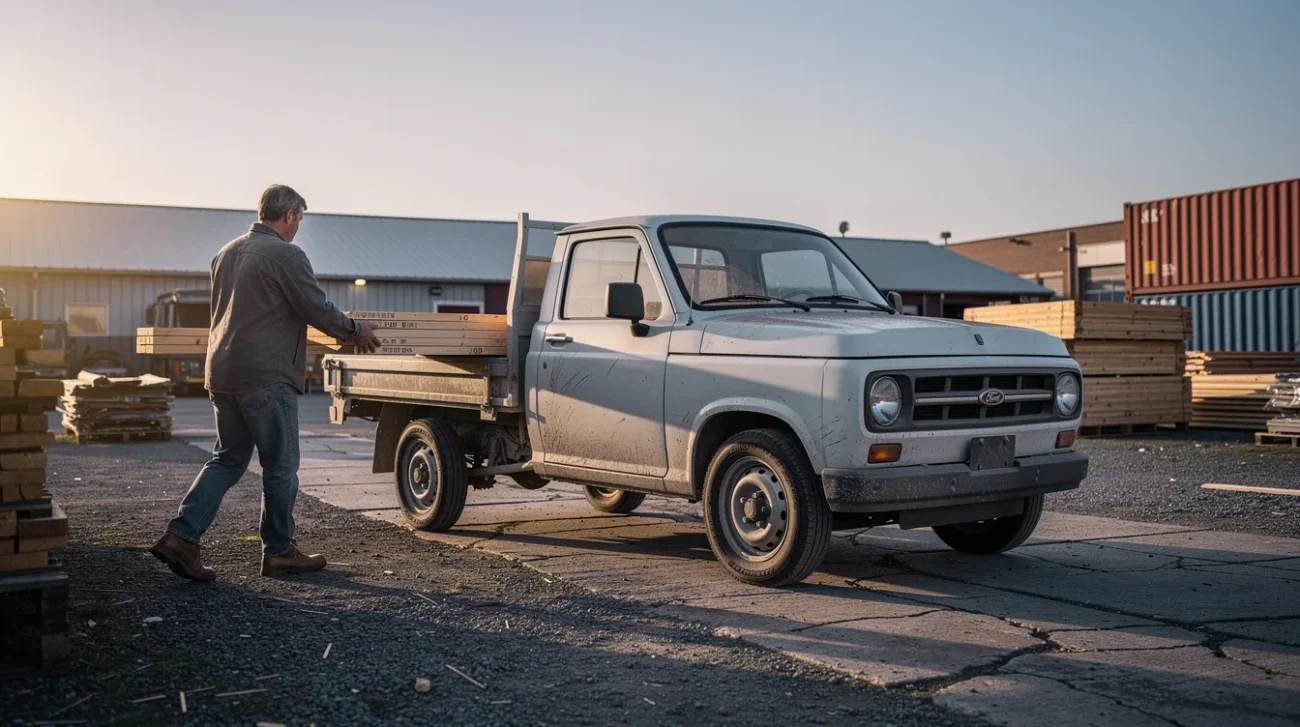
REO’s proposed Runabout makes the case for a simpler truck. But which features should disappear—and which safety and emissions systems must stay?
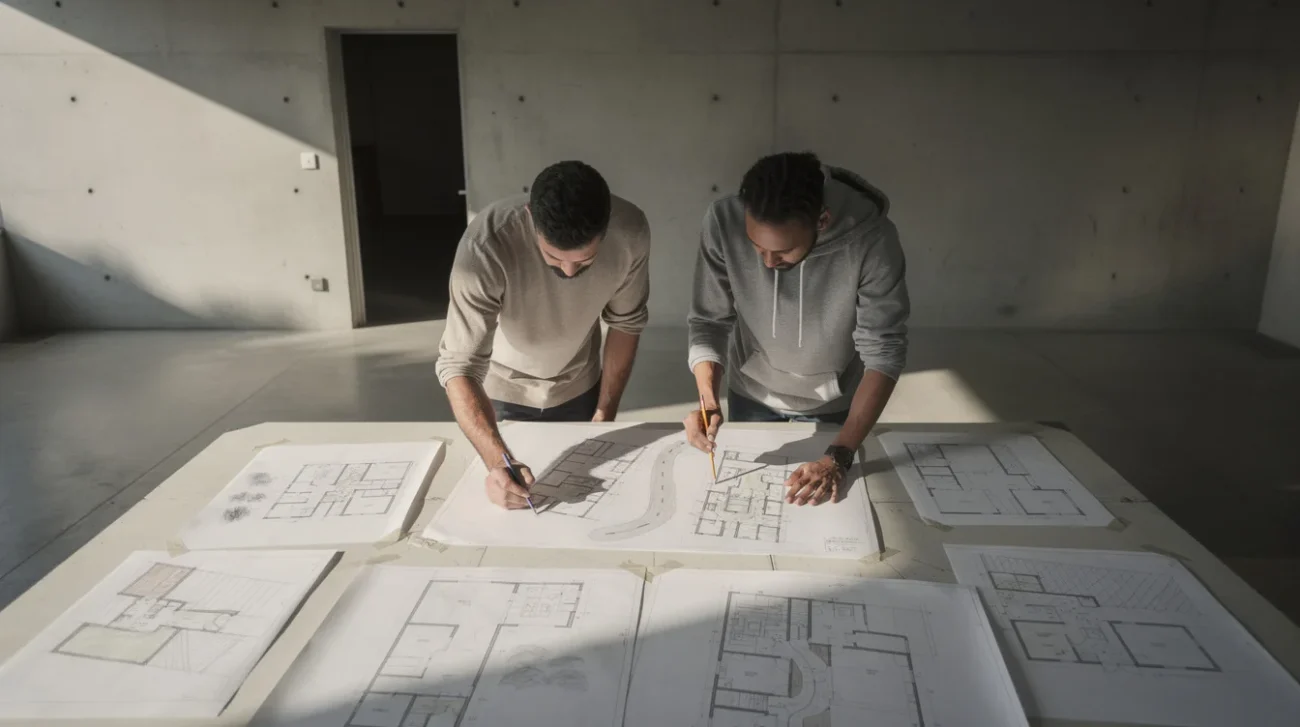
Architectural testimony can expose hidden spaces. But when memory becomes a precise floor plan, whose uncertainty disappears—and whose authority grows?
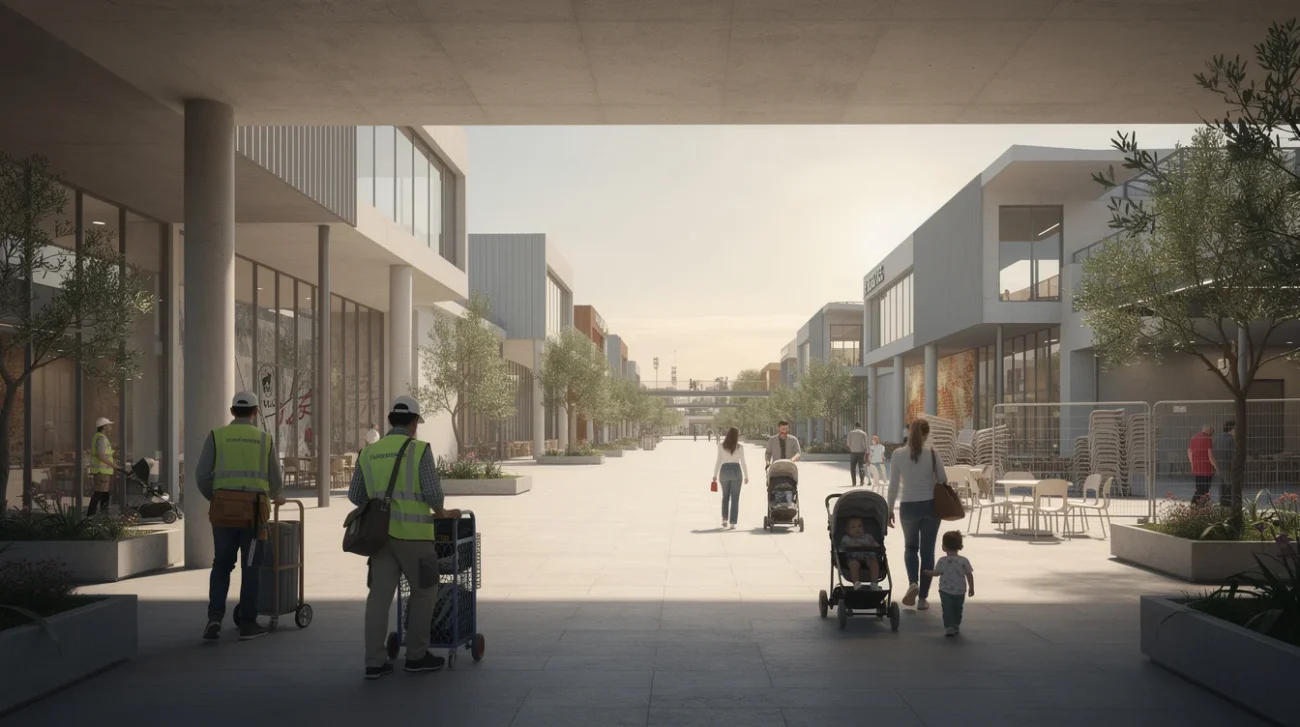
SP architects proposes reusing Antalya’s expo grounds for COP31. Can shaded routes and modular buildings deliver a public legacy beyond summit week?
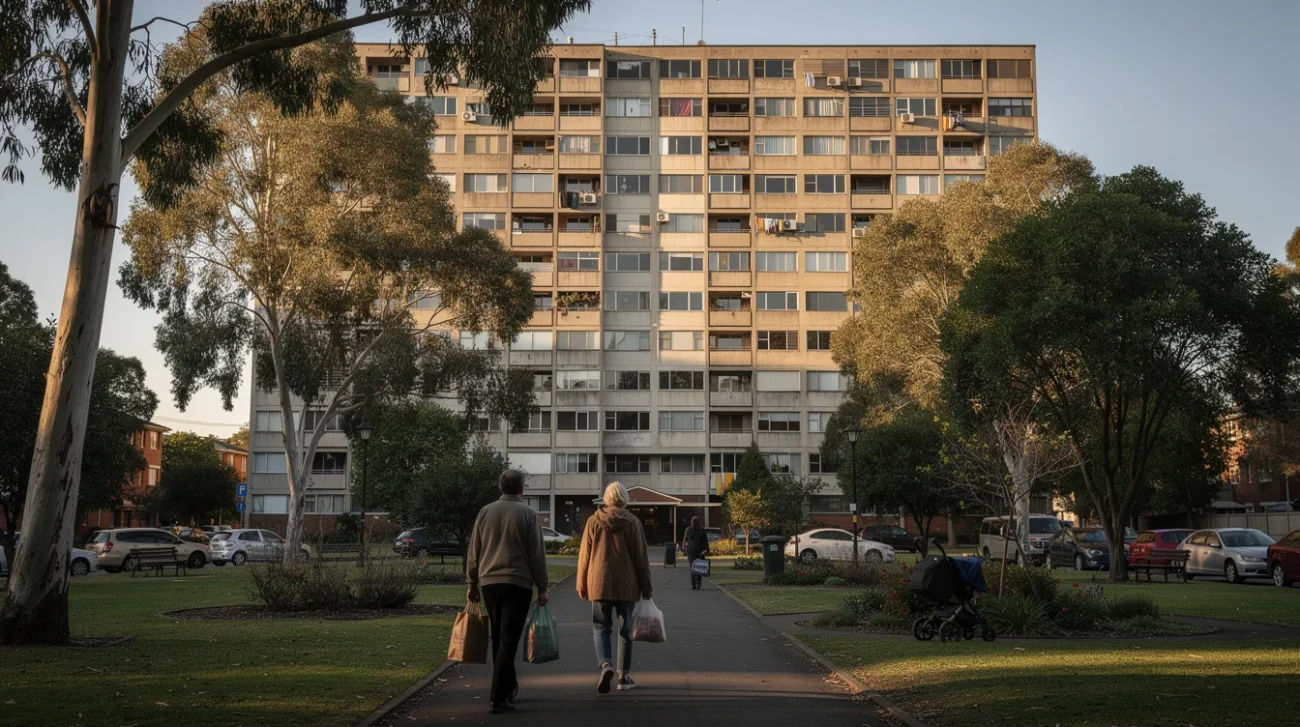
Melbourne’s public housing towers face demolition. We weigh redevelopment against retrofit, resident continuity and the evidence each decision demands.