Francesc Gasch
Founder & Editor, Mainifesto
Founder and Editor of Mainifesto. Barcelona-based designer writing about architecture, design, technology and culture, with responsibility for the publication’s editorial direction and standards.



SS United States is now an artificial reef. Can monitored marine benefits justify the irreversible loss of an accessible maritime design landmark?
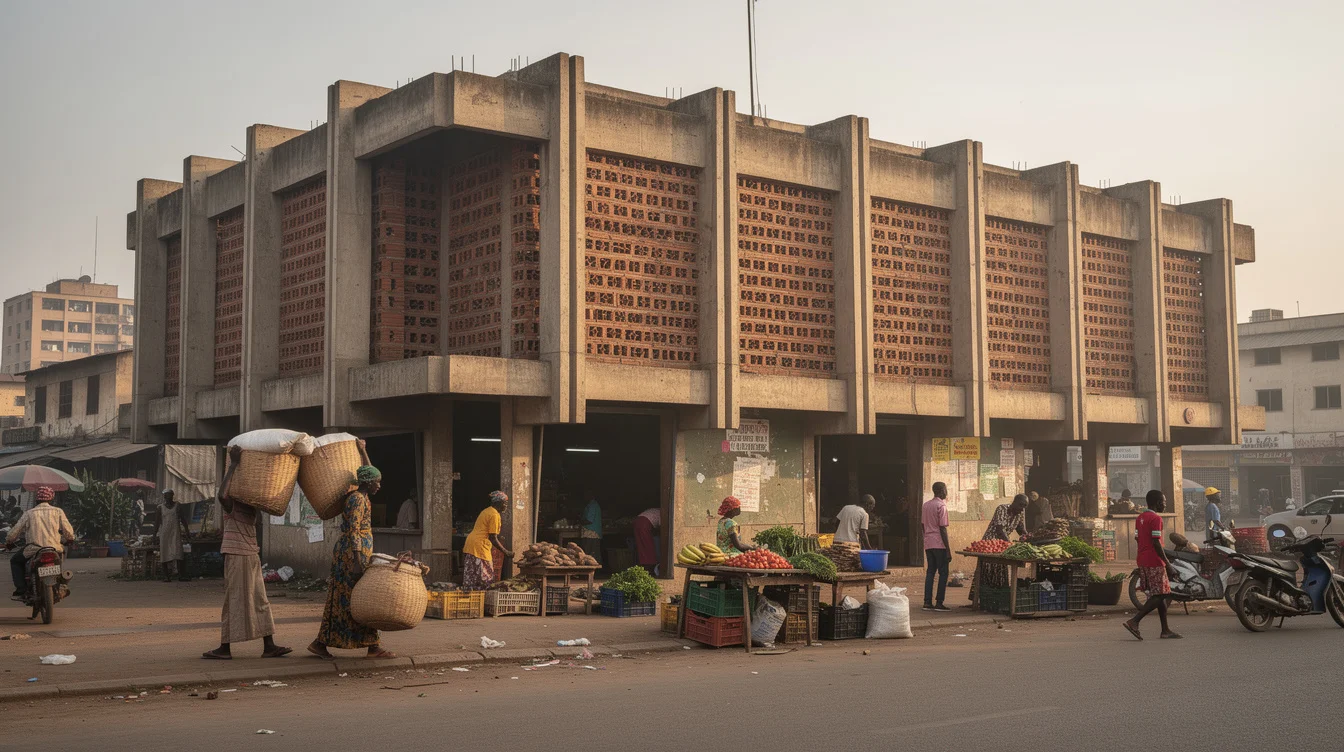
Kinshasa’s Zando Central Market promises space for 20,000 vendors. But stall allocation, fees and operating rules will decide who can actually trade.
Pedrali’s Orgatec presentation frames a workplace dilemma: do hospitality-inspired offices offer real choice, or make constant availability more inviting?
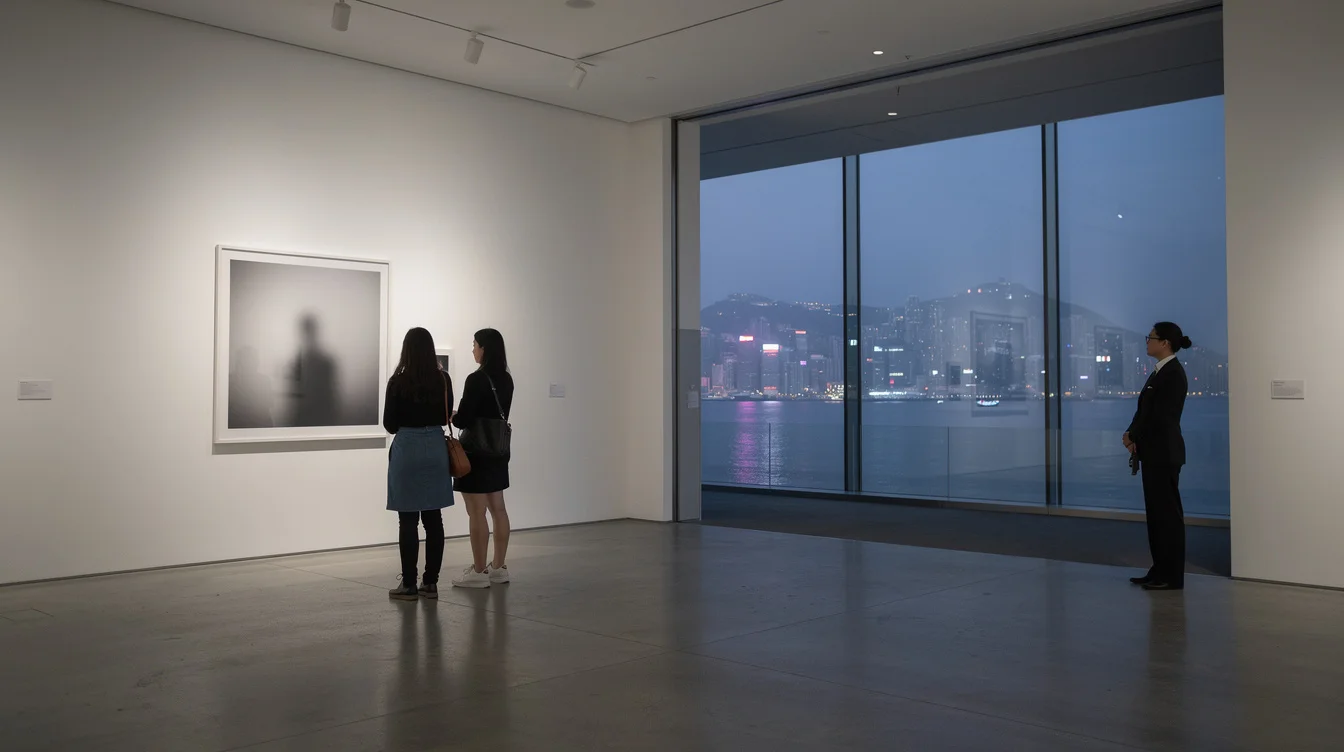
M+, MoMA and Centre Pompidou promise cultural exchange. Can their alliance defend curatorial freedom—or export the strictest partner’s limits?
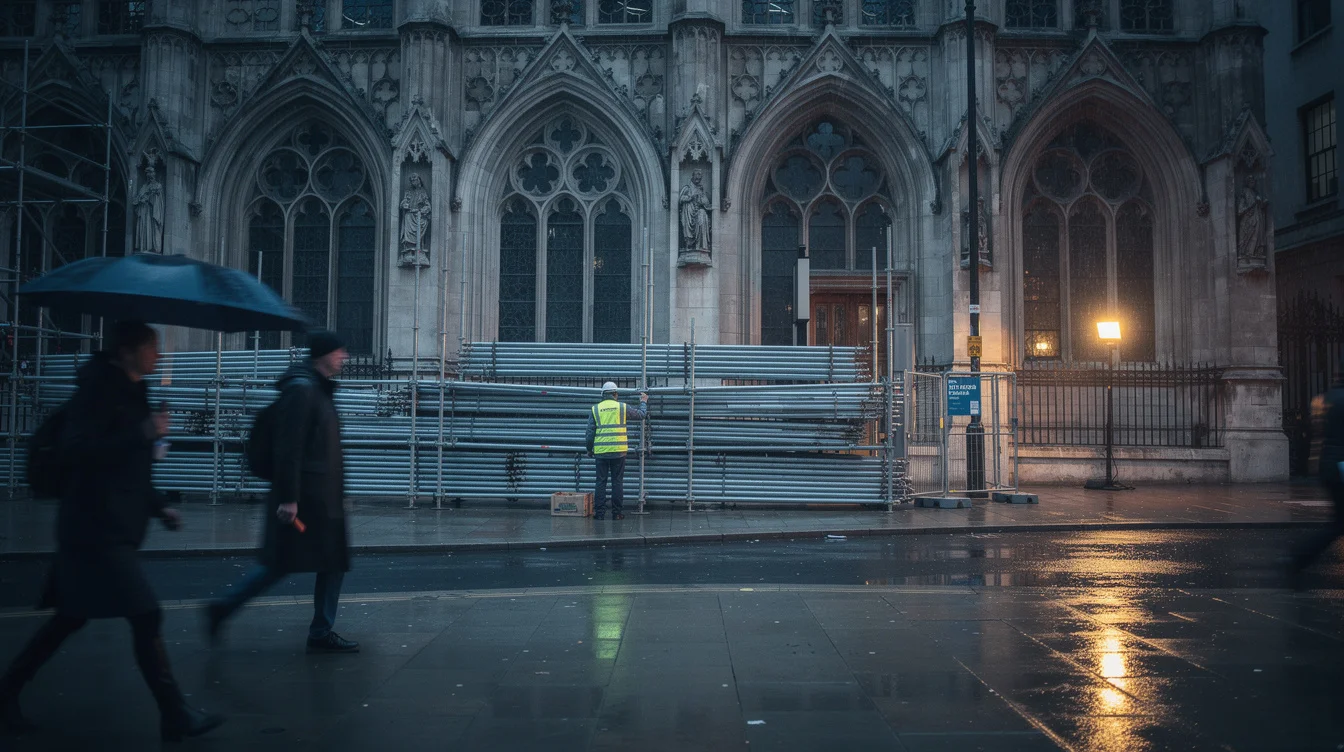
A fire warning at Westminster exposes the false economy of delay. Parliament must price the risks of staying put, not just the disruption of
As American dorm rooms become influencer sets, personal expression collides with spending pressure, roommate politics and the price of belonging.
Birds are turning anti-bird spikes into nests. Their uninvited adaptations challenge architecture to accommodate animal choices, not just approved habitats.
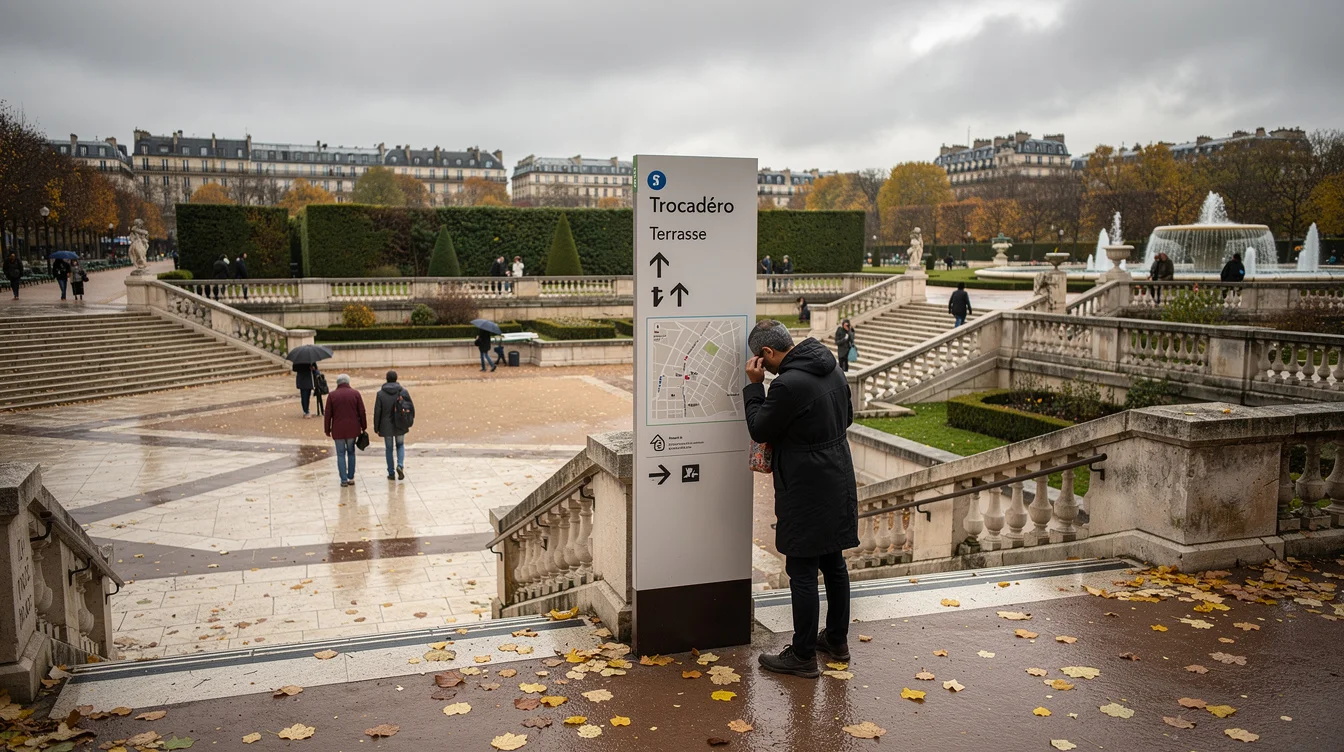
Chartier-Corbasson’s Paris public toilets raise a harder design question: can people find, reach and rely on an underground essential?
CurifyLabs’ PharmaPrinter Aurum raises a design question: can automated compounding reduce repetitive work without weakening pharmacists’ judgement?
Mori makes robot companionship look like ordinary furniture. Should domestic robots invite attachment—or make their simulated affection impossible to miss?