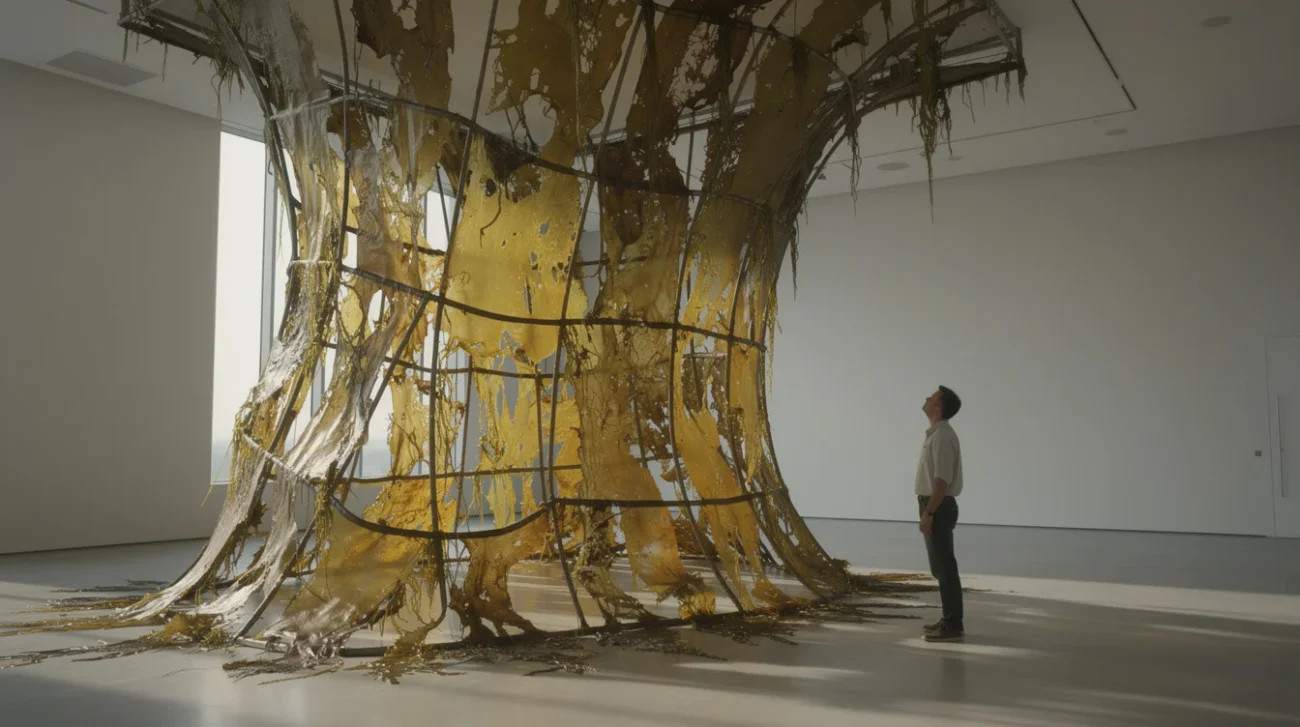

SS United States: Artificial Reef or Sunken Heritage?
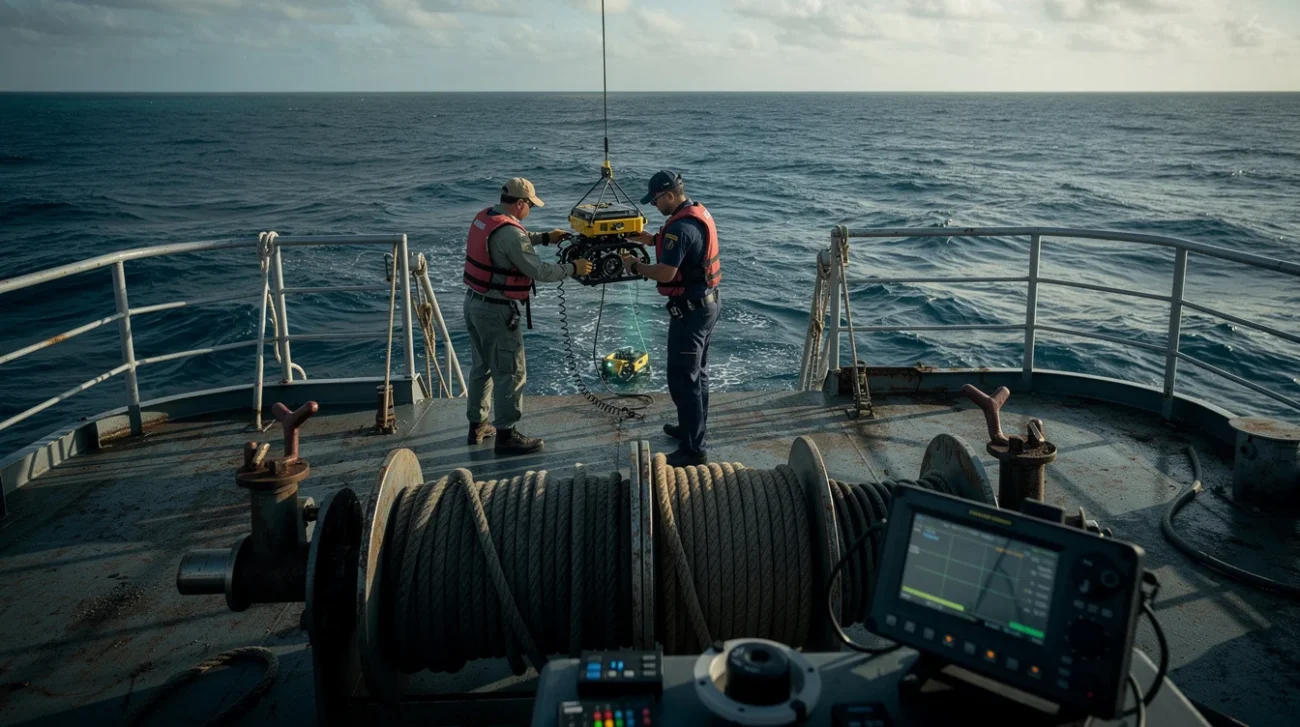
An Ocean Liner’s Afterlife: Ecological Asset or Sunken Heritage?
A ship can stop transporting people without becoming disposable. That is the uncomfortable premise beneath the sinking of SS United States, the American ocean liner designed under naval architect William Francis Gibbs. According to Dezeen’s report published on 13 November 2026, the vessel was sunk on Wednesday off Florida, 180 feet underwater, to become a destination for divers and researchers.
The competing futures are not simply conservation versus destruction. They are two forms of stewardship: one preserves an industrial object for human interpretation; the other dismantles its original purpose to create underwater structure. Both demand money, maintenance and accountability. The label “world’s largest artificial reef” settles nothing. Size describes the intervention, not its ecological performance or cultural legitimacy.
PRO: A Retired Product Can Become Living Infrastructure
The strongest argument for sinking SS United States is not spectacle. It is that a redundant manufactured object can acquire a useful second life without pretending its original market still exists. The liner entered service in 1952, when transatlantic travel made speed, prestige and accommodation part of one enormous product. Jet aviation undermined that proposition. Preserving the vessel indefinitely required a new operating model, not just admiration for its silhouette.
Underwater, a large hull offers hard surfaces, shaded cavities and vertical relief. Depending on local conditions, those features can support attached organisms and provide shelter or feeding opportunities for fish. Florida already has substantial precedents: the aircraft carrier USS Oriskany, sunk off Pensacola in 2006, and USS Spiegel Grove, sunk near Key Largo in 2002. They demonstrate that large vessels can become enduring dive destinations. They do not establish that every sinking produces equivalent ecological benefits.
That distinction matters. A reef crowded with fish may be attracting animals from nearby habitat rather than increasing regional populations. The defensible claim is therefore conditional: SS United States could become valuable habitat if its location, preparation and management support ecological functions that would otherwise be absent. An underwater crowd is a promising observation, not yet a conservation result.
PRO: Make the Reef a Measured Design Project
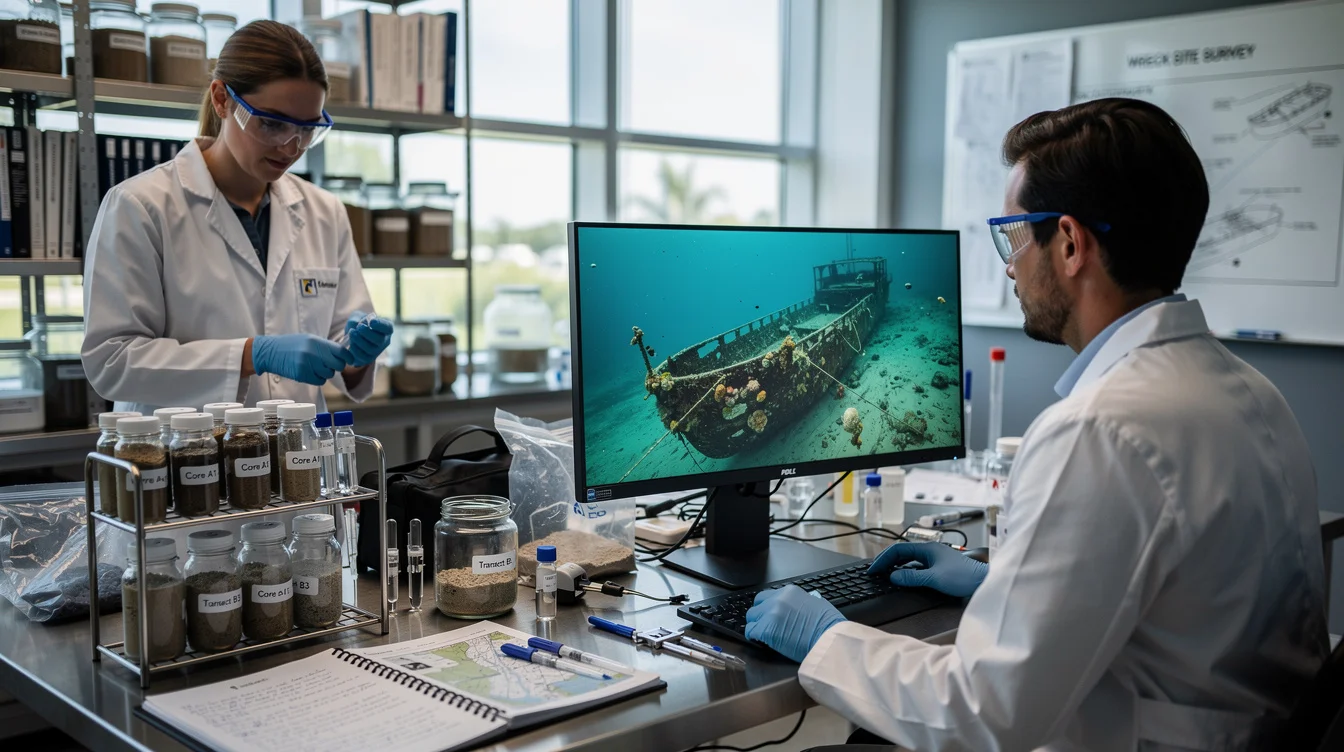
Artificial reefing deserves support when it is treated as an accountable environmental intervention. That begins before sinking. The US Environmental Protection Agency and Maritime Administration’s Best Management Practices for Preparing Vessels Intended to Create Artificial Reefs provide a relevant reference for addressing fuels, oils, PCBs, asbestos and other materials of concern. For SS United States, publication of the actual cleaning inventory, sampling results and independent verification would matter more than ceremonial assurances.
Monitoring should then test a clear hypothesis: does this structure improve habitat without creating unacceptable contamination, fishing pressure or disturbance? Researchers need pre-sinking baseline surveys, comparable control sites and repeated observations across seasons and years. Remotely operated vehicles, fixed photographic transects and water or sediment sampling can track colonisation, structural change and potential pollution. Fish abundance should be considered alongside species composition, size distribution and evidence of reproduction or juvenile survival.
There is also a credible public-use argument. A managed wreck can support research, specialist diving and coastal livelihoods. Revenue could help finance monitoring if agreements explicitly reserve money for it. But visitor numbers alone are not environmental evidence. The pro position becomes persuasive only when the vessel’s afterlife has a funded management plan, public reporting and thresholds that trigger intervention. Otherwise, “regeneration” is merely an attractive name for disposal.
CONTRA: The Object Lost Is More Than a Steel Shell
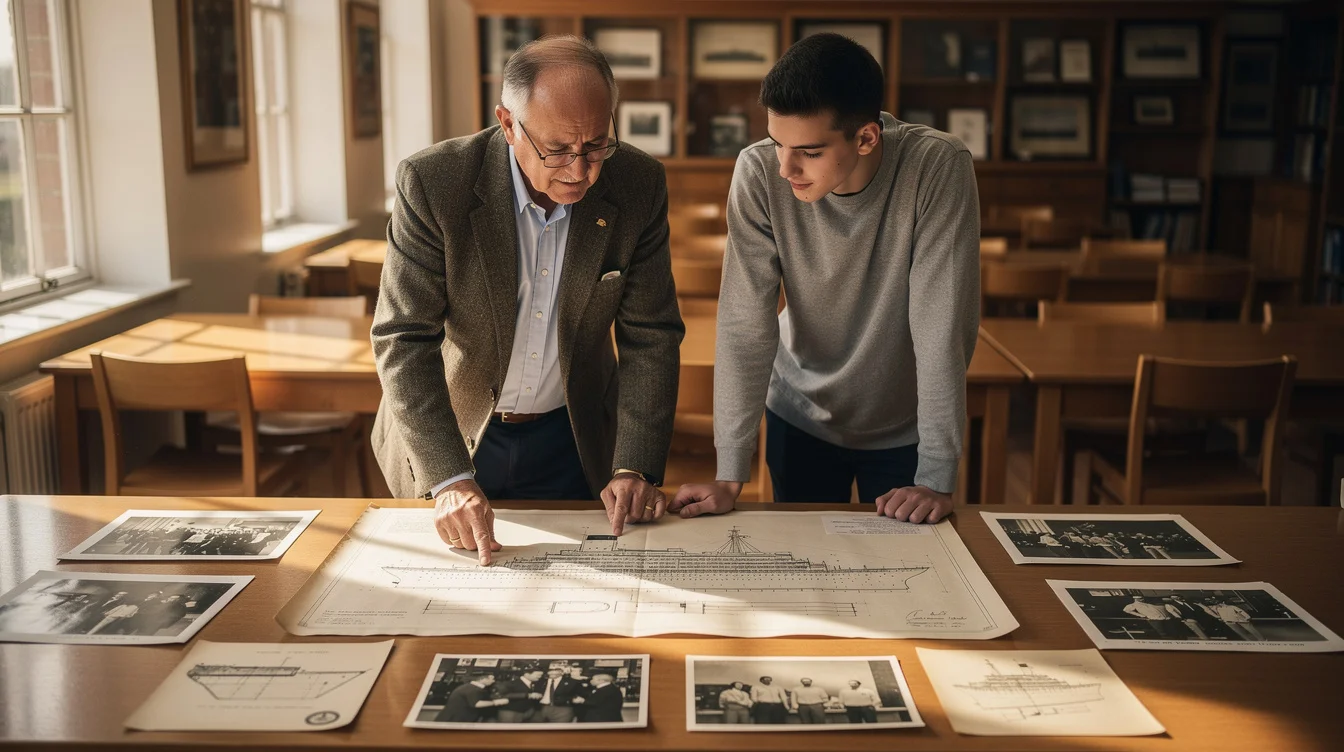
The strongest objection is equally material: SS United States was not interchangeable scrap. Its long hull, twin funnels and lightweight superstructure embodied a particular American synthesis of engineering, industrial ambition and maritime identity. Gibbs’s pursuit of speed and fire safety made the liner an unusually integrated design object. Its record-setting 1952 Atlantic crossing was performance made visible at the scale of a building.
Preservation must nevertheless confront the ship’s altered condition. Much of its interior had already been removed; this was not an intact floating time capsule. Yet absence does not cancel significance. An emptied vessel can still explain structural systems, circulation, labour and the relationship between passenger experience and machinery. The shell is evidence, not merely a container for decorative rooms.
Consider the Queen Mary in Long Beach and SS Rotterdam in Rotterdam. Their hotel, hospitality and visitor uses show that retired liners can retain public-facing roles. These are not effortless templates: large historic ships require expensive upkeep, viable berths and durable institutional support. Their relevance is narrower and more challenging. They demonstrate that obsolescence does not automatically make submersion the best design response. Reefing should follow a credible comparison of alternatives, not win because the alternatives are financially inconvenient.
CONTRA: Underwater Access Is Not Public Access
The reported 180-foot depth creates a profound access problem. That is roughly 55 metres, beyond the usual recreational scuba limit of 130 feet or 40 metres. Actual access depends on the wreck’s profile and site conditions, but visiting its deeper portions requires technical training, appropriate equipment and careful planning. A landmark potentially understood by school groups and non-divers becomes an environment accessible directly to a much narrower constituency.
Remote footage, recovered artefacts and digital models can broaden interpretation. None reproduces the bodily experience of standing beside a hull or moving through a ship’s spatial organisation. Digital preservation is documentation, not a substitute object. Once submerged, corrosion, biological growth and structural collapse progressively rewrite the vessel. That transformation may be ecologically useful while remaining culturally destructive.
There is an environmental objection here too. Reefing retains a large quantity of metal underwater rather than returning recoverable material to industrial circulation. Recycling would also destroy the landmark and carry processing impacts; a museum would consume maintenance resources. The honest comparison therefore requires lifecycle assessment across realistic options, not the assumption that anything underwater becomes green. The burden of proof belongs to the irreversible choice. A credible decision should disclose why preservation, partial retention and recycling were rejected, whose values counted, and who remains responsible when the opening publicity disappears.
FAQ: What Would Make This Afterlife Defensible?
Does sinking a ship automatically create a successful artificial reef?
No. It creates submerged structure. Ecological success depends on location, preparation, colonisation and management. Monitoring must distinguish fish gathering around the wreck from a genuine increase in habitat function or regional marine production, while checking for damage to surrounding environments.
What decontamination evidence should be public?
The useful record includes a hazardous-material survey, documentation of removed fuels and oils, treatment of materials containing PCBs or asbestos where relevant, and verification against applicable requirements. Independent inspection and accessible sampling results are stronger evidence than a general statement that the ship was cleaned.
Can ordinary recreational divers visit SS United States?
The reported depth of 180 feet exceeds the usual recreational limit. Whether shallower parts are accessible depends on the wreck’s final position, conditions and operator rules. Deeper exploration should not be marketed as an ordinary tourist activity; it involves technical-diving considerations and substantial risk.
How should cultural value be weighed against marine benefits?
Through an explicit comparison of feasible alternatives, including their costs, material impacts and public accessibility. Cultural significance should be documented before irreversible change. Ecological benefits should be measured afterward, with funding and responsibility established in advance rather than left to voluntary enthusiasm.
If SS United States eventually supports abundant marine life but becomes inaccessible to almost everyone who inherited its history, what evidence would persuade you that the exchange was worth making?
Watch the Mainifesto Short
Get the Mainifesto weekly — curated design debates, speculative ideas and the week's best articles every Saturday.
Editorial Perspectives
Questions and counterpoints developed by the Mainifesto editorial desk to extend the discussion.
Perspective 1
I support the reef conversion if the realistic alternative was continued decay or a luxury redevelopment that kept the public outside anyway. Show me sustained habitat gains and an honest accounting of why public reuse failed; preserving a ship’s silhouette is not the same as keeping its history accessible.
Perspective 2
I oppose the sinking because ecological performance cannot substitute for access to an irreplaceable design landmark. Even abundant marine life would need comparison with purpose-built reefs: could we have achieved those benefits without sacrificing the ship?
Perspective 3
A public digital archive could make the ship’s drawings, spaces and workers’ stories available far beyond any dockside museum, and that’s worth pursuing. But a polished virtual tour isn’t compensation by default: I’d want independently verified ecological results and evidence that people with ties to the ship actually use and help shape the archive.
Perspective 4
You learn things from a handrail’s wear or a carefully fitted joint that photographs and species counts cannot tell you. Before calling this exchange worthwhile, I’d need to know what fittings and material samples were saved for public study, alongside long-term evidence that the reef adds habitat rather than merely gathering fish.