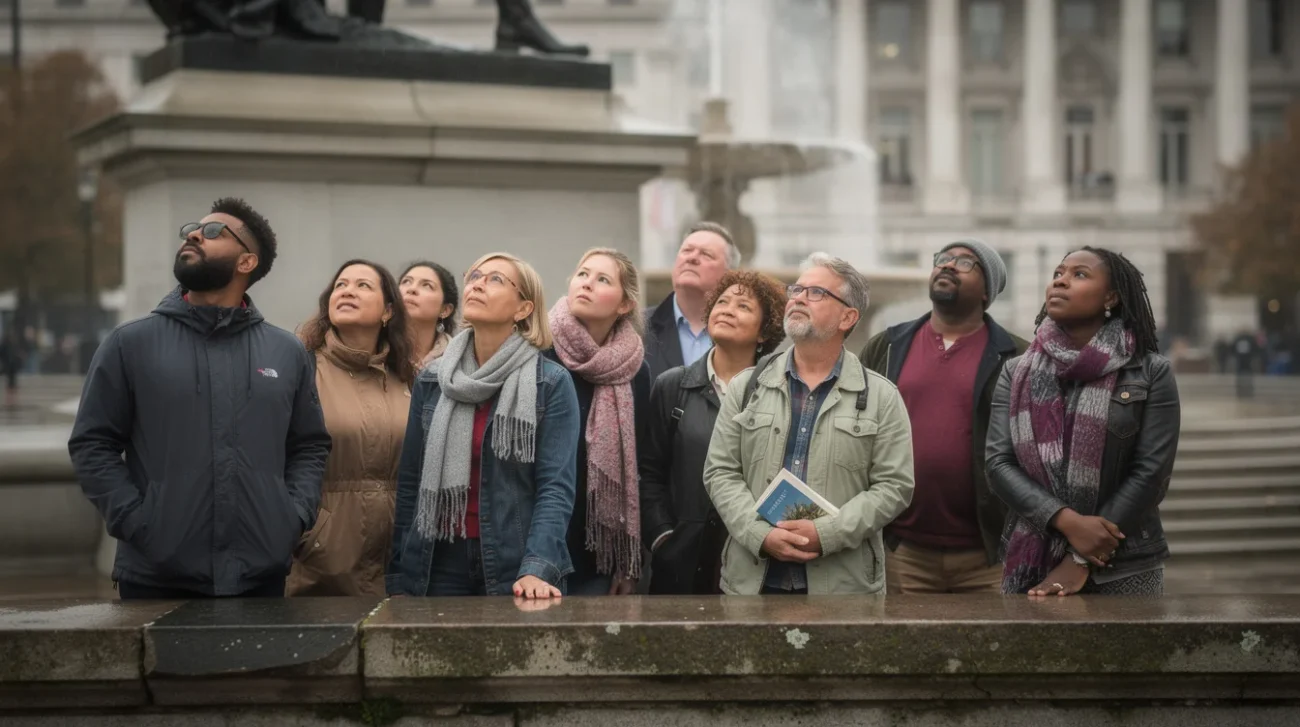
Tschabalala Self’s Lady in Blue tests whether Trafalgar Square’s architectural coherence protects public space—or polices who belongs.


Tschabalala Self’s Lady in Blue tests whether Trafalgar Square’s architectural coherence protects public space—or polices who belongs.
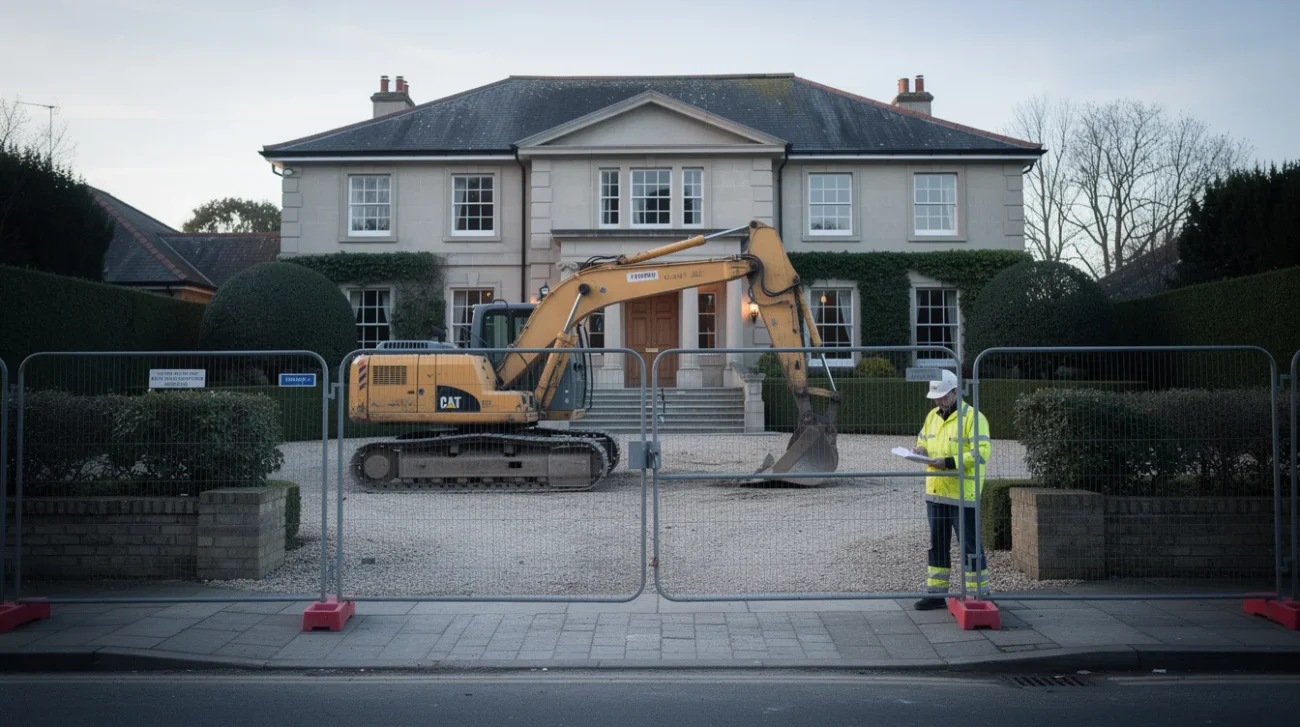
When wealthy owners raze usable homes, who pays the carbon bill? Two arguments on demolition rights, adaptation, and architects’ responsibility.
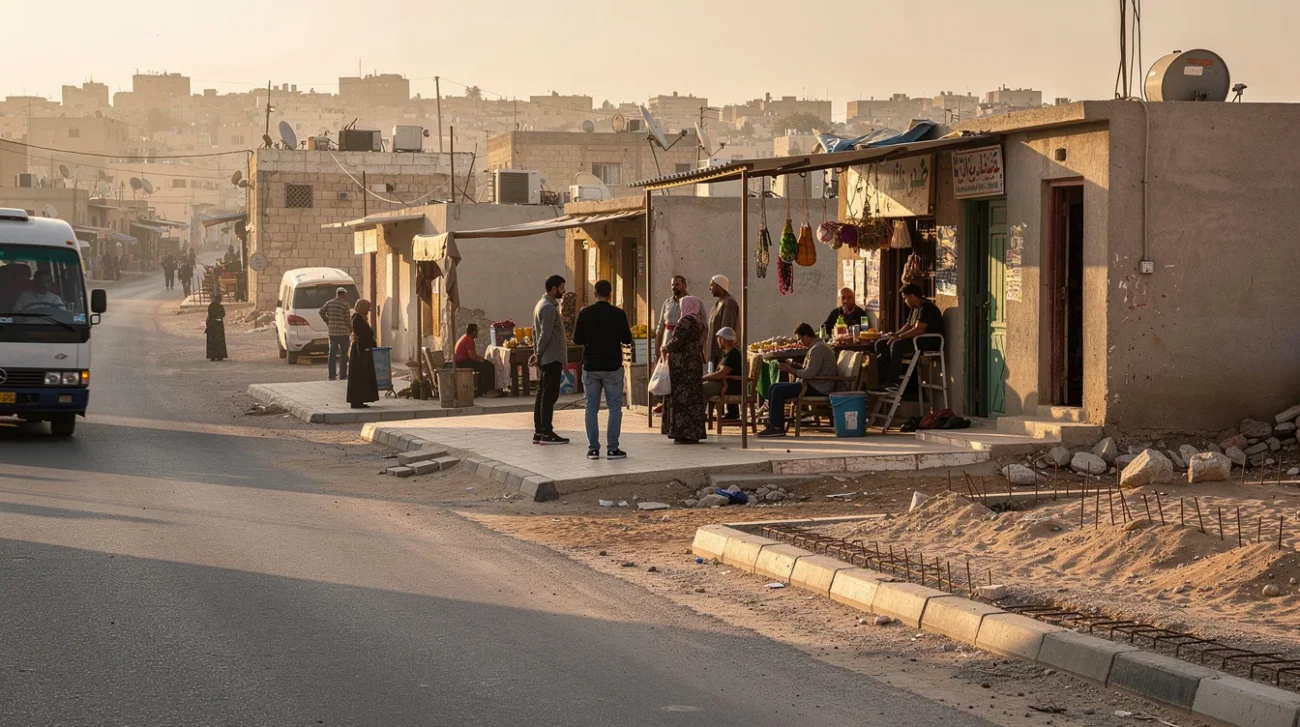
BIG’s Refugee Cities proposal tests a crucial distinction: durable homes can support freedom, but separate settlements can make exclusion permanent.
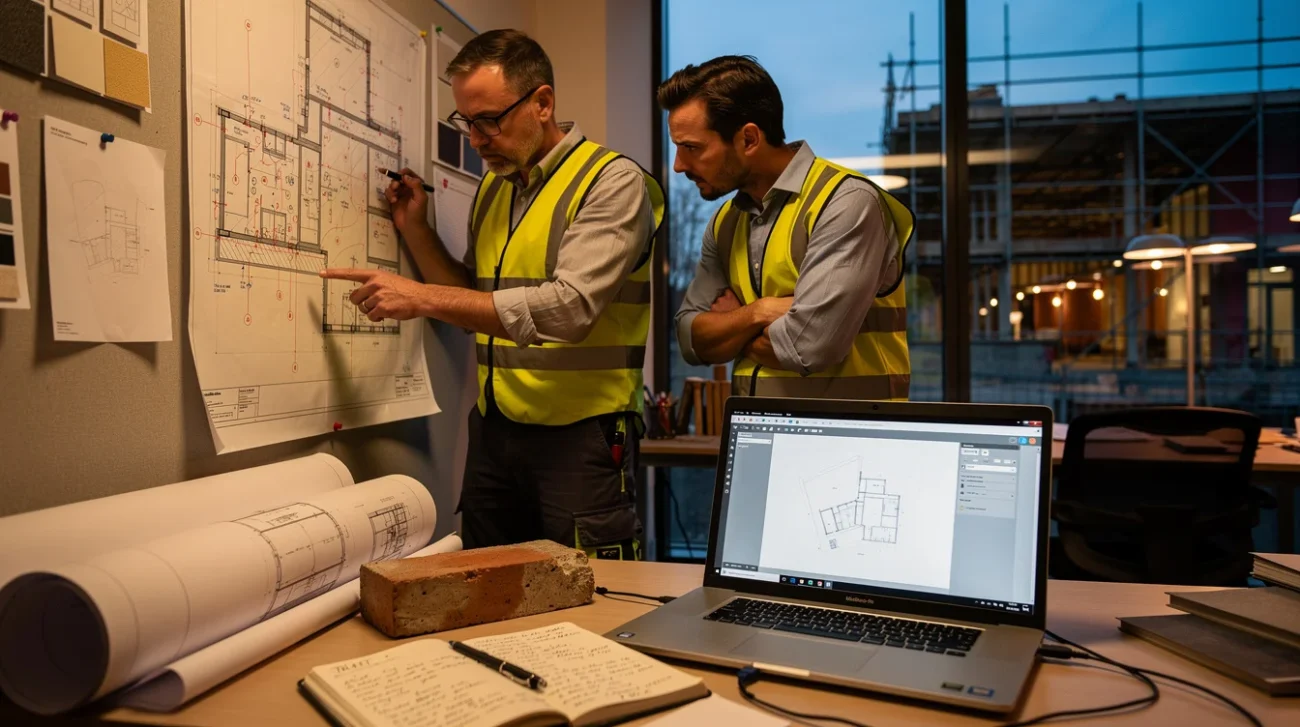
AI makes drawings cheaper. Architectural fees must reward judgment, site knowledge and responsibility—without hiding automation gains from clients.
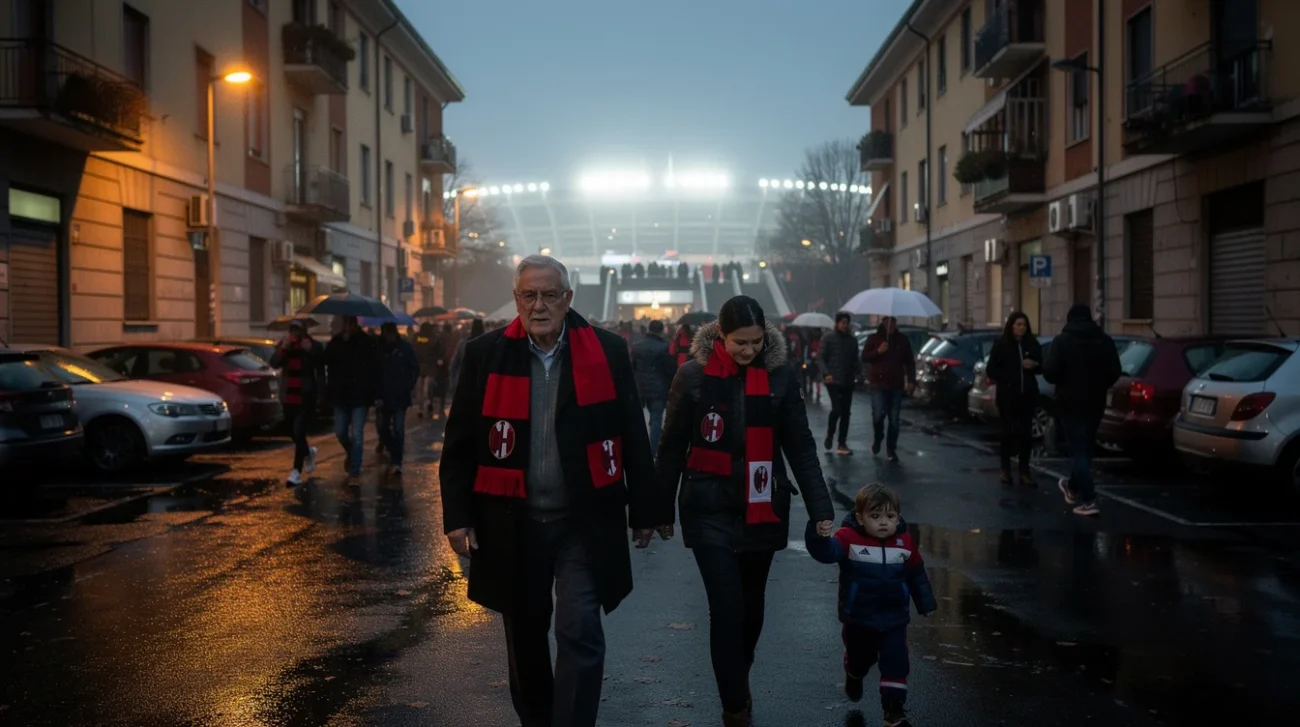
Foster + Partners and Manica’s San Siro replacement promises renewal. Will ordinary fans share the benefits—or subsidise a premium football experience?

K-Citymarket’s slow checkout challenges retail’s speed obsession. Can better interiors give shoppers time without making workers absorb the cost?
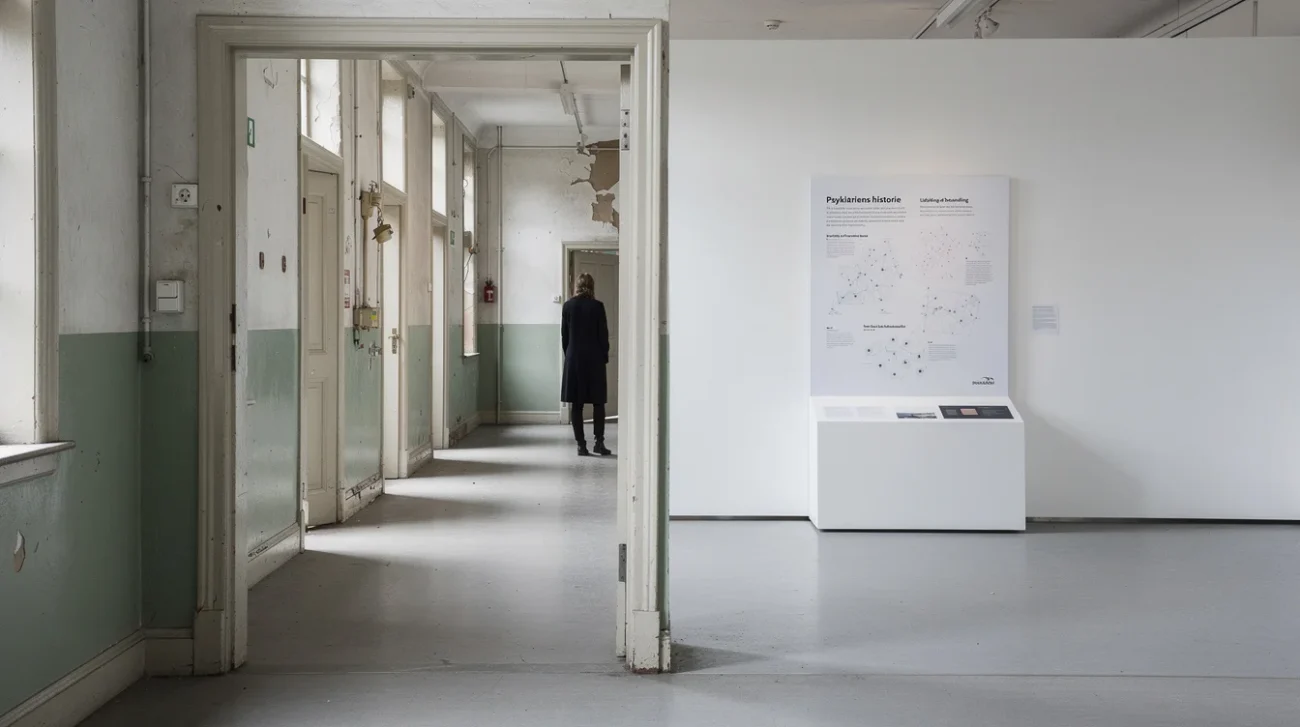
Denmark’s MIND Museum raises a difficult architectural question: can preserving psychiatric history make room for patients to challenge its official story?
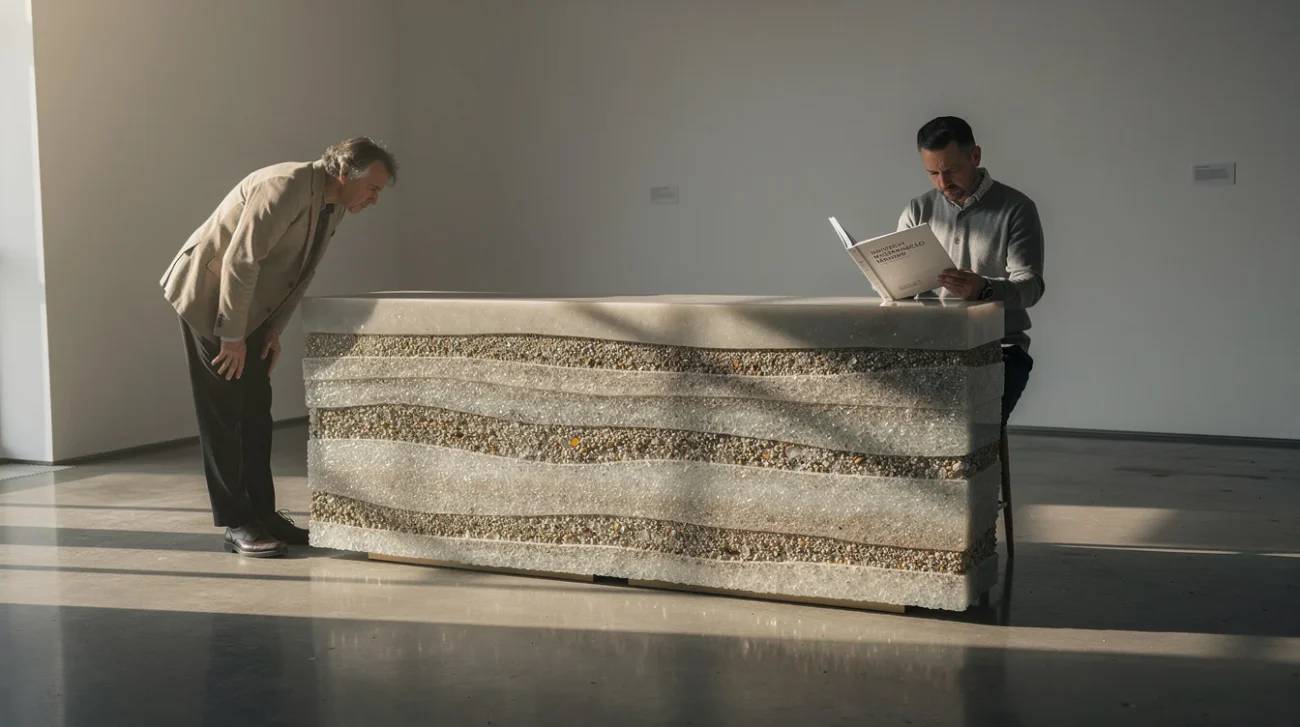
Fernando Mastrangelo’s landscape-inspired furniture raises a difficult question: can collectible design reveal conflict without making it decorative?
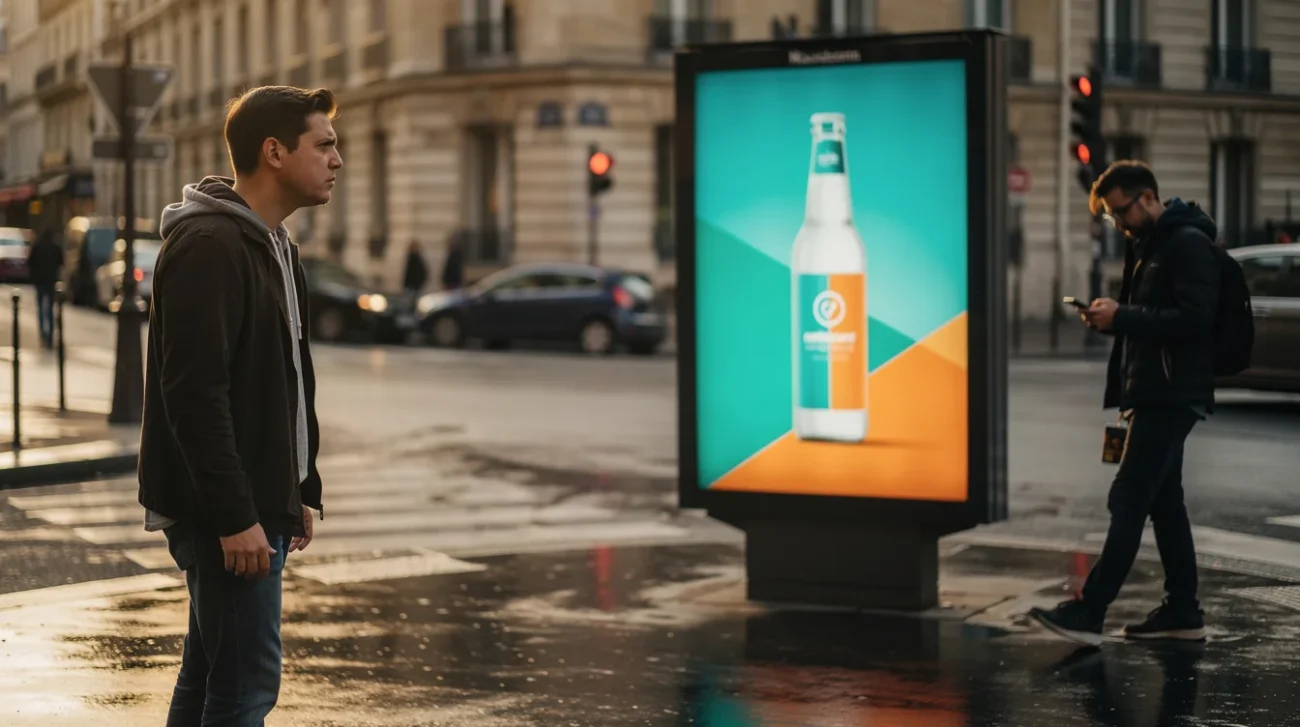
Dysturb’s fictional drink turns branding into a warning about fake news. But can a memorable deception teach lasting habits of verification?
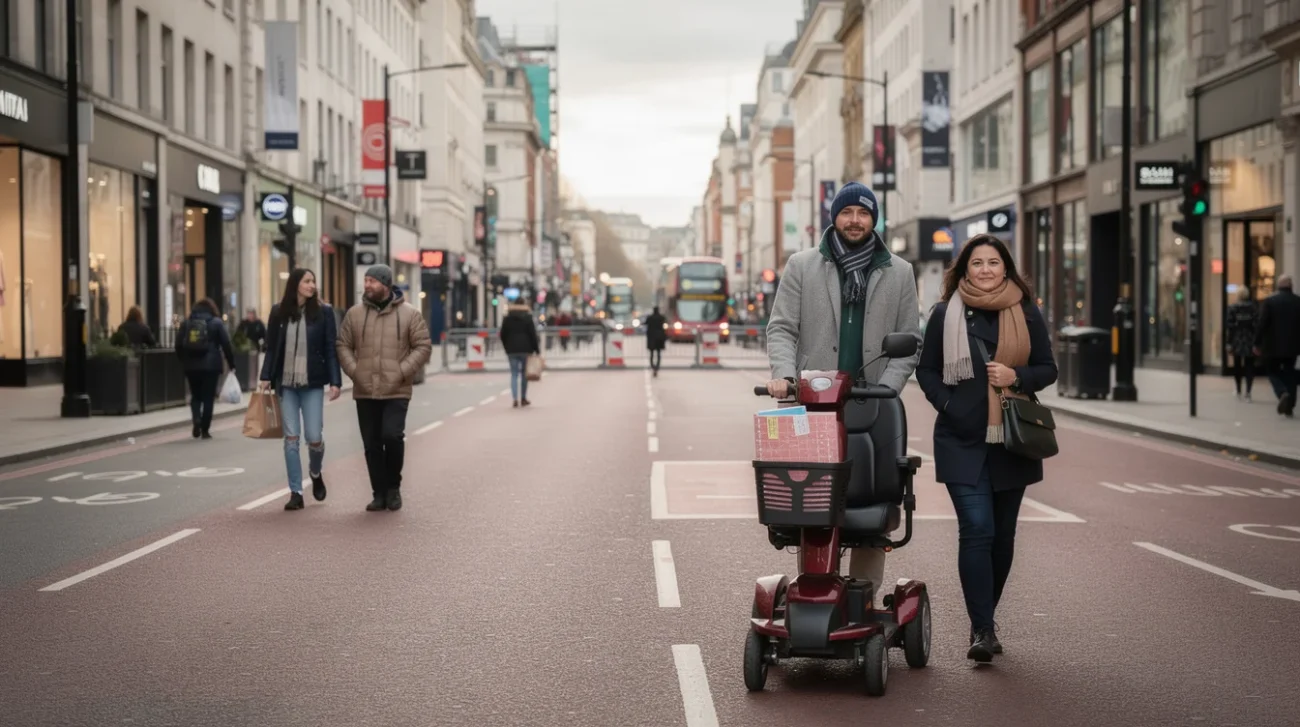
Oxford Street’s pedestrianisation must be judged by arrival points, seating, step-free routes and deliveries—not simply by the absence of cars.