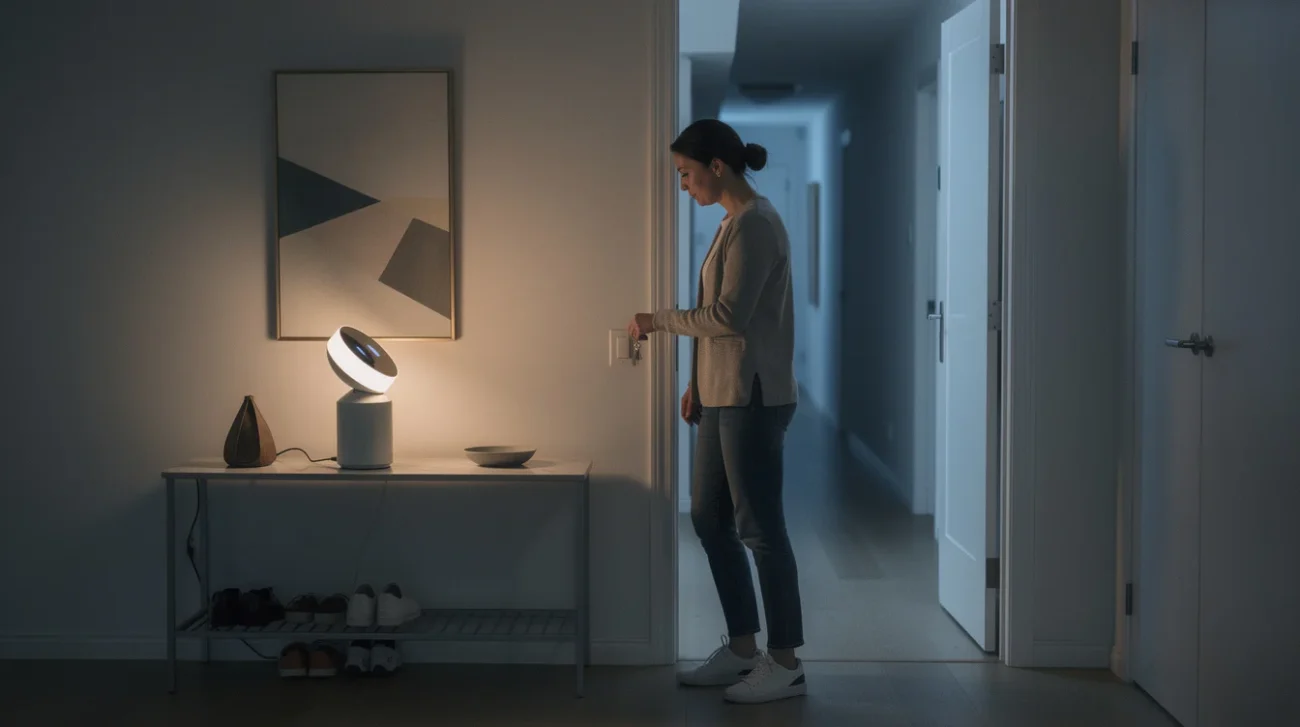
Mori makes robot companionship look like ordinary furniture. Should domestic robots invite attachment—or make their simulated affection impossible to miss?


Mori makes robot companionship look like ordinary furniture. Should domestic robots invite attachment—or make their simulated affection impossible to miss?

AI can bring unbuilt architecture into public view—or turn conjecture into history. Wren’s unrealised cathedral reveals what responsible images must disclose.
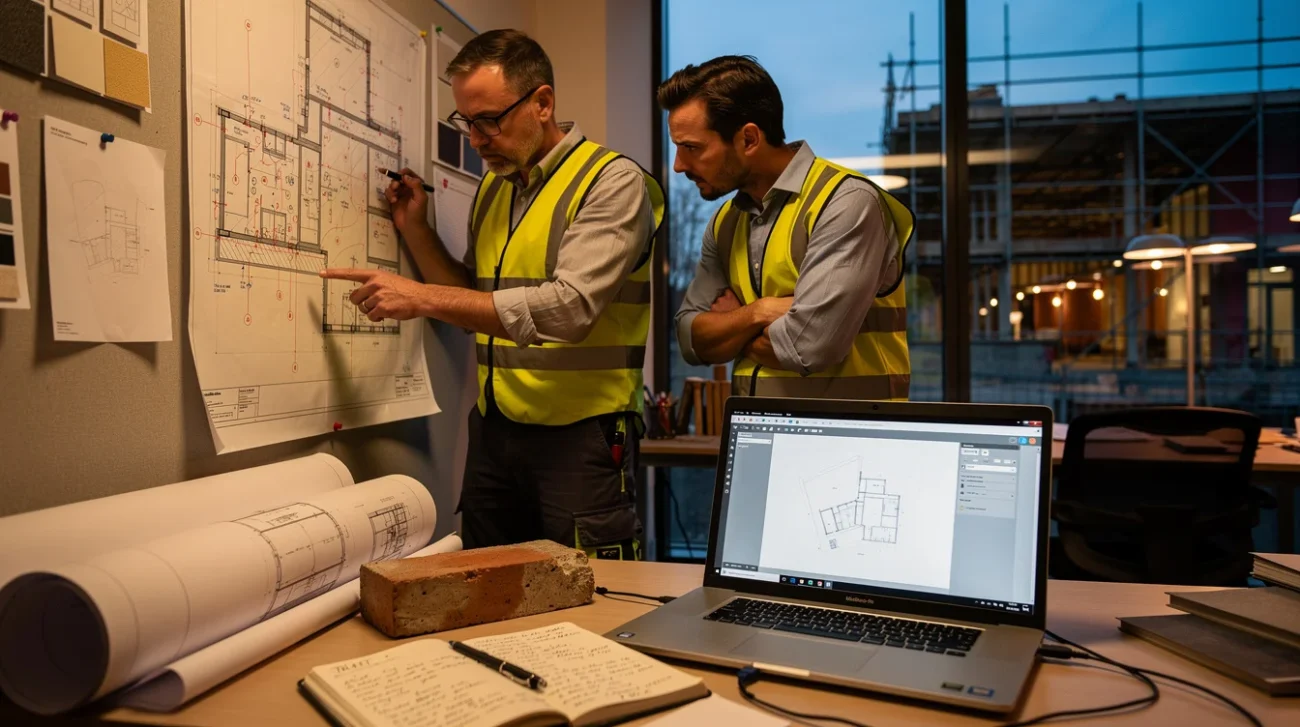
AI makes drawings cheaper. Architectural fees must reward judgment, site knowledge and responsibility—without hiding automation gains from clients.

Freckle’s AI children’s phone promises outdoor discovery. Can digital prompts open up the world without crowding out boredom and self-directed play?

MoMA’s Full Disclosure puts AI-generated memories inside information design. Can designers preserve emotional meaning without manufacturing evidence?
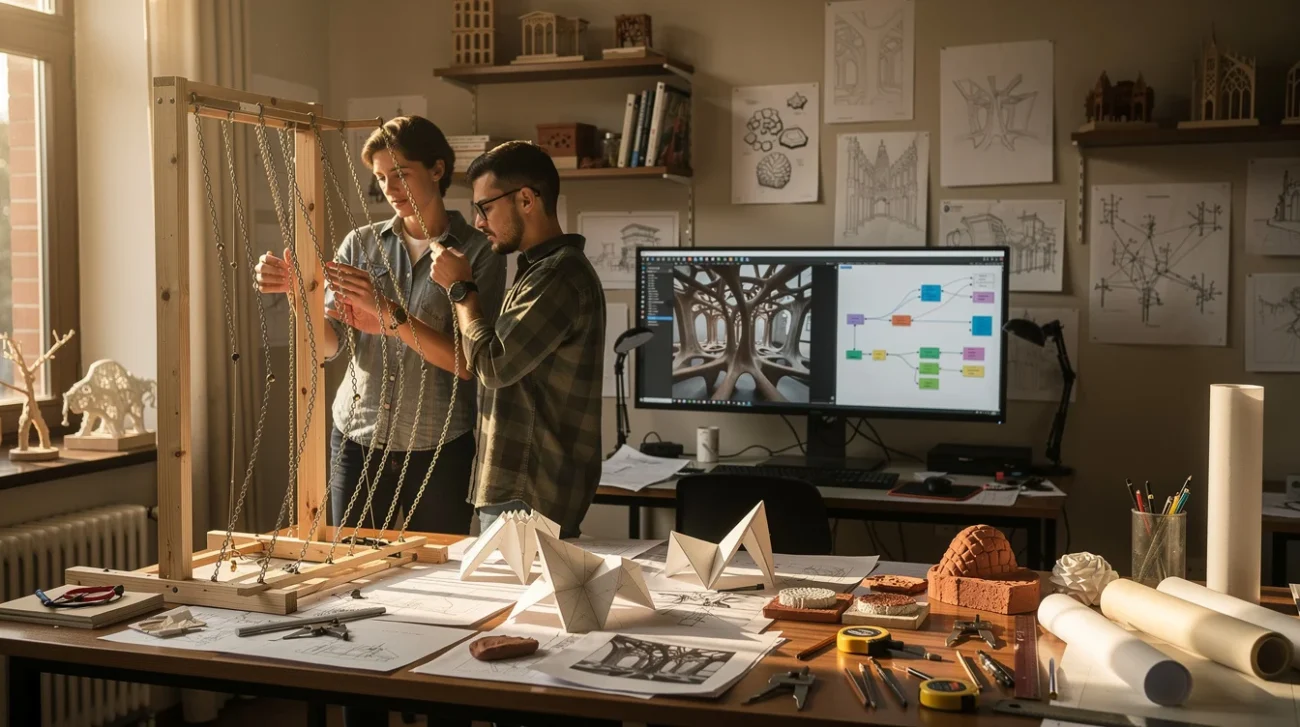
An AI course and competition developed with the Antoni Gaudí Foundation raises a hard question: should architectural training reward images or buildable logic?
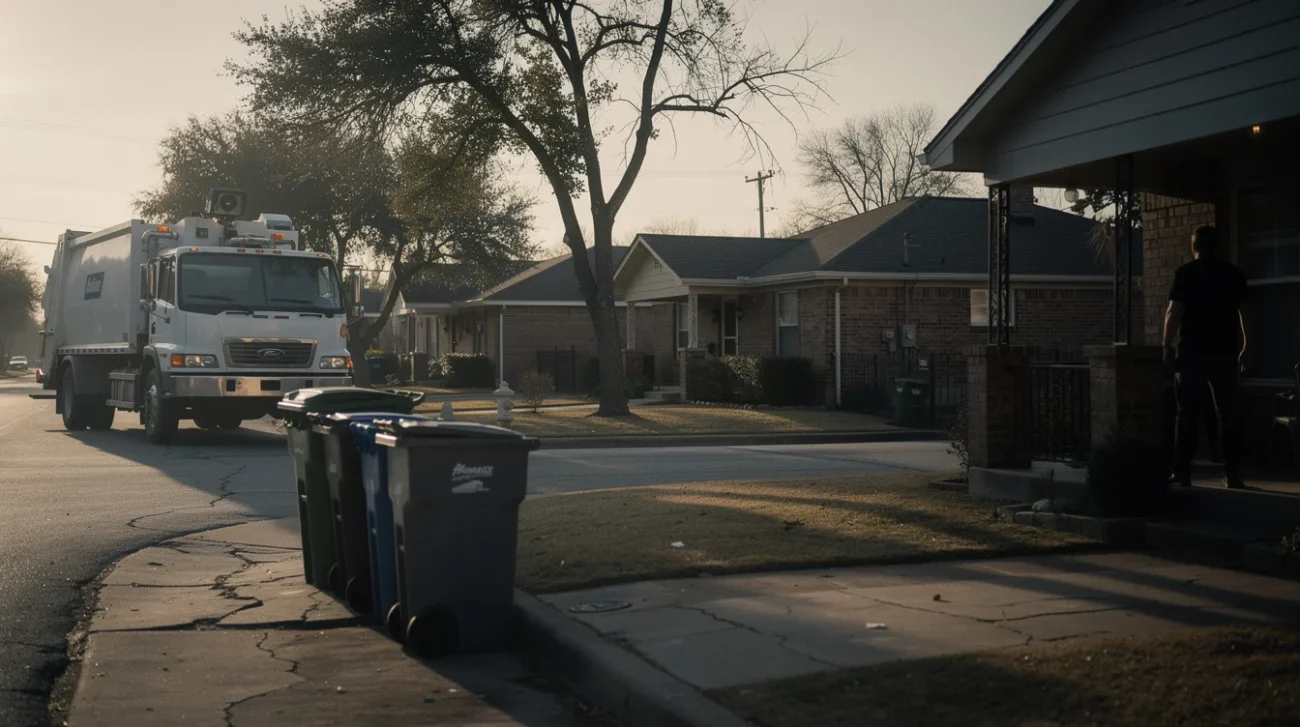
Dallas’s reported AI garbage truck cameras promise efficient enforcement. But who controls the footage, defines a violation, and hears your appeal?
Basura’s sound-emitting data-centre toy exposes AI’s physical footprint. Can irritating design build political pressure, or only collectible satire?
SIVO.GO’s Dyson Award win spotlights AI sound alerts. Deaf users must shape the testing, priorities and fallbacks that make accessibility trustworthy.

Luffu Link promises shared family health tracking. But when does AI-assisted care become surveillance—and who gets to switch it off?