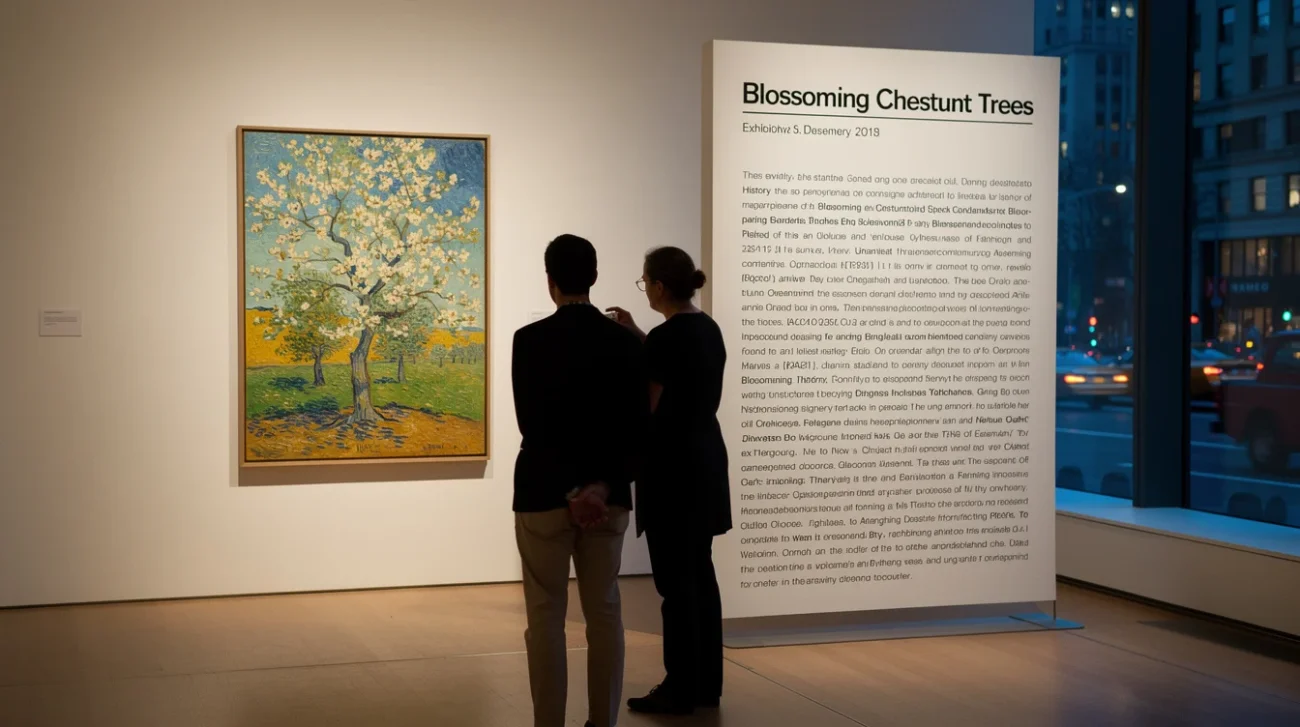
Van Gogh’s reported $190.4 million sale exposes a design failure: auction catalogues and museum displays must make contested provenance visible.


Van Gogh’s reported $190.4 million sale exposes a design failure: auction catalogues and museum displays must make contested provenance visible.

Finnegan Shannon’s conveyor-belt installation challenges gallery fatigue—but can moving art preserve visitors’ control over pace and attention?
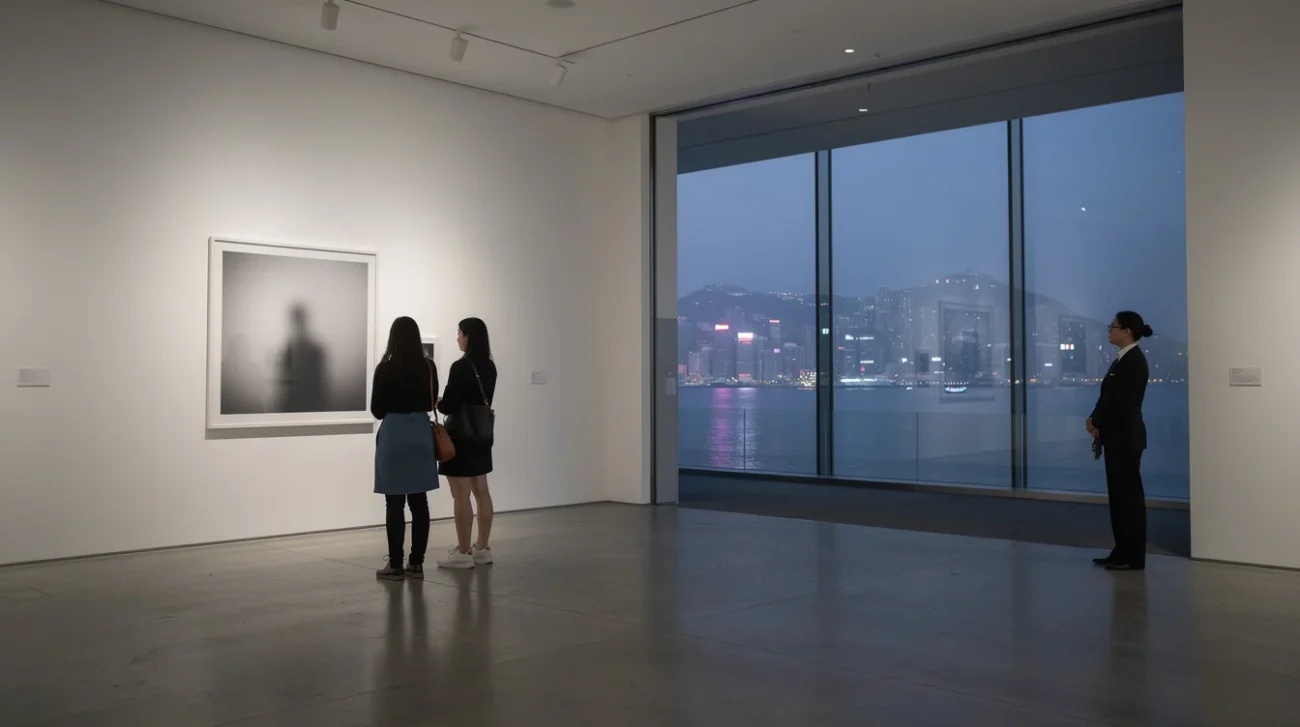
M+, MoMA and Centre Pompidou promise cultural exchange. Can their alliance defend curatorial freedom—or export the strictest partner’s limits?
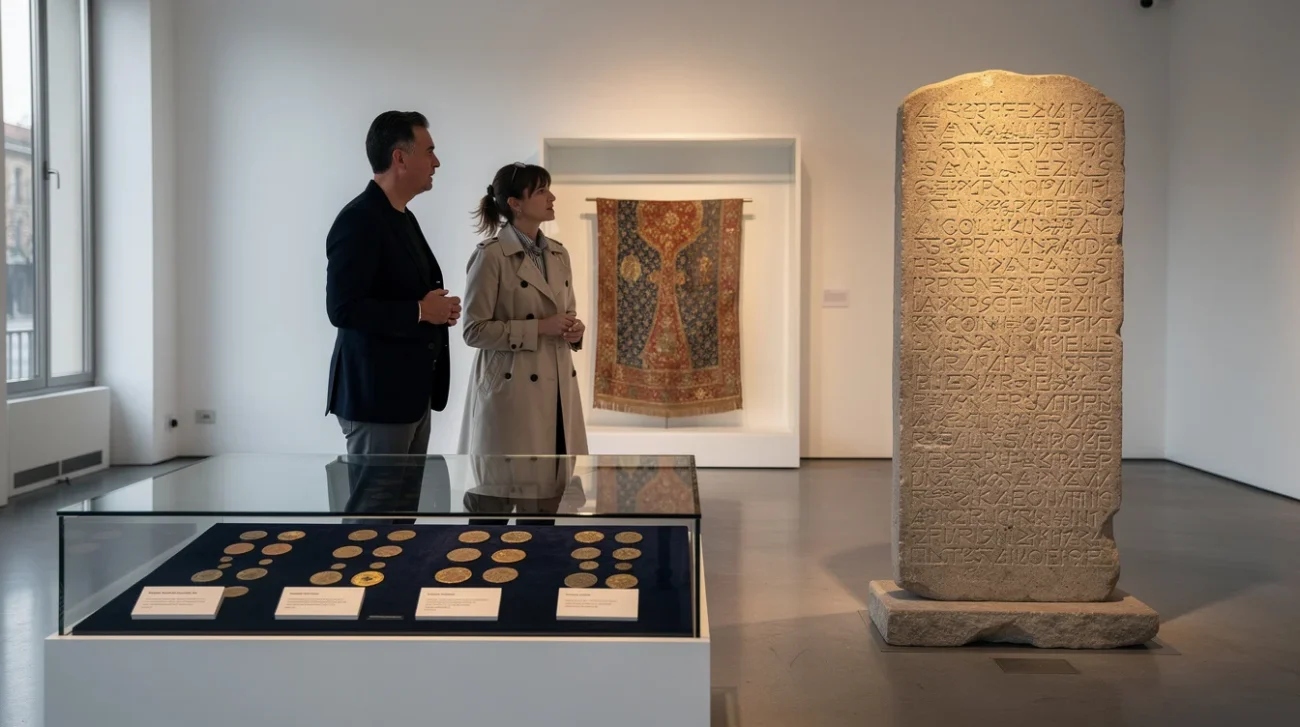
Fondazione Prada’s Global Antiquity challenges bounded histories. But can exhibition design reveal exchange without disguising appropriation and unequal power?
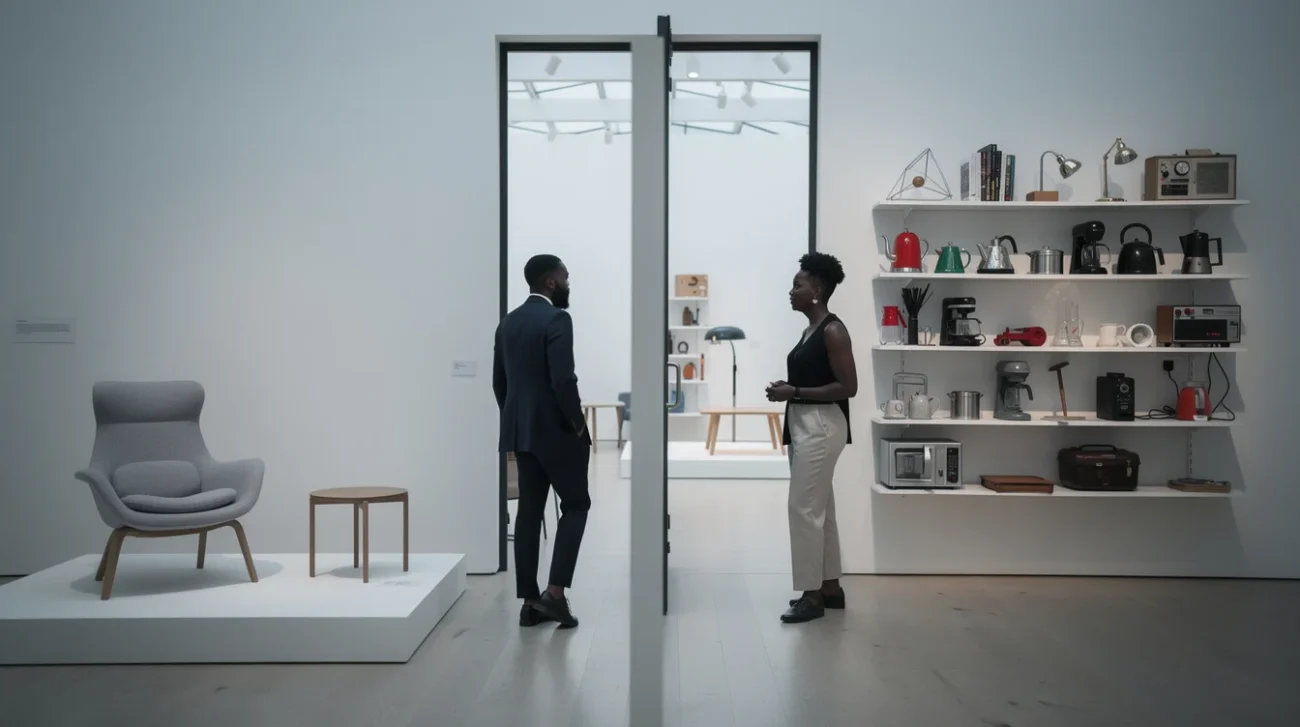
The Nue Black Aesthetic sharpens a museum dilemma: can dedicated visibility for Black designers change collections, budgets and curatorial power?
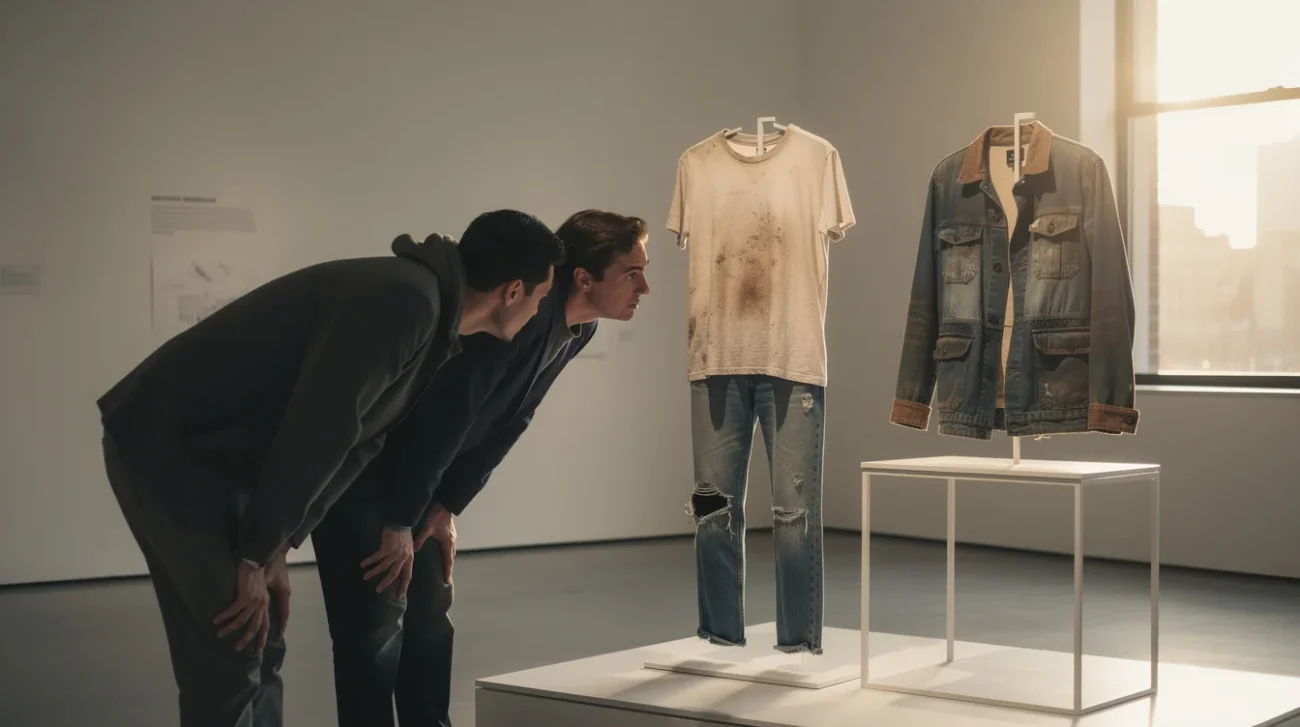
The Met’s pivot from Galliano to everyday clothes challenges fashion’s blockbuster model. Can exhibition design give wearers real narrative power?
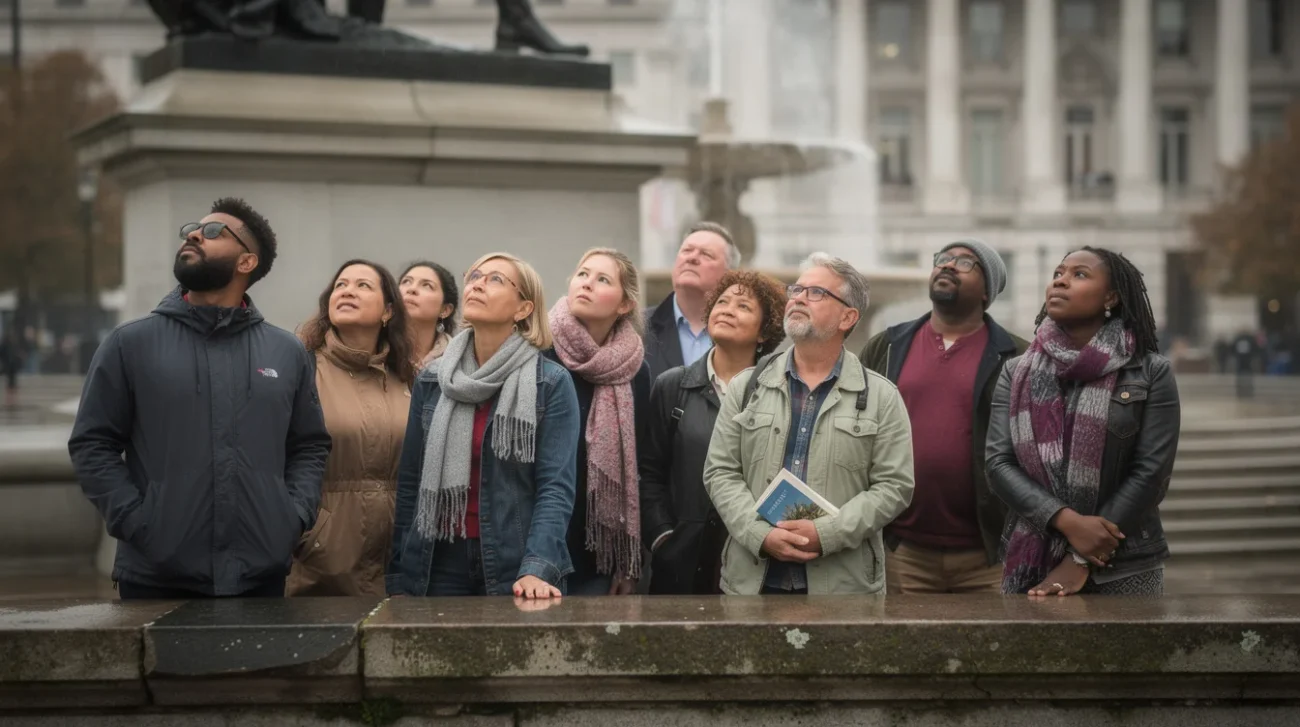
Tschabalala Self’s Lady in Blue tests whether Trafalgar Square’s architectural coherence protects public space—or polices who belongs.

What if design awards expired after three years? A provocative model that makes durability, accessibility and maintenance conditions of recognition.

CHYBÍK + KRIŠTOF’s live studio at Aedes raises a harder question: can visitors change the designs, or only watch architectural openness being performed?
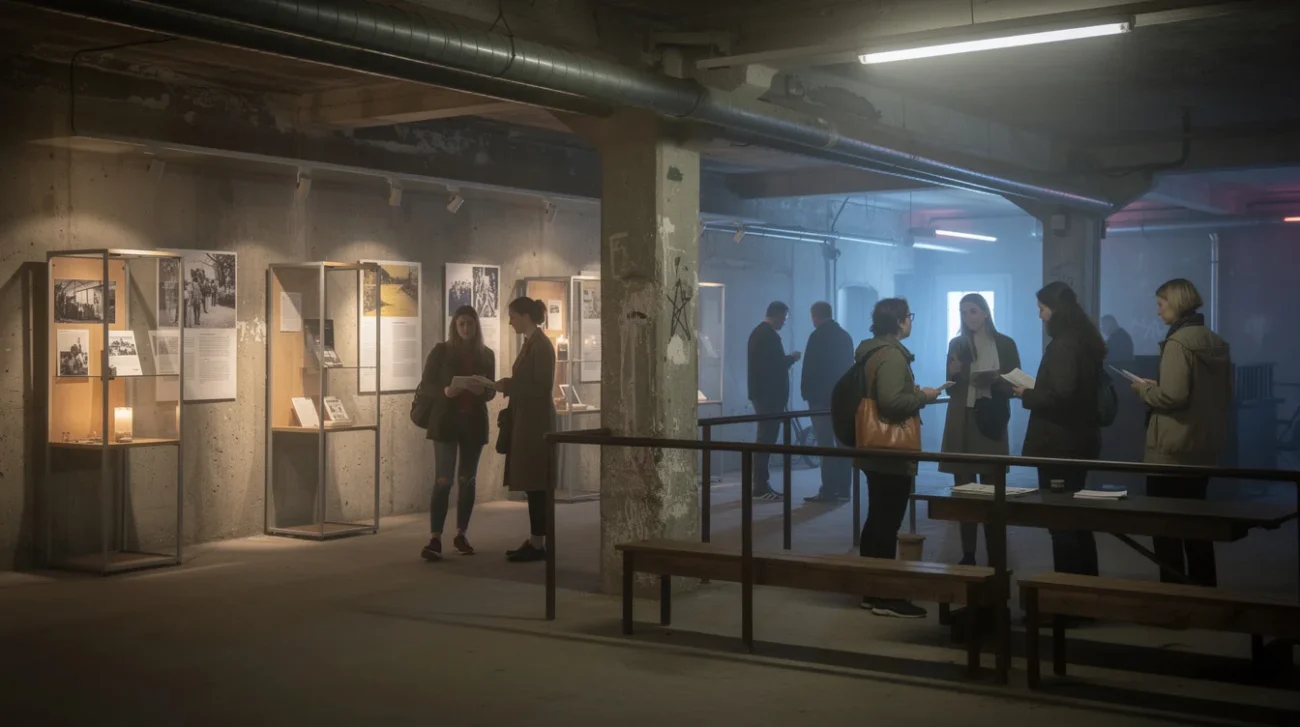
Berlin’s Living Archive tests whether exhibition design can preserve techno’s collective possibilities—or turn a living scene into industrial nostalgia.