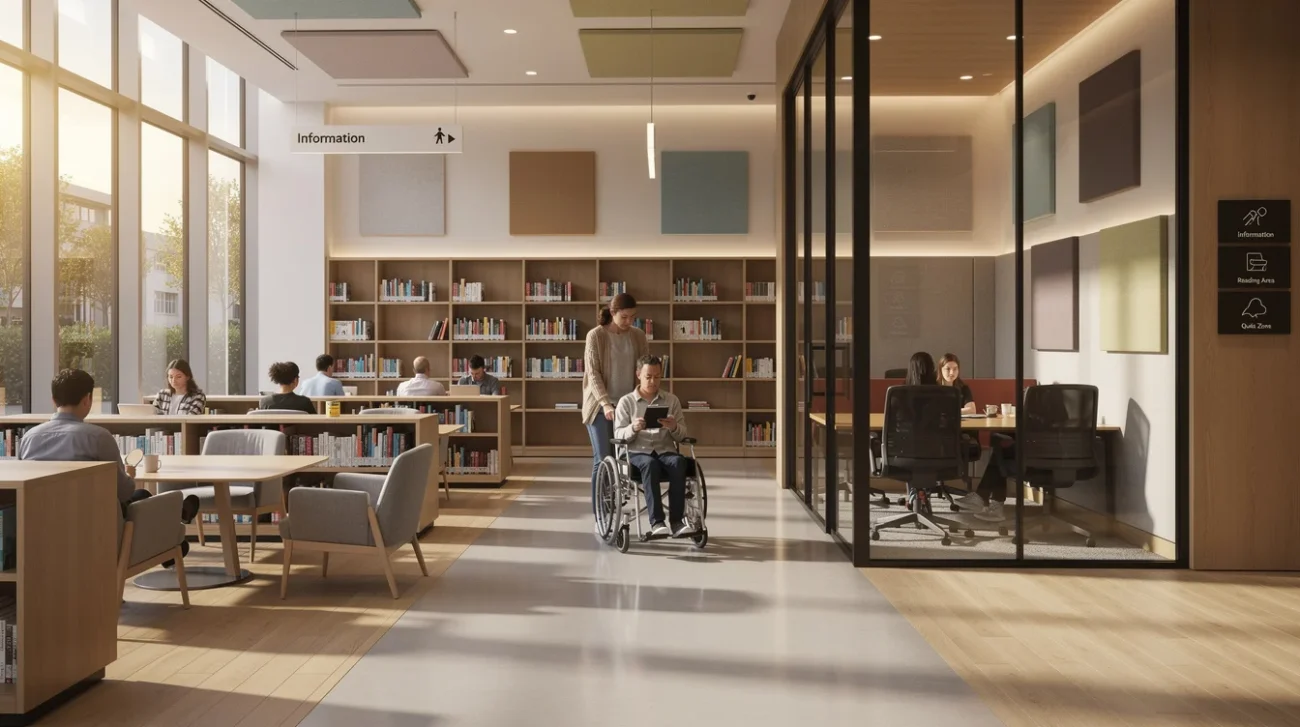
Can one atmosphere include everyone? Explore how lighting, acoustic zones and alternative routes make neuroinclusive architecture a matter of choice.


Can one atmosphere include everyone? Explore how lighting, acoustic zones and alternative routes make neuroinclusive architecture a matter of choice.

K-Citymarket’s slow checkout challenges retail’s speed obsession. Can better interiors give shoppers time without making workers absorb the cost?
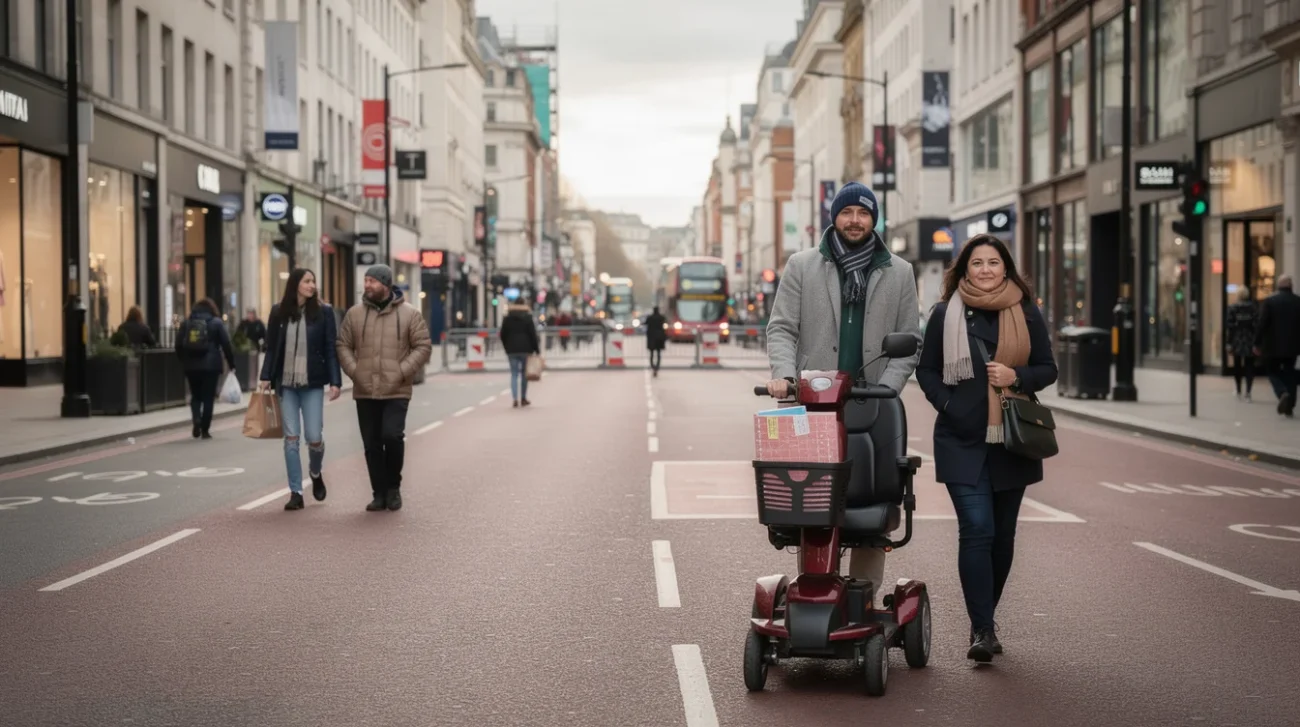
Oxford Street’s pedestrianisation must be judged by arrival points, seating, step-free routes and deliveries—not simply by the absence of cars.
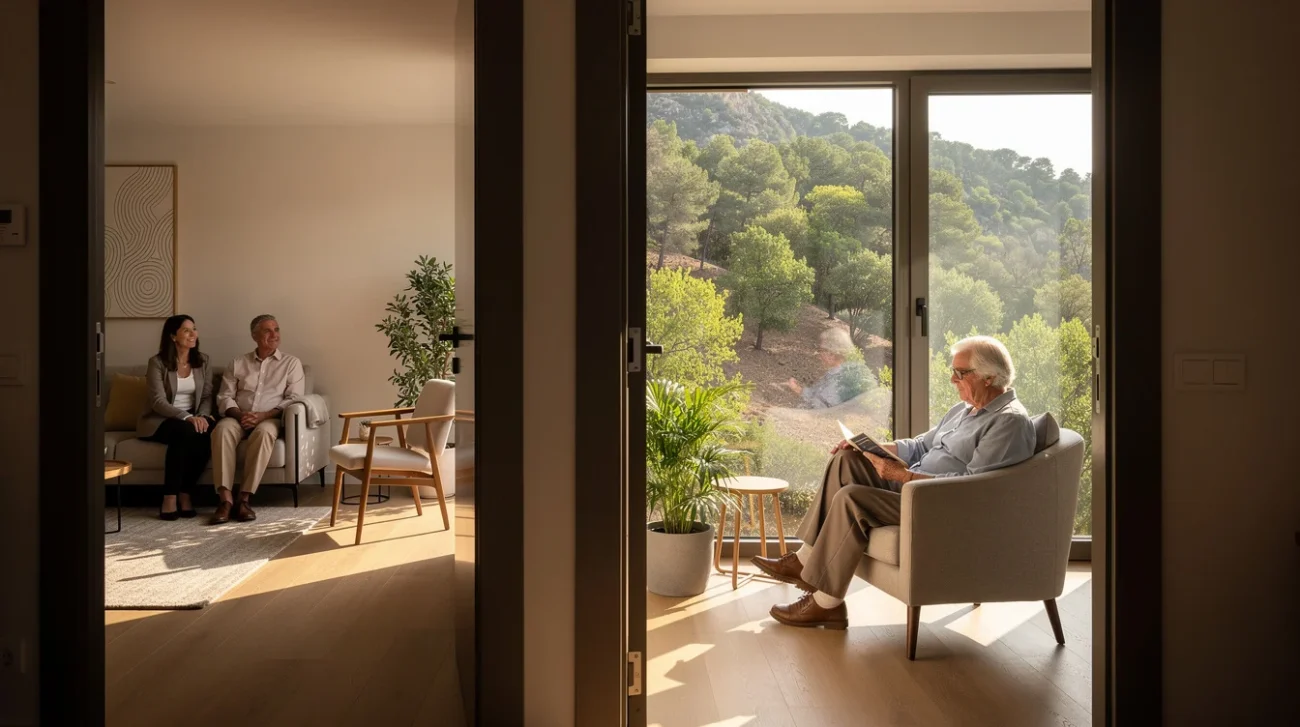
Mirador de Gràcia raises a crucial question for senior living: can domestic interiors deliver autonomy when institutional routines still set the rules?
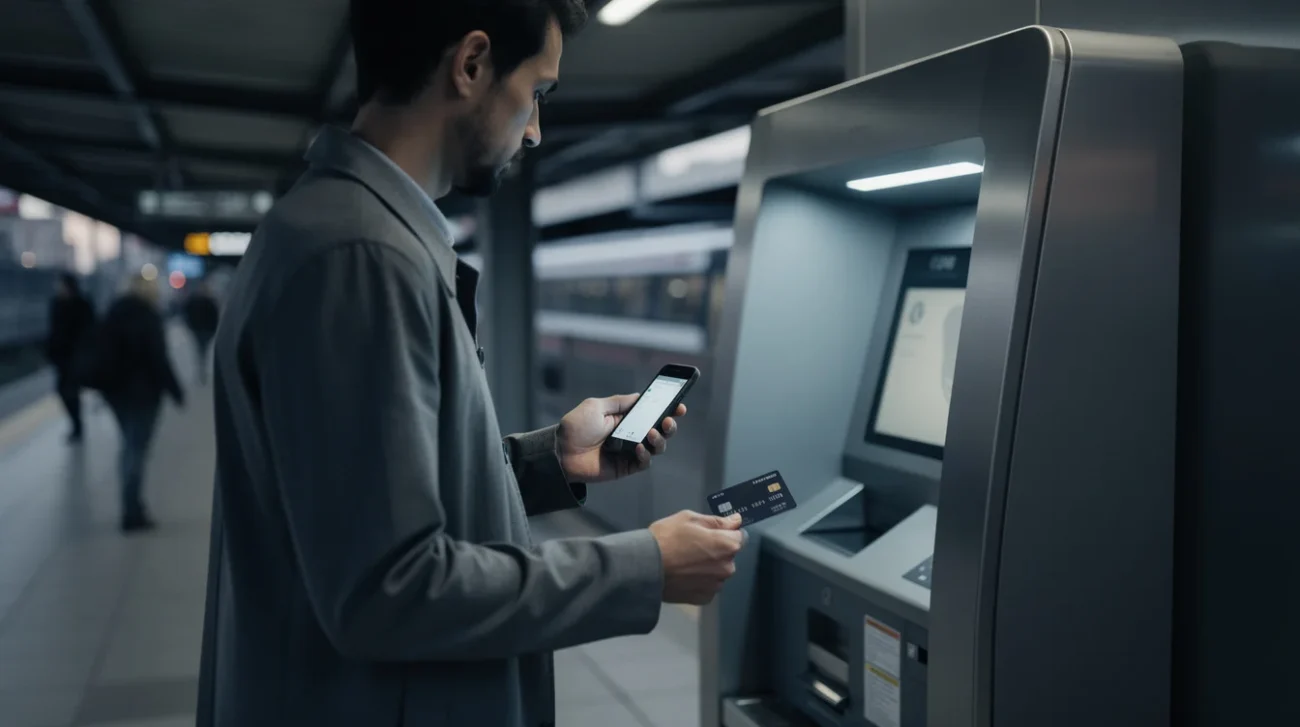
Meadow’s minimalist phone challenges endless scrolling. But banking, tickets and authentication expose who really gets to decide which apps are essential.

Smart toothbrushes win attention. Accessible grips expand independence. Which kind of product innovation deserves design’s highest acclaim?
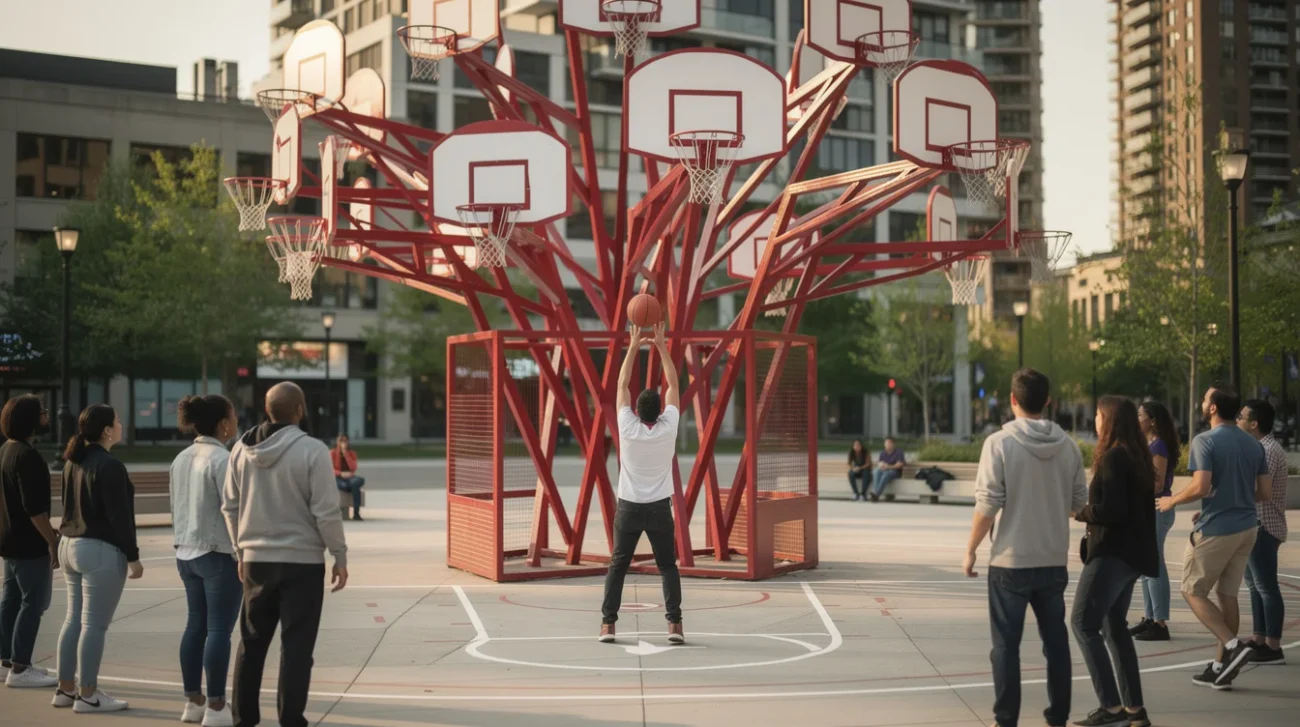
Alexandre Arrechea’s basketball-hoop sculpture in Toronto tests whether playable public art can deliver fair access, reliable upkeep and shared space.
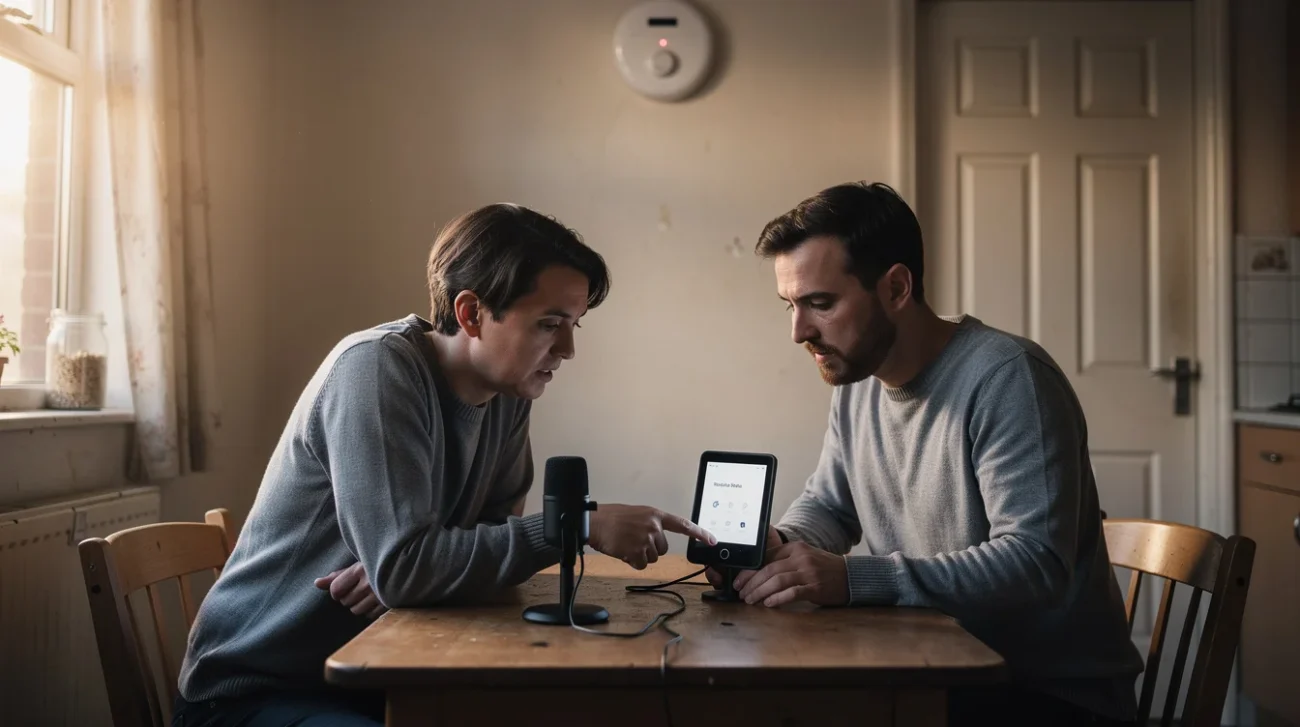
SIVO.GO’s Dyson Award win spotlights AI sound alerts. Deaf users must shape the testing, priorities and fallbacks that make accessibility trustworthy.