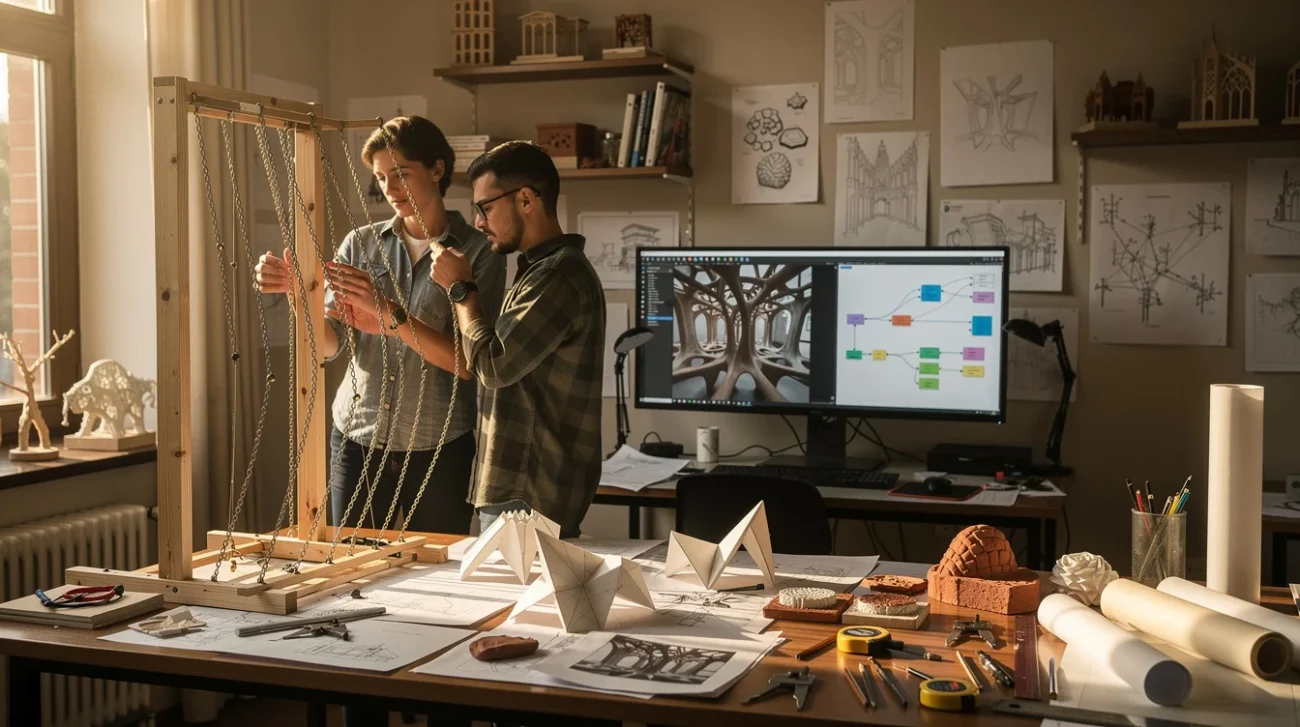
An AI course and competition developed with the Antoni Gaudí Foundation raises a hard question: should architectural training reward images or buildable logic?

An AI course and competition developed with the Antoni Gaudí Foundation raises a hard question: should architectural training reward images or buildable logic?
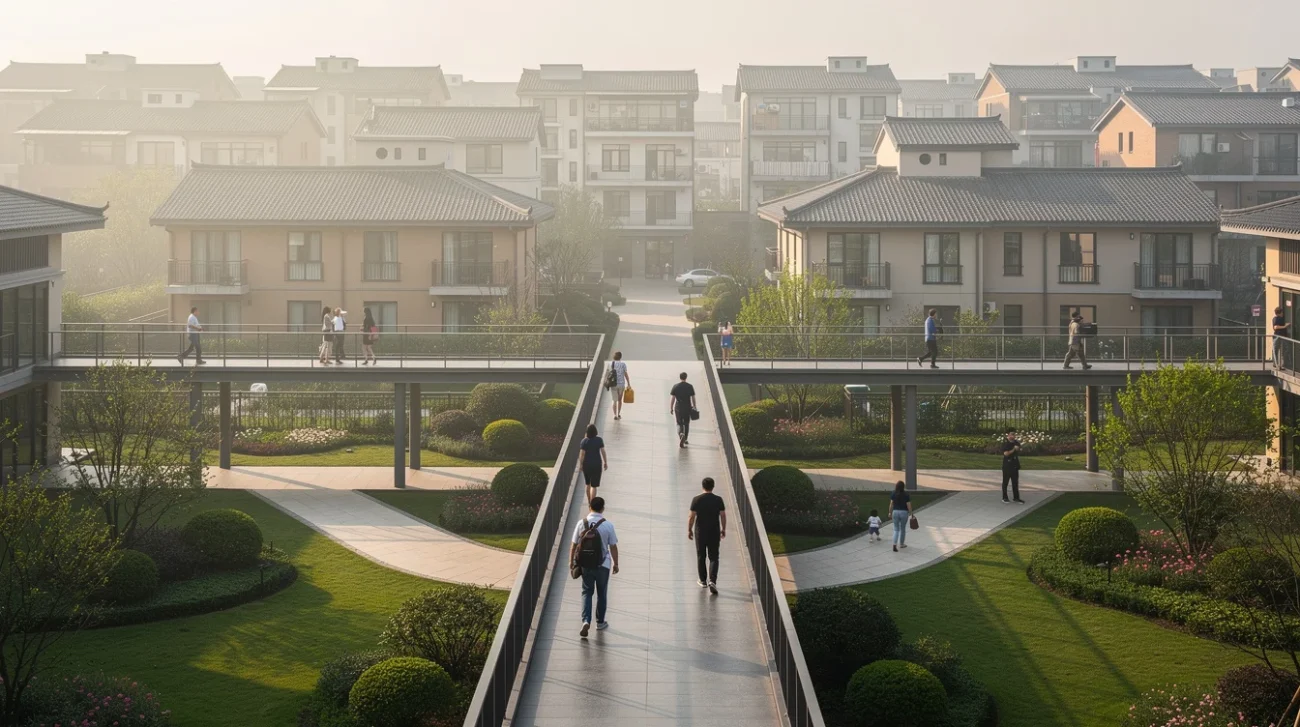
Dayun Landison Manor’s 360-metre walkway deserves scrutiny beyond its form: what happened to the village, its residents and access to the land?

Meadow’s minimalist phone challenges endless scrolling. But banking, tickets and authentication expose who really gets to decide which apps are essential.
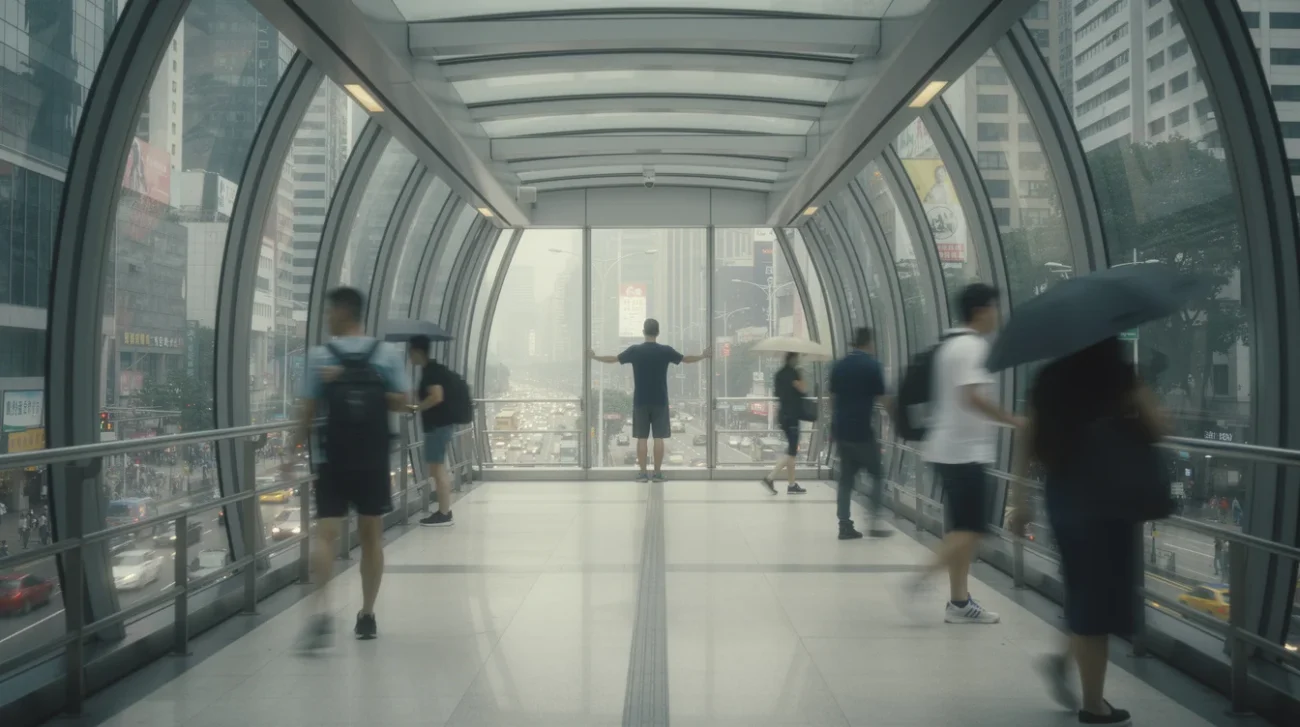
Air-conditioned malls and walkways offer refuge from urban heat. But who controls public life when the coolest route runs through private property?
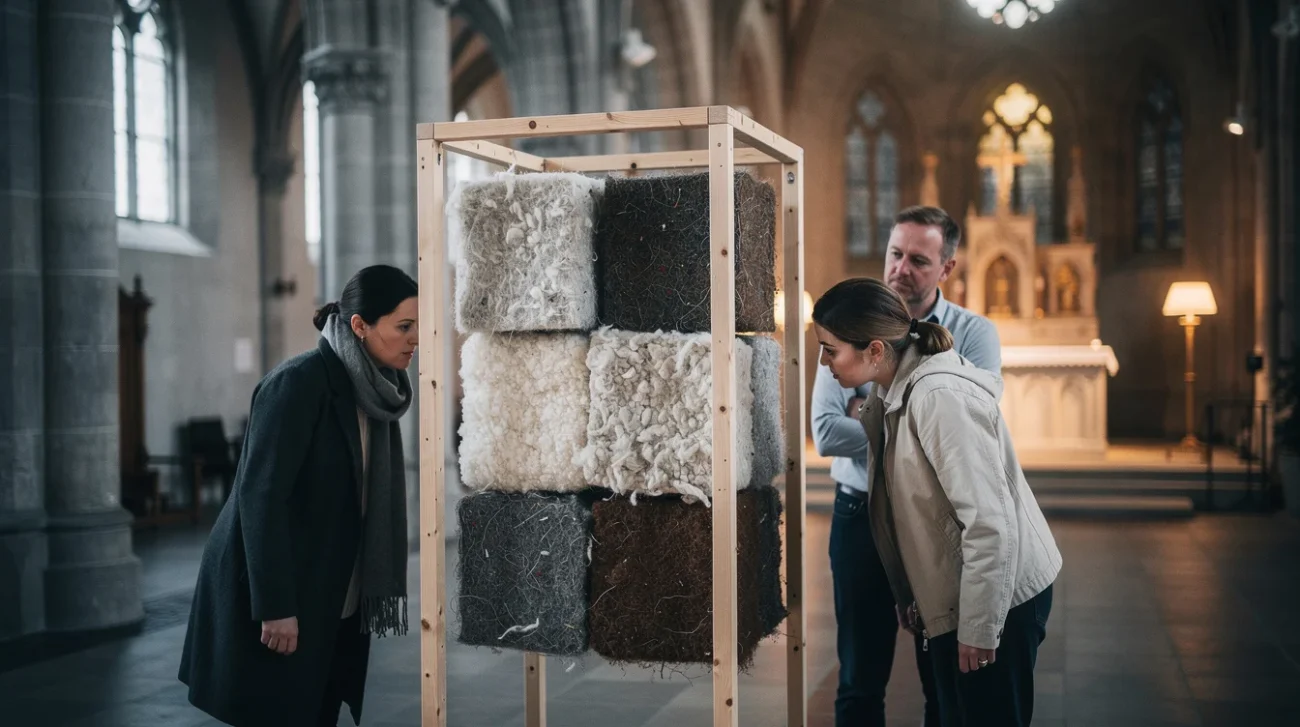
Harvard’s waste-wool cladding makes a circular promise. Fire tests, wet winters and installed costs will decide whether retrofit owners can trust it.
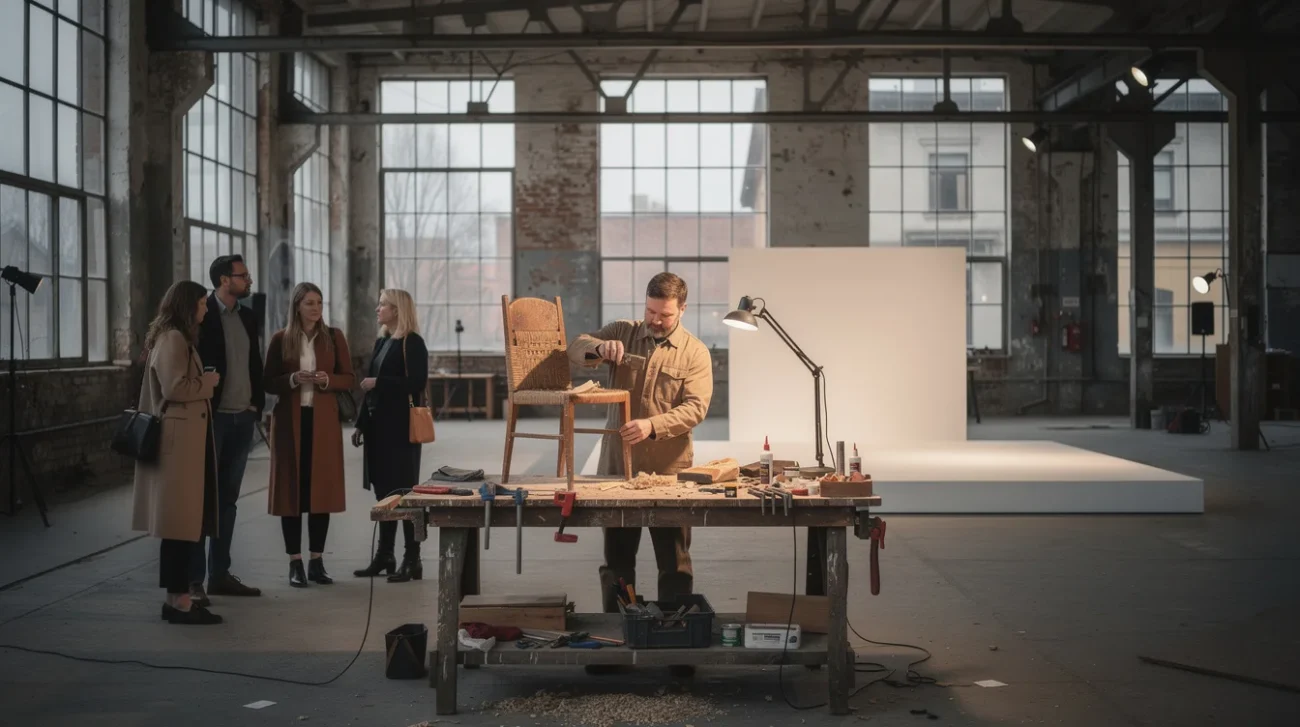
Tallinn Design Festival asks what product design should become. Could repair, maintenance and retirement displace the launch—and who would pay?
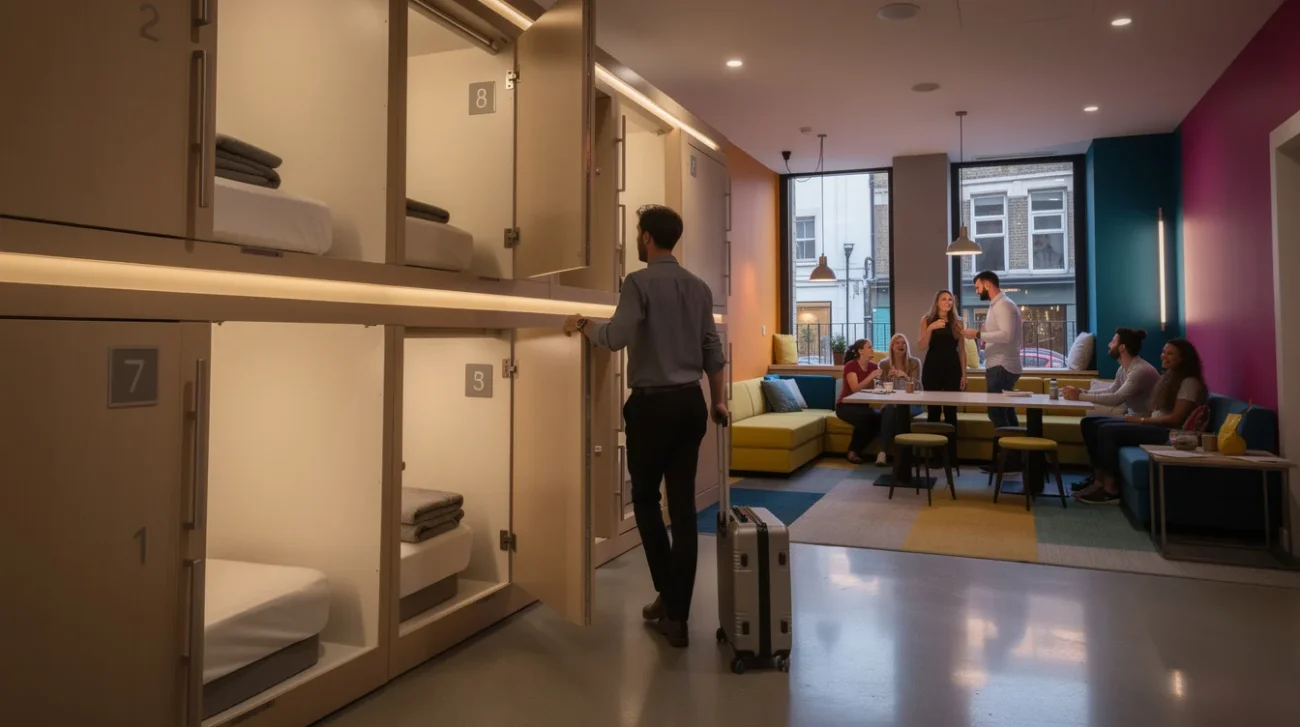
Otherwander Soho’s 566 sleeping pods test whether colourful shared interiors can make budget hospitality generous—or simply make compression look good.

Smart toothbrushes win attention. Accessible grips expand independence. Which kind of product innovation deserves design’s highest acclaim?
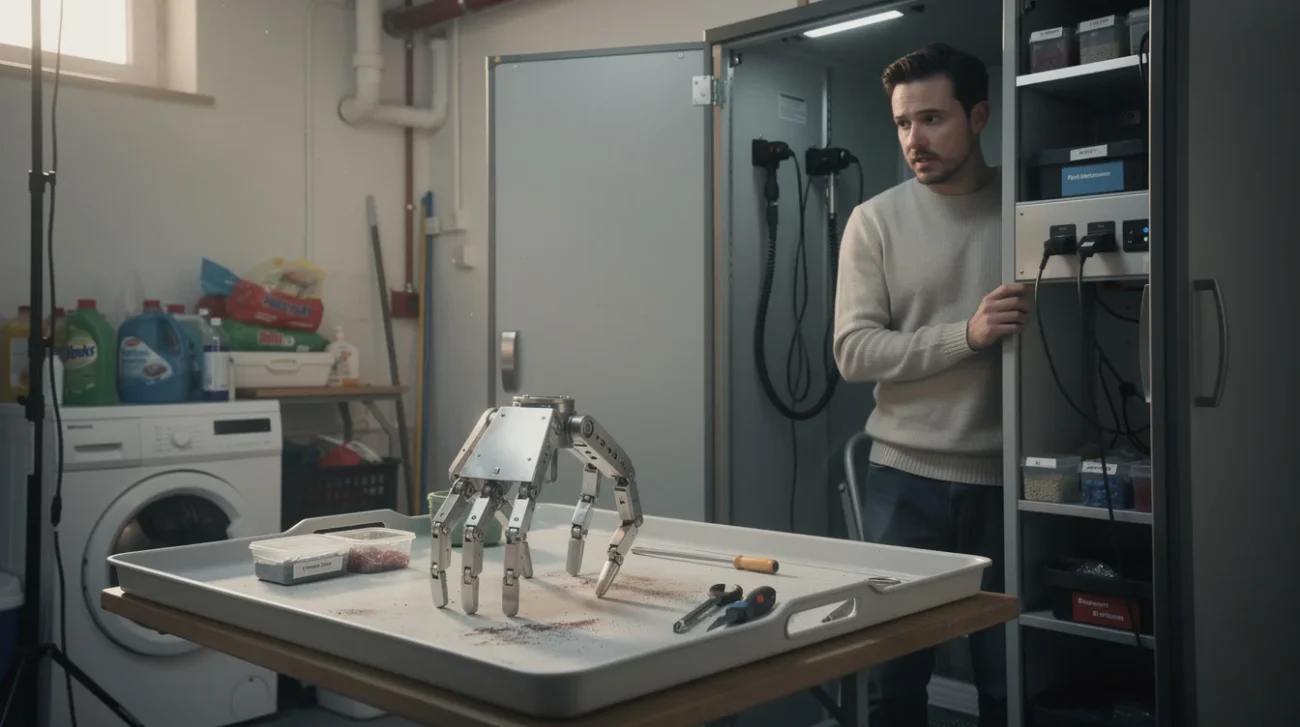
A fingertip-walking robotic hand suggests a different smart home: mobile tools, repairable parts and furniture redesigned around safety and control.
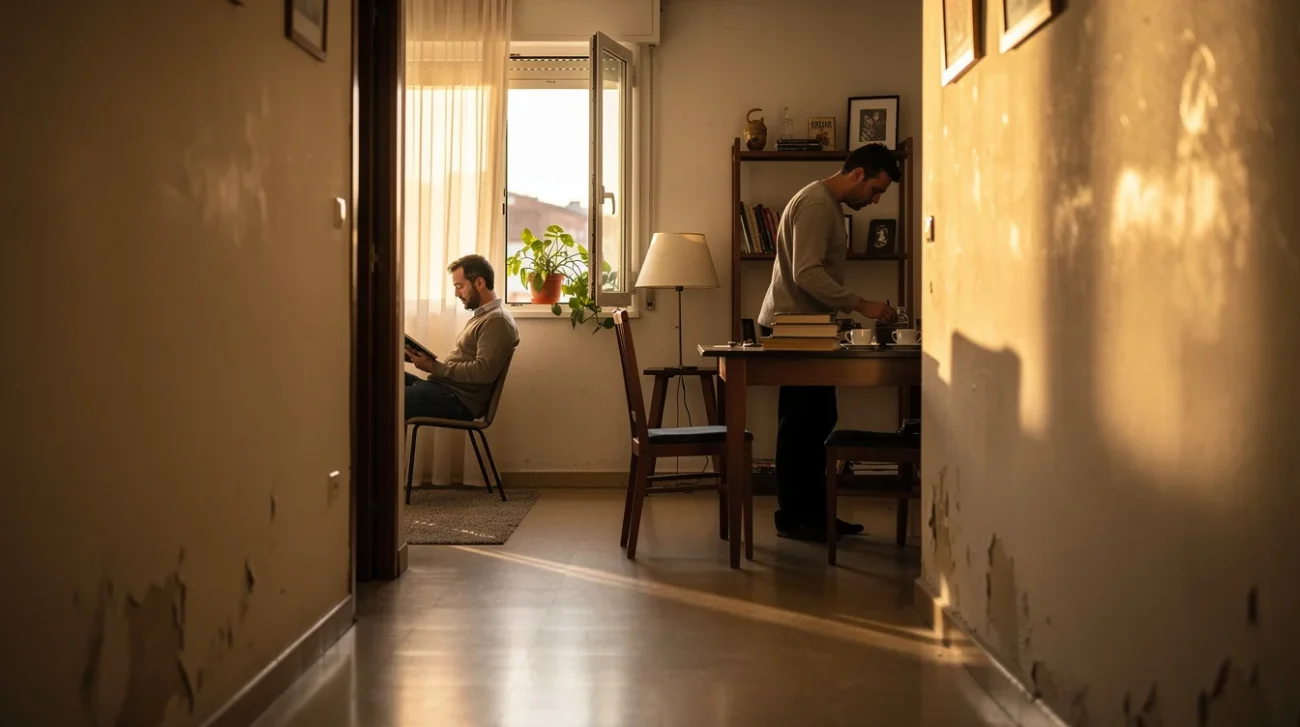
Casa POP’s Madrid renovation challenges the nuclear-family floor plan—and asks how homes can fit today’s occupants without trapping tomorrow’s.