When the Office Feels Like a Hotel, Are You Ever Off Duty?
When the Office Feels Like a Hotel, Are You Ever Off Duty?
The office no longer wants to look like somewhere you have to be. It wants to look like somewhere you might choose to stay. Reception becomes a lobby; a meeting migrates to a lounge; the hard edge of the working day disappears into upholstery. This is not inherently sinister. But neither is it innocent.
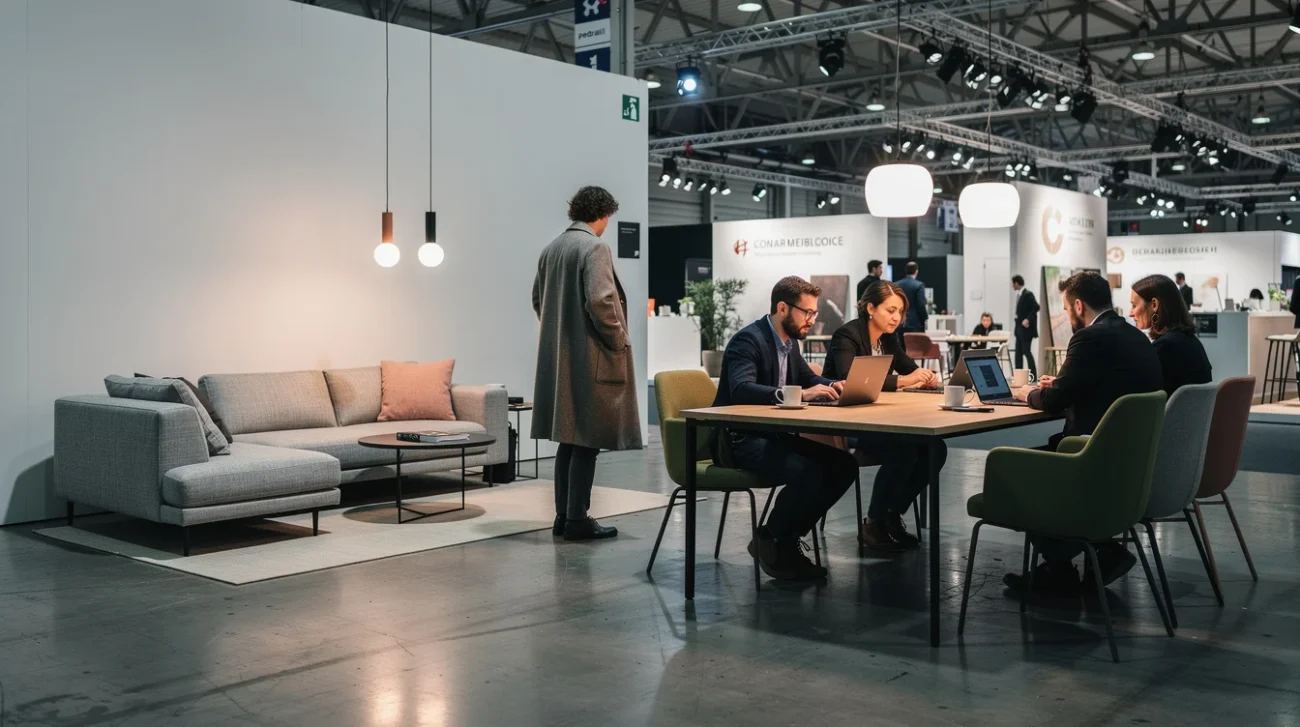
Returning to Orgatec for the ninth time, Pedrali presented #PedraliGentleHabitat as a fluid sequence of spaces reflecting the growing overlap between workplace and hospitality design. As reported by designboom, the presentation proposed a reconciliation between workplace demands and hospitality. That proposition deserves more than either showroom enthusiasm or reflexive suspicion. Furniture can make work less physically punishing and spatially authoritarian. It cannot decide when work ends. The crucial distinction is between an interior that offers employees more ways to work and an employment culture that expects more of their lives.
PRO: Comfort Is Not the Enemy of Serious Work
The strongest argument for the hospitality-inspired office is simple: the conventional office was never a neutral instrument. Rows of identical desks privileged a narrow set of activities, bodies and managerial assumptions. Sitting upright in one assigned position became a visual proxy for productivity. A landscape of different settings can challenge that equation.
Imagine an employee moving from an adjustable workstation to a supportive lounge chair to review a printed proposal, then joining two colleagues at a small table. These are not necessarily distractions from work. They are different physical arrangements for different tasks. A difficult conversation may benefit from side-by-side seating rather than the adversarial geometry of a desk. A short exchange need not occupy a twelve-person conference room.
This ambition predates the boutique-hotel aesthetic. Herman Miller’s Action Office, introduced in 1964 through the work of Robert Propst and George Nelson, treated office work as varied activity rather than a single seated posture. Its subsequent association with the cubicle should not erase that original challenge. Pedrali’s fluid sequence belongs to this longer debate: whether furniture should discipline the worker or accommodate the work.
Comfort becomes progressive when it increases practical options. A lounge is valuable not because it photographs as relaxed, but because someone can use it without sacrificing support, concentration or legitimacy. As debates over senior living also reveal, feeling like home is not the same as having control.
PRO: Informal Space Can Redistribute Access
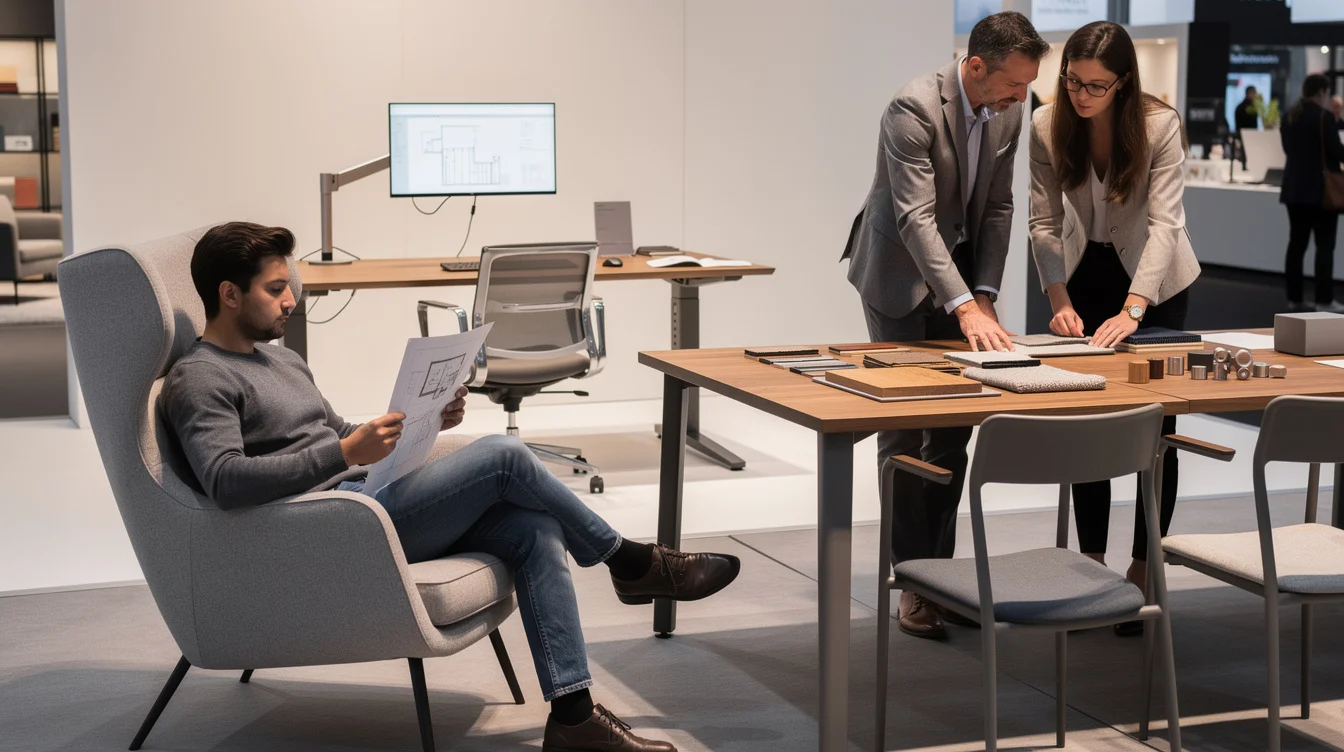
There is also a social argument. In a rigid workplace, spatial privilege often follows rank: managers receive generous rooms while everyone else competes for meeting space. Shared informal settings can redistribute access to the conditions once reserved for private offices—somewhere to host a visitor, speak quietly or change position during a long day.
Herman Hertzberger’s Centraal Beheer office building in Apeldoorn, completed in 1972, offers a useful architectural reference. Its clustered work areas and internal streets explored an office as a small collective environment rather than an undifferentiated floor. The relevant lesson is not to copy its appearance. It is to provide places that people can occupy in different ways, with a meaningful relationship between individual territory and shared life.
Hospitality thinking can contribute useful attention to arrival, orientation and the experience of being a guest. A visiting collaborator should not need insider knowledge to find somewhere appropriate to wait. An employee between meetings should not have to improvise a perch in a circulation route. Furniture, lighting and spatial organization can make these ordinary transitions more dignified.
But a generous range must include more than sociable seating. Quiet rooms, accessible routes, chairs with arms, suitable work surfaces and adjustable desks matter alongside the lounge. Pedrali’s exhibition proposition is most persuasive when read as an invitation to diversify the workplace, not replace every workstation with a sofa. Real choice includes the right not to work informally.
CONTRA: The Hotel Metaphor Conceals a Power Difference
A hotel guest buys the option to linger. An employee may be judged for leaving. That difference makes the hospitality metaphor politically unstable, however inviting its furniture.
Consider the same lounge under another manager. At 6:30 p.m., a team leader opens a laptop and suggests a quick catch-up over drinks. Attendance is nominally optional; the consequential decisions happen there anyway. The low table and soft chairs have not caused the problem. They have made an extension of the working day feel less like an instruction and more like belonging. Refusal becomes socially awkward rather than administratively difficult.
The history of corporate campuses supplies a sharper warning than any particular chair. Google’s Googleplex helped popularize the image of the amenity-rich workplace, where food, recreation and work occupy the same corporate territory. Such amenities can be genuinely useful. They can also reduce the reasons to leave. Their meaning depends on workload, management behavior and whether employees can decline participation without losing visibility.
Orgatec is a furniture trade fair, not an employment tribunal. Pedrali’s presentation cannot establish how a future employer will use its settings. The critical error would be to treat a welcoming exhibition environment as evidence of a humane working culture. An office can look relaxed while remaining intensely coercive. The aesthetic of ease tells us little about who controls the timetable.
CONTRA: Furniture Cannot Grant Permission to Disconnect
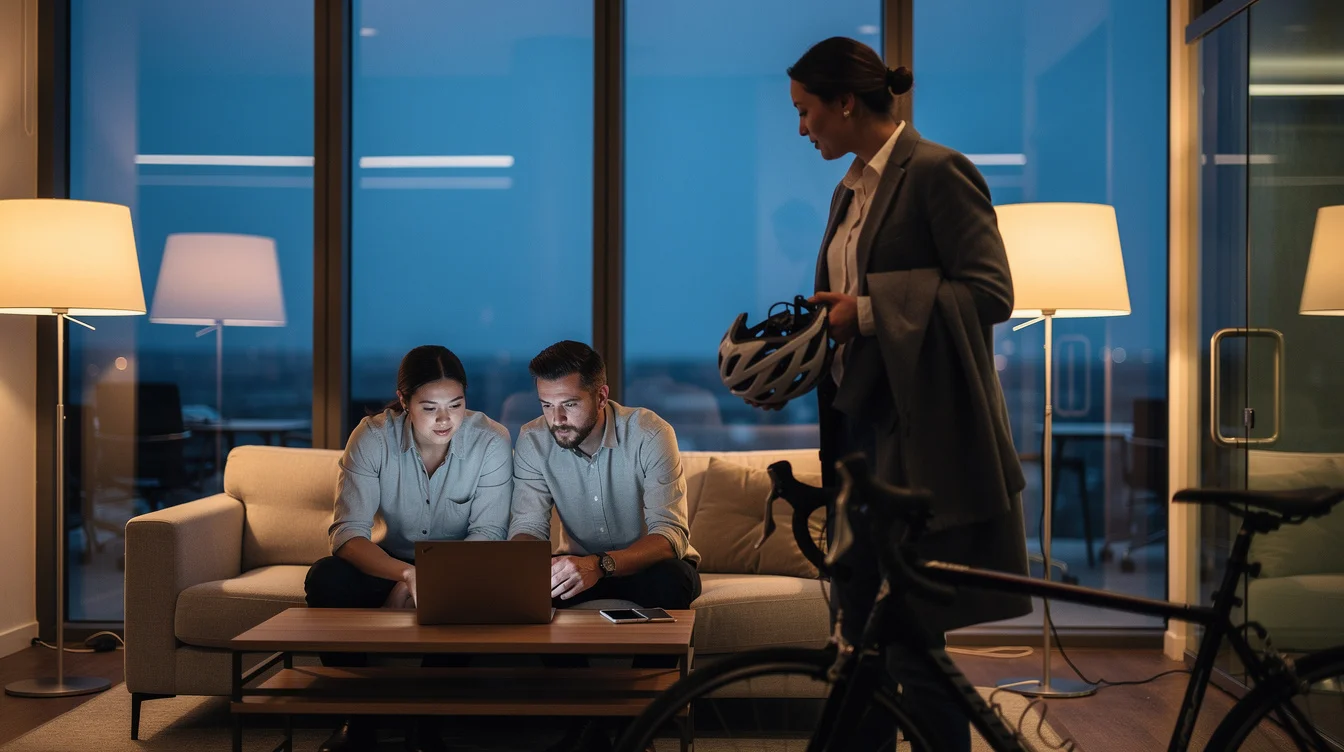
Even during contracted hours, informal settings can create new burdens. A low sofa may suit a brief conversation but be uncomfortable for sustained laptop work. An open lounge may encourage spontaneous exchange while making confidential calls impossible. People who need predictable quiet can find themselves displaced by an environment celebrated for its energy. The tension echoes the balance between sound and sociability in listening bar design: acoustic priorities shape how people can share a space.
Susan Cain’s critique of compulsory collaboration in Quiet remains relevant here: sociability should not become a universal performance requirement. An office full of attractive shared settings can still offer remarkably little autonomy if every usable seat is exposed to interruption. Nor should employees have to disclose a disability or justify their temperament simply to obtain an appropriate workstation.
The remedies extend beyond procurement. Employers need clear expectations about availability, realistic workloads, protected breaks and rules preventing optional gatherings from becoming unofficial decision-making forums. France’s right-to-disconnect framework, introduced through its 2016 labour reforms, illustrates the essential shift: digital availability is an employment issue requiring organizational rules, not an atmosphere that designers can resolve.
Furniture can support those rules. A dedicated break area without meeting equipment can distinguish rest from collaboration; enclosed rooms can provide alternatives to social space. But neither feature enforces its intended use. Assess the workplace through questions the showroom cannot answer: Do people take their breaks? Can they leave on time? Does declining an evening gathering affect advancement? The employer, not the chair, must answer for availability. Without that accountability, hospitality risks becoming a beautifully furnished excuse.
FAQ: Comfort, Choice and the Right to Leave
What does Pedrali’s Orgatec presentation actually demonstrate?
Its ninth appearance at Orgatec presented #PedraliGentleHabitat through a fluid sequence of spaces connecting workplace and hospitality design. It demonstrates a spatial and furnishing proposition, not evidence that hospitality-inspired offices improve productivity or protect employees’ personal time.
Can office lounges genuinely improve employee choice?
Yes, when they supplement appropriate workstations, quiet rooms and accessible facilities. Choice is meaningful only when employees can select settings suited to their tasks and needs without informal seating becoming compulsory or visibility determining professional credibility.
Which employment policies matter more than the furniture?
Defined working hours, reasonable workloads, protected breaks and clear expectations for after-hours communication are fundamental. Employers should also prevent optional social events from becoming essential routes to information or promotion. Comfortable interiors cannot compensate for penalties attached to switching off.
How should designers evaluate a hospitality-inspired workplace?
Test it against actual activities and diverse users, not just visual appeal. Examine seating support, work-surface height, acoustics, privacy and accessibility. After occupation, ask whether people use the available settings freely and whether the layout supports genuine breaks rather than continuous availability.
If an office makes staying more attractive but leaving no easier, whose comfort is it really designed to serve?
Get the Mainifesto weekly — curated design debates, speculative ideas and the week's best articles every Saturday.
Editorial Perspectives
Questions and counterpoints developed by the Mainifesto editorial desk to extend the discussion.
Perspective 1
I’m for borrowing from hospitality: a comfortable seat, decent lighting and somewhere quieter to take a call are useful choices, not traps. Measure whether people can work better, not whether they stay longer; if leaving is a problem, fix management rather than blame the lounge.
Perspective 2
I’m against using the hotel lounge as the office template: a beautifully upholstered chair can still be wrong for three hours of work. Good craftsmanship starts with how a body is supported and how materials wear, not with making overtime look inviting.
Perspective 3
Before calling this comfort, I’d want to know what was replaced, how long the new pieces will last and whether their upholstery can be repaired. Then ask staff whether they actually feel freer to leave; a welcoming room alone isn’t evidence of greater choice.
Perspective 4
Offices have borrowed prestige from hotels for a long time; the lounge is not a new social contract. In an adaptive reuse project, I’d ask whose everyday spaces were displaced to create that comfort, as well as who gets to enjoy it and go home on time.