
Can Reuse Become Luxury in Design?
Luxury Has Always Been About Scarcity. Reuse Can Learn That Language.
For decades, the design world treated reuse as a corrective: a dutiful answer to overproduction, landfill anxiety, and the embarrassing afterlife of consumer goods. That logic is now being challenged in plain sight. At Copenhagen’s 3 Days of Design, the conversation around Mater’s Project Mater made the point with unusual clarity: waste-derived materials are no longer being presented only as responsible alternatives. They are being staged as desirable objects, with sculptural ambition and collectible presence.
This is the shift that matters. If circular design remains trapped in the language of compliance, it will always sound like a compromise. The moment it enters the territory of luxury, it risks becoming aspirational in a more dangerous sense — not because it is beautiful, but because beauty can now excuse its own weak thinking. The real question is not whether coffee shells, e-waste composites, or bio-based leathers can be sustainable. It is whether they can become materially, emotionally, and culturally irresistible without hiding behind an ethics sermon.
Project Mater, which gathered nine artists and designers around Mater’s waste-based matek material, offered a clue. The work did not simply display a technical feat; it gave discarded matter a new social life. Waste became a surface of desire. That is a much harder task than moralizing about recycling, and far more commercially consequential.
From Waste Stream to Status Object
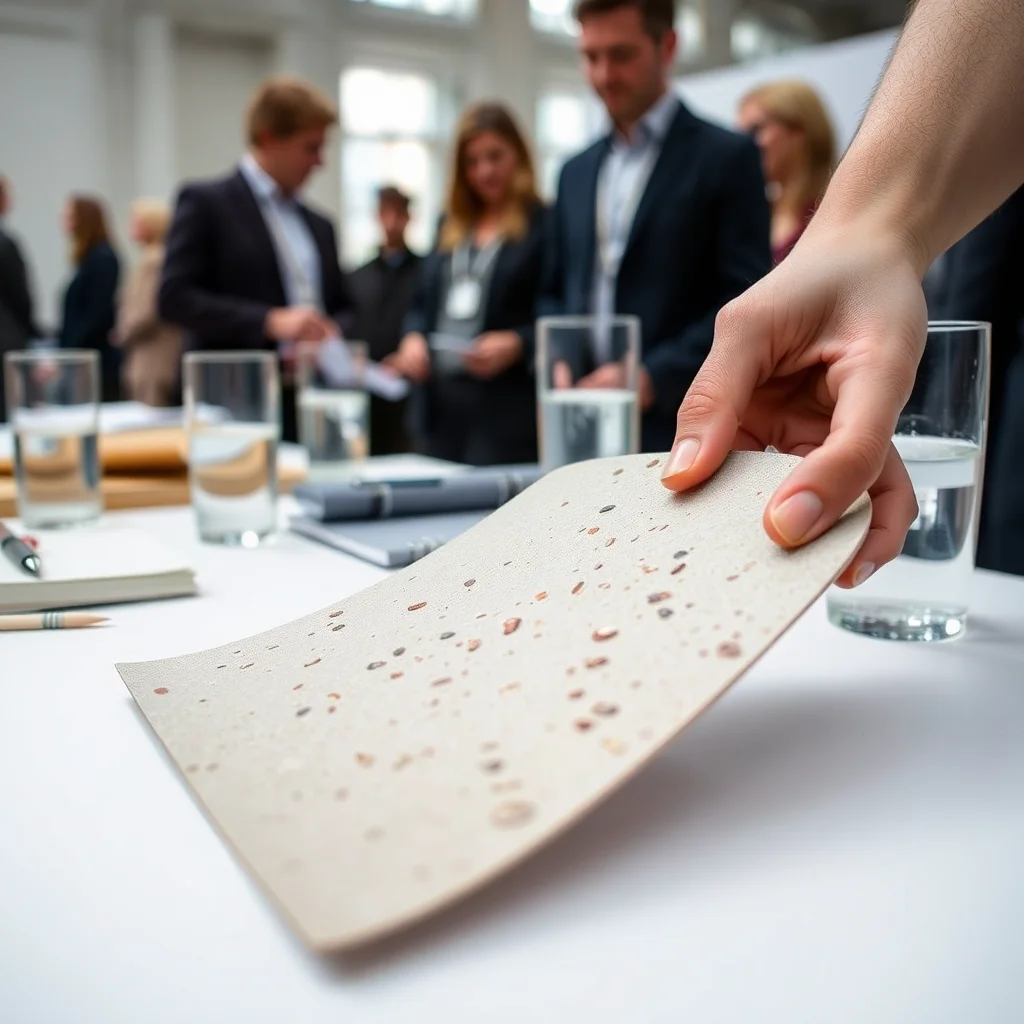
Material innovation in design has entered a more ruthless phase. It is not enough for a chair to be made from reclaimed plastic, a lamp from coffee husks, or a table from discarded electronics. Those facts now travel quickly, and with them comes a familiar danger: the object gets praised for its origin story and forgiven for everything else. Form, proportion, durability, tactility, and restraint suddenly become secondary to the materials paragraph.
That is where the most convincing circular projects separate themselves from greenwash. Matter is not destiny. A stool made from e-waste can still look clumsy; a cabinet made from bio-leather can still feel generic. By contrast, when material experimentation is paired with rigor, it can produce a new kind of prestige. Think of how designers such as Formafantasma have shifted the conversation around extraction and ecological systems: their work is not simply “eco,” it is intellectually seductive because it makes material history visible. Or consider Gomi Design, which transforms recycled speaker waste into colorful objects that feel less like recycling and more like a new vernacular of tech-age ornament.
For a useful parallel, see Can Recycled Materials Become Luxury Again?, which tracks a similar tension between ethical provenance and high-end desirability. Luxury has never been innocent. It has always depended on narrative, workmanship, and controlled scarcity. Circular design can borrow those mechanisms, but it must do so without turning waste into a marketing halo. The point is not to dress responsibility in velvet. The point is to make reuse feel inevitable, modern, and materially superior.
The Copenhagen Signal: Project Mater and the Power of Collectibility
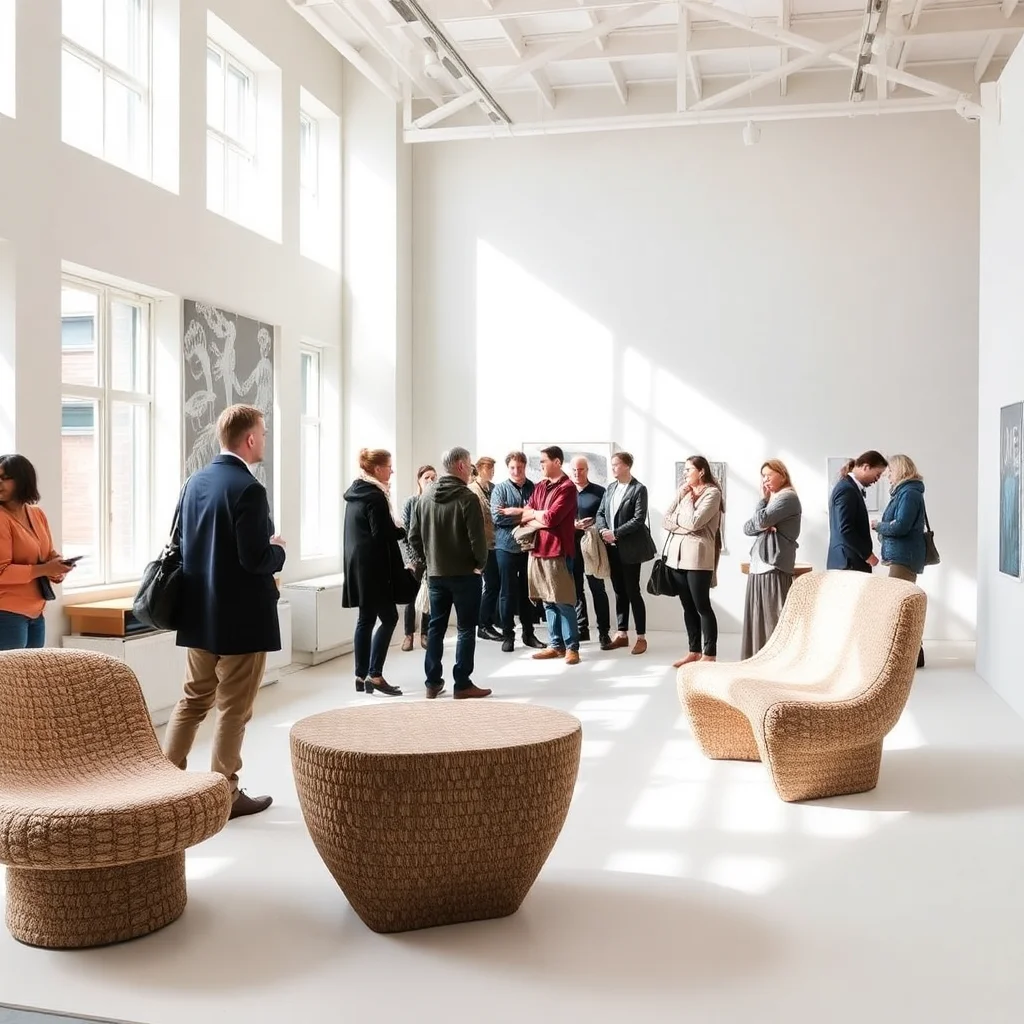
The reason Project Mater resonated during 3 Days of Design is that it understood display as part of the material argument. Mater’s matek platform — which incorporates waste streams such as coffee shells and e-waste — was not treated as an industrial footnote. It was asked to perform in a cultural setting where collectible interiors, limited editions, and design objects with gallery logic are already the currency of attention.
That matters because design audiences do not fall in love with statistics. They fall in love with objects they want to live with. When nine artists are invited to reinterpret a waste-based material, the result is not merely a materials showcase. It becomes a test of whether circularity can hold aesthetic tension, whether it can withstand close viewing, and whether it can be desirable at the same temperature as art furniture, rather than at the temperature of municipal virtue.
Compare this with the rise of collectible design fairs and studio-led editions across Milan, Copenhagen, Paris, and New York. In these spaces, the market rewards distinctiveness, not just conscientiousness. A reclaimed object must not only explain itself; it must command a room. That is why reclaimed studios, salvaged timber shelving, and bio-leather seating are increasingly being specified in high-end interiors. The message is blunt: if circular design wants to enter the luxury segment, it must stop asking for sympathy and start demanding attention.
Why Waste-Based Materials Often Fail the Luxury Test
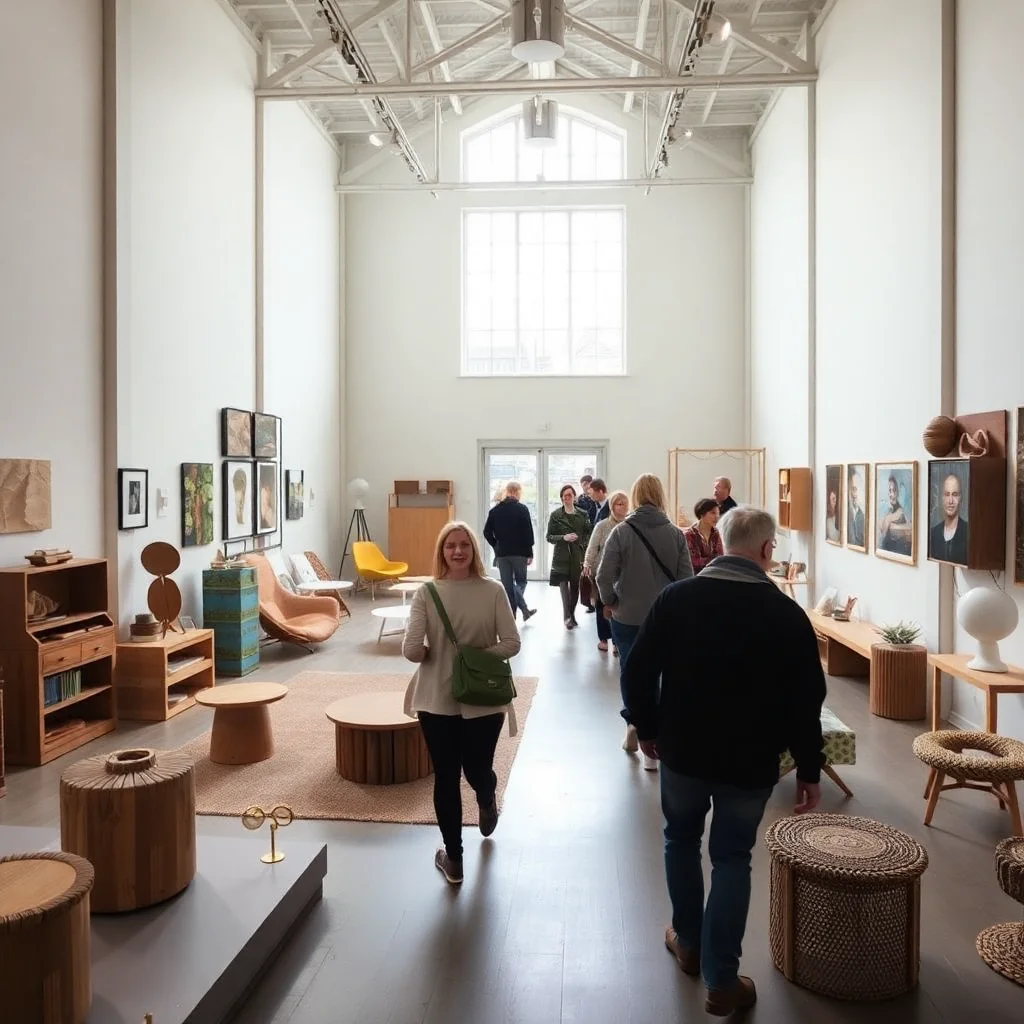
There is, however, a problem the industry keeps avoiding. Too many waste-based materials rely on novelty to cover up design mediocrity. A panel made from coffee shells may sound provocative, but if the final product looks timid, cheaply resolved, or visually indistinguishable from a better-made conventional alternative, the material story collapses. Luxury is unforgiving: it exposes proportion errors, finish issues, and conceptual laziness immediately.
This is where circular design gets trapped in its own virtue. Brands sometimes confuse provenance with excellence. They believe that because a material is salvaged, the object automatically deserves admiration. It does not. Reuse cannot be a moral waiver. If a product is to be treated as luxury, it must be edited with the same severity as any top-tier design object. Its joinery must be refined, its silhouette disciplined, and its sensory experience considered. Otherwise, it becomes the design equivalent of a well-meaning lecture in expensive packaging.
The strongest precedents in circular culture understand that responsibility does not reduce ambition. Vestre has made a business of durable, socially conscious outdoor furniture without flattening design into didacticism. Arper and other mainstream manufacturers have experimented with recycled inputs while still pursuing elegant, market-ready forms. Even in interiors, reclaimed wood succeeds not because it announces its age, but because it carries grain, depth, and a material authority that cannot be faked. Reuse becomes luxurious when it is edited, not merely declared.
PRO: Why Circular Design Can Become the New Luxury
The best argument for circular luxury is simple: the old idea of luxury is exhausted. Glossy excess now looks dated, while objects with clear provenance, visible material intelligence, and ethical depth have become more culturally valuable. In a world where consumers can buy almost anything, the thing they cannot easily buy is credibility. Waste-based materials offer that credibility — but only if they are transformed into objects that feel rare, crafted, and intellectually charged.
There is also an emotional premium attached to repair, salvage, and transformation. People increasingly want objects that carry a story beyond consumption. A reclaimed studio table, a chair pressed from discarded shells, or a lamp formed from electronic waste is not merely an eco-choice. It becomes a conversation piece with embedded time, a status object for an audience that wants its possessions to signal discernment rather than sheer spending power.
This shift is already visible in speculative and experimental design. Bio-material pioneers have shown that what begins as a lab curiosity can become a premium finish language when paired with good branding and precise detailing. Designers such as Marjan van Aubel, who push sunlight, energy, and material perception into the realm of desirable objects, help normalize the idea that future-facing design can be both ethical and covetable. Luxury, in this view, is no longer about extraction. It is about transformation.
That idea also echoes broader debates about iconic objects and cultural memory, as explored in Why Iconic Objects Still Rule Design Culture. Luxury, after all, has always been as much about recognition as it is about rarity.
CONTRA: Why the Luxury Frame Can Poison the Ethics
And yet the luxury framing can also deform the very principles it claims to elevate. Once reuse becomes a marker of taste, it risks becoming a class code: expensive enough to reassure the wealthy, inaccessible to the people most affected by waste and extraction. A circular object sold as a collectible can begin to feel like moral laundering, especially if the underlying system still depends on overproduction elsewhere.
There is also the danger of aestheticization without consequence. Waste can be turned into a chic texture, a talking point, a limited-edition finish — while the actual volumes of material diverted remain negligible. That is not circularity; it is cultural camouflage. The market loves stories of rescue because they make consumption feel cleaner than it is. If circular design is absorbed into the luxury sector without structural accountability, it will become another badge for the already convinced.
Worse, the moral aura around waste-based materials can excuse mediocre work. Clients may accept underdeveloped forms because the story sounds right. Editors may celebrate the material before asking whether the object deserves shelf space at all. This is the real threat: responsibility becomes a decorative layer. The design world must resist that seduction. Reuse should not lower the bar. It should raise it violently.
What Comes Next: Collectible Interiors With Consequence
The future of circular design will be decided not by slogans but by interiors. Kitchens, hospitality spaces, work environments, and retail settings are where reuse either proves its value or reveals its limits. Reclaimed studios and bio-leather upholstery may now look like signals of progressive taste, but they must also perform over time. Do they age well? Can they be repaired? Do they deepen with use, or simply weather into compromise?
That is why the most serious designers are moving beyond “eco” as a visual category. They are asking how waste-based materials can produce atmosphere, not just conscience. The answer will not be found in rustic recycling aesthetics or in bland beige minimalism. It will emerge from objects that are as sharp, sensual, and spatially confident as any conventional luxury item — but made with a different material politics underneath.
Project Mater’s real contribution is not that it proved waste can be beautiful. Everyone already suspected that. Its deeper claim is more uncomfortable: if circular materials cannot compete on desire, refinement, and cultural value, they will stay stuck in the classroom of good intentions. Reuse becomes luxury only when it stops pleading to be forgiven and starts insisting on being coveted.
FAQ
What does “circular luxury” mean in product design?
It refers to products and interiors made from reused, recycled, or bio-based materials that are designed with the same refinement, rarity, and desirability as luxury objects. The emphasis is on excellence, not just ethics.
Why is Project Mater important?
Because it stages waste-based materials like coffee shells and e-waste in a collectible design context during Copenhagen’s 3 Days of Design, showing that circular materials can enter the realm of cultural desire rather than remaining purely functional or moral.
What is the risk of making reuse look luxurious?
The main risk is moral laundering: brands may use ethical materials to mask mediocre design or low-impact systems. Luxury can also turn circularity into a class signal rather than a shared environmental strategy.
Can a reused material still be considered premium?
Yes, but only if the final object has strong proportions, durable construction, and a compelling sensory presence. Premium status comes from design quality and material intelligence together, not from recycled content alone.
Get the Mainifesto weekly — curated design debates, speculative ideas and the week's best articles every Saturday.
Editorial Perspectives
Questions and counterpoints developed by the Mainifesto editorial desk to extend the discussion.
Perspective 1
Luxury has always been a story about restraint, not just rarity. If waste-based materials can carry that same clarity of intention, then they can shift culture; if not, they become another surface for consumption dressed as virtue.
Perspective 2
The real question is whether these materials hold up in production, not just in photography. Coffee shells and bio-leather can be compelling, but if the supply chain is unstable or the finish degrades quickly, the luxury claim collapses into branding.
Perspective 3
I’m wary of anything that lets affluent buyers feel clean while the waste problem stays where it is. Turning e-waste into collectible furniture is interesting, but without scale, regulation, and local recovery systems, it’s mostly moral theatre with better lighting.