When Salvage Becomes Architecture Prestige
Reuse Is No Longer an Apology
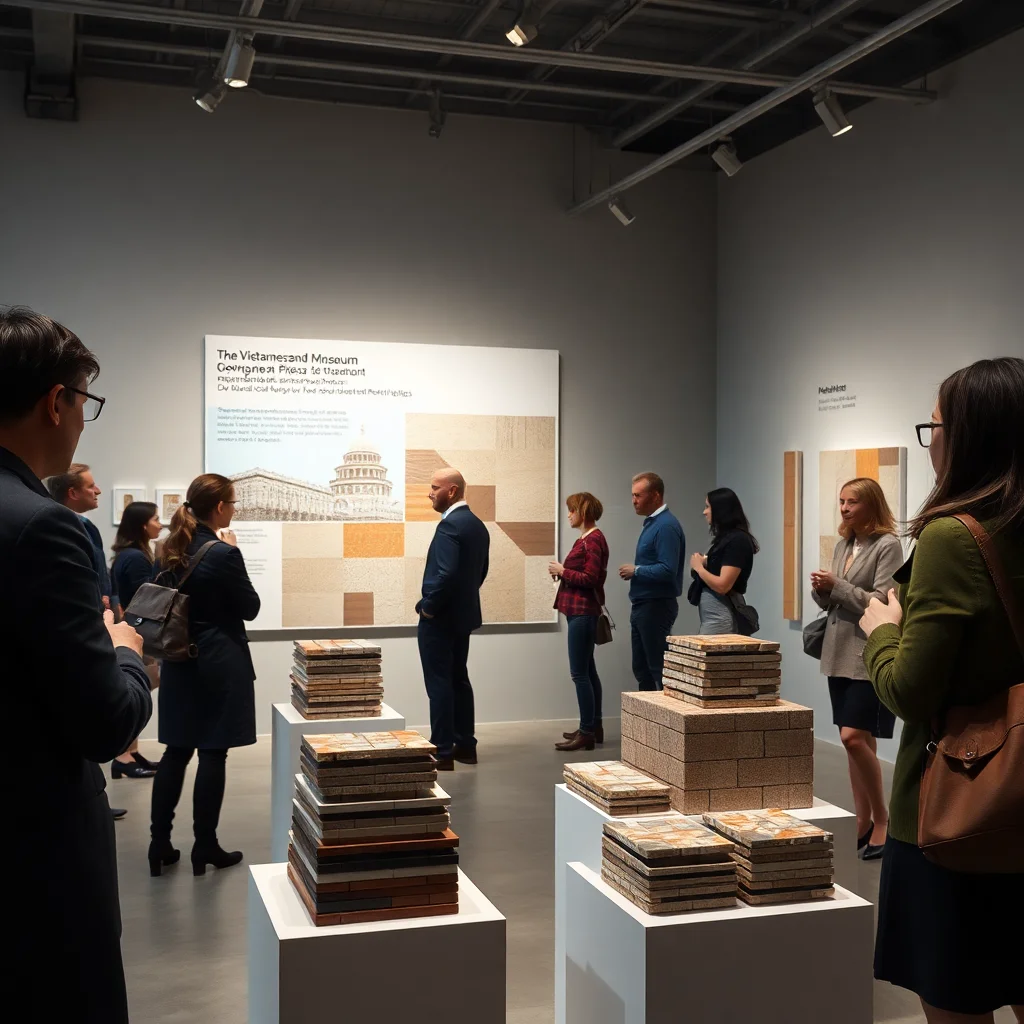
The most interesting thing about the recent wave of reclaimed-material architecture is not that it exists, but that it now looks expensive on purpose. A museum in Vietnam built from more than six million salvaged clay tiles, gathered from around 500 houses, did not win attention because it was modest or environmentally correct. It won because it turned reuse into spectacle: a material archive scaled up into a civic monument, then elevated into prestige by the Brick Awards 2026. That is the new shift. Salvage is no longer the visual language of constraint. It is becoming the visual language of ambition.
This matters because architecture has always used material scarcity as a rhetorical device. Stone signaled permanence, bronze signaled power, glass signaled corporate confidence. Now reclaimed tiles, recycled ceramics, and dismantlable brick systems are entering the same symbolic economy. The message is not simply that we saved something. The message is that we were able to organize, standardize, and elevate what others discarded. In an industry obsessed with differentiation, reuse has become a way to look singular while claiming moral legitimacy. That is a potent and dangerous combination.
From Craft Ethics to Status Language
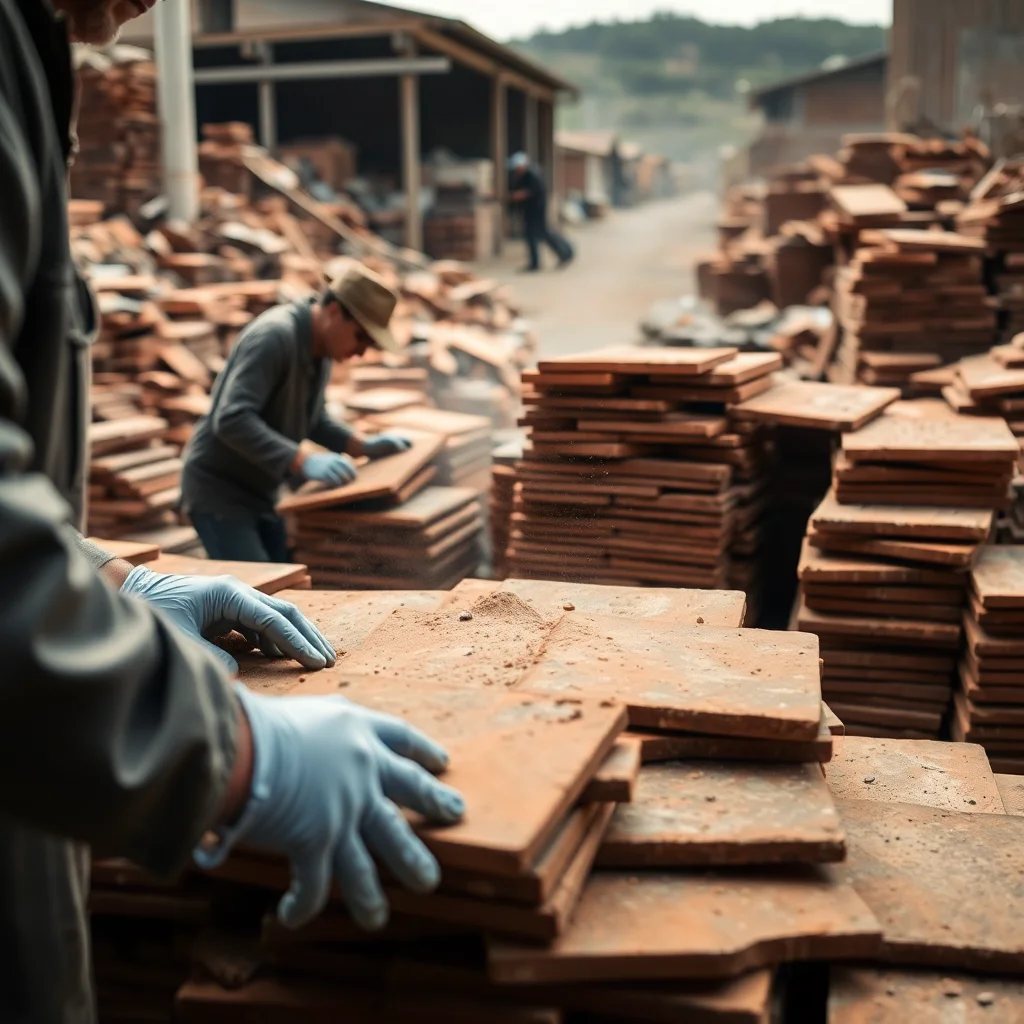
For years, circular construction was treated as a fringe ethic: admirable, technically demanding, often slower, and usually discussed in the same breath as rural self-build, experimental labs, or activist design. But the field has moved. The new prestige layer comes from projects that translate circularity into a recognizable architectural order. Think of the precision of reused brick walls in contemporary European housing prototypes, the calibration of reclaimed timber in high-end public interiors, or ceramic facades that turn industrial waste into refined envelope systems. The point is not that the materials are old. The point is that they are curated.
Designers and offices that have helped normalize this shift include Rotor in Brussels, whose work has long argued that salvage can be a discipline rather than a compromise; Lacaton & Vassal, who made the case that keeping, adapting, and extending can be more radical than replacing; and Assemble, whose projects have repeatedly exposed the cultural capital hidden in ordinary material economies. Even beyond architecture, the logic echoes the fashion world’s obsession with provenance: what was once second-hand becomes collectible once framed correctly. Reuse, in other words, now performs taste.
That same tension between environmental rhetoric and material control is visible in cladding and local production, where the choice of finish is never just aesthetic but a statement about who gets to shape supply, labor, and identity. Reclaimed systems work best when that control is deliberate rather than incidental.
The Vietnamese Museum as a Material Argument
The Đạo Mẫu Temple and Museum in Vietnam makes this argument with unusual force. Built from six million up-cycled clay tiles salvaged from 500 houses, it is not a token gesture toward sustainability. It is a logistics operation, a memory machine, and a symbolic act of reassembly. The building transforms domestic debris into public narrative. Each tile is both a unit of enclosure and a fragment of social history, carrying the afterlife of demolished or altered homes into a new institutional setting.
That transformation is exactly why the project is so persuasive. Reuse here does not produce a rough, apologetic aesthetic. It produces density, repetition, and civic gravity. The museum’s value lies in its ability to turn aggregation into meaning. It suggests that circular construction can generate the same prestige effects as monumental masonry ever did, but with a different moral charge. The old monument said: this will last forever because power demanded it. The new monument says: this will last because the culture of waste has been reorganized into a durable form.
Why Reclaimed Materials Feel Rich Now
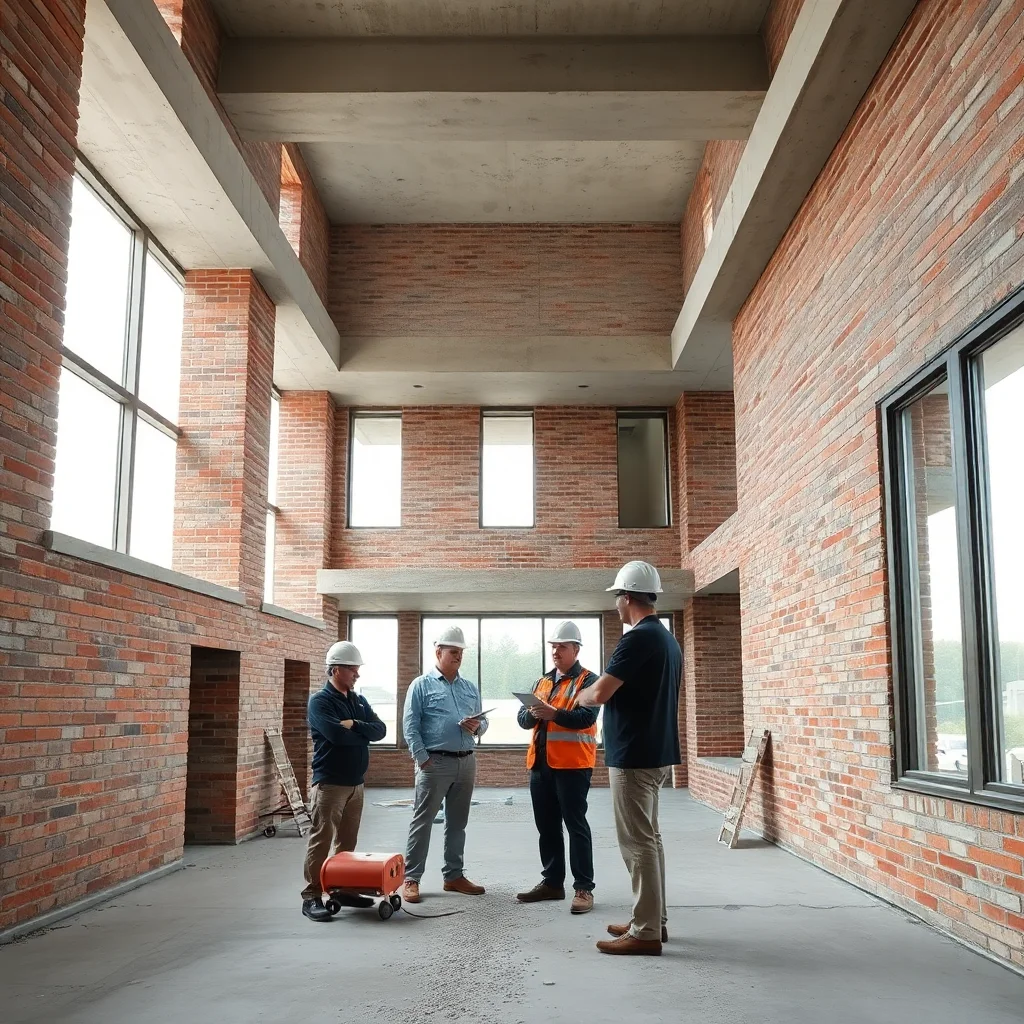
There is a reason salvaged materials feel especially contemporary. They answer several architectural desires at once. They offer texture in an era of over-smoothing. They carry provenance in a market flooded with anonymous global supply chains. They reduce embodied carbon while also delivering visual depth. And crucially, they allow architects to tell a story of intelligence rather than consumption. In a climate-conscious profession, intelligence has become its own luxury signal.
Projects using recycled ceramic cladding, reclaimed stone flooring, or dismantled brick assemblies can project a kind of scarcity reversed: not scarcity of resources, but scarcity of judgment. Anyone can buy new materials. It takes intelligence to see value where demolition crews see landfill. That is why projects by studios working with circular systems increasingly circulate as architectural trophies. The material itself becomes evidence of editorial rigor. Reuse is no longer just responsible. It is legible.
This logic also sits close to the broader debate captured in Repair or Replace? Europe’s Architecture Culture War, where maintenance, substitution, and adaptation are not neutral choices but competing values. Reclaimed materials gain force when they are read as part of that larger culture of keeping rather than discarding.
But Scale Is Where the Romance Breaks
Here is the problem: the prestige of salvage is easy to photograph and hard to industrialize. One museum, one pavilion, one boutique commercial interior can absorb the labor of sorting, cleaning, cataloging, and re-specifying reclaimed components. Mass housing cannot always do that. Regulations complicate everything. Fire codes, structural certification, warranties, and standardized procurement systems are built for predictability, not for the messy variability of recovered materials. A brick taken from one building may have a story, but it also has unknowns. A tile may be beautiful and still be impossible to certify at scale.
This is where many circular projects risk becoming elite exceptions. They demonstrate proof of concept without resolving the boring but decisive questions: who pays for deconstruction, who grades the recovered stock, who bears liability, who coordinates labor, and who guarantees availability across a whole development pipeline? Without answers, salvage remains a curatorial practice for singular buildings. With answers, it becomes a supply chain. That is the difference between a manifesto and an industry.
Two Futures: Democratic System or Boutique Morality
The optimistic argument is that reuse will mature into infrastructure. Dismantlable brick systems, reversible connections, and material passports could make future construction less extractive and more adaptable. In that version of the future, architects like Carl Elefante, whose slogan “the greenest building is the one that is already built” shaped a generation of retrofit thinking, are vindicated not just rhetorically but operationally. Circularity stops being a special effect and becomes standard practice. Buildings are designed to come apart. Materials retain identity across cycles. Salvage is planned from day one.
The cynical argument is more likely: the market will keep the aesthetics and discard the discipline. Developers will borrow the look of reuse without investing in the systems that make it scalable. A wall of reclaimed brick becomes a branding device. Recycled ceramic becomes a premium finish. The carbon story is retained for press releases, while the harder work of deconstruction, logistics, and compliance remains marginal. In that scenario, salvage becomes another luxury filter applied to conventional development. A moral surface, not a systemic shift.
That split between systems thinking and surface effect is also central to King Fahd Stadium and the Politics of Renovation, where renovation is never only about preservation but about power, cost, and what kind of future an existing structure is allowed to have. Reuse in architecture faces the same test at a smaller material scale.
The Real Test Is Whether Reuse Can Become Ordinary
The true measure of success is not whether reclaimed materials can produce a beautiful museum or a celebrated competition winner. It is whether they can survive the downgrade from icon to infrastructure. Can salvage enter schools, apartment blocks, clinics, and logistics sheds? Can it compete on price once accounting includes carbon, labor, and end-of-life value? Can municipalities write rules that reward disassembly rather than demolition? Can manufacturers build product lines around recovered inputs without turning every project into a one-off sourcing drama?
If the answer is yes, then reclaimed tiles and recycled ceramics are not a trend; they are the beginning of a new architectural order. If the answer is no, then we are merely watching the emergence of a tasteful sustainability for institutions with enough budget to make ethics look effortless. The stakes are obvious. Either reuse becomes the grammar of mass construction, or it remains the prestige accent of the already privileged.
FAQ
What makes salvaged materials prestigious in architecture now? Salvaged materials signal both environmental intelligence and curated taste. When used at high quality and large scale, they read as deliberate, rare, and culturally sophisticated rather than improvised.
Why are reclaimed tiles and recycled ceramics so compelling? They carry visible history while offering strong tactile and visual effects. In projects like the Vietnamese museum built from six million reused tiles, they also demonstrate that waste can be transformed into architectural monumentality.
What prevents reuse from scaling across mainstream construction? The biggest barriers are regulation, certification, sorting labor, variable quality, and procurement systems that favor standardization. These issues make salvage easier for singular projects than for mass production.
Is circular construction just a style trend? It can become one if developers use the aesthetic of reuse without building the logistics behind it. But it can also become a genuine industrial shift if dismantling, repair, and material recovery are integrated from the start.
So the question is not whether reuse can look beautiful — it already can. The question is whether architecture will let salvaged materials become ordinary, or keep them trapped as a luxury sign of conscience.
Get the Mainifesto weekly — curated design debates, speculative ideas and the week's best articles every Saturday.
Editorial Perspectives
Questions and counterpoints developed by the Mainifesto editorial desk to extend the discussion.
Perspective 1
Salvage only changes the market if it’s backed by supply chains, code compliance, and predictable performance. Otherwise it becomes a luxury finish for a few showcase projects, which does little for the broader shift we actually need.
Perspective 2
I think salvage can accelerate circular construction, but only if we stop treating reuse as a fixed aesthetic and start designing systems for disassembly, sorting, and material passports. If the architecture of prestige is just old brick with a better story, then we’ve missed the technical point entirely.
Perspective 3
This is the familiar fate of virtue in architecture: it arrives as ethics and leaves as style. Reuse will matter only if it remains a material discipline, not a chic signifier for clients who want the moral halo without the inconvenience of actual restraint.