When Architecture Becomes Climate Infrastructure
Architecture Is Done Pretending to Be Neutral
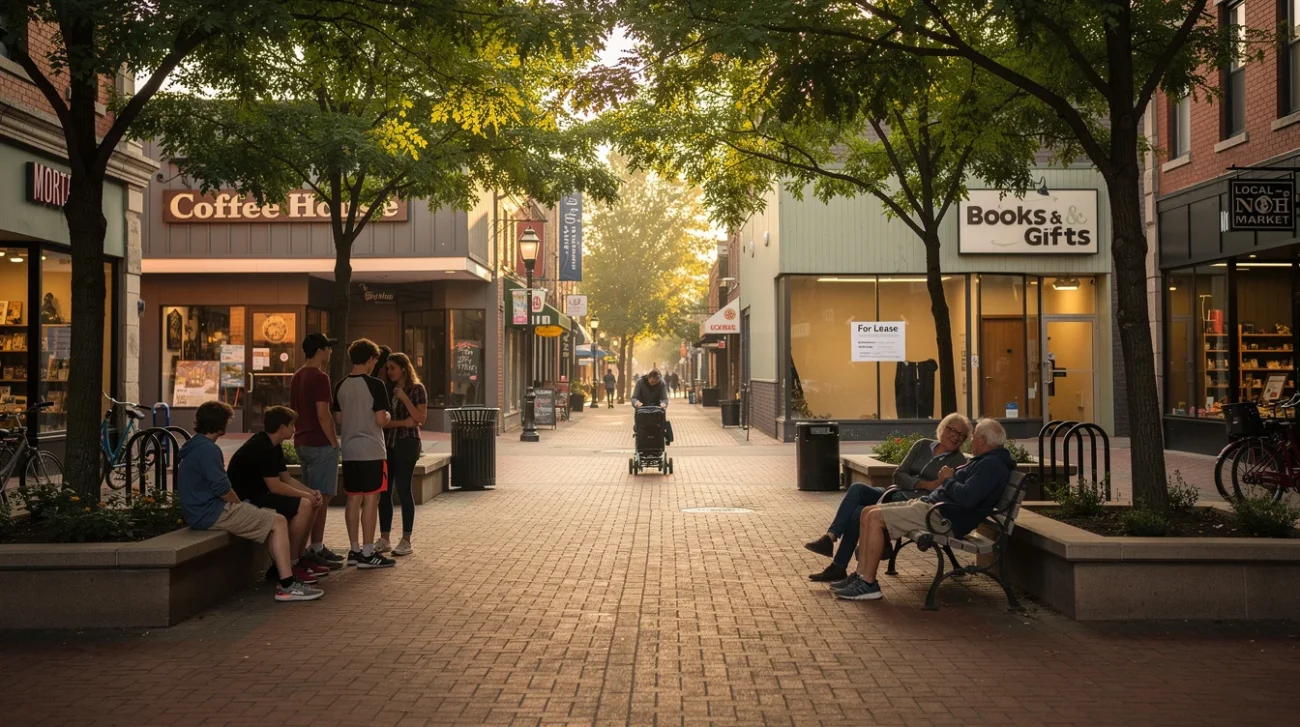
For decades, architecture sold itself as an object lesson in autonomy: a museum as icon, a spa as destination, a civic building as symbolic shell. That fantasy is collapsing under the pressure of heat, flooding, pollution, and urban inequality. The most ambitious projects today are no longer trying to stand apart from their surroundings; they are trying to work on them. Buildings are being asked to cool streets, gather shade, route breezes, absorb rain, and create public refuges in cities that increasingly behave like thermal traps.
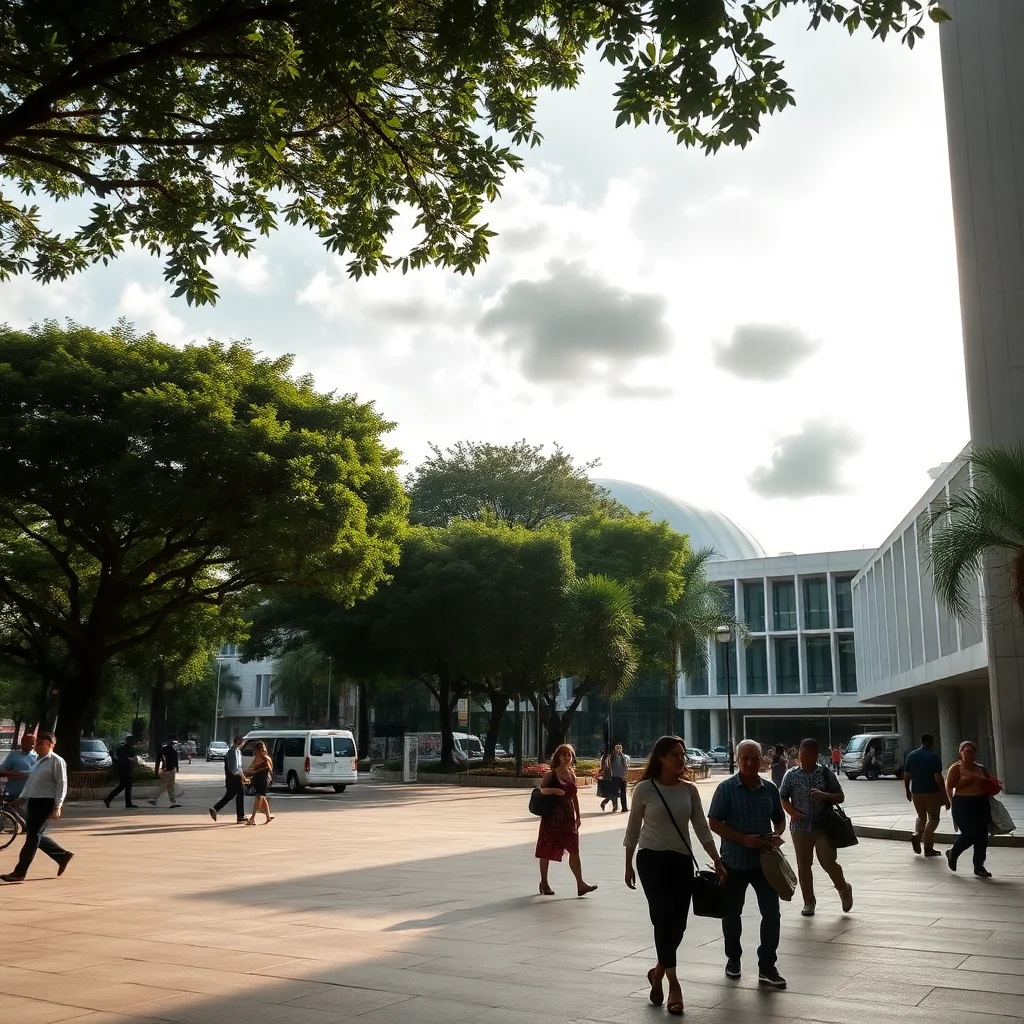
The new language is blunt and useful: architecture as climate infrastructure. Not metaphor, but method. A building can now be judged by whether it lowers the temperature of a block, shelters pedestrians at noon, or makes public space habitable for longer parts of the day. This is not a softening of architectural ambition. It is a hardening of purpose. In Panama City, the proposed extension to Museo de Arte Contemporáneo de Panamá by Mexico City-based studios TO and Palma makes that shift explicit by centering the museum around a shaded plaza and reconnecting downtown commerce with Boca La Caja. The museum is not just an object to look at; it is a spatial instrument for exchange, comfort, and urban repair.
That is the real rupture. The prestige project is being repurposed as public utility. And once you accept that, the architecture profession has to answer a more uncomfortable question: if a building cannot improve the climate of its neighborhood, what exactly is it for?
From Monument to Microclimate
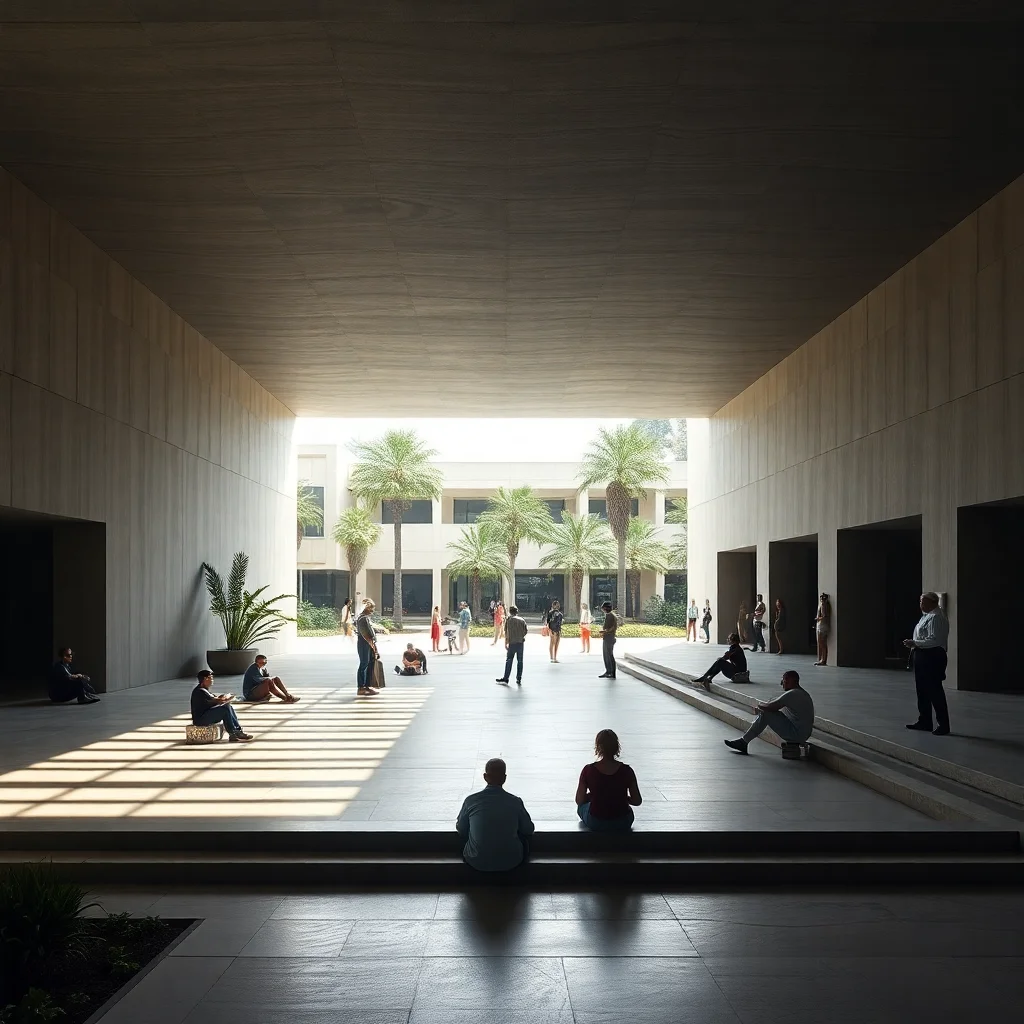
One reason this shift matters is that the old monument logic was built for a stable climate that no longer exists. The classic museum façade, sealed and over-conditioned, is a machine for exclusion as much as conservation. It creates interior comfort by exporting heat, shade, and cost to the outside world. Today, that model looks not only wasteful but politically obsolete. Cities in the Global South, especially, are demanding projects that work with climate rather than against it.
That is why the shaded plaza in Panama is more than a nice gesture. It signals a broader design culture in which thresholds matter more than facades. Projects by Elemental, ZED Factory, and other socially minded practices have long argued that architecture should expand the useful condition between building and city. More recently, that logic has entered the institutional realm. The Kunsthaus Bregenz explored urban porosity through controlled light and envelope precision; more openly civic schemes like the Museo del Barrio’s public-facing programming or the courtyard-driven logic of many Latin American cultural projects demonstrate that a museum can function as a civic lung. In hot cities, the threshold is the project.
Even the vocabulary is changing. Shade is no longer a passive by-product but a designed civic service. Ventilation is no longer simply technical performance but public amenity. Water collection, planting, and reflectivity become political decisions because they determine who gets to inhabit the street, and when. Architecture becomes climate infrastructure the moment it starts organizing urban life around the conditions for staying outside.
Panama City Makes the Case Sharper
Panama City is an especially revealing site because it is already defined by exchange: between oceans, between economies, between adjacent urban conditions that do not easily meet. The TO and Palma proposal for Museo de Arte Contemporáneo de Panamá takes that civic reality seriously by reimagining the museum as a connective device rather than an isolated cultural container. Its central move is a shaded plaza that stitches together the downtown commercial core and nearby residential Boca La Caja, turning the museum into a negotiated passage as much as a destination.
This matters because it reframes culture as an everyday spatial service. In many cities, museums still behave like sealed sanctuaries for specialized audiences. But in Panama, the museum extension is being asked to help mediate between work, home, and public movement. That is a climate strategy as much as an urban one. A shaded plaza can slow heat gain, support informal gathering, and reduce the friction of moving through dense tissue. It can also make art feel less like an elite interruption and more like part of the city’s atmospheric commons.
The political charge here is obvious. If a museum can help repair the interface between a commercial core and a residential neighborhood, then architecture has entered the realm of social infrastructure. Not “placemaking” in the soft branding sense, but a direct intervention in how people survive heat, access shade, and share space. The question is not whether the building is beautiful. The question is whether it makes the city more livable.
That logic also helps explain why adaptive reuse has become a status symbol in contemporary design culture. When existing structures can be reworked to serve new public and climatic needs, architecture gains value not by starting over, but by extending what already belongs to the city.
Spa Complexes, Civic Halls, and the New Civic Thermodynamics
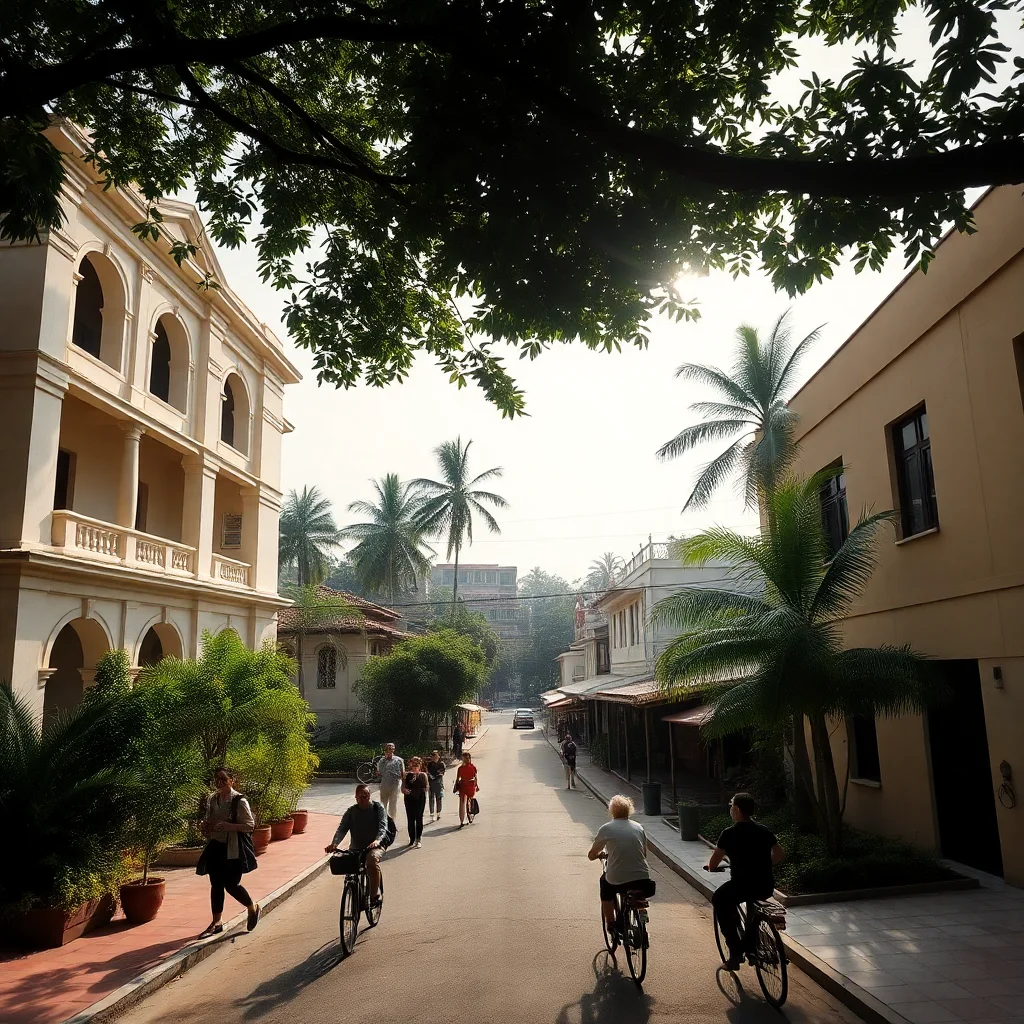
It is tempting to think this is only happening in museums, but the broader field is wider and stranger. Spa complexes, thermal baths, public pools, and civic halls are all being rethought as environmental devices. The appeal of these building types is obvious: they already deal with temperature, water, rest, and collective bodies. What changes now is the scale of expectation. They are no longer just wellness or leisure destinations; they are prototypes for urban cooling.
Look at the recent popularity of bath-house typologies in climate-conscious design culture, from Nordic sauna projects to urban wellness complexes that blur relaxation and public amenity. The best of them do not fetishize retreat. They choreograph circulation, airflow, and social mixing. In a different register, Kengo Kuma’s porous material strategies, or the deep shaded galleries of tropical modernism, remind us that architecture in hot climates has always known how to be less sealed, less absolute, more adaptable. The contemporary climate-infrastructure agenda simply makes that knowledge public again.
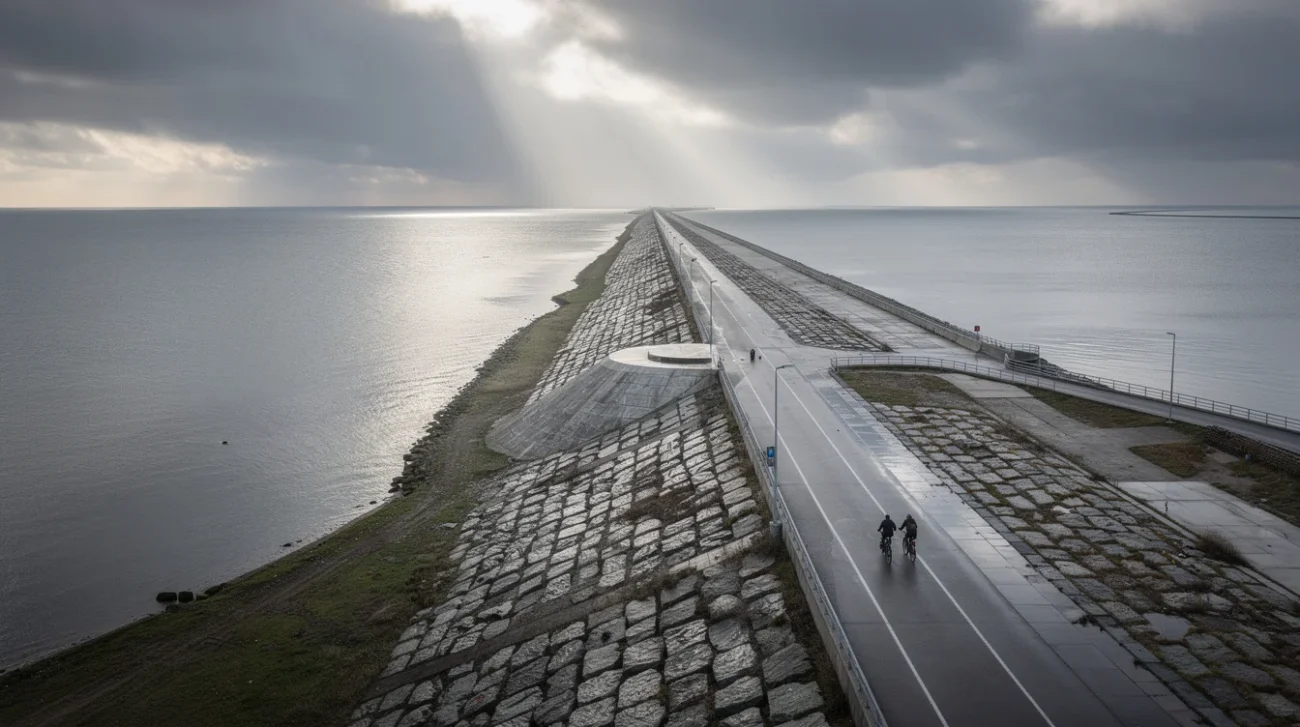
Civic projects are catching up too. Shaded transit structures, multiuse cultural halls, libraries with rain gardens, and district-scale courtyards all reveal the same ambition: to distribute climatic relief across the city instead of reserving it for the privileged interior. The best examples are not trying to compete with urban infrastructure; they are trying to become it. They collect stormwater, encourage cross-breezes, host events in the cooler hours, and give a neighborhood somewhere to pause.
The Risk: When Everything Becomes Infrastructure, Nothing Is Tender
But there is a danger in this enthusiasm. Once architecture becomes climate infrastructure, every building can start sounding like a policy document. The risk is that design gets flattened into performance metrics: degrees of temperature reduction, liters of water retained, square meters of shade produced. Useful? Absolutely. Sufficient? Not remotely. A city is not healed by optimization alone.
There is also the danger of moral laundering. Developers and institutions can wrap standard projects in the language of resilience without changing the underlying inequalities that produced the crisis. A museum plaza that cools the wealthy while displacing informal users is not climate justice; it is atmospheric branding. Similarly, a spa complex that advertises sustainability while remaining an enclave for the affluent is just green luxury with better PR. Architecture cannot claim infrastructural virtue if it only improves comfort for those already protected.
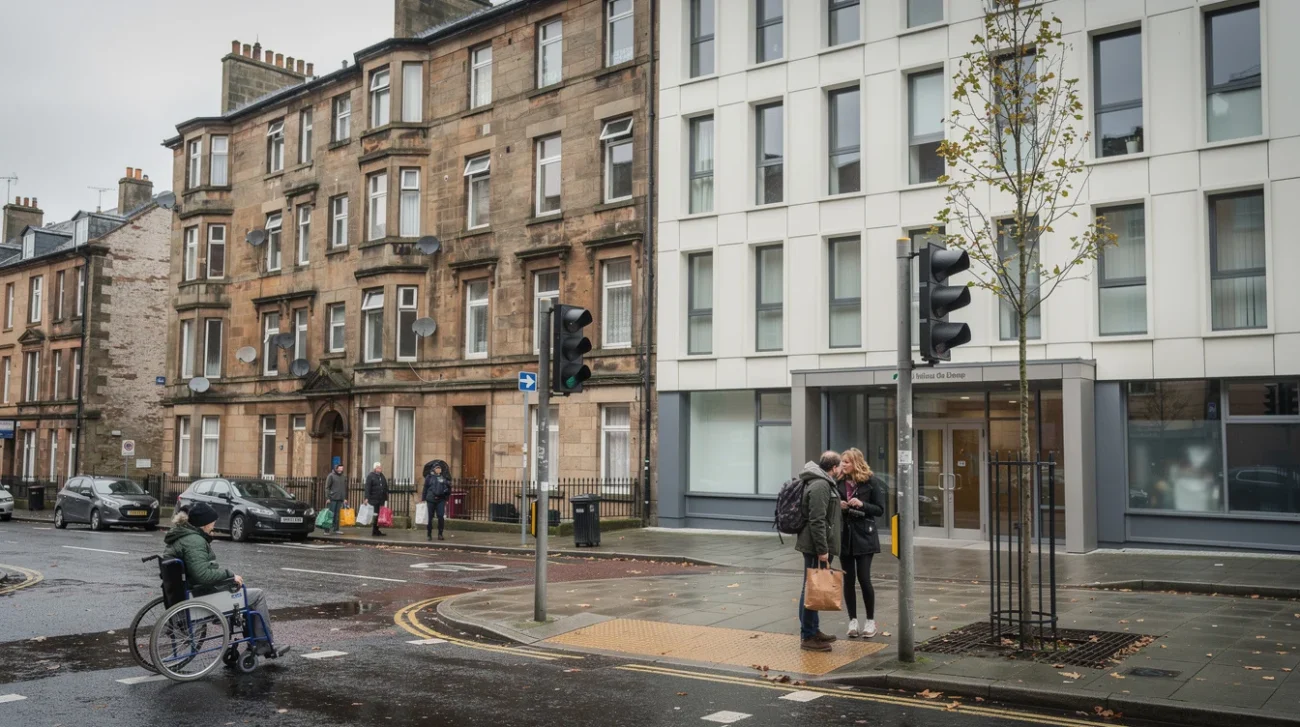
This is where the boldest work must remain confrontational. Climate infrastructure should not mean reducing architecture to a technical service. It should mean expanding architecture’s ethical field. A public building must ask who gets shade, who gets access, who is invited to linger, and who is pushed into the sun. If these questions are not built into the project, the project is not infrastructural at all. It is decorative adaptation.
What the Best Projects Understand
The strongest contemporary projects understand that climate is not an abstract backdrop but the real public realm. They treat environmental performance and civic generosity as the same problem. That means more than adding trees or solar panels. It means composing streets, edges, roofs, courtyards, and programs so that the building changes the experience of the neighborhood at ground level.
This is why the most interesting references are often those that refuse disciplinary purity. Tropical civic buildings, landscape-driven museums, bath complexes, transit shelters, and shaded arcades all belong to the same evolving lineage. They do not separate architecture from environment; they make environment legible as architecture. The museum in Panama is part of this trajectory because it understands the institution not as an isolated container for art, but as a shared climatic episode in the city.
That is the editorial provocation worth keeping. In the next era, the best architecture may be judged less by its silhouette than by its effect on the air around it. The question is no longer whether a building looks iconic from a distance. It is whether, at street level, it makes life more possible.
Seen this way, even seemingly mundane programs become tests of civic seriousness. Articles such as Public Toilets as Civic Statements show how ordinary facilities can become measures of whether a city is willing to support public life without making it feel conditional or ashamed.
FAQ
What does it mean for architecture to become climate infrastructure? It means buildings are designed to perform environmental work for the city: providing shade, cooling public space, managing water, improving ventilation, and supporting more livable urban conditions. The building becomes part of the climate system, not separate from it.
Why are museums becoming a testing ground for this idea? Museums sit at the intersection of culture, public life, and urban prominence, which makes them ideal sites for rethinking access and comfort. If a museum can open itself to the street with shade, porosity, and gathering space, it can act as a civic tool rather than an isolated monument.
Are spa complexes and baths really part of the same trend? Yes, because they are spatial types built around temperature, water, rest, and the body. In a hotter world, these typologies become models for collective cooling and recuperation, especially when they are designed to serve public life instead of private luxury alone.
What is the biggest risk in this architectural shift? The biggest risk is greenwashing: using climate language to decorate business-as-usual development. A project only counts as climate infrastructure if it redistributes comfort, access, and environmental benefit beyond a narrow elite.
Conclusion
The future of architecture will not be decided only by formal innovation. It will be decided by whether buildings can actively reshape the conditions of life around them. In that sense, the shift from landmark to climate infrastructure is not a trend but a demand. The museum in Panama is a sharp example because it treats shade, thresholds, and neighborhood connection as the real design agenda. That is not a retreat from architecture’s ambition. It is architecture finally taking responsibility for the world it occupies.
And if that is the standard, then the discipline has no excuse left to remain a spectacle. It must become useful, generous, and politically explicit — or admit it is merely ornamental in a warming city.
Should architecture’s next great works be judged less by their form and more by the climate they create around them?
Get the Mainifesto weekly — curated design debates, speculative ideas and the week's best articles every Saturday.
Editorial Perspectives
Questions and counterpoints developed by the Mainifesto editorial desk to extend the discussion.
Perspective 1
This is not so new, of course; the grand civic buildings of the past were always climate devices in disguise, from courtyards to deep loggias. The problem is that too much contemporary rhetoric mistakes atmospheric performance for civic intelligence. Architecture should be judged by the city it makes, not only the image it sends.
Perspective 2
In places like Beirut, Dubai, or Lagos, climate infrastructure is not a poetic option, it is survival logic. If a museum can shade a block, reduce heat load, and keep people moving through public space, then yes, that performance matters more than an iconic silhouette. But let’s be honest: without maintenance, governance, and energy policy, the building is just a very expensive canopy.
Perspective 3
Judged purely on form, a lot of these projects look clever but expensive to operate. If the architecture can genuinely cut cooling loads, improve comfort, and make surrounding land more valuable, then that’s a business case, not just a climate story. The trick is proving it in numbers, not in renderings.
Perspective 4
I care less about whether it reads as a masterpiece and more about whether people actually want to be there in July. If the space is cooler, easier to navigate, and better for footfall, then that’s good design with a measurable return. Theory is fine, but guests notice shade, air movement, and how long they stay.
Perspective 5
Yes, but only if the climate benefits are measured properly and not used as a marketing layer over mediocre design. We need evidence: temperatures, energy use, biodiversity, pedestrian comfort, all of it. Form still matters, but in a warming city it can’t be the only criterion anymore.