When Interiors Become Repair Mechanisms
Inheritance Is No Longer a Backdrop
In contemporary heritage work, the interior has stopped behaving like a polite room dressing and started operating like a repair mechanism. It is asked to absorb the contradictions of the building it inhabits: the stubborn logic of old plans, the visible scars of use, the unevenness of structural interventions, and the very modern demand that everything work now, smoothly, publicly, and often under financial pressure. This is why heritage interiors are no longer defined by preservation alone. They are negotiation spaces where memory is not simply displayed but actively re-authored through circulation, program, light, and touch.
The old argument pitted conservation against modernization, as if the only question were how much of the original fabric could survive. That debate now looks narrow, even timid. The more urgent issue is what kind of continuity we value. Do we protect an image of authenticity, sealed and polished for cultural consumption, or do we accept authenticity as lived, imperfect continuity—one that includes repair seams, patched floors, mismatched surfaces, and the awkward compromises required for contemporary life? Across heritage renovations and adaptive reuse, the strongest interiors are no longer those that pretend nothing has changed. They are the ones that admit change as part of their credibility.
PRO: The Interior as a Site of Productive Friction
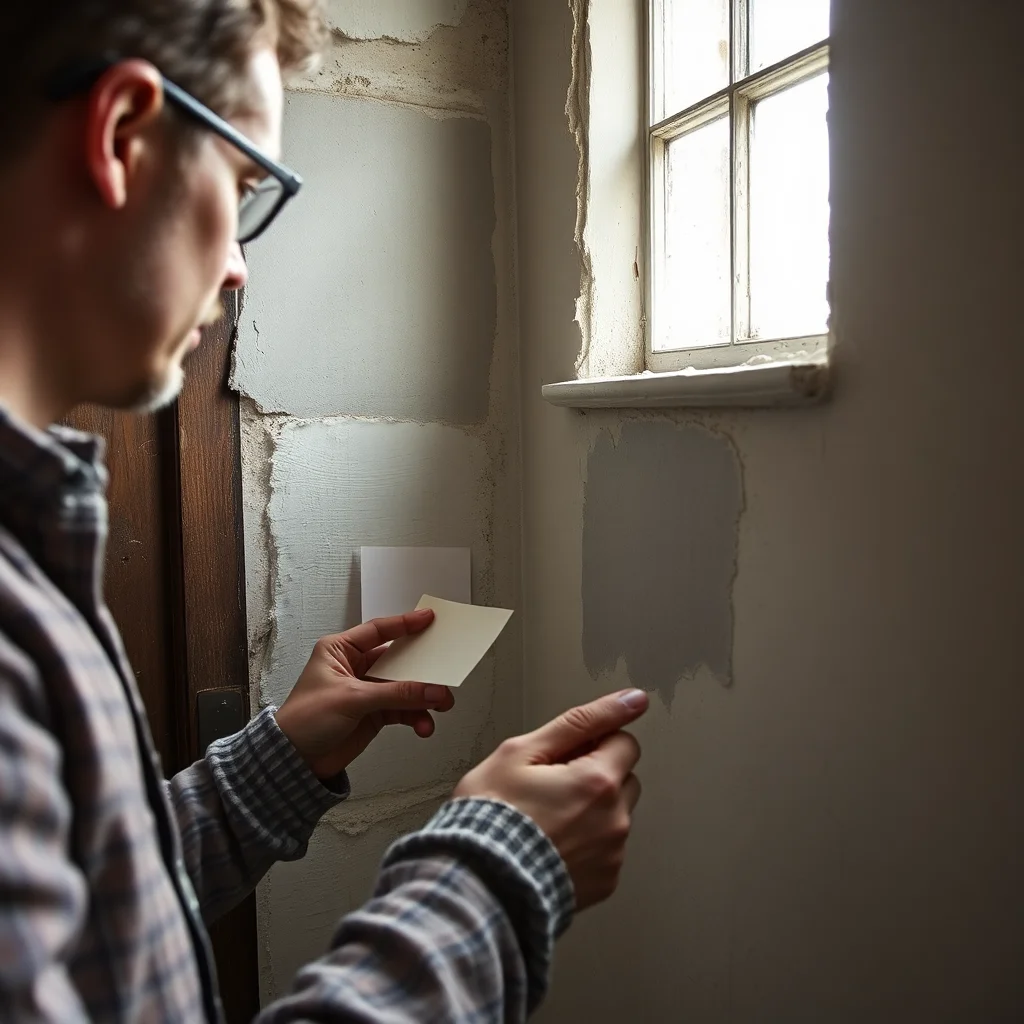
The most compelling heritage interiors today do not erase conflict; they stage it. In projects such as David Chipperfield’s restoration of the Neues Museum in Berlin, or Caruso St John’s work at Tate Britain’s internal spaces, the old and the new are not blended into a seamless illusion. Instead, the intervention is legible. You can read where repair ends and continuation begins. That visibility matters because it refuses the counterfeit purity that often passes for respect. A patched wall or a carefully differentiated stair is not a failure of design; it is a declaration that history is a process, not a frozen image.
This is where the notion of repair becomes architectural rather than merely technical. Repair is not only about fixing damage. It is about constructing a usable future from inherited conditions that are incomplete, uneven, and sometimes contradictory. Interiors are particularly suited to this task because they are where buildings meet bodies. They register climate, acoustics, movement, wear, and social behavior. In adaptive reuse, the interior is often the first place where a building’s latent capacities are revealed: the former warehouse becomes a cultural venue because its generous volume can host multiple programs; the former industrial hall becomes a restaurant, office, or archive because its robust shell can accept new insertions without pretending to be something it is not.
The interiors of adaptive reuse projects often succeed precisely when they keep the building’s peculiarities visible. Consider how many contemporary renovations rely on retained masonry, exposed beams, or repaired plaster not as rustic decoration but as evidence of continuity under stress. This is not nostalgia. It is an ethical position. The material inconsistency of the old interior resists the flattening logic of generic fit-out. It insists that use must adapt to form, not just the other way around. In that sense, the interior becomes a political instrument: it argues against disposable space and against the fantasy that a building’s value begins only when it looks new. In commercial settings, that tension is often sharpened by the way heritage is repackaged, a dynamic explored in When Heritage Hotels Become Luxury Theatre, where restoration can slip into performance.
Heritage as Living Evidence, Not Museum Glass
There is a deeper reason this approach feels urgent now. Many heritage interiors are no longer occupied by single stable programs. They must host hybrid and changing uses: exhibition, hospitality, co-working, learning, domestic life, and public events often collide within the same envelope. Under those conditions, authenticity cannot be reduced to a visual script. The interior must perform materially and socially. It must handle circulation, accessibility, safety, acoustics, and environmental performance without stripping away the qualities that made the place distinctive in the first place.
This is why the language of “original fabric” can become misleading when treated as sacred. Not every trace is equal. Some fragments matter because they structure experience; others matter because they tell us the building has survived labor, neglect, adaptation, or repair. The Italian restoration debate has long understood this, especially in the work of architects and theorists who resist over-restoration. The point is not to preserve a room as a pristine relic, but to allow the room to remain readable as time layered into matter. The best interiors do this with discipline. They do not overstate the new, but neither do they fetishize decay.
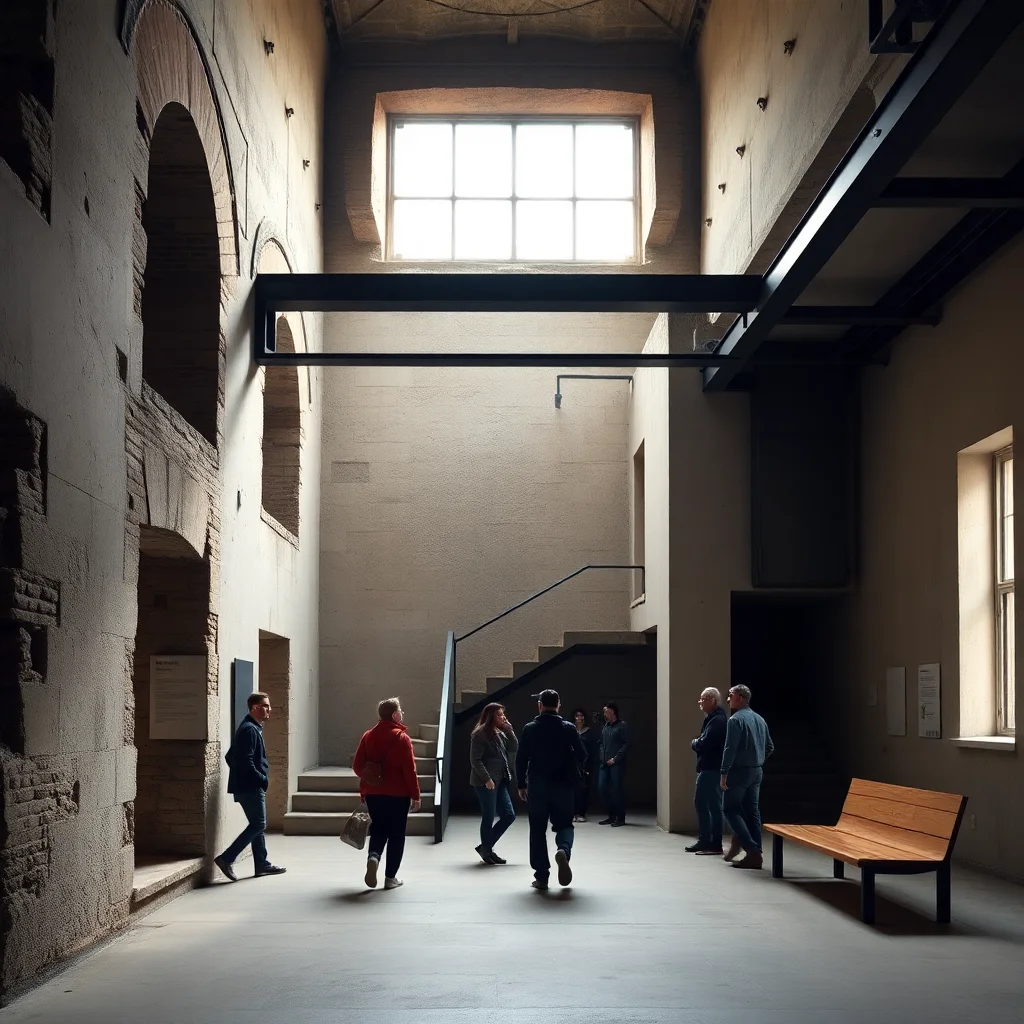
Look at adaptive reuse practices in former civic and industrial buildings across Europe and beyond: designers often retain traces of the previous use—chalk marks, patched concrete, old circulation thresholds, structural additions—as a way of keeping the interior accountable to its history. These marks are not decorative evidence. They are operational memory. They tell occupants how the building has been used, altered, and negotiated over time. In that sense, the interior is less a shell than a document, and repair is the act of editing without falsifying the text.
CONTRA: The Risk of Aestheticizing Ruin
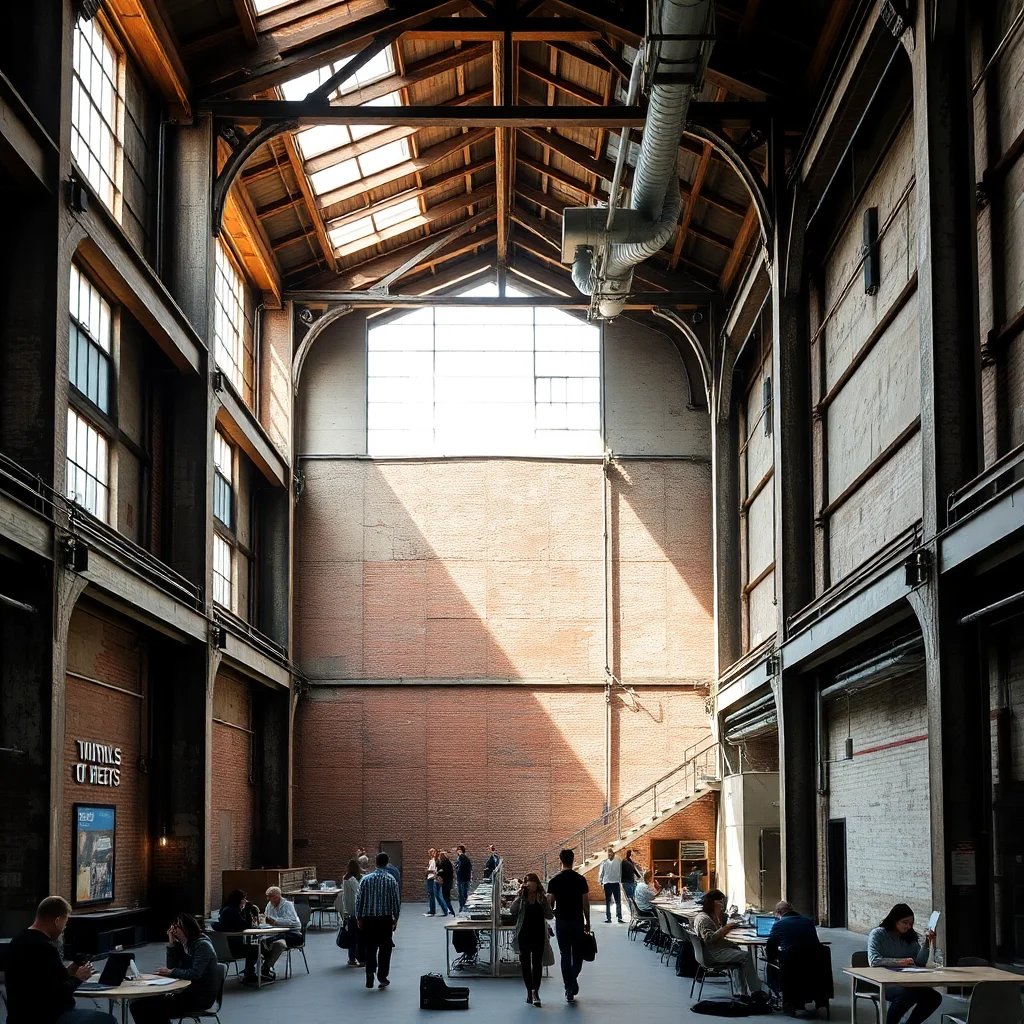
But the repair narrative has its own trap. Once architects and curators discover the beauty of imperfection, they can turn damage into a style. Cracked plaster becomes photogenic. Exposed brick becomes moralized. Patina becomes a premium texture marketed as evidence of intelligence. This is where heritage interiors can slide from serious continuity into curated ruin. The result is a kind of cosmetic authenticity—an aesthetic of damage that flatters contemporary taste while evading the harder questions of maintenance, labor, and social access.
This danger is especially acute in commercial adaptive reuse, where the roughness of the old interior is often deployed as branding. The message is seductive: look, we kept the history. But what was actually kept? Often only the most camera-friendly fragments survive, while the rest is sanitized through lighting, furniture, and a highly managed palette. The interior then performs imperfection as a luxury signal. It sells the appearance of age while eliminating the very frictions that make age meaningful. The building’s operational history is reduced to atmosphere.
There is also a moral risk in overvaluing legibility. If every intervention must be clearly differentiated from the historic fabric, the architecture may become overly didactic, as if the building were an exhibition about itself. Sometimes continuity works best when it is quiet, even invisible. Sometimes the most respectful intervention is one that disappears into service of use. In heritage interiors, the obsession with readable contrast can itself become a form of vanity. It assumes that design’s highest achievement is to announce its own restraint.
And yet, the contrary position has force: if a building is continuously inhabited, then change is inevitable and should not be disguised. The challenge is not to eliminate friction, but to avoid turning friction into a commodity. A repaired interior should carry evidence of care, not just evidence of aesthetic taste. That means the question is never simply whether a surface is old or new. It is whether the interior preserves the terms of its own becoming.
Beyond Preservation: Interior Design as Custodianship of Use
The boldest heritage interiors understand themselves as custodians of use rather than custodians of appearance. This shift changes everything. It reframes thresholds, storage, circulation, and even maintenance as design problems with cultural meaning. It also aligns interiors with a broader architectural ethics increasingly visible in adaptive reuse, where extending life is more radical than replacement. In this view, the interior becomes a repair mechanism because it mediates between material endurance and contemporary necessity. It lets the building stay itself while making it usable again.
That mediation is not neutral. It requires judgment about what should remain visible, what should be updated, and what should be intentionally incomplete. The strongest examples—whether in a carefully restored municipal building, a converted warehouse, or a historic domestic interior adapted for public use—treat these decisions as part of the design language. They accept that continuity is made, not inherited whole. They also reject the lazy binary between conservation and innovation. In practice, the best interiors are both conservative and radical: conservative in their respect for the given, radical in their refusal to let the given dictate paralysis.
For Mainifesto’s readers, the provocation is clear. Heritage is not preserved by freezing it. It is preserved by allowing it to remain operational, contested, and imperfect. The architectural interior, in this sense, is not the afterthought of a renovation. It is the place where history is made liveable again. As a companion to that argument, Haptic Interiors: Touch-Sensitive Design for Multi-Sensory Spaces shows how material experience can shape how a space is understood and maintained.
FAQ
FAQ
What does it mean for an interior to become a repair mechanism?
It means the interior is doing more than looking restored. It is actively reconciling inherited structure with contemporary use through circulation, material repair, accessibility, and programmatic adaptation.
Why is imperfection important in heritage interiors?
Because imperfection can reveal continuity, labor, and time. When treated honestly, traces of repair or wear help a space remain historically legible instead of becoming a fake original.
How do designers avoid turning ruin into style?
By distinguishing between meaningful evidence of use and merely decorative roughness. Good heritage design supports function and maintenance first, then appearance.
Is visible contrast between old and new always the right approach?
No. Visibility can clarify interventions, but overstatement can become performative. Sometimes the most responsible choice is a discreet addition that strengthens use without theatrical contrast.
That same tension also appears in more intimate program types, where precision and atmosphere have to coexist; a useful comparison can be found in Can a Bathroom Become a Precision Object?, which reframes fit-out as an argument about care and performance.
Related Tags
- Heritage interiors
- Adaptive reuse
- Interior architecture
- Restoration ethics
- Design and memory
Get the Mainifesto weekly — curated design debates, speculative ideas and the week's best articles every Saturday.
Editorial Perspectives
Questions and counterpoints developed by the Mainifesto editorial desk to extend the discussion.
Perspective 1
Yes—heritage interiors should show their repairs, because that’s where the building’s real biography stays legible. Seamless restoration often edits out the very evidence that makes the place credible, and in practice it can also hide future maintenance problems.
Perspective 2
I’m not convinced visible repair should be the default. Most guests read authenticity through comfort, coherence, and quality, not through how many scars are left on the walls, and if the space feels unfinished it becomes a liability fast.
Perspective 3
Visible repair can be powerful when it’s handled quietly; it lets time sit in the room instead of being erased. I’m interested in whether the light catches the old and the new differently, because that’s often what tells the story without turning it into a gesture.