
Can AI Make Architecture Clearer or Seductive?

Architecture Has Never Been Innocent About Images
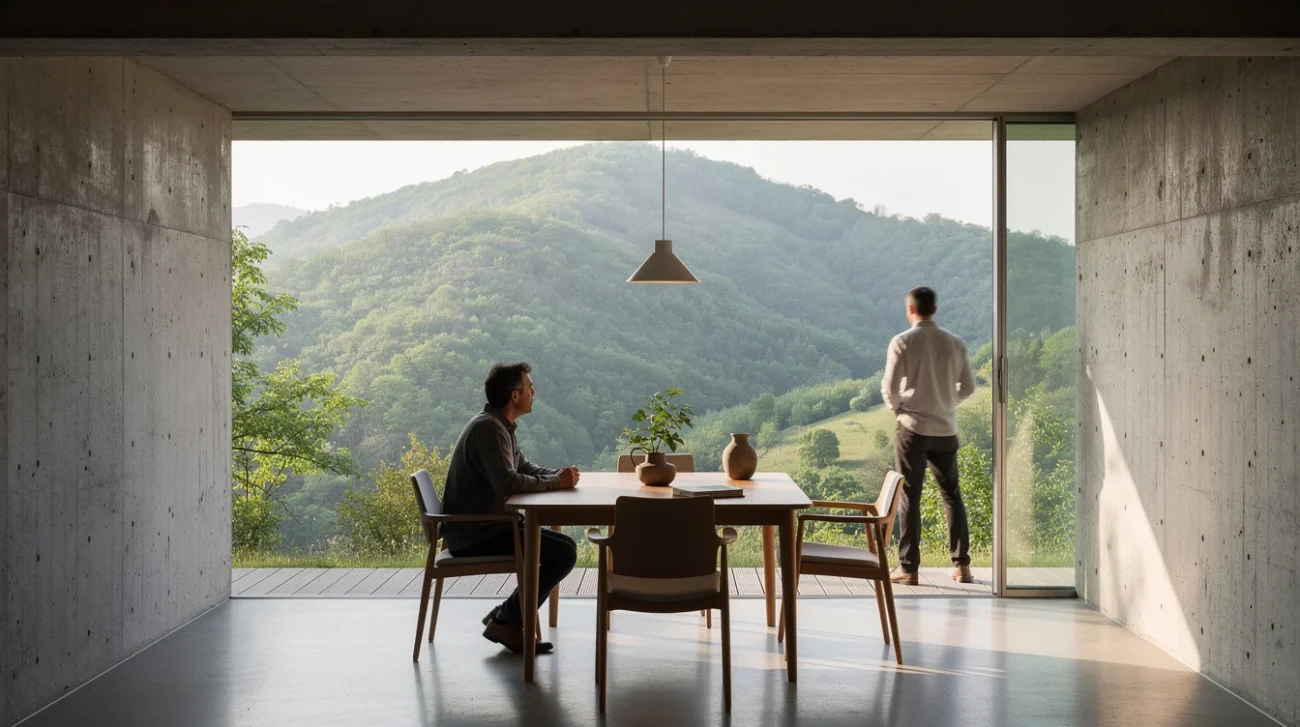
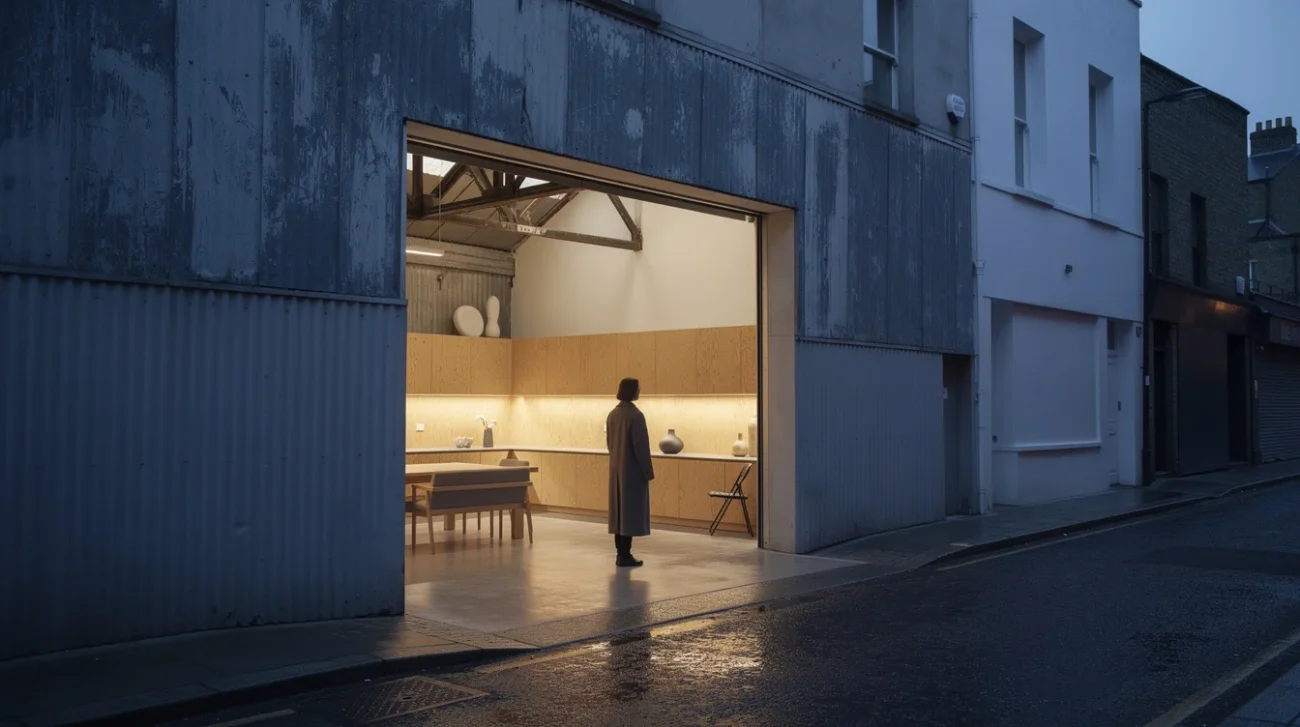
Architecture has always been a discipline of things not yet built. From Brunelleschi’s perspective studies to Piranesi’s impossible prisons, the profession has depended on representation to argue before concrete ever poured. What changed is not the fact of images, but their velocity, abundance, and political force. Today, AI-assisted real-time visualization tools can generate atmospheres, material palettes, and spatial moods in seconds, collapsing what used to be a laborious sequence of sketches, models, renders, and revisions into an almost instantaneous visual flood.
That speed is being sold as liberation. The promise is seductive: more options, faster consensus, broader participation, fewer bottlenecks between design intent and public communication. Yet the deeper question is whether the image is still serving architecture, or whether architecture is increasingly serving the image. Once a tool becomes capable of producing persuasive atmospheres before a concept is tested, the danger is obvious. The project can begin to feel complete because it looks complete.
This is not a minor workflow issue. It changes who has influence in the room. The person who can generate the most convincing image may gain more authority than the person who can explain structure, climate response, or long-term use. In that sense, AI visualization is not simply a technical upgrade. It is a redistribution of power inside the design process.
The Real-Time Workflow Changes the Politics of Design
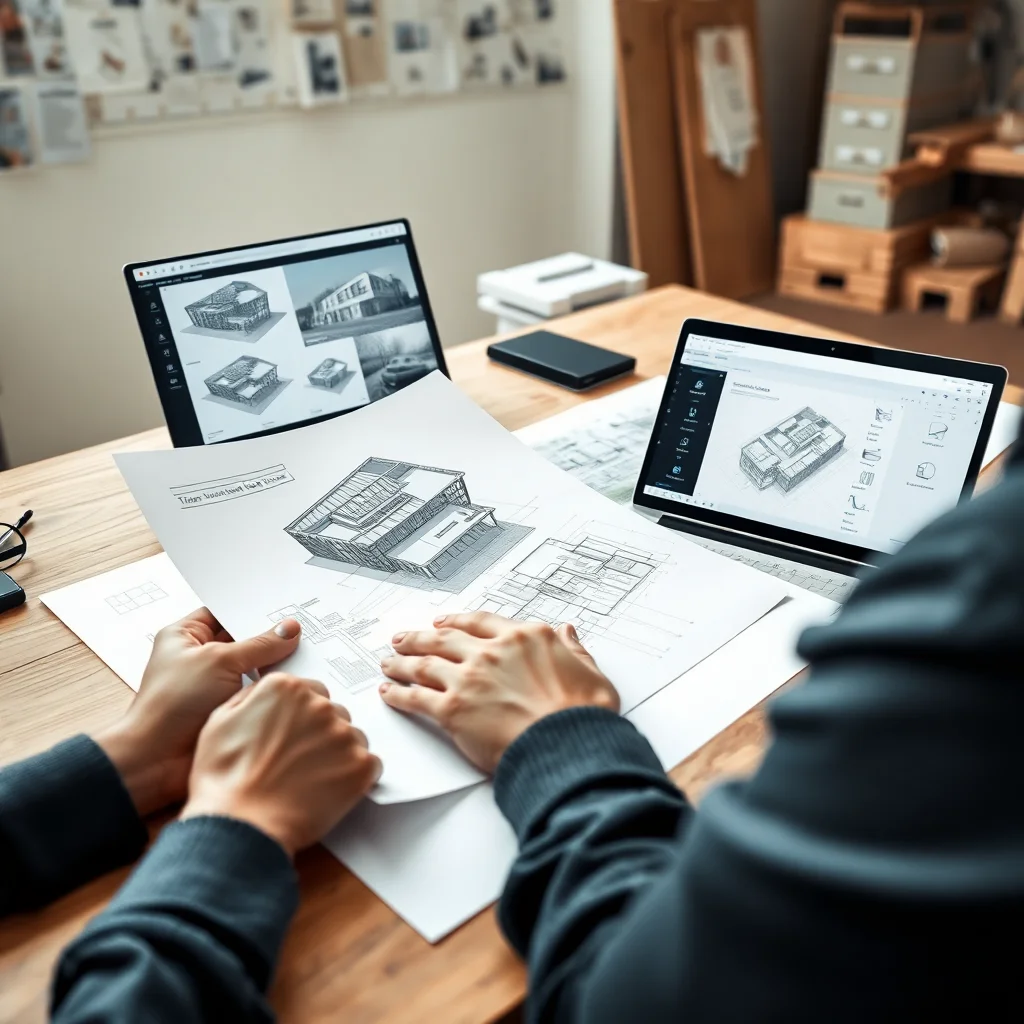
Architectural practice has long been fragmented between concept, technical development, and communication. Real-time tools tighten those gaps, but they also intensify them. A design can now be floated in a convincing image almost before it has been justified. That means clients, juries, and public audiences are often reacting to a visual proposition that has not yet been stressed by code, budget, construction logic, or climate performance.
This is where the democratic argument enters. In principle, AI-assisted iteration can broaden experimentation. A small studio without a dedicated visualization department can now test multiple scenarios rapidly. Community workshops can compare alternatives more clearly than with dry plans or opaque diagrams. Visualization becomes less exclusive, less gated by specialist software fluency, less dependent on long render queues. A wider range of voices can enter the conversation earlier.
But democratization is not the same as clarity. A system that generates many images does not automatically generate better decisions. In fact, it can disguise indecision as abundance. A team may mistake the availability of options for the quality of options. The result is a design culture increasingly organized around continuous presentation rather than deliberate resolution.
The profession should be honest about this: faster image production can expand participation, but it can also intensify manipulation. When every idea arrives already dressed in atmosphere, the seductive one wins before the rigorous one has had a chance.
From Brunelleschi to Midjourney: Representation as a Power Engine
The ArchDaily discussion rightly places today’s tools within a longer history of representation. Brunelleschi’s perspective system did not merely make space look more realistic; it organized vision according to human perception and helped standardize how architecture was understood. Later, renderings by figures such as Hugh Ferriss did something similar for the skyscraper age: they gave speculative urban futures a dramatic visual grammar before those futures were fully real.
AI does not invent this logic. It accelerates it to the point of instability. Where hand-drawn perspective and physical models once demanded time, material discipline, and interpretive effort, AI can produce a compelling ambience instantly. The image no longer feels like a translation of the project; it feels like the project itself. That is precisely why the current era is more dangerous than earlier visual regimes. The seductive image is not just a downstream artifact. It can become a design input, a sales pitch, a planning argument, and a public-facing identity all at once.
Look at the broader culture of contemporary architecture: competitions circulate through feeds before juries meet; speculative towers are posted as cinematic overlays; interiors are judged by their Instagram legibility before their acoustics or maintenance are considered. Even institutional work is not immune. Museum proposals, civic projects, and housing schemes increasingly rely on visuals that imply social value through tone and texture. The risk is not that imagery is new, but that imagery has become self-justifying.
When the rendering precedes the reasoning, architecture stops being tested and starts being performed.
That same dynamic helps explain why some critics now ask whether AI is becoming architecture’s junior partner rather than just a tool. The concern is not automation alone, but the subtle way image systems can begin to shape authorship, priorities, and judgment before the project has fully formed.
Clarity Is Not the Same as Precision
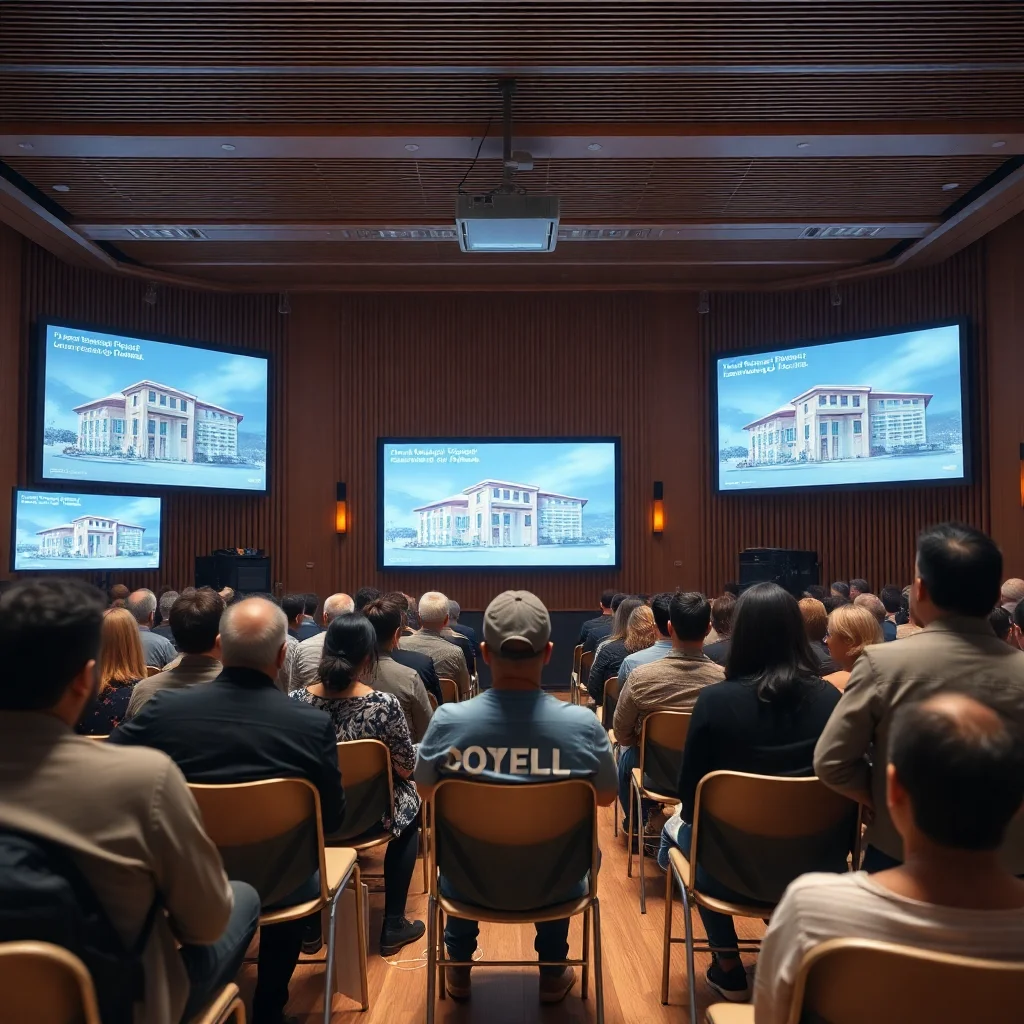
Supporters of AI visualization often speak the language of precision. Yet precision in image-making can be misleading. A rendering may be technically polished while remaining conceptually vague. It can show exact reflections, crisp shadow logic, and plausible material behavior, while failing to answer more important questions: Why is the building arranged this way? Who benefits from this plan? How will it age? What is being excluded in the name of coherence?
This is where the tools are at their most seductive. They can make a weak idea look inevitable. They can give a generic massing study the aura of lived reality. They can present a lobby as if it were already socially vibrant, even when the circulation is clumsy and the program unresolved. In the era of AI-assisted iteration, design teams must be more disciplined than ever about distinguishing visual confidence from architectural intelligence.
The best practices in the field already hint at a corrective. Practices working with computational design, from digital fabrication labs to advanced housing studios, often pair fast iteration with strict evaluative criteria: daylight, embodied carbon, adaptability, access, structural logic, and user feedback. This is the crucial point. Visualization is useful only when it remains embedded in a chain of tests. Detached from that chain, it becomes decorative argumentation.
There is a political risk too. In public projects especially, smooth imagery can obscure trade-offs. A school, library, or transit building can be made to look universally welcoming while concealing compromises in budget, maintenance, or spatial equity. When the image closes debate too early, architecture becomes less accountable, not more.
That is why conversations about the AI aesthetic and brand identity matter beyond marketing. The visual language is not just styling; it can flatten distinctions, standardize aspiration, and make almost any project feel interchangeable if the atmosphere is convincing enough.
What Democratization Would Actually Require
If AI is to make architecture genuinely more clear, it must do more than increase visual output. It must help more people understand the consequences of design choices. That means linking image generation to the logic beneath it: planning diagrams, environmental simulations, material constraints, and construction sequencing. In other words, the image should explain itself, not merely impress.
This is where the profession has an opportunity to become more democratic in a substantive sense. A community meeting can become more meaningful if residents can compare options for daylight, privacy, access, or public frontage in real time. A client can make better decisions if a room is shown not just as a mood board fantasy but as a space with measurable implications. A design team can move faster if every visual proposal is tied to a transparent set of assumptions.
But that only happens when architects resist the temptation to outsource judgment to aesthetics. The most progressive use of AI is not the production of endless beautiful images. It is the creation of readable design intelligence. The profession should be less impressed by atmospheric rendering and more interested in traceable decision-making.
The question is not whether AI can generate better pictures. It can. The question is whether it can generate better accountability.
The Future Will Belong to the Most Disciplined Images
The editorial danger is clear: architecture could become more seductive at the exact moment it claims to become more open. Real-time tools are transforming practice, but transformation is not automatically improvement. A faster workflow can be a smarter workflow, yet it can also be a more manipulative one. If every idea can be visualized instantly, then the profession must work harder to ensure that what is visualized is also verified.
The next architectural culture will likely be divided between those who use AI to clarify the stakes of a project and those who use it to smooth over uncertainty. One group will treat images as working instruments inside a rigorous process. The other will treat them as persuasive endpoints. Only one of those positions deserves to be called design.
Architecture has always lived in the tension between imagination and constraint. AI does not erase that tension; it sharpens it. The risk is not that machines will replace architects, but that architects will start believing their own images too quickly. And once that happens, the seductive rendering is no longer a tool. It is a verdict.
Clarity in architecture will not come from more images. It will come from images that can be argued with.
For a broader read on the tools reshaping practice, see the new visualizer as an algorithm, not a studio, which explores how image production is migrating from a craft process into a computational one with its own biases and defaults.
FAQ
How is AI changing architectural visualization? AI is compressing the time it takes to generate proposals, atmospheres, and material studies, allowing architects to test more ideas earlier. But the same speed can make weak concepts look finished before they are properly evaluated.
Does AI make architecture more democratic? Potentially, yes, because smaller studios and non-specialists can access fast visualization and compare alternatives more easily. But democratization only works if the images remain tied to transparent design criteria rather than aesthetic persuasion alone.
What is the biggest risk of AI-generated architectural images? The main risk is that seductive visuals can outpace technical, social, and environmental testing. When this happens, decisions may be made on appearance rather than on performance or long-term value.
How should architects use AI responsibly? They should use it as a decision-support tool, not a replacement for critique. The best workflow links images to measurable data, site constraints, and iterative review so that visualization clarifies rather than distorts the design process.
Get the Mainifesto weekly — curated design debates, speculative ideas and the week's best articles every Saturday.
Editorial Perspectives
Questions and counterpoints developed by the Mainifesto editorial desk to extend the discussion.
Perspective 1
AI is brilliant at producing a mood, but mood is not an argument. If every scheme can be rendered into a believable fantasy in seconds, architecture has to prove more than visual fluency — it has to show accountability, context, and why this version deserves real resources.
Perspective 2
The danger isn’t that AI makes things prettier; it’s that it makes weak decisions look finished. Before a project deserves to be built, it should prove it can survive the boring tests: budget, permits, maintenance, climate, and the politics of who actually gets to use it.
Perspective 3
AI can accelerate form-finding, but that doesn’t mean it should replace design reasoning. If anything, it raises the bar: a project now needs to prove performance, spatial logic, and adaptability — otherwise we’re just optimizing for images instead of architecture.