Can Digital Craft Still Feel Like Architecture?
Architecture Has Learned to Speak in Code
Digital craft is no longer the insurgent language of speculative studios and competition boards. It is the operating system of contemporary architecture: CNC-routed timber structures, robotically bent steel, 3D-printed components, and parametric modeling now shape everything from cultural buildings to workplace interiors. What once looked like a future condition has become a standard professional habit. The question is no longer whether architects should use computational tools. It is whether the discipline can keep its spatial intelligence once those tools become universal.
That tension sits at the center of Melike Altınışık’s warning that computational tools may become universal, but architecture should not. Her point cuts against the lazy triumphalism surrounding parametricism. Software may help designers manage complexity, optimize material use, and coordinate fabrication with a degree of precision previous generations could barely imagine. But if every city begins to produce the same fluid surfaces, spiral masses, and algorithmically softened edges, then architecture stops being a place-based discipline and becomes a style package shipped around the world. The danger is not digital craft itself. The danger is its visual self-replication.
This is where the debate gets sharper than a nostalgic defense of masonry or hand drawing. Digital craft is not the enemy of architecture; in many cases, it has rescued architecture from banal repetition. Yet the moment computational design becomes a recognizable aesthetic in its own right, it risks drifting away from method and into branding. The machine can extend architectural expression. It can also flatten it into a global signature that reads as contemporary before it reads as necessary.
PRO: Precision Has Enlarged the Architectural Imagination
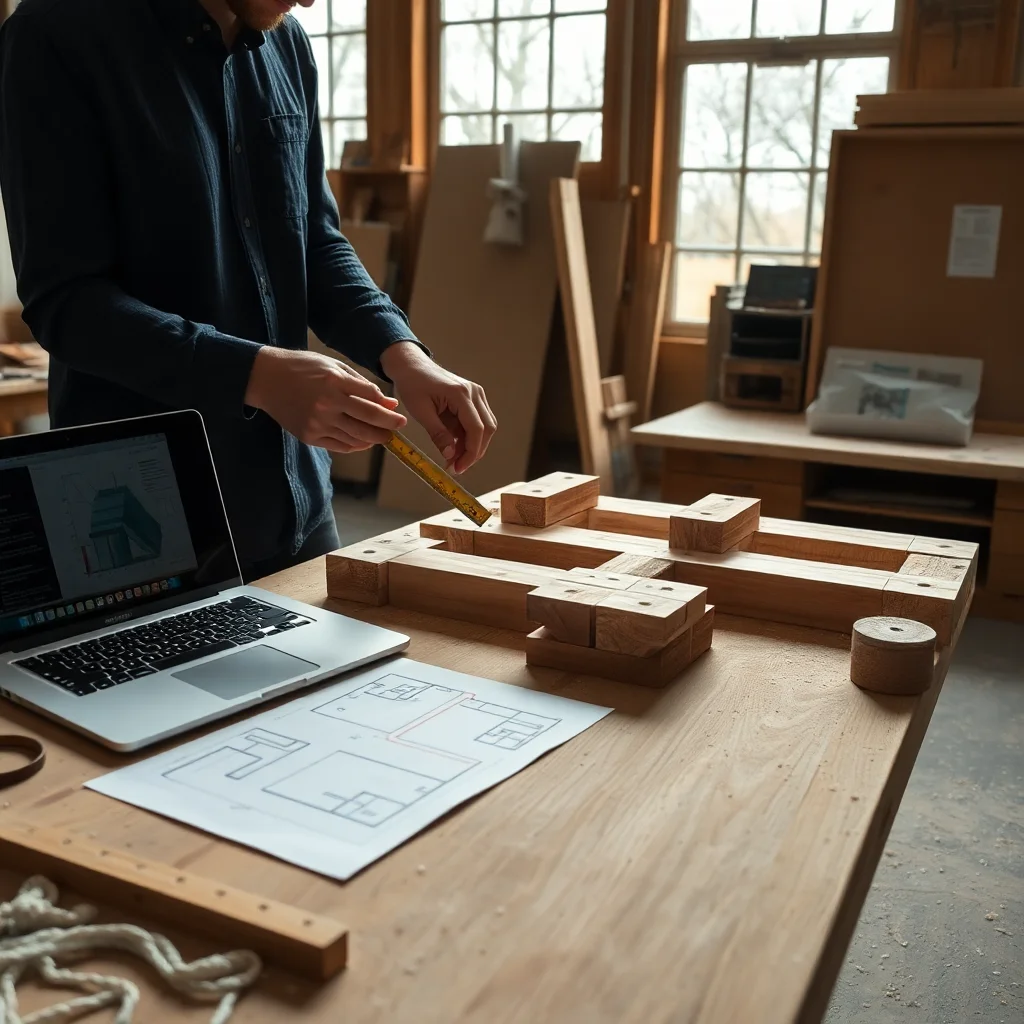
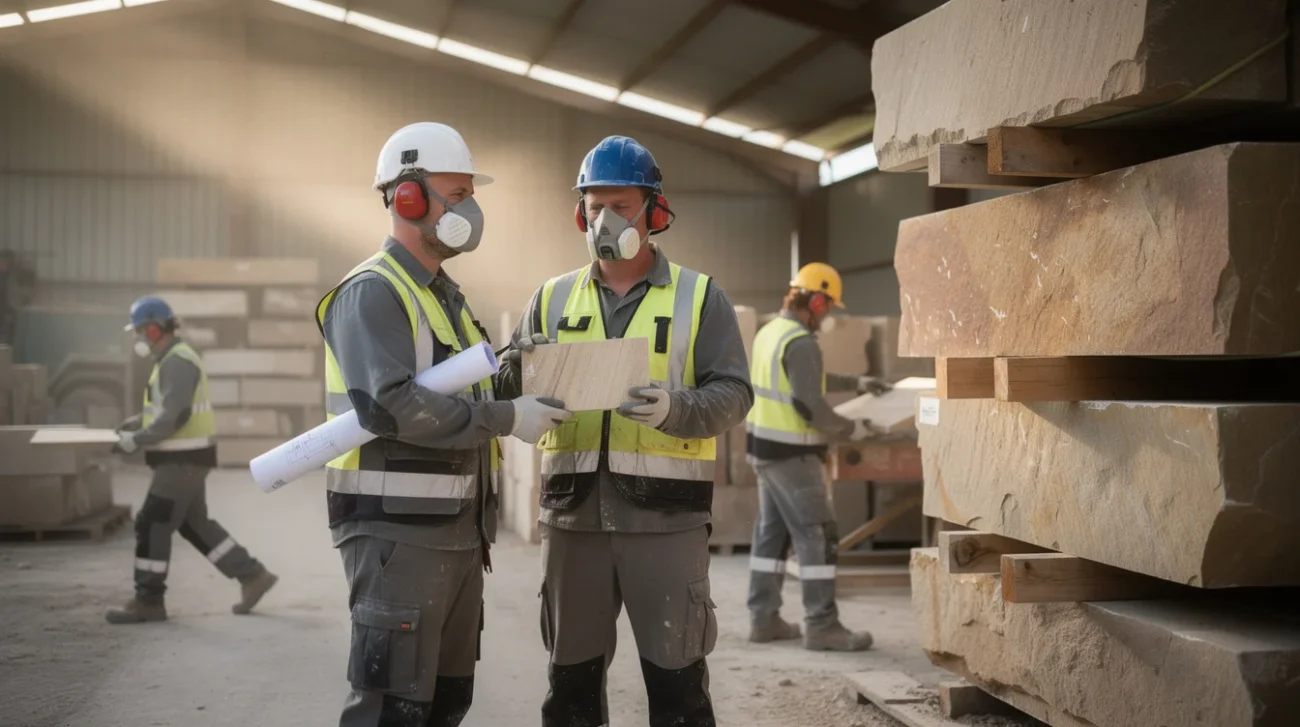
The strongest argument for digital craft is simple: it gives architects more control over form, performance, and fabrication than any prior workflow. Consider the wave of mass-timber projects that rely on digital modeling and CNC routing to turn structural logic into spatial clarity. Cross-laminated timber halls, glulam pavilions, and hybrid timber shells are not merely prettier versions of old construction; they are evidence that computation can align geometry with carbon reduction, acoustic behavior, and assembly logic. The result can feel less like design decoration and more like architecture as a negotiated system.
Parametric thinking has also made possible complex civic buildings that would have been too costly or too fragile to realize by older methods. The best examples are not the ones that scream novelty, but those in which digital precision supports a legible public experience. In museums, transit hubs, and atria, algorithmic coordination allows light, structure, and circulation to be folded into a single spatial order. The public does not need to know the software to feel the effect: thresholds align, spans widen, daylight is modulated, and structure becomes visible as a civic argument rather than a hidden engineering compromise.
There is a reason many architects defend parametricism despite its critics. The theory changed how the profession thinks. It normalized continuity instead of fragmentation, variation instead of static repetition, and iterative simulation instead of one-off formal declarations. In this sense, digital craft has expanded the vocabulary of architecture just as steel, reinforced concrete, and curtain walls once did. The difference is that today the feedback loop is faster, and the design intelligence can be tested before a single beam is cut. That is not stylistic vanity. That is a new mode of practice.
That same computational rigor is also shaping broader questions of how cities function beyond the building envelope. As design teams use data to coordinate access, shade, and circulation, architecture increasingly overlaps with debates about climate adaptation as public space. In that sense, digital craft is not only about form-making; it can also help organize the social and environmental conditions that make civic life legible.
CONTRA: The Global Fluent Look Is Becoming a Trap
But the same tools that enabled architectural ingenuity have also produced an unmistakable sameness. The problem is not that buildings look curved. It is that they increasingly look like they were generated from the same family of assumptions: smooth continuity, torsion, controlled irregularity, and a heroic refusal of right angles. From certain cultural buildings to airport interiors and glossy mixed-use developments, digital precision now comes preloaded with a visual temperament. It announces contemporaneity even when the urban context asks for friction, density, or restraint.
This is the trap Altınışık points toward when she warns about global visual homogenization. A computational workflow can be universal in the sense of being widely available, but architecture cannot be universal without losing its meaning. Architecture is not just geometry. It is climate, memory, labor, regulation, economy, and social ritual made tangible. When the same parametric sensibility is dropped into Istanbul, Shanghai, Dubai, Rotterdam, or Seoul without enough local resistance, the result may be technically sophisticated and culturally thin. A method has become a look.
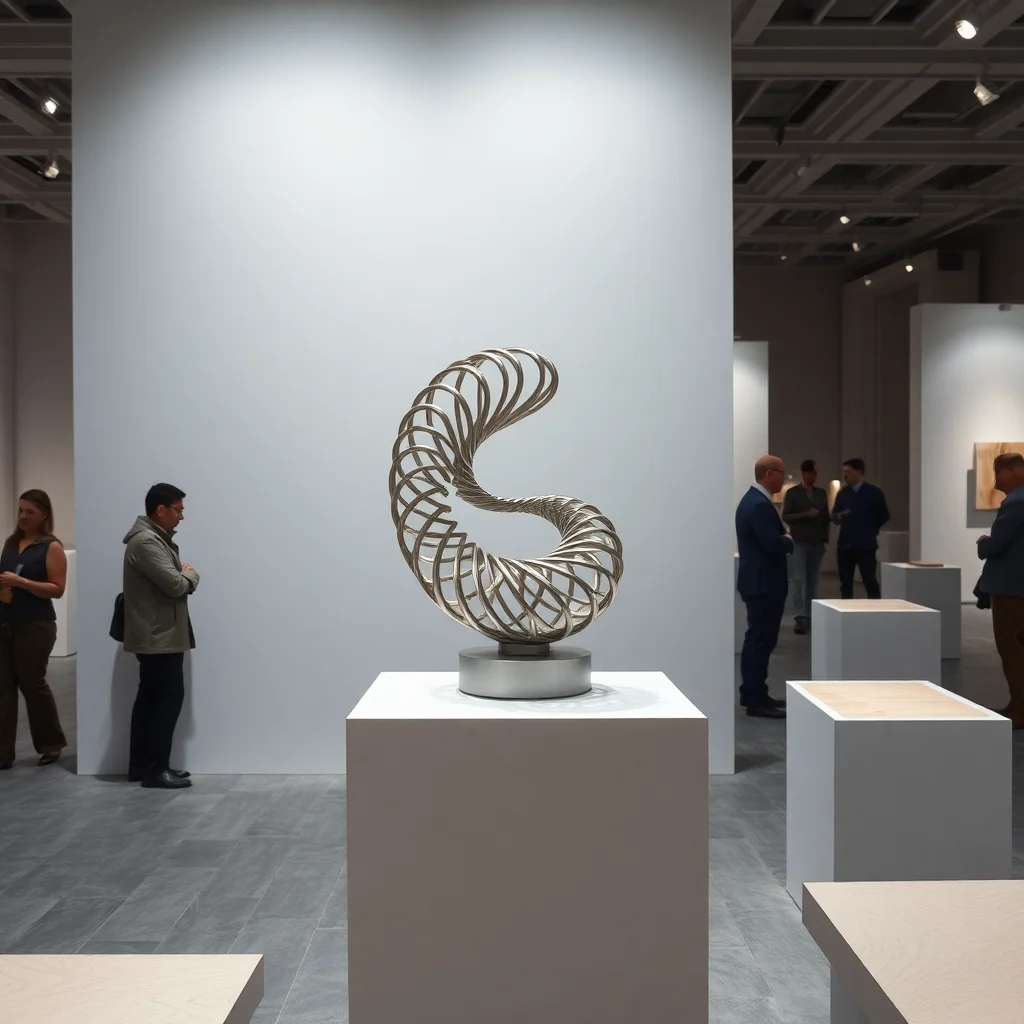
The irony is that digital craft often presents itself as anti-style. It claims to emerge from performance, data, and material logic. Yet as soon as the model becomes legible in renderings, marketing images, and competition entries, a style economy forms around it. The architecture industry is too image-driven to avoid this. Spiral metallic museums, rippling facades, and seamless interiors are not only buildings; they are branding devices that circulate faster than their public life can be evaluated. The danger is that architecture begins to optimize for recognition rather than for urban intelligence.
That question of recognition matters well beyond iconic buildings. In neighborhoods where design is tied to speculation and redevelopment, the issue is often who benefits from the polished image of progress and who is left out of it. That is why conversations about form and branding eventually touch on issues like housing near jobs and the people who need them. Once architecture becomes a visual signature instead of a civic tool, it can intensify inequity as easily as it can produce novelty.
What Gets Lost When the Method Becomes the Message
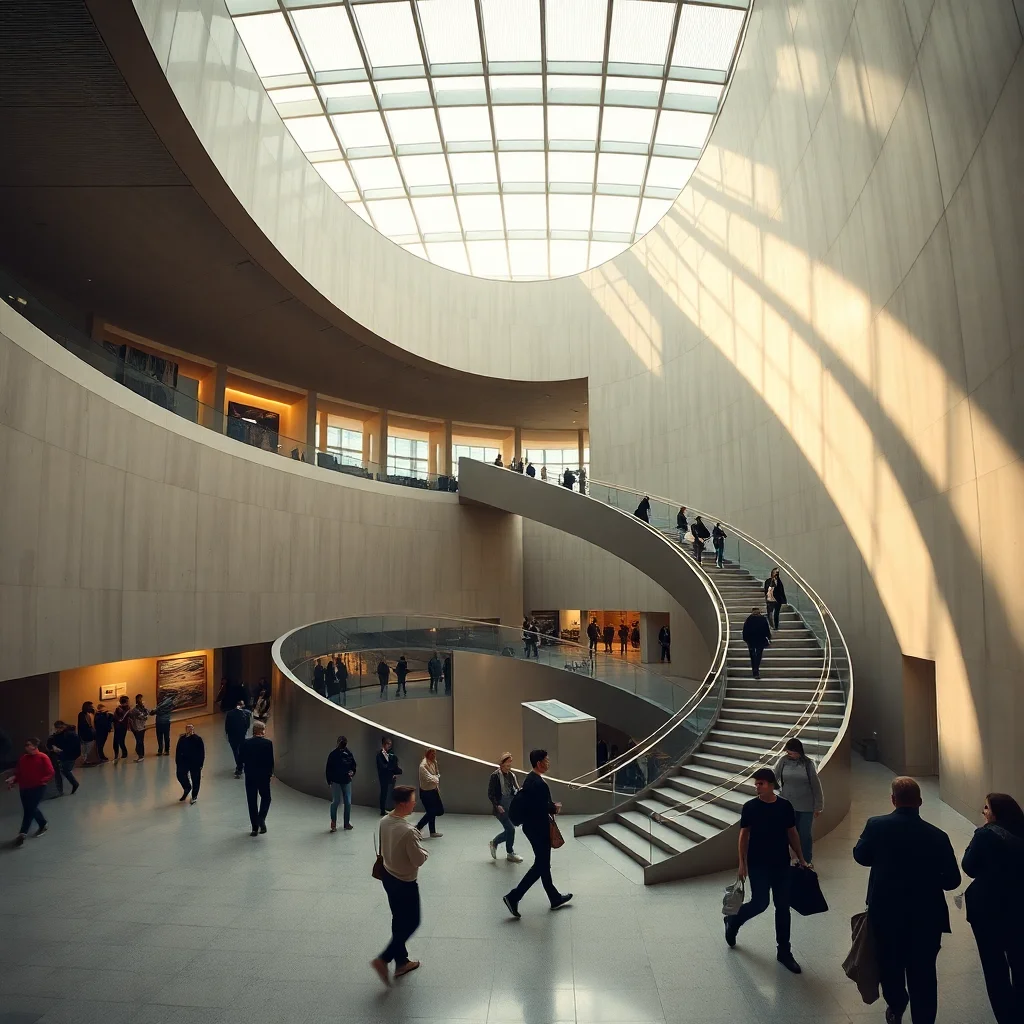
Architecture at its best does not simply display process; it converts process into inhabitable consequence. That distinction matters. A digitally modeled facade can be impressive in elevation yet impoverished at ground level. A parametrically generated roof can be structurally elegant yet disconnected from how people gather beneath it. A carefully scripted form can become a sign of sophistication while failing to produce memorable rooms, edges, and sequences. If all the intelligence is consumed by the image of complexity, the building itself may feel oddly empty.
Recent discourse around digital fabrication has exposed this contradiction. The profession often celebrates the precision of custom joints, the elegance of computationally derived ribs, or the freedom of nonstandard components. Those achievements are real. But they do not automatically create architectural depth. Depth comes from how form meets use, how the building ages, and how it handles the friction of public life. A digital method can describe the surface of a problem beautifully and still avoid the politics of the site.
That is why so many of the most convincing digitally crafted projects are those that resist total formal purity. The strongest work uses computation not to erase contingency but to manage it. It accepts that material irregularity, urban constraints, and programmatic mess are not failures of the model. They are the conditions that make architecture more than aesthetic coherence. In other words, the best digital craft is not a seamless image of control. It is a disciplined encounter with what control cannot master.
The Mainstream Era Demands a Harder Standard
Now that digitally shaped architecture is mainstream, it deserves harsher judgment, not softer celebration. Early experiments could be forgiven for looking strange because they were proving a point. Mainstream practice cannot hide behind novelty. If computational tools are becoming routine, then they must be judged by the same criteria as every serious architectural tradition: civic value, spatial intensity, durability, contextual intelligence, and ethical clarity. A sophisticated algorithm is not a defense; it is merely a starting point.
This is where the most interesting architects are headed. They are not rejecting computation. They are refusing to let it dictate an instantly identifiable look. They treat digital tools as instruments for making better decisions, not as generators of a pre-approved futuristic atmosphere. The difference is crucial. In one version, the software is an author. In the other, it is a collaborator. One produces visual fluency; the other can still produce architecture.
The challenge for the discipline is therefore not to choose between hand and machine, tradition and innovation, or local and global. Those binaries are too tired to be useful. The real choice is between using computation to intensify architectural specificity or using it to standardize difference into a marketable aesthetic. If digital craft is going to remain architecture, it must stay stubbornly tied to place, program, and public life. Otherwise, it will keep winning awards while quietly losing its authority.
That pressure to be specific is not unique to architecture; it also appears in efforts to shape the urban realm without freezing it into spectacle. Projects that try to make everyday infrastructure feel communal often ask whether a place can function as both utility and gathering space, much like the debate around car-free districts as real cities. The lesson is the same: design earns legitimacy when it deepens lived experience rather than merely refining appearance.
FAQ
What is digital craft in architecture? Digital craft refers to the use of computational design, digital modeling, and advanced fabrication methods such as CNC routing, robotic assembly, and parametric workflows to shape architectural form and construction.
Why is parametricism controversial? Parametricism is controversial because supporters see it as a powerful design framework for complex contemporary architecture, while critics argue it has hardened into a repetitive visual style that can erase local specificity.
Does digital fabrication make buildings more sustainable? It can, especially when it reduces material waste, improves structural efficiency, and supports timber or hybrid systems. But sustainability depends on the whole project, not just the fact that it was digitally designed.
How can architects avoid global sameness? By using computation as a tool for site-specific problem solving rather than as a generator of generic flowing forms, and by allowing climate, program, and cultural context to shape the final architecture.
So, Is Digital Craft Still Architecture?
Yes, but only when it remains accountable to more than its own visual intelligence. Digital craft becomes architecture when it produces civic force, material clarity, and spatial consequence. It becomes a style when it settles for being immediately recognizable. That is the provocation now facing the profession: not whether computation can make beautiful buildings, but whether architects have the discipline to keep beauty from becoming a template.
Get the Mainifesto weekly — curated design debates, speculative ideas and the week's best articles every Saturday.
Editorial Perspectives
Questions and counterpoints developed by the Mainifesto editorial desk to extend the discussion.
Perspective 1
If computational design is becoming a default visual language, the market will eventually treat it like any other trend: useful until it feels overdone. What matters to me is whether it helps a building perform better, gets built efficiently, and holds up in five years, not whether the façade looks like it came from the same software template as half of Dubai.
Perspective 2
Architecture has seen this before: every technical advance arrives claiming to expand the discipline, and then, all too often, it produces a new style with a short shelf life. The problem is not digital craft itself, but its tendency to flatten difference into a cosmetic signature—precision without memory, in the end, is just another mannerism.
Perspective 3
I don’t think the answer is to reject computational design just because it’s mainstream now. The real question is whether we’re using these tools to generate genuinely site-specific, structurally intelligent work—or just repeating the same parametric language because it photographs well.