
Who Gets to Live Near the Jobs That Need Them?
Housing Is No Longer Just Housing
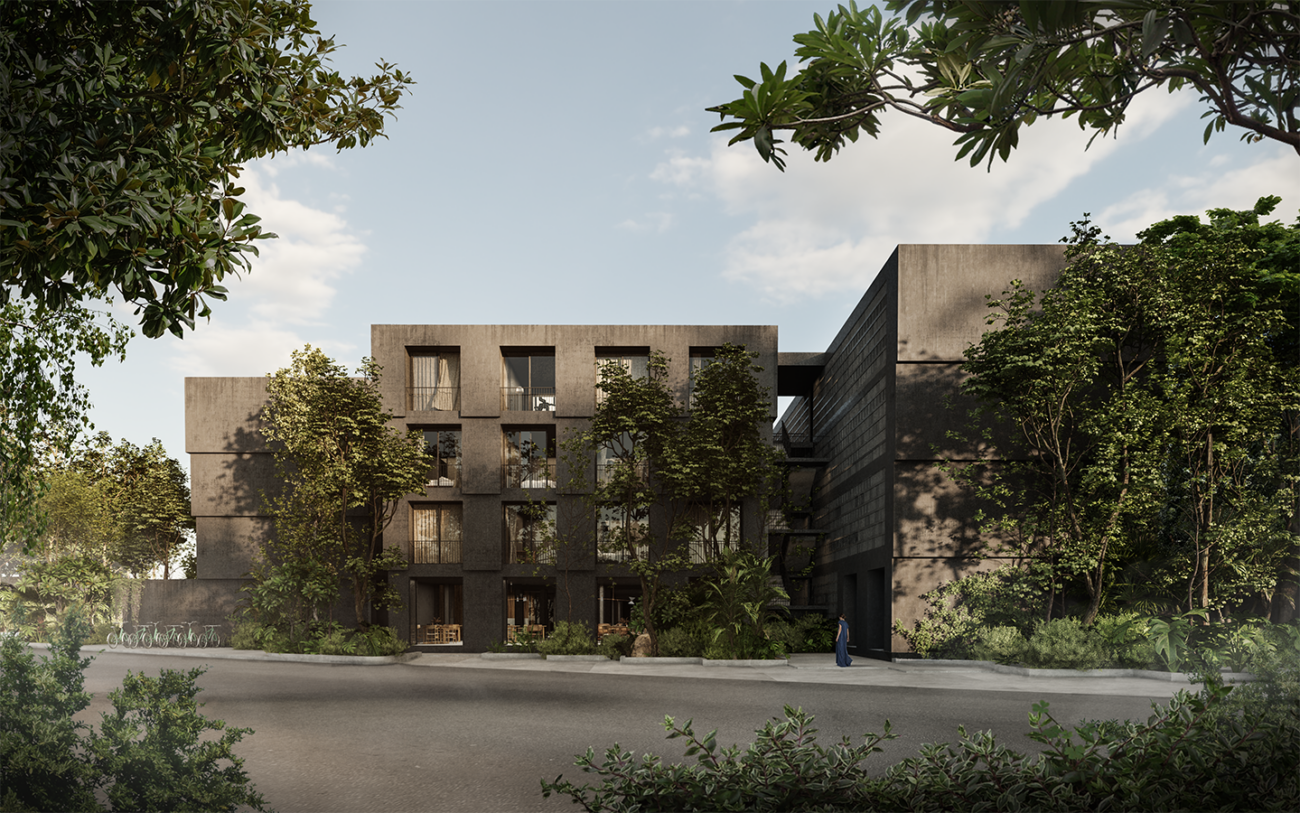
Casa Selva should be read as a warning shot, not a feel-good infill project. In cities that market themselves through hospitality, culture, and leisure, the workers who clean the rooms, serve the meals, fold the towels, and keep the experience seamless are often the first to be priced out of the very places they make profitable. That is the political force hidden inside this project: it treats housing not as an isolated architectural typology, but as labor infrastructure.
Located in a local economy shaped by hotels and restaurants, Casa Selva responds to a brutal fact: affordability is not just a market problem, it is a spatial consequence of branding. Tourism inflates demand, “destination” rhetoric inflates land values, and the people whose bodies sustain the service economy are pushed farther away. A housing project for hospitality workers therefore becomes a direct intervention in the distribution of urban access. The question is not merely whether the apartments are attractive. The question is whether architecture can still act when the city’s own business model is expelling the workforce it depends on.
That is what makes Casa Selva provocative. Its 200 apartments, common areas, gardens, and retail spaces are compact and efficient, yet the project refuses the language of emergency shelter or punitive minimalism. It seeks dignity without spectacle. In doing so, it joins a lineage of projects that have tried to turn housing into civic leverage rather than private commodity, from Alejandro Aravena’s incremental logic at Quinta Monroy to Lacaton & Vassal’s radical insistence that generosity is not a luxury but a standard. It also resonates with broader debates about how even modest dwellings can avoid austerity, as seen in discussions around whether small houses can still feel generous.
A Building for the People the City Pretends Not to See
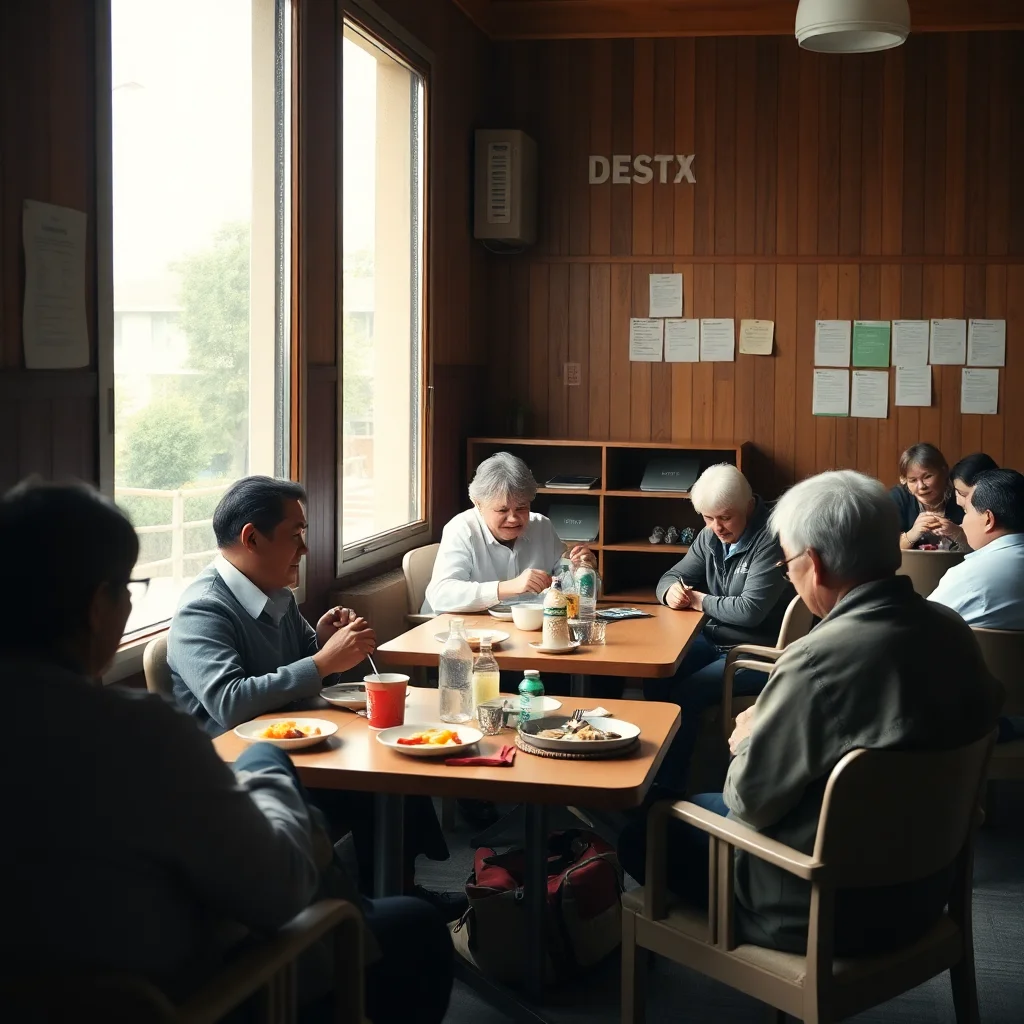
The most radical thing about labor housing is that it names a beneficiary class that most housing debates conveniently blur. “Middle income” can mean almost anything. “Affordable” can mean almost nothing. But hospitality workers are legible: the city’s dining rooms, lobbies, and terraces depend on them, yet the housing market treats them as expendable. Casa Selva makes that contradiction visible. It says, in effect, that a tourist economy cannot be considered successful if the people who operate it must commute from the urban margins.
This is not a new problem. In London, service workers have long been pushed outward by the city’s financial and cultural prestige; in Barcelona, mass tourism has fueled neighborhood backlash and housing scarcity; in Lisbon, short-term rentals have transformed central districts into investment vehicles. What Casa Selva adds is a design response keyed to this labor geography. It imagines proximity as a form of compensation, not in money but in time, stability, and dignity. Shorter commutes matter. Predictable rents matter. Access to gardens and shared areas matters. The city is built from these invisible currencies, and architecture can either recognize them or ignore them.
Projects like the Worker’s Housing in Vienna’s Austro-Marxist tradition understood this long ago: housing is a political tool that shapes who can remain in the city. More recently, firms such as ELEMENTAL have shown that public investment in housing can alter life chances at scale. Casa Selva is smaller in ambition, but sharper in target. It is not trying to solve every urban injustice. It is asking whether a single housing project can interrupt a cycle in which urban prosperity depends on a workforce that the same prosperity displaces.
That tension between hospitality and exclusion is also visible in other kinds of urban development, including projects that ask whether monumental hospitality can escape heritage-luxury branding without becoming another instrument of exclusivity.
Compactness, Monumentality, and the Politics of Form
Casa Selva is described as compact and efficient, yet it retains a certain monumentality. That tension matters. Compact housing often gets trapped in a moralistic design language: tight plans, stripped details, and an implied apology for being affordable. Monumentality, by contrast, is usually reserved for institutions, elites, or symbolic power. By combining the two, the project rejects the assumption that workers’ housing must disappear into the background.
That decision is more than aesthetic. Monumentality can confer social legitimacy. If a building for hospitality workers is dignified, visible, and urban, it says that the people inside it belong at the center of civic life, not in the interstices. This idea echoes the best social housing precedents, from the broad-shouldered massing of modernist housing blocks in Latin America to the communal clarity of Neave Brown’s Alexandra Road Estate in London, where circulation and shared space were used to produce a robust public realm. Casa Selva appears to pursue a similar ambition: make density feel deliberate rather than cramped, collective rather than compromised.
The inclusion of common areas, gardens, and retail spaces is crucial here. Housing for workers cannot be reduced to sleep pods if it is to support a life beyond shifts. Shared rooms can host informal sociality and mutual aid; gardens can counter the alienation of service labor; retail can knit the project back into the neighborhood rather than isolating it as a dormitory. The best labor housing is not a container for bodies between work hours. It is a framework for the continuation of life after the shift ends.
Can Architecture Counteract Market Forces?
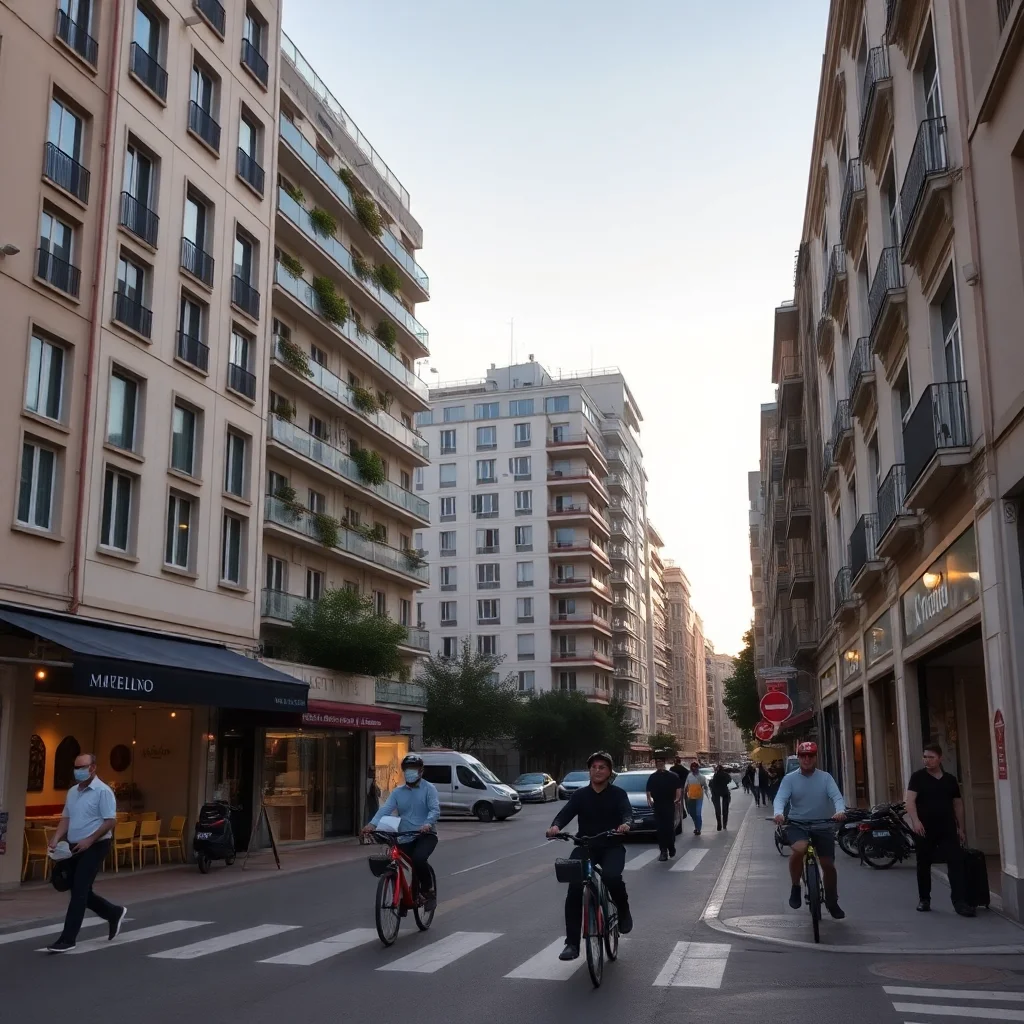
Here is the uncomfortable part: architecture is not a rent-control policy. It cannot on its own defeat speculation, regulate short-term rentals, or reverse the prestige economics of tourism. If city branding keeps pumping up land values, any isolated housing project risks becoming a symbol of good intentions in a bad system. That is the main contradiction surrounding Casa Selva. Its relevance comes from its clarity, but its limits come from the same source: built form cannot neutralize a market that is structurally tuned to extract value from scarcity.
And yet dismissing the project for that reason would be intellectually lazy. Cities are not changed only by regulation; they are changed by spatial examples that make political claims legible. The history of housing is full of projects that started as prototypes and became policy arguments. Think of Georges-Henri Pingusson’s postwar housing debates in France, or more contemporarily, the way social housing models in Copenhagen and Vienna continue to set expectations for what public responsibility should look like. A building like Casa Selva matters because it translates a policy issue into a spatial one. It shows the absurdity of asking hospitality workers to live far from the hospitality economy they sustain.
The real test is not whether the project is perfect. The real test is whether it can be copied, multiplied, and protected from being absorbed into the very branding logic it opposes. If it becomes an isolated “model” celebrated in magazines while surrounding rents keep rising, then it risks serving as alibi. If, instead, it becomes part of a broader housing strategy tied to employment, land control, and long-term tenure, then it becomes something stronger: an urban right made visible.
That is why debates about emergency and transitional housing remain relevant here too; even the question of whether shelter can be humane and temporary helps clarify how much dignity can be embedded in projects that are meant to respond to pressure rather than perfection.
What Casa Selva Demands from the City
To treat Casa Selva seriously is to stop pretending that workers’ housing is a niche category. It is a front-line issue in every economy that depends on care, cleaning, service, and hospitality while refusing to house the people who perform those jobs. The project makes a hard argument: if a city earns money by inviting visitors, it must also reserve room for the workers who sustain the visitor experience. Otherwise “success” is just extraction with better lighting.
This is where architecture can be most valuable: not as a decorative layer on policy, but as a form of evidence. Casa Selva proves that compact housing can still be generous; that efficiency need not mean austerity; that a building for workers can carry civic presence; and that the politics of proximity belong on the drawing board. It also forces a more difficult question onto the table: if the city celebrates tourism while displacing its labor force, what exactly is being preserved? A lifestyle? A brand? Or a city in any meaningful sense?
Architecture magazines love to frame such projects as solutions. They are not solutions. They are leverage. Casa Selva is valuable precisely because it exposes the scale of the problem behind it: a housing market that has become a sorting mechanism for who may live near prosperity and who must commute to serve it. That is no longer a planning issue alone. It is a labor-policy issue, and the building says so plainly.
FAQ
What is Casa Selva primarily addressing? It responds to the displacement of hospitality workers caused by rising housing costs in a tourism-driven local economy. The project links affordable housing directly to the labor that sustains hotels and restaurants.
Why is this project significant beyond architecture? Because it reframes housing as infrastructure for employment and urban access, not just a real-estate product. It shows how design can make labor inequality visible in the city.
Can a housing project really fight tourism-driven displacement? Not by itself. But it can establish a concrete model, influence policy debates, and prove that dignified housing for essential workers is both possible and necessary.
Why does monumentality matter in workers’ housing? Monumentality gives social visibility and civic legitimacy to residents who are often treated as peripheral. It rejects the idea that affordability must look temporary, degraded, or invisible.
- FAQ note: The deeper issue is not only affordability, but proximity to work, stability of tenure, and the right to remain in a city one helps operate.
Open question: If a city’s prosperity depends on displaced workers, should housing policy be treated as economic infrastructure, or as a corrective after the fact?
Get the Mainifesto weekly — curated design debates, speculative ideas and the week's best articles every Saturday.
Editorial Perspectives
Questions and counterpoints developed by the Mainifesto editorial desk to extend the discussion.
Perspective 1
Casa Selva puts its finger on a problem Latin American cities keep trying to aestheticize away: the people who clean, build, and serve the tourism economy are also the ones pushed furthest from it. Housing here isn’t a consolation prize after growth; it’s part of the productive base, and pretending otherwise just reproduces the same displacement in softer language.
Perspective 2
I’d treat housing as economic infrastructure, but only if we’re willing to measure it that way: commute times, retention of workers, local labor shortages, and public subsidy per job created. If a city depends on displaced labor, then the housing system is already failing as policy, and fixing it afterward is usually too late and too expensive.
Perspective 3
The article is useful precisely because it refuses the usual moral theater around “affordable housing” and asks who the city is really built for. One should not romanticize the corrective after the fact; in cities like these, housing is not an appendix to prosperity, it is the condition of possibility, and everyone knows it even when they pretend not to.