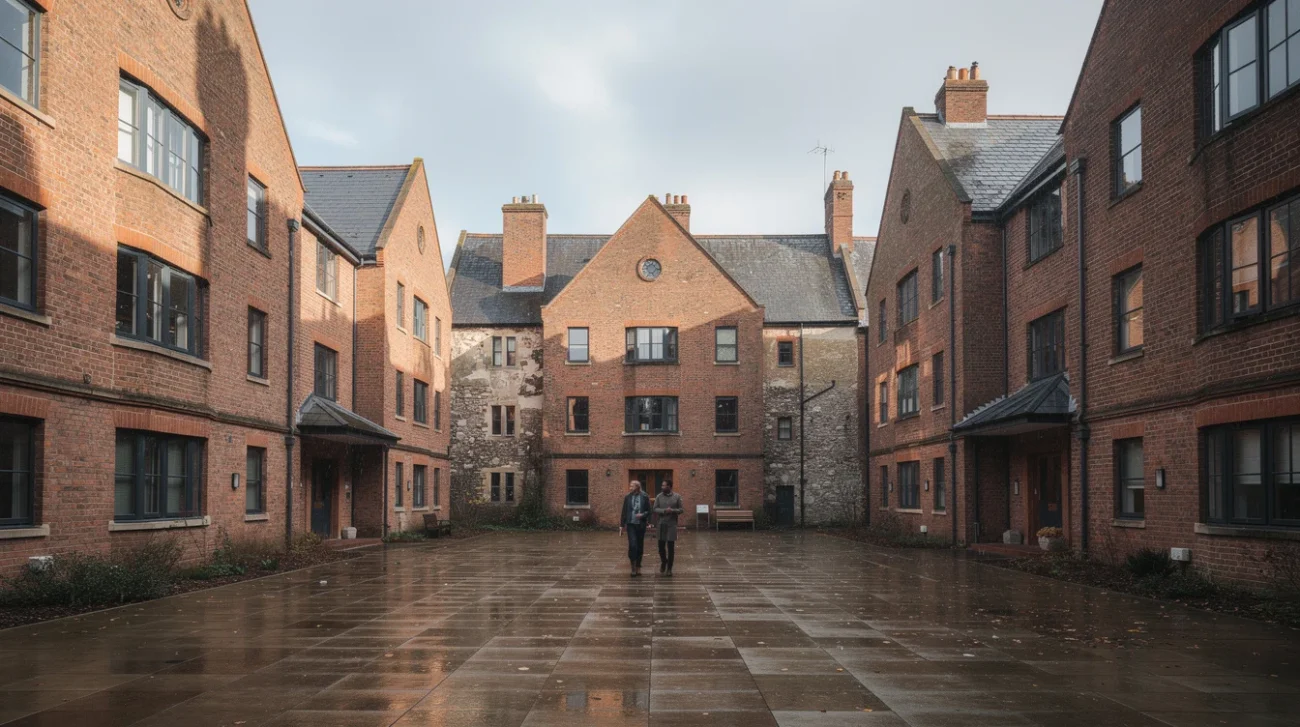
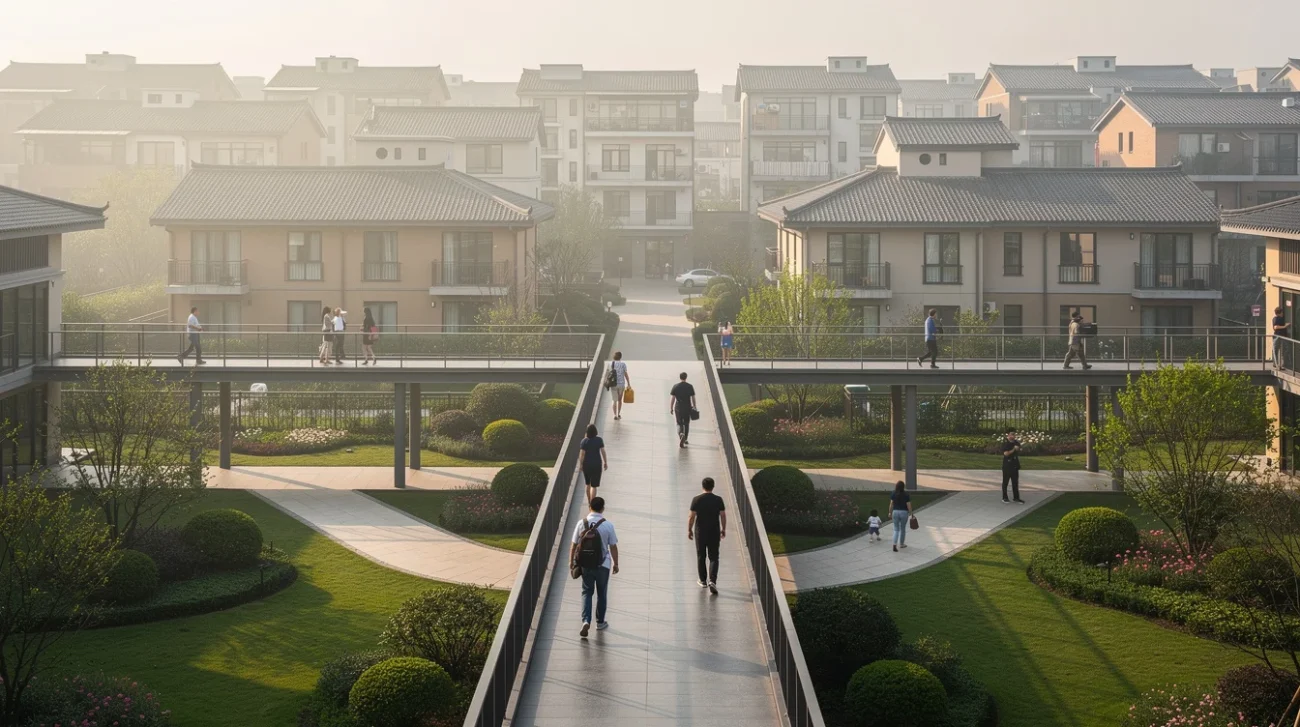
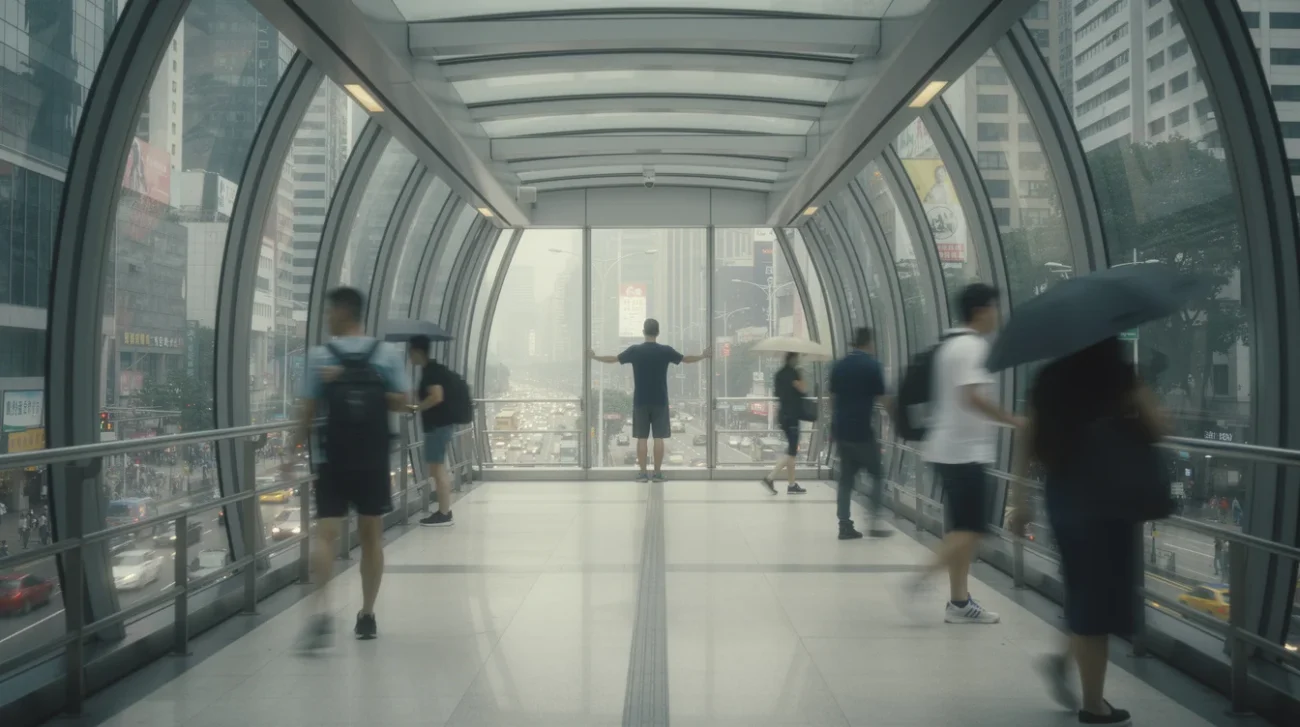
Can Small Houses Still Feel Generous?
The New Definition of Luxury Is Not Size
The small house has stopped apologizing. For decades, compact domestic architecture was treated as a compromise: a budget category, a starter condition, a moral exercise in restraint. Today, that logic is collapsing. The most compelling small houses are not selling scarcity as virtue; they are reprogramming luxury around experience. In place of excess square footage, they offer calibrated light, spatial compression and release, tactile materiality, and carefully staged thresholds. The question is no longer whether a house is large enough. It is whether it can make life feel larger than the plot that contains it.
This shift is visible across a wide spectrum of architecture. Take Atelier Bow-Wow’s micro-houses in Tokyo, where every corner is treated as inhabitable infrastructure rather than leftover space. Or the work of Aires Mateus, whose white, hollowed volumes in Portugal often appear almost monastic in their economy but feel strangely abundant because of how they frame sky, shadow, and distance. In these projects, generosity is not a matter of dimension. It is a matter of orchestration. The house becomes less a container than a sequence of calibrated encounters, each one enlarging the next.
That is why the current wave of compact homes matters. It is not simply a response to land prices or climate pressure, though both are real drivers. It is a design argument: the best houses do not need to be big if they can be precise. And precision, when done well, feels luxurious in a way that volume alone rarely does.
Light Does the Work That Floor Area Cannot
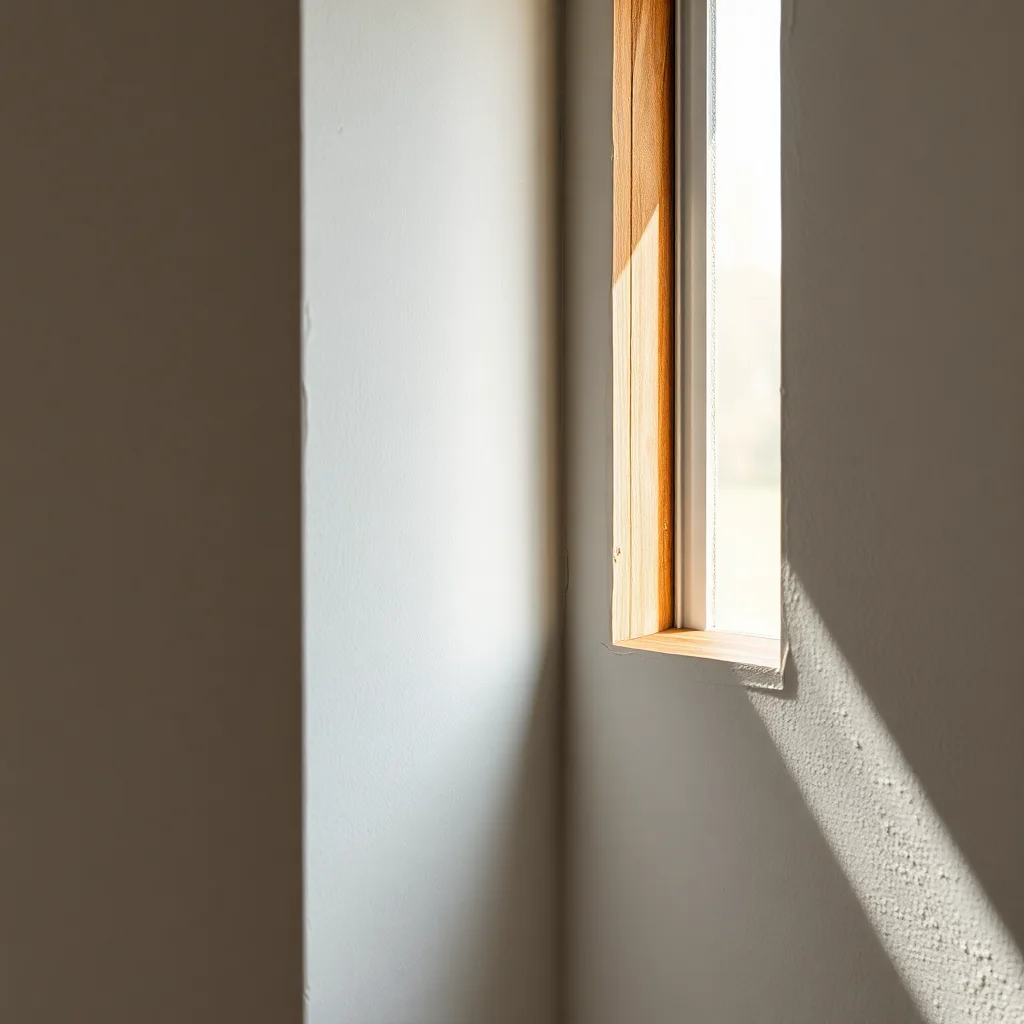
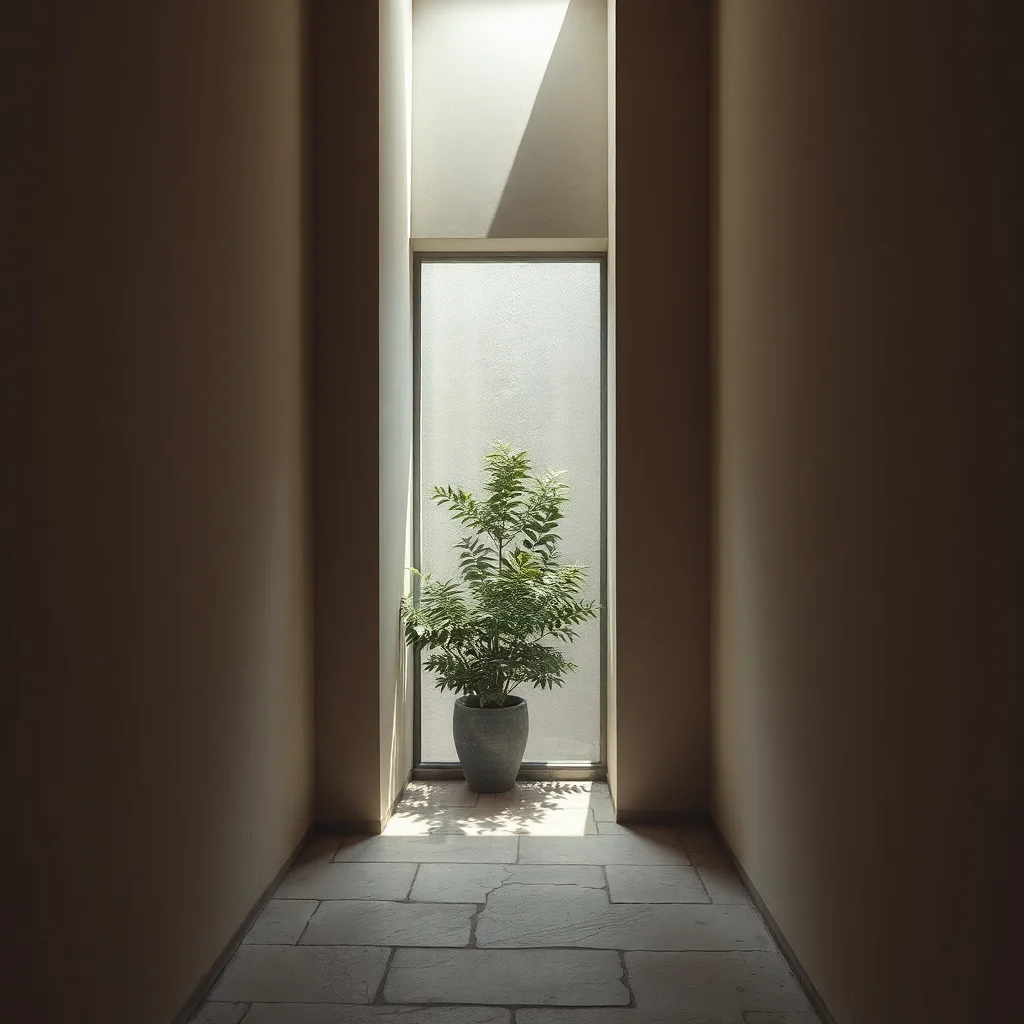
In small homes, light is not decorative. It is spatial infrastructure. A room with a generous ceiling plane and poor daylight can feel miserly, while a room half its size can feel expansive if it captures the sun correctly. This is why architects from Tadao Ando to John Pawson have treated light as a material with the capacity to stretch space beyond its physical perimeter. Ando’s Church of the Light is not a domestic example, but its lesson is essential: when light is controlled, the void itself becomes legible, almost architectural enough to count as furniture.
Residential precedents make the argument even more clearly. In Kazuyo Sejima and Ryue Nishizawa’s House in a Plum Grove, transparency and thinness generate a feeling of drifting through spaces rather than occupying them. In Peter Zumthor’s smaller works, the atmosphere often feels bigger than the plan because surfaces absorb and return light with such discipline that the room seems to breathe. The point is not minimalism for its own sake. The point is that luminosity can replace dimension as the primary measure of comfort.
But this is also where cliché begins to creep in. Too many small houses now rely on the same tired formula: white walls, floor-to-ceiling glazing, and a few carefully curated shadows. That is not generosity; it is Instagram fluency. Real architectural intelligence lies in variation. A north-facing clerestory, a thick reveal, a low window to the garden, a concealed opening that makes evening light pool at the edge of a wall—these are the devices that transform confinement into poise. Small houses feel generous when they stop chasing openness as a visual effect and start designing light as a temporal experience. For a broader look at how atmosphere can shape comfort, see multisensory architecture, where light is treated as one part of a richer sensory field.
Courtyards and Voids: The Small House’s Secret Weapon
The courtyard is the oldest trick in the architectural book, and yet it remains one of the least exhausted. In compact houses, a void can do more than a room. It can pull in air, frame weather, provide privacy, and create a sense of belonging to something larger than the envelope. This is why so many contemporary small homes borrow from typologies long associated with climatic intelligence: the Mediterranean patio, the Japanese tsuboniwa, the riad, the atrium house. These are not nostalgic references. They are strategic devices for turning subtraction into richness.
Consider the work of Alejandro Aravena and Elemental, where partialness becomes a design ethic. While known more for incremental housing than boutique domesticity, the logic is relevant: what is omitted can be as important as what is built. In a small private house, a central void or pocket courtyard can act as a pressure release valve, allowing the interior to expand psychologically. Similarly, projects by Toshiro Kishimoto or Sou Fujimoto often blur inside and outside so that the home feels less enclosed than inhabited in layers. The void is not emptiness. It is social and atmospheric bandwidth.
What makes courtyards especially powerful in small houses is their refusal to be interpreted as “extra.” They do not compete with the program; they organize it. A dining table facing a planted court is not simply adjacent to a garden. It is positioned in relation to time, weather, and season. The house becomes generous not because it has more to do, but because it has more to sense. That is an architectural luxury many larger homes fail to achieve precisely because they waste space on rooms that perform size instead of life. The same logic appears in cabins that balance log house warmth with glass pavilion openness, where the relationship between enclosure and exposure becomes the real source of richness.
Sequence Matters More Than Size
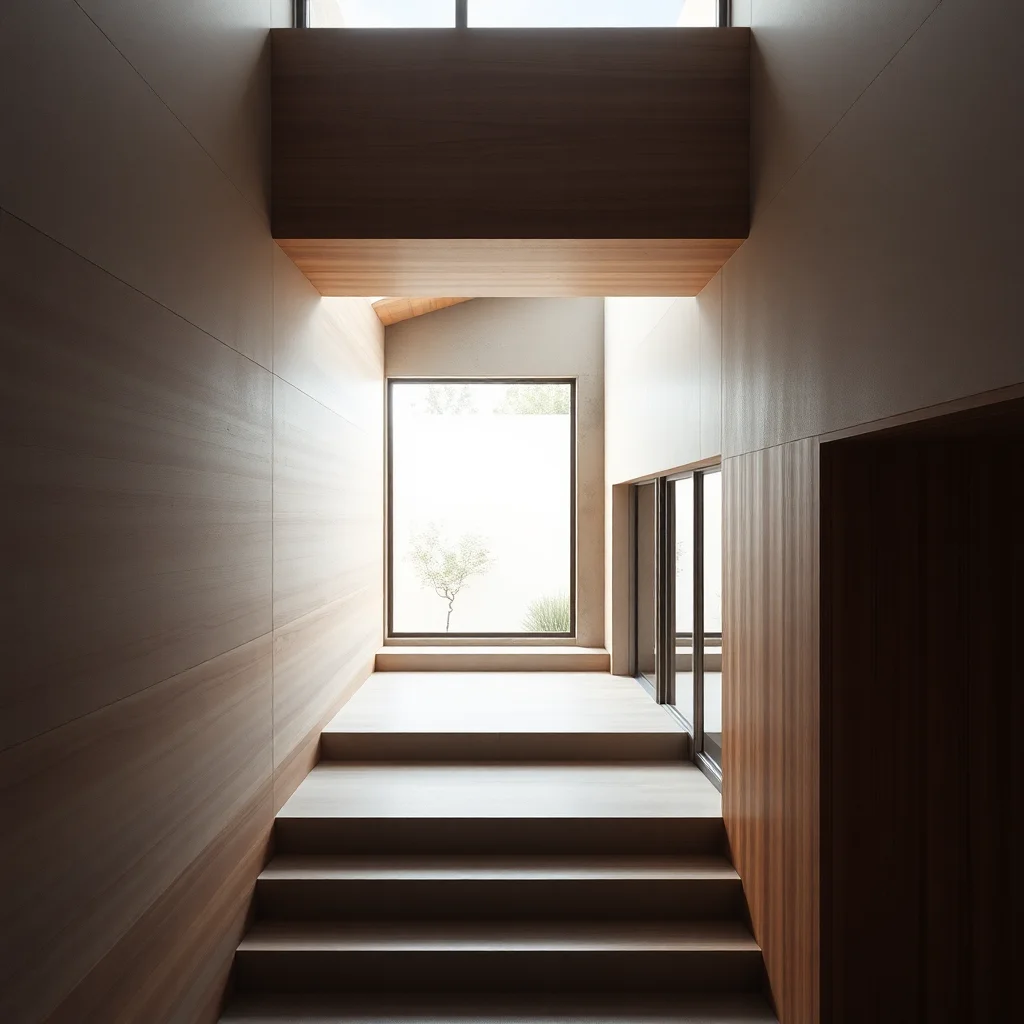
If light is the medium and void is the secret weapon, sequence is the narrative engine. Small houses succeed when they produce a sense of unfolding: compressed entry, sudden opening, lateral drift, intimate pause, vertical release. This is not an aesthetic flourish. It is a way of making the body feel that the house is larger than its footprint by revealing it in chapters rather than in one blunt glance.
Japanese residential architecture has long understood this. Traditional machiya and tea-house planning often rely on procession, with thresholds acting as psychological edits. Contemporary designers have adapted that intelligence in sharper, more minimalist ways. Suppose the entrance is low, the corridor is narrow, and then the main living space opens to double-height space or a framed garden. In that moment, the house exceeds itself. You are not merely moving through rooms; you are experiencing scale as rhythm.
David Adjaye’s smaller residential works often demonstrate a related principle: material and spatial shifts create a sense of depth disproportionate to size. Lacaton & Vassal, though famous for generous renovations rather than tiny homes, also offer a crucial lesson: dignity comes from elasticity. Their spaces do not feel rich because they are packed with objects or style. They feel rich because they can accommodate different uses, moods, and bodies without collapsing into rigidity. A small house that cannot change its register will feel small quickly. A small house that stages ambiguity can feel far larger than it is.
This is where many contemporary compact homes fail. They flatten experience into a single open-plan gesture, assuming that fewer walls automatically means more freedom. In reality, undifferentiated space often feels cheap, not generous. The best small houses understand that generosity is relational. A room becomes beautiful when it has a reason to be that size, that shape, and that degree of enclosure. Architecture is not about maximizing openness. It is about making every transition meaningful. That is why emotional architecture matters here: the most successful spaces do not just accommodate activity, they modulate feeling.
Minimalism Is Not the Answer If It Becomes a Style
There is a danger in all this. The discourse around compact houses easily slides into an aesthetic orthodoxy: pale finishes, seamless joinery, hidden storage, and a fetish for visual quiet. This version of minimalism is often sold as refinement, but too often it is just expense with the labor removed. It can become a luxury signal detached from any real spatial intelligence. The result is a house that looks disciplined yet feels generic—a showroom for restraint rather than a place of living.
True generosity in a small house is not about stripping away everything until only a perfect photograph remains. It is about choosing where to concentrate quality. That may mean a deeply textured timber ceiling over a modest footprint, as in some Scandinavian houses that make warmth a spatial device. It may mean robust masonry, as in certain Peter Märkli projects, where the weight of the wall gives scale to the body. Or it may mean unexpected material contrast: rough plaster beside polished stone, a narrow metal stair opening into a bright court, a built-in bench that turns circulation into occupation.
The cliché of minimalism is particularly dangerous because it disguises austerity as aspiration. A small house should not be made to seem noble by starving it of texture, storage, or comfort. The architecture must support daily life: coats, books, children, mess, aging bodies, and changing routines. If the house is so pure that living in it feels like damage, then it is not generous. It is punitive. The boldest small houses are not the ones that erase the evidence of life. They are the ones that absorb it gracefully.
Can Constraint Actually Create Abundance?
The most provocative answer is yes—if constraint is treated as a design brief rather than a limitation. Small houses can feel generous because they compel architecture to become more exacting. There is no room for dead square footage, no excuse for lazy circulation, no tolerance for generic layouts. Every decision has to earn its place, and when that happens, the entire house gains intensity.
This is why the wave of compact homes feels culturally significant. It is not just a trend in sustainable living or a reaction to urban scarcity. It is a rebuttal to the assumption that comfort must be proportional to size. Architects are rediscovering that generosity is measurable in other currencies: the long view across a room, the shadow that shifts over a plaster wall, the seat by a window, the courtyard that changes with rain, the stair that doubles as storage, the doorway that frames a tree. In other words, abundance is no longer about how much a house contains. It is about how much it can reveal.
Of course, not every small house will succeed. Some will merely compress the ambitions of a larger one into a tighter box. Others will disguise cost-cutting as elegance. But the best will do something more radical: they will make constraint feel like clarity, and clarity feel like luxury. That is a far more interesting proposition than size ever was.
So the real challenge for architecture is not to make small houses look bigger. It is to make them feel more generous than big houses that waste their scale. If that sounds like a provocation, it should. The future of domestic luxury may depend on it. For an adjacent question about longevity and tactility, consider buildings that age on purpose, where wear becomes part of architectural value rather than its failure.
Get the Mainifesto weekly — curated design debates, speculative ideas and the week's best articles every Saturday.
Editorial Perspectives
Questions and counterpoints developed by the Mainifesto editorial desk to extend the discussion.
Perspective 1
Size still matters, but only if it’s working hard for you. A well-planned small house can feel more generous than a bloated one if the light, storage, and circulation are nailed down — though the economics have to stack up too, especially once you start carving out courtyards and double heights.
Perspective 2
For me, the question isn’t square footage, it’s whether the house delivers a sequence that people actually feel. If a smaller place gives better light, better privacy, and a stronger emotional pull, that’s a better product — guests don’t remember the number, they remember how it made them move through it.
Perspective 3
I’d argue size is only an advantage if it creates spatial richness, which it often doesn’t. A compact house can be more architectural because every threshold, void, and shaft of light has to earn its place; that constraint can produce depth rather than just volume.