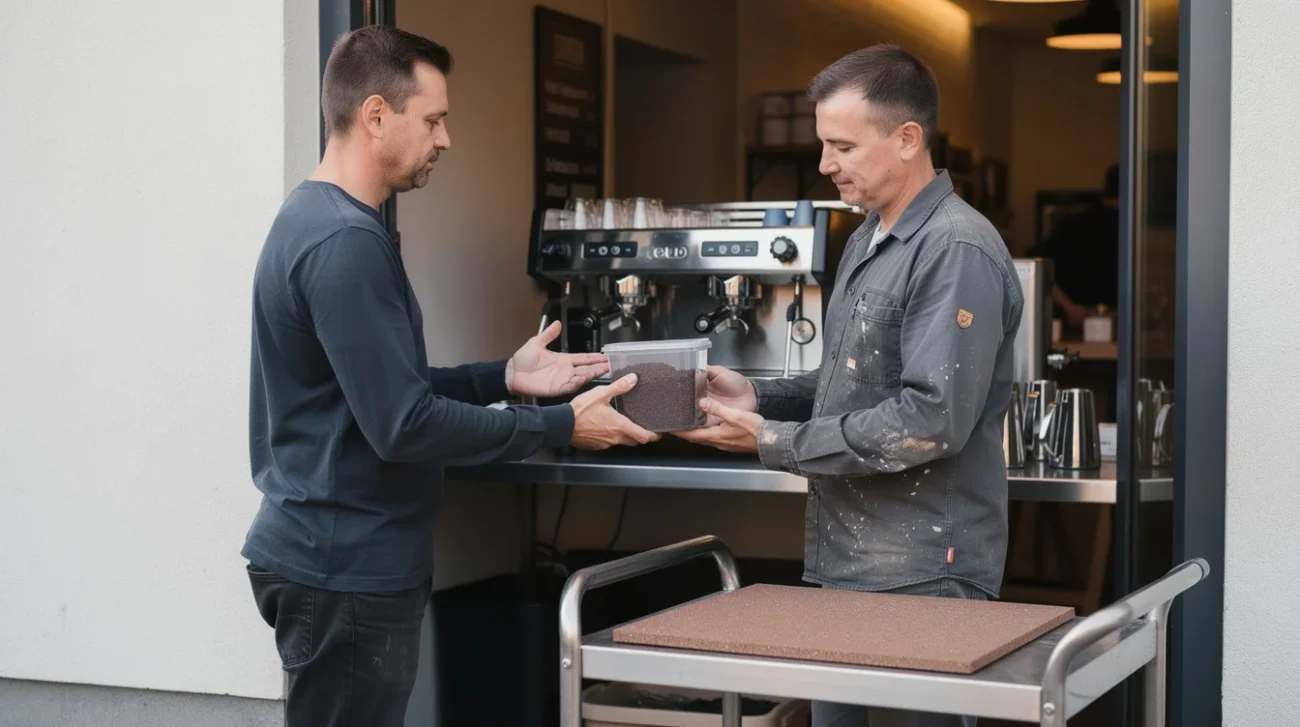
Could cafés turn coffee grounds and other waste into local interiors? A speculative materials network puts hygiene, energy and labour before circular hype.


Could cafés turn coffee grounds and other waste into local interiors? A speculative materials network puts hygiene, energy and labour before circular hype.
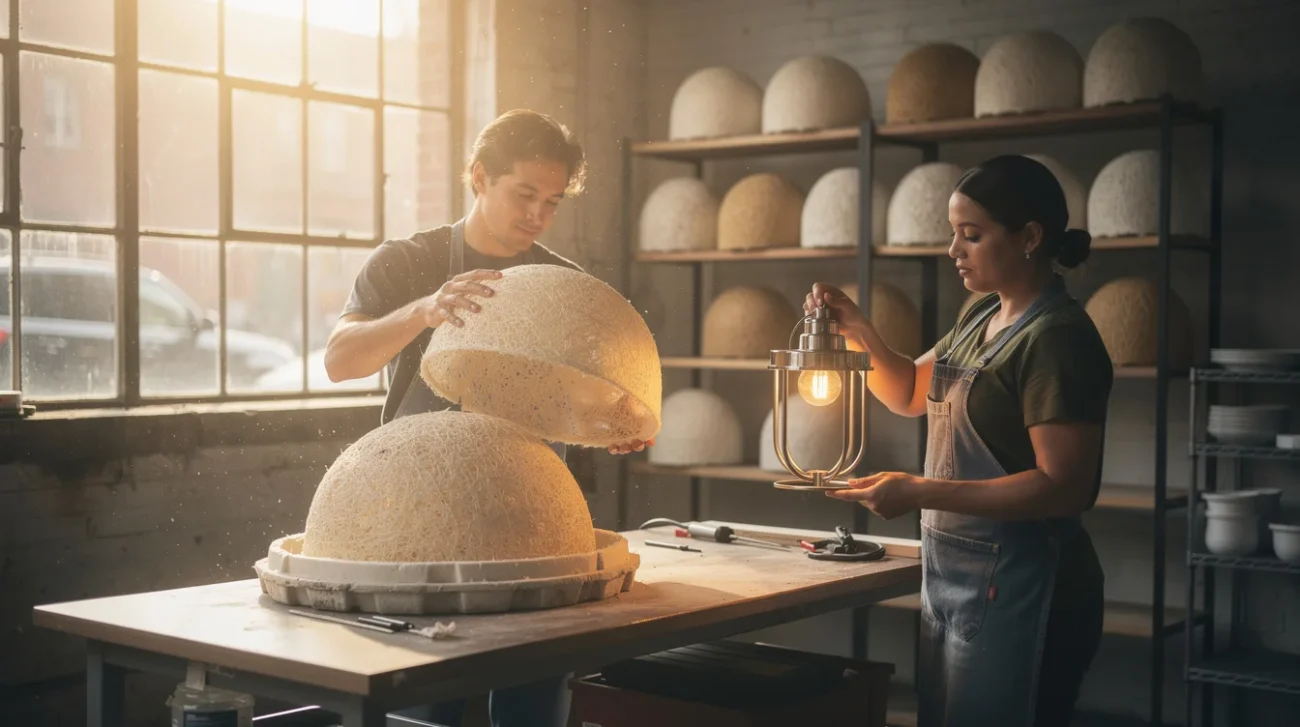
Could neighbourhood workshops grow mycelium lampshades that meet fire standards, arrive on time and cost less to replace? A radical local-production model.
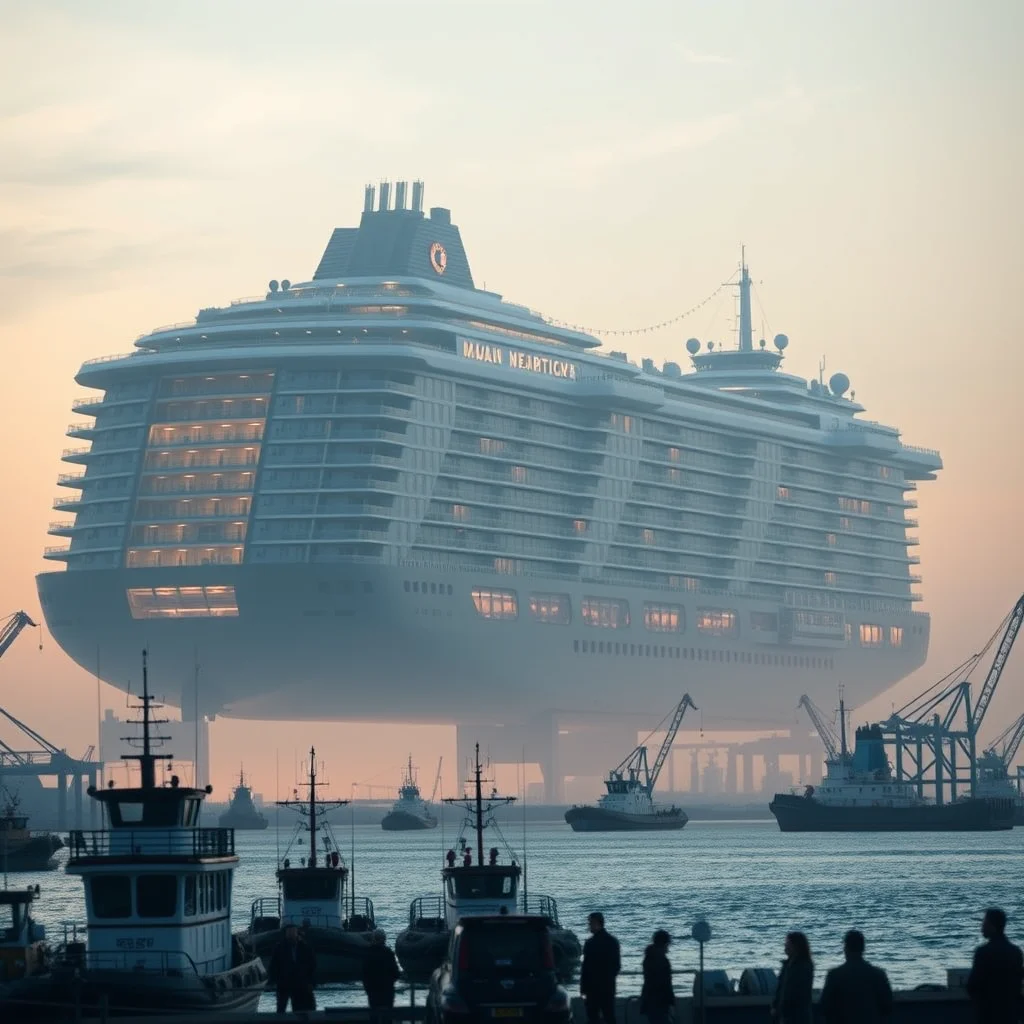
Freedom Ship revives the floating-city fantasy—and exposes the political, climate, and social stakes of architecture untethered from land.
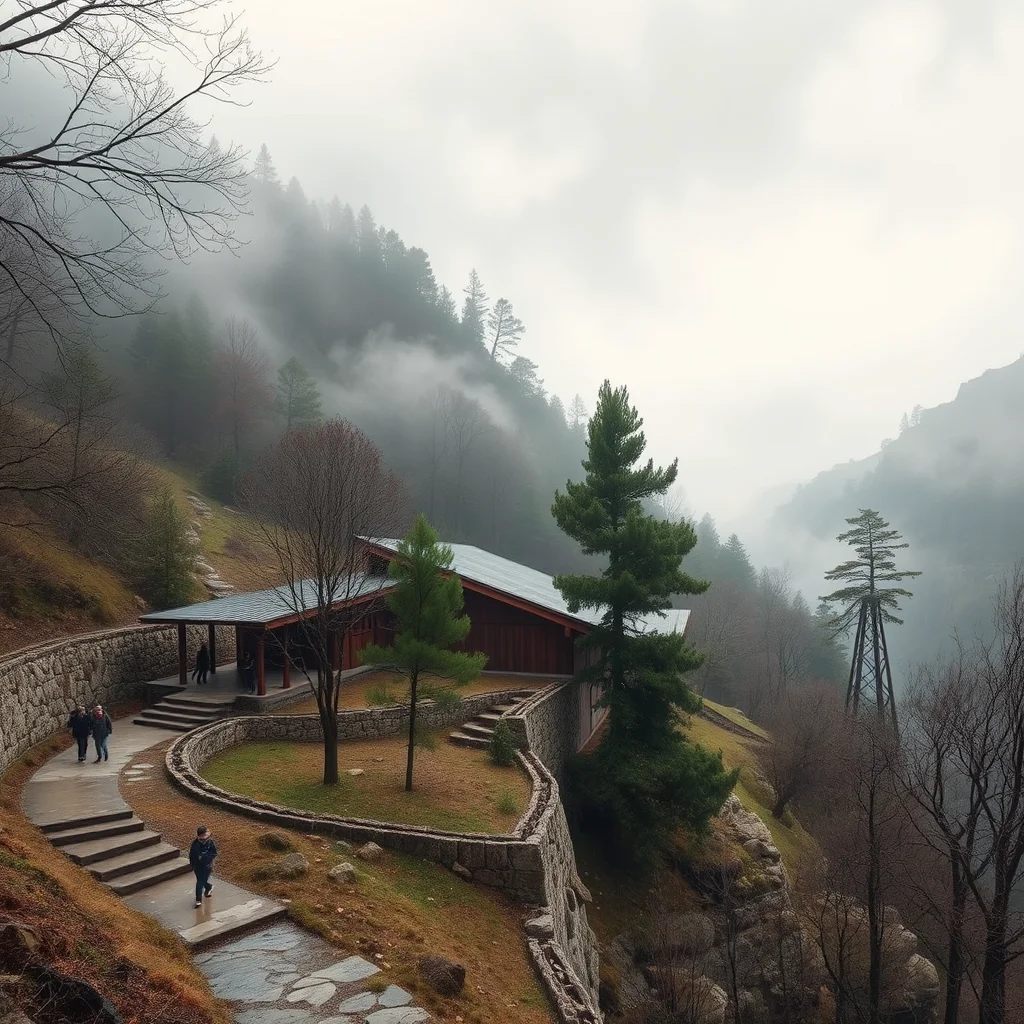
Architecture is leaving the object behind. Explore a future where terrain, vegetation and memory generate buildings as ecological stitching.
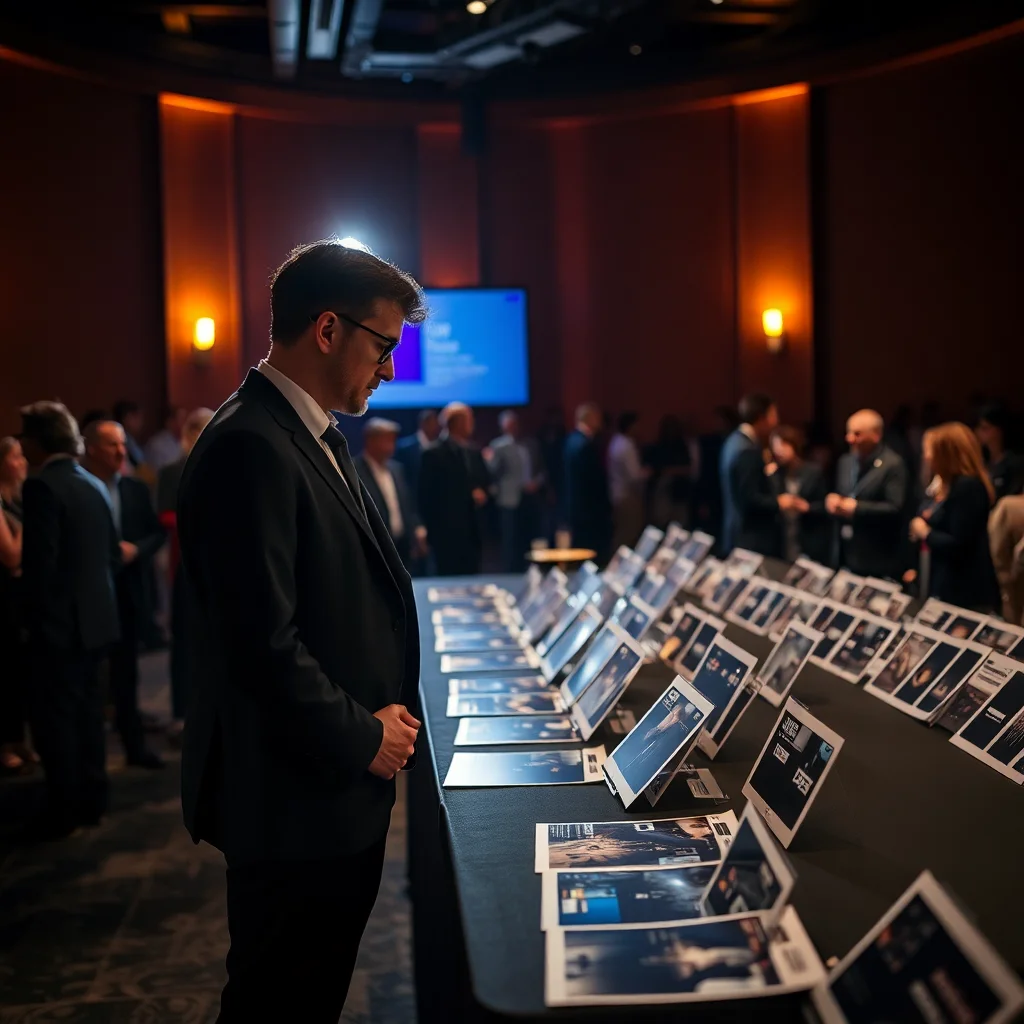
AI is shifting design from image-making to editing, judgment, and taste. What remains human may be the real creative edge.

Inflatable air-conditioning fashion and reactive objects signal a future where comfort becomes portable, intimate, and unequal.
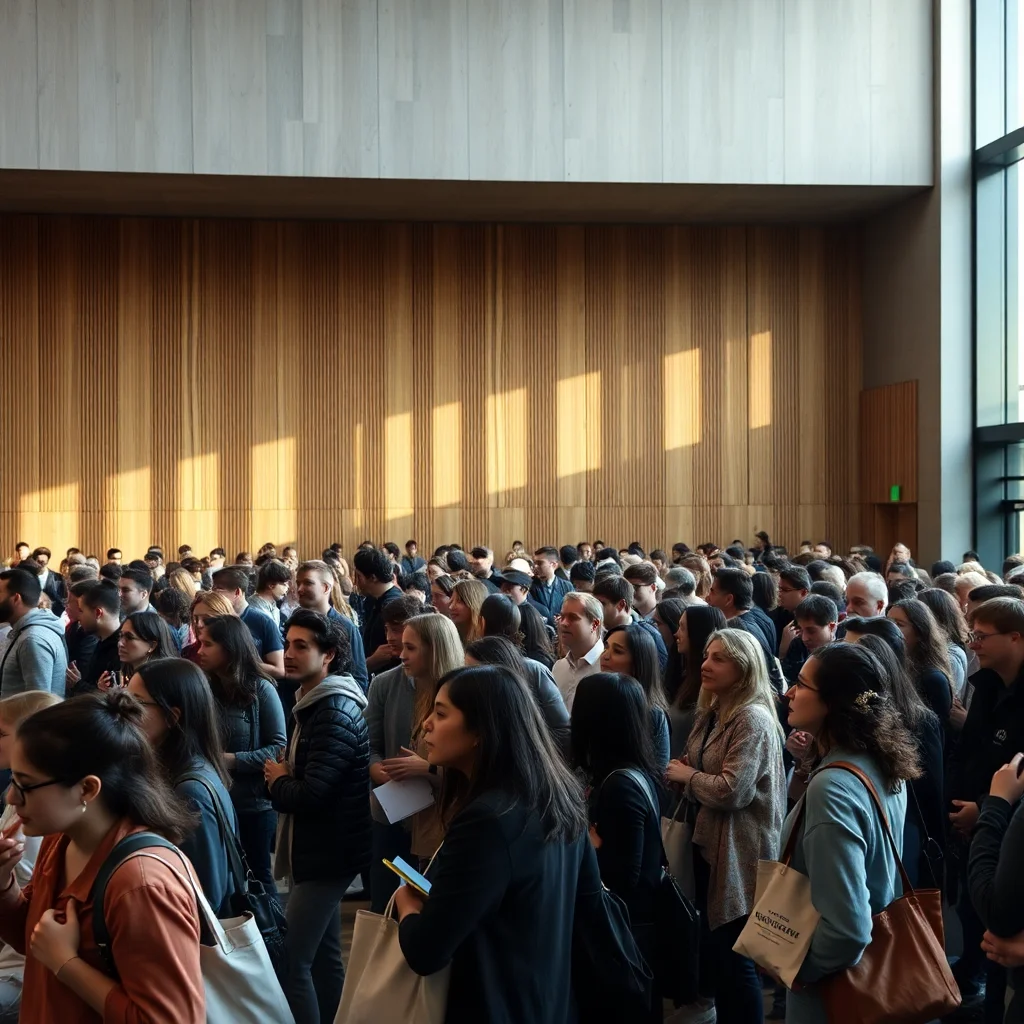
Jayden Ali’s LFA theme asks whether architecture can turn belonging into a shared, measurable spatial outcome.
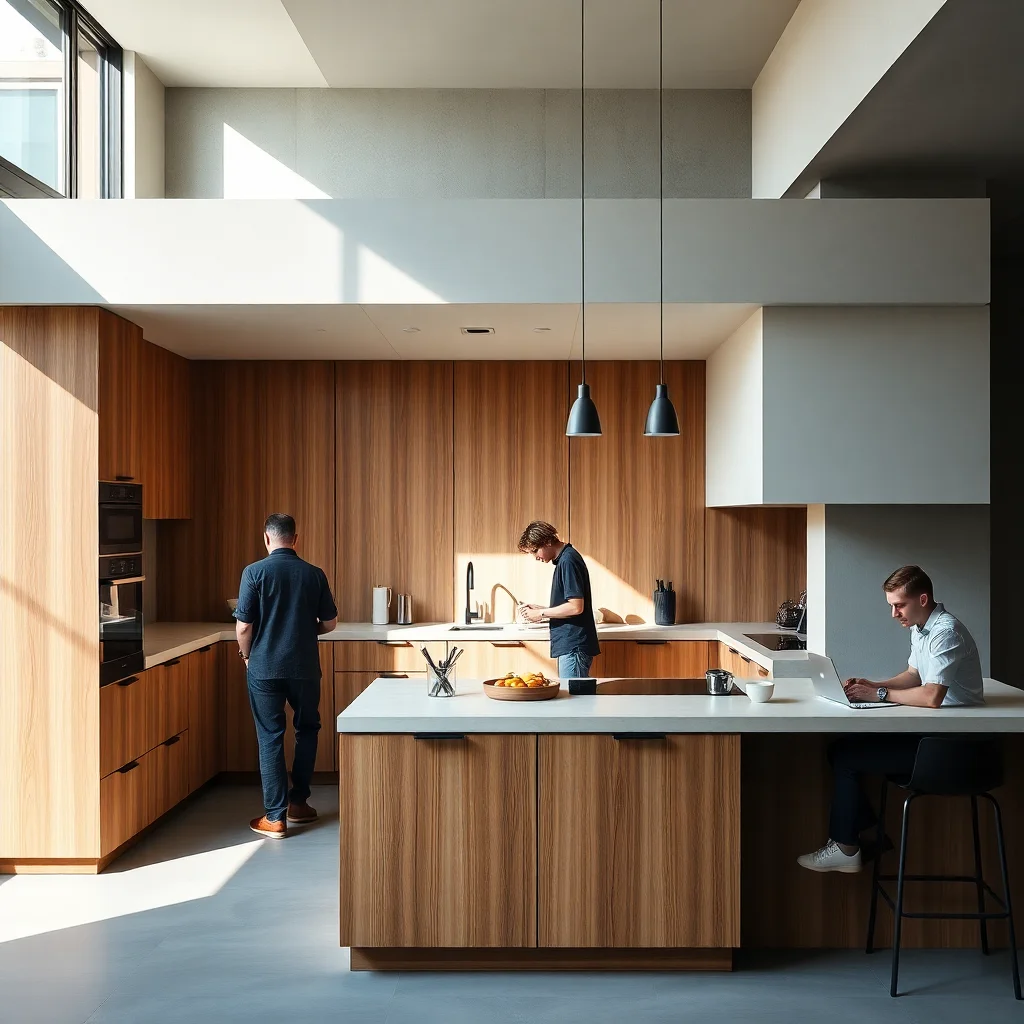
The kitchen is becoming architectural infrastructure: programmable, social, and designed as a domestic system rather than a single room.
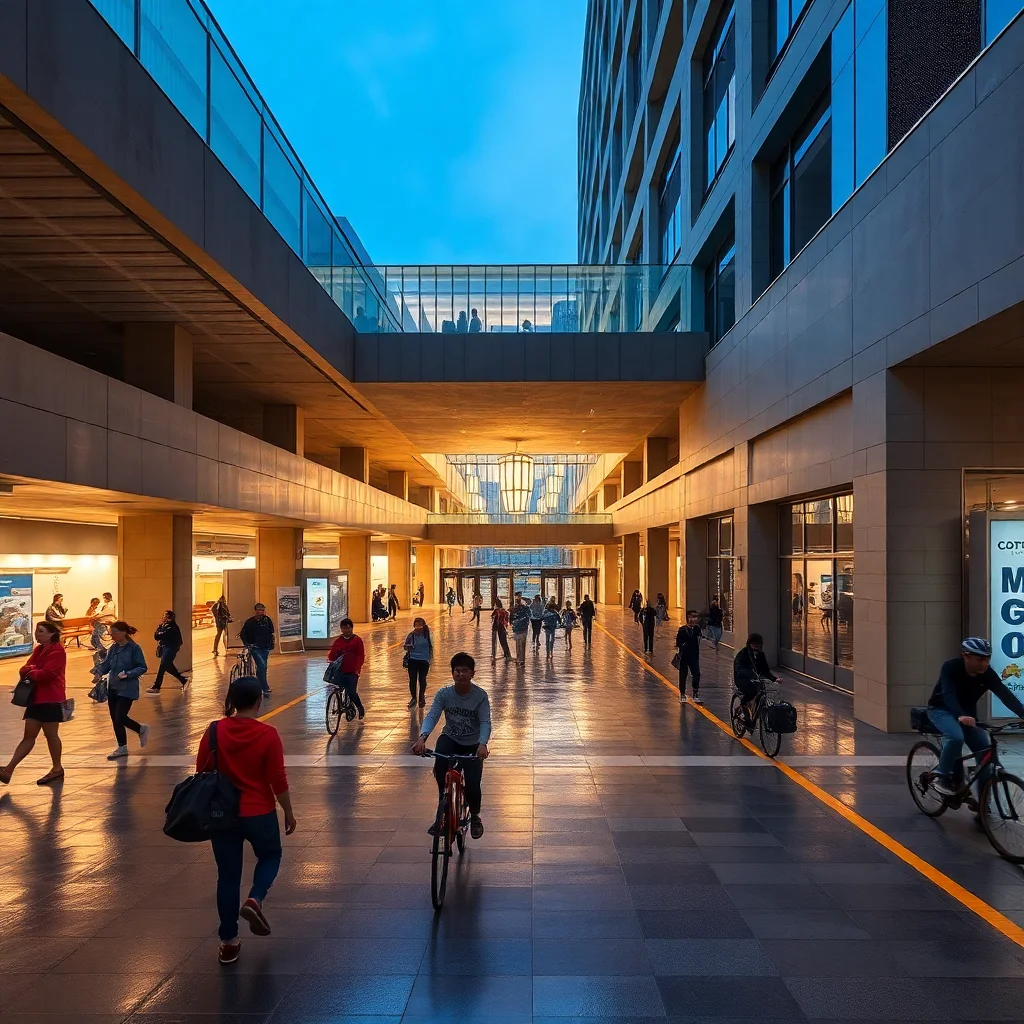
Shenzhen Mingwan School points to a new campus model: education, transit, sport, and community life fused into one urban operating system.
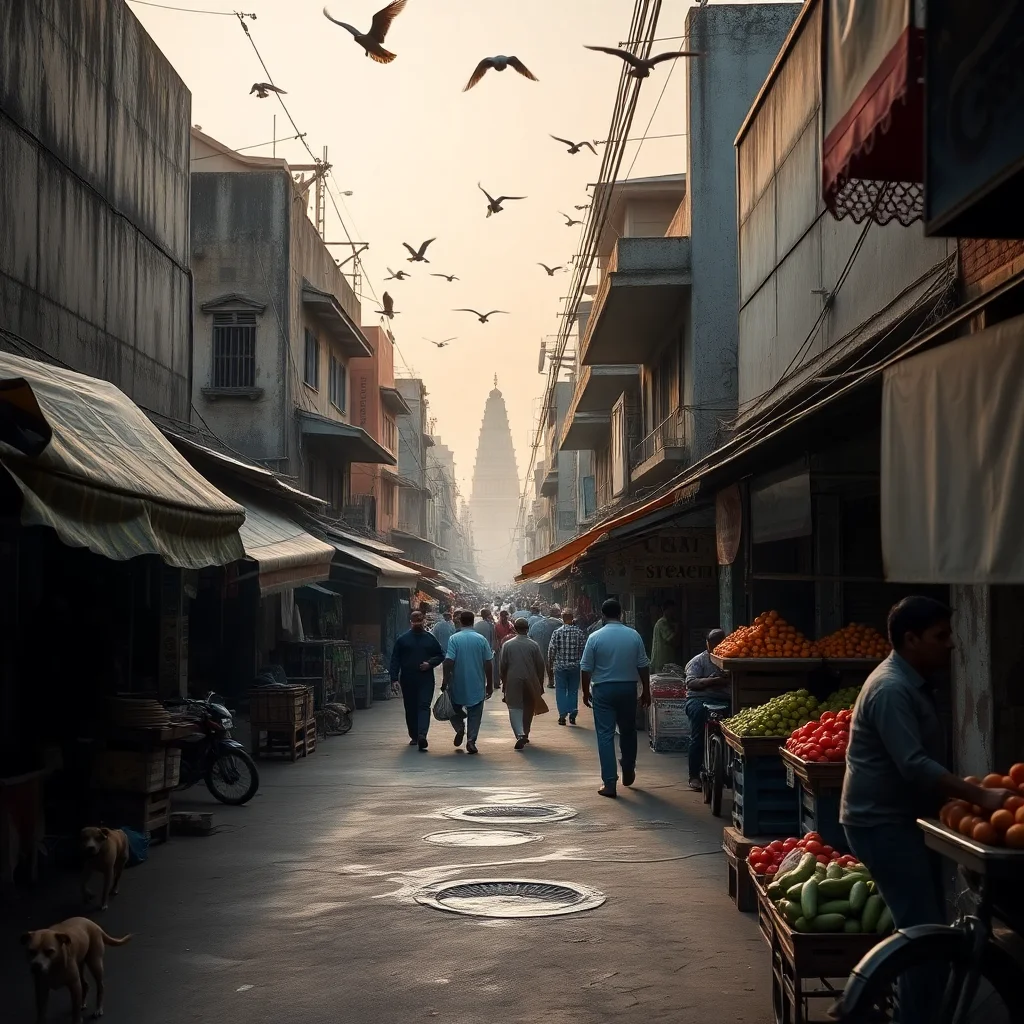
An argument for architecture that plans for humans, dogs, birds, insects, and monkeys as co-inhabitants of the city.