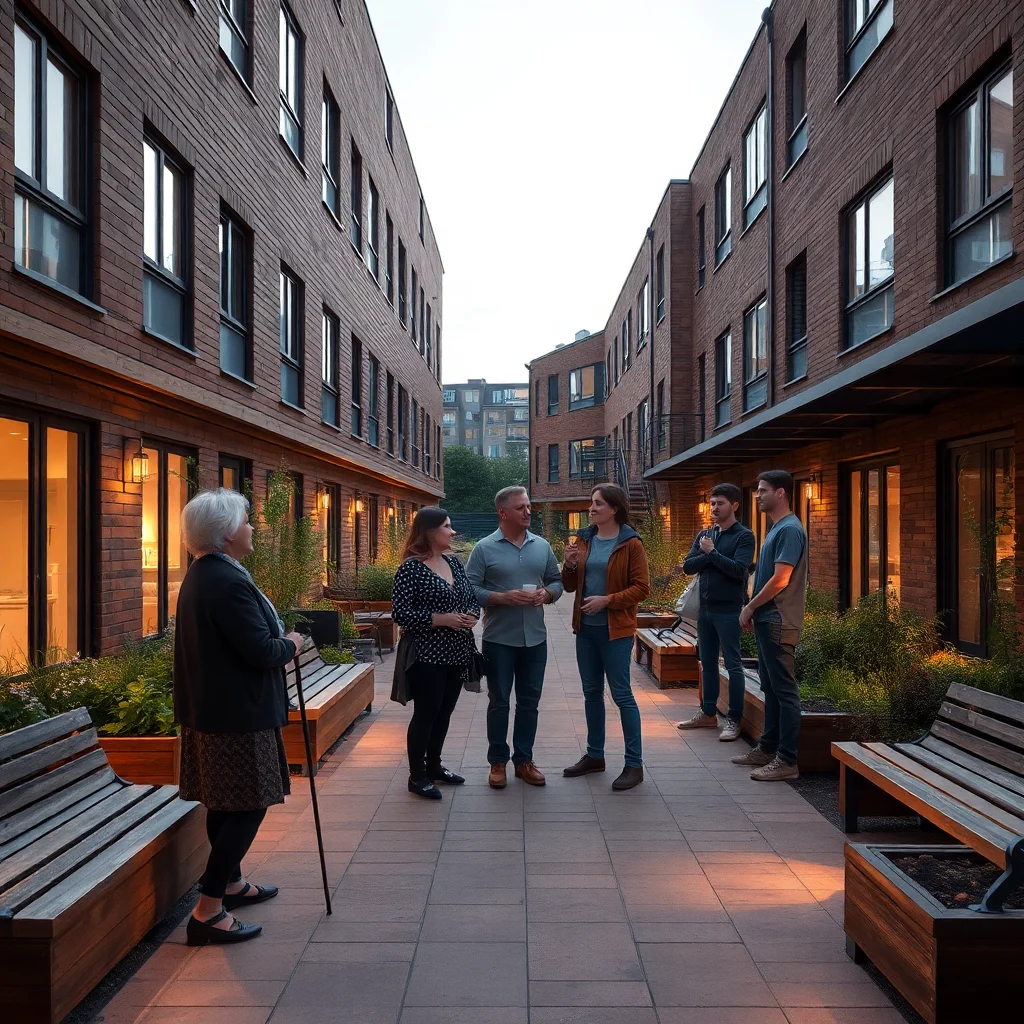
Intergenerational co-housing could solve loneliness, care and housing—if it doesn’t become a premium lifestyle product.


Intergenerational co-housing could solve loneliness, care and housing—if it doesn’t become a premium lifestyle product.
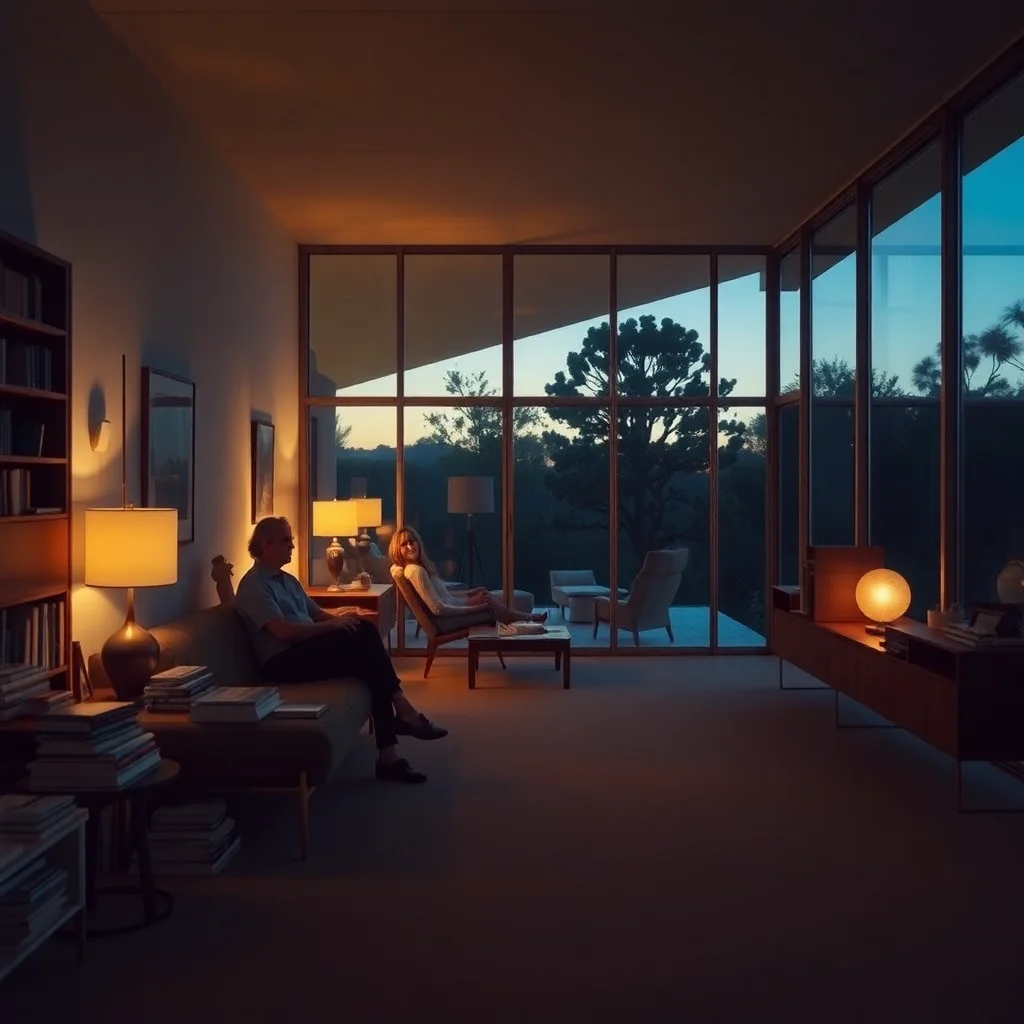
Case Study Houses promised a universal home. Today, class, identity, and climate expose that ideal as a narrow script.

Vollebak’s sonic jacket imagines clothing as a sensory interface that can reshape mood, attention, and even interior space.
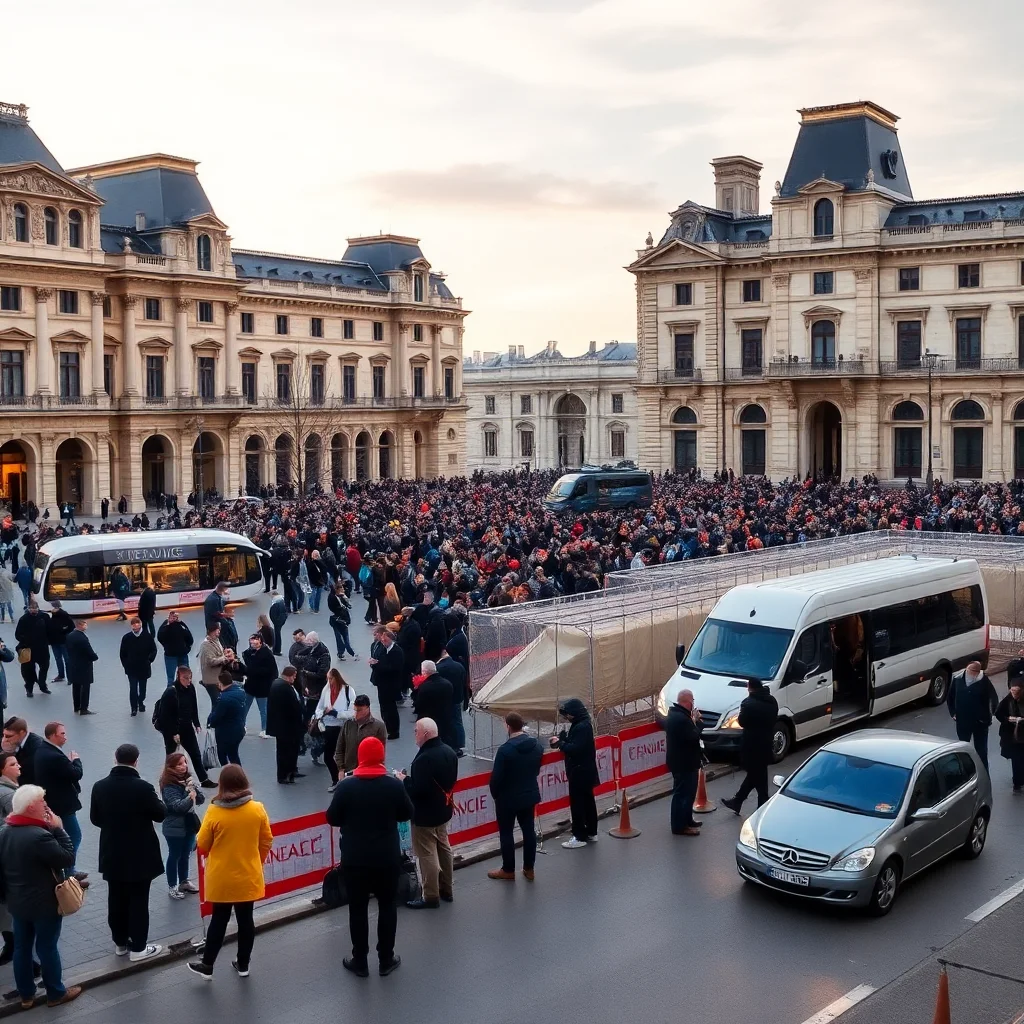
The Louvre’s subterranean entrances suggest museums may become civic infrastructures, not sealed monuments. What does that mean for architecture?

Luxury hospitality is abandoning spectacle for silence, ecology, and emotional texture. What happens when restraint becomes the status symbol?
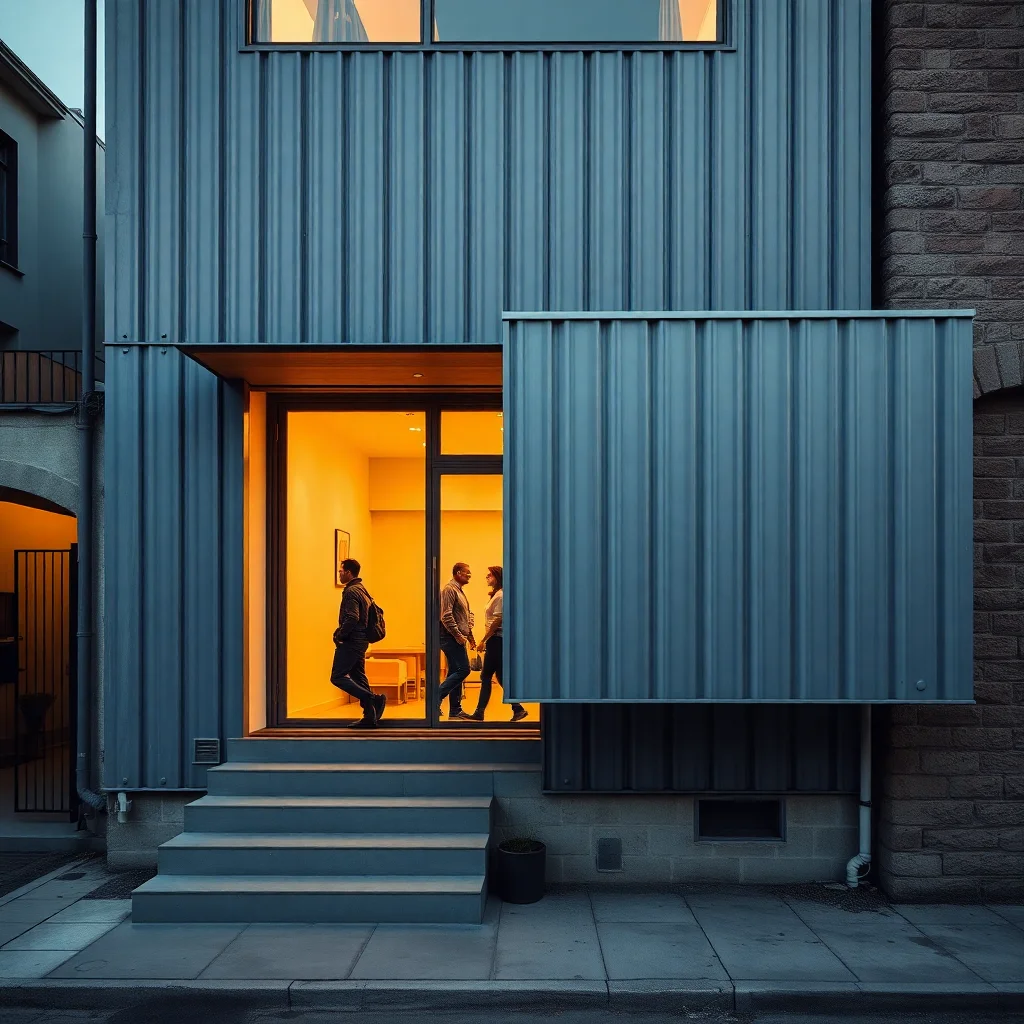
Tbilisi’s operable steel skin rethinks security, light, and domestic openness—while reviving the aesthetics of fortification.
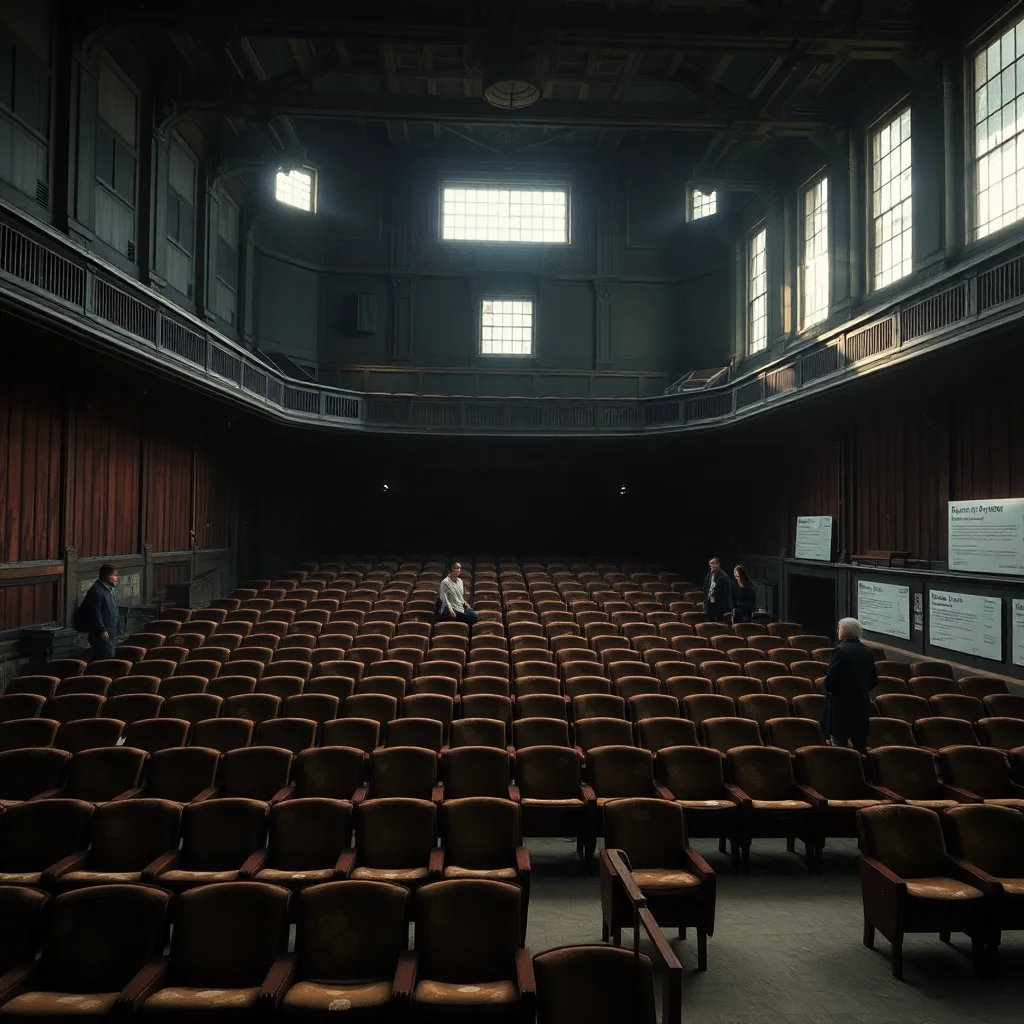
Adaptive reuse may rescue theaters and cinemas—but at what cost to memory, gathering, and civic life?
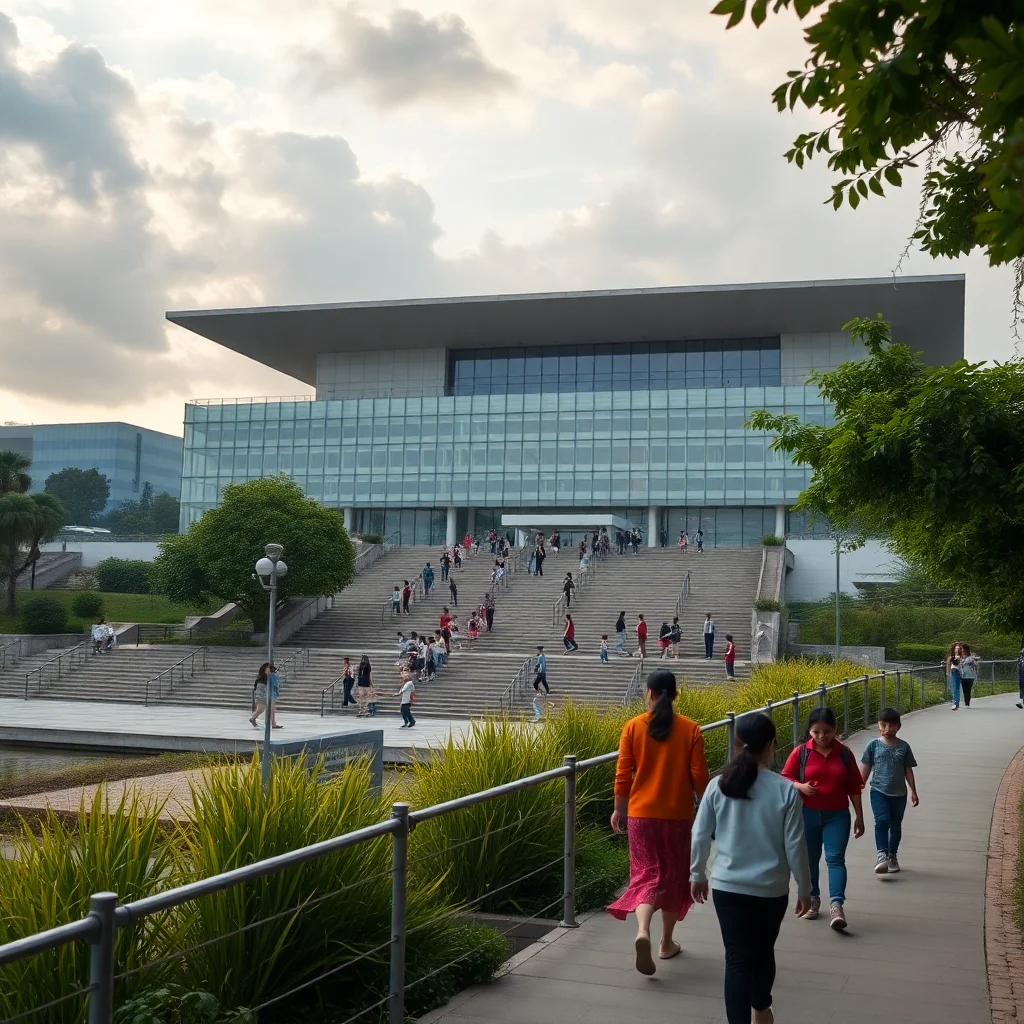
Hainan Science Museum shows how museums now choreograph movement, curiosity, and atmosphere—not just facts.

Why sawtooth roofs are reappearing in forests: industrial form softened into ecological rural architecture with sharp new ambitions.
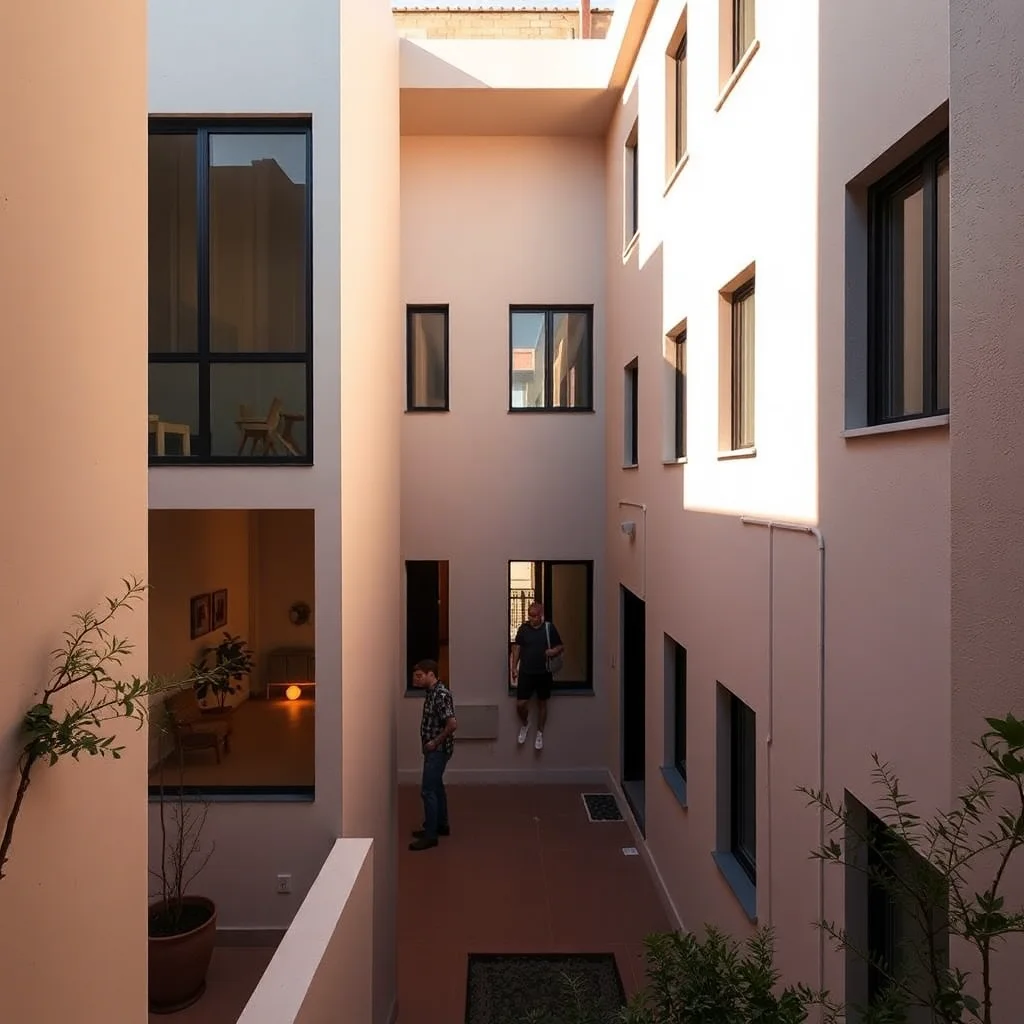
Why enclosed courtyards are returning as a smart domestic response to heat, density, privacy, and microclimate.