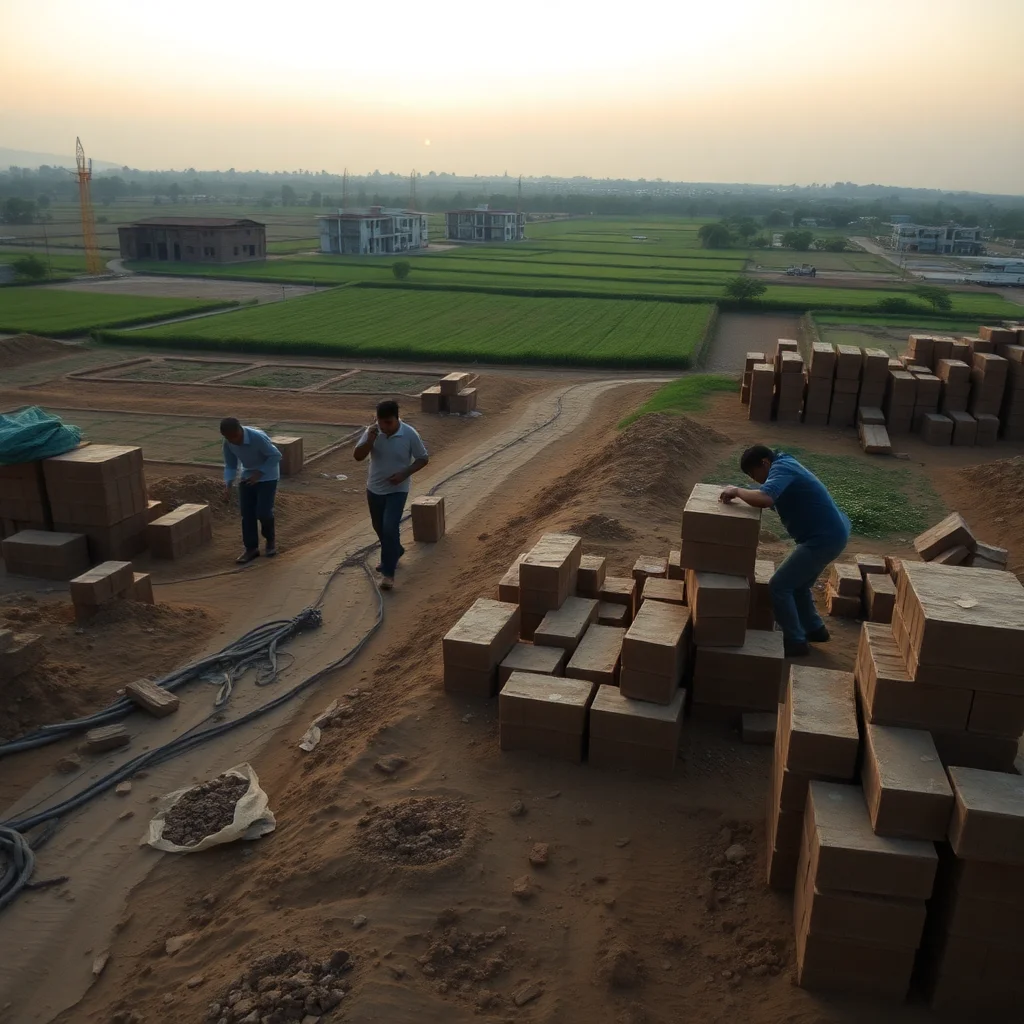
Brick, earth, cork, timber and wood-based structures are reshaping low-carbon design—and reigniting the fight over vernacular authenticity.


Brick, earth, cork, timber and wood-based structures are reshaping low-carbon design—and reigniting the fight over vernacular authenticity.

Mexico City's Colima 162 uses recycled copper to question whether luxury can feel less extractive—or just better branded.
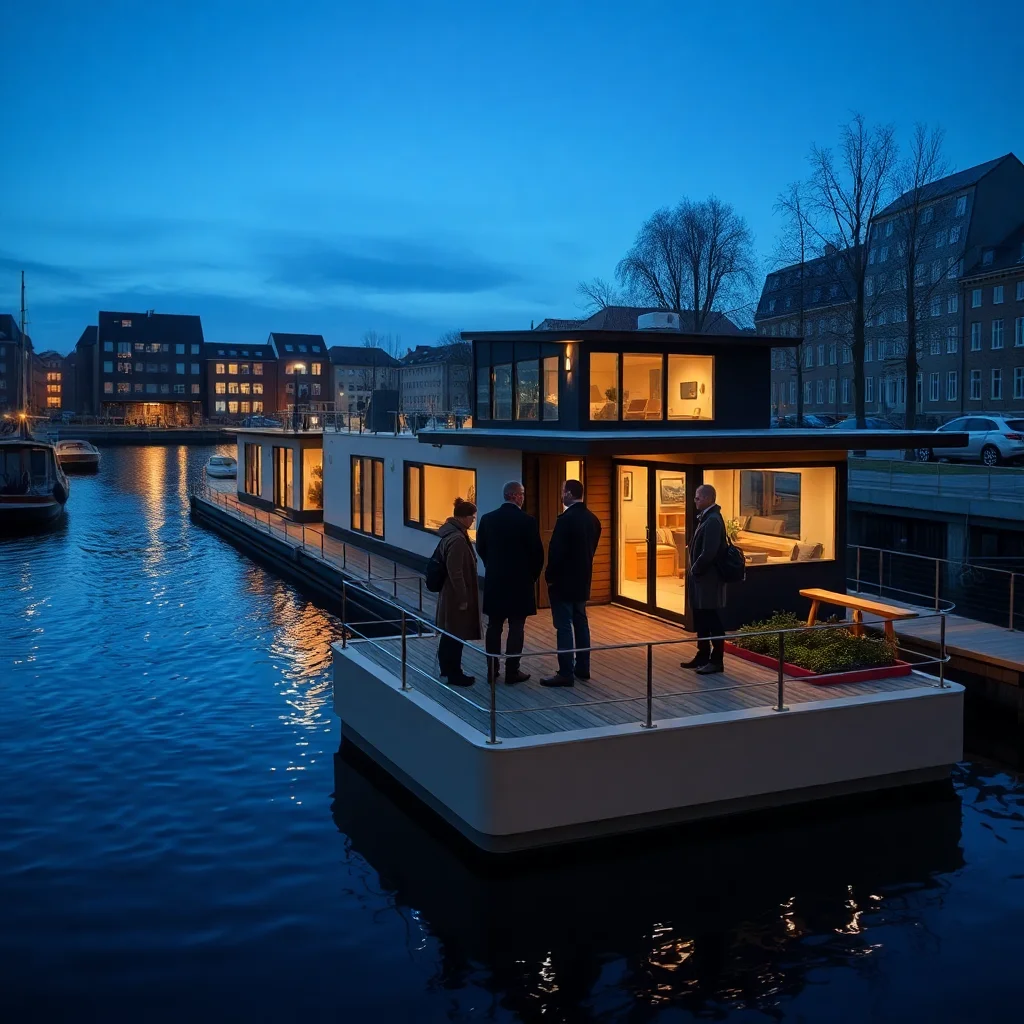
Copenhagen’s floating community space raises a bigger question: can amphibious architecture become everyday civic infrastructure?
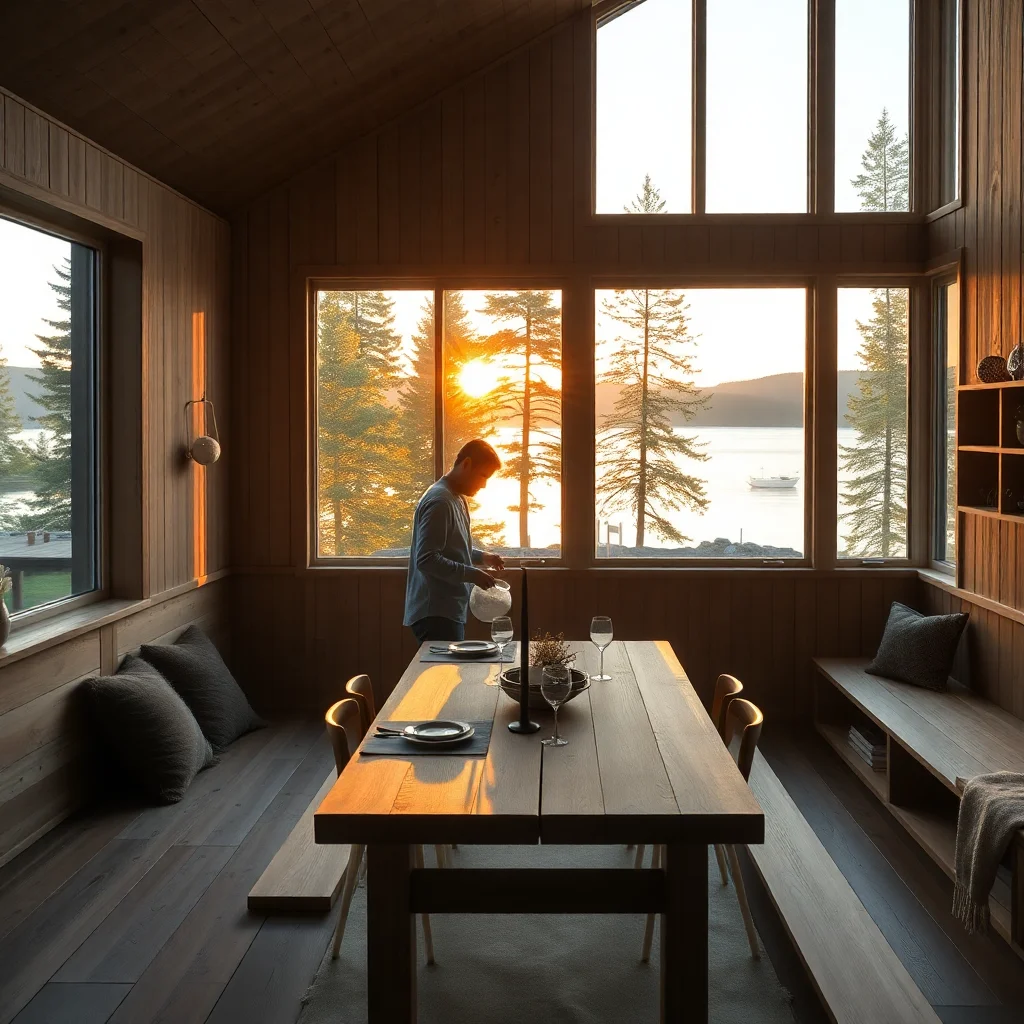
As homes become ecosystems of rooms, gardens, and rituals, design is judged by choreography—not just efficient floor plans.
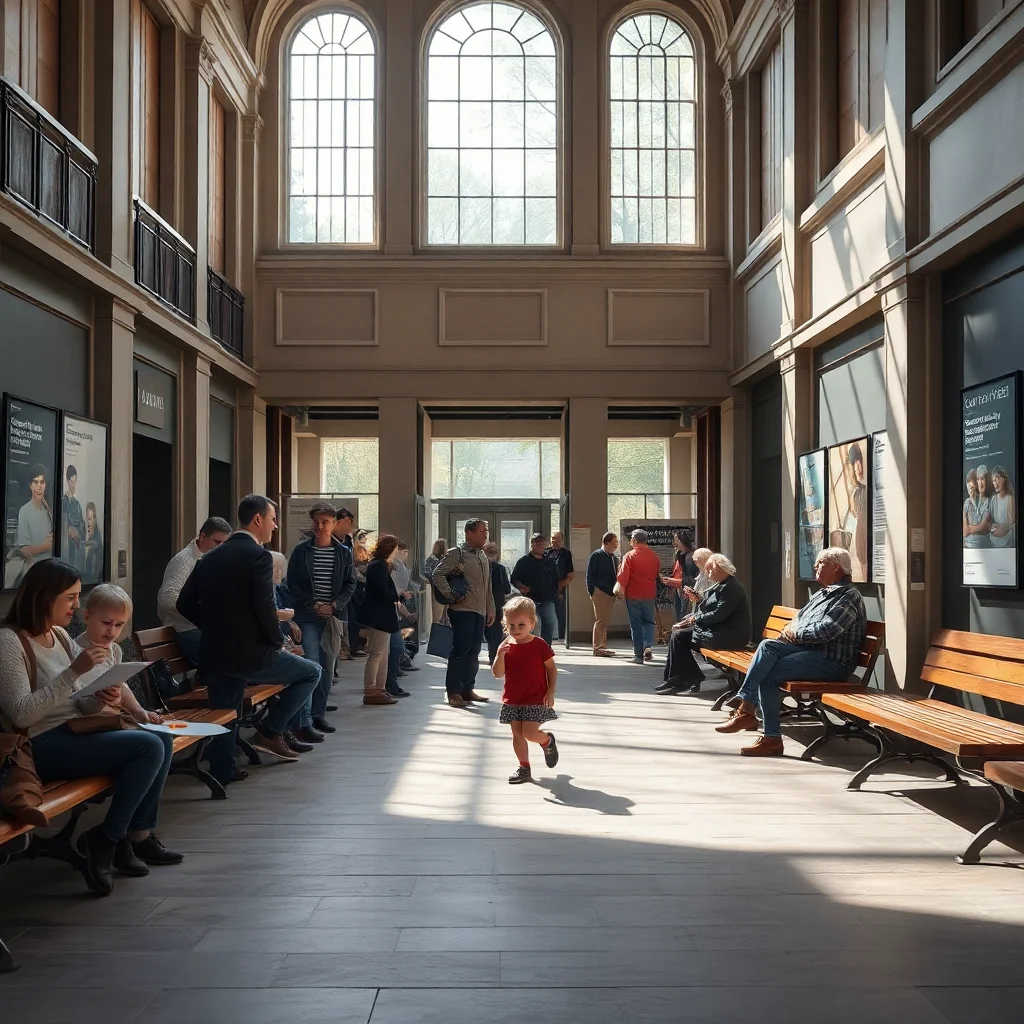
If arts participation slows aging, culture may be infrastructure, not luxury. Can cities justify it through health policy?
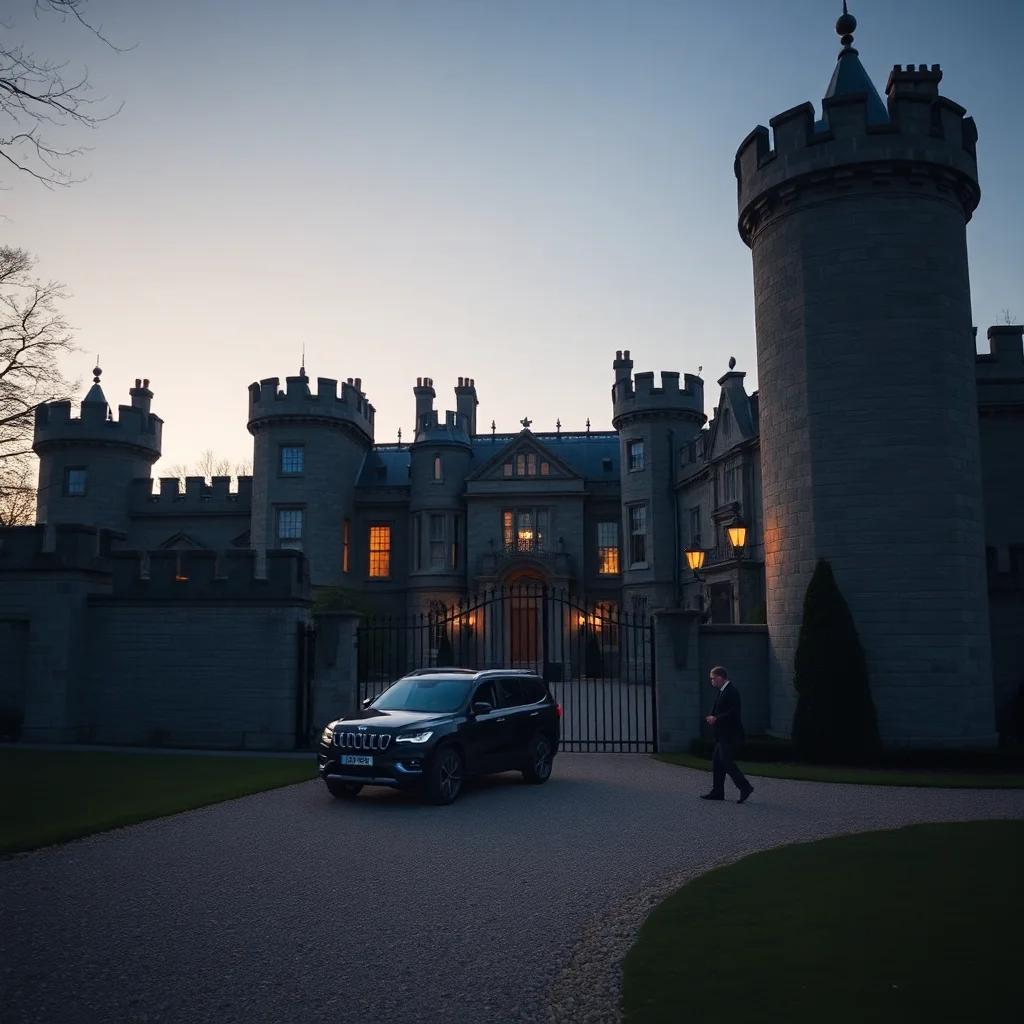
From oligarch mansions to storybook estates, castle imagery turns wealth into romance just as inequality comes under fire.
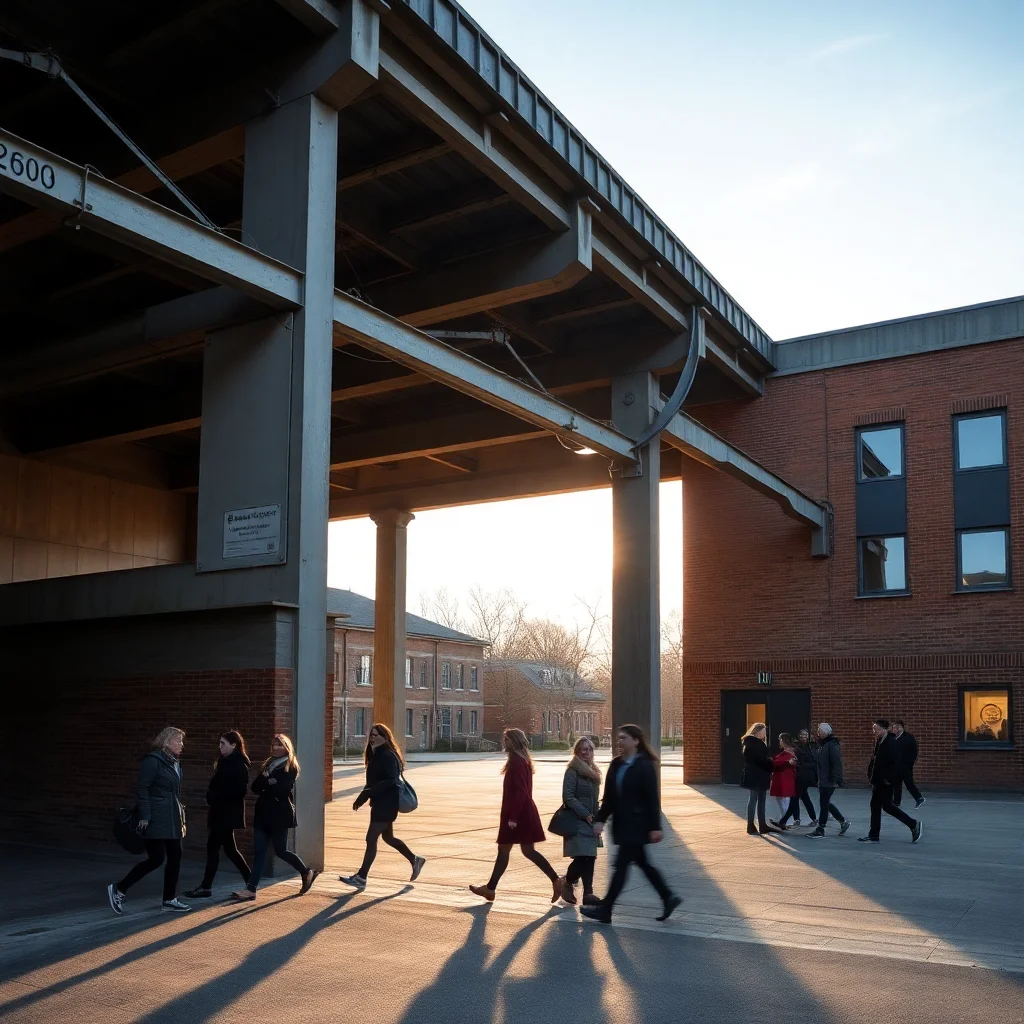
Hunstanton School’s renewal asks how Brutalist landmarks can evolve without betraying their authorship, budgets or safeguarding needs.
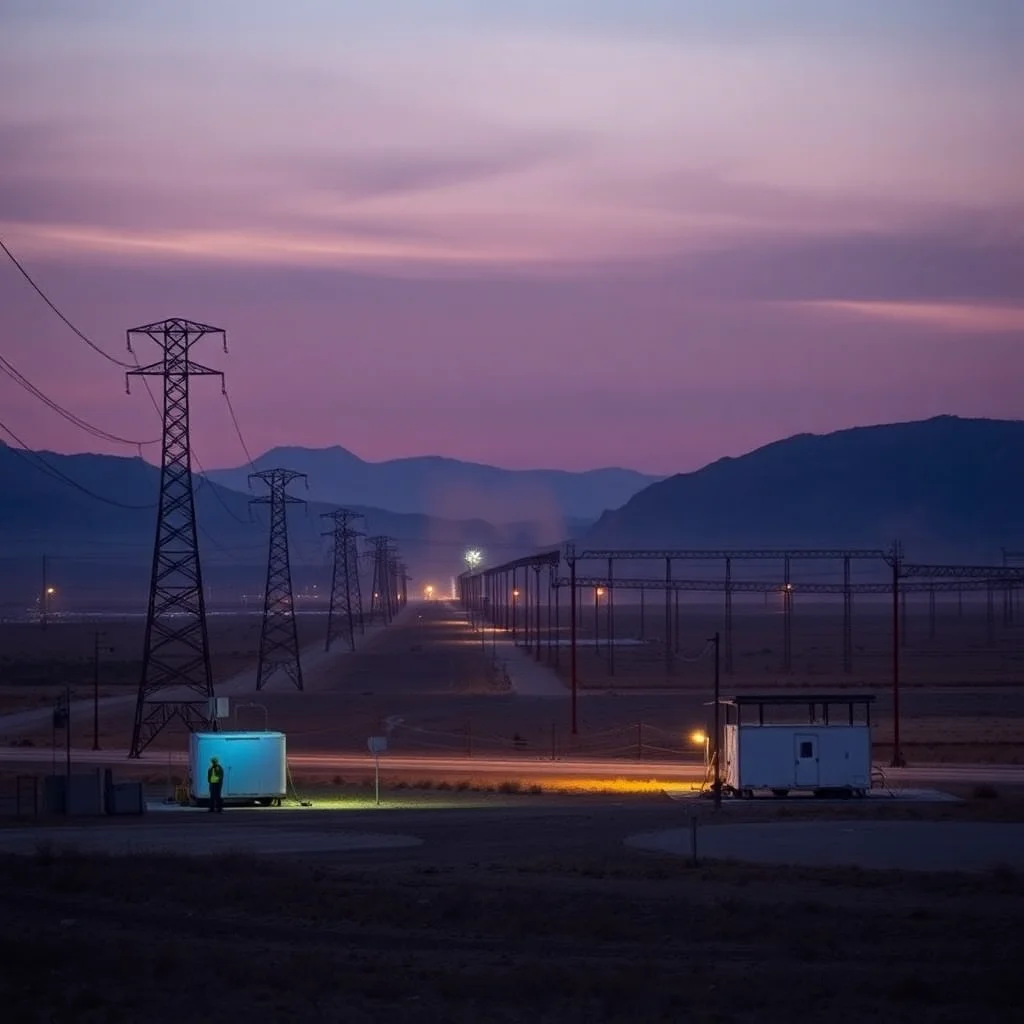
Gensler’s Utah hyperscale project raises a provocative question: should data centers be designed like public institutions?
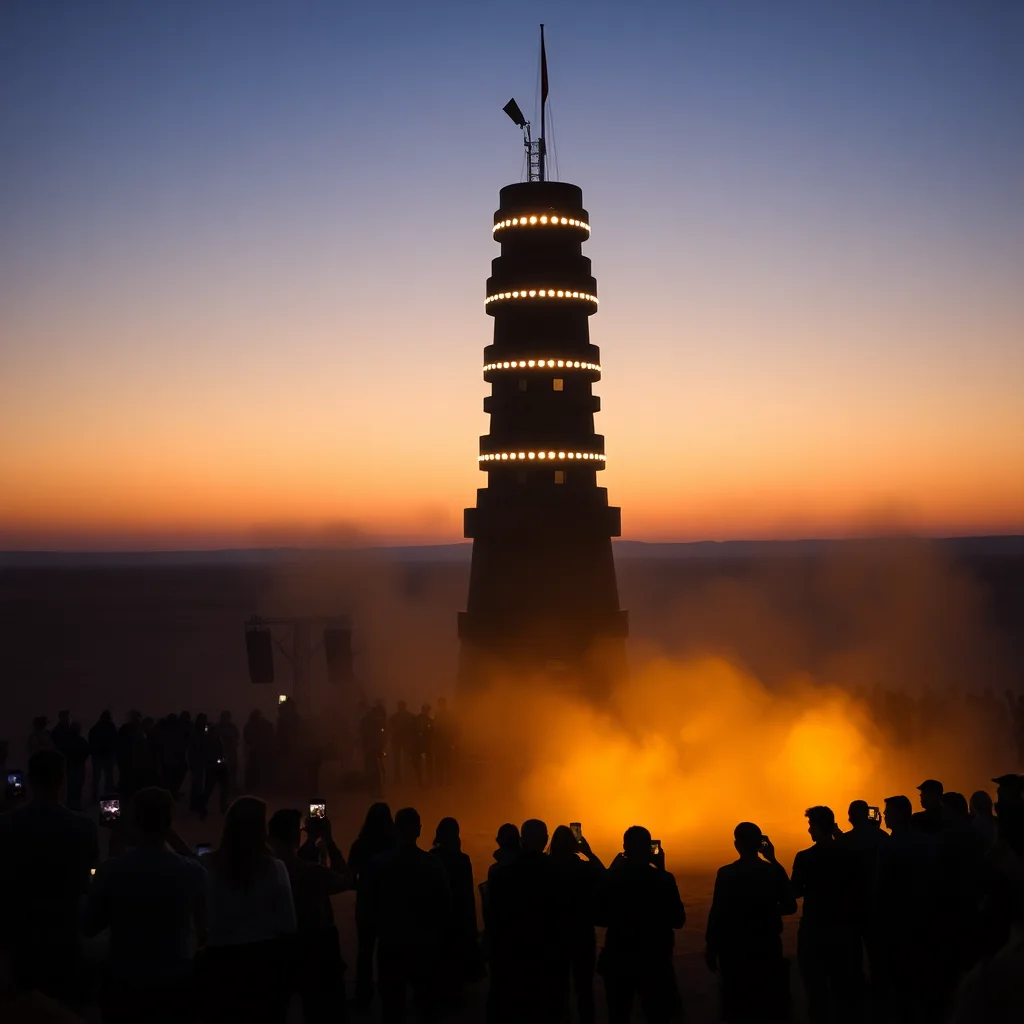
A Burning Man tower asks whether architecture can translate collective voice into light, form, and responsive media.
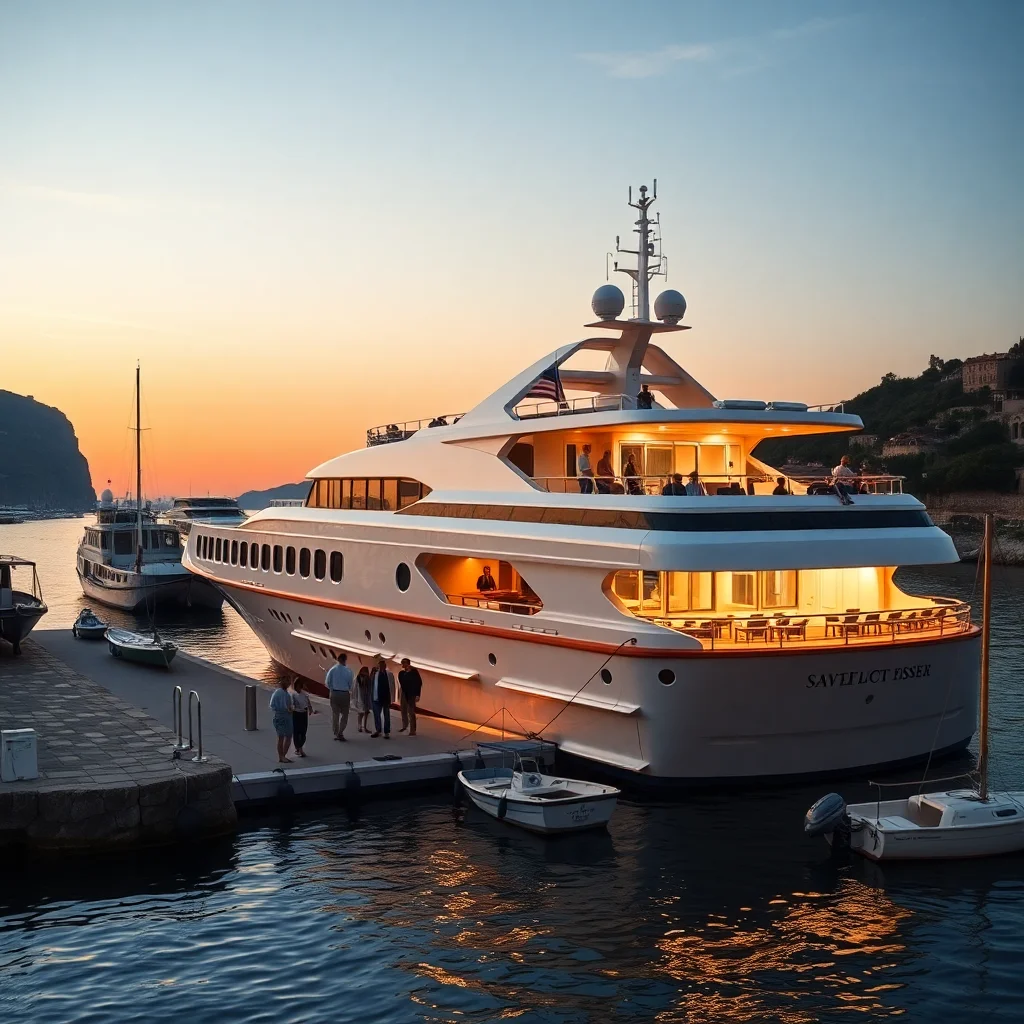
Boutique cruise ships are reshaping travel with intimacy, locality and restraint—less floating resort, more architectural hotel at sea.