
Can Culture Become a Public Health Strategy?
Culture is no longer just ornament. It is being dragged into the clinic.
The latest study associated with Daisy Fancourt does something politically dangerous: it gives cultural life a biological argument. Museums, concerts, and creative hobbies are no longer merely pleasant expressions of civic taste; they appear to correlate with slower biological aging, suggesting that regular arts participation may affect the body at a cellular level. That is not a soft claim. It changes the status of culture from discretionary spending to potentially preventive infrastructure.
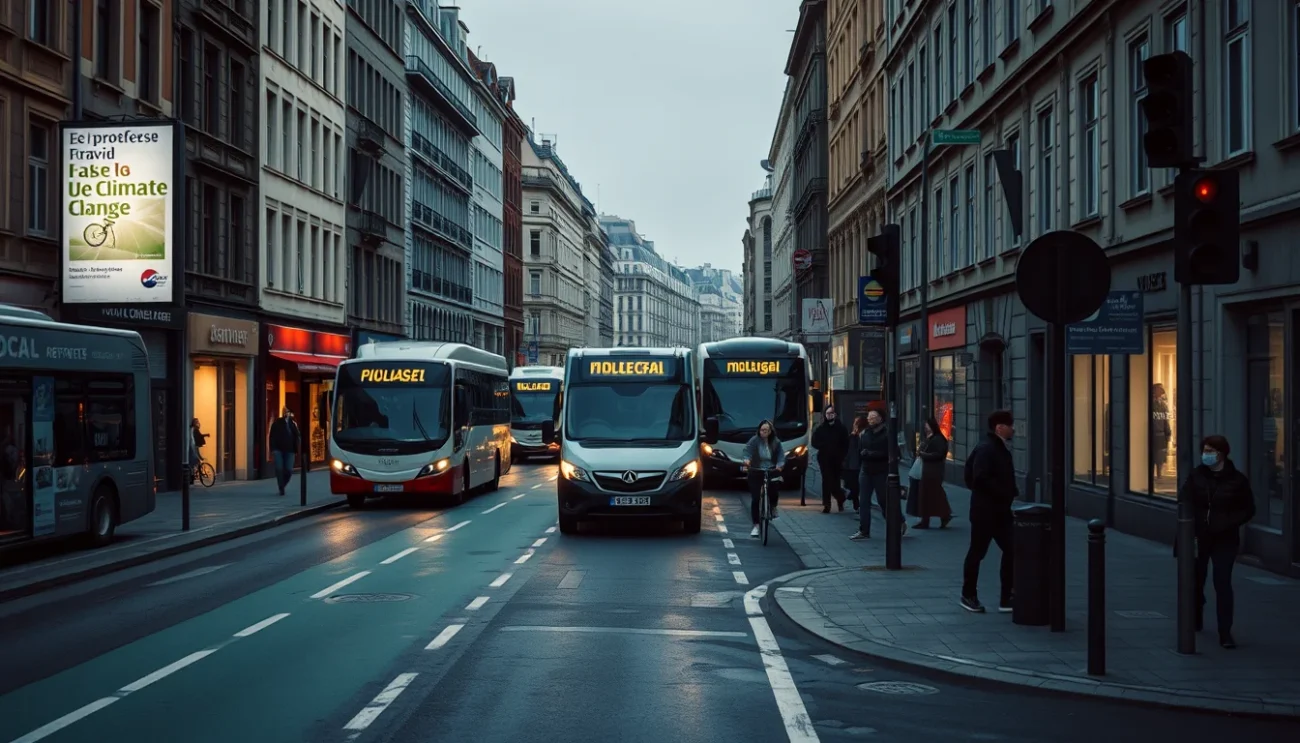
This matters because cities already treat health as an urban design problem when it suits them. They widen sidewalks, regulate air quality, add trees, and build cycle networks with the language of longevity and burden reduction. If a violin lesson, a gallery visit, or a community choir can be framed in the same logic, then cultural access stops looking like a subsidy for the already initiated and starts looking like a public health intervention. The provocative question is not whether art is good for us. It is whether governments will finally fund it like a necessity rather than a privilege.
But there is a trap here. The moment art is justified only through wellness metrics, it risks being stripped of its contradictions: unease, uselessness, difficulty, dissent. Culture is not a pill. If policymakers treat museums as emotional vitamins and concerts as dopamine delivery systems, they may save a budget line while damaging the very thing they claim to value.
From museum ticket to health policy: the infrastructure argument
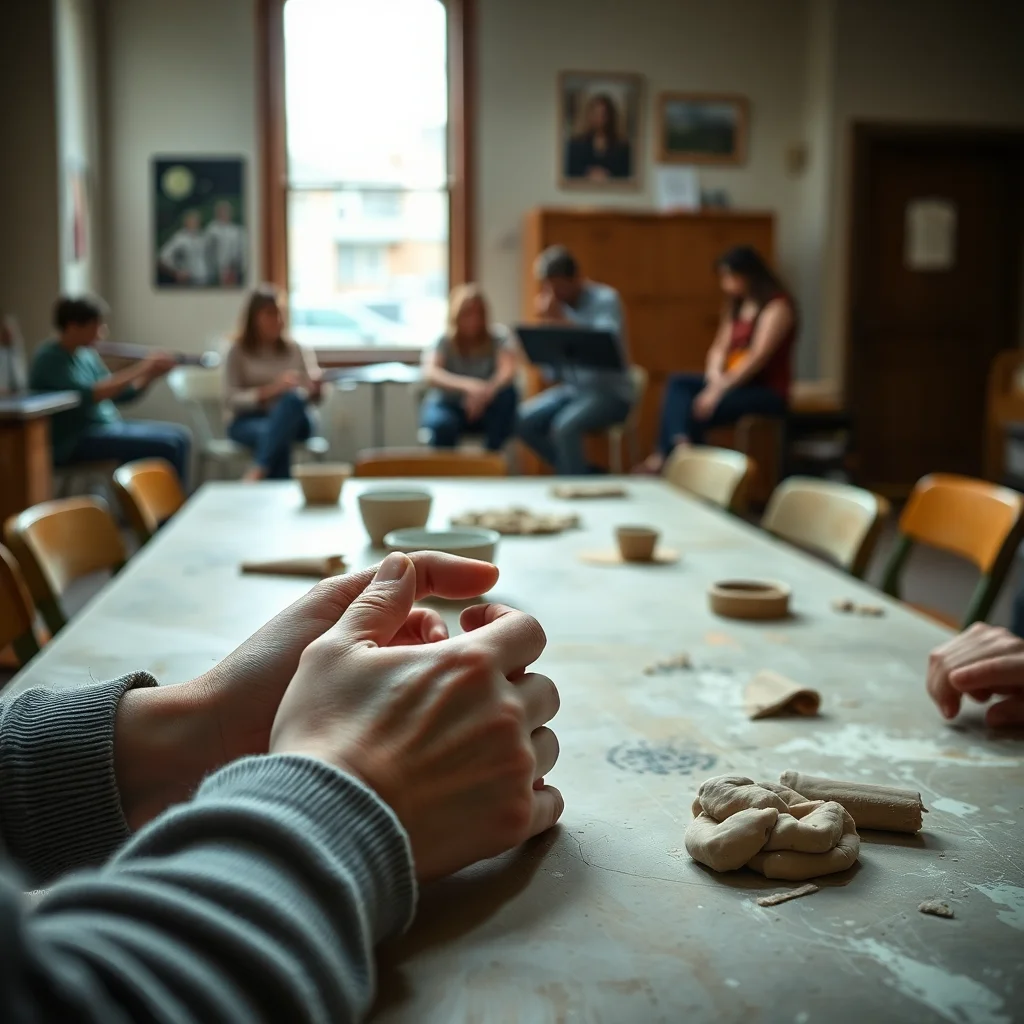
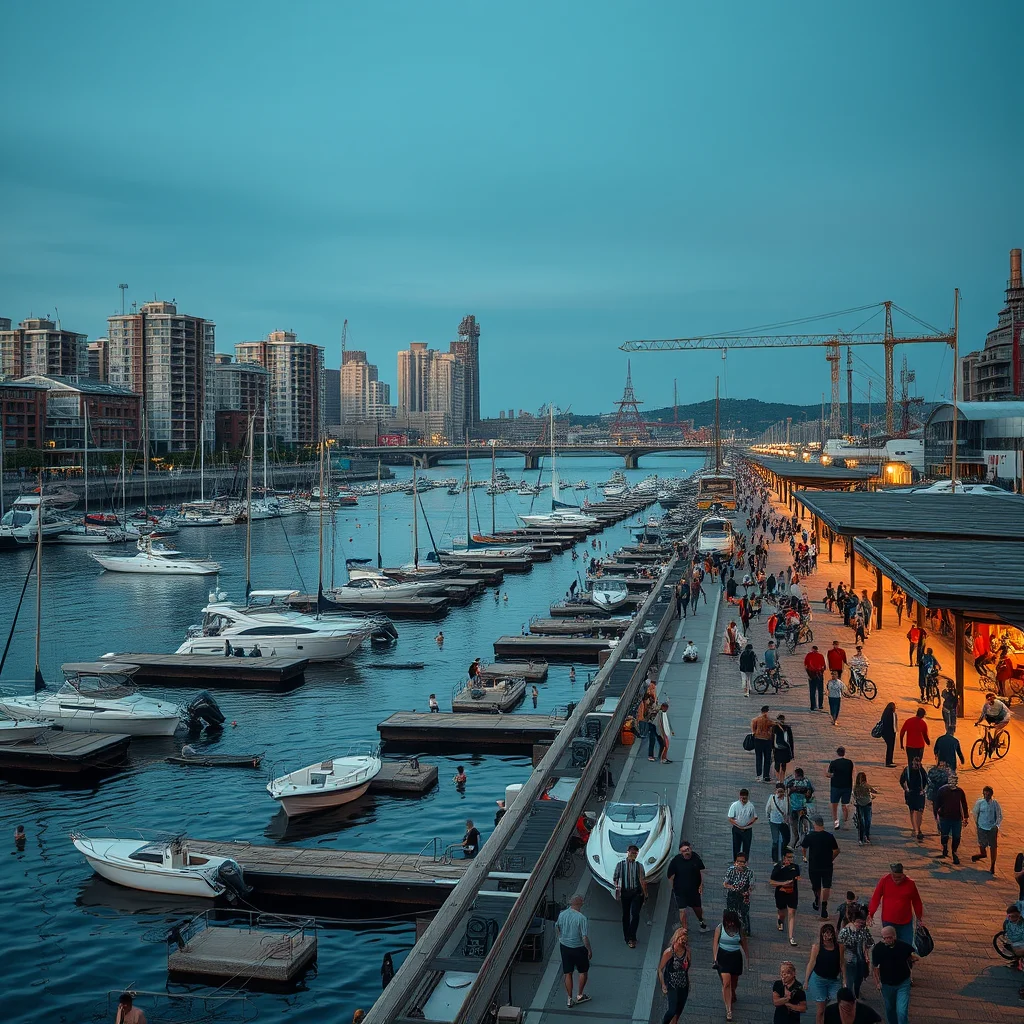
Design and architecture have long understood that infrastructure is not limited to pipes and pavement. Libraries, parks, schools, and transit are social systems that shape behavior over decades. Culture belongs in that same category, especially when access is uneven. A free neighborhood gallery in East London, a community print studio in Lisbon, a subsidized rehearsal room in Rotterdam, or a public piano in a transit hub all operate as more than amenities; they distribute attention, confidence, and routine.
This is where the research lands with force. If arts participation appears to slow biological aging, then the familiar cultural hierarchy collapses. We stop asking whether people should be “encouraged” to visit museums and start asking why some cities make it harder to participate than to buy fast food. Compare the civic ambition of the Glasgow Film Theatre’s neighborhood role, or the way Medellín linked culture, mobility, and public space in its broader urban transformation. In both cases, culture is not a garnish on policy; it is part of how a city teaches people to inhabit one another.
Architects know this instinctively. A well-designed cultural venue does not merely host an audience; it builds repetition, ritual, and social contact. Think of OMA’s Casa da Música in Porto, where publicness is built into the idea of the building itself, or David Chipperfield’s careful civic restraint at the Neues Museum, where preservation becomes a form of public continuity. Such projects are not health centers, but they do something health systems often fail to do: create conditions for belonging.
That is why exhibition design matters as much as programming. When a space is built to support immersion without spectacle, it can hold attention long enough for people to feel present rather than processed. The best cultural environments do not merely showcase objects; they shape the tempo of encounter, which is part of why an immersion-focused exhibition design can influence whether a visit feels restorative or transactional.
PRO: why the evidence could strengthen culture, not diminish it
First, cultural access could become a matter of equity. If arts participation supports healthier aging, then unequal access is not merely unfair in a symbolic sense; it becomes a measurable social injustice. In cities where affluent districts enjoy dense cultural programming while peripheral neighborhoods get sporadic outreach, health inequality is quietly being reproduced through culture.
Second, the policy language could unlock serious investment. Public health budgets are often larger, more defensible, and more cross-sectoral than arts budgets. If city halls can justify green roofs, walking loops, and social prescribing through evidence, they may also fund arts centers, neighborhood festivals, and studio access as legitimate preventive measures. The design implication is enormous: cultural spaces could be integrated into hospitals, schools, housing estates, and mobility corridors rather than isolated as destination objects.
Third, the findings could rescue culture from the market. When arts are framed only as entertainment or tourism, they become vulnerable to ticket-price inflation and urban branding. A health framing could support universal access and neighborhood-based programming, like participatory initiatives in Scandinavian cities where libraries, music schools, and civic centers operate as soft infrastructure for everyday life. The point is not to reduce culture to therapy, but to protect it from becoming an elite lifestyle accessory.
Fourth, the built environment can amplify the effect. A museum that is physically welcoming, acoustically calm, and spatially legible invites repeated use, not one-off consumption. The same is true of concert halls with generous foyers, public terraces, and free zones, such as those increasingly emphasized in contemporary cultural architecture. These are design choices with health consequences, because they influence whether culture becomes habitual.
Sound can also change how public space is experienced. Some cultural projects use atmosphere rather than imagery to draw people into shared attention, suggesting that environmental cues matter as much as content. That is part of the appeal of sonic bubble installations: they turn listening into a spatial event, which helps explain why ambience can shape participation as much as the artwork itself.
CONTRA: the danger of turning art into a compliance tool
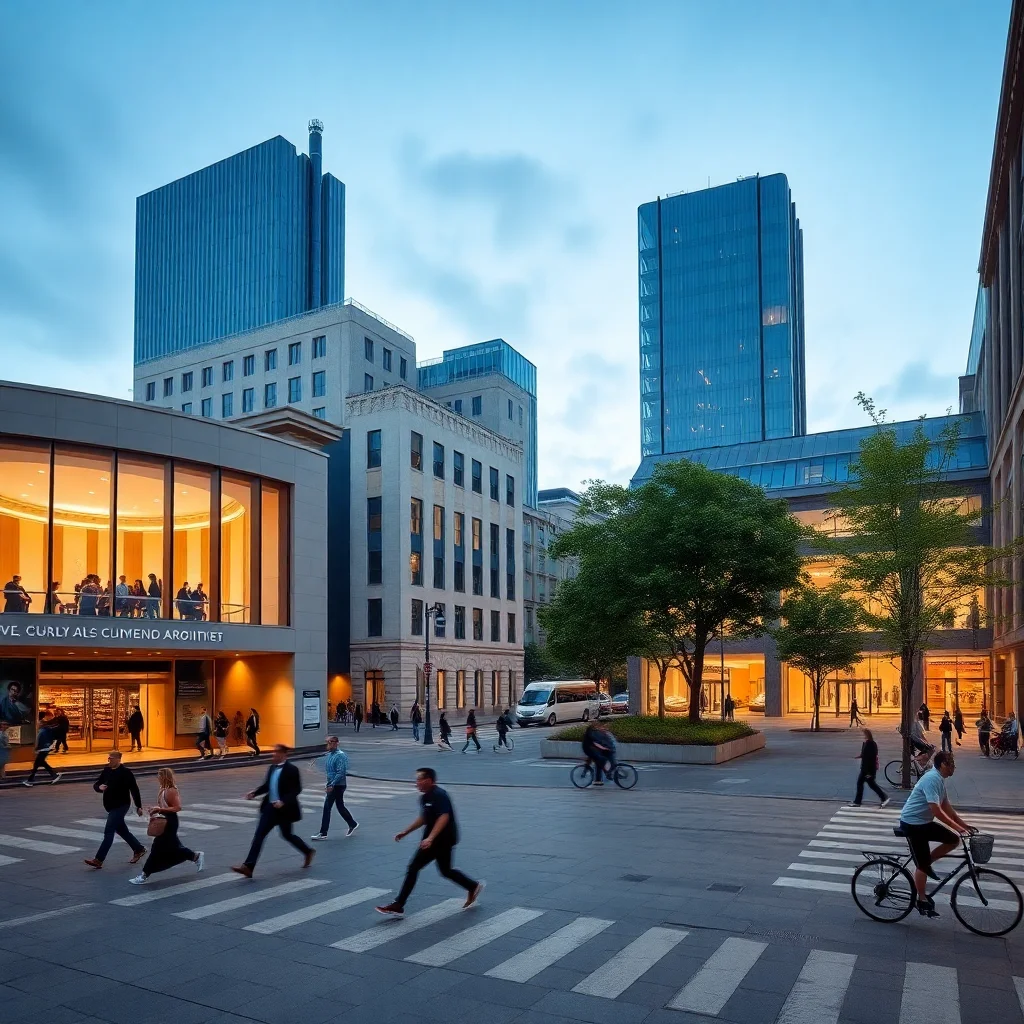
The counterargument is not sentimental; it is structural. The second art becomes instrumentalized by health policy, it risks being audited for outcomes it was never designed to deliver. A composer should not have to prove a reduction in inflammatory markers to justify a symphony. A museum should not be forced into the language of clinical efficacy every time it asks for public funding.
There is also a moral hazard in the phrase “wellness through culture.” In the wrong hands, it becomes a managerial slogan: come to the exhibition to regulate your stress, attend the concert to optimize your aging, make ceramics to improve your productivity. That logic is deeply aligned with contemporary self-help culture, where every experience must be converted into performance metrics. Art’s power often lies in its refusal of usefulness, its ability to irritate, confuse, and delay.
Consider the difference between a social prescribing program and a genuinely public cultural ecosystem. The first can be excellent, but it often positions culture as a remedy for individual deficit. The second distributes cultural life as a shared civic right. One tells people to consume art for their own resilience. The other insists that everyone deserves access because a society without cultural density is impoverished in advance. That distinction matters.
There is another danger: if governments can prove that art slows aging, they may also use that evidence to reduce funding to other forms of care, as if a choir replaces housing or a museum visit offsets chronic inequality. Culture cannot patch over structural violence. It can deepen life, but it cannot substitute for decent work, healthcare, or public safety. Any serious policy must resist the fantasy that a well-curated city can compensate for a brutal one.
This is also why some cultural institutions lean on form to smuggle in politics. Pavilions and biennales, for instance, often stage national narratives under the cover of display, showing how architecture can become an argument as much as a container. For a related take on that tension, see Venice Biennale pavilions as political stages.
What cities should actually build: a cultural public health stack
The productive path is not to force art into a clinical costume, but to design a civic ecosystem where cultural participation is easy, local, and recurrent. That means more than flagship institutions and more than pop-up events. It means a layered strategy.
- Neighborhood access: fund small venues, studios, rehearsal rooms, and maker spaces within walking distance of housing, not only in central districts.
- Prescribed participation without stigma: allow doctors, social workers, and schools to connect people to cultural programs, but keep the language invitational rather than corrective.
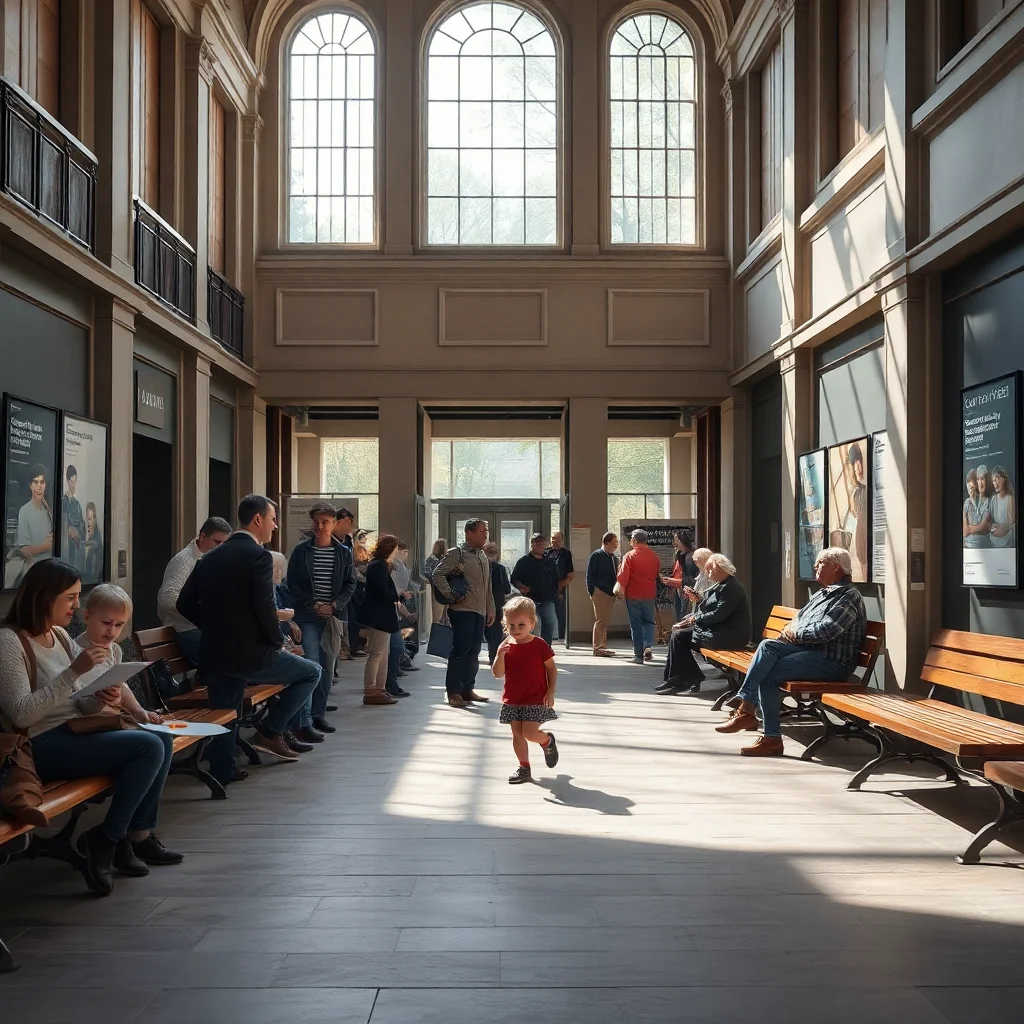
- Design for repeat use: prioritize daylight, seating, acoustics, and free-entry thresholds so cultural spaces become part of weekly routines.
- Cross-programming: place art inside libraries, transit stations, clinics, and older-adult centers, where it can meet people before they become “audiences.”
- Measure broadly: track attendance, belonging, loneliness, and neighborhood reach alongside any health outcomes, so culture is not reduced to a lab result.
- Protect artistic autonomy: fund work that is experimental, difficult, or non-therapeutic, because public value includes friction as well as comfort.
Some of the most convincing precedents already exist in the way architecture handles shared life. The best civic projects do not moralize their users; they host them. That is the standard culture should aim for. Not a wellness app with better lighting, but a robust public realm where art can nourish, provoke, and endure without being flattened into self-care.
So yes, culture may be becoming a public health strategy whether institutions are ready or not. But the real test is political: can cities fund it as infrastructure while preserving its unruly, non-instrumental soul? If they cannot, then they have misunderstood both health and art.
FAQ
Does this study prove that museums and concerts make people biologically younger?
No. It suggests an association between regular engagement with arts and cultural activities and slower biological aging processes. That is a meaningful signal, but it is not the same as proving direct causation.
Why would cities care about cultural participation as a health issue?
Because public health policy already shapes infrastructure, prevention, and equity. If culture supports well-being, then access to it can be treated like access to parks, libraries, and safe public transport: a civic investment with long-term benefits.
What is the risk of using health arguments to fund art?
The risk is reductionism. If culture is valued only for stress reduction or longevity, institutions may prioritize easy, soothing programming and sideline work that is challenging, political, or formally experimental.
How should institutions respond without commodifying art?
By expanding access, lowering barriers, and designing for repetition while preserving artistic autonomy. In other words: make culture available as public life, not just as self-improvement.
Open question: if culture can be proven to improve our bodies, do we finally fund it as civic infrastructure—or do we risk making art answerable to the wrong gods?
Get the Mainifesto weekly — curated design debates, speculative ideas and the week's best articles every Saturday.
Editorial Perspectives
Questions and counterpoints developed by the Mainifesto editorial desk to extend the discussion.
Perspective 1
I’m wary of the moment culture gets translated into a health metric and then squeezed into a funding formula. In cities like Mexico City, arts spaces survive because they carry memory, neighborhood life, and social repair—not because they can prove a reduction in blood pressure on a spreadsheet.
Perspective 2
The interesting part is not whether culture improves health, but how we measure that relationship without flattening it. If a city can model airflow, heat, and mobility, why not also model social and cognitive benefits of libraries, performances, and public art as part of long-term infrastructure?
Perspective 3
If there’s evidence that culture reduces strain on health systems, then yes, it belongs in the infrastructure conversation. But it needs to be funded on clear outcomes and used where it actually serves communities, not just as a glossy justification for prestige projects.
Perspective 4
The danger is obvious: once culture has to justify itself in health language, it gets optimized, measured, and stripped of the messy public value that makes it matter. Still, in places where hospitals are overloaded and civic trust is thin, cultural infrastructure may be one of the few scalable ways to produce resilience.
Perspective 5
We have seen this before: every era wants to moralize culture through utility, and every time it ends up impoverishing the thing it claims to support. If art must now prove it makes us healthier, one wonders whether we are funding culture—or simply recruiting it into the administrative state.