Can Recycled Copper Redefine Luxury Retail?

The shiny problem with sustainable luxury
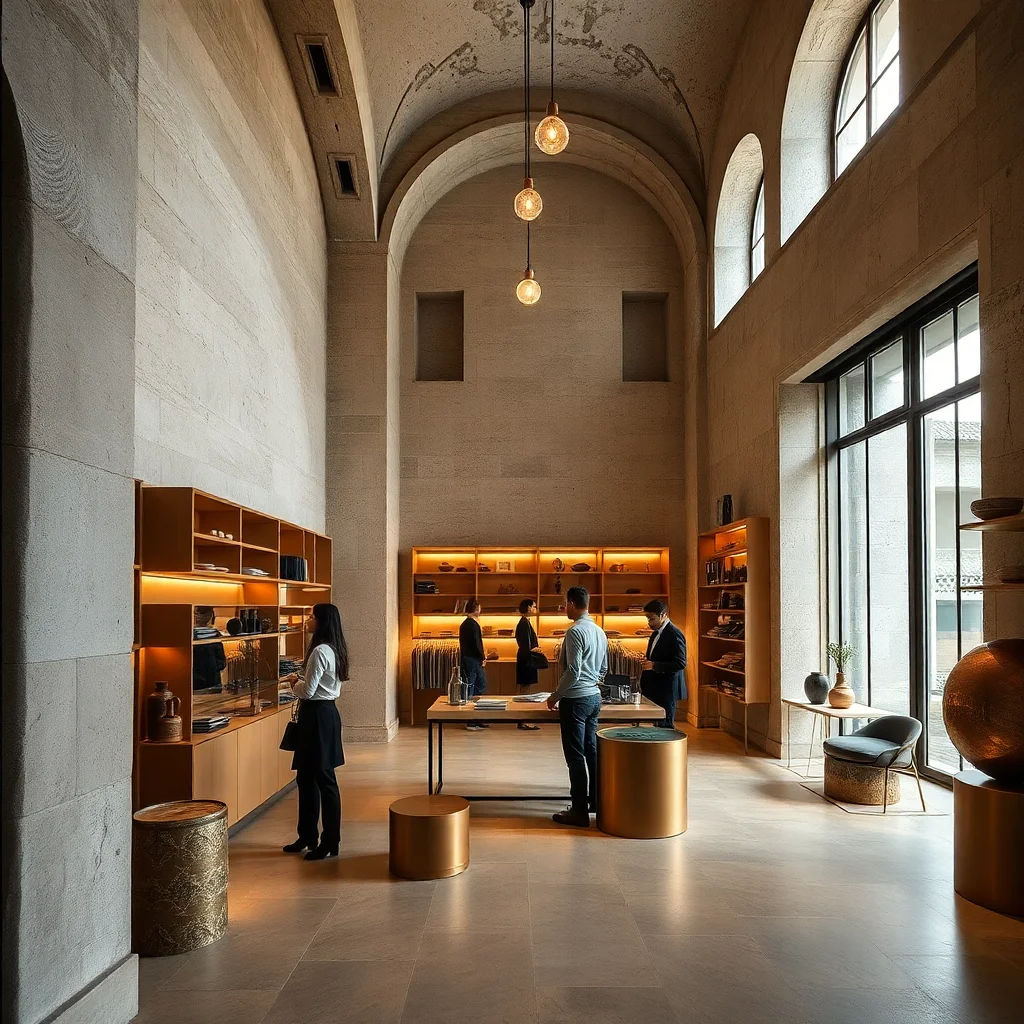
Luxury has always loved a moral makeover. In one decade it is artisanal, in the next it is local, then regenerative, then circular. The latest badge is recycled material, often deployed with enough restraint to suggest conscience without sacrificing glamour. At Colima 162, a 210-square-metre fashion boutique in Mexico City’s Roma Norte, architect Laura Vela Lasagabaster and designer Manu Bañó use recycled-copper elements as a carefully calibrated accent inside a largely purist interior. That decision is smart, seductive, and impossible to ignore. Copper reads as precious even when it has been recovered rather than newly mined; it carries patina, value, and a kind of historic authority. But that is precisely why it is so useful to high-end retail: recycled copper can make a store appear ethically upgraded while preserving the visual codes of exclusivity.
The question is not whether recycled copper is better than virgin copper. It is. The question is whether design studios and brands are using recycled materials to reduce extraction, or to soften the optics of selling expensive objects in expensive rooms. In other words: is the material changing the business, or merely decorating its conscience?
Why copper works so well as a luxury signal

Copper is a shrewd choice because it sits at the intersection of utility and decadence. Unlike stainless steel, which can read clinically indifferent, or brass, which often veers into decorative nostalgia, copper has a deep association with craft, age, and transformation. It oxidizes. It darkens. It tells time on its surface. Designers have long exploited this ambiguity. Think of the warm metallic interventions in Claudio Silvestrin interiors, the restrained tactility of John Pawson’s material palettes, or the way David Chipperfield uses mineral-toned surfaces to make a project feel both severe and expensive. Copper belongs to that lineage of materials that signal control without shouting.
That is why it is so effective in a boutique context. Luxury retail depends on choreography: a controlled encounter between body, object, and aspiration. A recycled-copper detail on a rail, threshold, or display edge can suggest a store that is tuned, responsible, and rarefied all at once. The material is doing triple duty. It says: we know design. We know provenance. We know what matters now.
Yet the deeper danger is that the sustainability story becomes inseparable from the luxury aura itself. Once recycled content is folded into an upscale narrative, the ethics become another layer of branding. The store does not need to look green in the naïve sense of plants and reclaimed pallets; it needs to look morally legible to a clientele that expects refinement with their conscience.
Colima 162 and the politics of restraint
What makes Colima 162 interesting is that the copper is framed as an accent inside a “purist” interior rather than as an all-consuming visual manifesto. That restraint matters. In a house built in 1919 during Mexico’s Porfirian era, the architecture already carries a historical register: domestic grandeur, bourgeois permanence, the kind of urban shell that can easily become an atmosphere of inherited authority. By inserting recycled copper sparingly, the designers avoid turning sustainability into a theme park. Instead, they let the material operate like punctuation.
This is consistent with a broader movement in contemporary interiors where the message is not maximalist eco-theatre but disciplined material editing. Consider the increasing use of salvaged stone, reused timber, and remanufactured metal in hospitality and retail by firms that understand that visible restraint can itself be a luxury. The more “invisible” the sustainable move appears, the more credible it becomes to wealthy consumers. But invisibility cuts both ways. If the recycled content is too subtle, the store risks reducing ethics to a design in-joke understood only by those already fluent in material culture.
So Colima 162 sits in a productive contradiction. It demonstrates that recycled elements can be beautiful without looking dutiful. It also proves that luxury is perfectly capable of absorbing sustainability without surrendering any of its symbolic power. That absorption is either progress or capture, depending on how cynical you are.
It is also a reminder that material reuse works best when it feels embedded in a larger spatial logic rather than dropped in as a token. In that sense, the most relevant parallel may be projects that treat the interior as a repair mechanism, where finishes, circulation, and detailing all participate in keeping a place adaptable over time. That kind of thinking makes recycled copper read less like ornament and more like part of a maintenance ethic.
When recycled becomes a style, not a system
The strongest critique of recycled copper in luxury retail is that it can become a surface-level credential. A boutique can point to a handful of recycled details while the larger machine remains extractive: international shipping, overproduction, seasonal turnover, disposable packaging, VIP lighting, and an economy of scarcity engineered to manufacture desire. The material might be recycled, but the model is still intensively resource-hungry.
This is where the comparison to more systemic design strategies becomes unavoidable. The work of Lendager, for example, has been influential in arguing that circularity should operate at the level of buildings, not just finishes. The same applies in interiors. A genuinely transformed retail environment would not stop at recycled trim; it would challenge the lifecycle of fixtures, the durability of fit-outs, the modularity of displays, and the afterlife of the space itself. In that sense, copper is merely the beginning. Without disassembly plans, reuse strategies, and honest accounting, recycled material risks becoming a beautiful decoy.
And yet dismissing such gestures altogether would be lazy. Material culture matters because it shapes behavior and perception. If a client encounters a store where recycled copper is handled with seriousness, they are being offered a different hierarchy of value. The issue is whether that hierarchy remains decorative or becomes operational. Does the boutique design future reuse into its bones, or does it just wear circularity like a lapel pin?
The answer often lies in whether the project understands finish as one part of a tactile, lived-in experience. That is why studies of haptic interiors matter here: when surfaces are chosen for how they age, feel, and invite repeated contact, sustainability starts to overlap with durability rather than image management. A material that can withstand touch and time is more credible than one that merely photographs well.
The new aesthetics of virtue signaling
It is tempting to call this greenwashing, but that term can be too blunt to diagnose what is actually happening. We are witnessing the emergence of a more sophisticated luxury virtue signal: not overt environmentalism, but the appearance of material intelligence. The store signals that it understands extraction, supply chains, and carbon without making those questions visible enough to disrupt consumption. This is especially potent in fashion, where the industry is already fluent in turning critique into desire.
High-end interiors are now expected to perform ethical literacy. Recycled metals, stone offcuts, low-VOC finishes, and local sourcing all participate in a new aesthetic language of responsibility. But when every luxury brand adopts the same lexicon, the ethical claim risks becoming standardized, even empty. The danger is not that recycled copper is fake; the danger is that it becomes the expected costume of contemporary taste.
That said, there is still value in making extraction visible. A material like copper is politically charged because mining carries enormous ecological and social costs. Even recycled copper cannot erase that history; it simply extends the life of a resource already pulled from the earth. Used thoughtfully, it can remind clients that preciousness should be based on longevity, not novelty. Used cynically, it becomes another way to give consumption a clean edge.
A genuine shift, if the ethics go beyond the finish
So, can recycled copper make luxury feel less extractive? Yes, but only if the design does not stop at feeling. The real test is whether the boutique’s material choices are linked to broader commitments: reduced demolition waste, local fabrication, durable detailing, repairable joinery, and a refusal of disposable spectacle. If the copper is one visible marker in a deeper chain of responsible decisions, then it earns its place. If it is merely the most photogenic proof point in an otherwise conventional luxury operation, then it is just another polished alibi.
In that sense, Colima 162 is less a verdict than a diagnostic tool. It reveals how contemporary luxury wants to talk about ethics: elegantly, selectively, and without surrendering its cachet. The store may well be sincere. It may also be strategically fluent in the language of sincerity. Those things are not mutually exclusive. The real architectural challenge is to make sustainability alter not only what a space looks like, but what a retail business thinks it is allowed to be. That is the same broader question raised by heritage hotels turned into luxury theatre: when preservation, restoration, and reinvention overlap, the real issue is whether the project changes its operating logic or simply refines its image.
FAQ
- Why is recycled copper used in luxury interiors?
Because it offers the visual richness of a precious metal while allowing designers to signal environmental awareness. Its warmth, patina, and association with craft make it especially effective in high-end retail. - Does recycled copper actually reduce environmental impact?
Yes, compared with virgin copper it can lower demand for new extraction and help extend material lifecycles. But its impact depends on sourcing, processing, transport, and the broader fit-out strategy. - Is using recycled materials enough to make a store sustainable?
No. A sustainable store needs more than recycled finishes: it should address durability, repairability, reuse, disassembly, and the operational footprint of retail itself. - Can sustainability become a luxury branding device?
Absolutely. When recycled materials are used mainly to improve the image of exclusivity, sustainability can become another aesthetic accessory rather than a structural commitment.
Get the Mainifesto weekly — curated design debates, speculative ideas and the week's best articles every Saturday.
Editorial Perspectives
Questions and counterpoints developed by the Mainifesto editorial desk to extend the discussion.
Perspective 1
Luxury always wants to tell a cleaner story, but the test is whether the material choice holds up in maintenance, longevity, and end-of-life, not just the brochure. Recycled copper can be a serious move if it’s specified for durability and traceability; otherwise it’s just a smarter sheen on the same old retail theatre.
Perspective 2
Copper has a very specific tactile authority, so using recycled stock can feel honest when the finish, patina, and detailing are allowed to show the material’s history. The difference is usually in the traceability and the hand of the craft: if those are missing, you’re looking at branding, not ethics.
Perspective 3
You tell the difference by asking for evidence, not atmosphere: origin, recycled content, manufacturing energy, and what happens when the fit-out is replaced. If the project can’t account for those things, recycled copper is still part of the extractive system—it just enters through a more polished door.