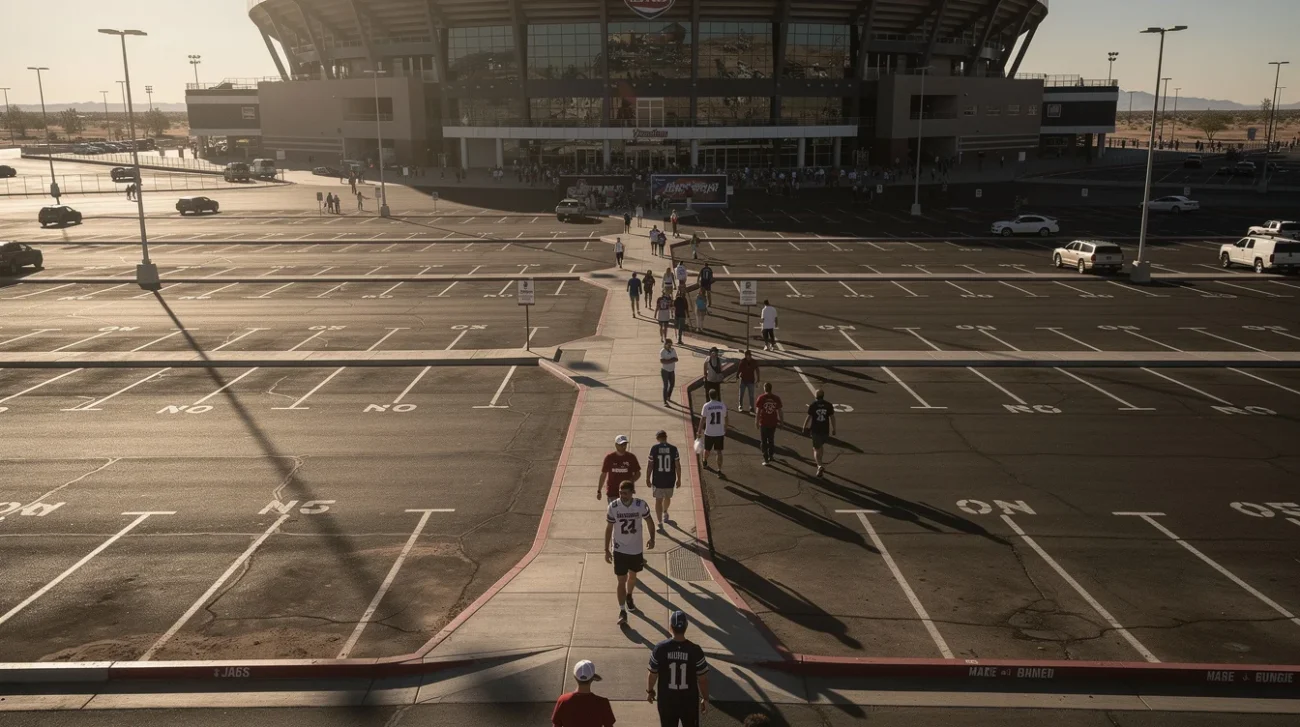
Grimshaw’s Allegiant Stadium plaza promises more pedestrian space. Does its Boring Company station loosen car dependence—or bury it out of sight?


Grimshaw’s Allegiant Stadium plaza promises more pedestrian space. Does its Boring Company station loosen car dependence—or bury it out of sight?

Digital Ajanta opens heritage to new audiences. But who controls its reconstruction, approves changes and profits when a monument becomes a platform?
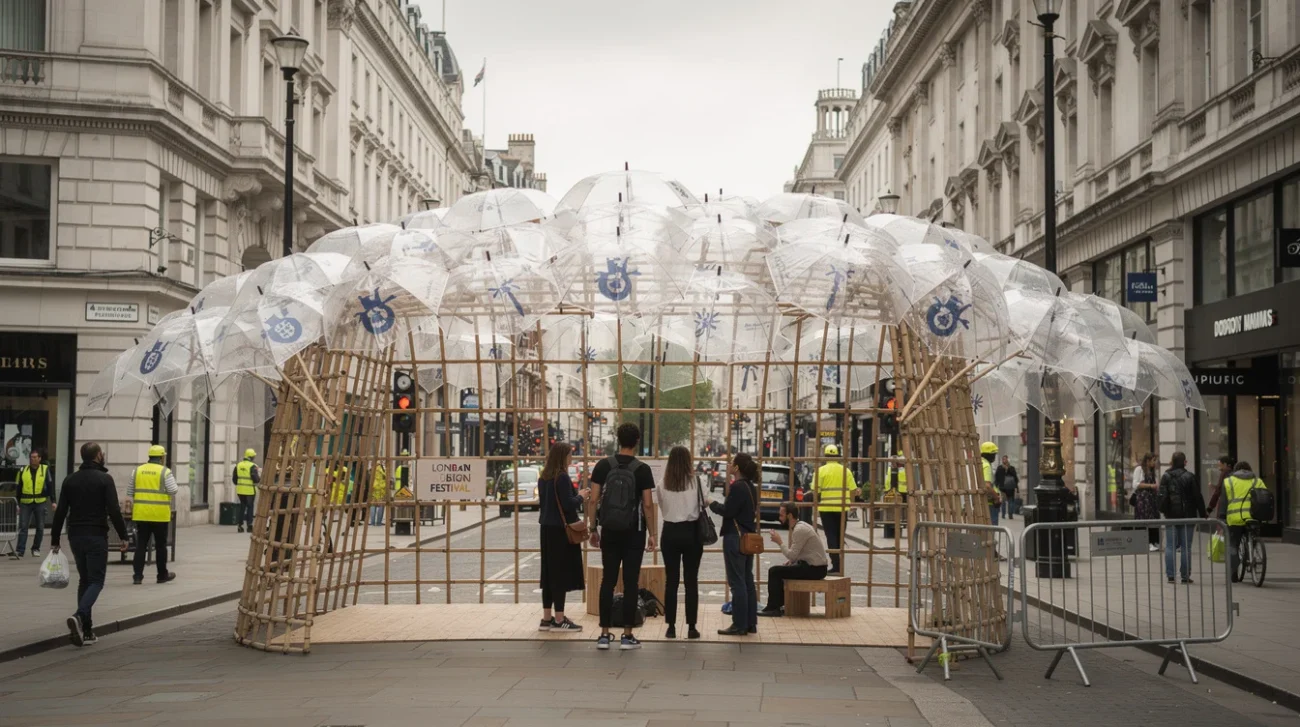
Studio Saar’s Pangolin Shield at London Design Festival asks whether shelter can confront colonial power—or simply make it more photogenic.
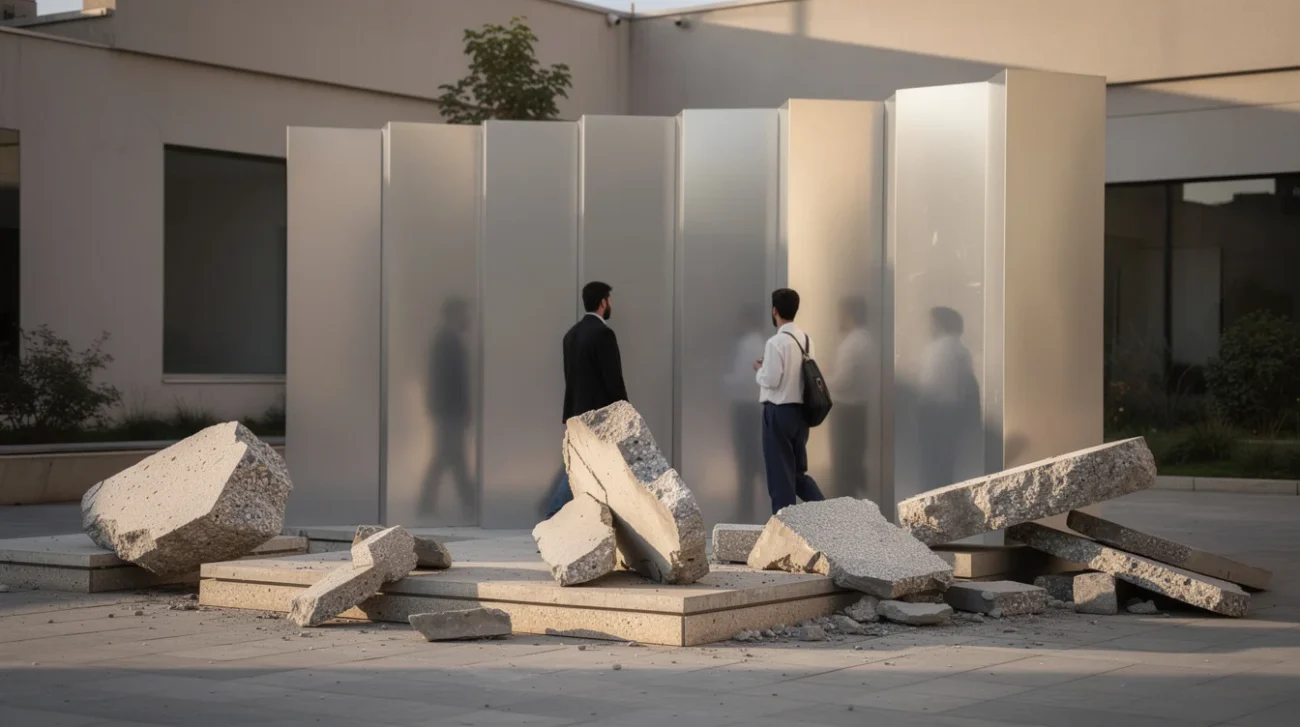
Tehran’s Debris Pavilion makes demolition waste spectacular. But what does recycled architecture save once processing, transport and disassembly count?
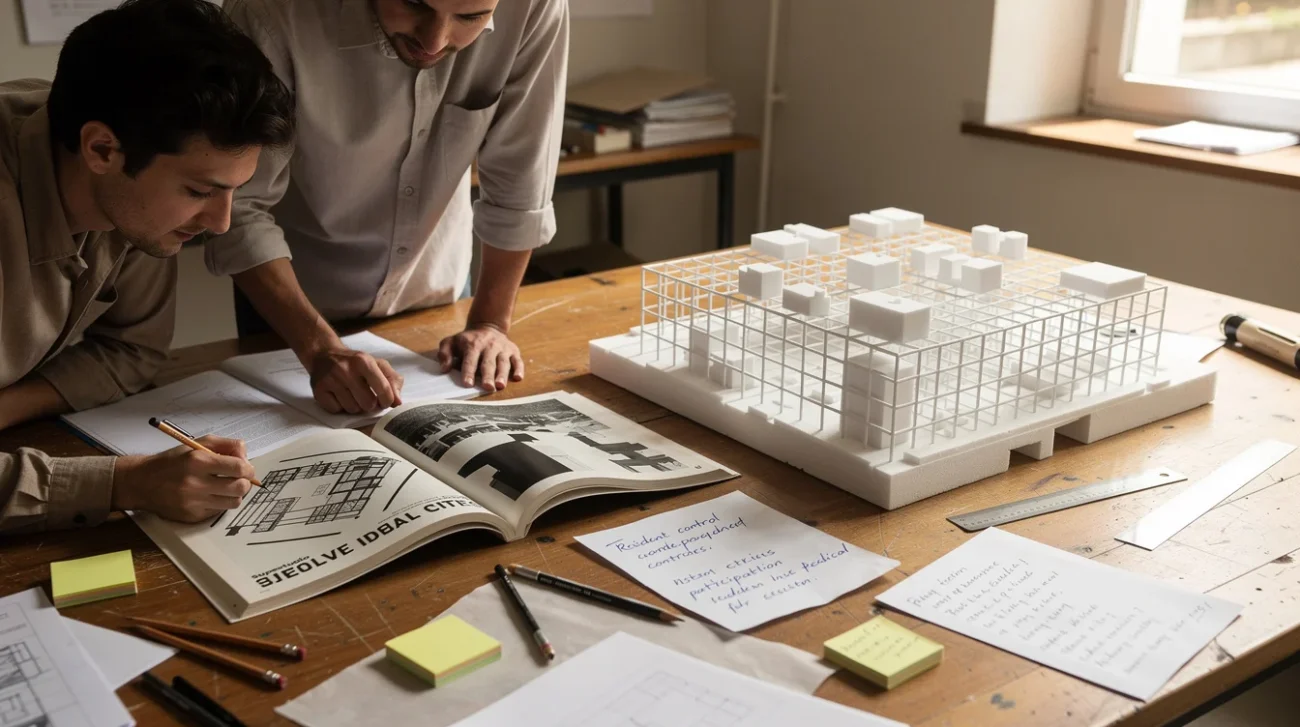
Superstudio’s 1971 ideal cities expose the smart-city dilemma: can infrastructure become more efficient without taking control away from residents?
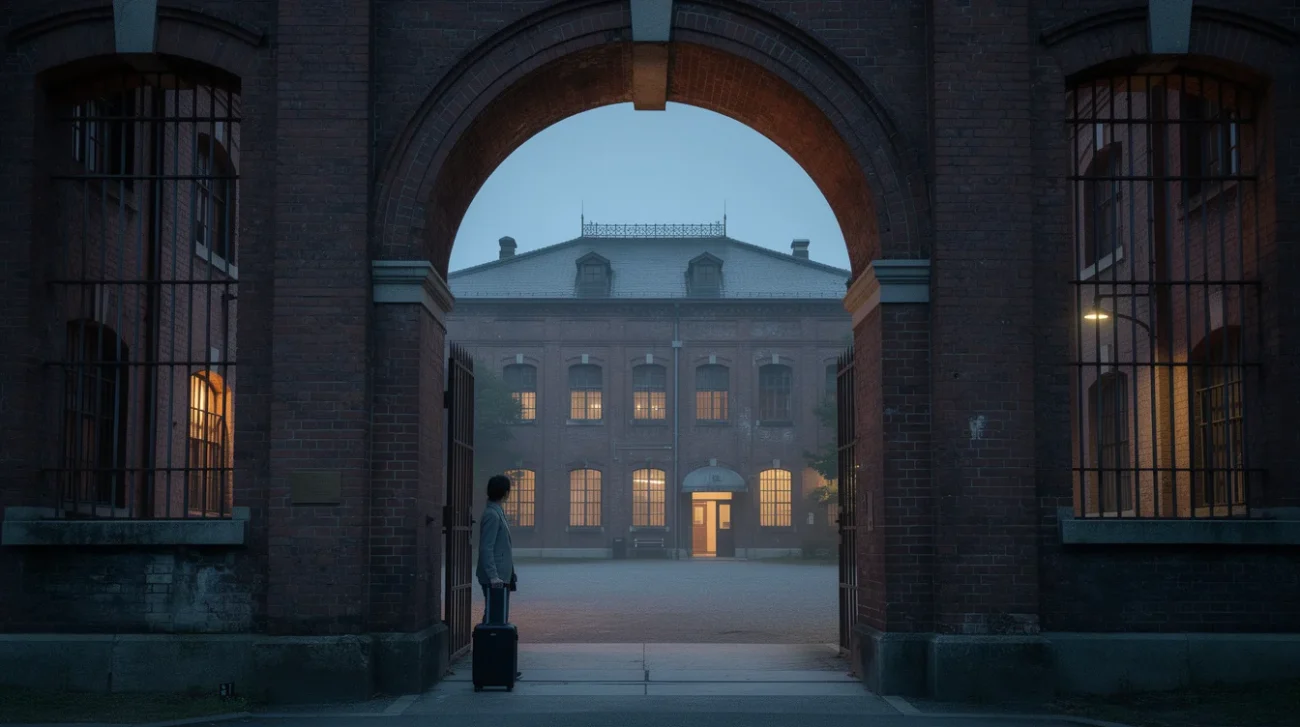
Hoshinoya Nara turns a Meiji-era prison into 48 luxury suites. Are preserved cells enough, or must hospitality make room for institutional memory?
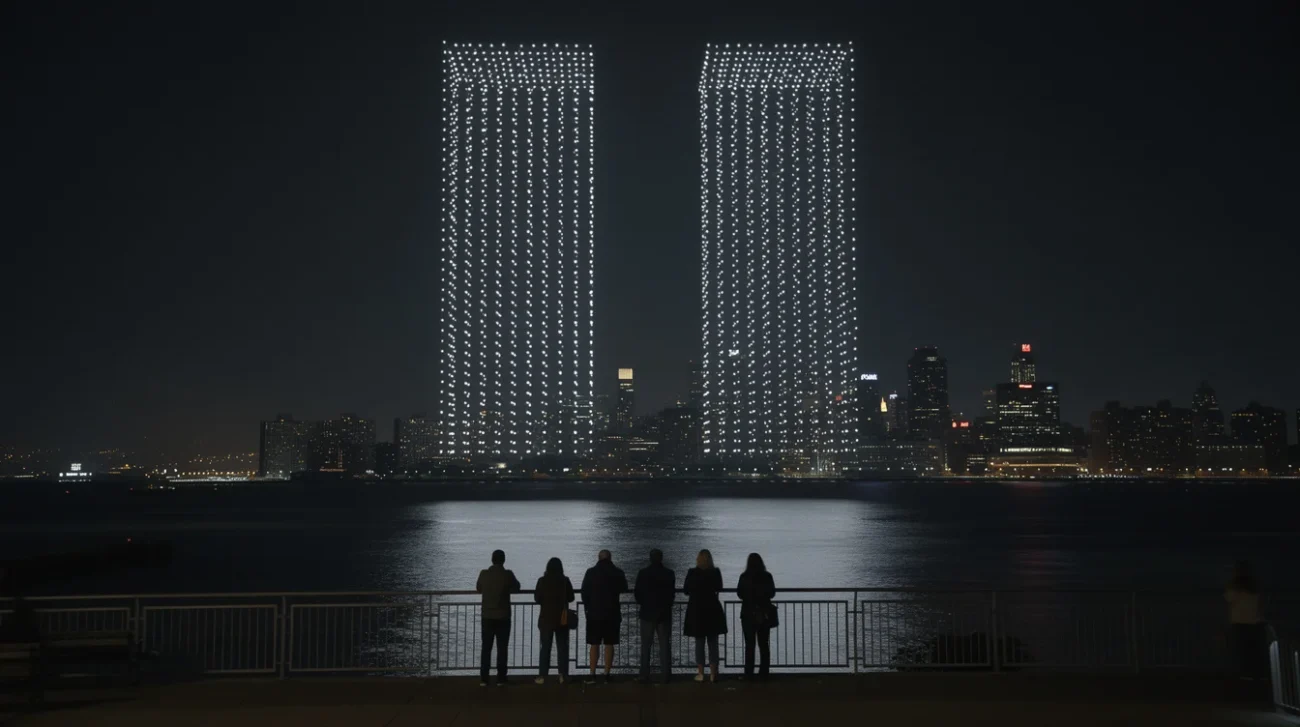
Drift and Shigeru Ban’s illuminated towers pose a hard question: can a drone memorial honour individual lives without turning grief into spectacle?

Emeco’s lawsuit against Zara Home exposes the fault line between protected furniture design, mass-market imitation and the right to borrow.

Anti-AI design promises privacy and human agency. But does rejecting automation redistribute power—or turn resistance into another premium aesthetic?

Can London’s new towers earn their place beside historic monuments? The Tower of London dispute demands better silhouettes, setbacks and public value.