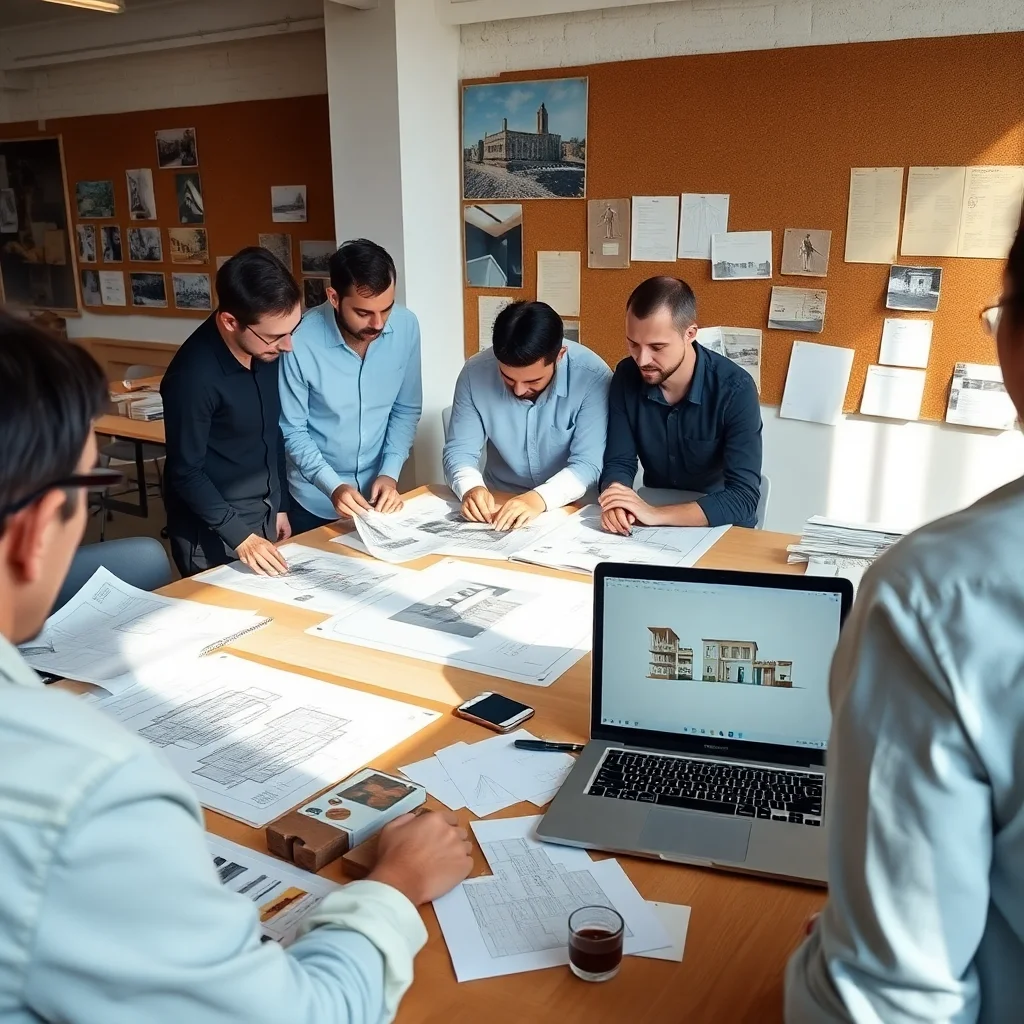
AI can draw fast. But can it learn architecture’s slow memory, civic limits, and layered precedent?


AI can draw fast. But can it learn architecture’s slow memory, civic limits, and layered precedent?
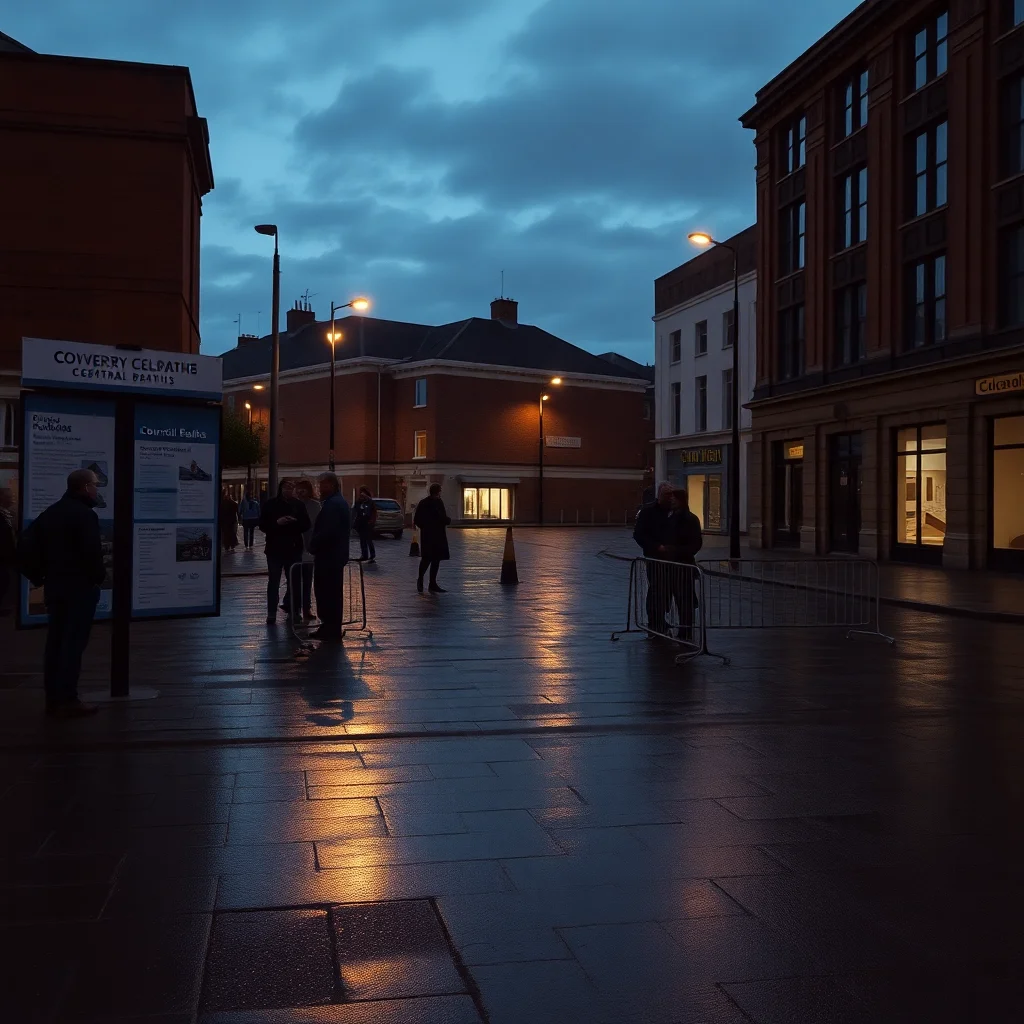
Coventry Central Baths exposes Europe’s split: preserve, adapt, or demolish postwar architecture in the name of speed and redevelopment.
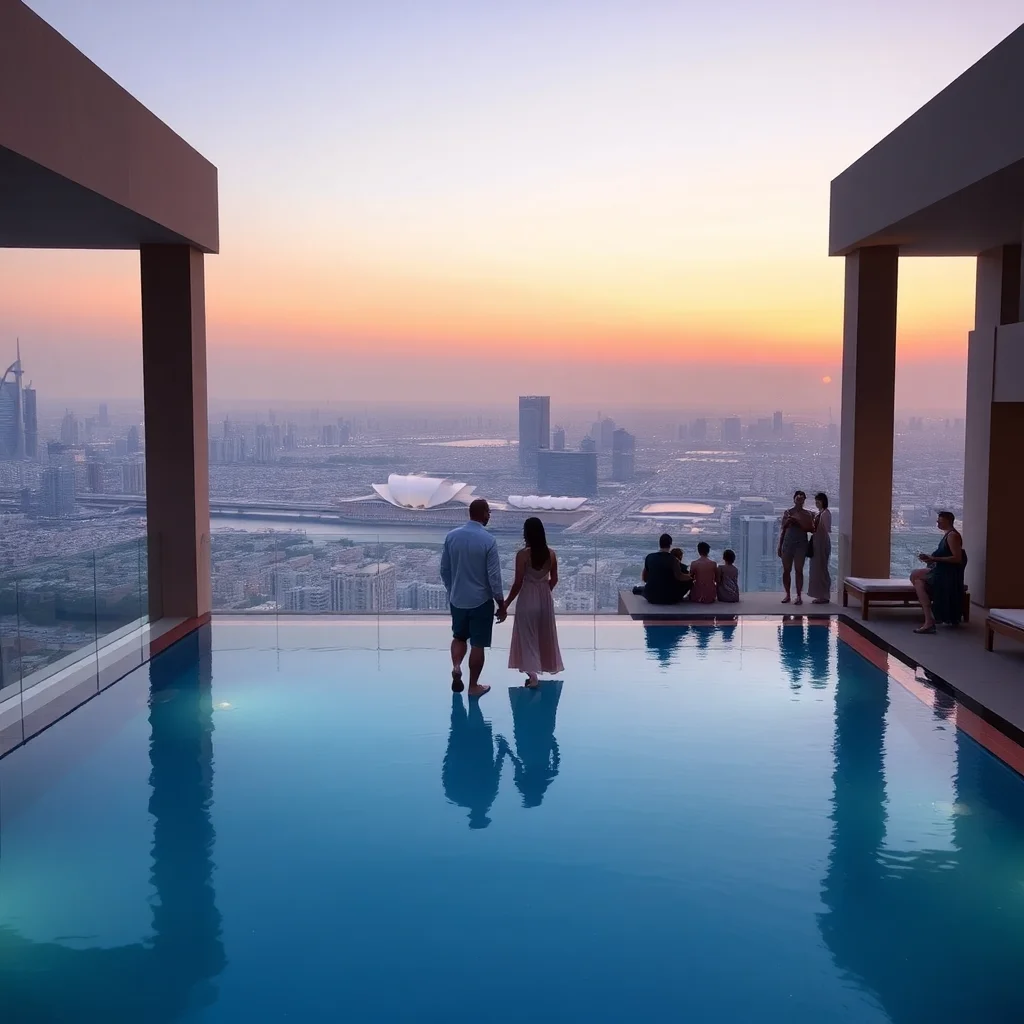
Rising costs and regional tension are turning staycations into status. Can Gulf hospitality make domestic leisure feel like aspiration?
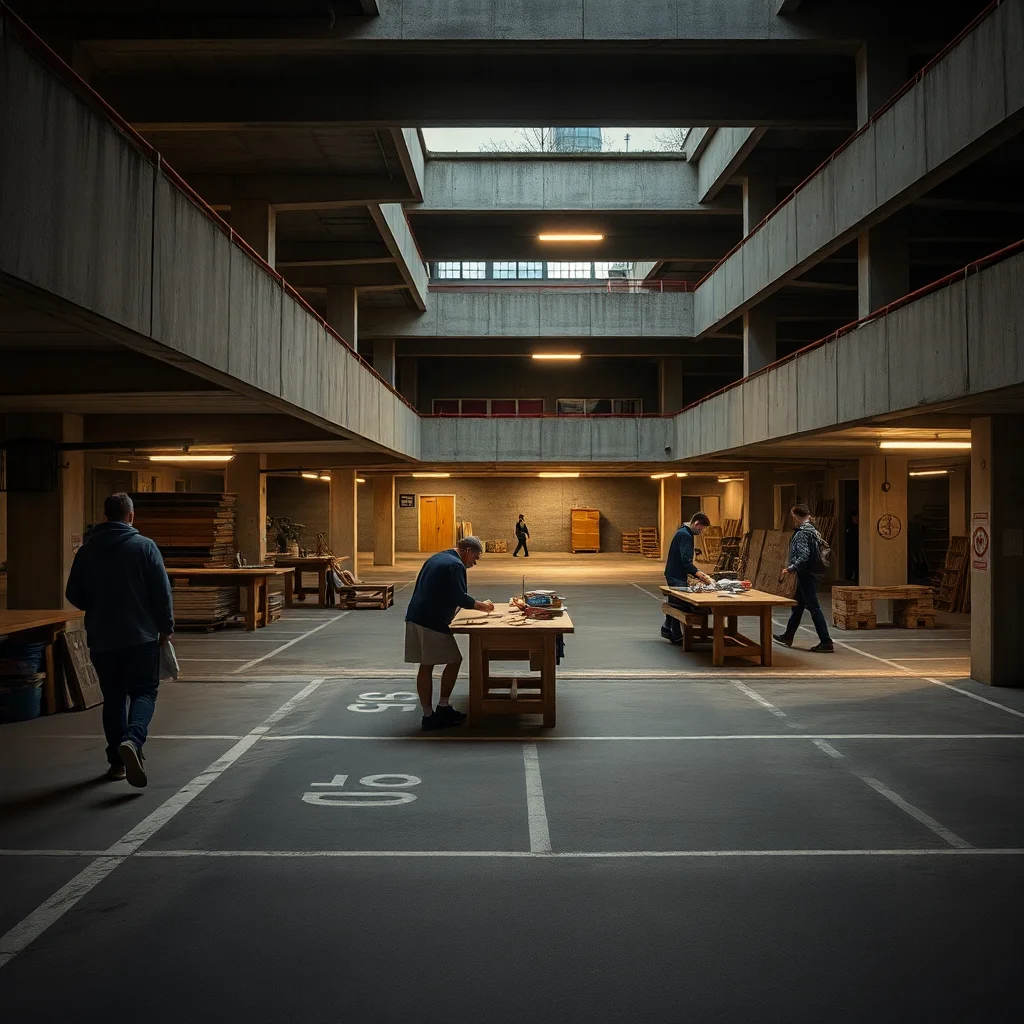
Vacant lots and empty garages are becoming civic engines. But are they repairing cities—or just styling scarcity?
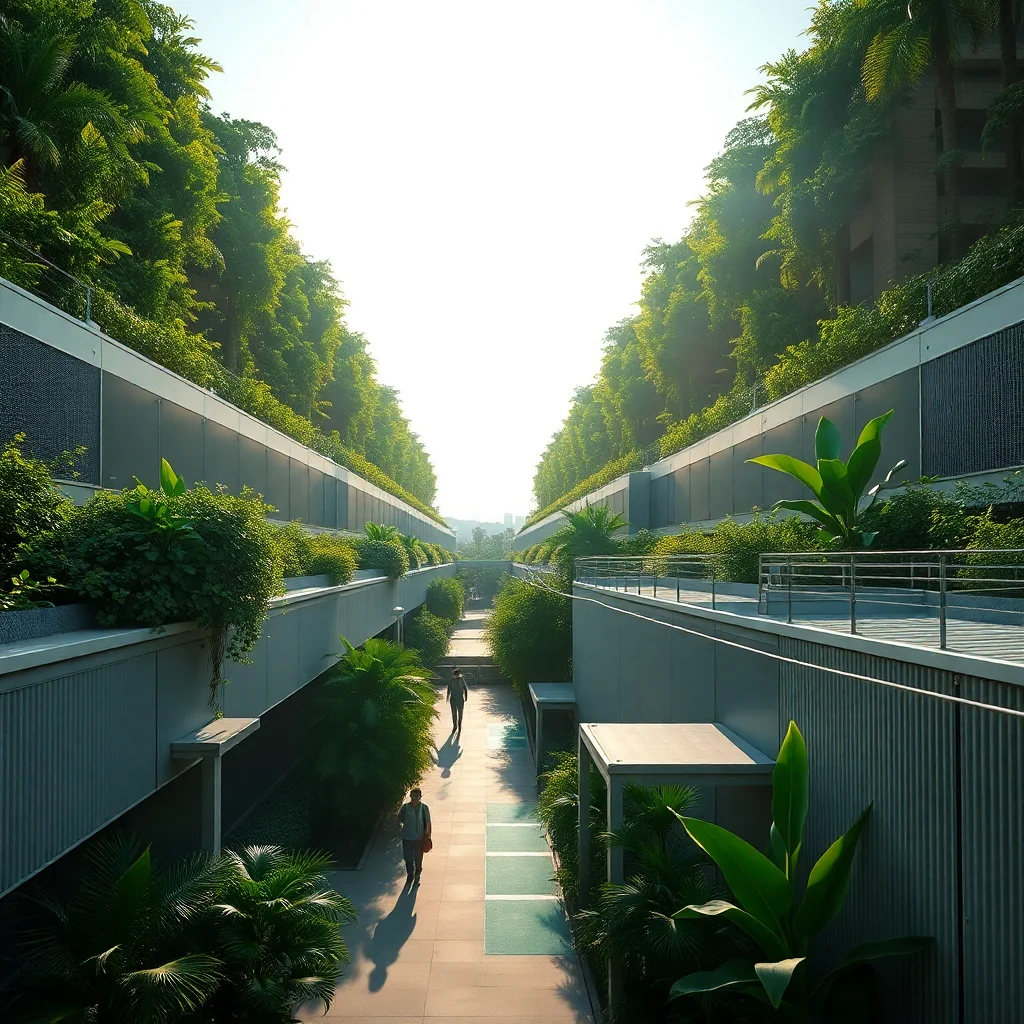
Rio AI City promises a greener data district, but can landscape civilize AI’s energy appetite—or only conceal it?
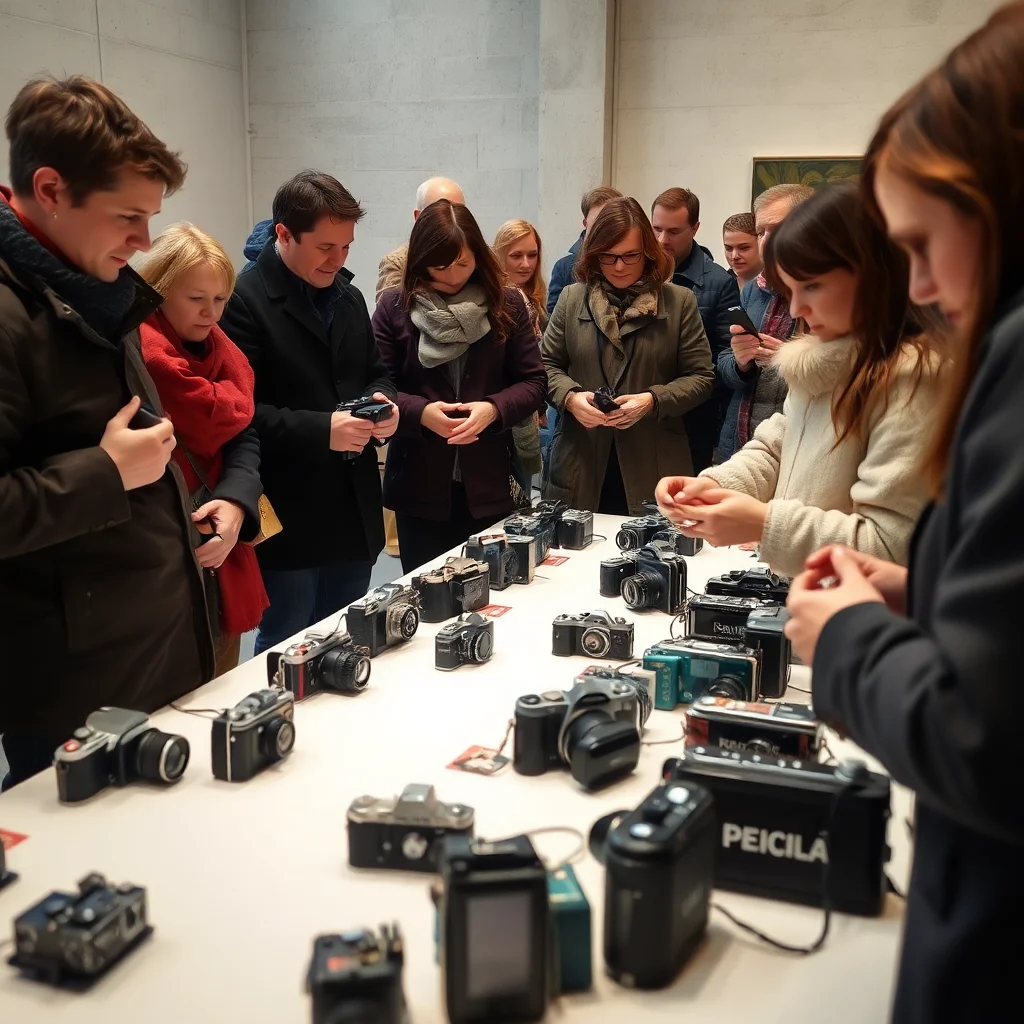
Belfast Photo Festival turns manual cameras into a debate on heritage, destruction, and creative use.
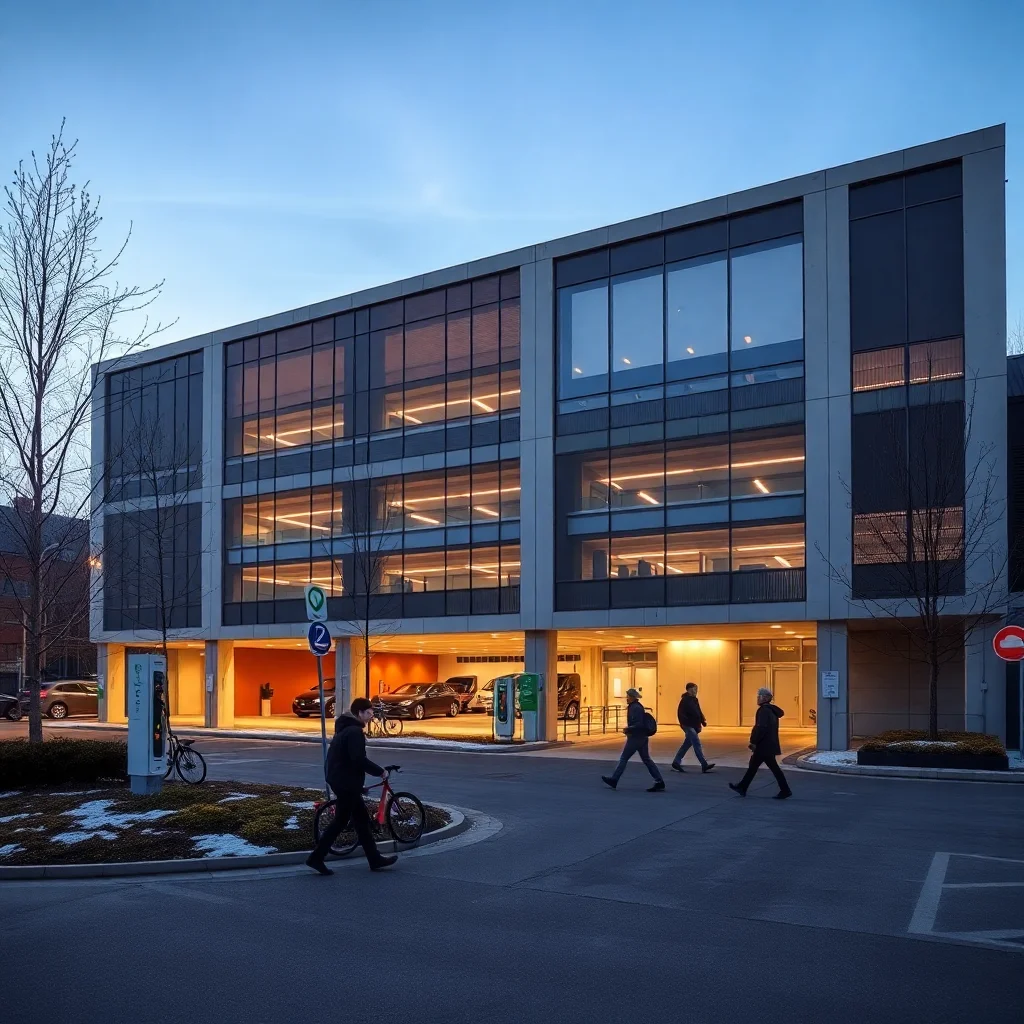
Parking garages are becoming energy nodes and mobility hubs—but do they accelerate post-car cities or preserve automobility?
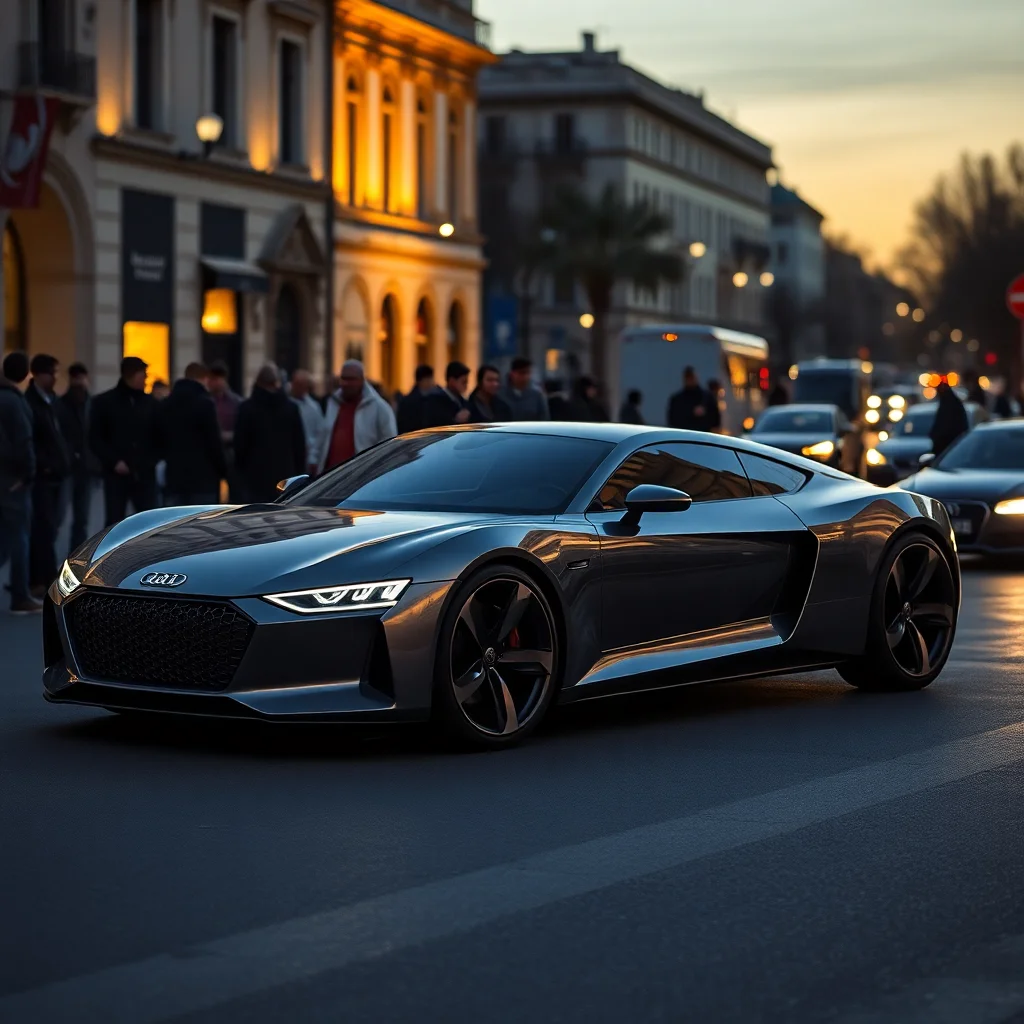
Can electrification refresh a supercar myth? Audi’s Nuvolari becomes a branding test for desirability, speed and sustainability.
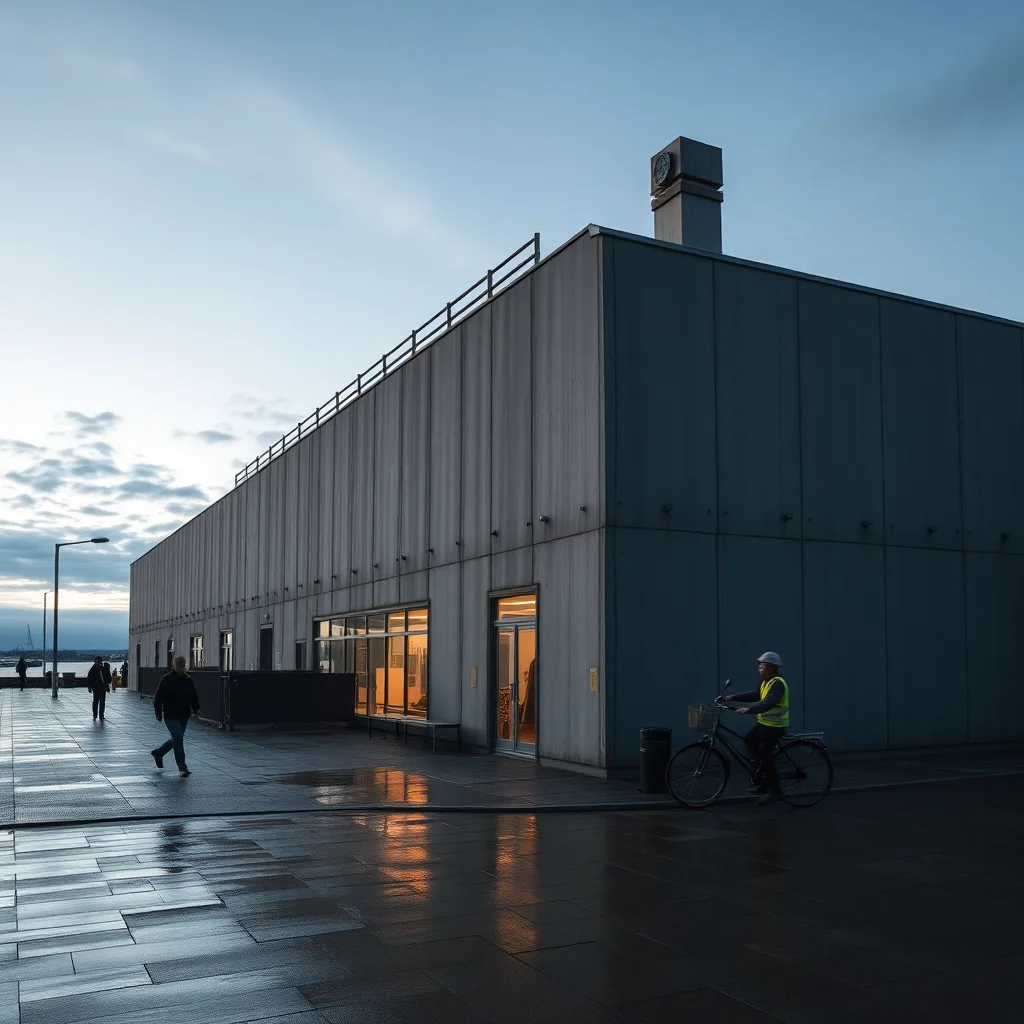
Why wastewater plants are becoming civic landmarks—and what happens when utility design turns into urban branding.
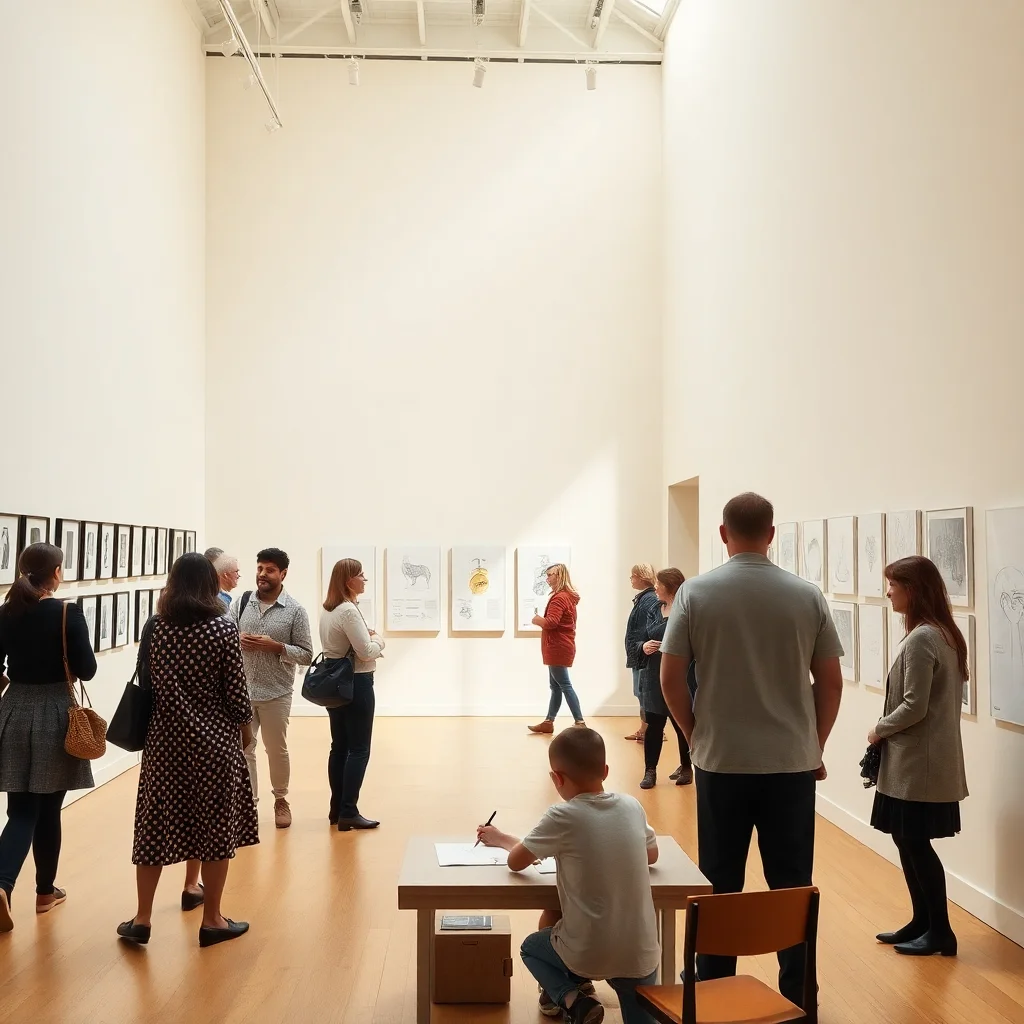
The Quentin Blake Centre tests whether illustration can claim a civic future, or be flattened by generative image tools.
