
University of Sheffield projects reveal how architecture can coexist with rising water through adaptive urban systems, not just resilience.


University of Sheffield projects reveal how architecture can coexist with rising water through adaptive urban systems, not just resilience.

Floating micro-homes are evolving into climate-adaptive infrastructure, not novelty — modular, mobile, and built for water, scarcity, and leisure.
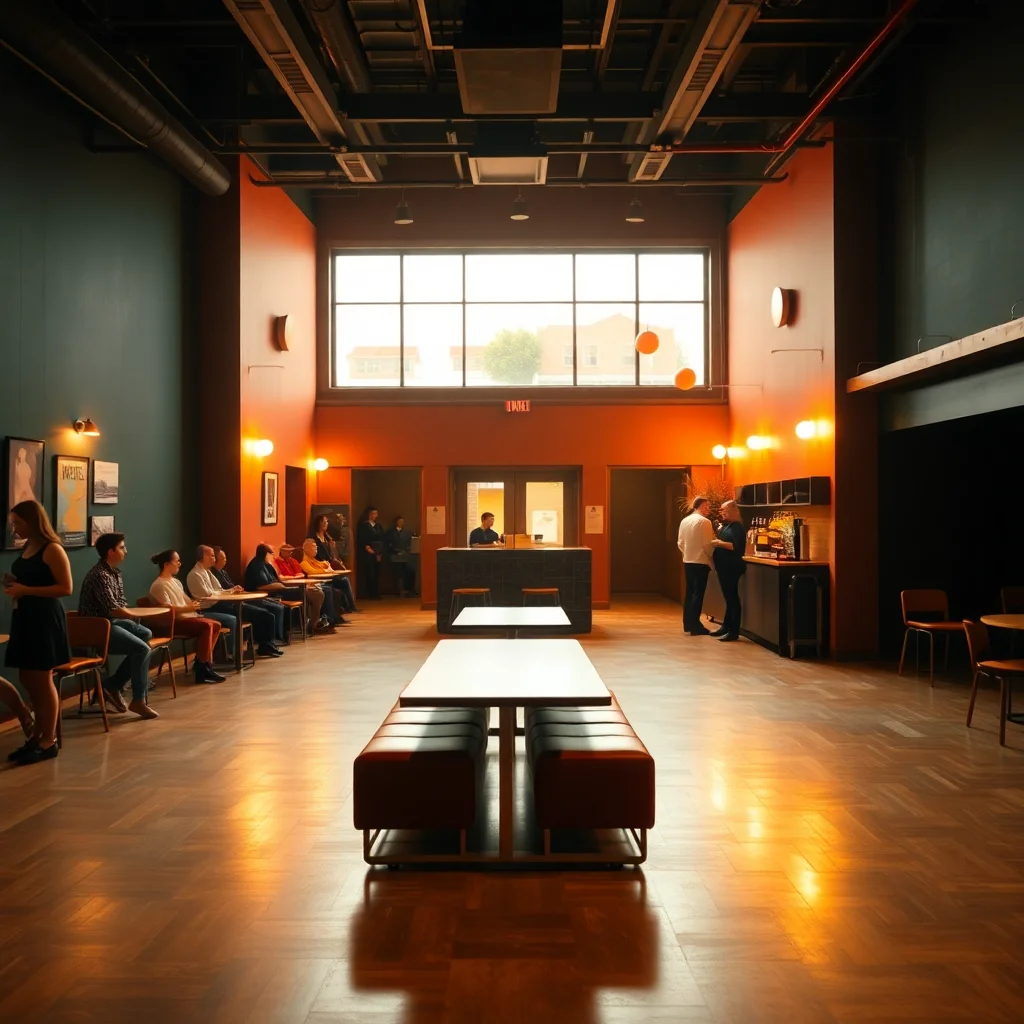
Performing arts venues are becoming flexible ecosystems as architecture, finance, and programming collide in a new survival model.

Hermès’ Bond Street expansion shows flagship stores selling emotional belonging, not just goods—and the luxury myth behind it.
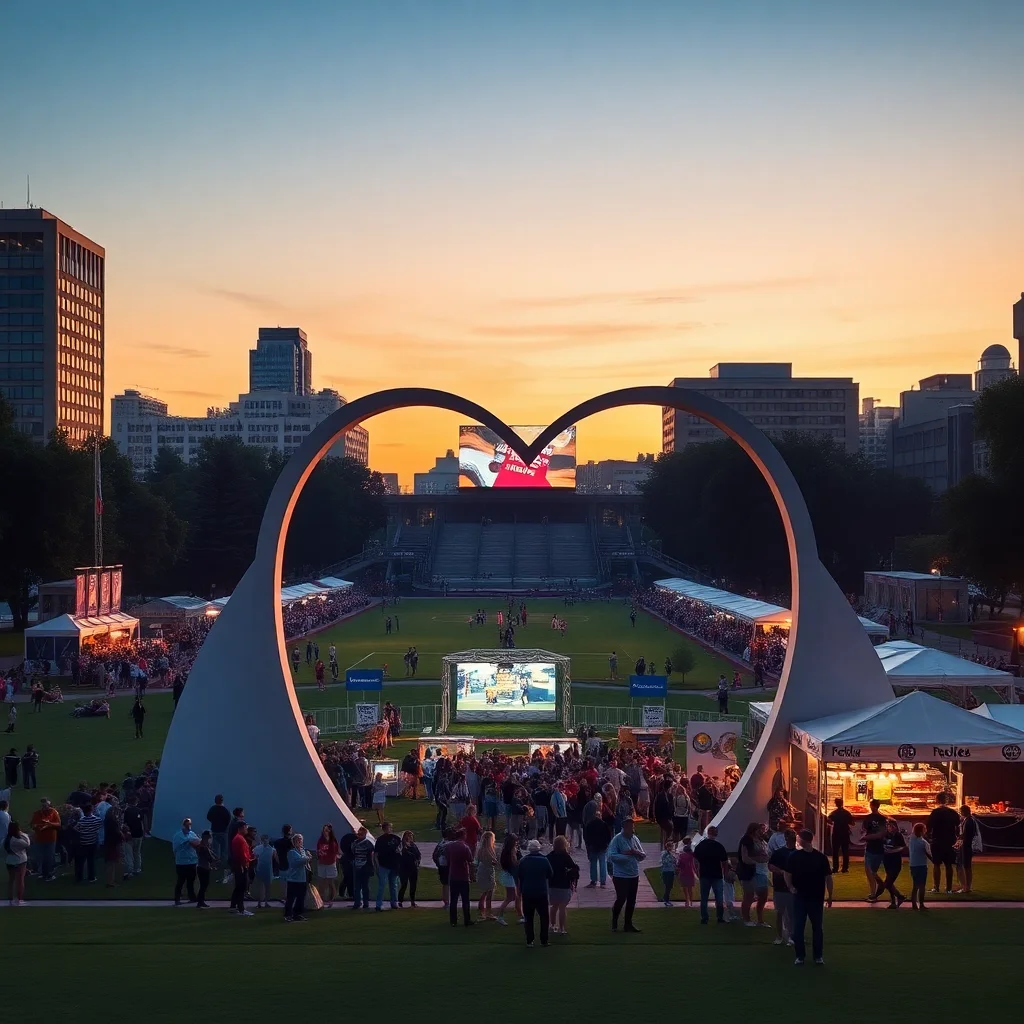
How 2026 World Cup fan zones, plazas, and screens are testing whether civic space can survive after the spectacle leaves.
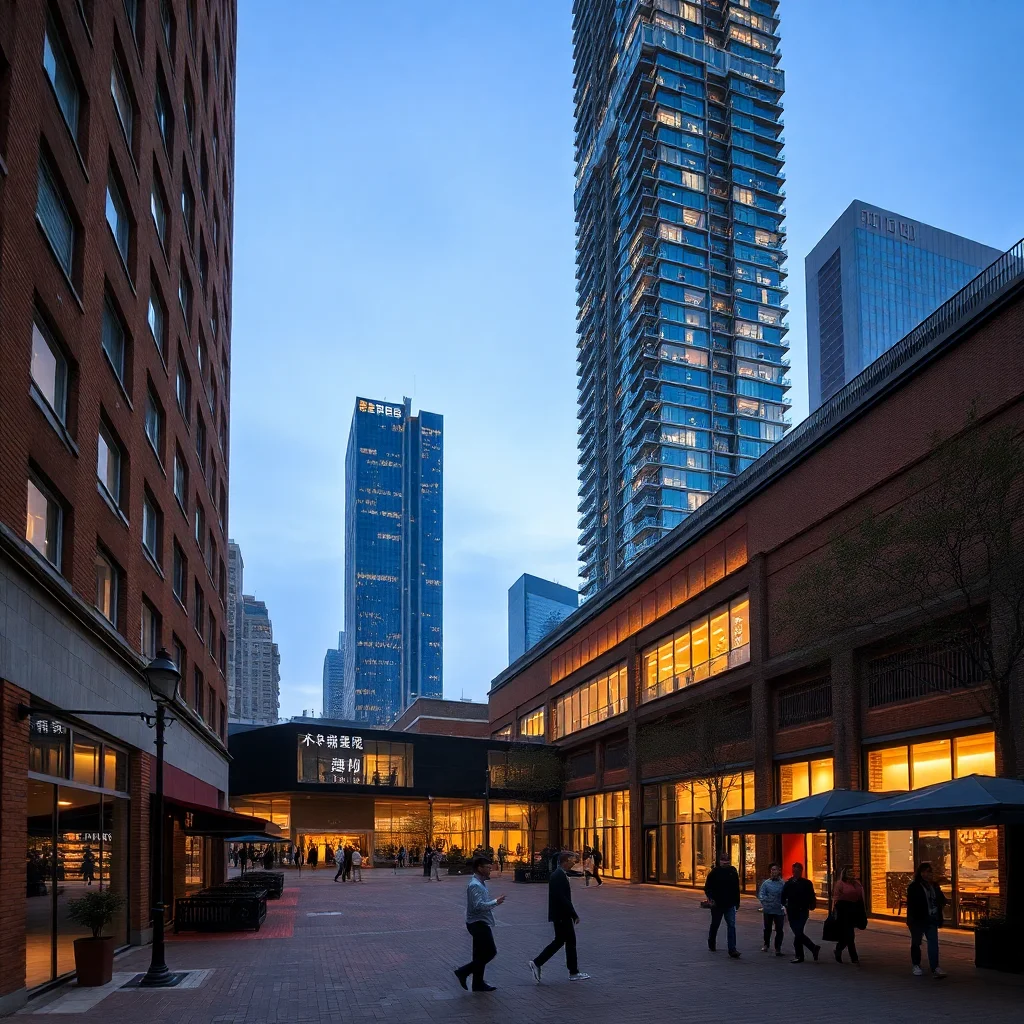
Shanghai’s Jing'An Investment Center shows how towers now swallow heritage into density. Smart compromise—or polished urban branding?

Zaha Hadid Architects becomes ZHA—what the rename reveals about authorship, legacy, and institutional continuity in architecture.
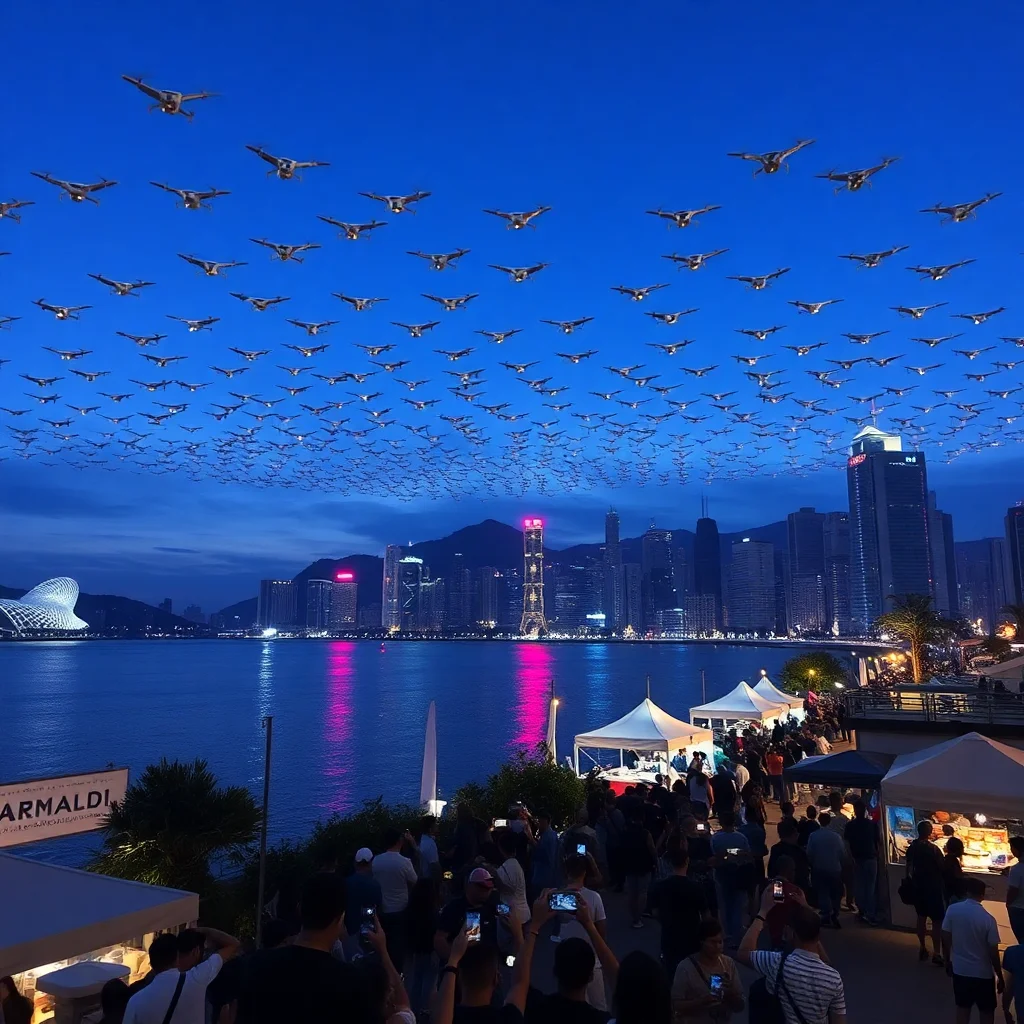
Taipei’s drone exhibition turns the skyline into a temporary civic screen—wonder, commerce, airspace, and urban memory collide.

Sophie Ebrard frames bullfighting as evidence and complicity, forcing photography to confront ritual, violence, and moral spectatorship.

As cities densify, reuse is replacing demolition as the smartest urban strategy—ecological, financial, and fiercely political.