
Sophie Ebrard and the Ethics of Bullfighting
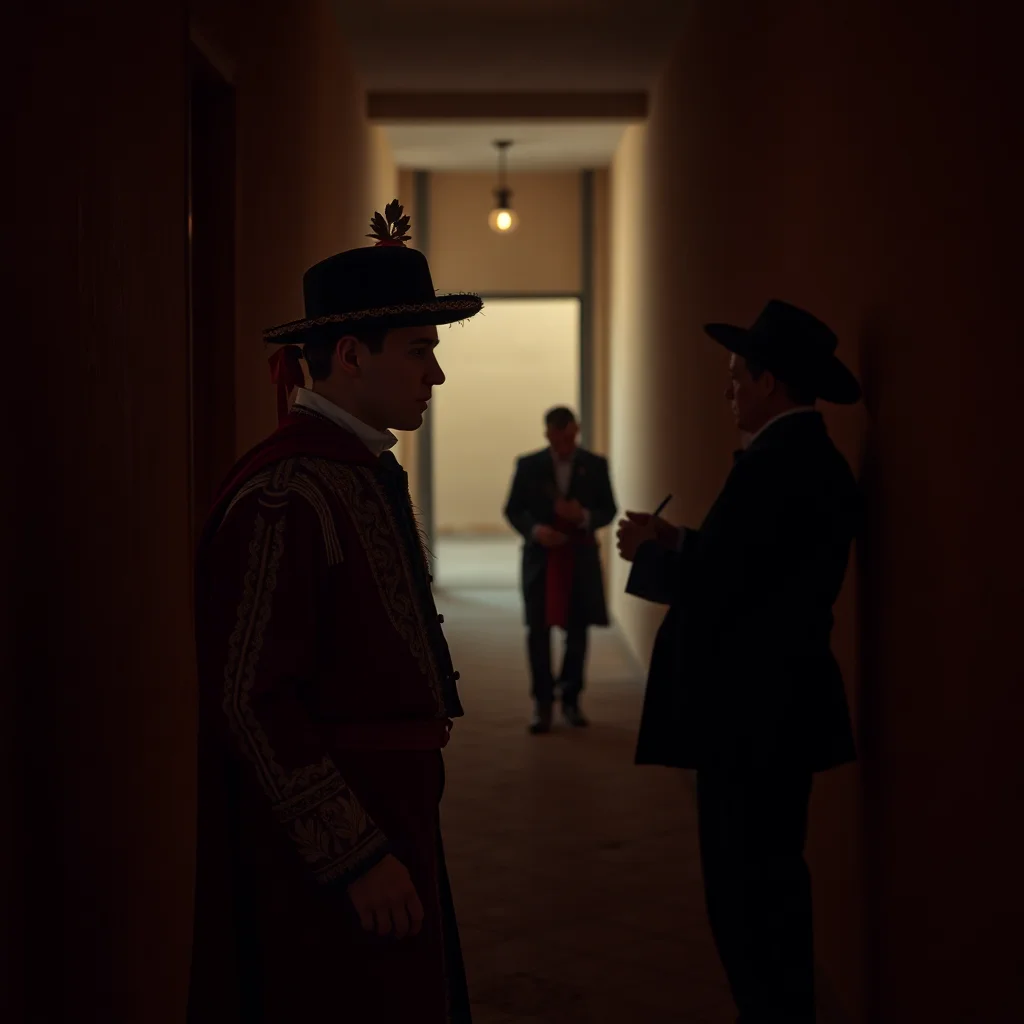
Photography at the edge of endorsement
Sophie Ebrard’s latest series enters bullfighting with the kind of proximity that makes easy moral certainty collapse. Her work, centered on young torero Lalo de Maria and the rituals that orbit the arena, does not behave like a tourist’s snapshot of spectacle; it behaves like an inquiry. That distinction matters. Bullfighting has always depended on image-making—posters, portraits, newspaper coverage, mythic self-fashioning—but Ebrard treats the camera as something less obedient and more dangerous: a device that can register a contested ritual without necessarily absolving it.
This is precisely why the work is provocative within the language of art and design events. In a field often seduced by visual intensity, Ebrard’s photographs ask whether the image can be evidence without becoming propaganda. The answer is not clean. Her pictures invite fascination with posture, costume, choreography, and masculine ritual; they also leave a residue of discomfort, because to frame something is already to grant it legitimacy. That tension is the work’s engine. It is not trying to resolve the contradiction between witnessing and endorsing. It is staging that contradiction as the subject itself.
In that sense, Ebrard’s series belongs to a lineage of photographers who have refused the fantasy of neutrality. Like Susan Meiselas in Kurdistan: In the Shadow of History, or Latif Al Ani’s paradoxical archive of nation-building, the camera here is not a transparent window but a political instrument. It makes a claim, however unstable. The question is not whether bullfighting is “beautiful” in the frame. The question is what kind of moral labor the frame demands from the viewer.
PRO: The camera as witness, not judge
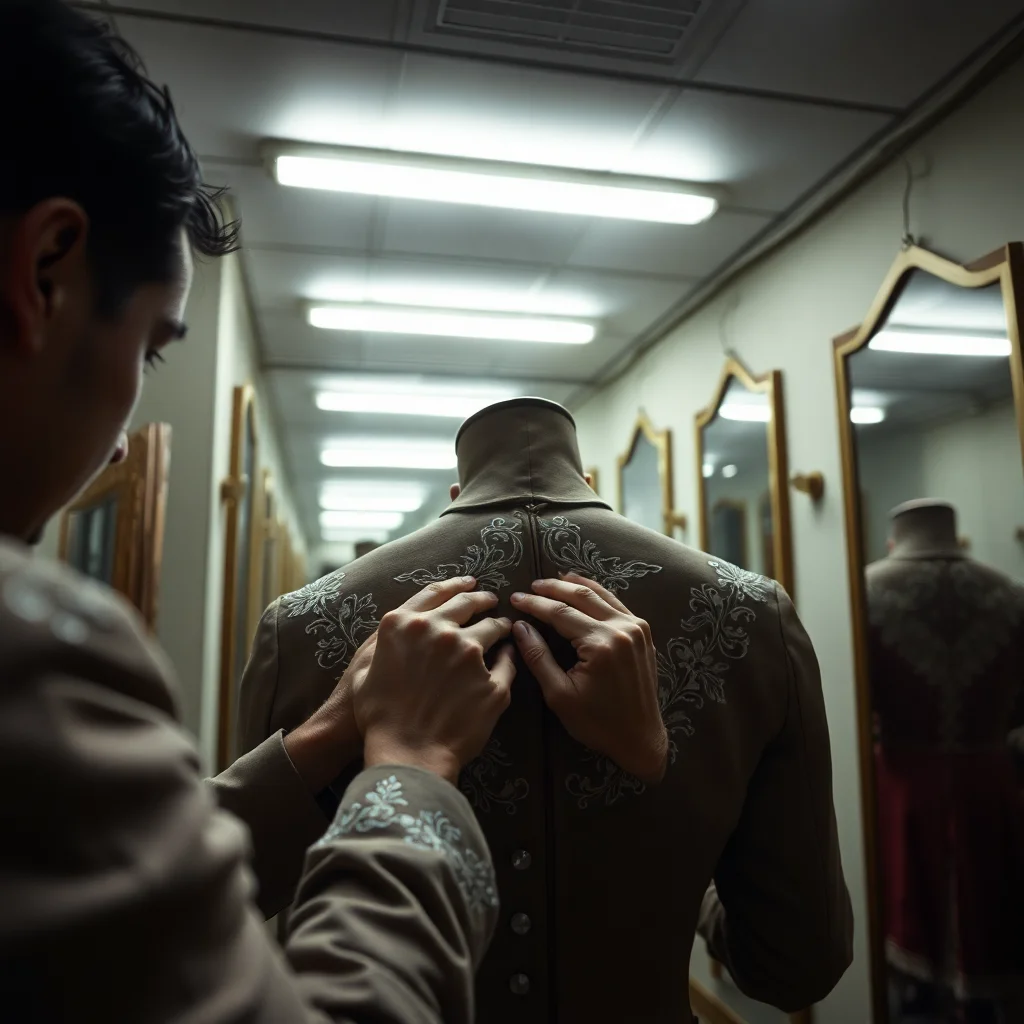
There is a serious argument for Ebrard’s approach, and it begins with the oldest ethical defense of documentary photography: if a practice persists, it must be seen before it can be understood. Bullfighting is often discussed from a distance, flattened into a culture-war slogan—tradition versus cruelty, heritage versus reform. Ebrard refuses that simplification by looking at the practice as a social ecosystem rather than a single violent event. By following Lalo de Maria beyond the arena, she reveals the ritual machinery that sustains the spectacle: training, costume, grooming, waiting, rehearsal, performance anxiety, and the codified gestures of identity.
That expanded frame matters because it shows bullfighting as a designed world. The hat, the traje de luces, the disciplined stance, the architecture of anticipation—these are not incidental details but the visual grammar of a ritual built to produce meaning. Ebrard’s photographs allow us to read that grammar without immediately dismissing it as mere barbarism. In doing so, she takes a position closer to photographers such as Paolo Pellegrin, whose images often hold violence and dignity in the same frame, or Irving Penn, whose portraits transformed labor and costume into a study of social theatre. The point is not equivalence; it is responsibility.
Seen this way, the image becomes evidence in a broader cultural record. It says: this world exists, this world is maintained, and this world organizes bodies, myths, and spectatorship with extraordinary precision. To document that precision is not trivial. It is a form of archival resistance against moral amnesia. When institutions erase contested practices instead of examining them, they leave only mythology. Ebrard gives us something harder and more useful: a record of how ritual manufactures consent.
PRO: Ritual, design, and the aesthetics of control
What makes the series especially potent for Mainifesto’s readership is that it understands spectacle as an engineered environment. Bullfighting is not only an ethical controversy; it is also an aesthetic system. Every element is calibrated to produce an image of mastery—over the animal, over fear, over the crowd, over death itself. Ebrard’s attention to the moments outside the ring exposes that control as a design problem: how a culture scripts masculinity, how clothing disciplines movement, how interiors and training spaces shape anticipation, how repetition turns anxiety into ritualized poise.
This is where the work becomes more than reportage. It begins to resemble the analytical clarity of design criticism. Think of how Hélène Binet photographs architecture not as pure form but as an atmospheric condition, or how Wolfgang Tillmans collapses the hierarchy between object, portrait, and evidence. Ebrard, in a different register, does something similar: she lets the viewer encounter the bullfighter not as a heroic icon but as a subject produced by a visual and ceremonial apparatus. That apparatus is seductive because it is coherent. It offers order where the underlying reality is ethically unstable.
For defenders of the series, that is the point. The camera should not sanitize contested culture into safe abstraction. It should show how people inhabit contradiction. The image can hold admiration for choreography while withholding moral approval of the institution. To deny photography that complexity is to turn it into illustration. Ebrard instead makes it think. Her work insists that a viewer can be implicated by looking—and that this implication is not a defect, but the very condition of serious documentary work.
CONTRA: The image risks laundering violence
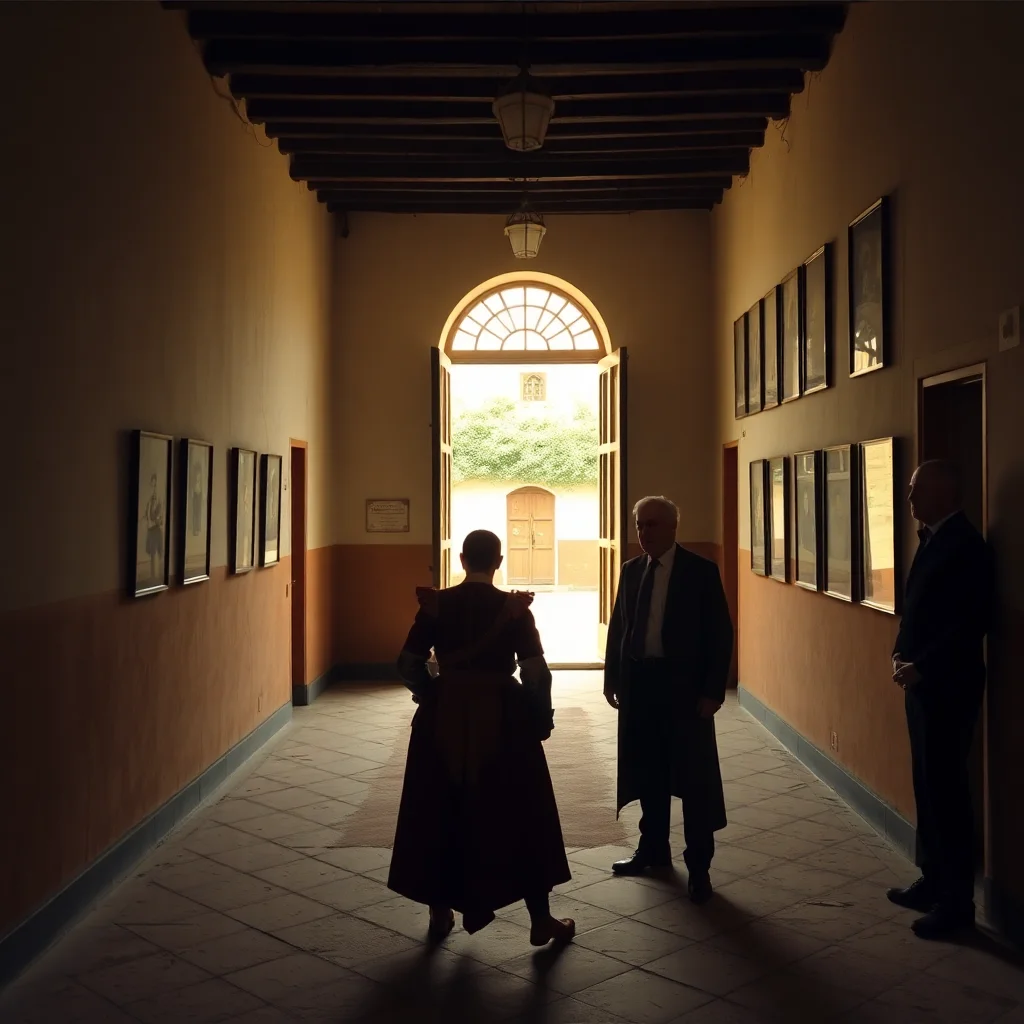
And yet the counterargument is equally strong, and it should not be softened into politeness. Bullfighting is not a neutral tradition waiting for interpretation; it is an act structured around harm. Any aesthetic framing of it risks converting violence into style. This is the central ethical trap of the series. Once the camera enters the world of the torero, it can easily shift the practice from cruelty to composition, from bloodshed to visual sophistication. That shift is not innocent. It is how morally compromised institutions survive: by becoming photogenic.
Photography has a long history of laundering power through beauty. From colonial portraiture to the polished surfaces of fashion editorials, the camera often turns asymmetry into seduction. Ebrard’s work, precisely because it is accomplished, is vulnerable to that same mechanism. A beautifully lit portrait of a torero can be read as critical distance by one viewer and as admiration by another. The image does not control its own ethics. It circulates in contexts that may strip away nuance and leave only glamour. In the hands of an audience hungry for visual intensity, bullfighting can become another exoticized ritual, its violence aestheticized into atmosphere.
This is why the claim that photography “reveals” a contested practice is never enough. Revelation is not critique. Exposure does not equal condemnation. The history of documentary is full of images that showed the world’s horrors while also helping to normalize them by making them consumable. The camera can be a moral witness, but it can just as easily become an accomplice to spectacle. If Ebrard’s work is strong, it is because it understands this risk. If it is troubling, it is because it cannot escape it.
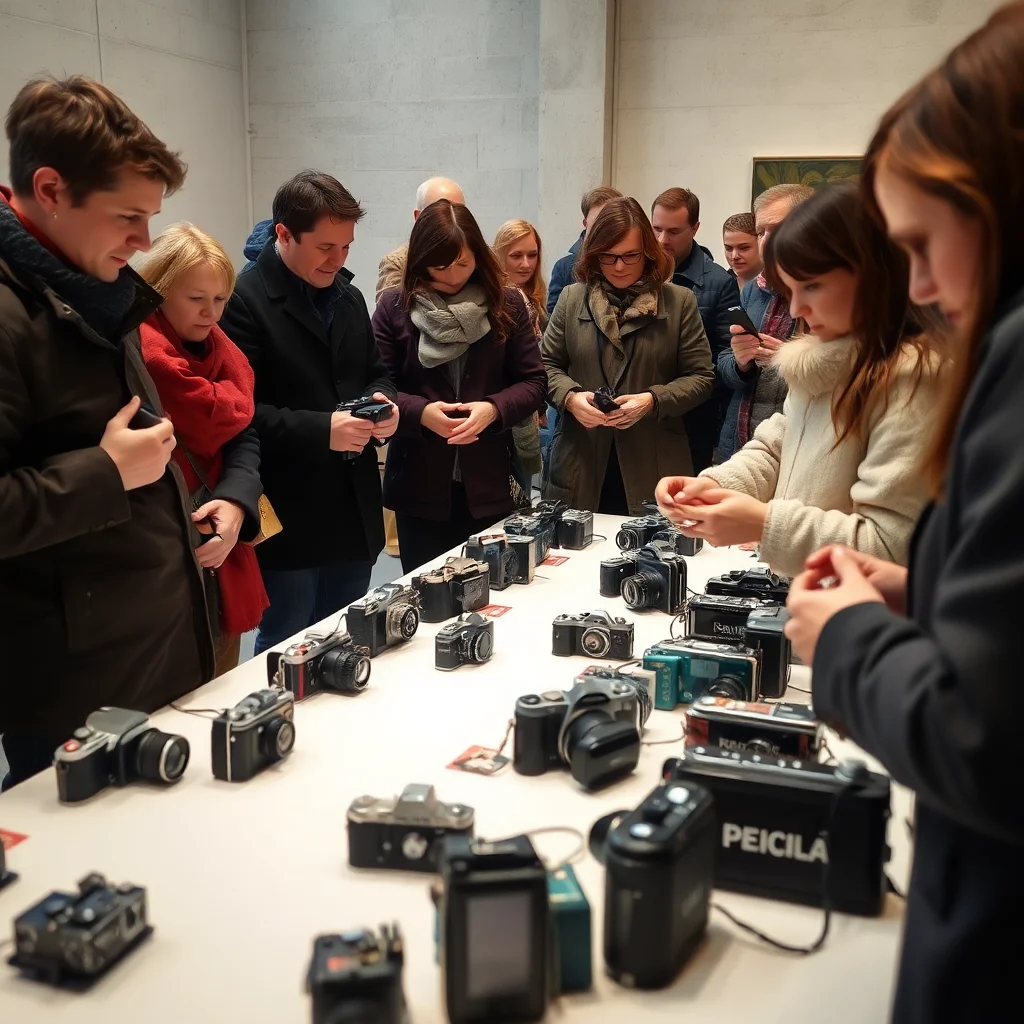
That same tension shows up in other visual debates, including when cameras become cultural objects, where the device itself can slip from tool to symbol. Once an object carries enough aura, it can frame its subject before the viewer has even begun to interpret what they see.
CONTRA: Sympathy is not innocence
There is another discomfort embedded in the series: the camera’s tendency to humanize what should perhaps remain hard to romanticize. Following a young torero beyond the arena introduces narrative attachment, and narrative attachment is powerful. It gives a face, a trajectory, a psychology. That can deepen understanding, but it can also produce the emotional softening that controversial institutions rely upon. A viewer begins to see not the structure of violence, but the vulnerability of the individual within it. The institution benefits from this reframing, because the subject becomes relatable before the practice becomes accountable.
This is where Ebrard’s series sits in uneasy relation to photographers such as Sebastião Salgado, whose majestic compositions have often been criticized for elevating suffering into grandeur. Bullfighting poses an analogous danger: the image of commitment, discipline, and youthful ambition can eclipse the ethical fact of the ritual itself. To show the private rituals around the ring is to invite intimacy; intimacy is not a neutral tool. It can become a moral anesthetic. The viewer may leave with a stronger sense of the torero’s world and a weaker sense of the animal’s suffering.
And that matters because photography is not just about what is shown, but about what is centered. If the human performer dominates the frame, the nonhuman victim risks becoming an absent presence—known, but not felt. A responsible image might resist that imbalance; a seductive one may not. The strongest reading of Ebrard’s work, then, is not that it solves this problem, but that it exposes it. It reminds us that empathy itself can be a mechanism of exoneration when it is directed too selectively.
That dilemma is familiar to anyone thinking about how institutions shape public feeling, which is why debates like can culture become a public health strategy? feel adjacent here: culture can educate, but it can also persuade. The line between care and conditioning is often thinner than it appears.
Conclusion: evidence, complicity, and the burden of looking
Bullfighting, reframed through Ebrard’s lens, becomes less a question of whether photography can document a ritual and more a test of whether viewers can hold two truths at once: that images can be necessary records, and that they can also participate in the survival of what they depict. That is the series’ real power. It does not ask us to choose between fascination and ethics. It forces us to admit that they are already entangled.
For art and design audiences especially, this is the uncomfortable lesson: the camera does not merely capture culture, it helps organize its legitimacy. By paying attention to costume, choreography, and the spaces surrounding the arena, Ebrard shows bullfighting as a designed spectacle of control. But the same attention can become complicity if the viewer confuses visual seriousness with moral neutrality. The work’s value lies in refusing that confusion.
In the end, the question is not whether Ebrard has made bullfighting beautiful. Of course she has, in moments. The harder question is whether beauty can be used to sharpen ethical perception rather than dull it. If the series succeeds, it is because it does not let us rest inside the frame. It makes us ask what it costs to look, and what kind of culture the act of looking quietly preserves.
- What the camera records: a social ritual with rules, roles, and a theatrical logic that extends far beyond the arena.
- What the camera risks: aestheticizing violence until it reads as heritage, style, or masculine poise.
- What the viewer inherits: not innocence, but responsibility for interpreting an image that may be evidence and endorsement at once.
FAQ
Why is Sophie Ebrard’s series about bullfighting controversial?
Because it documents a practice widely criticized for animal cruelty while using elegant, intimate photography that can be read as fascination, critique, or both. The controversy lies in whether the image reveals harm or inadvertently beautifies it.
What does “the camera’s moral lens” mean in this context?
It refers to photography’s power to shape ethical perception. A camera can expose a contested ritual, but it can also frame it in ways that normalize, soften, or aestheticize violence.
Why is Lalo de Maria important to the story?
He gives the series a human focal point. By following a young torero beyond the ring, Ebrard shows the training, ritual, and identity-building that sustain bullfighting, not just the performance itself.
Can documentary photography be objective in a case like this?
Not fully. Documentary images always involve selection, framing, and emphasis. In contentious subjects like bullfighting, the ethical question is less about objectivity than about whether the work is transparent about its own position and risks.
Get the Mainifesto weekly — curated design debates, speculative ideas and the week's best articles every Saturday.
Editorial Perspectives
Questions and counterpoints developed by the Mainifesto editorial desk to extend the discussion.
Perspective 1
I read this as critique, not endorsement, because the photograph forces you to look at the material reality of the ritual instead of its mythology. But if the image is too polished, too beautifully lit, it risks turning pain into surface finish — and that’s where the ethics get slippery.
Perspective 2
This is the old problem of representation: from Barthes to Debord, visibility is never innocent. Once an image aestheticizes the spectacle, it no longer simply denounces it; it begins to participate in the social machinery that keeps it legible and desirable.
Perspective 3
Legibility is not the same as neutrality. If the work makes the ritual clear, it can still be a critique — but only if the framing leaves no room for seduction to masquerade as understanding.
Perspective 4
From a practical point of view, any image that makes something controversial look compelling is already doing part of the marketing work, whether the artist wants that or not. Critique needs friction; if the picture is too elegant, people remember the image and forget the argument.
Perspective 5
A photograph can expose a wound, but it can also glaze it over with style. I mistrust images that arrive too smooth, because once the eye enjoys the surface, the ethics start to blur.