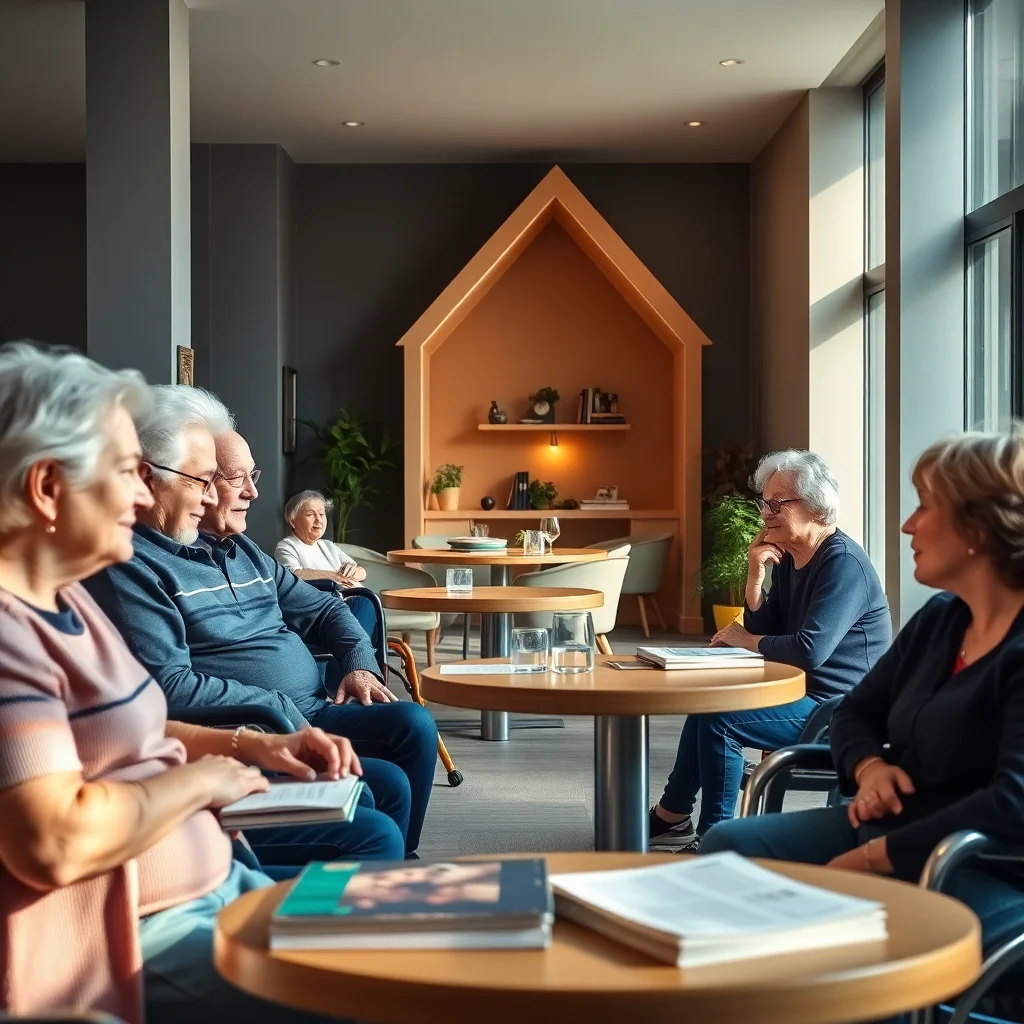
Intergenerational co-living promises care and connection—but who benefits when housing becomes lifestyle branding?


Intergenerational co-living promises care and connection—but who benefits when housing becomes lifestyle branding?
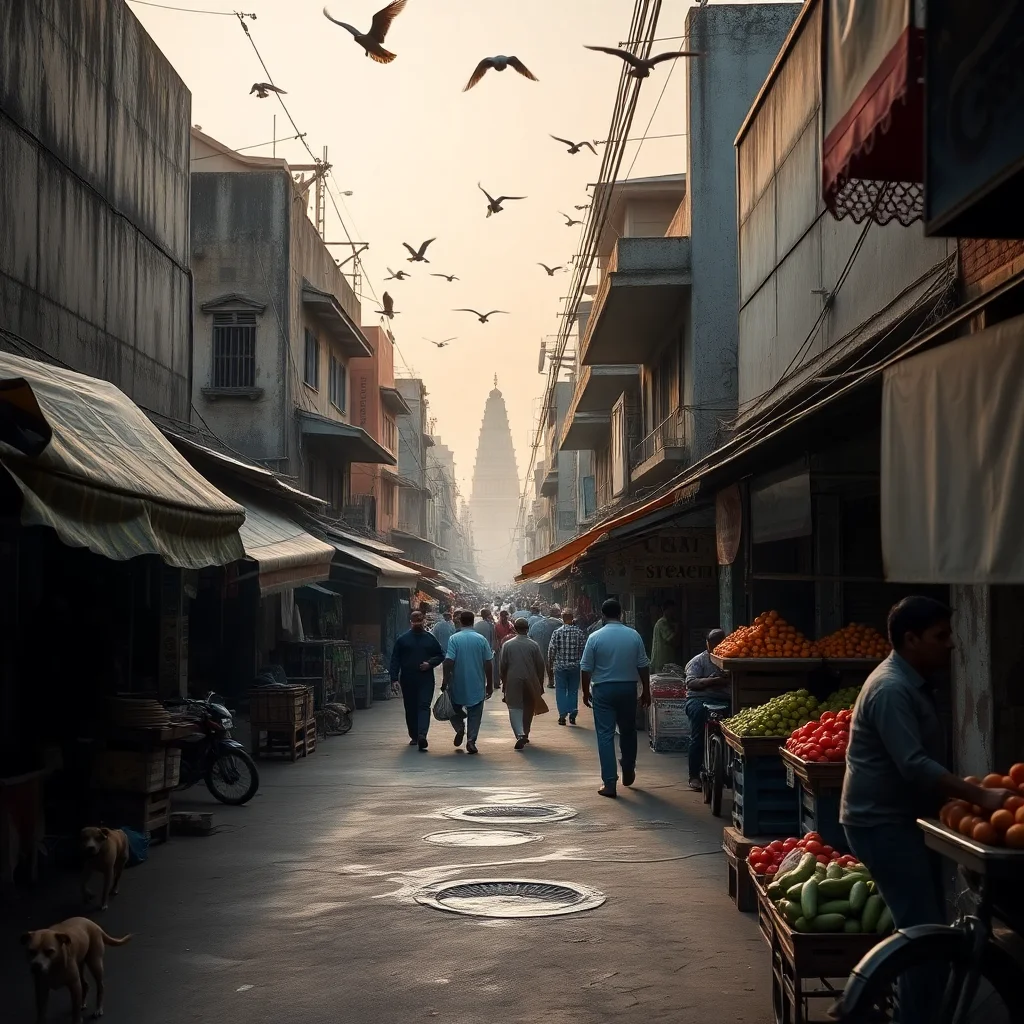
An argument for architecture that plans for humans, dogs, birds, insects, and monkeys as co-inhabitants of the city.
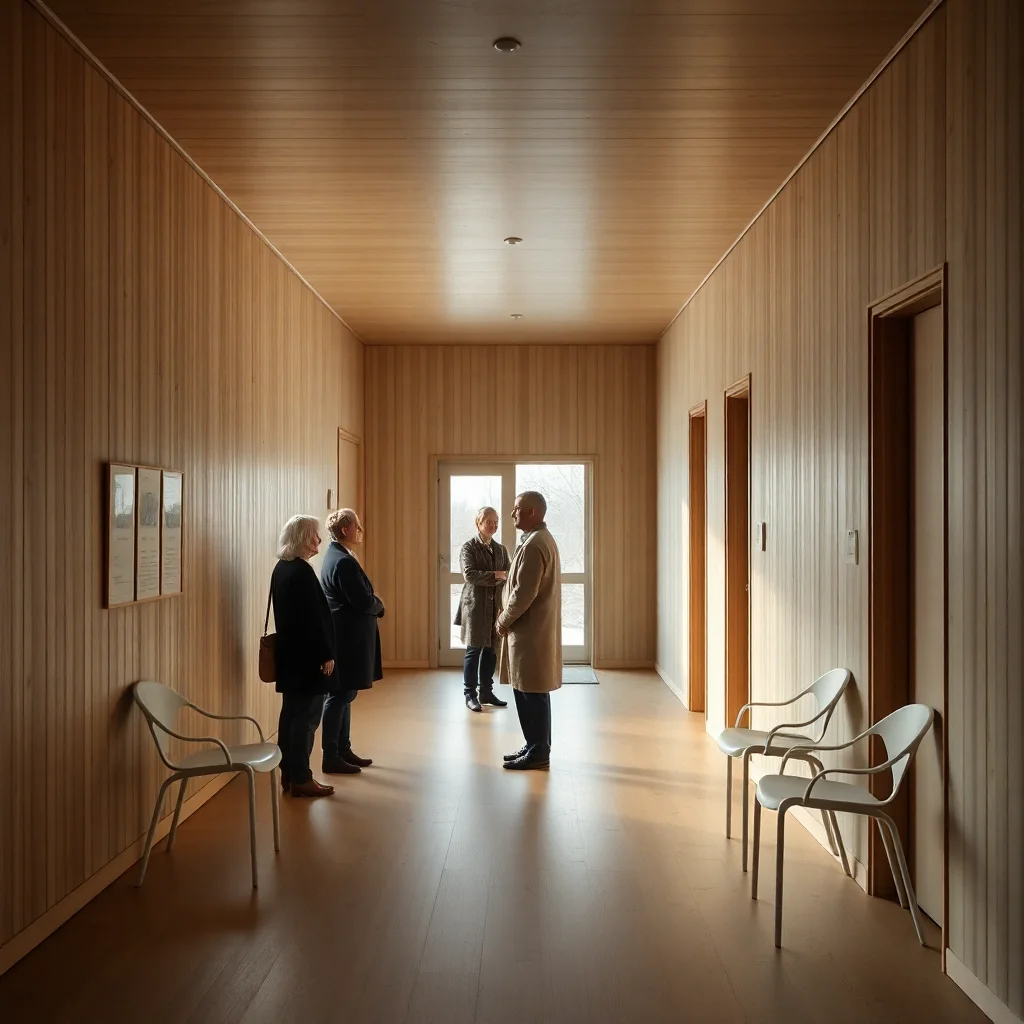
Paimio Sanatorium and the New York Historical extension expose the fight between preservation and adaptive reuse.
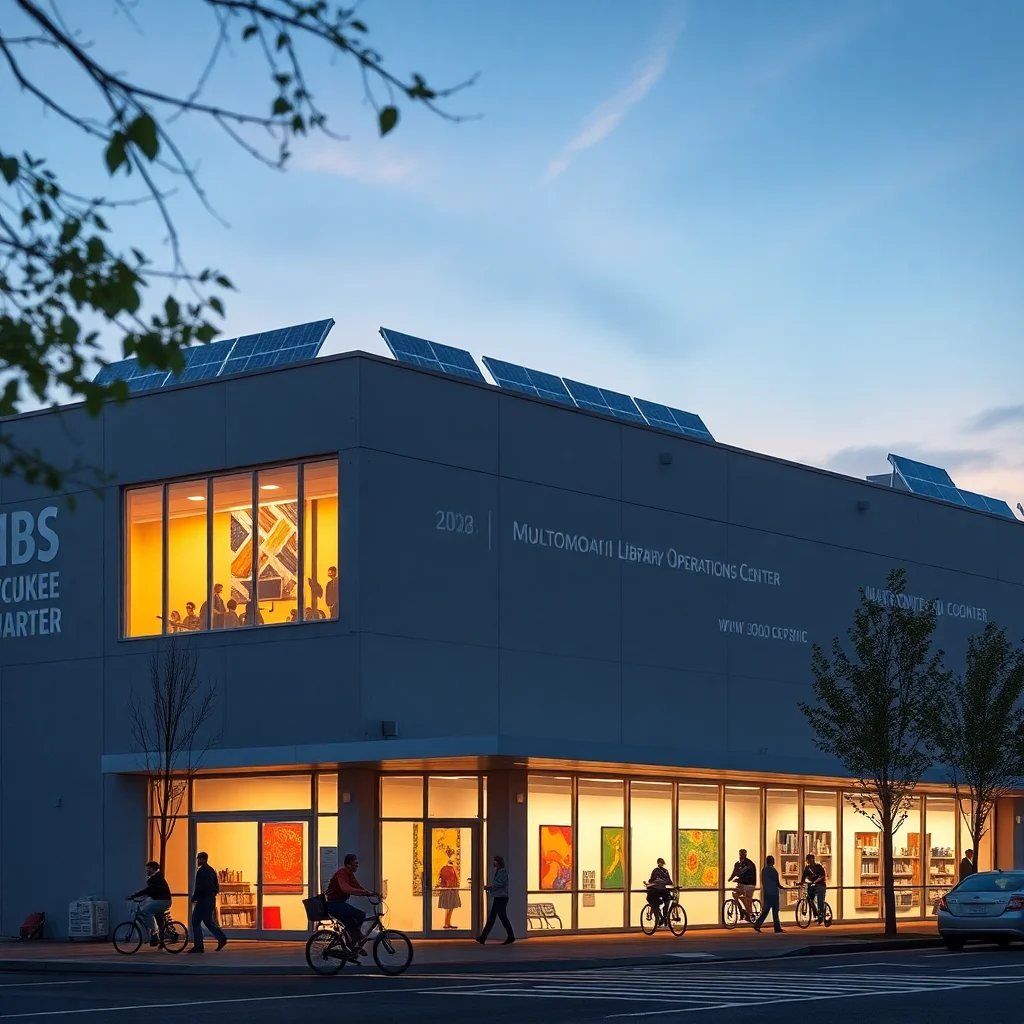
A Portland supermarket reborn as a library hub shows why big-box shells are becoming civic infrastructure, not demolition fodder.
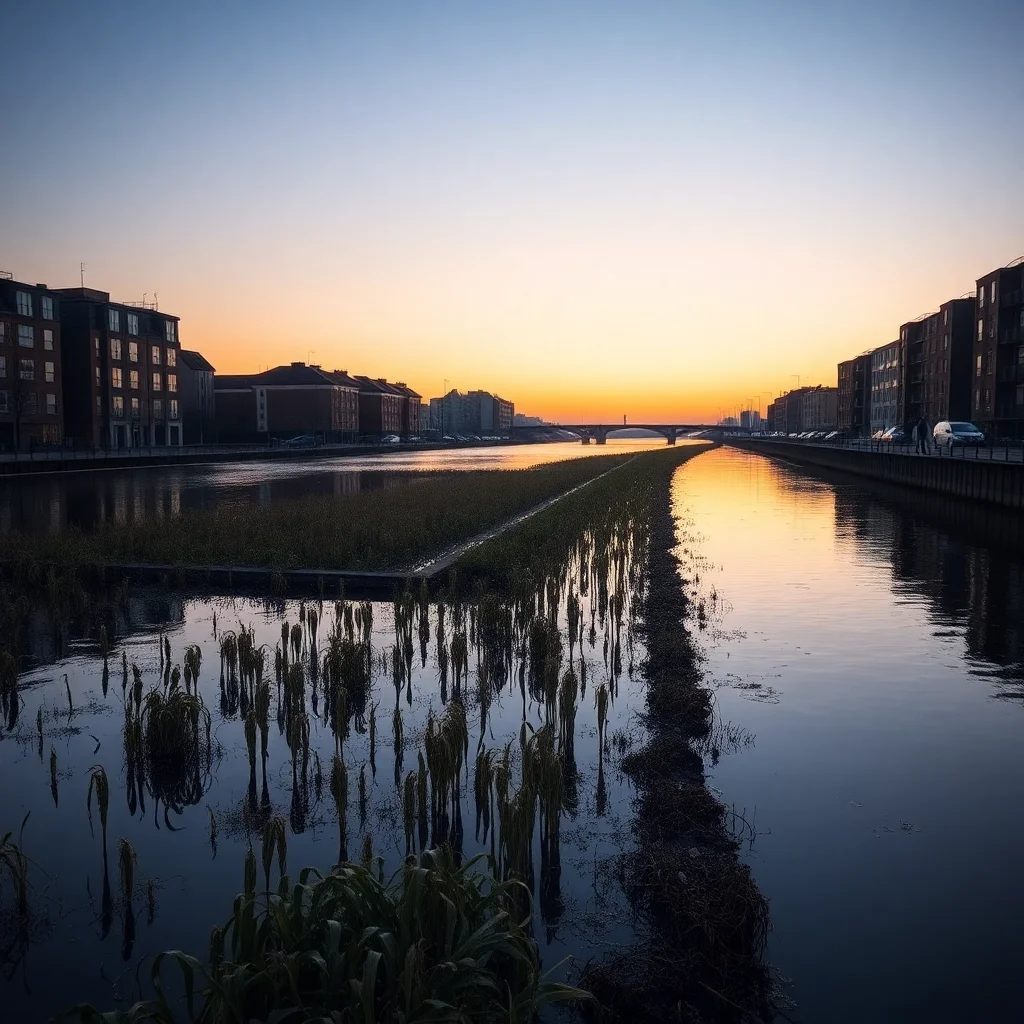
University of Sheffield projects reveal how architecture can coexist with rising water through adaptive urban systems, not just resilience.
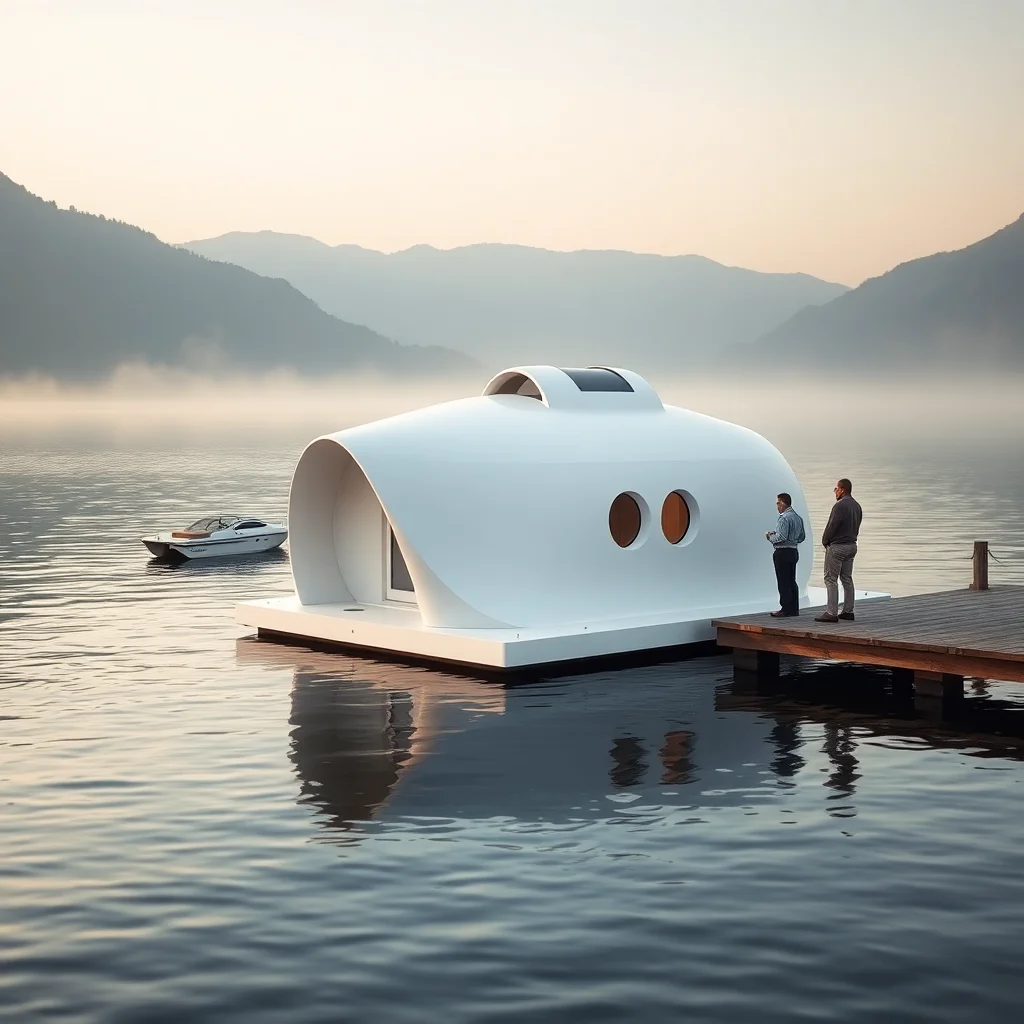
Floating micro-homes are evolving into climate-adaptive infrastructure, not novelty — modular, mobile, and built for water, scarcity, and leisure.
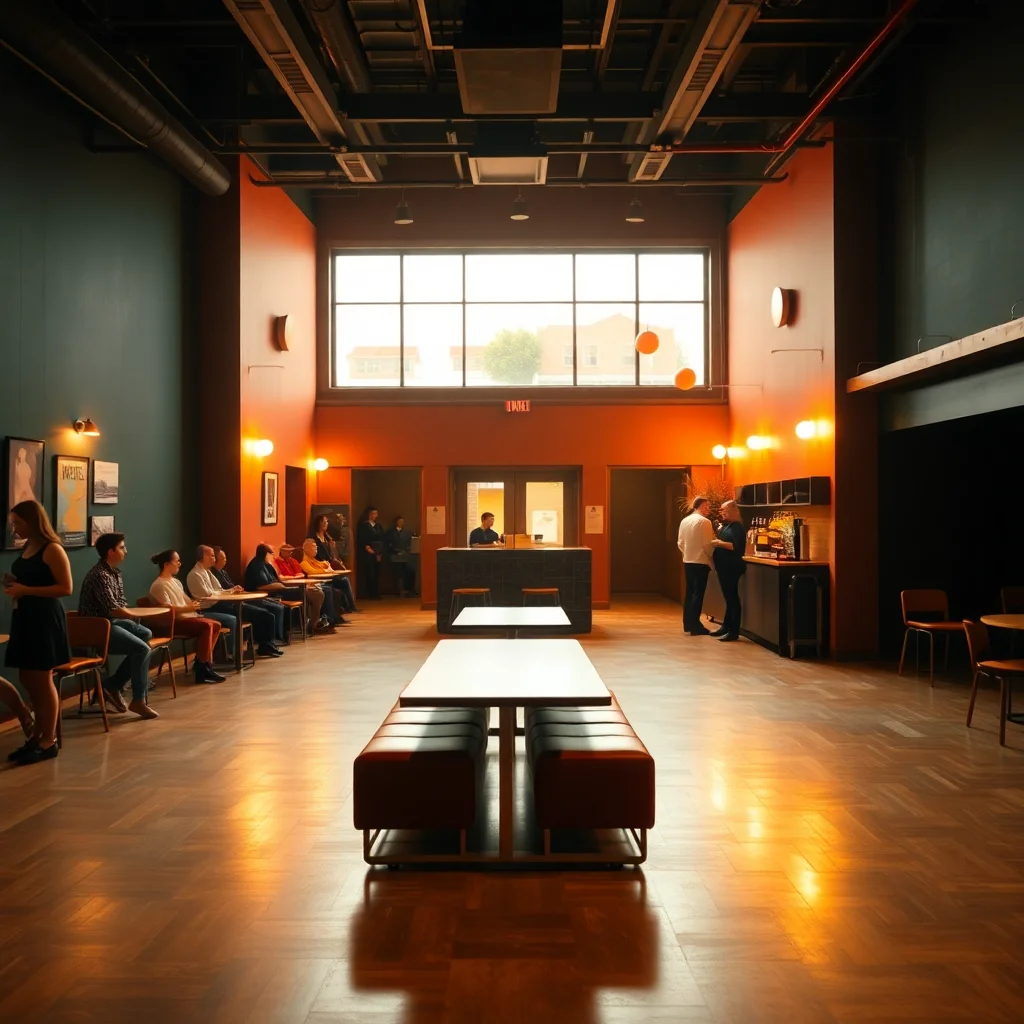
Performing arts venues are becoming flexible ecosystems as architecture, finance, and programming collide in a new survival model.
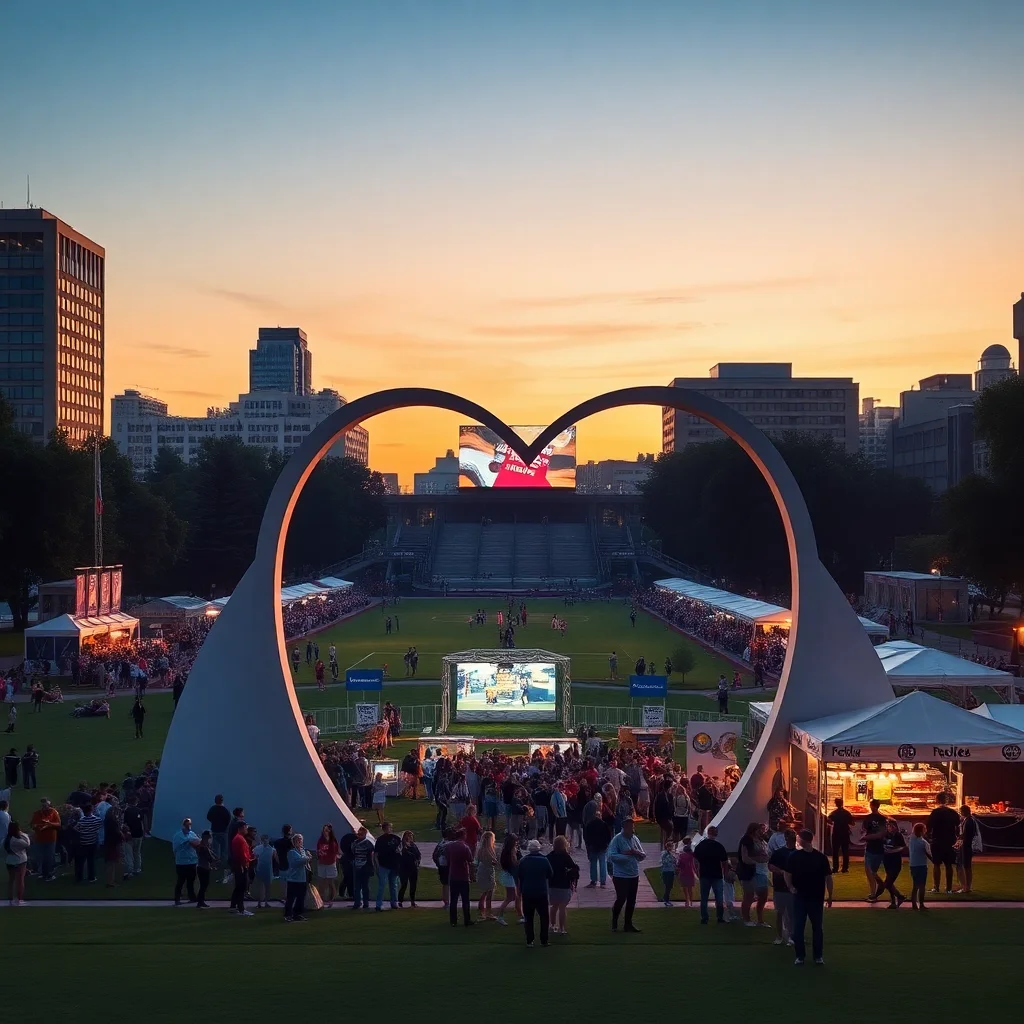
How 2026 World Cup fan zones, plazas, and screens are testing whether civic space can survive after the spectacle leaves.
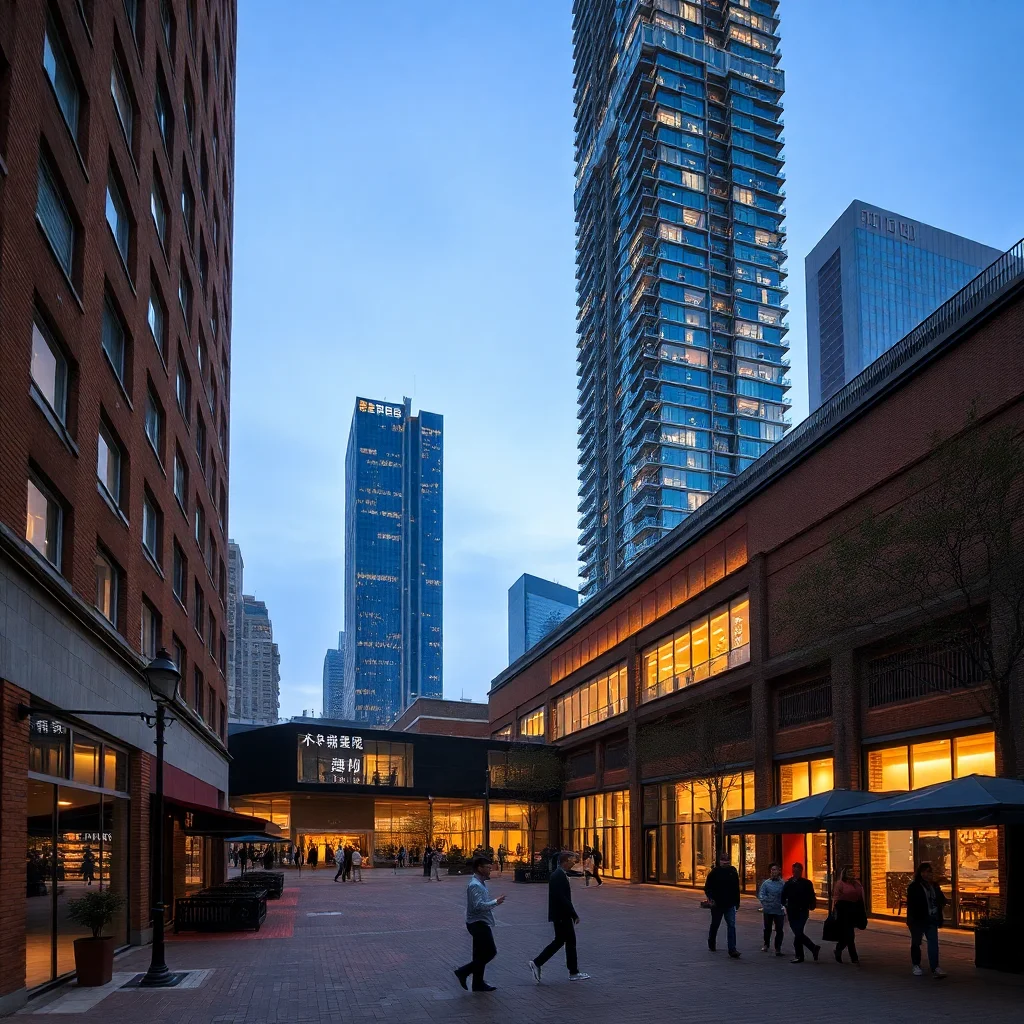
Shanghai’s Jing'An Investment Center shows how towers now swallow heritage into density. Smart compromise—or polished urban branding?

Zaha Hadid Architects becomes ZHA—what the rename reveals about authorship, legacy, and institutional continuity in architecture.
