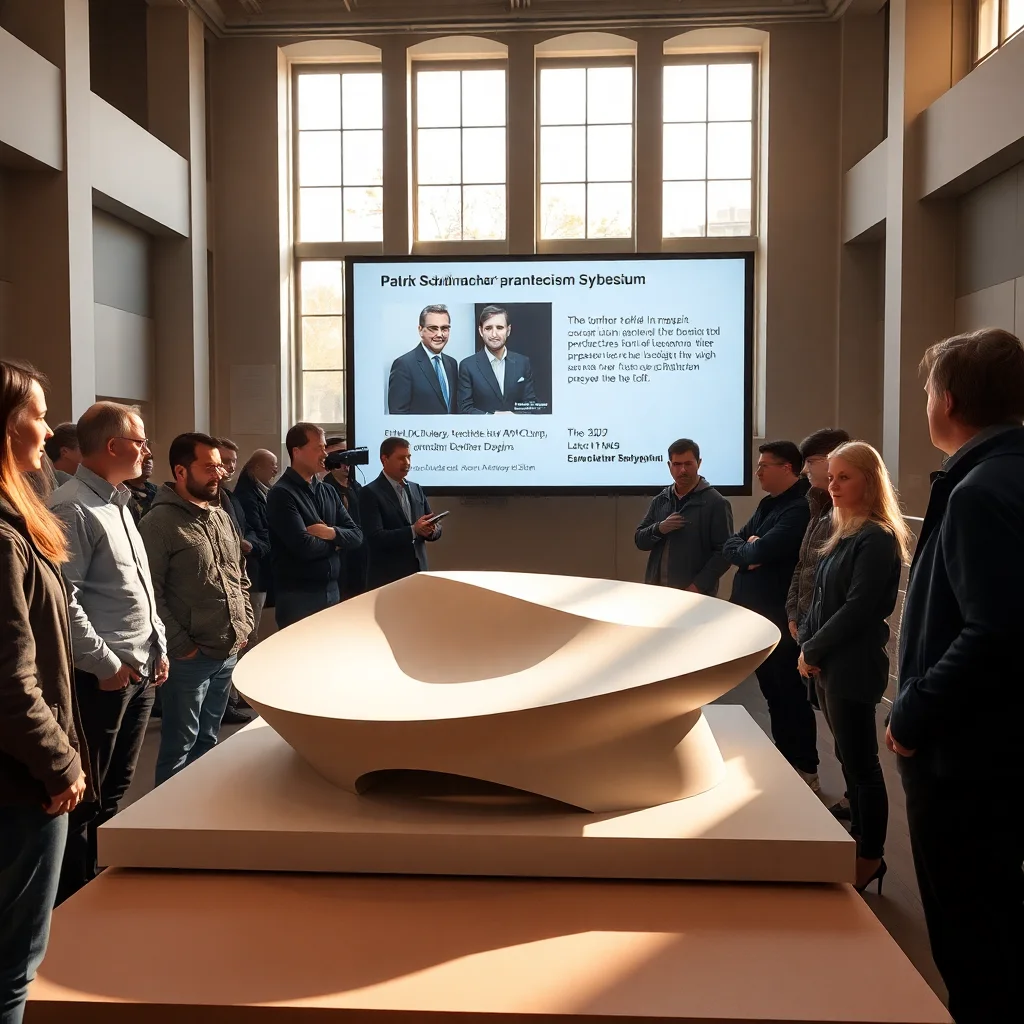
Has parametric architecture matured from flashy form-making into a practical design method?


Has parametric architecture matured from flashy form-making into a practical design method?
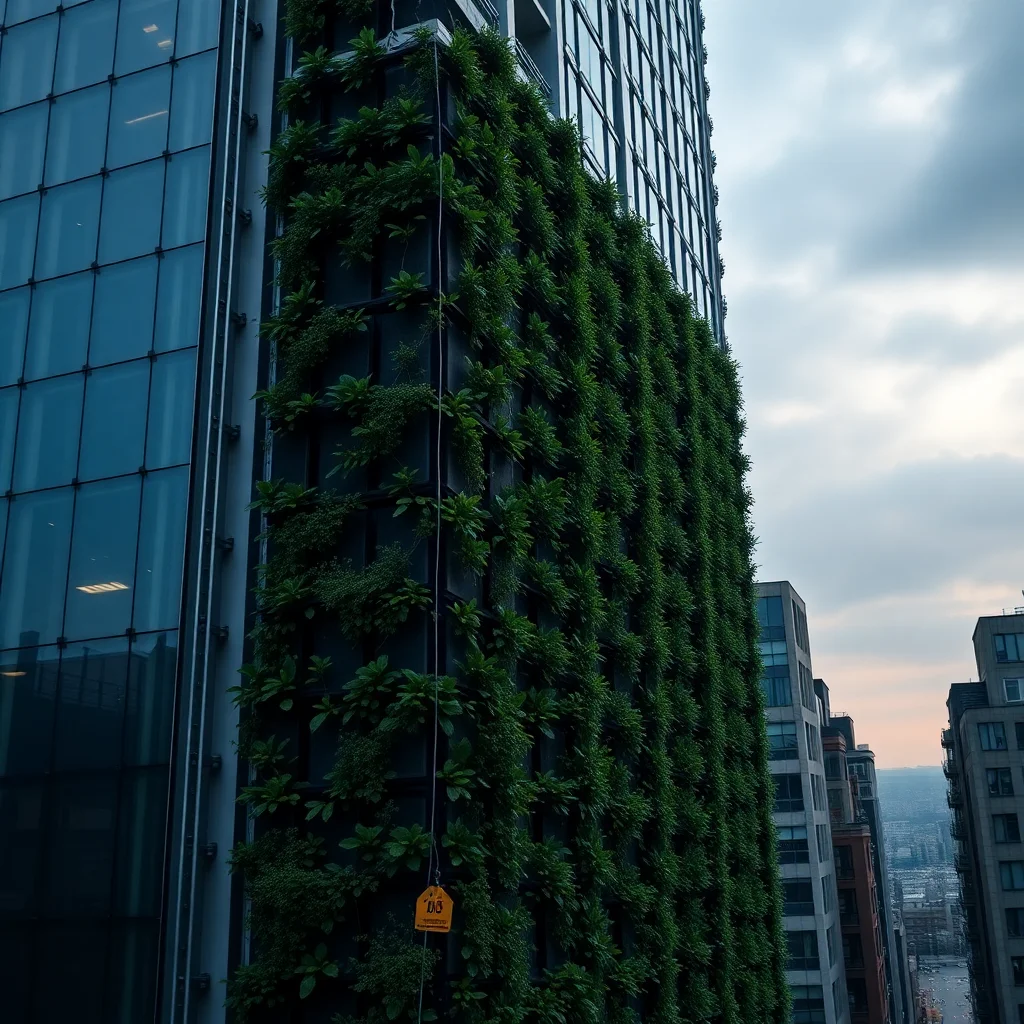
Biophilic facades promise cooling and carbon benefits, but plastic support systems may turn green walls into a fire risk.
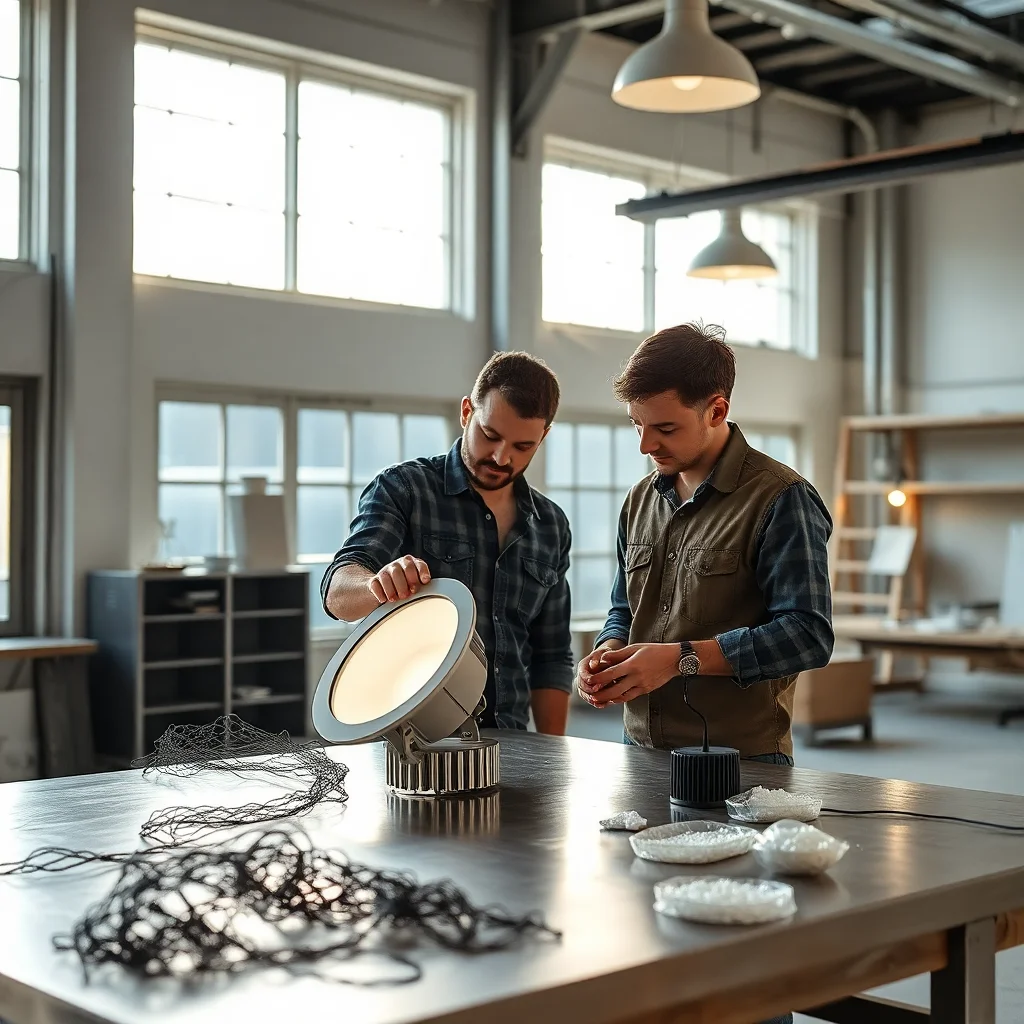
Ocean plastic, recycled objects, and circular ceramics are turning waste into design status.
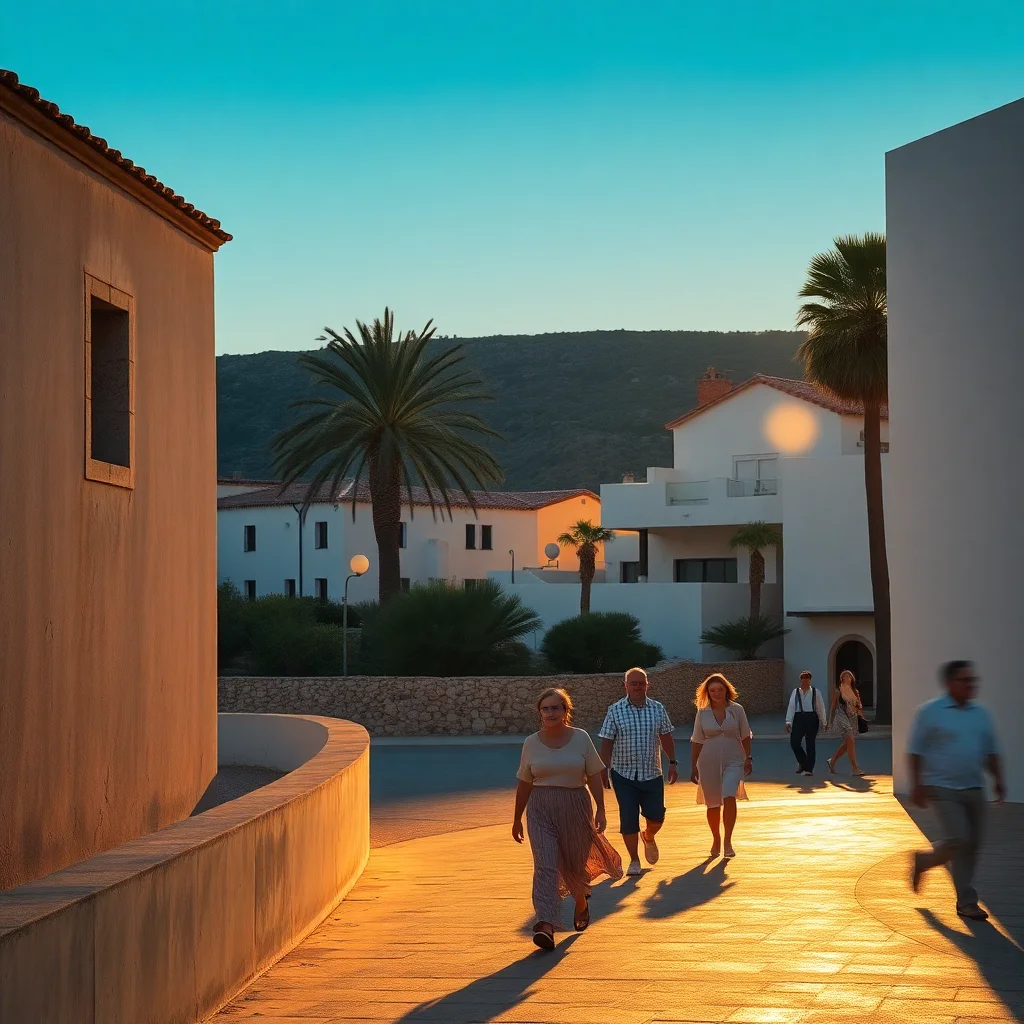
As Ibiza courts affluent tourism, can design and placemaking protect its soul—or will luxury turn the island into a branded backdrop?
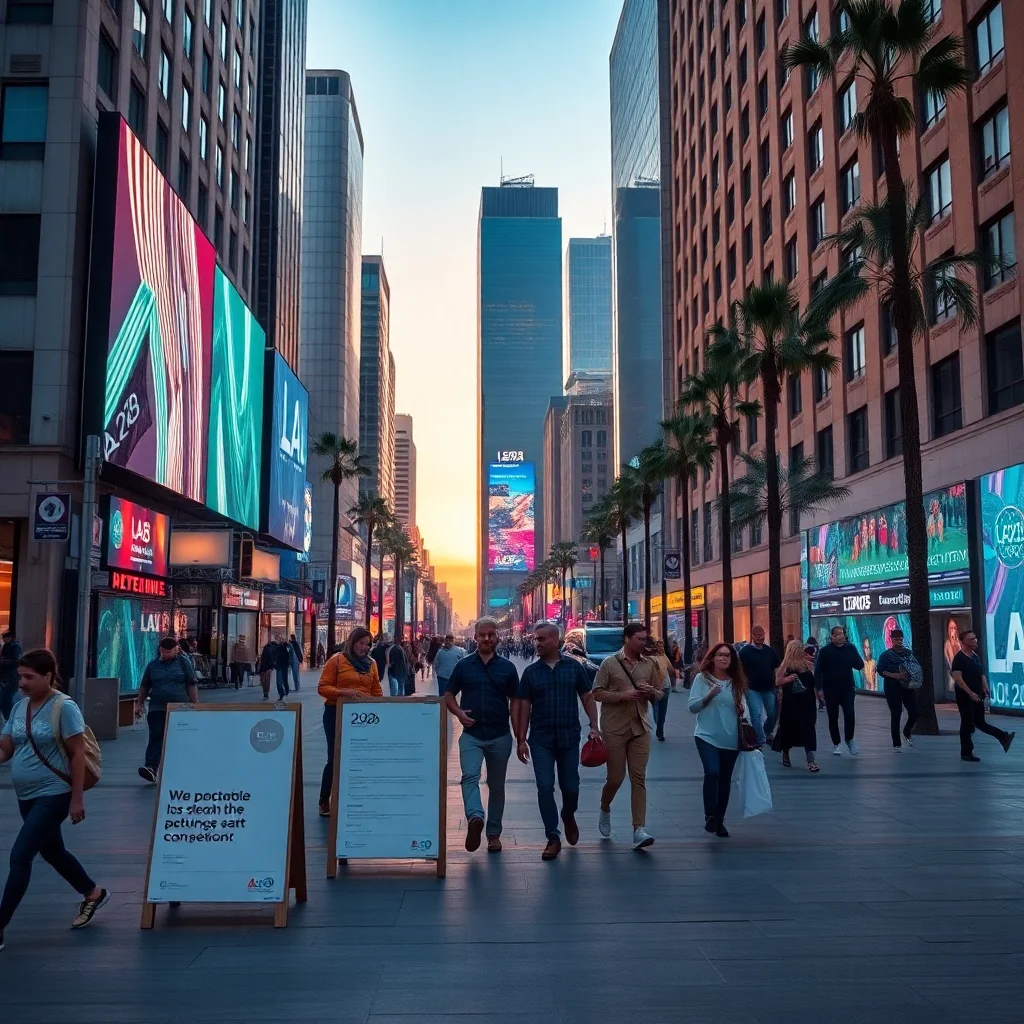
LA28’s evolving identity shows why Olympic branding must stay recognizable while mutating across screens, city streets and feeds.
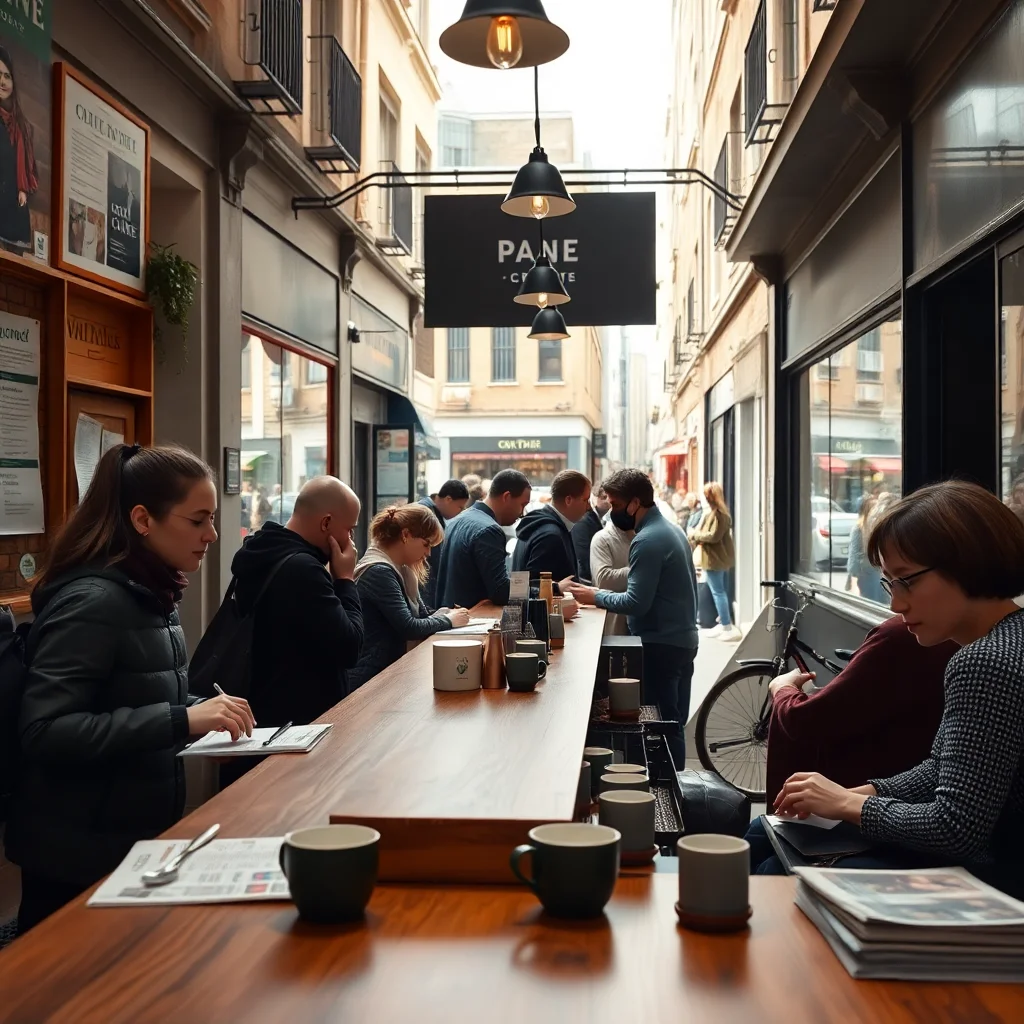
Coffee shops are evolving into global luxury chains, selling atmosphere, community and local credibility in one scalable format.
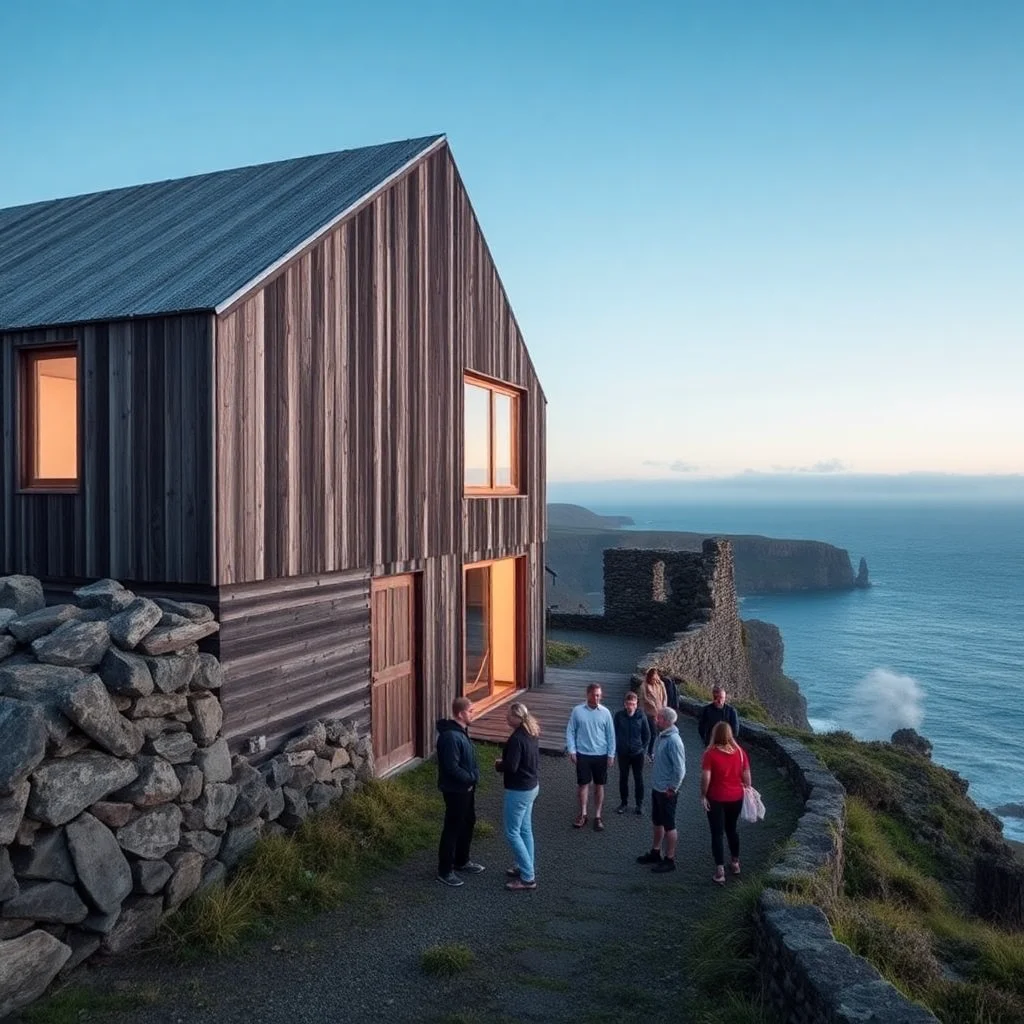
Recycled ocean plastic façades promise care and symbolism—but do they shift material culture or just stage sustainability for design audiences?
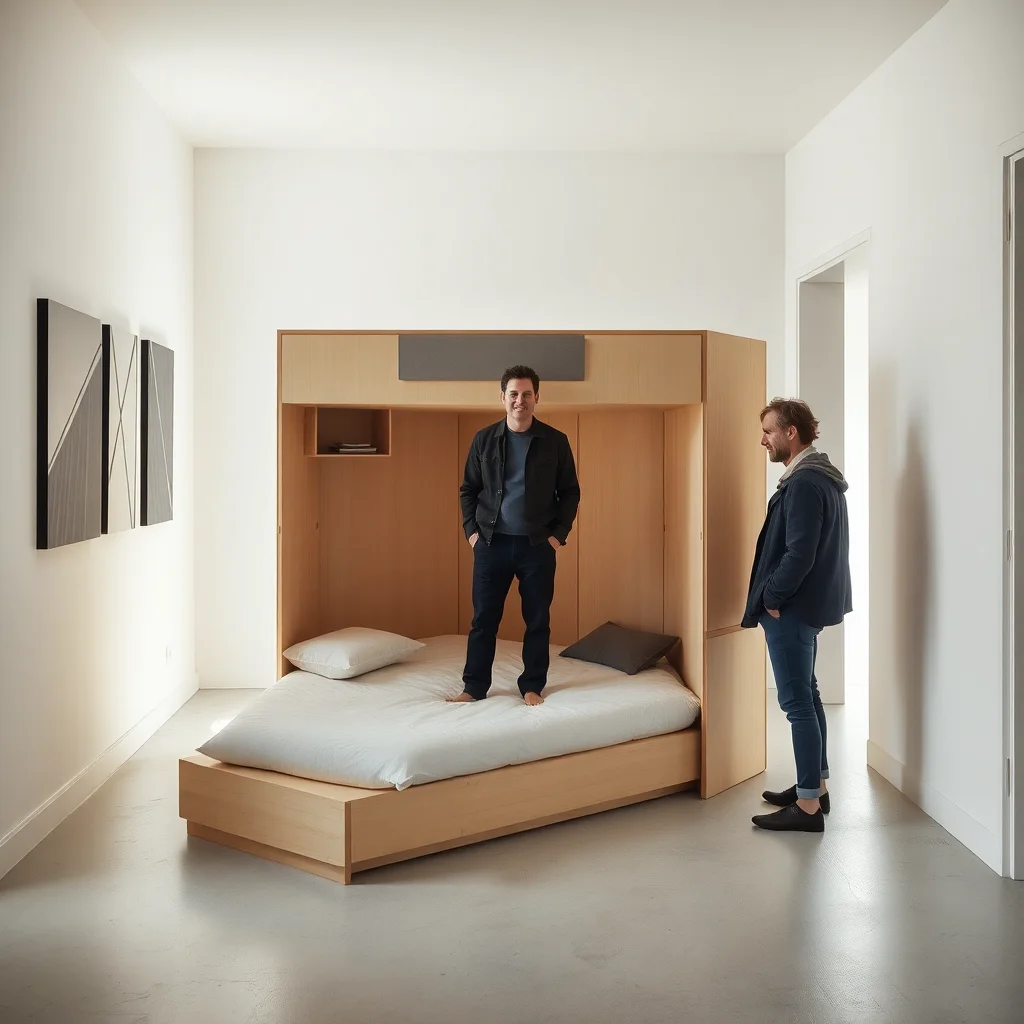
As homes shrink, fold-out furniture becomes architectural infrastructure. Thélonious Goupil and Campeggi's Bienvenue asks who gets space.
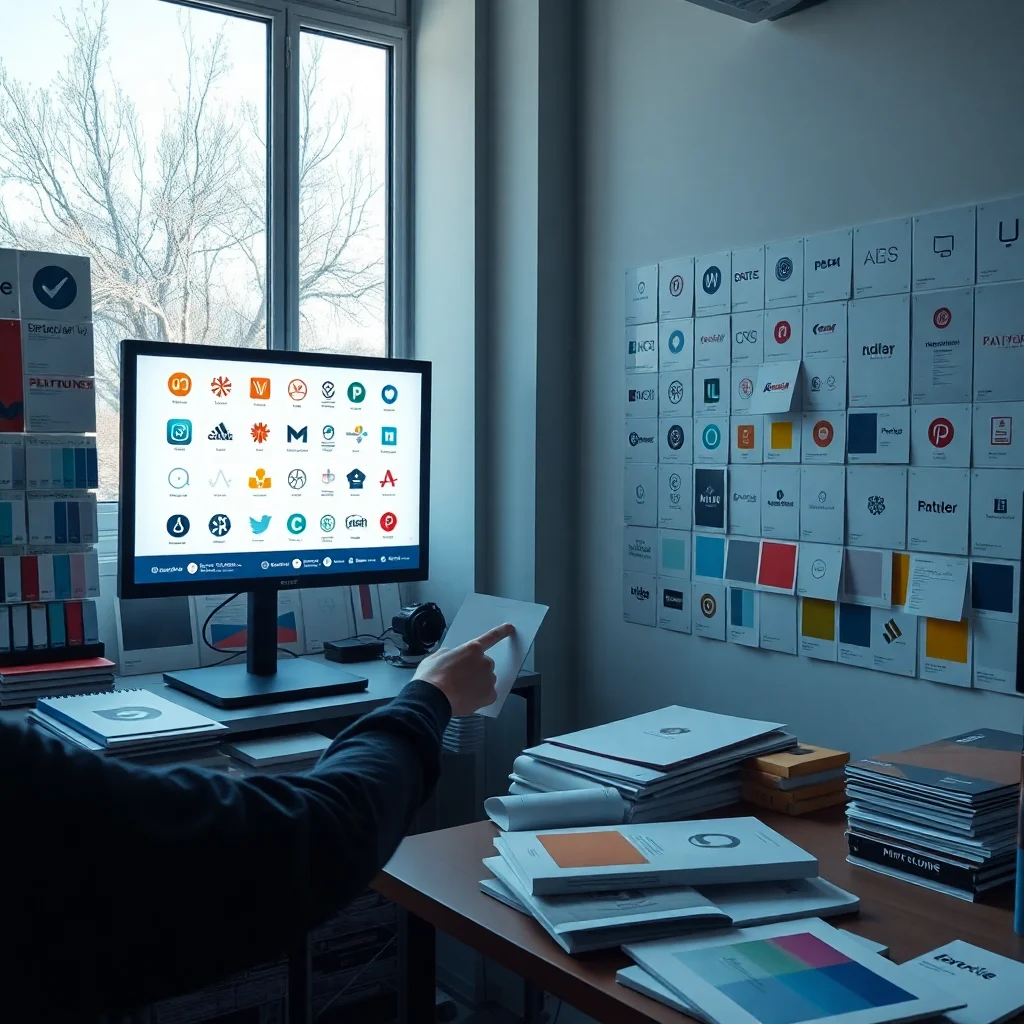
AI can flood branding with options—but at what cost to recognition, trust, and craft? A sharp look at identity in the automation age.
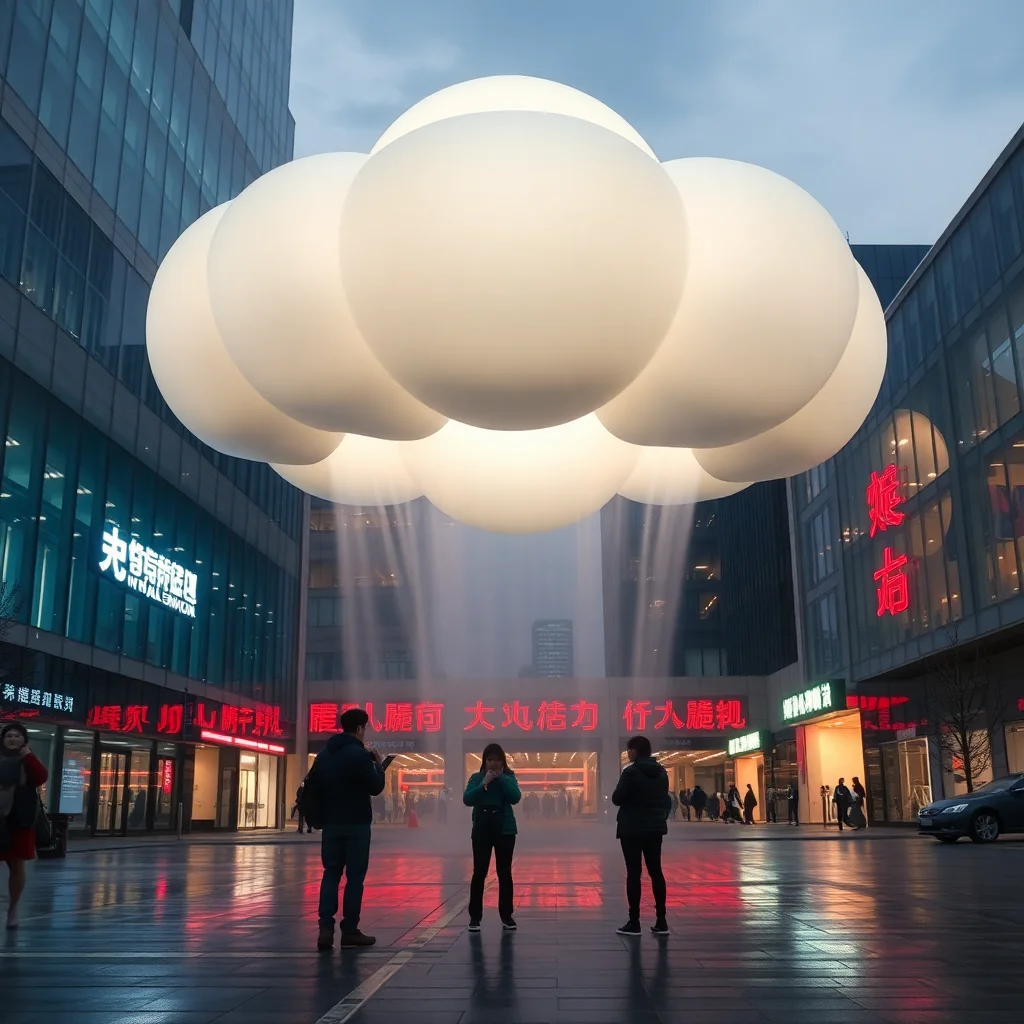
Kinetic mist, inflatable skins, and emotional weather are turning buildings into experiences—and forcing architecture to confront maintenance and permanence.