
Sophie Ebrard frames bullfighting as evidence and complicity, forcing photography to confront ritual, violence, and moral spectatorship.


Sophie Ebrard frames bullfighting as evidence and complicity, forcing photography to confront ritual, violence, and moral spectatorship.
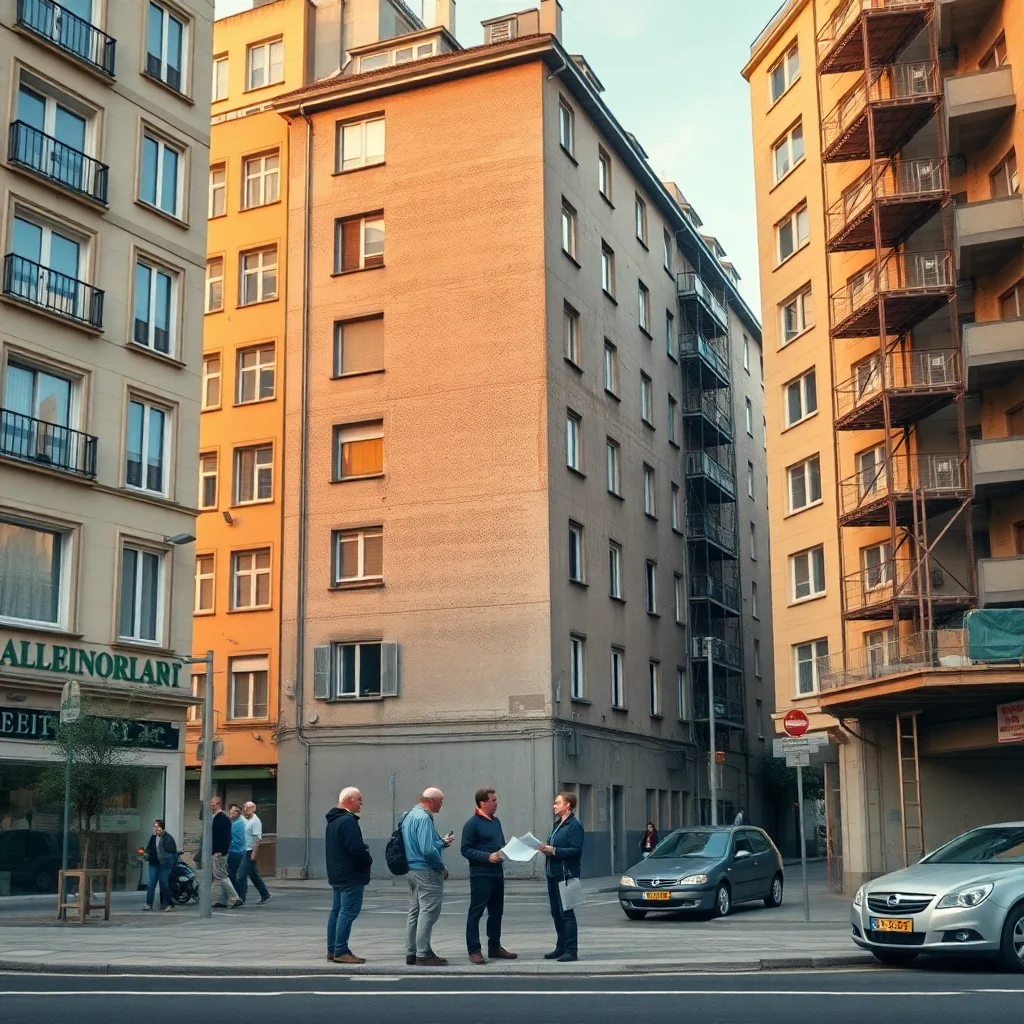
As cities densify, reuse is replacing demolition as the smartest urban strategy—ecological, financial, and fiercely political.
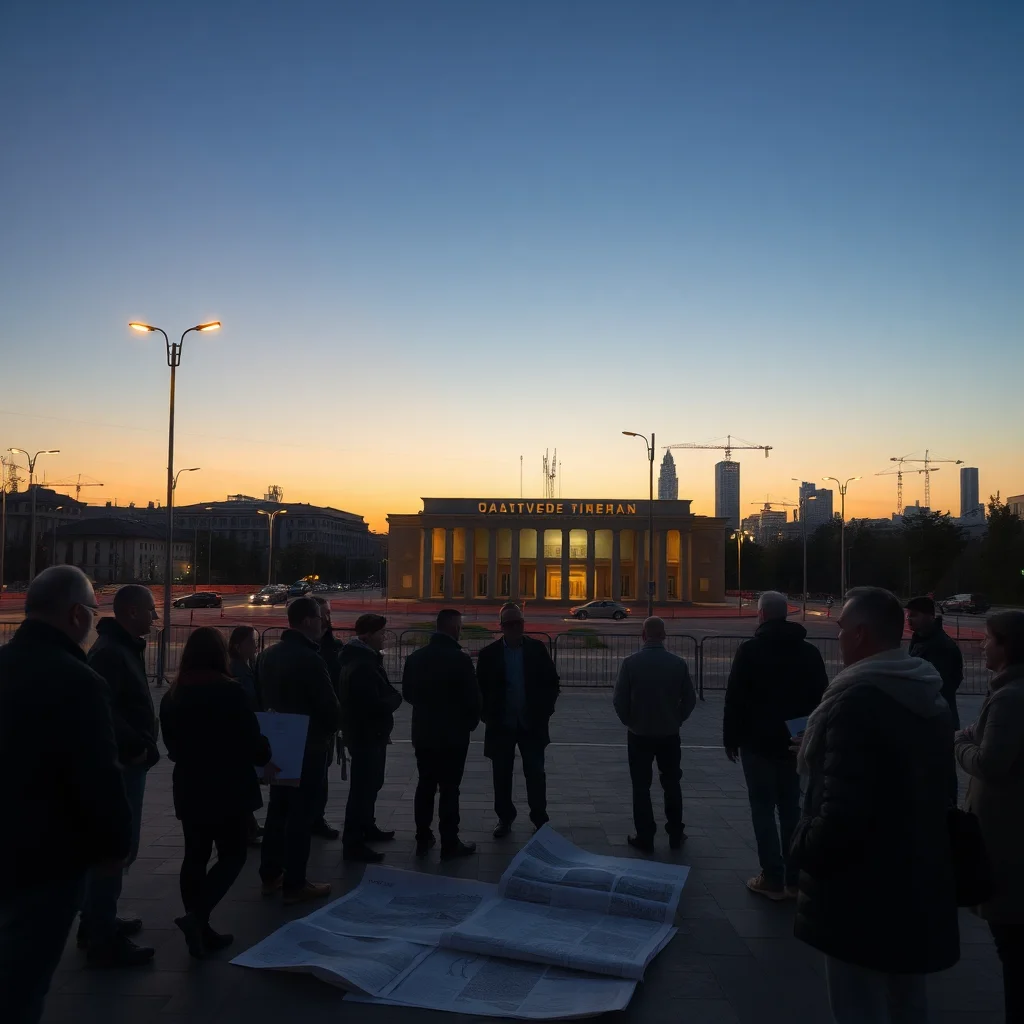
Sagrada Familia and Tirana’s Palace of Congresses expose the fight between preservation, profit, and architectural reinvention.
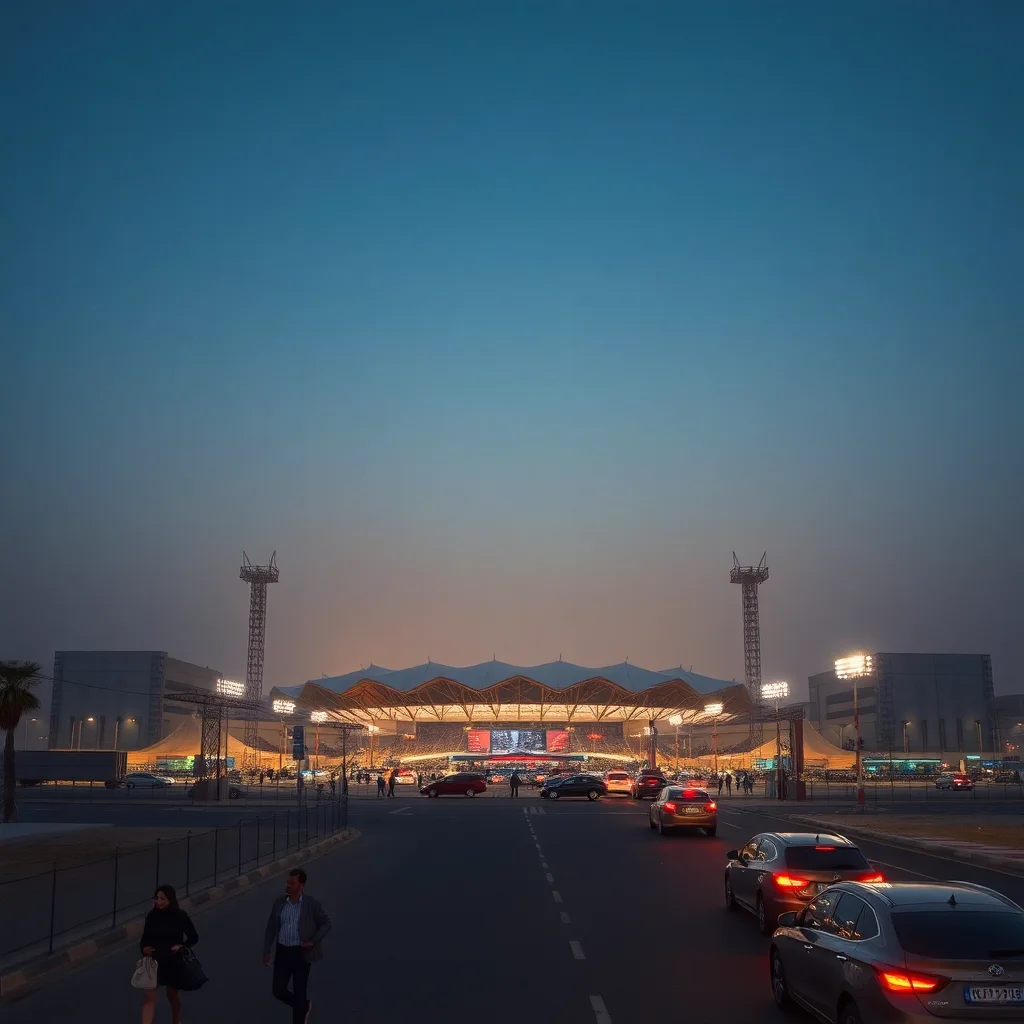
Riyadh’s King Fahd revamp exposes the stadium paradox: preserve identity, expand scale, and feed the mega-event economy.
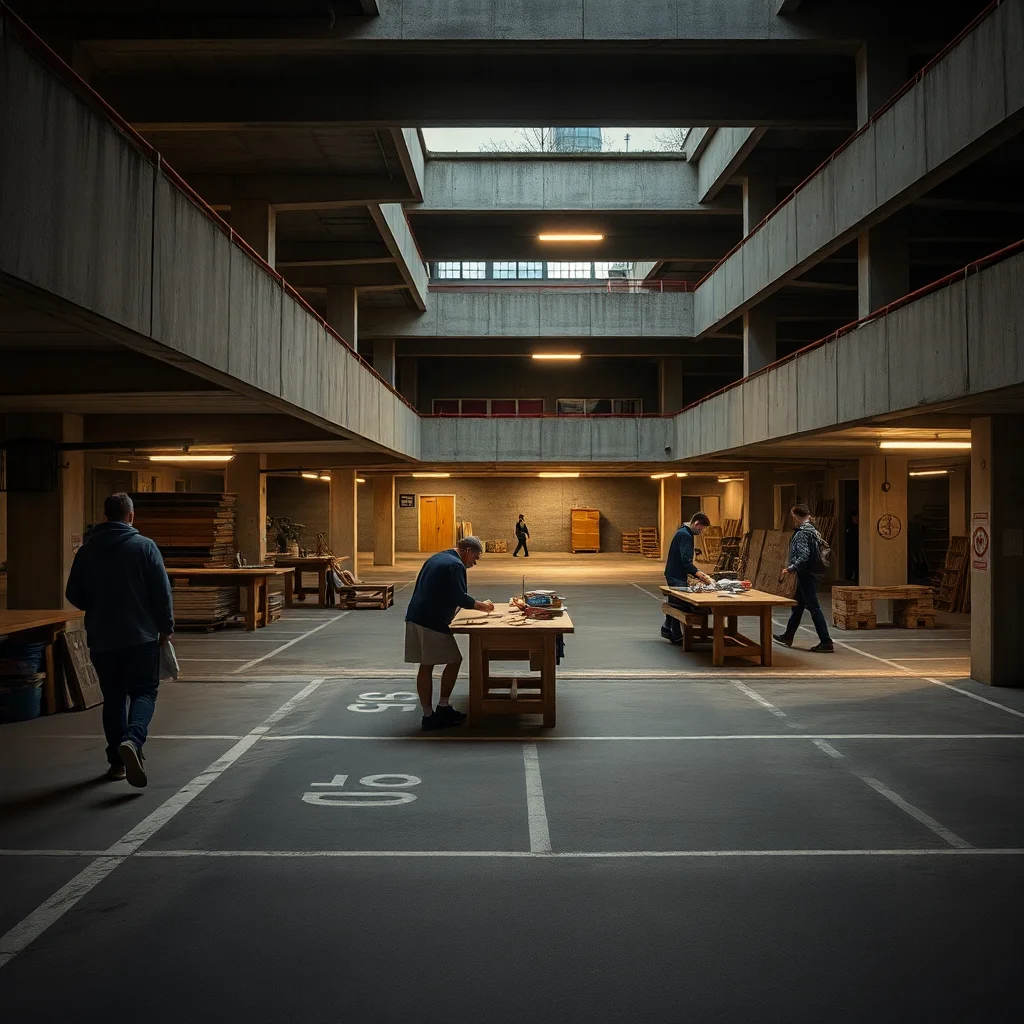
Vacant lots and empty garages are becoming civic engines. But are they repairing cities—or just styling scarcity?

Rio AI City promises a greener data district, but can landscape civilize AI’s energy appetite—or only conceal it?

Passive cooling is back: a blunt answer to overheating, energy strain, and carbon-heavy comfort.

Herman Miller’s updated Aeron raises a harder question: can an office chair evolve for greener, hybrid work without losing its cultural authority?
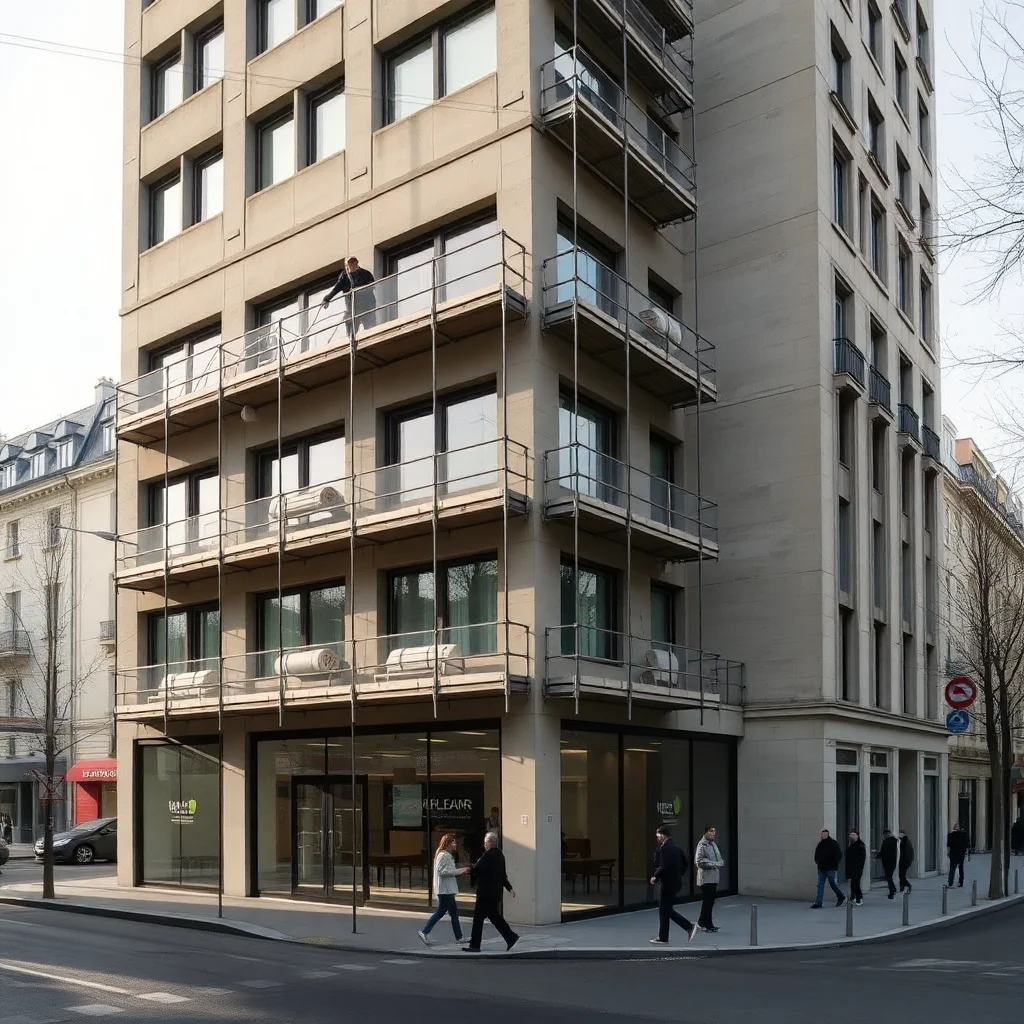
Adaptive reuse is becoming architecture’s real status symbol: lower-carbon, faster, urban, and brutally constrained.

Adaptive reuse is not just preservation—it's a fight over how much history a building should visibly keep.